How Muscle Growth Works While You Sleep

Who doesn’t dream of building muscle while sleeping without having to do anything? As with any great idea, dreaming is part of the process. It’s not quite that simple, but muscles do actually grow while you sleep. Sleep supports muscle growth through hormonal processes, helps your body recover, and improves your overall well-being. But of course, your muscles won’t build themselves without training. In this article, we’ll explain how your muscles grow while you sleep, what you should keep in mind, and give you tips on how to improve your sleep—so you can achieve your desired muscle mass.


All About Building Muscle
To understand how muscles grow in the first place, we first need to take a closer look at the physiological processes involved.
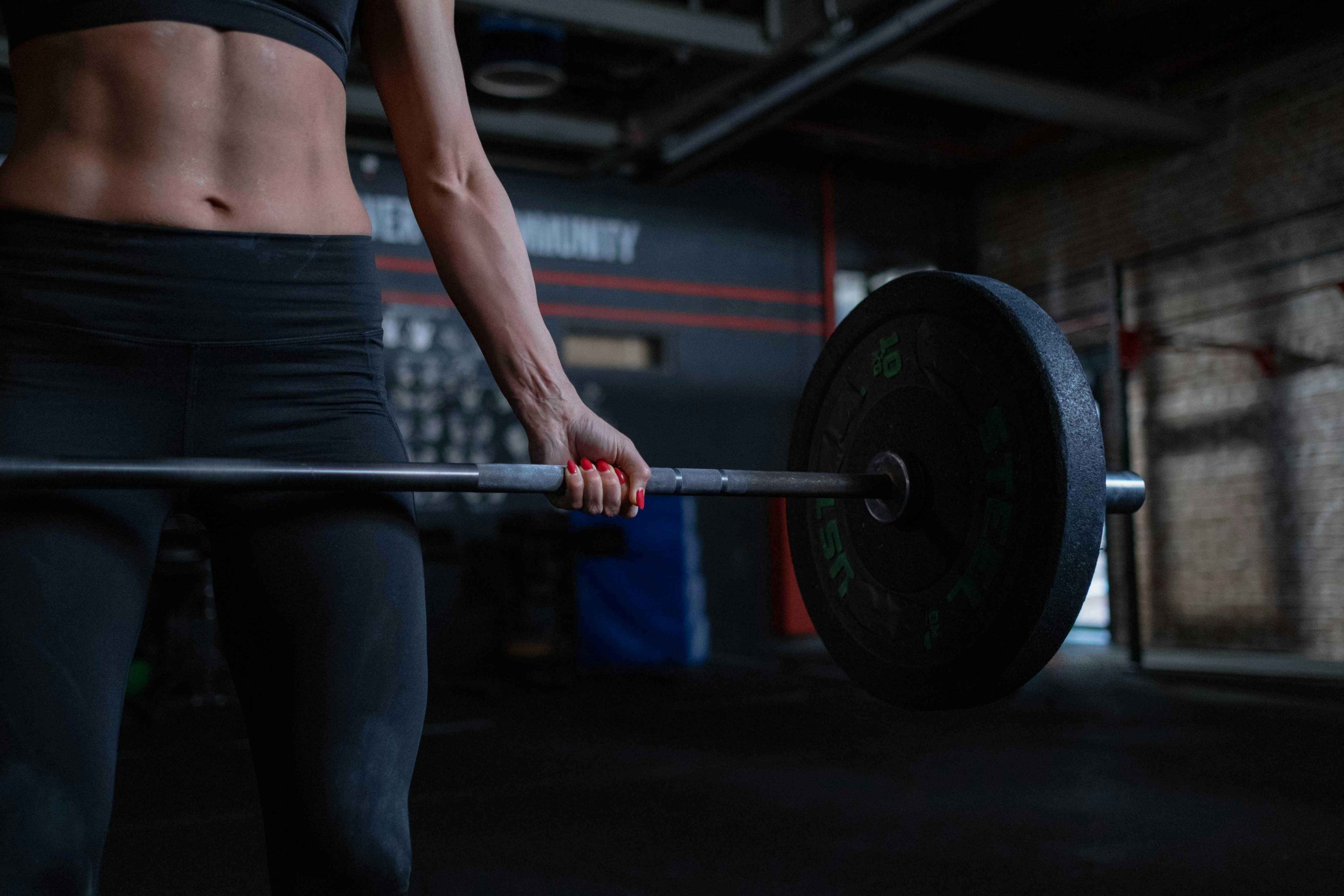
Building muscle requires targeted strength training of individual muscles. Straining the muscles leads to microscopic tears in the muscle fibers. These tears are desirable because the biochemical reactions that follow as part of the repair process ultimately cause the muscles to grow. The damaged muscle cells are broken down and replaced by new, stronger, and larger cells. This process is called muscle protein biosynthesis and does not take place during the workout, but rather during the recovery phase afterward.
Since muscle protein biosynthesis is influenced by various factors, it is important to focus on these factors in addition to following a structured and progressively intense strength training program. For example, a specific diet supports muscle growth, as the body requires sufficient protein for muscle recovery. Meat, fish, legumes, and dairy products should therefore be incorporated into your diet.
In addition to nutrition, recovery and sleep also play a crucial role in muscle growth. And that is what we will discuss in detail here.
How Muscles Grow While You Sleep
What happens to your muscles while you sleep? What are the different stages of sleep? And how exactly does it all work? We’ll provide the answers in this section—in easy-to-understand terms, so you don’t need a degree in biochemistry.
These are the sleep stages:
Sleep phases are divided into wakefulness, REM sleep (REM stands for Rapid Eye Movement), and non-REM sleep (N1 for light sleep through N3 for deep sleep), with each sleep phase lasting between 60 and 120 minutes. Each night, the body goes through approximately 4–5 sleep cycles, passing through these different sleep phases. During this process, brain activity, eye movements, heart rate, respiratory rate, muscle tension, hormone levels, and body temperature all change.
All of these activities influence muscle growth during sleep. The following hormones and bodily changes are particularly important for the body to regenerate and for muscles to grow.
Growth Hormones
Growth hormones, which are essential for tissue regeneration, are released primarily during deep sleep. The increased release of growth hormones during sleep is crucial for muscle growth. Both testosterone and the growth hormone HGH (human growth hormone) are responsible for repairing the muscles that have been worked out. The muscles are strengthened and grow.
Glucose Metabolism
Another important effect on muscle growth is increased glucose metabolism. The body is then better able to process and utilize carbohydrates; the muscles’ glycogen stores are replenished, and new energy is available for the next workout.
Cortisol and Melatonin
Every day brings stress—and with it, elevated cortisol levels. This hormone has a catabolic effect, meaning it breaks down muscle. It also blocks fat loss. As dusk sets in and it’s time to sleep, the sleep hormone melatonin is released. Cortisol is suppressed. This allows the body to fall asleep and regenerate.
Immune System
During sleep, waste products from metabolism are eliminated and all bodily functions are slowed down. This gives the immune system more strength to effectively fight off pathogens. And when you wake up the next day feeling healthy and refreshed, you can tackle your next workout feeling stronger and with renewed energy.
6 Hours of Sleep for Muscle Building
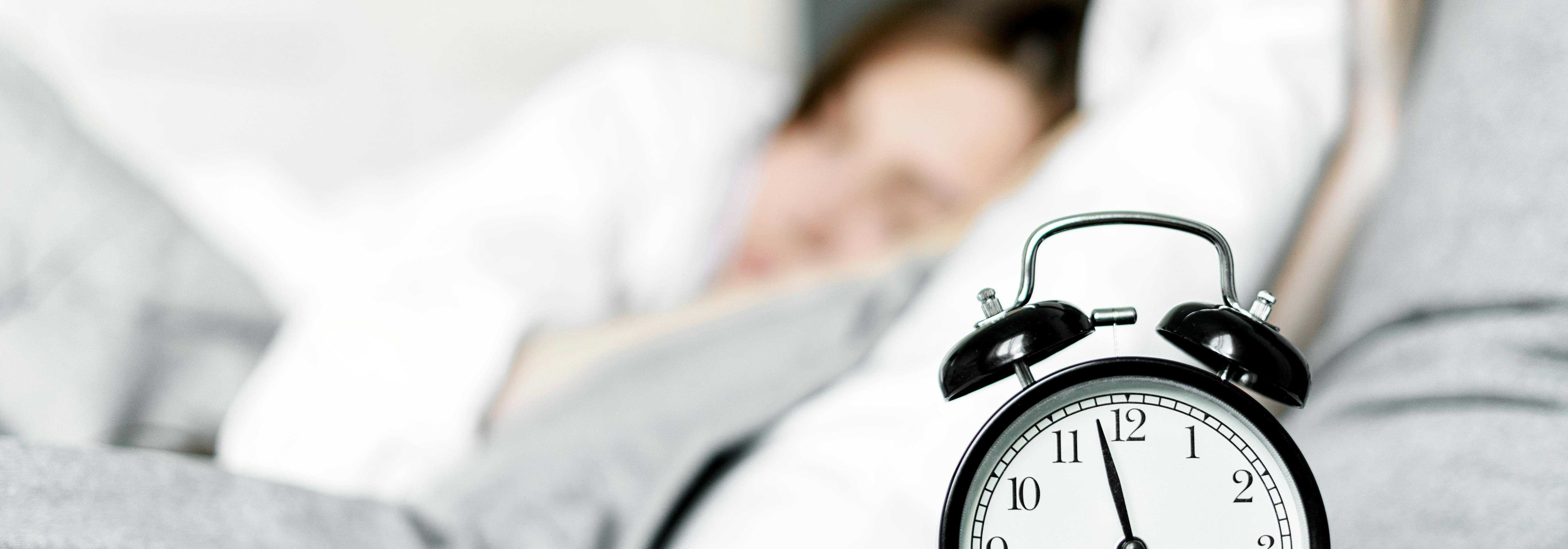
Getting enough quality sleep is crucial for effective muscle building. This is because important regenerative processes take place during sleep that are essential for muscle growth and recovery.
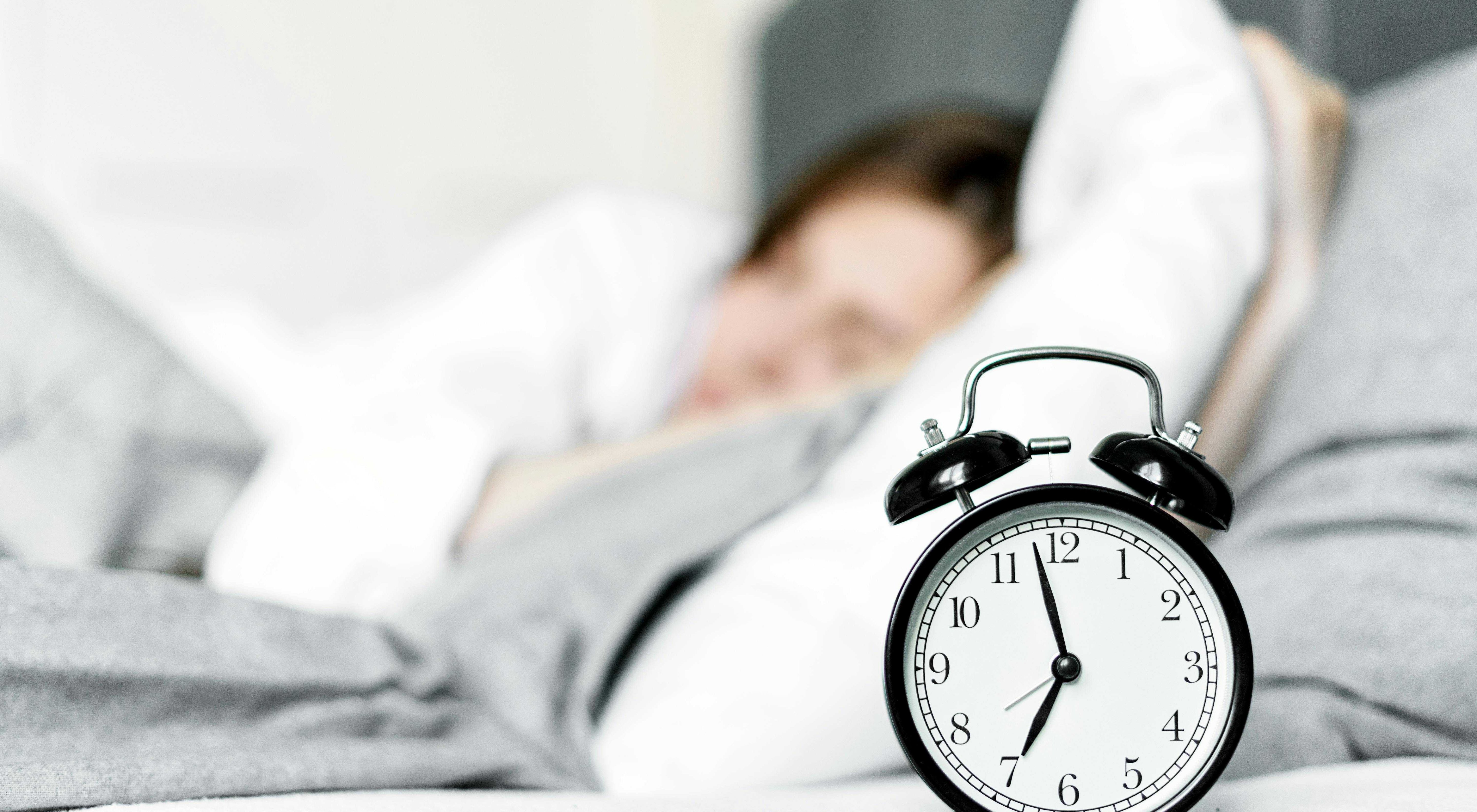
The optimal amount of sleep is individual and varies from person to person. As a general rule, however, you should aim for 7 to 9 hours of sleep per night. This also gives your body enough time to release the growth hormones HGH and testosterone, as these hormones play the most important role in the repair and growth of muscle tissue.
Several studies show that 6 hours of sleep per night are not sufficient for optimal muscle growth. On the contrary, a lack of sleep can have long-term negative effects on your overall health, energy levels, and physical performance. Insufficient sleep can also disrupt your hormonal balance, which in turn negatively impacts muscle repair and growth.
This doesn’t mean that a single night of insufficient sleep will immediately inhibit muscle growth. However, anyone who does specific strength training and wants their muscles to grow should also pay attention to their sleep quality. In addition to getting enough sleep regularly, this includes creating a comfortable sleeping environment free of distractions; bright screens and scrolling on your cell phone should be avoided. Caffeine consumed shortly before bedtime can also make it difficult to fall asleep. On the other hand, a dark, well-ventilated room, a mattress and pillow that suit your sleeping preferences, and a period of relaxation before bedtime are recommended. If all these conditions are met, you should be able to achieve optimal muscle growth while you sleep.
You can learn more about sleep hygiene and choosing the right mattress here:

Sleeping After a Workout
As previously discussed, the amount and quality of sleep are extremely important for muscle growth and recovery. In this chapter, we’ll take a brief look at selected studies that suggest that getting enough sleep optimizes hormonal regulation and muscle protein synthesis—all with the goal of making muscle growth as effective as possible.
One myth is that it’s not good to do intense workouts late at night. However, for people who work during the day and can only train late at night, science gives the all-clear. A 2018 study published in the journal *Sports Medicine* suggests that you can exercise in the evening as long as you allow for at least one hour of rest before going to bed.
The researchers examined the onset and quality of sleep in healthy adults who completed a single evening workout, comparing them to a control group that did not exercise before going to sleep. They found that evening exercise not only did not interfere with sleep but actually seemed to help people fall asleep faster and spend more time in deep sleep. However, those who did a high-intensity workout less than an hour before bedtime took longer to fall asleep and had poorer sleep quality.
A 2017 study conducted with Chinese college students also examined the link between sleep and muscle strength. The result: Good sleep quality was associated with greater muscle strength, while short sleep duration may be a risk factor for lower muscle strength.
In 2010, the American College of Physicians conducted a study that also yielded clear results. A group that slept 8.5 hours per night and a control group that slept only 5.5 hours per night were placed on a regulated calorie deficit for two weeks. Both groups lost the same amount of weight, as their calorie deficits were equal. However, the researchers made some intriguing discoveries regarding the composition of the weight lost: The sleep-deprived group lost 60% more muscle mass and 55% less fat than the group that got sufficient sleep. This suggests that sleep not only has a strong influence on muscle recovery, growth, and maintenance, but also on fat loss.

Sleep Aids in Competitive Sports
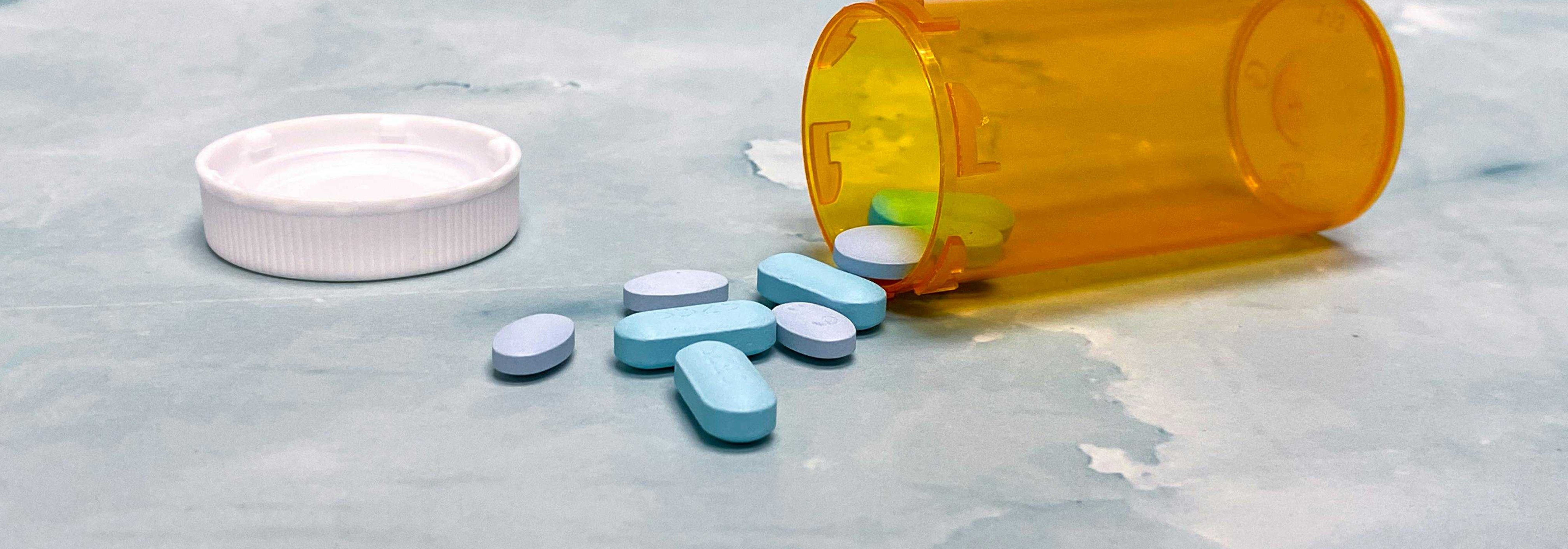
If sleep has such a positive impact on muscle growth, it stands to reason that sleep aids are also used in competitive sports to enhance performance. A prominent case of sleep aid abuse is that of former Australian swimming star Grant Hackett, who confessed upon his retirement in 2008 that he had been addicted to the sleep aid Stilnox for years. The drug, which contains the active ingredient zolpidem, is classified as a “Z-drug” and is available only by prescription. Improper use is strongly discouraged. According to studies, the risk of death increases three- to fivefold for users of sleeping pills. The risk of cancer even rises by 35 percent.
However, there are also natural sleep aids that can help you fall asleep more easily and get a restful night’s sleep. One popular sleep aid is the aforementioned melatonin, which regulates the sleep-wake cycle. It can be taken as a dietary supplement to help you fall asleep and sleep soundly through the night.
Another well-known option is valerian. The plant, whose root is used as a sedative, can help promote relaxation and make it easier to fall asleep.
Chamomile is a popular herbal tea that has a calming effect and can help with sleep disturbances. The chamomile oil it contains has a soothing effect and can help with sleep disturbances. Lavender is also popular; its essential oil has a calming effect and helps reduce stress and improve sleep.
Passionflower, a plant traditionally used to treat sleep disturbances, is also said to improve sleep quality.
The list of natural sleep aids can be further expanded to include hops, milk with honey, and grapes. These natural sleep aids work in various ways by promoting the release of sleep hormones, reducing stress, promoting relaxation, or having calming effects.
However, it is important to note that natural sleep aids do not work the same way for everyone, and individual differences may occur. It is advisable to consult a doctor or a qualified healthcare professional before taking dietary supplements or herbs to consider possible interactions or contraindications.


Factors That Promote Muscle Growth During Sleep
The first step in optimizing your sleep should be to focus on your bedroom and various sleep routines. This is because, in addition to the duration of sleep, sleep quality is also important. An undisturbed and restful night’s sleep supports the body’s recovery and muscle growth while you sleep. Make sure you’re in a comfortable sleeping environment, limit alcohol intake to a small amount at most, minimize noise and light, and try to wind down before bed to make the most of your sleep cycle.
After all, if you want to support your muscles as effectively as possible, your body should always get enough sleep. Give your body the time it needs to recover and build muscle.
Routines can be very helpful here. Set a bedtime and try to establish it as a fixed routine. Another routine should be to turn off all devices that emit light or radiation at least 15 to 30 minutes before going to bed. Instead, relax by reading a chapter in a book, meditating, or drinking a cup of tea.
Also make sure your bed is comfortable, your mattress suits you, and you’re using an ergonomic pillow. The bedroom should be dark, quiet, and cool.
If you can’t fall asleep after 15 to 20 minutes, get up again, go into another room for a moment, and have a glass of water or a cup of tea, for example. Don’t force yourself to fall asleep; instead, try to return to your bedtime routine as relaxed as possible.
If you’ve had a short night, a short nap during the day can also help you recover better. However, your afternoon nap should be limited to 20 to 30 minutes in the early afternoon.
It’s clear that sleep isn’t the only factor responsible for muscle growth. It’s part of a holistic approach that consists of appropriate training, a balanced diet, and sufficient rest. Additionally, muscle growth is an individual process that depends on various factors such as genetics, age, and gender. Be patient and stay consistent with your training and diet to achieve long-term progress.
Summary
In summary, sleep plays an important role in muscle building. During sleep, regenerative processes take place in which growth hormones are released, supporting muscle repair and growth. An optimal sleep duration of 7 to 9 hours per night is recommended to promote these processes.
Natural sleep aids such as melatonin, valerian, chamomile, lavender, and passionflower can help induce sleep and improve sleep quality. They work in various ways, for example by releasing sleep hormones, reducing stress, and promoting relaxation.
However, sleep alone is not the only factor crucial for muscle building. A holistic approach—consisting of structured and progressive strength training, a balanced diet, and adequate recovery—is necessary.
It’s important to get enough sleep, ensure good sleep quality, and practice healthy sleep hygiene. A comfortable sleeping environment, relaxation before bedtime, and avoiding disruptive factors such as electronic devices, alcohol, or caffeine can help improve sleep.
Please always remember that building muscle is an individual process, and patience as well as consistency in training and nutrition are required to achieve long-term progress. If you keep all of this in mind, your muscles will certainly grow while you sleep.