Fascia Therapy Explained: An Overview of All Methods

In recent years, research in the field of fascia has increased significantly. The effects of various forms of fascia therapy—which were often difficult to explain—are becoming increasingly understood. Reducing them solely to a placebo effect is no longer tenable, not even for gentle forms of fascia therapy.
Many of the effects of fascial therapy have now been proven. Here, we’ll introduce you to commonly used forms of therapy that incorporate fascial treatments.
Osteopathy
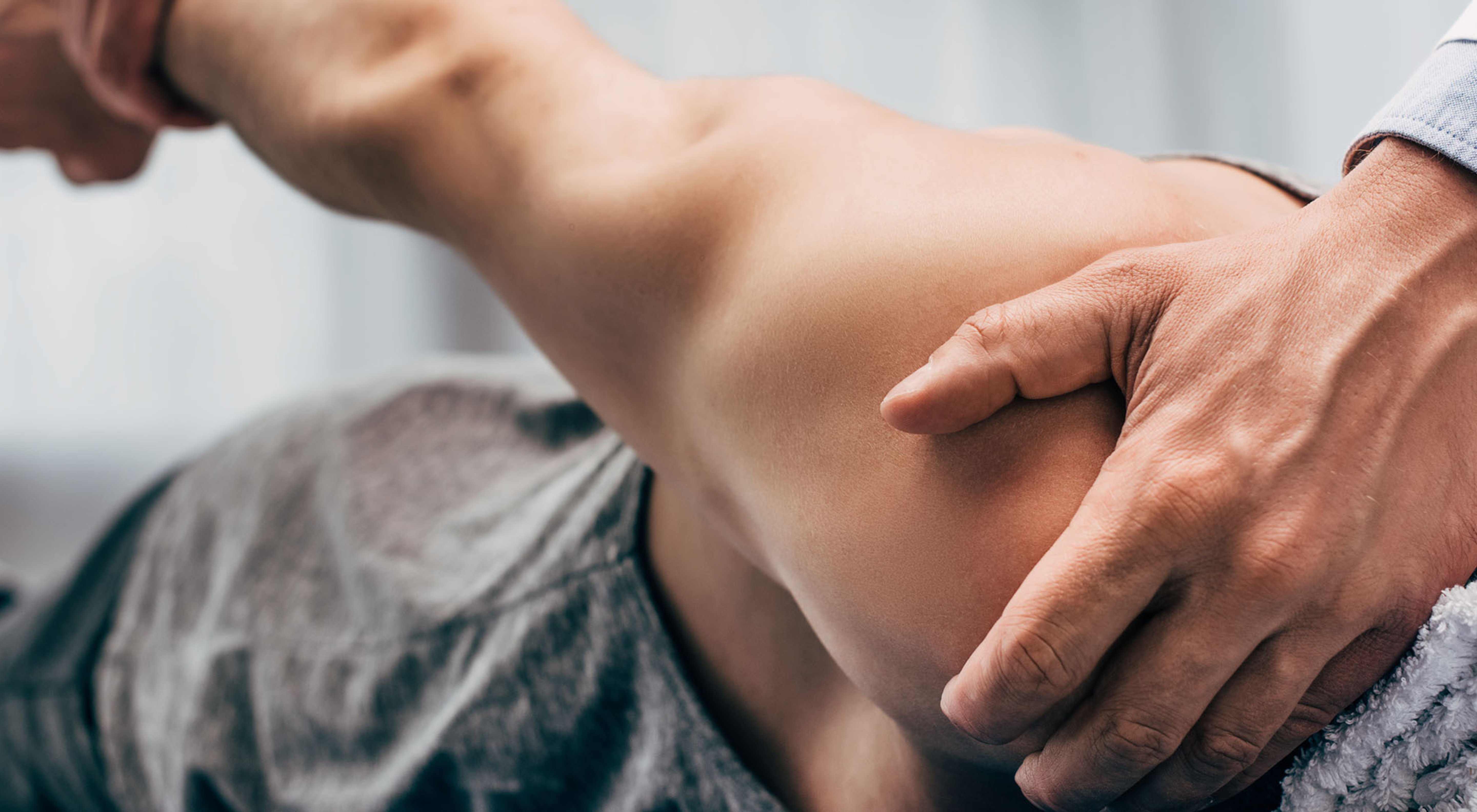
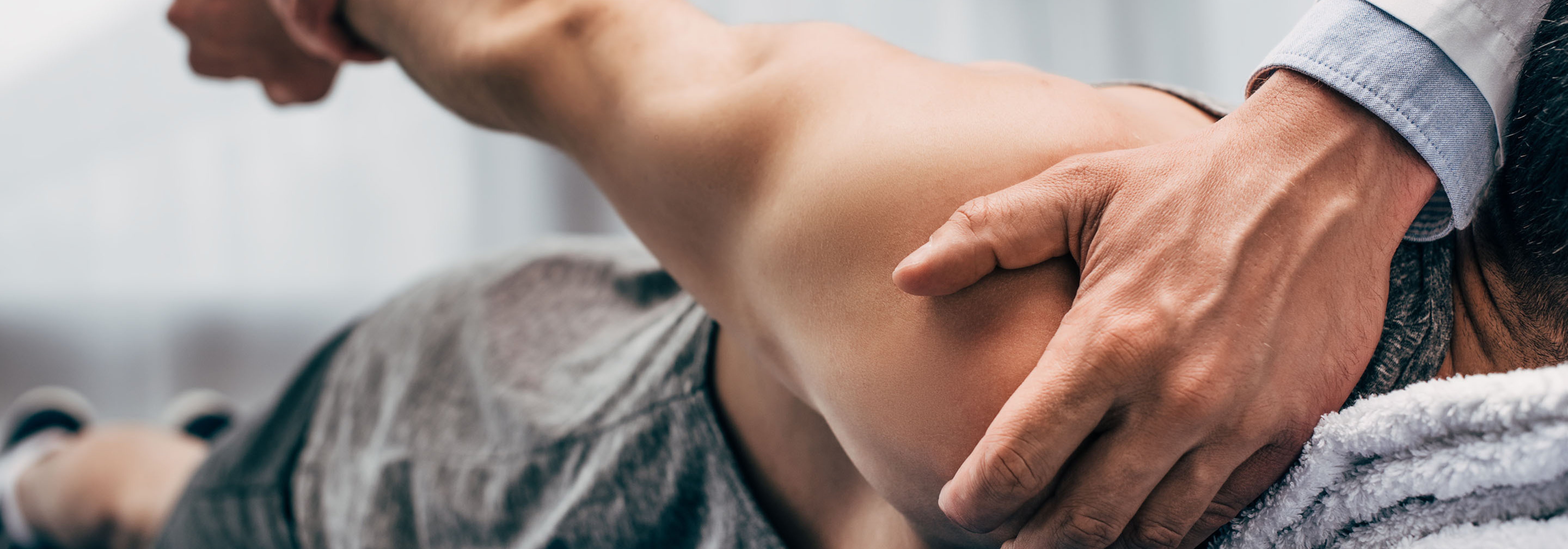
Many fascial therapies are based on the principles of osteopathy. Developed by the American Andrew Taylor Still as early as the 19th century, osteopathy is a holistic, predominantly gentle healing method. In osteopathy, the therapist uses their hands to detect and release skeletal misalignments, tissue tension, and organic and neurological disorders.
This brings the entire organism into a healthy balance, allowing the body’s own healing forces to flow freely once again. This “reset” triggers the body’s self-regulation. Osteopathy consists of the following three main areas:
Parietal Osteopathy
Parietal osteopathy focuses specifically on treating bones, joints, muscles, and fascia. Techniques are used to relieve pain, correct misalignments, and regulate tissue tension.
Craniosacral Osteopathy
Craniosacral osteopathy, on the other hand, focuses primarily on the connection from the skull (cranium) through the spine to the sacrum. This area encompasses the central nervous system—that is, the brain and spinal cord—and is enclosed by membranes that contain a hydraulic system subject to minimal rhythmic pumping movements.
Due to its importance, this craniosacral rhythm is also referred to as primary respiration. A statistical analysis shows that approximately 85% of physical dysfunctions are causally linked to the craniosacral system. This explains why craniosacral therapy can be helpful for a wide range of conditions—not just those of the musculoskeletal system.
Visceral Osteopathy
Visceral osteopathy focuses on the internal organs and their position, mobility, and function. It also takes into account the fascial attachments of the organs and their connections to other structures.
This breakdown is provided solely for clarity. In osteopathy, all three systems are considered simultaneously and, in the spirit of a holistic approach, viewed as an interacting, complex bodily system.
Rolfing
“The fasciae are the organ of posture…”
Ida Rolf (1896–1979)
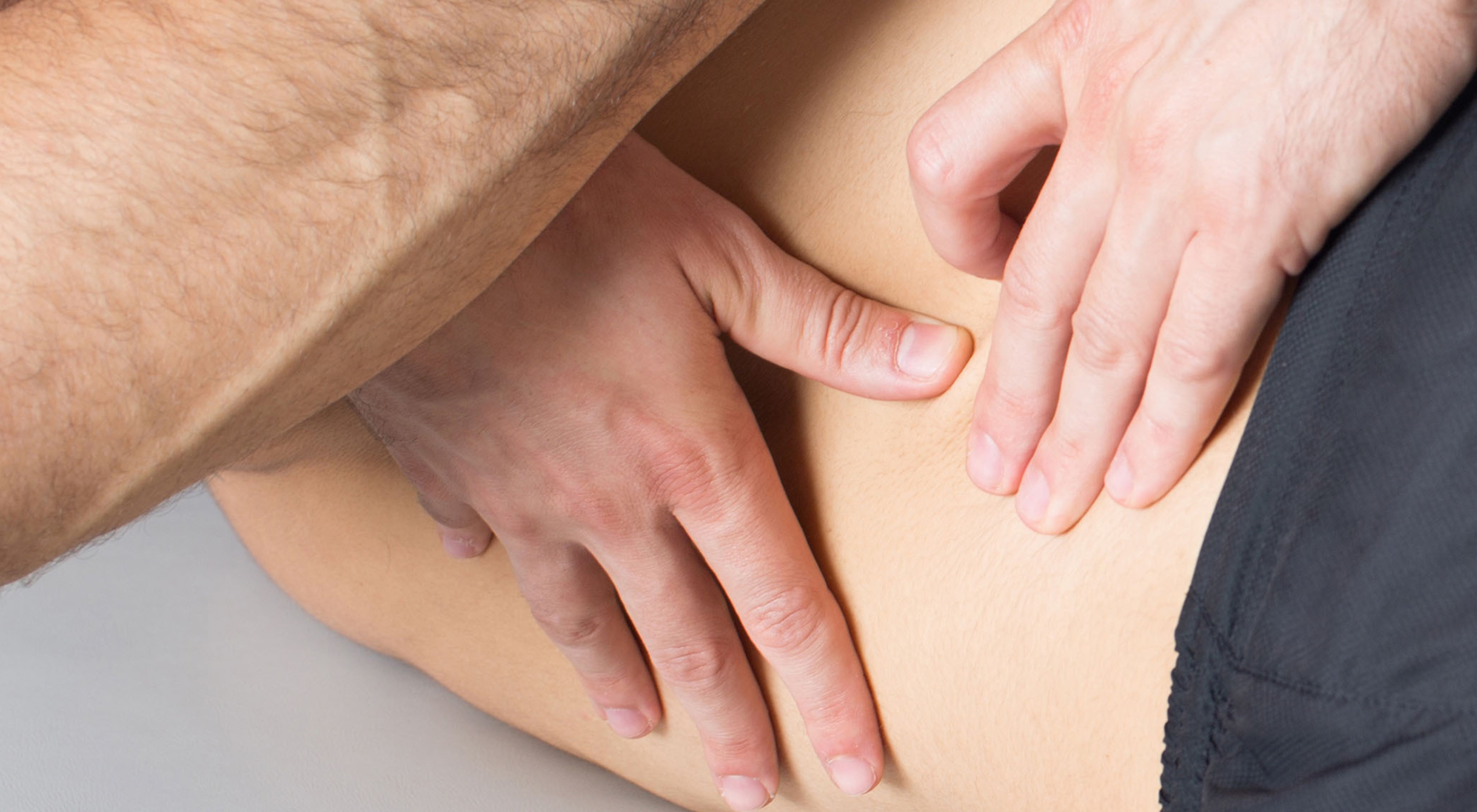
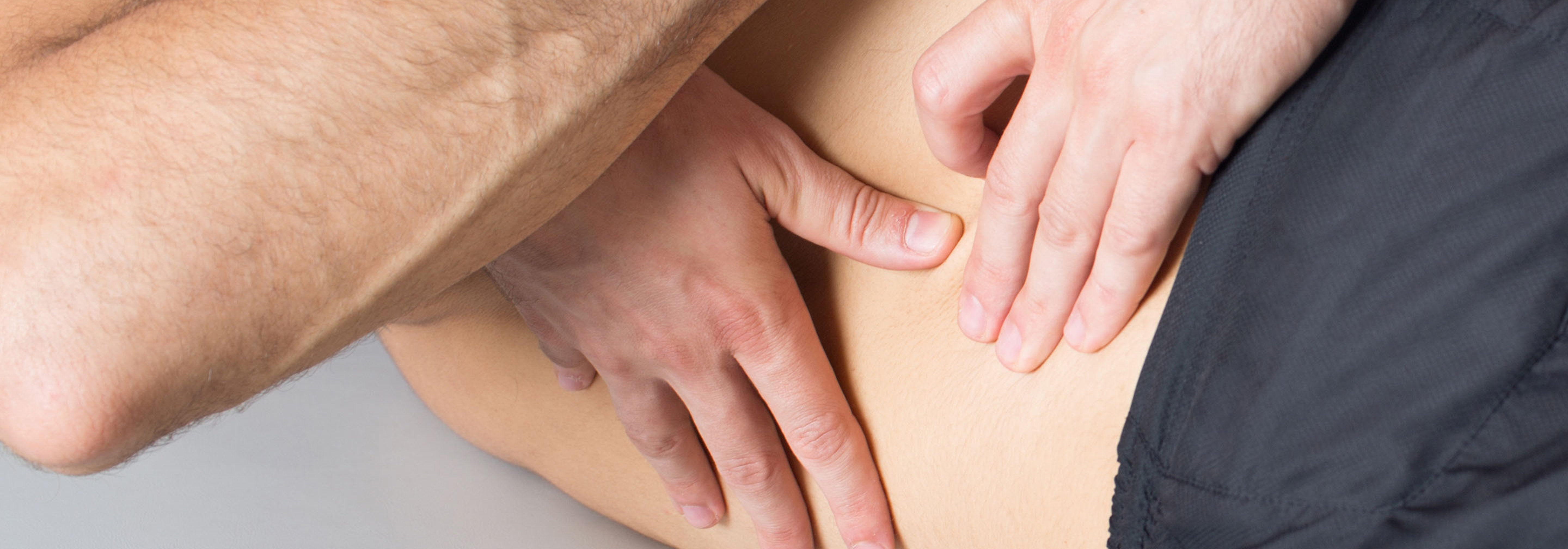
Rolfing is another form of fascial therapy. The goal is to restore the body’s alignment to an upright position relative to gravity through the muscle fasciae, which connect the entire body like a network. To achieve this, the client’s posture while standing and walking is first analyzed.
This is followed by deep connective tissue work, in which Rolfers utilize the plasticity of the fascia. Using slow, melting pressure from their hands and elbows, they release and relax precisely those fascia that prevent the body from fully straightening.
Furthermore, the patient is guided to support the treatment through specific movements. A therapy session typically concludes with postural or body awareness exercises that correspond to the session’s focus. The goal is to achieve a relaxed posture, more fluid movement patterns, and improved body awareness.
Over the course of typically 10 sessions, the entire body is treated according to a specific, progressive concept.
Session 1: Breathing
Session 2: Feet
Session 3: Midline
Session 4: Ankles, legs, pelvic floor
5th session: Pelvis 1
Session 6: Pelvis 2
7th Session: Head & Shoulders
Sessions 8–10: Integration
The first three sessions are primarily intended to open up the outer, more extensive layers; starting with the fourth session, the deeper core structures are addressed. The final three sessions are then designed to integrate the altered structures and movement patterns.
Rolfing is primarily preventive in nature. It corrects poor posture at an early stage and specifically addresses less severe conditions.
Fascial Manipulation (according to Stecco)
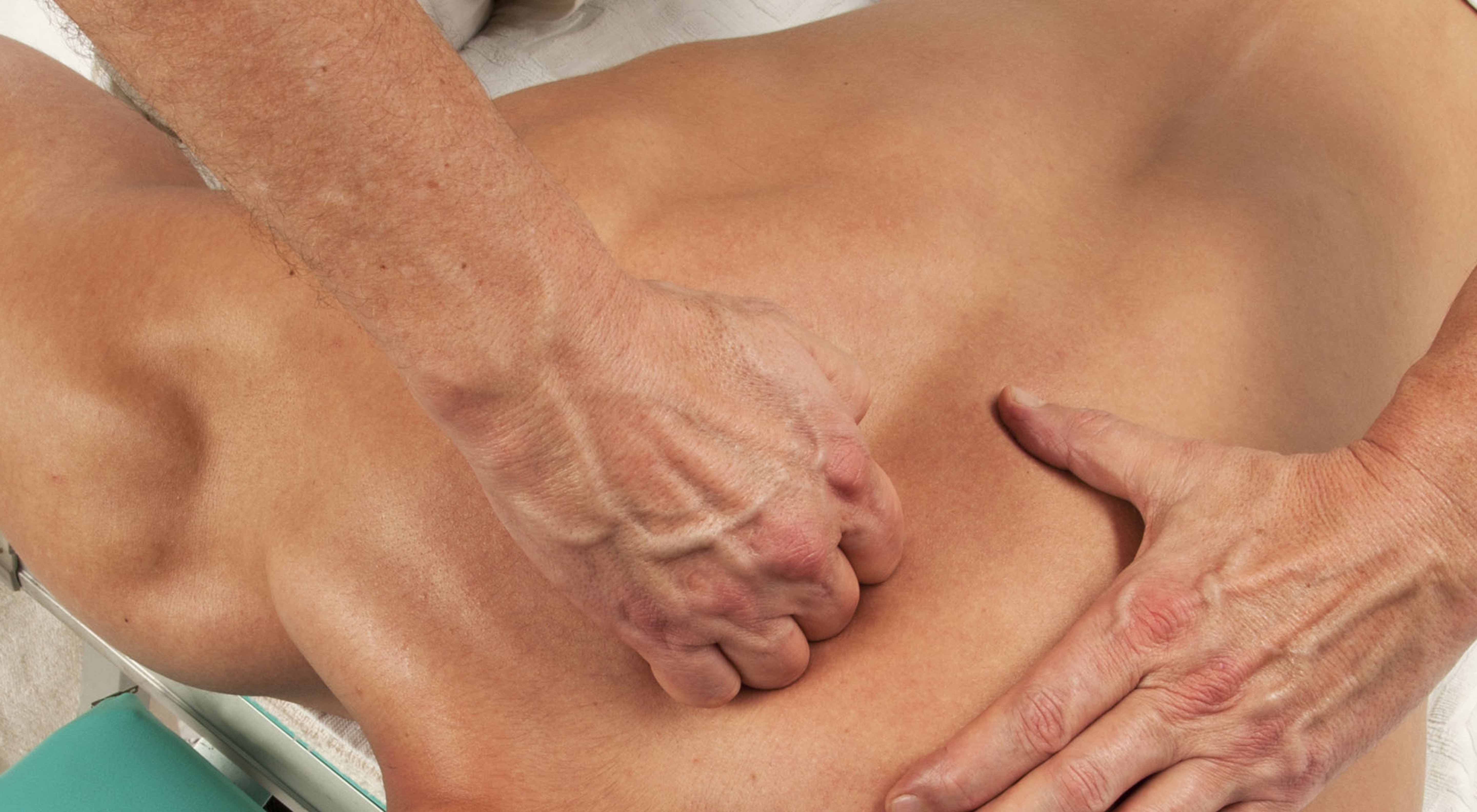
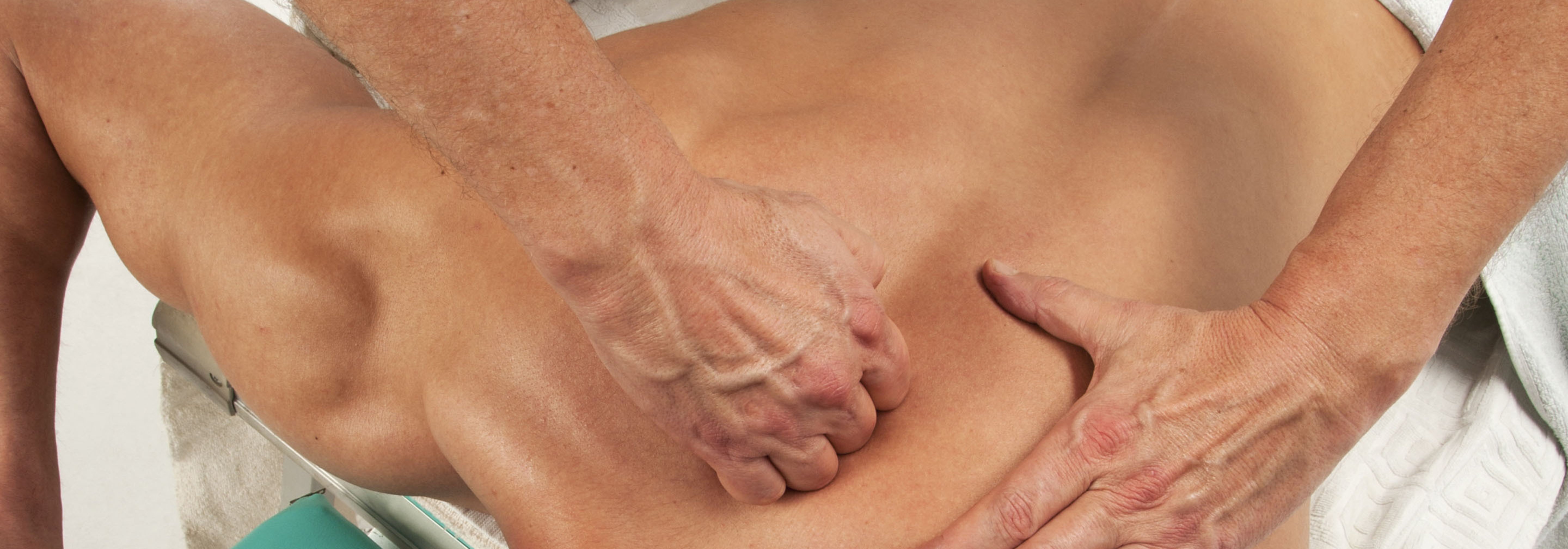
Like many fascial therapies, fascial manipulation is a form of manual fascial therapy. It views all the fascia in the body as a single unit that functions as a three-dimensional network. Changes in tension in one area can therefore cause discomfort in another part of the body.
In Fascial Manipulation according to Stecco, the key causal points in the body that are connected to the region where pain is perceived are identified and treated using targeted techniques. These points are typically located in the deep fascia, away from the area where symptoms are felt.
The treatment results in the liquefaction of gel-like fluid within the fascia, thereby regulating myofascial tension along the corresponding pathway.
Fascial Distortion Model
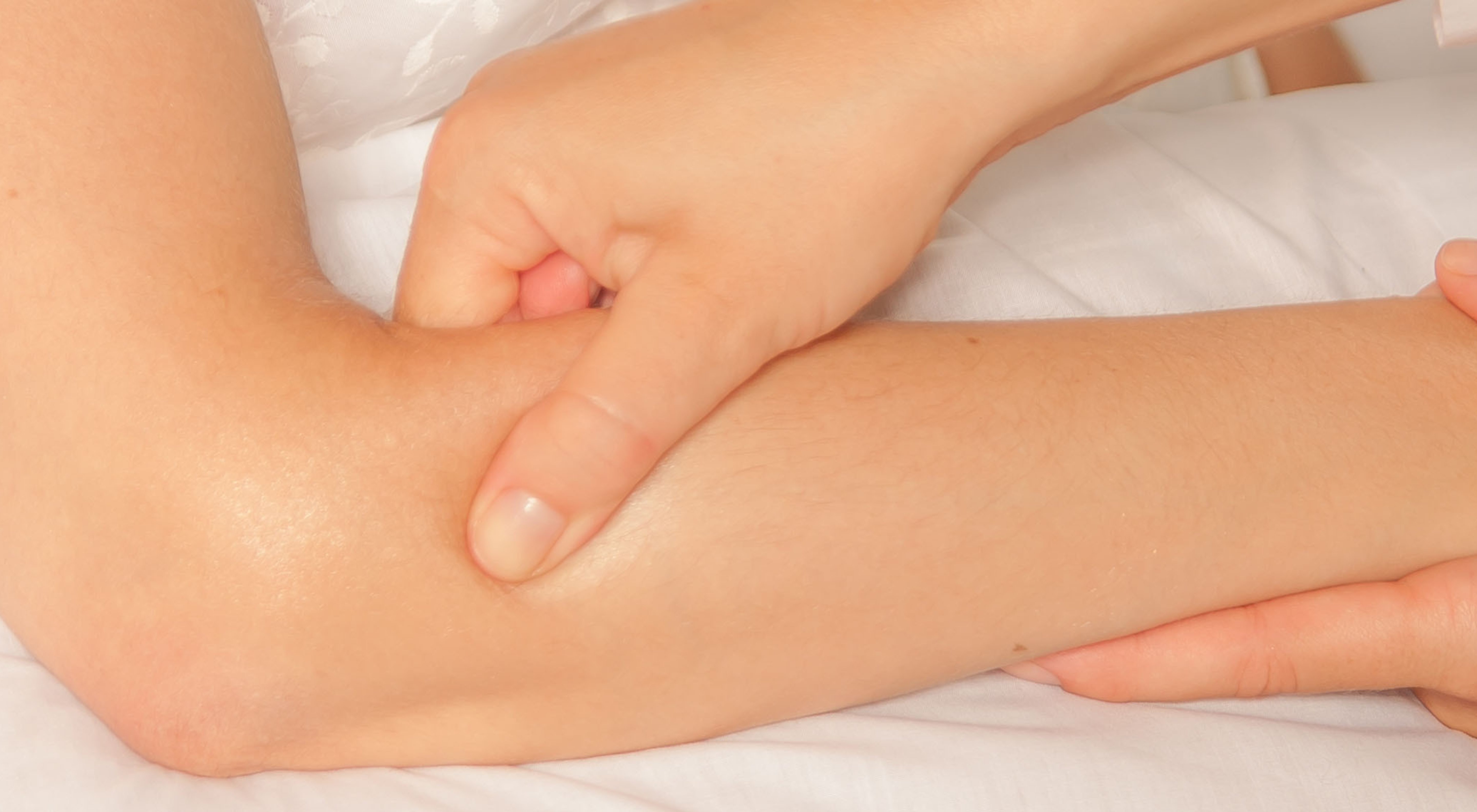
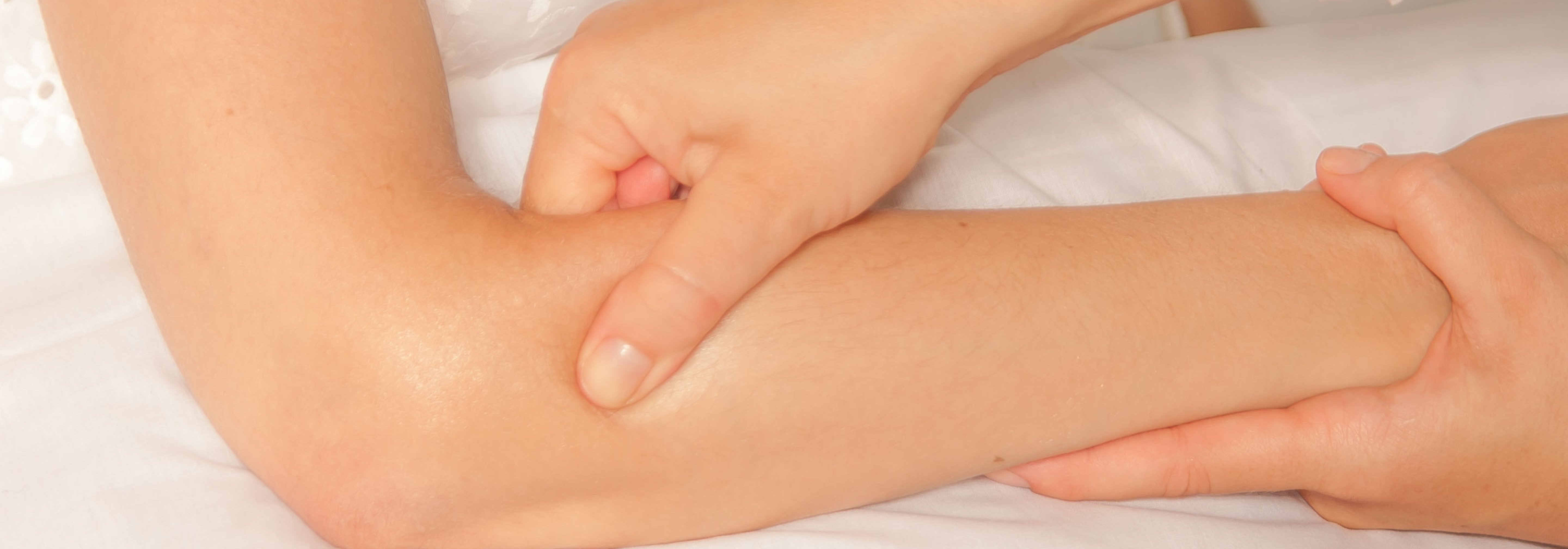
The Fascial Distortion Model was developed by emergency physician and osteopath Stephen Typaldos. It attributes injuries and symptoms to six specific distortions of the fascia. The therapist identifies and determines one or more of these primarily based on the patient’s choice of words and body language when describing their problem:
- Trigger Band
- Continuum Distortion
- Herniant Trigger Point
- Cylindrical Distortion
- Fold Distortion
- Tectonic fixation
This is followed by therapeutic fascial treatment. Afterward, consistent movement by the patient supports the process of self-regulation. The Fascial Distortion Model is primarily used for muscular and fascial disorders, as well as for tendinous and skeletal complaints.
Connective Tissue Massage
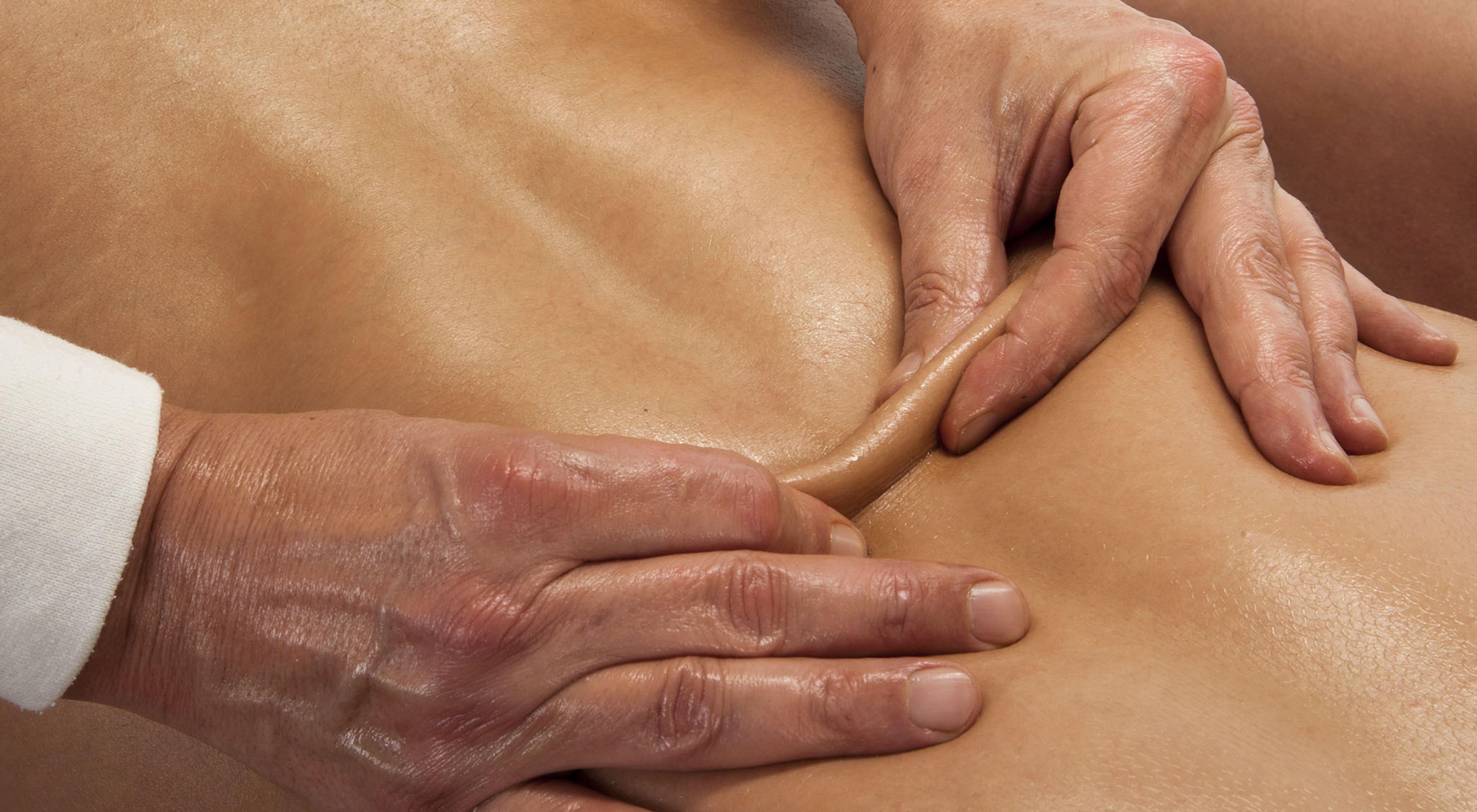
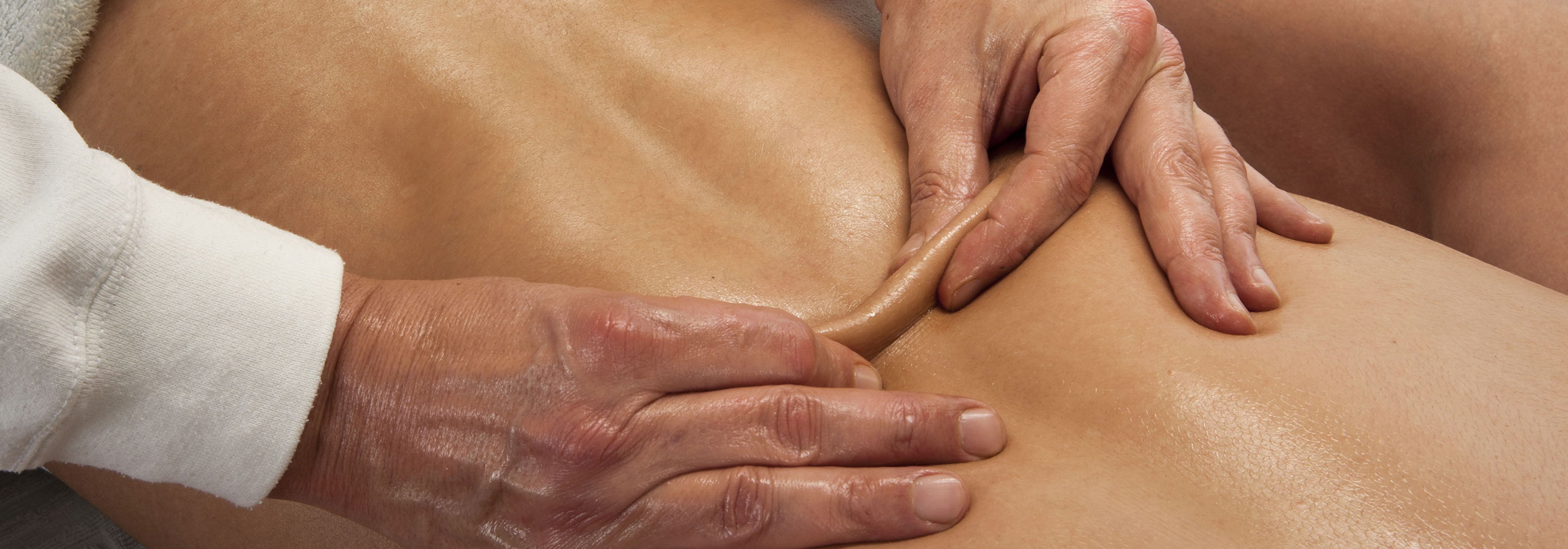
Connective tissue massage was established as early as 1929 and can therefore be considered one of the first fascial therapies. It is a specialized massage based on the concept of “Headschen Zonen.”
Through specific techniques that target the skin, subcutaneous tissue, and fascia, a cuti-visceral reflex arc (cutis = skin; visceral = internal organs) is triggered, which acts between the skin, the internal organs, and the musculoskeletal system.
This allows disturbances in these areas to be resolved by normalizing the tone of the connective tissue. The initial reaction is increased blood flow in the area that was treated.
Acupuncture
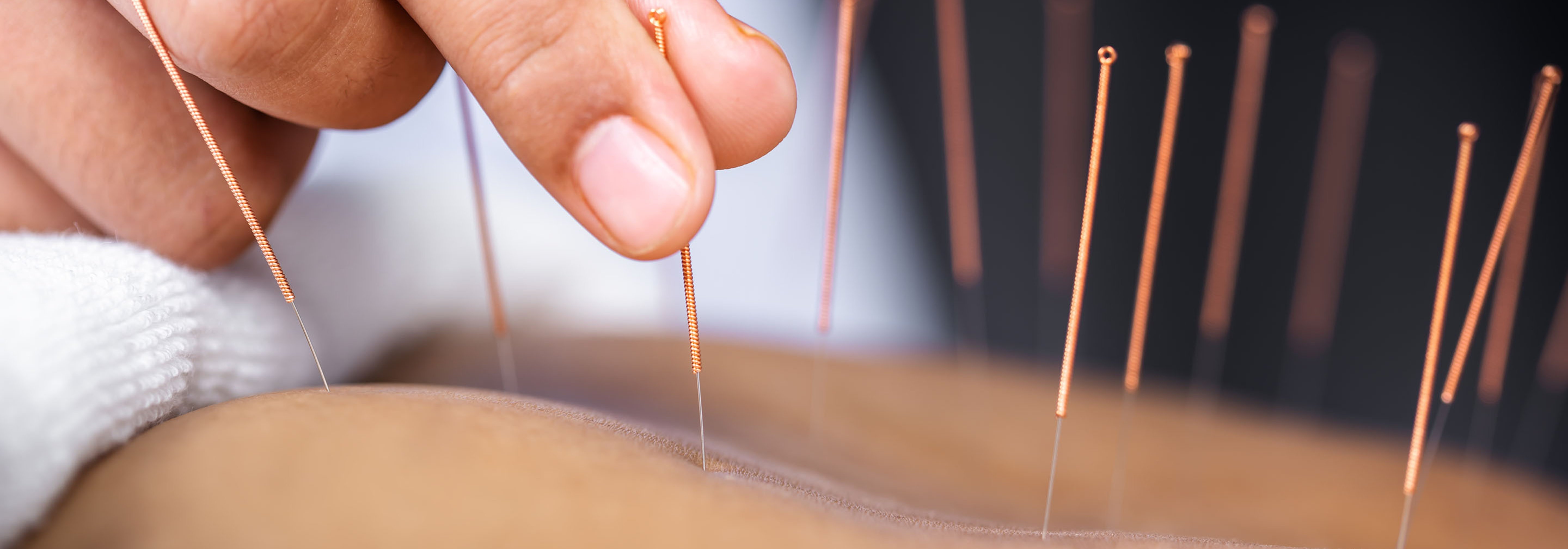
Acupuncture is a traditional Chinese healing method that dates back over 2,000 years. At the heart of this therapy is the concept of a flowing life force, known as Qi.
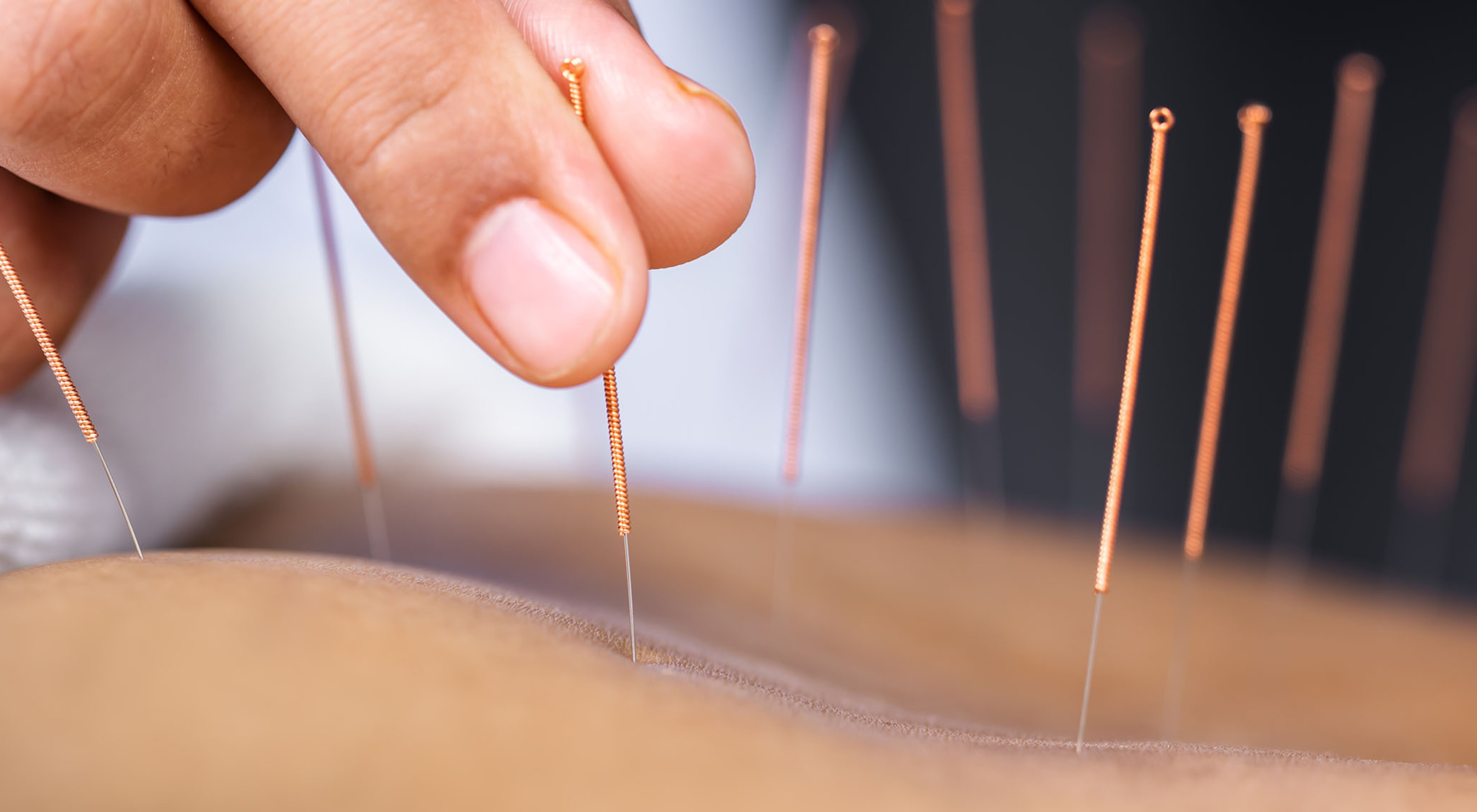
By inserting fine needles (aku = needle) into the skin and the superficial layer of fascia (punktio = to pierce), specific points along the body’s energy pathways (meridians) can be stimulated.
The needles remain in place for about 30 minutes to harmonize the flow of energy between the meridians and positively influence the bodily functions dependent on them. Various effects can be intensified by rotating the needles, moving them up and down, or heating them.
Given current knowledge that the relevant meridian points correspond to intersections of the fascial network, a connection between these points and the treatment’s mechanism of action is assumed. An increased release of pain-relieving hormones is also being discussed. Studies have demonstrated significant pain relief, particularly for headaches, back pain, and joint pain.
Over time, various forms have emerged:
- Ear acupuncture
- Cranial acupuncture
- Hand acupuncture and
- Foot acupuncture
In these methods, only the respective area is treated. Nevertheless, the effects are felt throughout the entire body.
Cupping
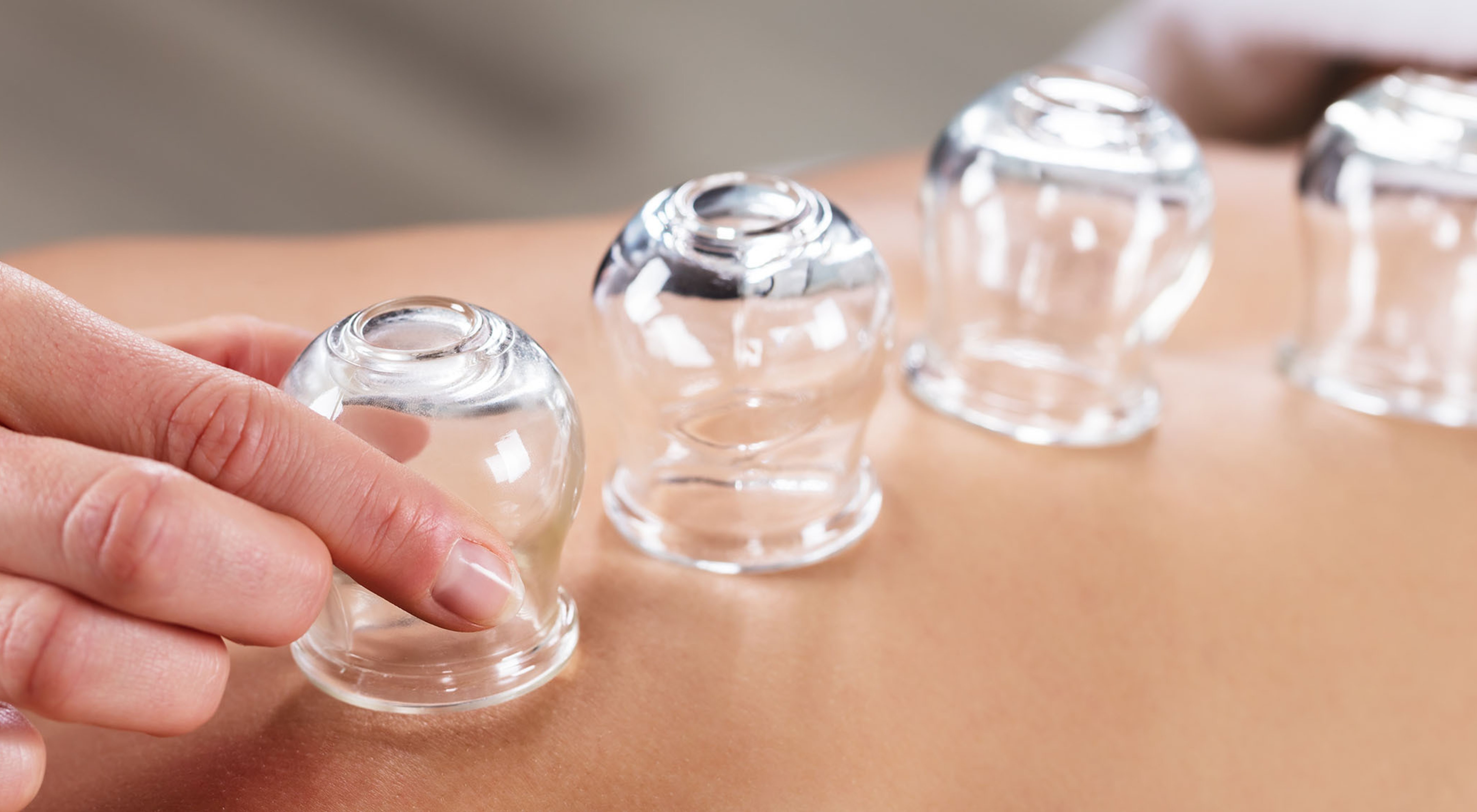
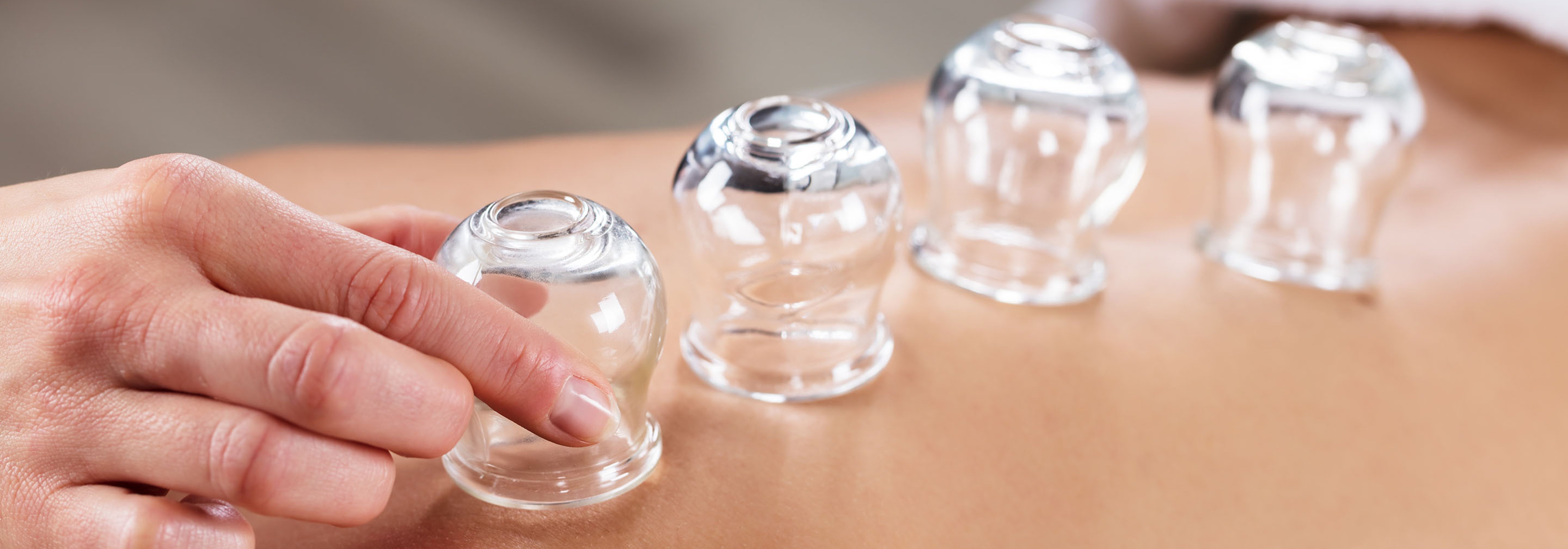
Cupping is one of the oldest methods of fascial therapy using devices, which were already in use in ancient Egypt. It is also a component of traditional Chinese medicine, where it is called Ba Guan.
In this alternative healing method, bell-shaped glasses are placed on the skin to create a vacuum. The vacuum can be generated by heating and then cooling the suction cup or (more commonly today) by using a rubber suction ball.
The negative pressure pulls the skin and the underlying connective tissue upward, thereby stimulating blood circulation, lymphatic flow, and the metabolism of the skin and superficial fascia. The stimulation caused by the resulting hematoma stimulates the flow of energy and encourages the body’s self-healing processes.
Taping
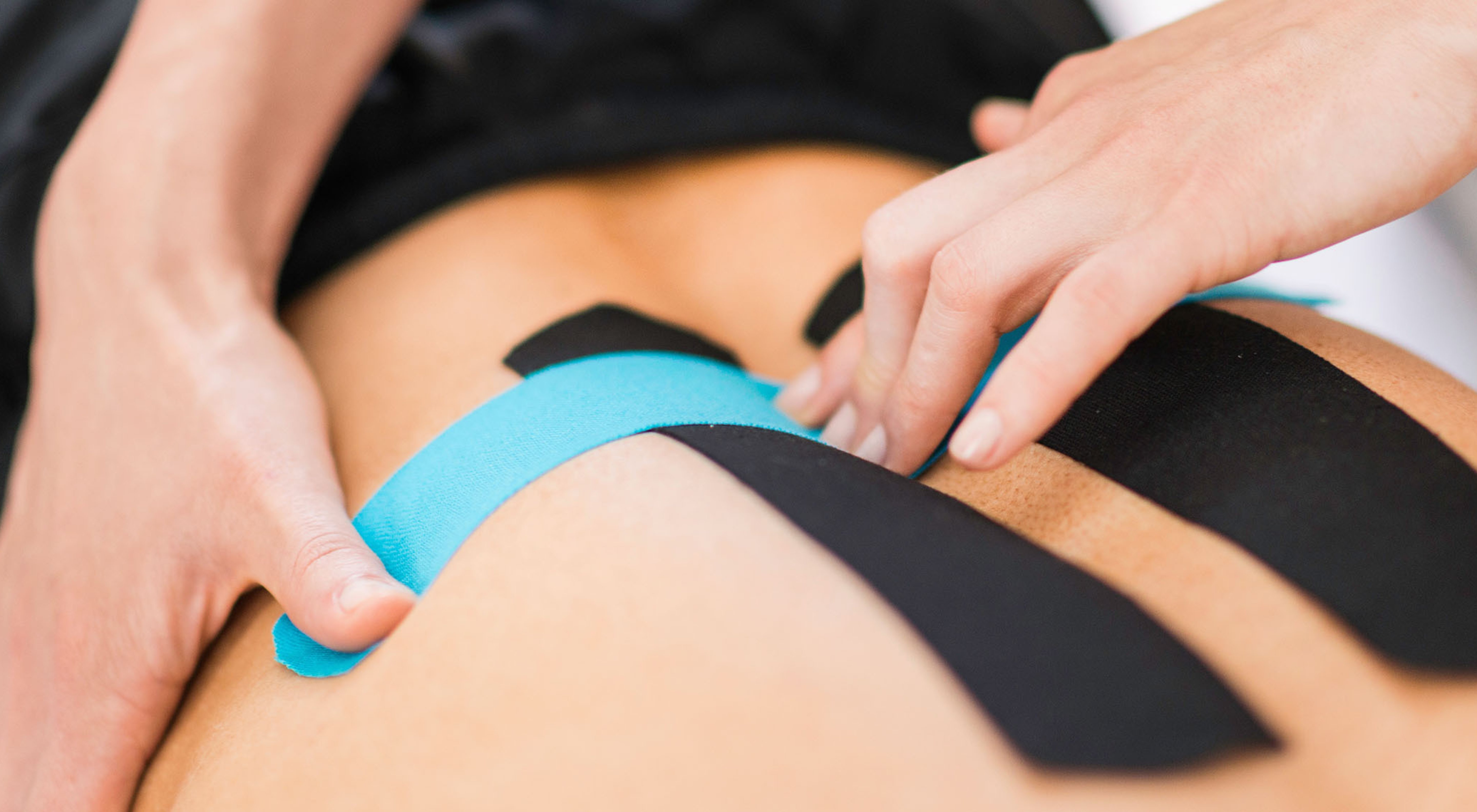
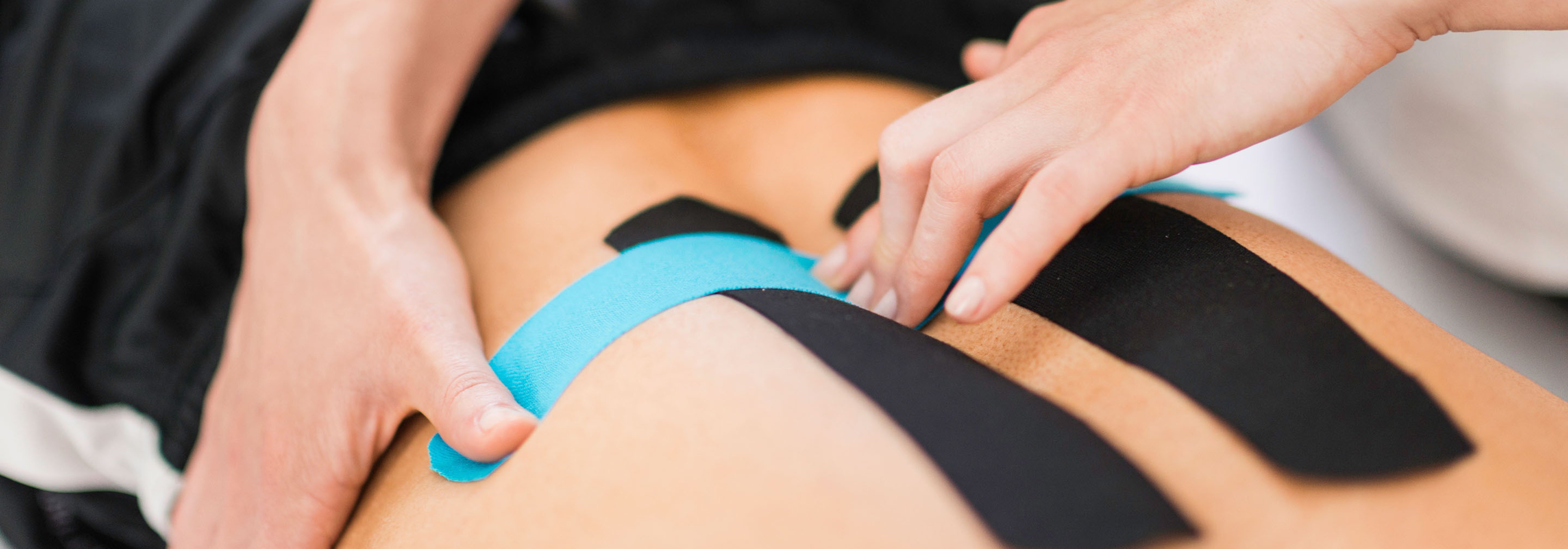
Therapeutic taping originated in Japan and is primarily known as kinesiological taping, or the Kinesio Tape method for short (from the Greek kinesis, meaning “movement”). It is frequently used by therapists and doctors to support primary treatment for conditions affecting the muscular and fascial systems, as well as the tendons and skeletal system. These include, for example, sports injuries such as muscle strains and muscle fiber tears, tendon irritation, or joint problems.
Unlike bandages used for stabilization, Kinesio Tape is elastic. When applied, it maintains—or even improves—mobility. The effect stems primarily from a continuous massage-like effect provided by the tape, which supports the body’s natural healing processes and stimulates metabolism, blood circulation, lymphatic flow, and nerve function. Additionally, the tape—which can be felt on the skin during movement—enhances body awareness.
Self-Myofascial Techniques
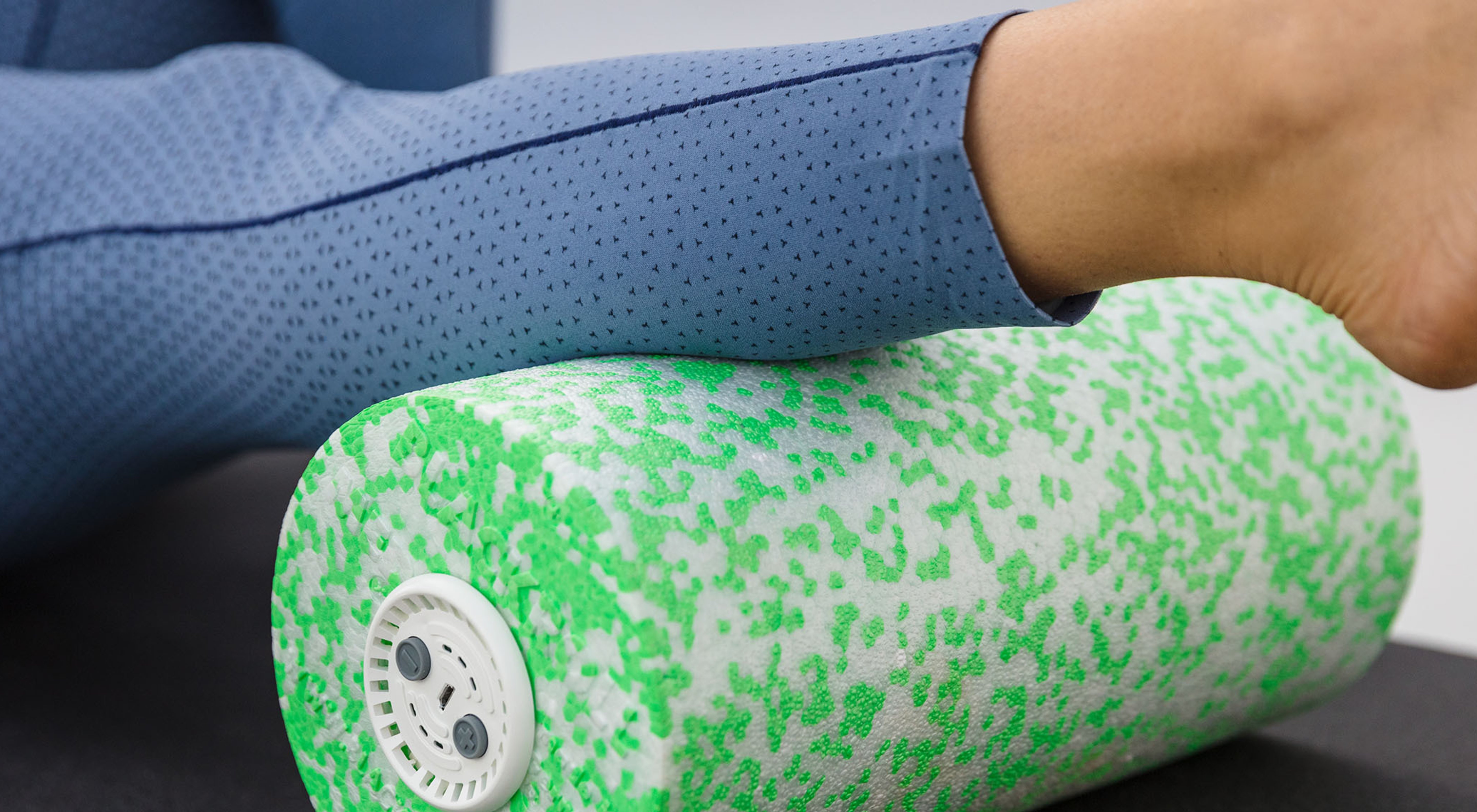
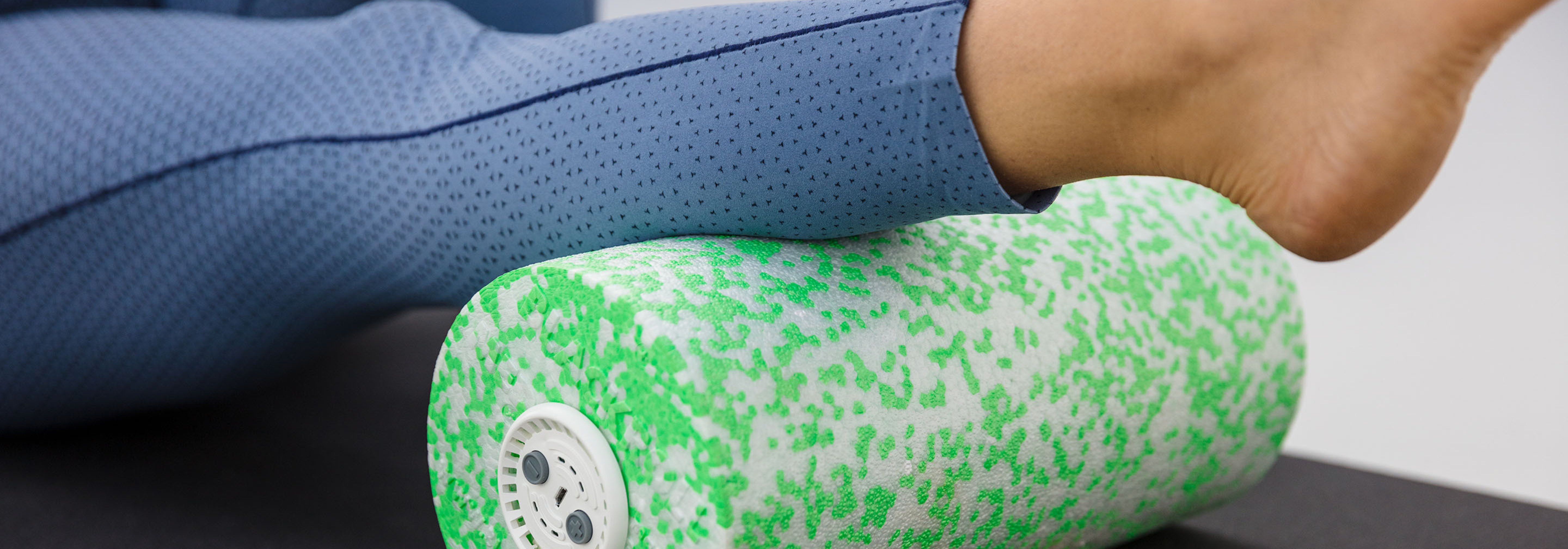
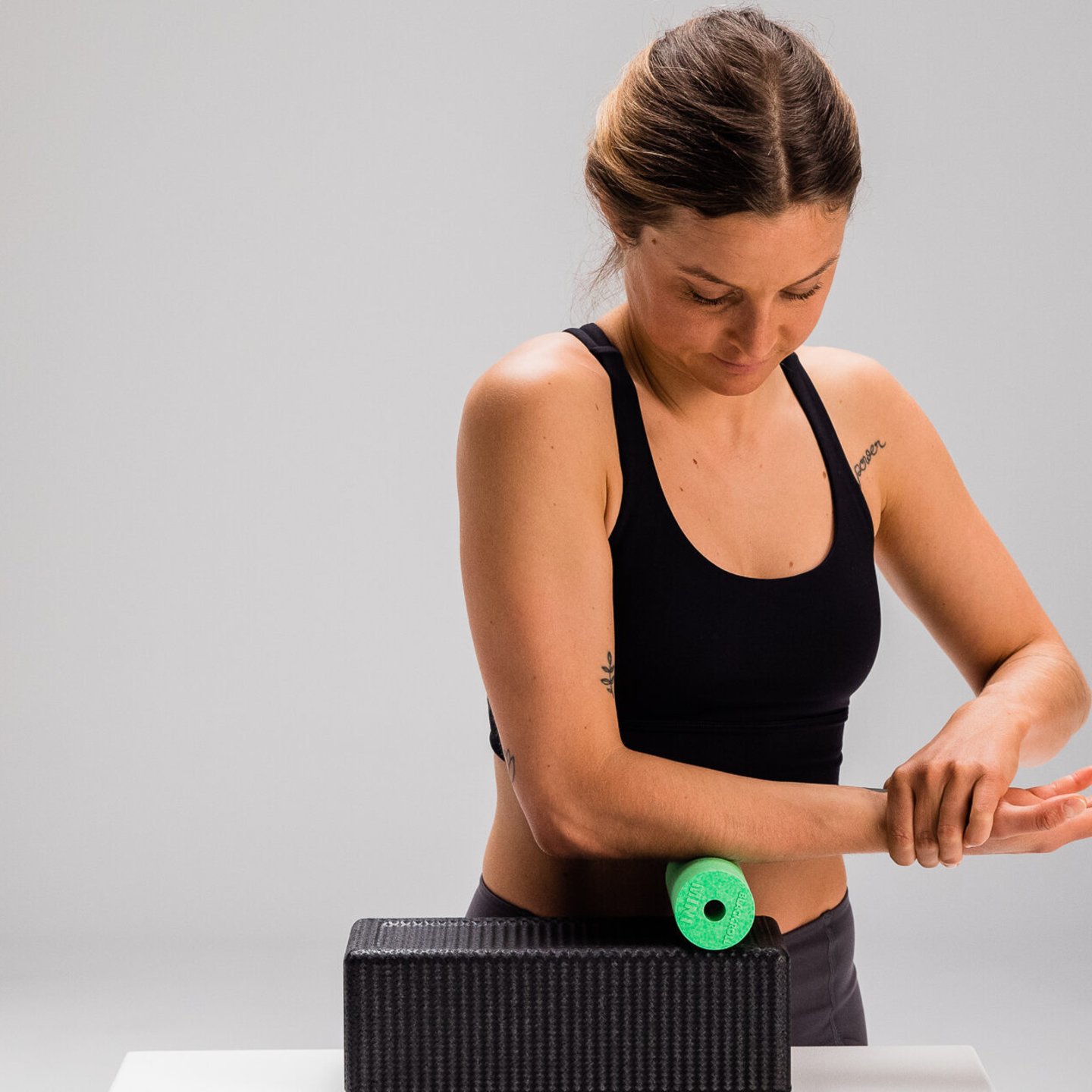
Many techniques from the described forms of therapy can be easily adapted and performed by the patient themselves, following precise instructions from a therapist. These techniques fall under the category of self-myofascial techniques, also known as “fascia training.”
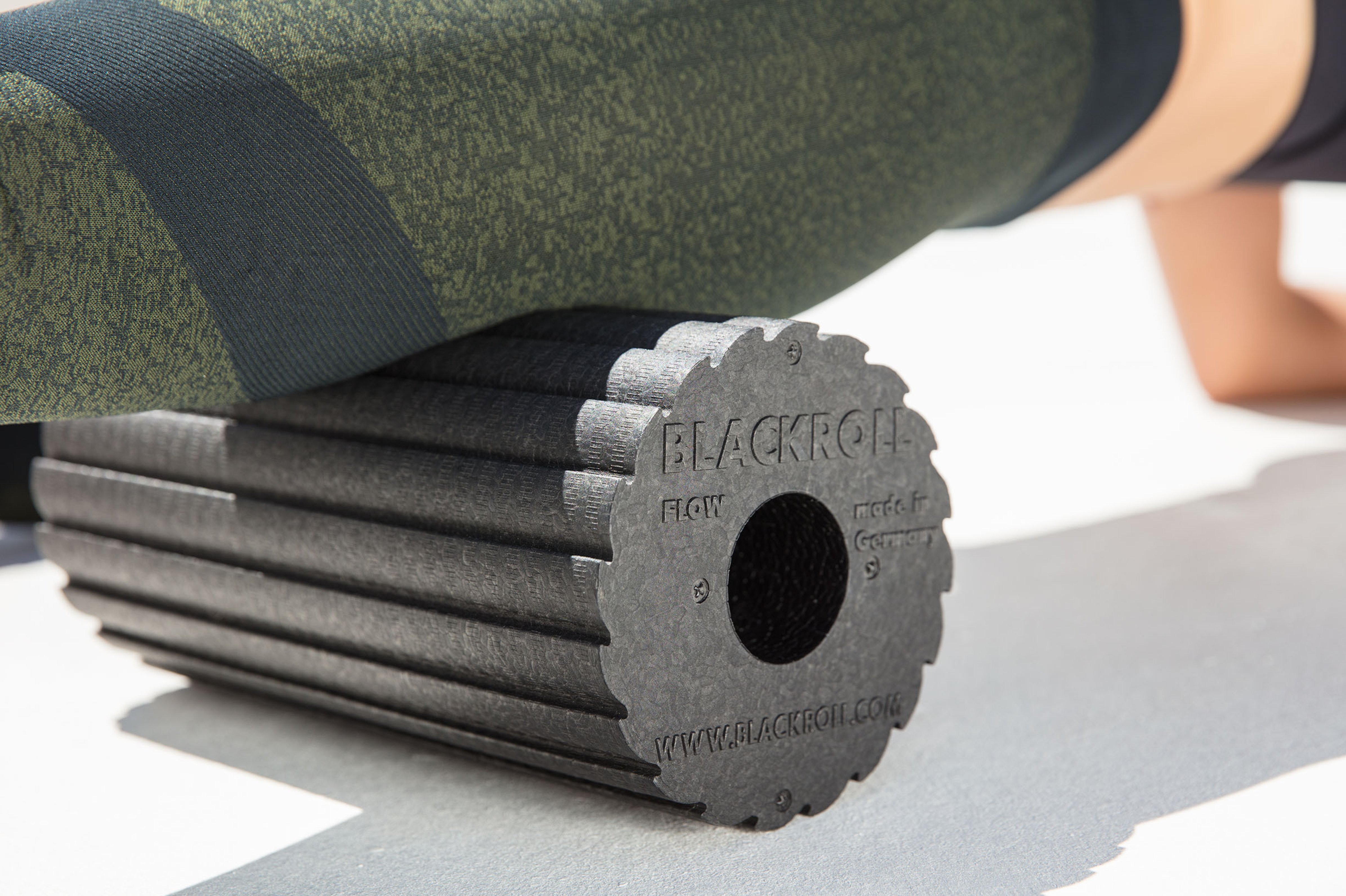
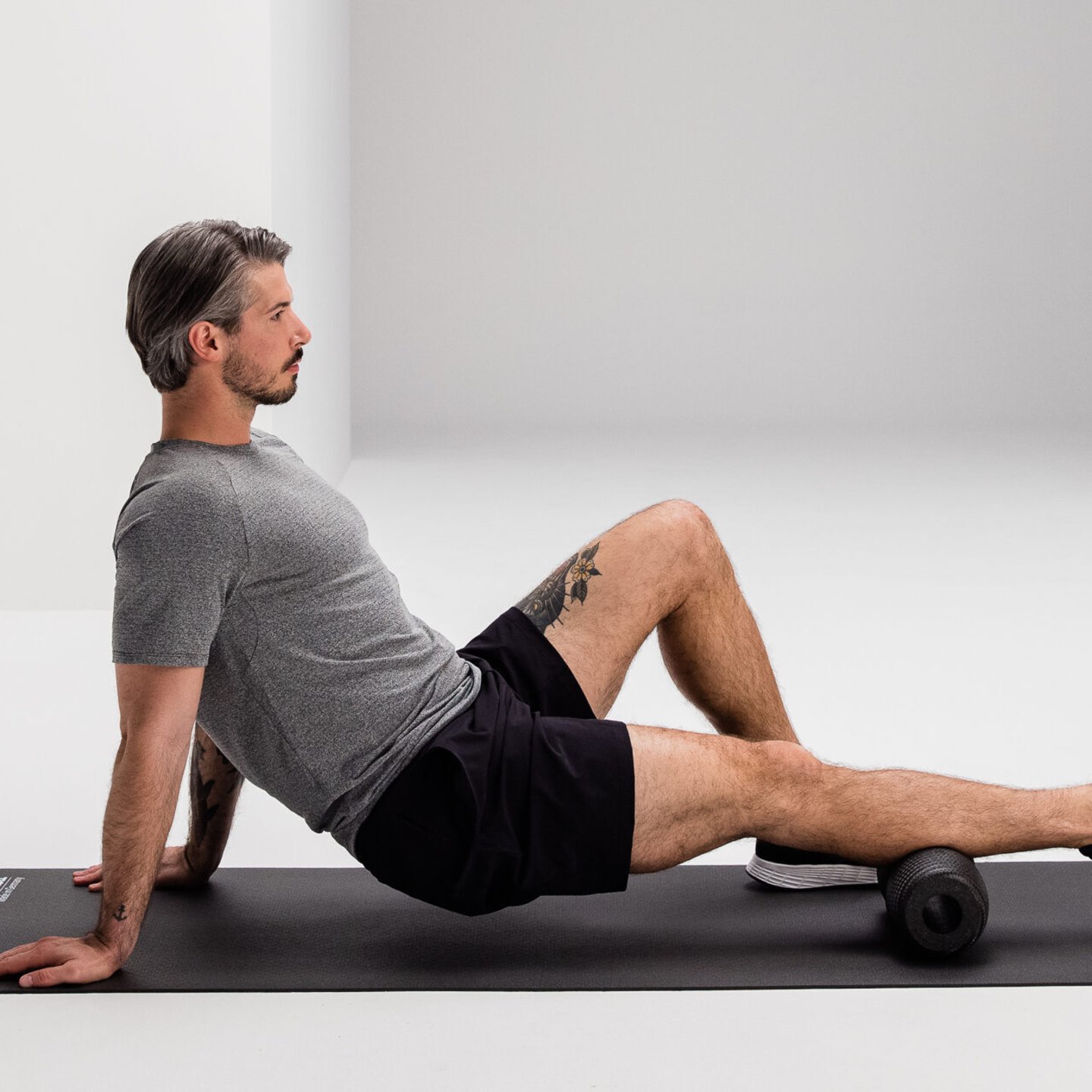
Often, no tools—or only a few small ones—are needed to assist with these exercises. These can include, for example, fascia balls or fascia rollers. The advantages of self-administered exercises are obvious: the patient can contribute to the success of their own therapy. Furthermore, with a little experience, minor issues—such as fascial adhesions—can be resolved independently without having to see a therapist or doctor.

Exercise Inspiration: Myofascial Self-Massage



What are the benefits of fascia therapy?
Fascia therapy often leads to an immediate improvement in symptoms—usually reducing pain and improving mobility.
The basic principle behind the various forms of fascia treatment is the regulation of abnormal tension in the fascial tissue, which affects the entire body and can cause problems in various areas.
The various fascial treatments are effectively used, for example in physical therapy, for both acute and chronic conditions.