
Improving Your Posture: The 4-Step Plan

Improving Your Posture—Made Easy
- Poor posture is often caused by prolonged sitting, a lack of exercise, or repetitive strain in daily life.
- The consequences include muscle tension, back pain, or even long-term misalignment of the spine.
- Good posture not only improves physical well-being but also enhances breathing and mental balance.
- Exercise, targeted training, and small daily routines (e.g., consciously straightening up) can provide lasting relief.
Recommendation: The BLACKROLL® POSTURE —a posture trainer that gently reminds you to sit upright and effectively supports you in your daily life or at the office.

Prevent Pain with Simple Habits
Simply sign up for free, and we’ll send you your office guide via email.01. Learn why proper posture is so important and how you can work on it.
Who hasn’t been reminded over and over again as a child to stand up straight or sit up straight? And despite these constant reminders, we still struggle with poor posture as adults. While many people want to improve their posture, it’s difficult in everyday life to constantly pay attention to it and be mindful of how we hold ourselves.
Furthermore, many people don’t know what proper, healthy posture feels like. The way we walk, stand, and sit is a habit that’s deeply ingrained in us. Anyone who wants to fundamentally change their posture—and thereby do a lot for their health and well-being—should approach the process of change with great patience.
Poor posture can cause back and neck pain, breathing problems, digestive issues, and headaches. To eliminate these symptoms, it’s important to understand the connection between your posture and the resulting limitations.
Favorite Products for Good Posture
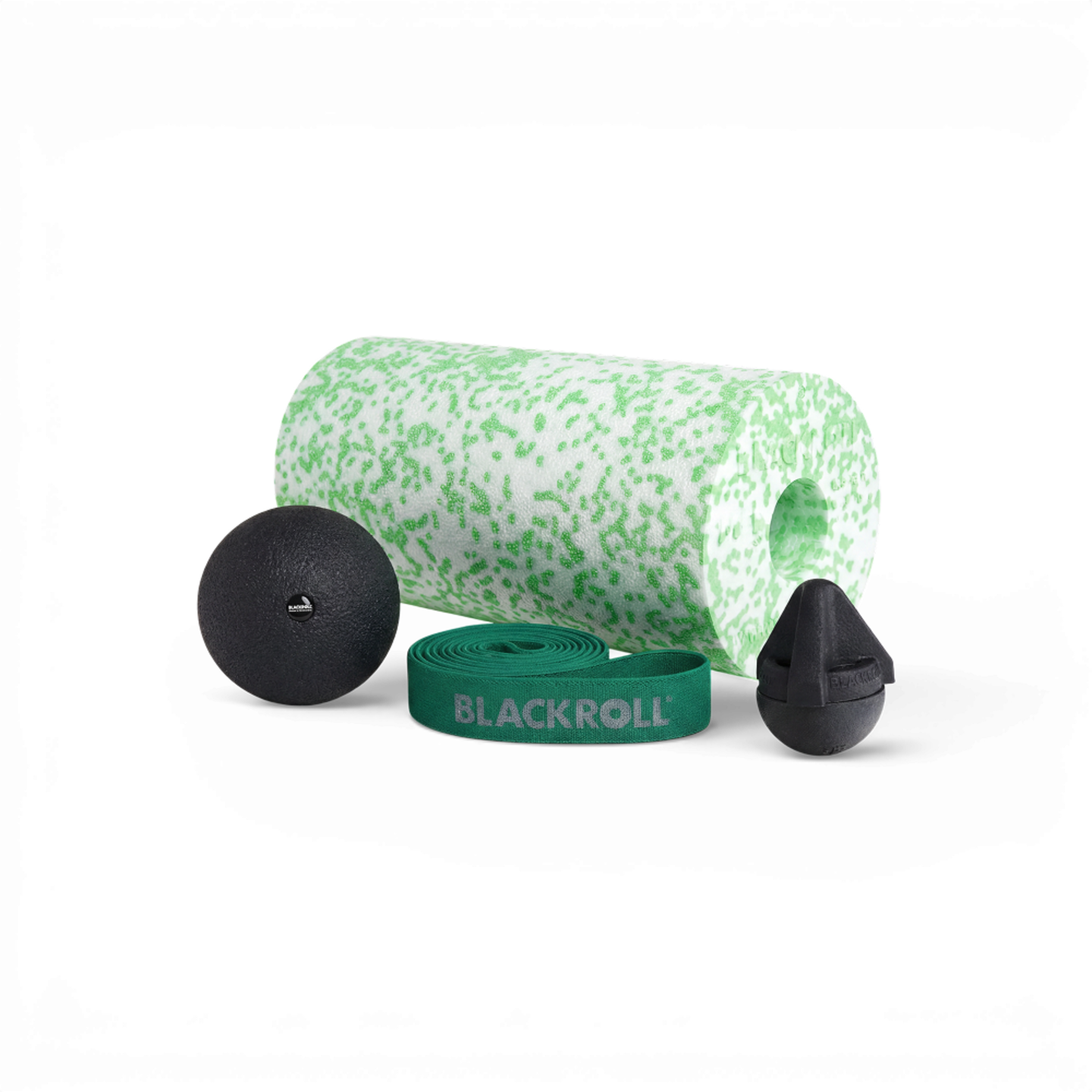
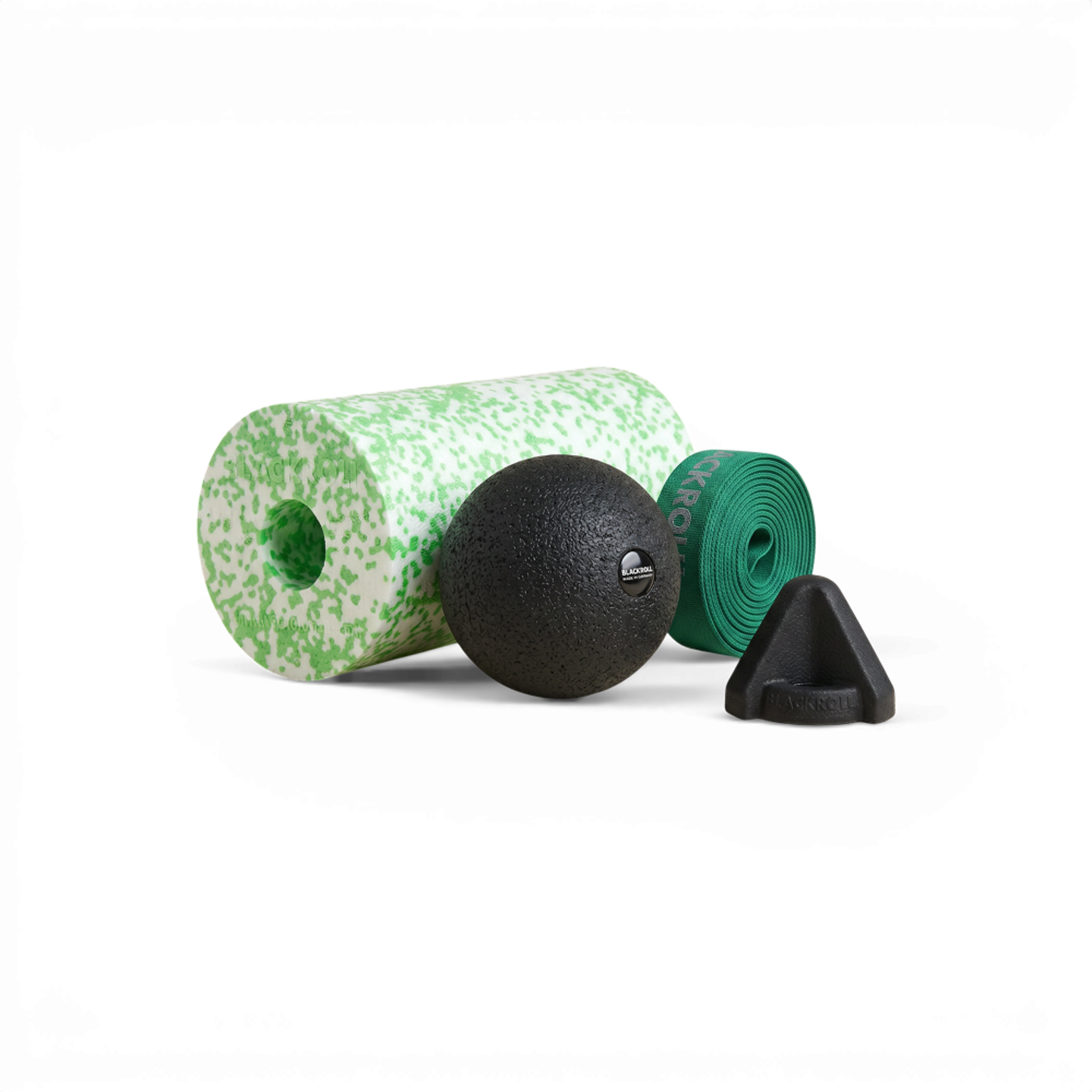
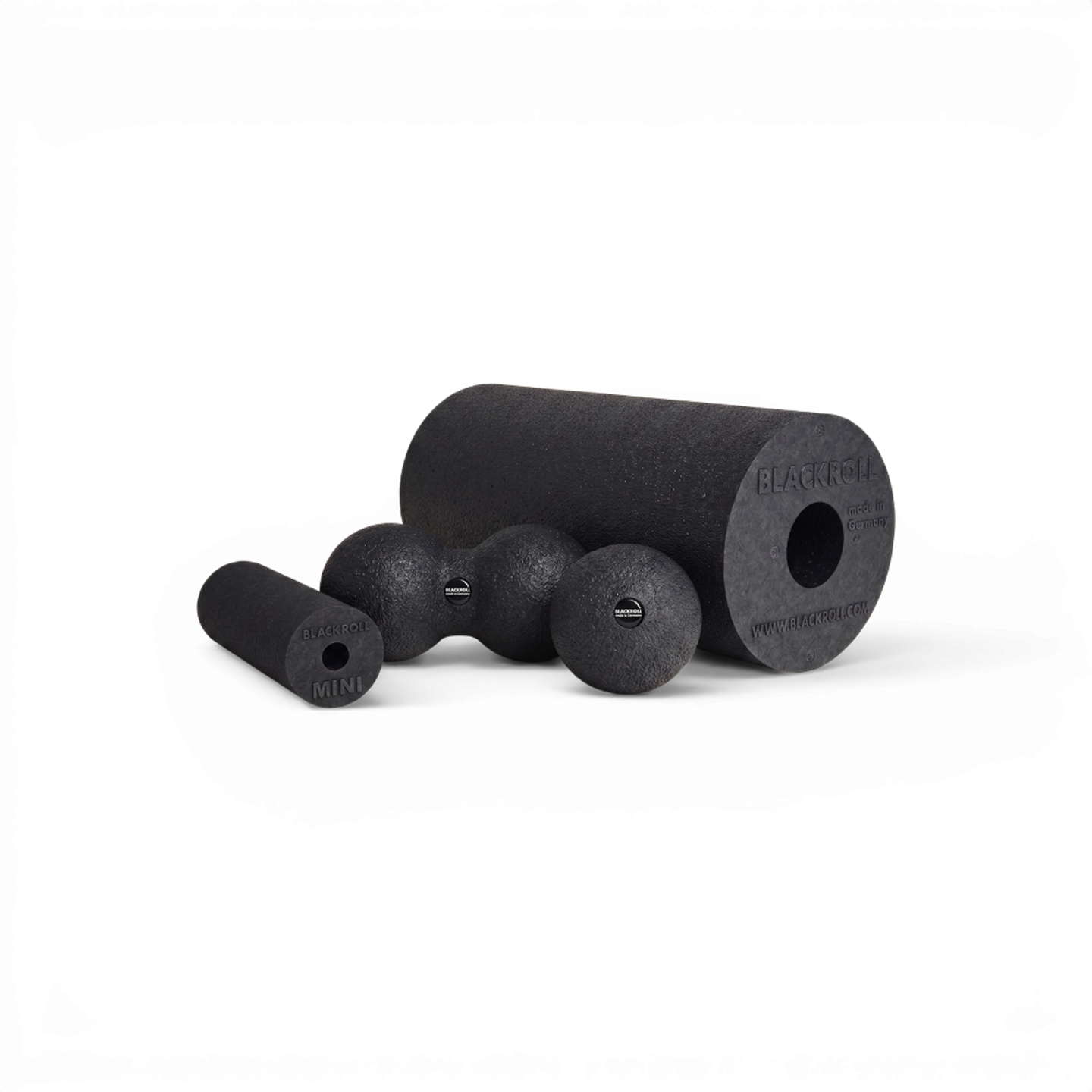
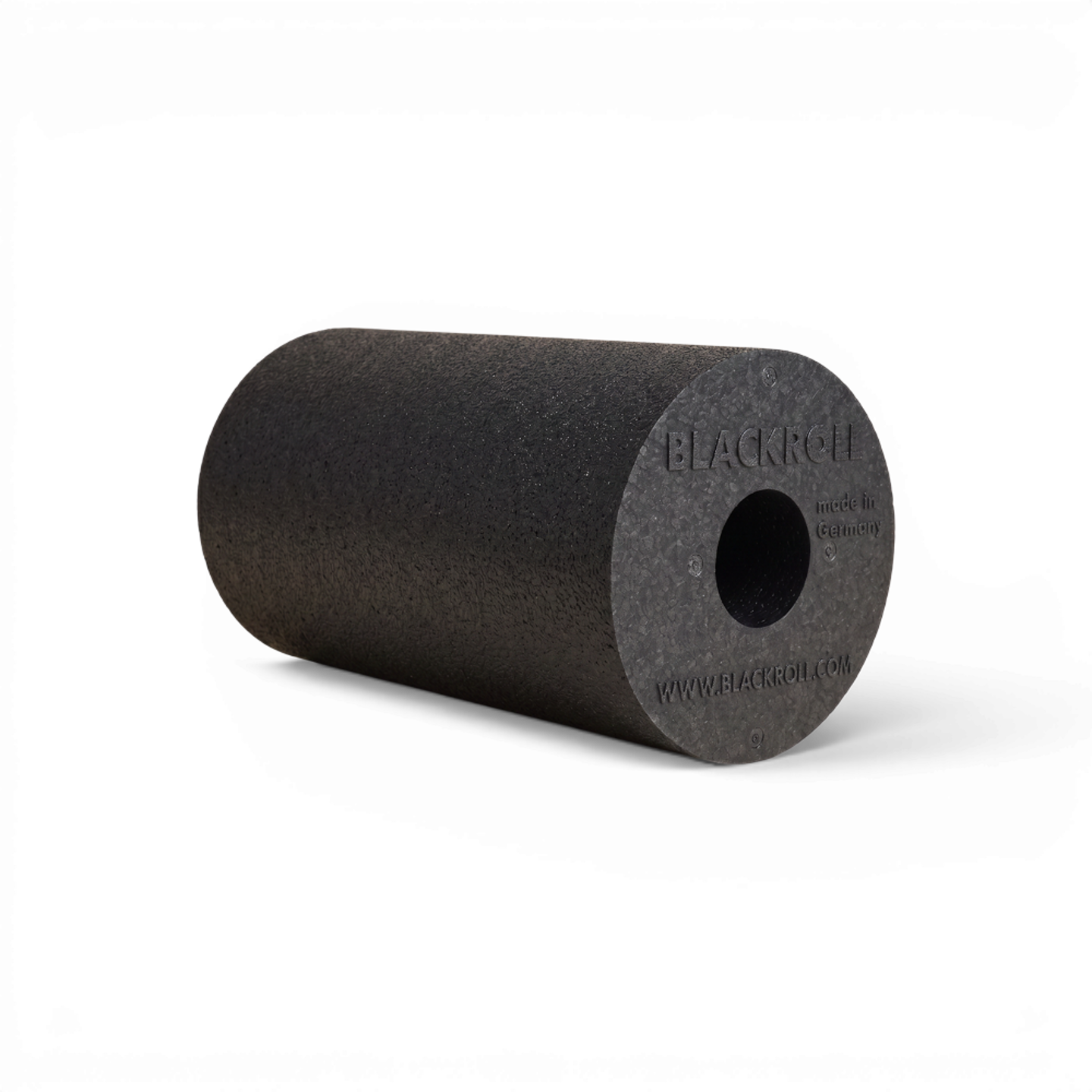
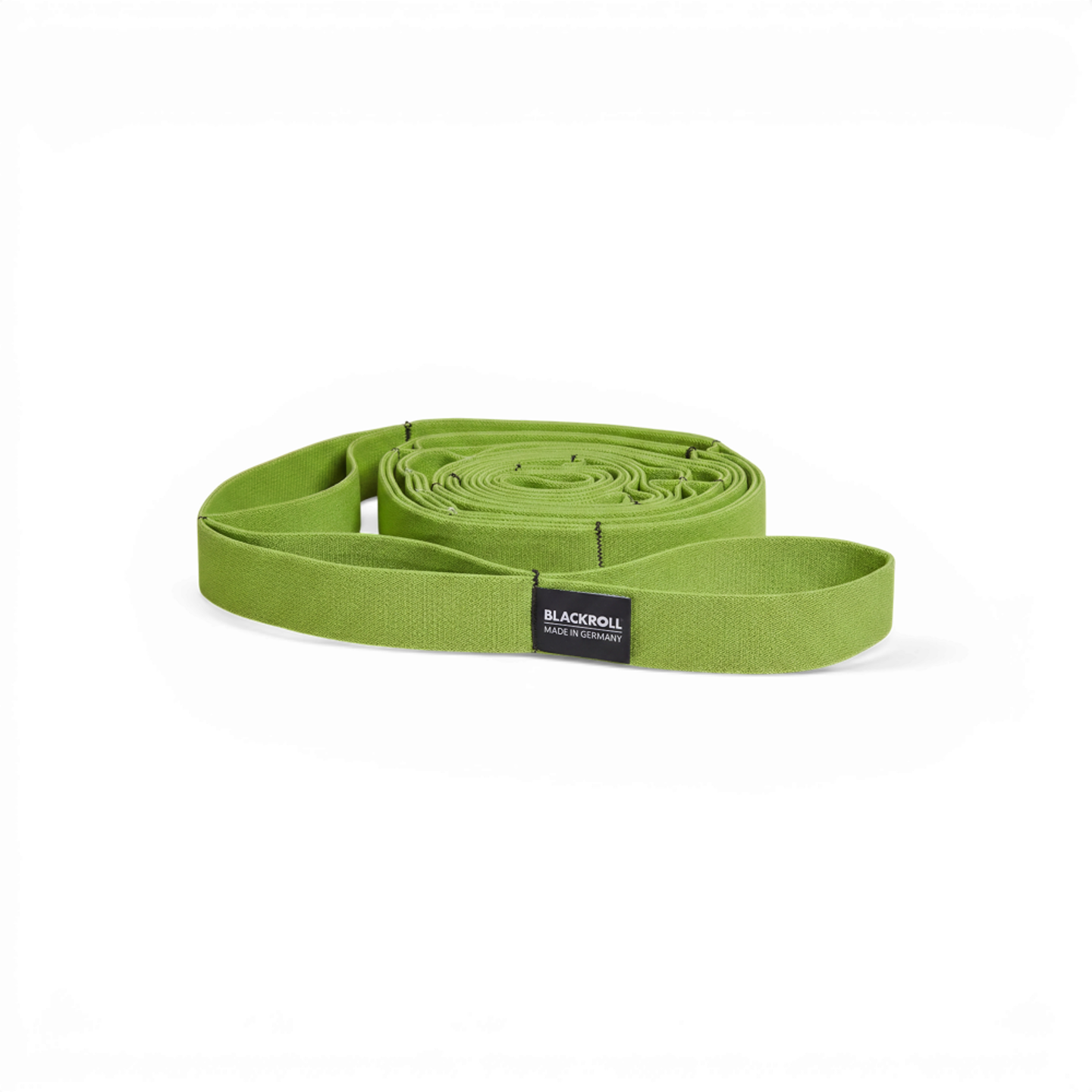
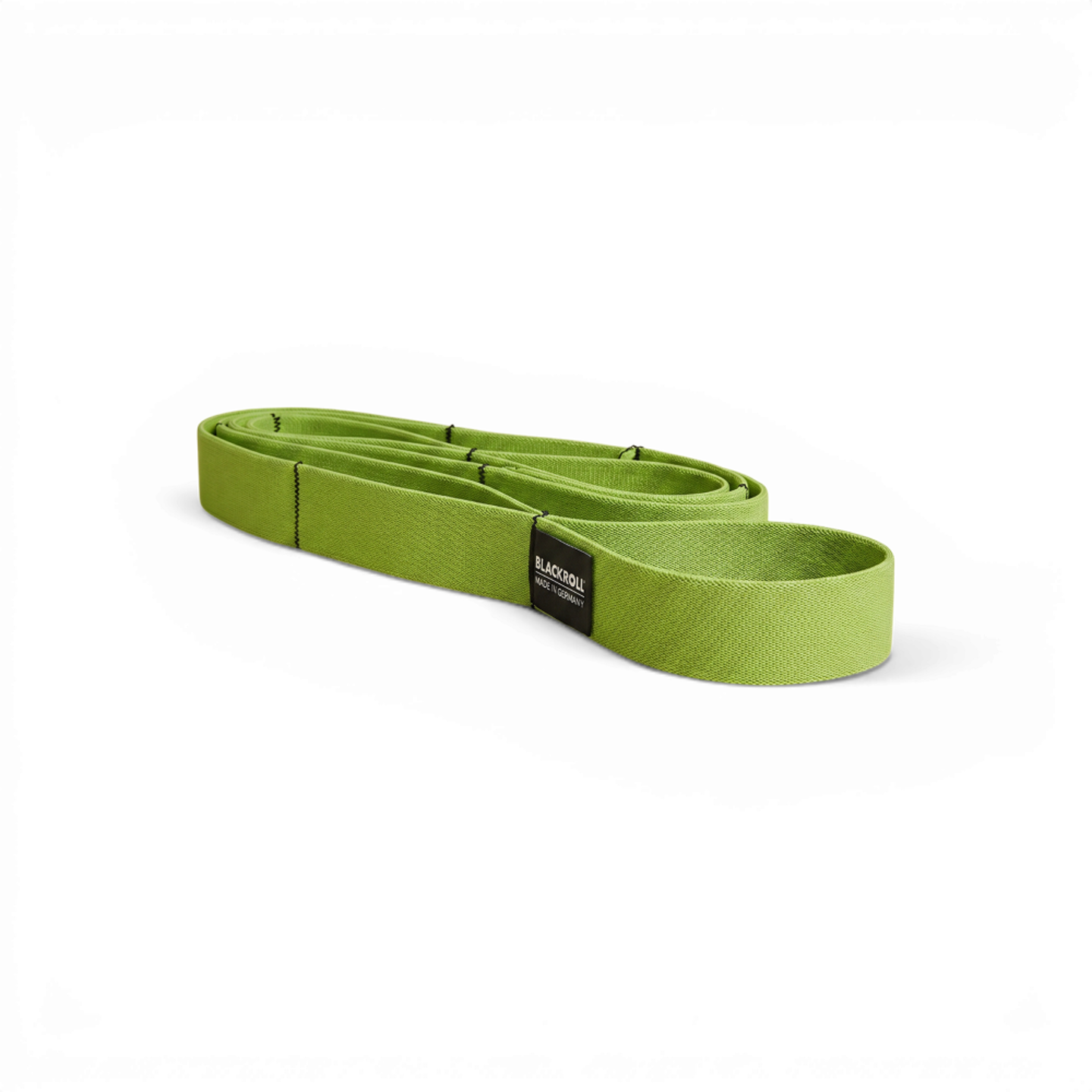
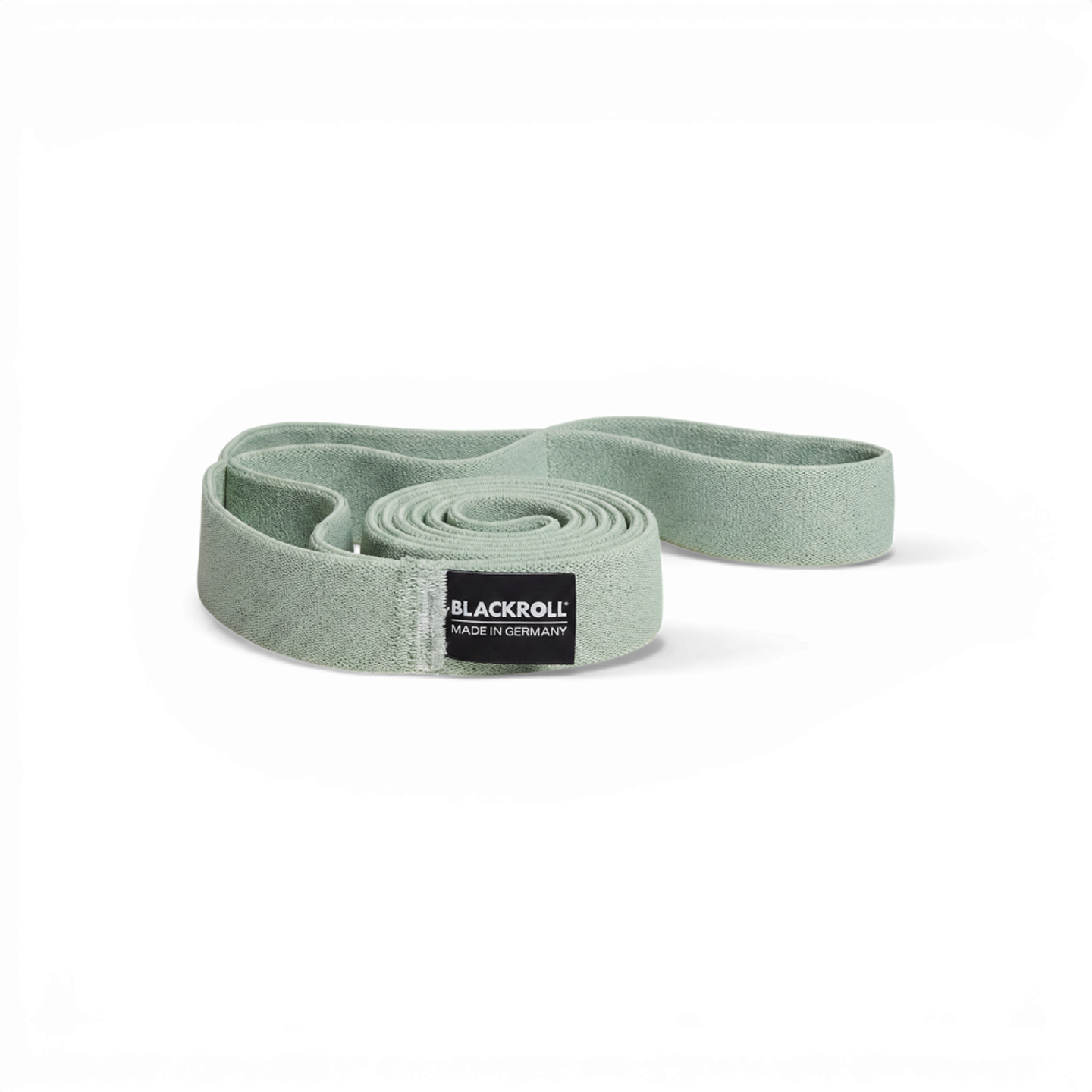
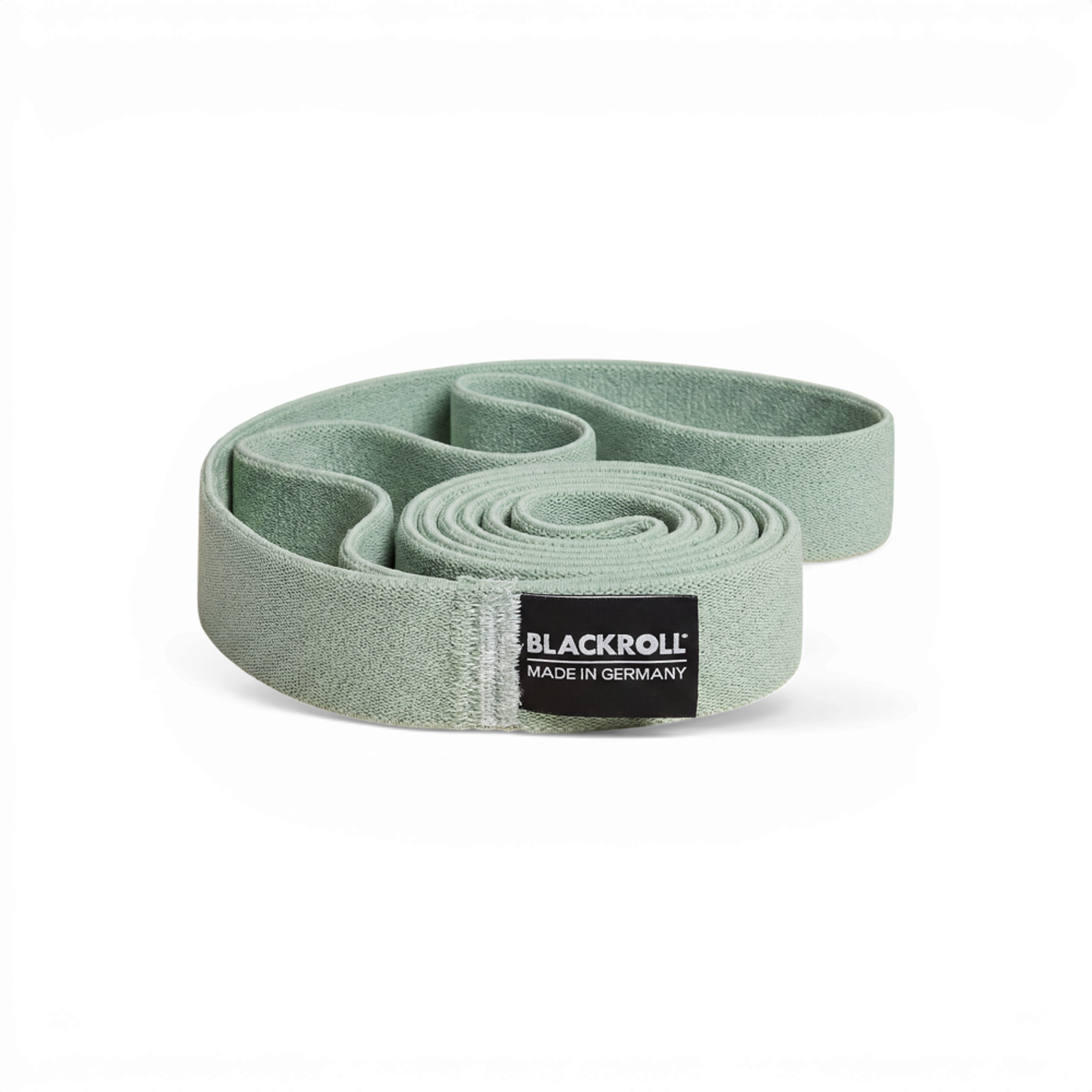
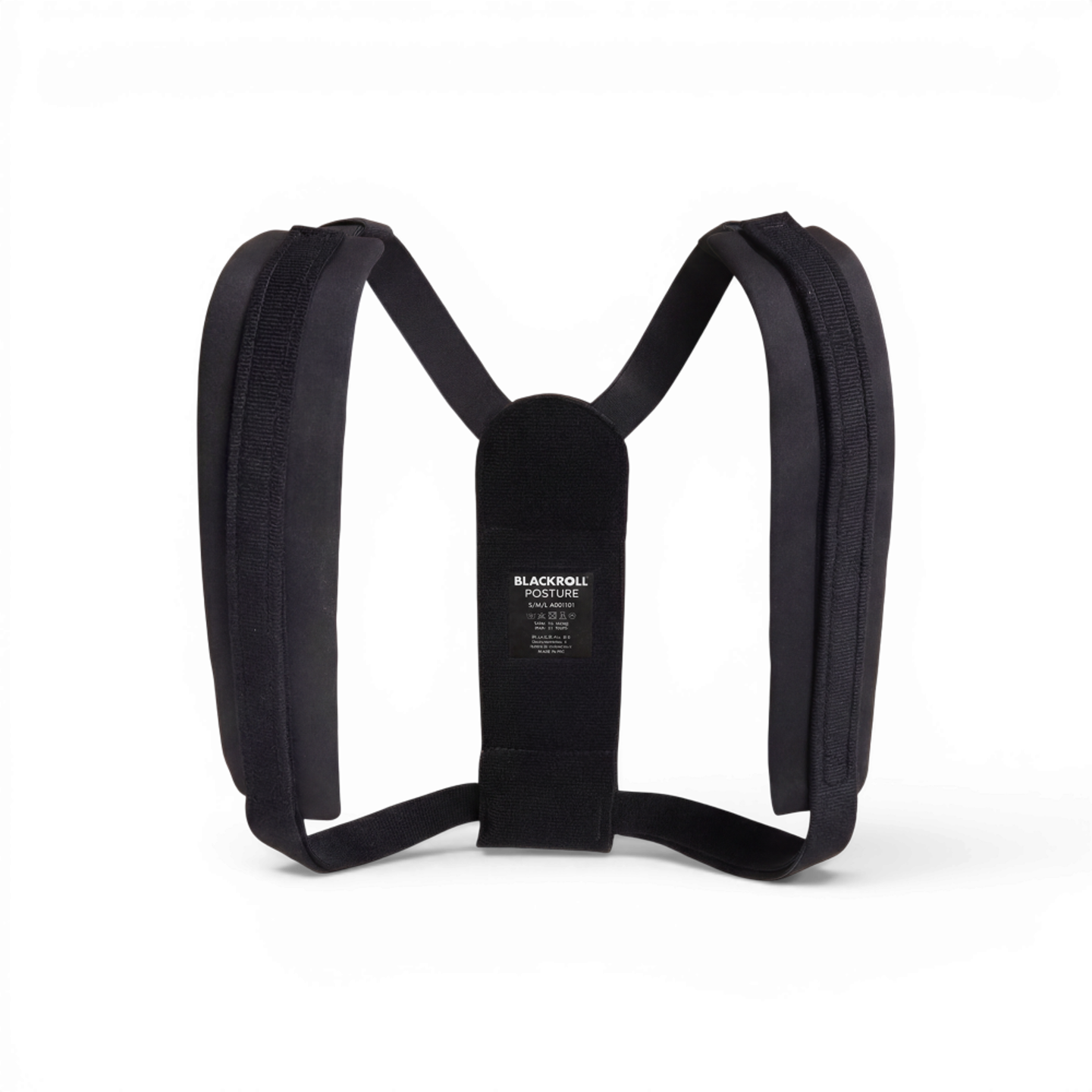
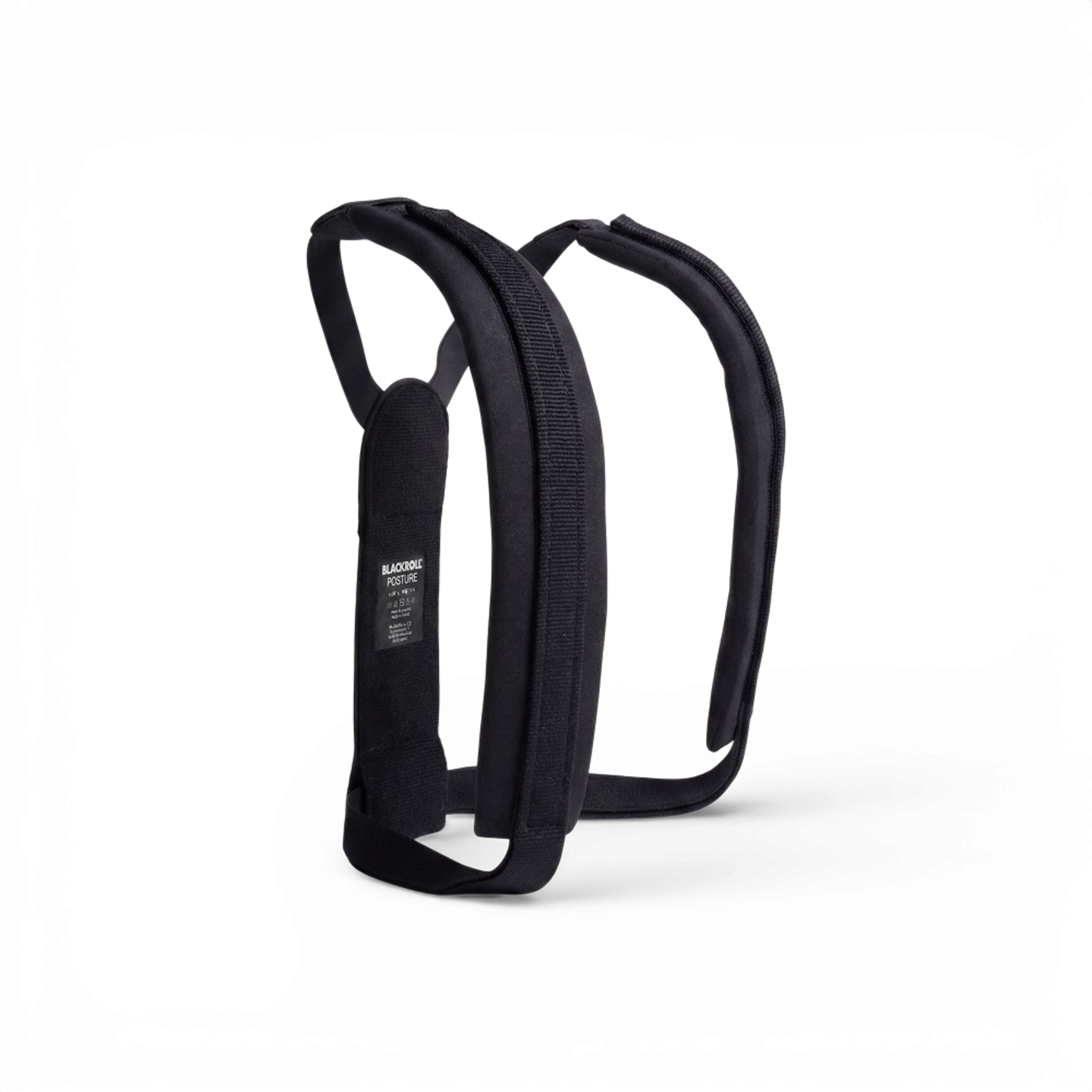
Posture
Available in multiple variants
02. What exactly do we mean by posture?
The term “posture” refers to the alignment of our body against gravity—whether we’re standing, sitting, or lying down. Gravity acts in some way on the active and passive structures of our body. Good posture distributes the constantly acting forces and prevents joints from being overloaded. Our muscles, ligaments, tendons, bones, and fascial structures significantly influence our posture.
03. What causes poor posture?
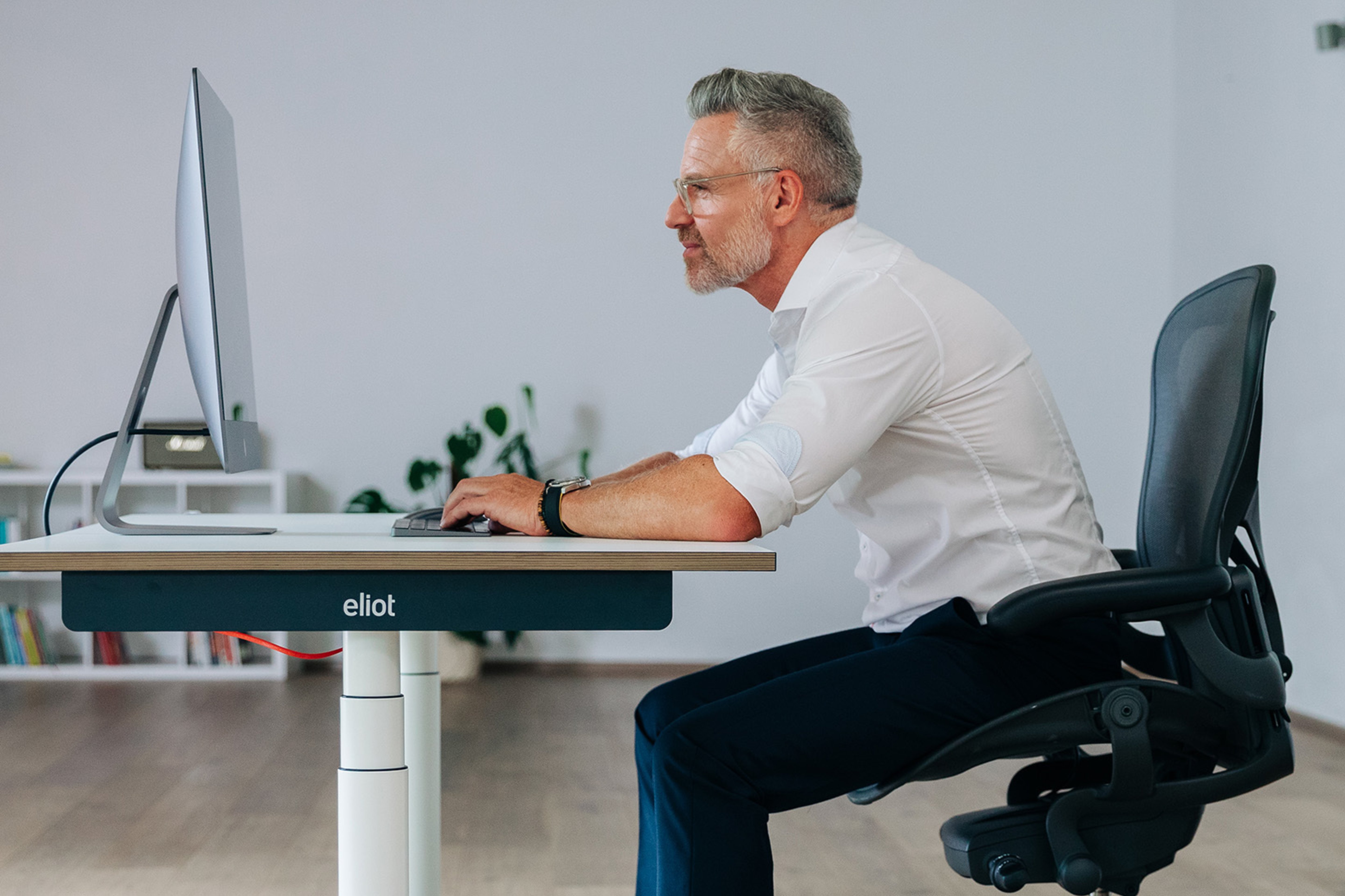
Sitting for long periods, in particular, often has negative consequences: the shoulders slump forward, the head is lowered, and the thoracic spine is unnaturally arched. This results in poor posture. Unfortunately, there are numerous factors that can contribute to poor posture.
These include, among other things, genetics, injuries, or illnesses. Other causes that contribute to poor posture can include, for example, a predominantly sedentary lifestyle, repetitive strain at work, lack of mobility and flexibility, muscular imbalances, or tension and adhesions in the fascial tissue.


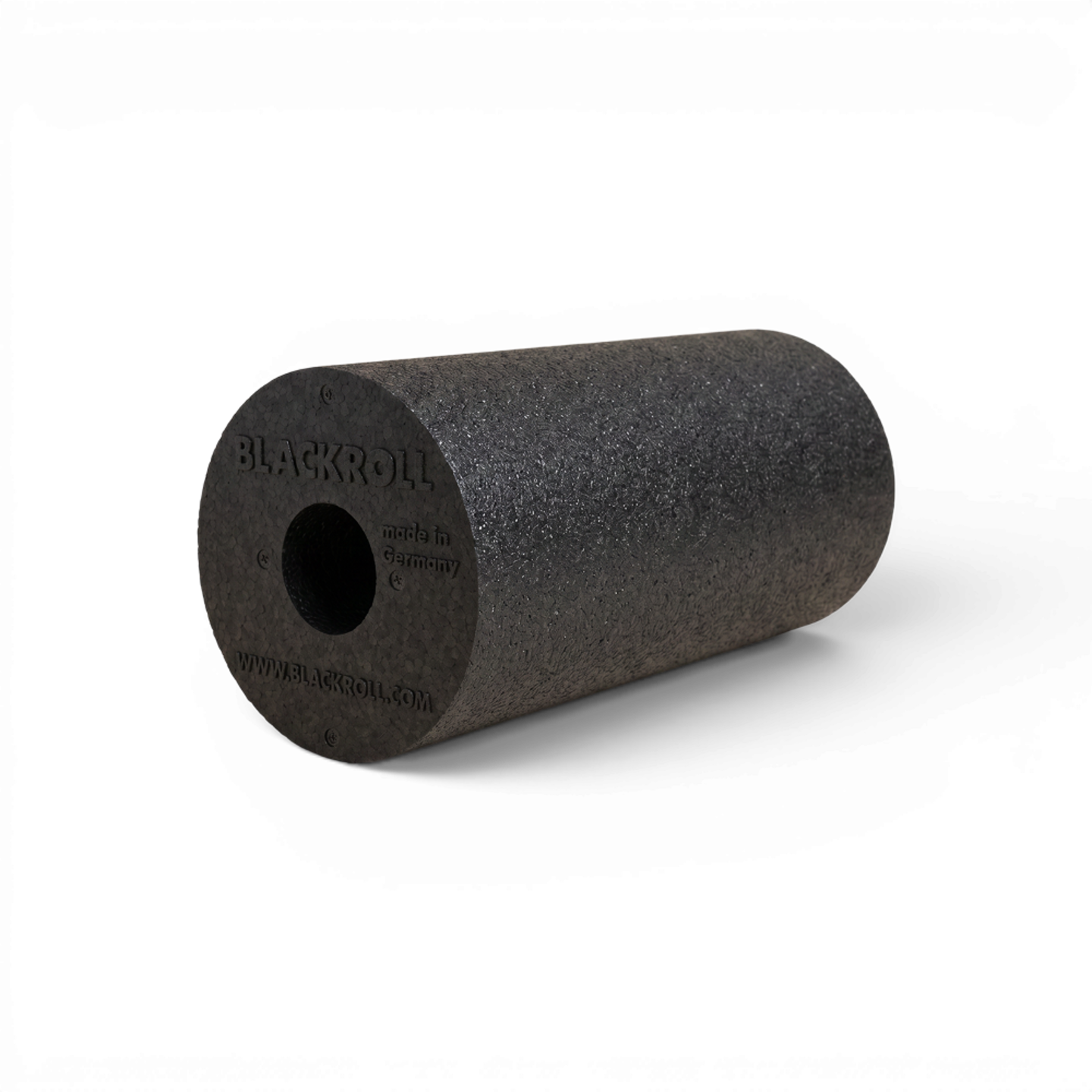
04. What you can achieve with good posture:
- Your range of motion improves
Your posture affects every movement you make. With an upright and stable posture, you reduce pressure on your joints and thereby improve the quality of your movement.
- You can prevent pain
Poor posture can lead to tension and stiffness throughout the body. Proper and healthy posture can help prevent pain, especially in the back, neck, shoulders, and hips. It also makes you less prone to injuries. - You’ll breathe more easily
Our bodies—and especially our minds—need oxygen to function properly. The brain alone accounts for 20% of our total oxygen demand, even though it makes up only about 2% of our total body weight. For your lungs to work efficiently, they need enough space. With good posture, you’ll be able to take in more oxygen. - You’ll appear more confident
Your posture also affects your mental state. So when you stand up straight, you’ll subconsciously feel more confident. And as a result, you’ll come across as more confident and competent to others. A win-win situation, right?

Discover the BLACKROLL® Posture Trainer
Posture corrector05. What Good Posture Looks Like and How You Can Improve It
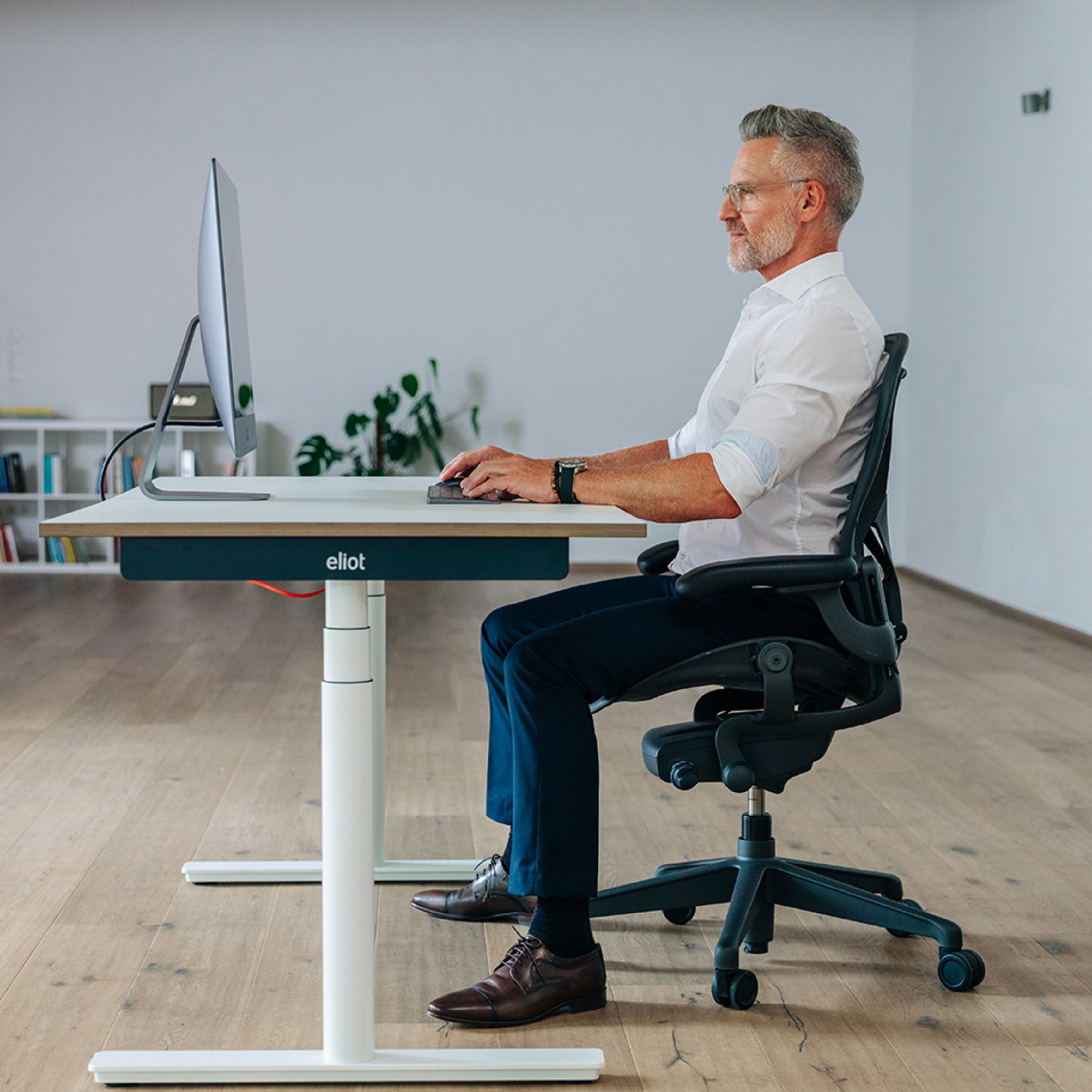
Proper Posture While Sitting at a Desk
- Keep your spine in a neutral position so that your ears are aligned over your shoulders and your chest is aligned over your pelvis.
- If you tend to let your shoulders slump forward, use a posture trainer like the BLACKROLL® POSTURE. It reminds you to bring your shoulders back to a neutral position.
- Make sure the top of the screen is positioned roughly at eye level to keep your head in a neutral position.
- Your thighs and calves should form roughly a right angle, or your knees should be slightly lower than your hips. An adjustable desk chair is ideal for this, as you can adjust it to fit your height
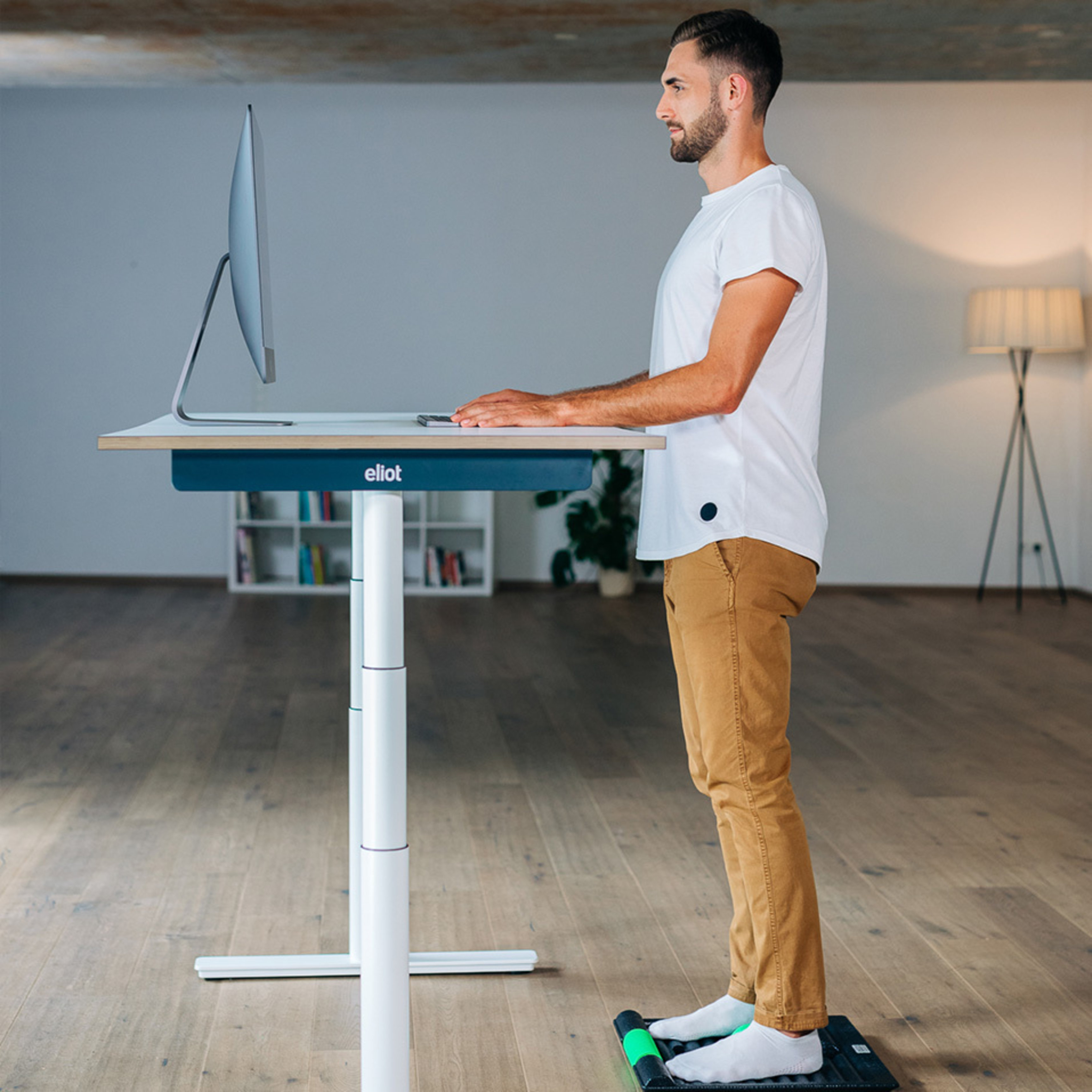
Proper posture while standing
- The same applies when standing: Keep your ears aligned with your shoulders and your chest aligned with your pelvis. Here, too, the top of the screen should be roughly at eye level.
- Engage your abdominal muscles to keep your back straight.
- Avoid hyperextending your knees by bending them slightly. And make sure both feet are firmly planted on the floor.
Your body is constantly seeking a neutral position. And you should let it find that position. However, it’s difficult to correct your posture while sitting. That’s because we tend to adopt an overcompensated posture. So it’s best to stand up to adjust your posture to the correct position. The 4-Point Plan will help you do that.
06. Improve Your Posture with the 4-Point Plan
1. Tighten your glutes
To do this, place your feet hip-width apart and parallel to each other. Press the soles of your feet into the floor and firmly tighten your glutes. This brings your pelvis into a neutral position and supports the alignment of your spine. Now reduce the tension and maintain about 20% of the maximum tension continuously.
2. Control your breathing
Breathe deeply into your abdomen. To help, you can place one hand on your abdomen and one hand on your chest. Take 6 deep breaths in and out. Make sure that it’s mainly your abdominal wall that rises and falls. On the last exhale, pull your chest down so that it’s directly above your pelvis. Hold this position and continue breathing steadily.
3. Tighten your abdomen
Tighten your abdomen as much as possible. Be careful, however, not to change your posture—do not perform a crunch. Then release some of the tension and maintain about 20% of that tension continuously. This will keep your pelvis and ribcage in the correct position.
4. Keep your head, neck, and shoulders in an upright position
Your head, shoulders, hips, and ankles should be aligned in a straight line, with your gaze directed forward. To do this, tilt your head back slightly to create a slight double chin. At the same time, bring your shoulders into a stable position.
Follow the 4-point plan whenever you catch yourself slouching. At least once every half hour. You can also improve your posture through targeted exercises that strengthen your postural muscles.