Why Sitting for Long Periods Is Harmful to Our Health

01. Are common office ailments related to sitting too much?
We actually already know the answer: We sit too much! In fact, sitting is said to reduce life expectancy even more than smoking. According to a 2008 study conducted in Australia, every hour spent watching TV reduces life expectancy by 21.8 minutes for people over 25. By comparison, smoking a cigarette costs only 11 minutes. The World Health Organization (WHO) ranks physical inactivity as the fourth leading cause of preventable death. Every year, 3.2 million people worldwide die from a lack of exercise.
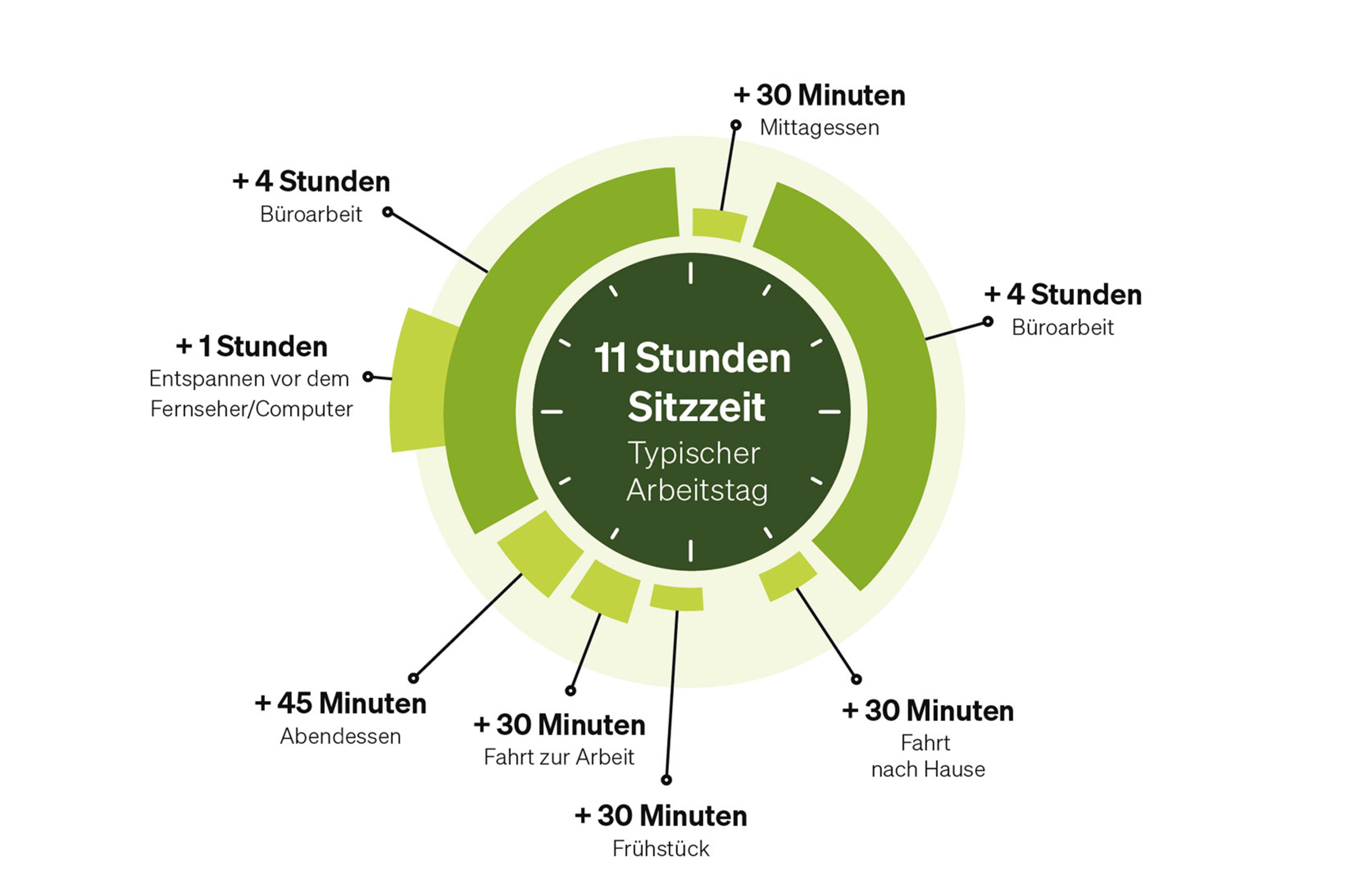
After all, one in five Germans spends more than nine hours a day sitting in an office chair. One in nine spends as many as 11 hours. It actually starts in the morning: We’re doing what we love most. We’re sitting. First at the breakfast table. And then it just keeps going like that. We sit in the car or on the train while commuting to work. Once there, we spend most of our time sitting in the office. And even during our lunch break—when we could actually get a little exercise—what do we do? Exactly: we sit. We sit for too long. And in the evening, when we come home—usually stressed out after a long workday—we prefer to relax on the sofa. The problem is: even if we manage to drag ourselves to the gym in the evening, it doesn’t help offset all that sitting (at work). That’s because, throughout the day, we spend far more time in a poor, physically harmful position than in an optimal one.
02. What Happens to Our Bodies and Minds When We Sit for Too Long
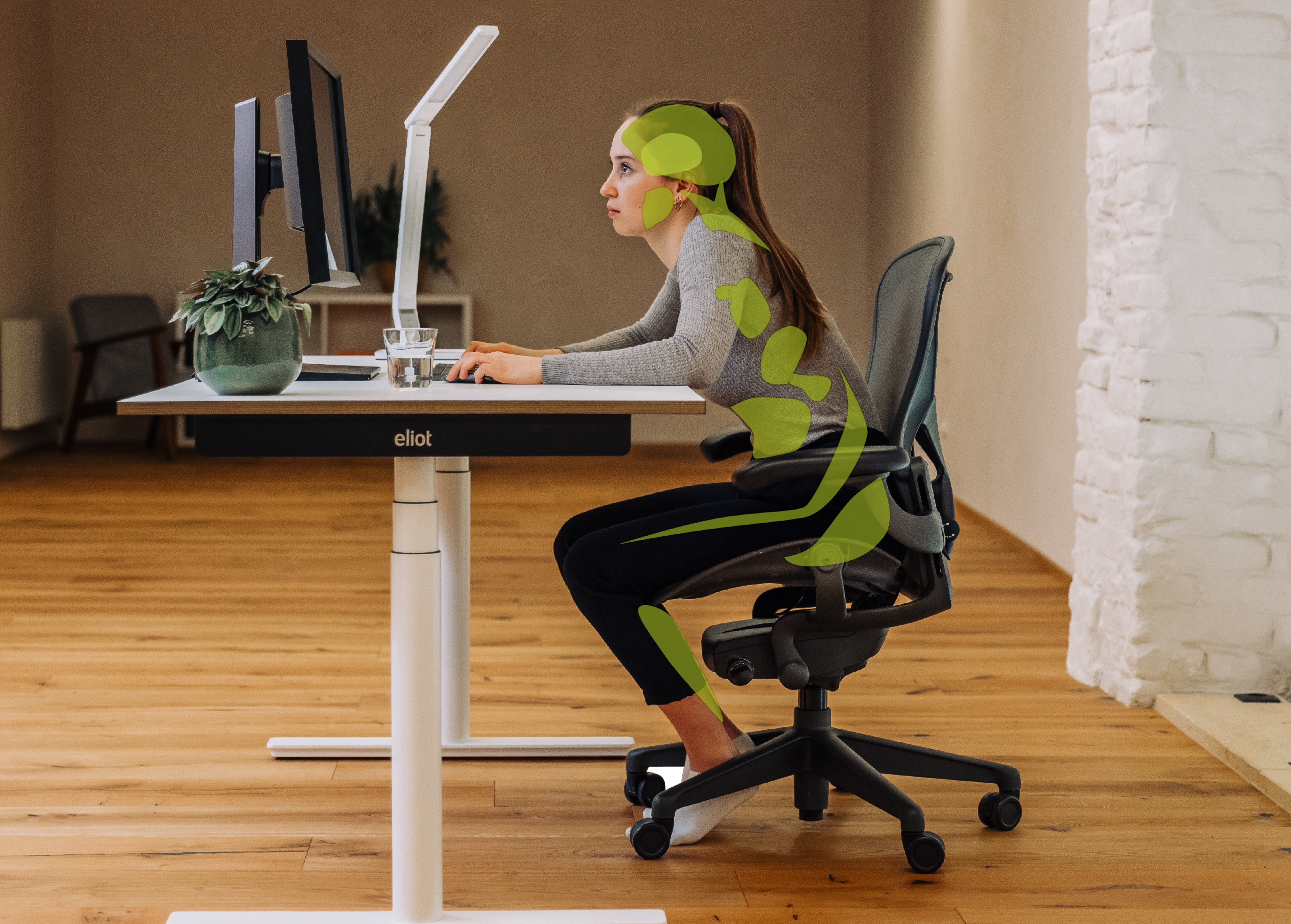
At first glance, sitting seems much more relaxing than standing. But have you ever noticed that if you haven’t moved for more than two hours, you start shifting restlessly back and forth in your chair? That you have trouble concentrating? Or that your neck and back simply start to ache? These are all signs that it’s time to change your sitting posture every now and then—or to stand up. Prolonged sitting has a negative impact on the human musculoskeletal system, the brain, and metabolism.
It’s not that easy to understand why sitting isn’t just a harmless part of everyday life. After all, the consequences aren’t immediately apparent. When we’re in the typical forward-leaning position, we also push our head slightly forward. The problem: For every 2.5 cm we move our head this way, our cervical spine has to withstand an additional pressure of about 5 kilograms. On top of that, our body adapts to the strain and the specific position in which we’re sitting—provided we don’t change it over a longer period of time. Muscles, fascia, tendons, and ligaments—as well as bones—adopt this poor posture. These structures form a sort of corset around your posture, joints, and spine. This not only leads to restricted movement, fascial adhesions, and muscle discomfort, but also makes it harder for you to return to a better posture later on.
However, a lack of exercise brings with it not only physically noticeable problems but also others: our mental health suffers. If you sit for more than 42 hours a week, your risk of mental health disorders can increase by 31%. When exercise is lacking in our daily lives (whether at work or at home), we’re more likely to be in a bad mood, unmotivated, sluggish, and tired. Conversely, it’s been proven that more exercise leads to lower stress levels.
03. An Overview of the Health Consequences of Excessive Sitting
- Neck, back, hip, muscle, and joint pain
- Limited range of motion
- Weakening of the abdominal muscles, which may lead to a hunched back
- Muscle atrophy due to lack of exercise
- Overloading of the fascia
- Compression of respiratory and digestive organs
- Increased risk of cardiovascular disease and diabetes
- Wear and tear on joints, ligaments, and connective tissue due to poor posture
- Poor blood circulation, leading to muscle stiffness and tension
- Lymphatic congestion, leading to fascial adhesions
- Decrease in fat-burning enzymes, increase in blood sugar levels
- Increased risk of mental health disorders such as depression and burnout
Don’t let it get that far—get moving every now and then.
Discover the BLACKROLL® exercise routines for more movement at work. Quick and easy to do whenever you have a moment. Get started right away and don’t give the consequences of prolonged sitting a chance. >


04. Straining Postural Problems Caused by Sitting Too Long
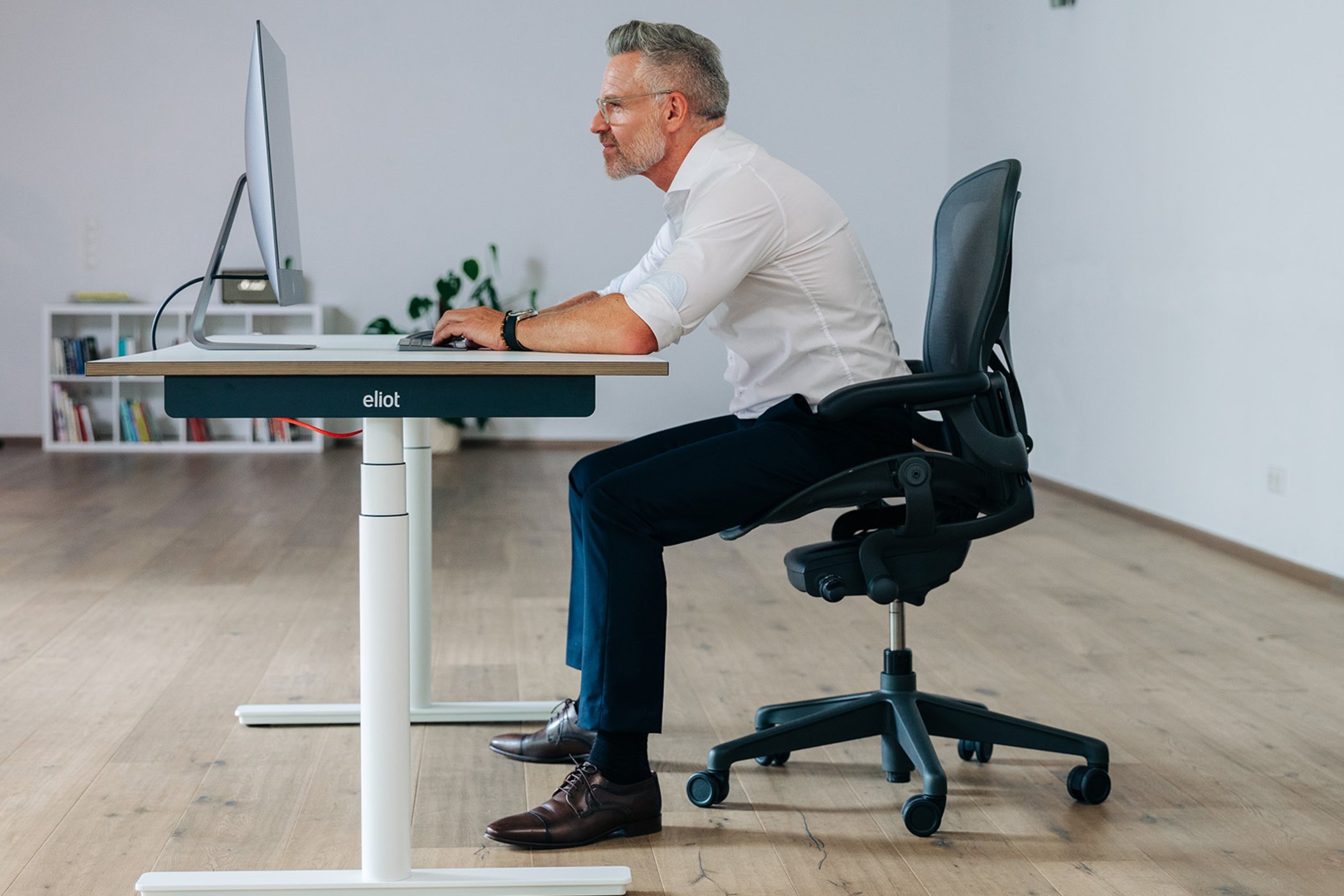
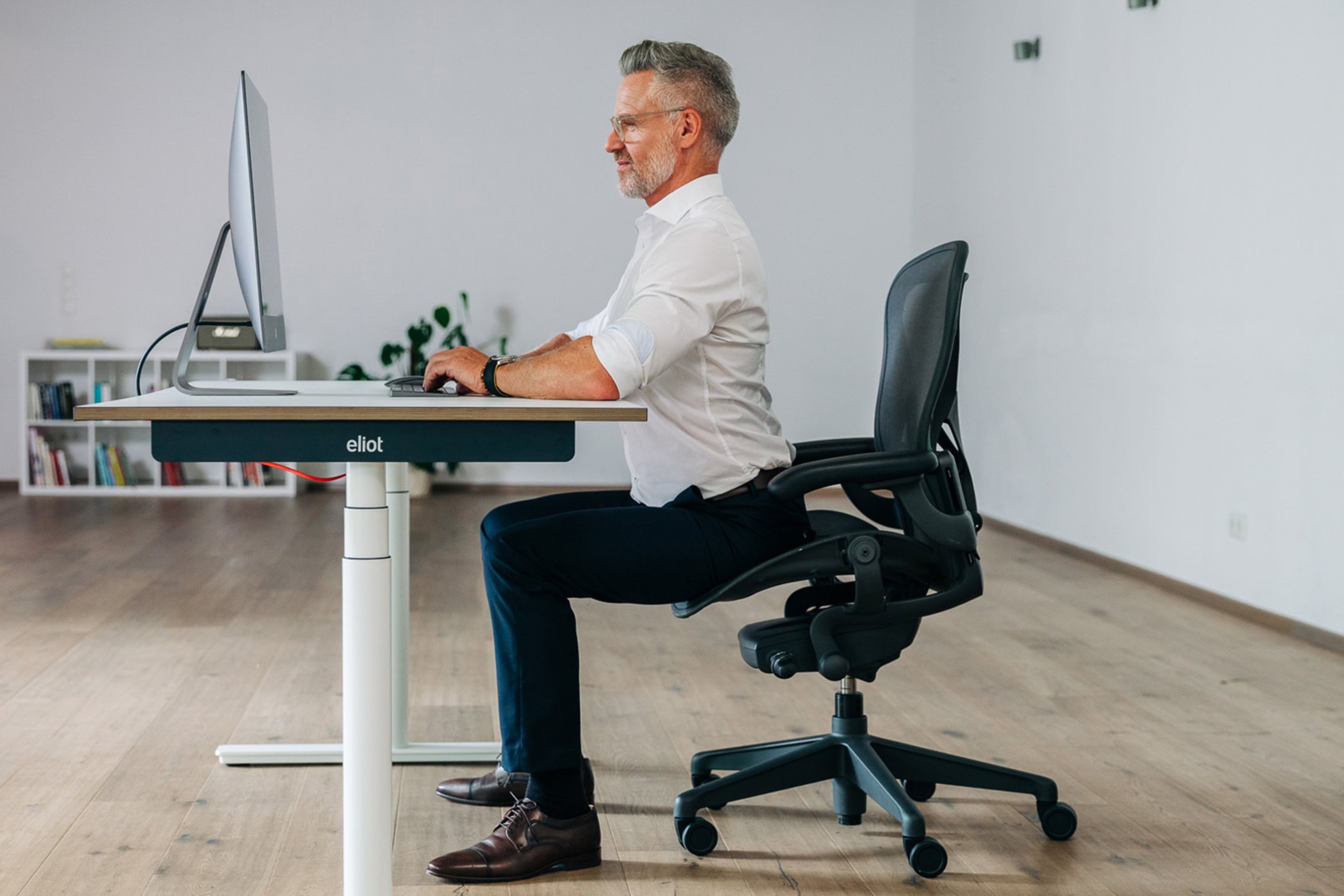
The Hunchback (C-Shape)
When we hunch forward at our desks, our core muscles become inactive. This limits our physical performance and, over time, leads to persistent imbalances in muscle tension. The neck, chest, and shoulder muscles become fixed in a forward position, and we rely primarily on our fascia, tendons, and ligaments to stay somewhat in shape. The diaphragm also becomes constricted—making efficient abdominal breathing impossible—which puts the body under stress and causes it to release increased levels of cortisol. The cervical spine and neck are also subjected to significant strain, which irritates our nervous system.
Hyperextension
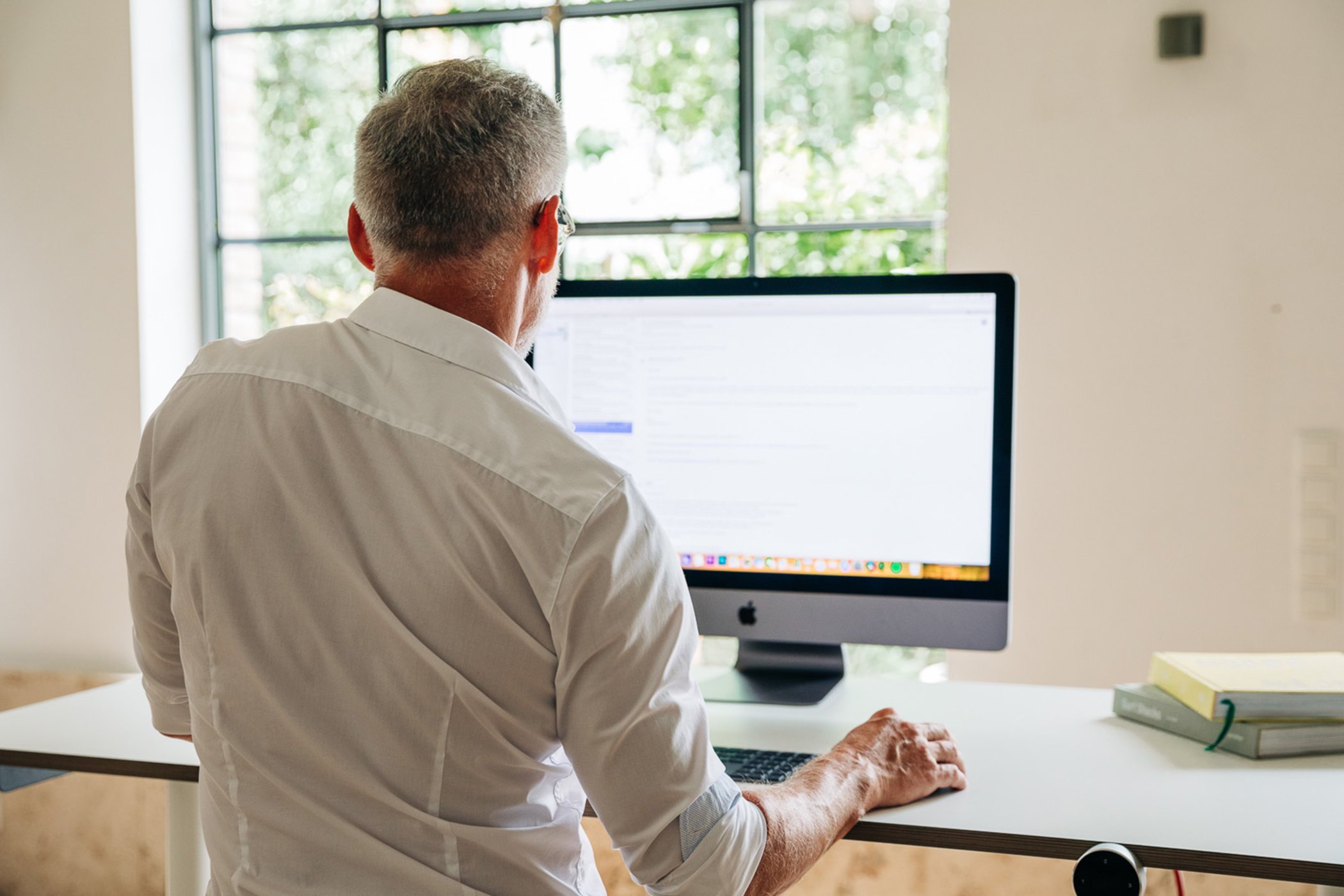
We achieve the opposite—and equally negative—posture to a rounded back by tilting our pelvis too far forward, arching our lower back, and pushing our chest too far forward. In this posture, the articular processes at the rear end of our vertebrae (toward the back) press against the facet joints. This can lead to lower back pain and shortened muscles in the back.
Hip misalignment (or shoulder misalignment)
In this position, when standing, we lean mainly on one leg, or when sitting, we sit on only one side or with our wallet in a back pocket. The body seeks a stable position, which it has likely already “unlearned” due to an acquired C-shaped curvature (scoliosis) or hyperextension. The consequences of a hip misalignment are varied: back pain, hip pain, and neck tension; impaired breathing; or degenerative changes in the spine and fascial structure.
Also interesting




Avoid sitting for long periods with these tools
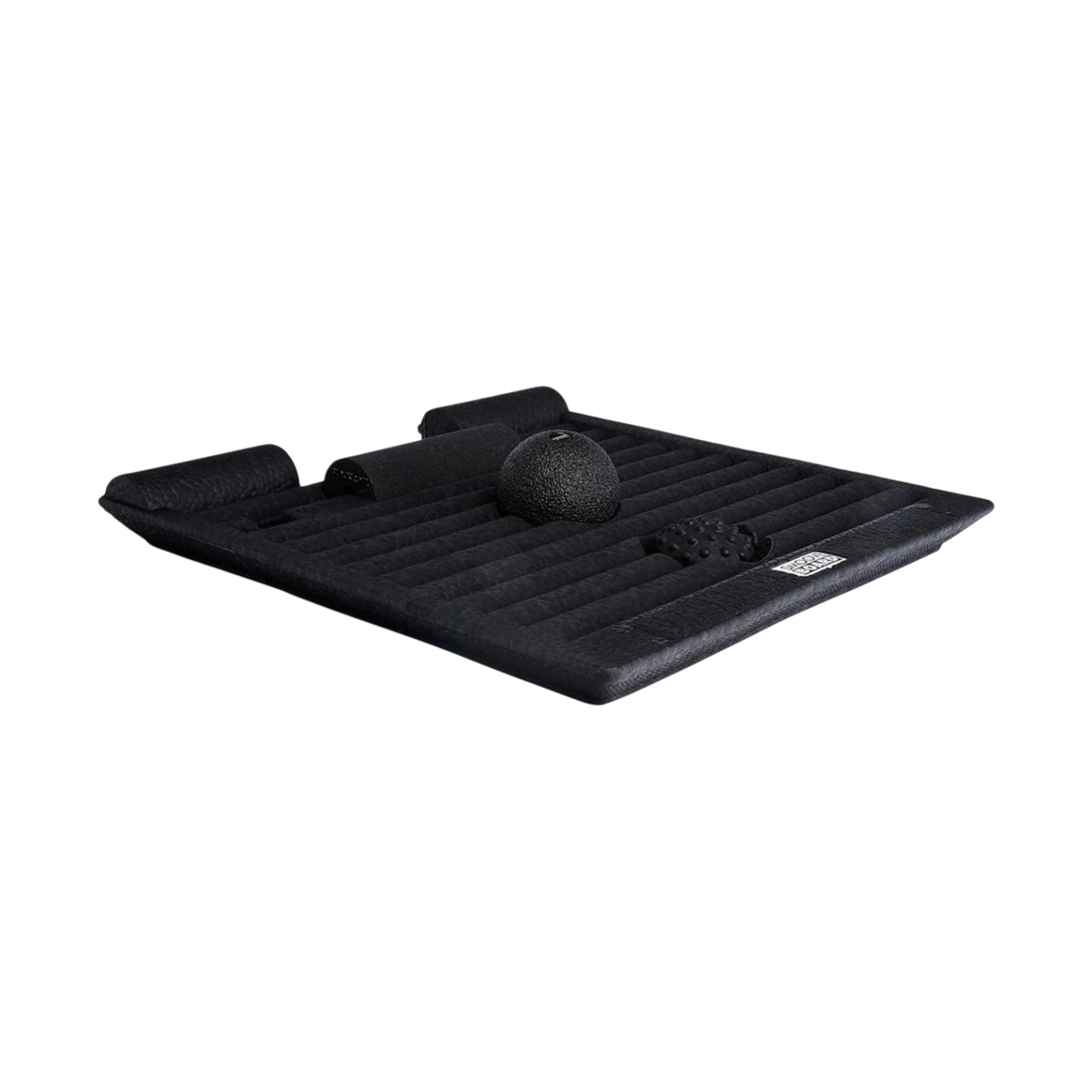
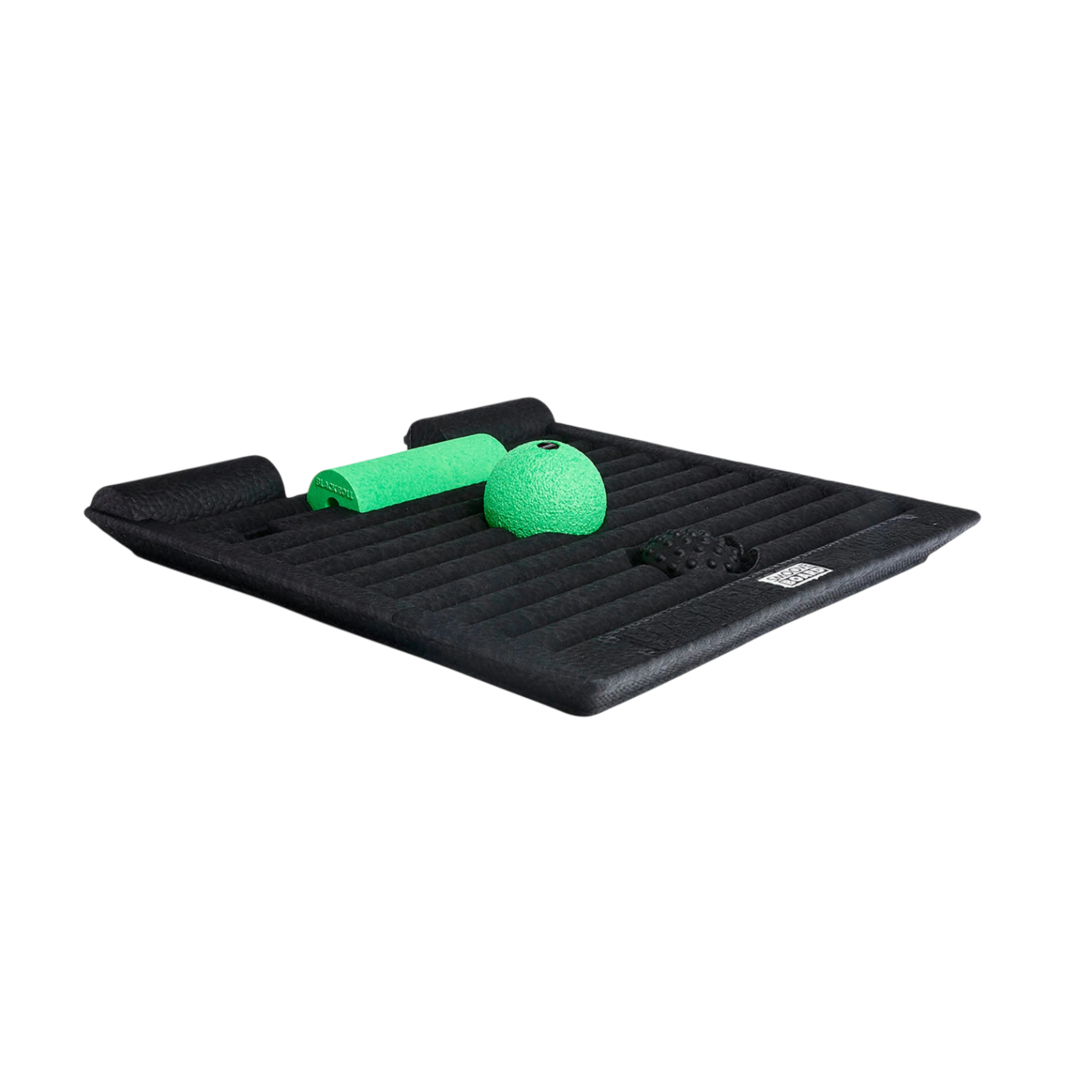
Smoove Board
Available in multiple variants