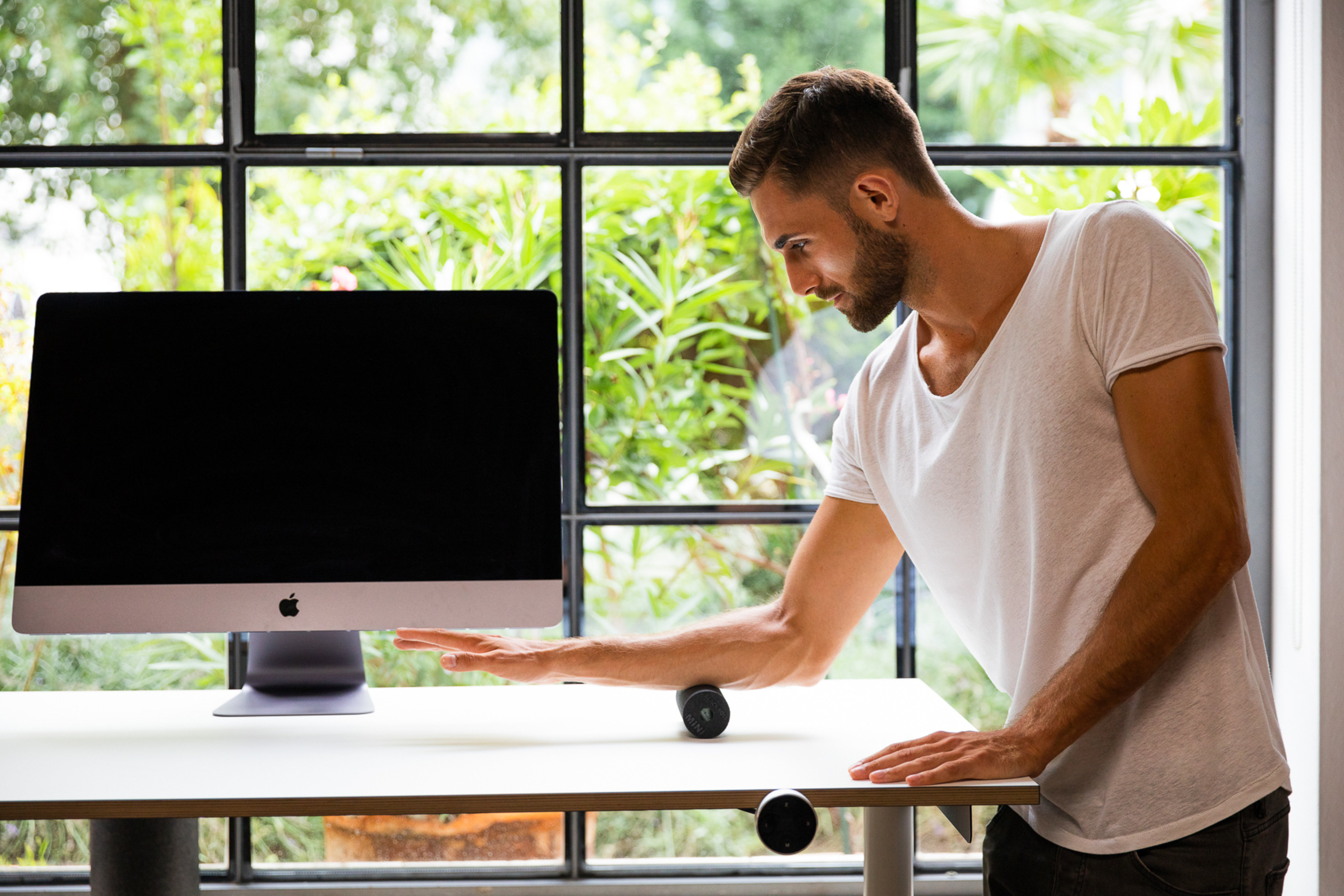
Healthy at Work: 5 Simple Tips for Everyday Life

Healthy Work – For Many, More of a Wish Than a Reality?!
One of the key challenges of our daily lives is balancing our careers with our health. After all, health is an irreplaceable asset.
On the one hand, your employer can promote and protect your health and that of your colleagues through various health-related measures. Ideally, this helps prevent health issues. On the other hand, however, it’s in everyone’s best interest to protect and continuously nurture their own health. It’s not just workplace conditions that can lead to health issues, but also ingrained habits in our personal lives. And since, in today’s world, professional life can no longer be strictly separated from personal life, it’s all the more important to regard health as the greatest asset in all aspects of life.
The digital transformation of the workplace is steadily advancing, and with it, work structures within companies are also changing. In addition to significant advantages and work-life improvements—such as more flexible working hours, easier communication, and the ability to work from home—it also carries the risk of new stressors in the workplace—for example, constant availability, as well as an increase in workload and information overload, which can harm our health at work.

Prevent pain with simple habits.
Simply sign up for free, and we’ll send you your office guide via email.01. Physical & Mental Health Issues in the Workplace
Office workers are at high risk for musculoskeletal disorders, particularly in the back, neck, or shoulder areas. Nearly 21% of all employee sick days are attributable to such conditions. The good news: You can effectively prevent these physical ailments on your own. Daily exercise, an ergonomically designed workspace, good posture, and a healthy, balanced diet will help you keep yourself and your body fit and healthy.
We all know that stress can make you sick in the long run. But did you also know that mental health issues are one of the most common categories of illness today? For affected employees, this can mean, in the worst-case scenario, having to leave the workforce. The cost to businesses and the economy runs into the billions, while the consequences for those affected are almost impossible to quantify.
02. Five Tips for Better Health in the Workplace

Resolve the Work-Privacy Conflict as Best You Can
Work is inevitably part of our personal lives, which means it’s difficult to draw a clear line between the two spheres. As a result, we often find ourselves thinking about work during our free time (and vice versa)—even if it’s just in our minds. This creates a conflict between work and personal life, as one side usually gets neglected. Consequently, the risk that periods of rest are too short also increases. If you work from home, it’s even harder to separate your workspace from your home. You often end up working during your free time—for example, in the evenings or on weekends. That’s why it’s important to physically separate your workspace from your living space. Closing the door to your home office can signal the end of the workday.
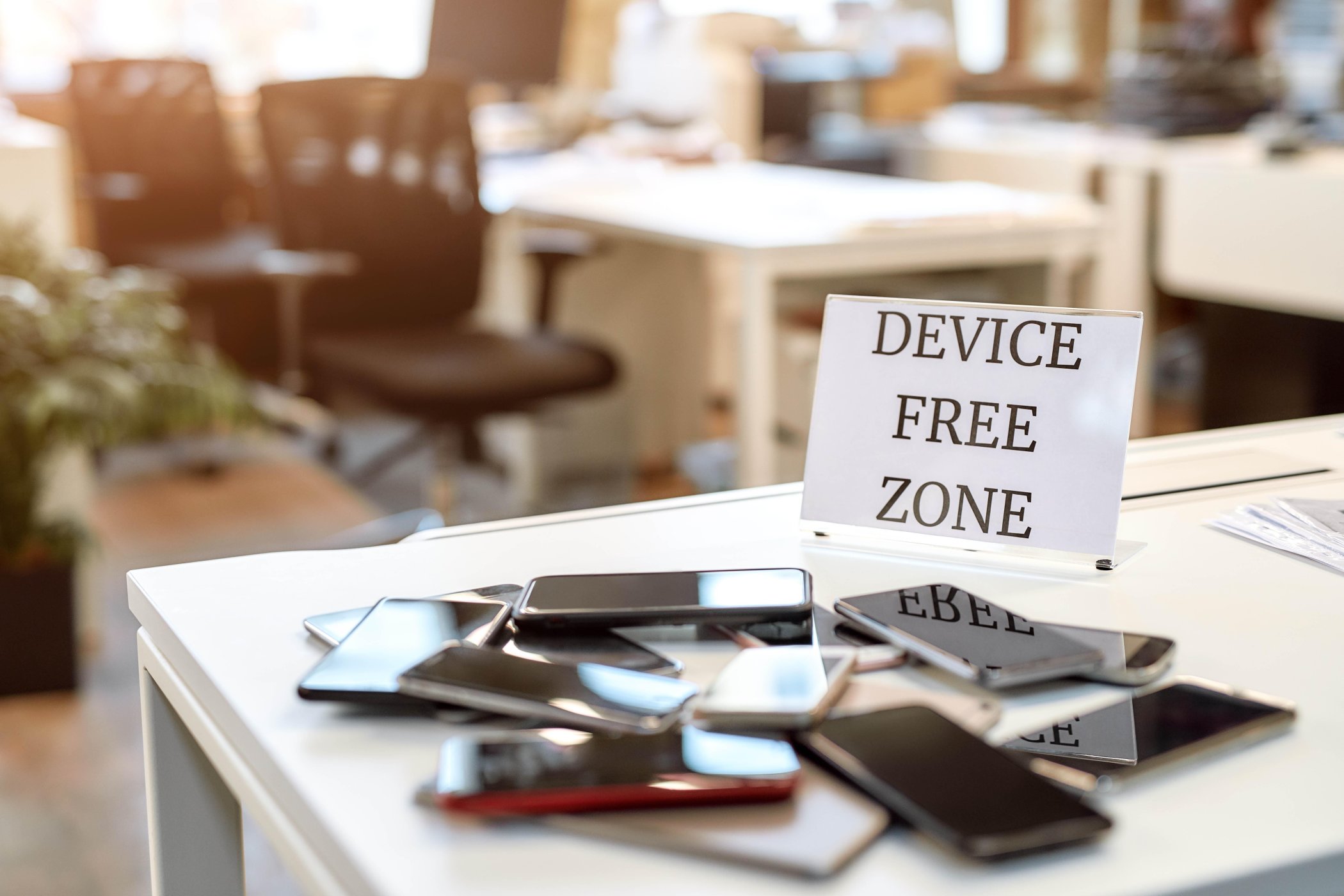
Avoid being “always on” and do some “meal prep”
Unplugging, taking breaks, doing nothing for a change—and actually feeling good about it? Most people can’t even do that anymore! Even the commute to work is often spent on calls, checking emails, or scrolling through social media, and even short breaks—like coffee breaks—are accompanied by constant smartphone use. “No-phone zones” (e.g., no smartphones in the kitchen) and “freeblocks” from constant availability help you escape chronic stress. You should also designate your free time—such as a workout, a coffee date with a friend, or time to read—as “freeblocks.” During these freeblocks, consciously set your smartphone aside or switch it to airplane mode.
A recent study by TK on commuting shows that daily commute time is considered a major stressor. So make sure to make your commute (if you have one) healthy—for example, bring a book or audiobook with you, or prepare a healthy breakfast to go the night before that you can eat on your way (of course, only if you’re not behind the wheel yourself). By preparing your breakfast and lunch in advance (meal prep), you’ll get through the workday feeling healthy and full—this way, you can avoid a trip to the snack machine or grabbing a quick sandwich on the go.
Drink plenty of water and make a point of taking breaks
To truly recharge during your workday, it’s recommended that you stay well-hydrated throughout the day and schedule enough break time. You should drink at least 1.5 liters of water—ideally spread out evenly throughout the day. More frequent micro-breaks (away from your desk) are better than infrequent long breaks. You can fill these breaks with, for example, power naps, breathing relaxation exercises, movement breaks such as a short walk, loosening or stretching exercises, a workout with resistance bands, or a healthy snack. You should definitely let go of any feelings of guilt. This applies to both your professional and personal life. Regular breaks help you avoid losing focus and boost your productivity. A good rule of thumb is to take a two-minute movement break for every 30 minutes you spend sitting at your desk. And if you skip a break—for example, because you’re stuck in a long meeting—just extend it to 4 minutes.
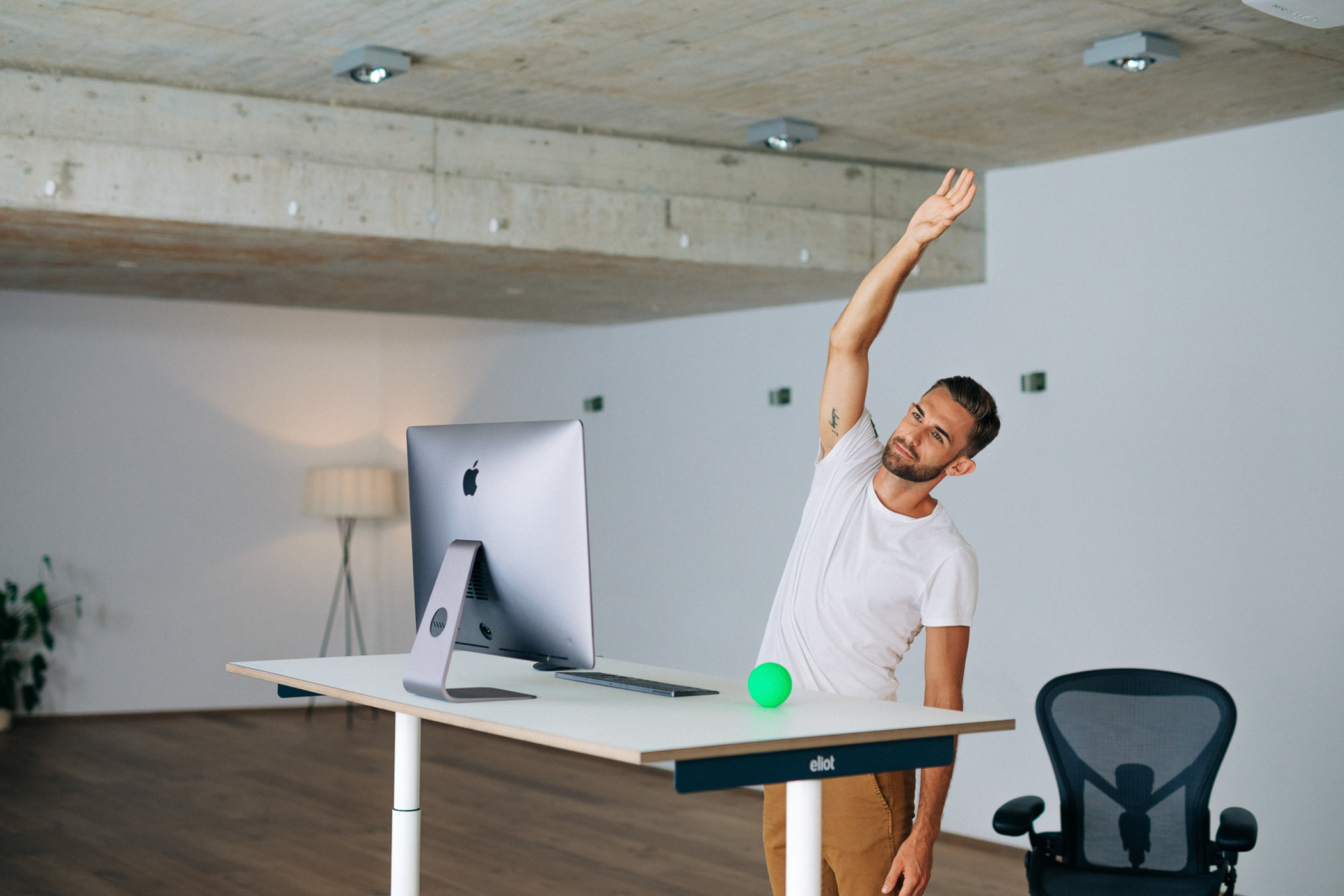
Reduce your sitting time and move more
How about making it a habit to stand up or move around every time you make a phone call? March in place or walk in circles. This is a surefire way to get more movement in the office and promote healthy work habits. Or why not hold a meeting while taking a walk? In our free time, we often realize that we’re more creative when taking a walk in the fresh air. So why not integrate this habit into your work life? Don’t worry—you can also record notes as voice memos on your smartphone. That way, you’ll have them handy afterward.
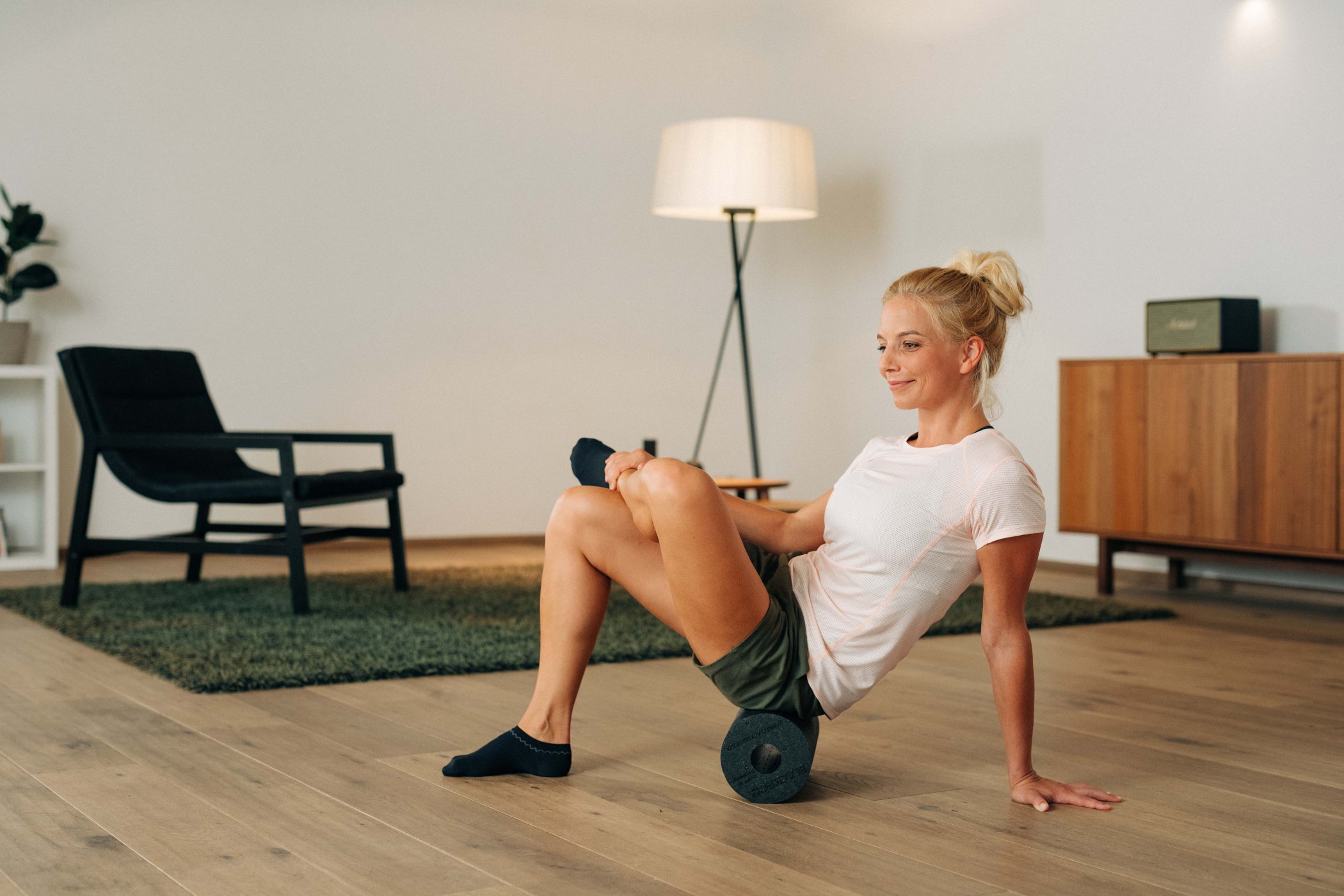
Make sure to switch things up after work
For the end of the workday, you should look for an activity that contrasts with your work. Activities that take place away from screens and the internet are especially beneficial. So plan some offline activities for the evening every now and then, such as puzzles, reading, origami, Sudoku, upcycling, yoga, fascia training, etc.—which, by the way, also helps ensure a restful night’s sleep.
Have our tips inspired you? If you’ve read this far, it shows that you really want to make a change in your daily habits. So let’s get started—improve your health at work!
Exercise Routines for Healthy Work:
Discover exercises you can easily do on the side at the office, or use them to take a targeted active break. Make movement part of your routine. >


Office Support
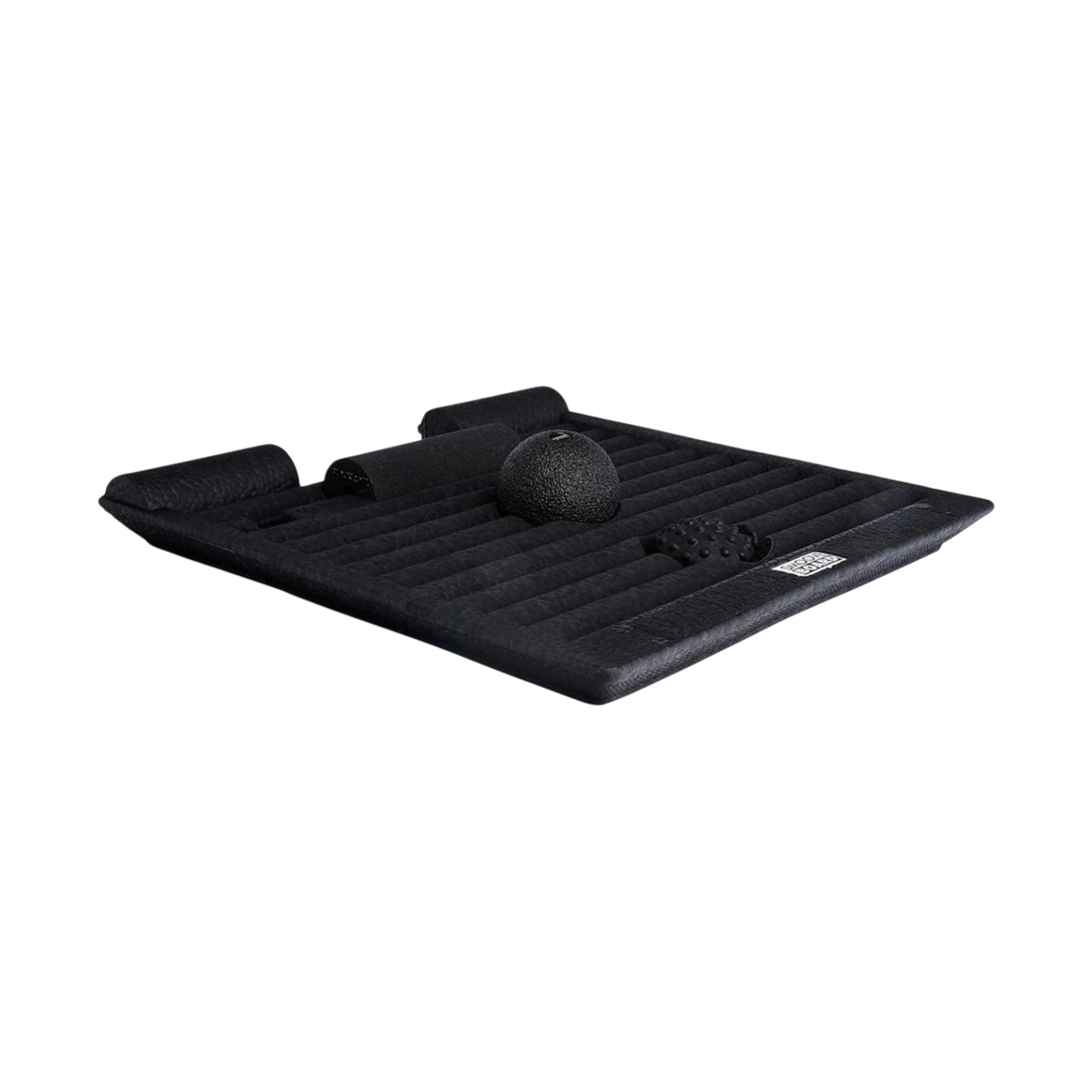
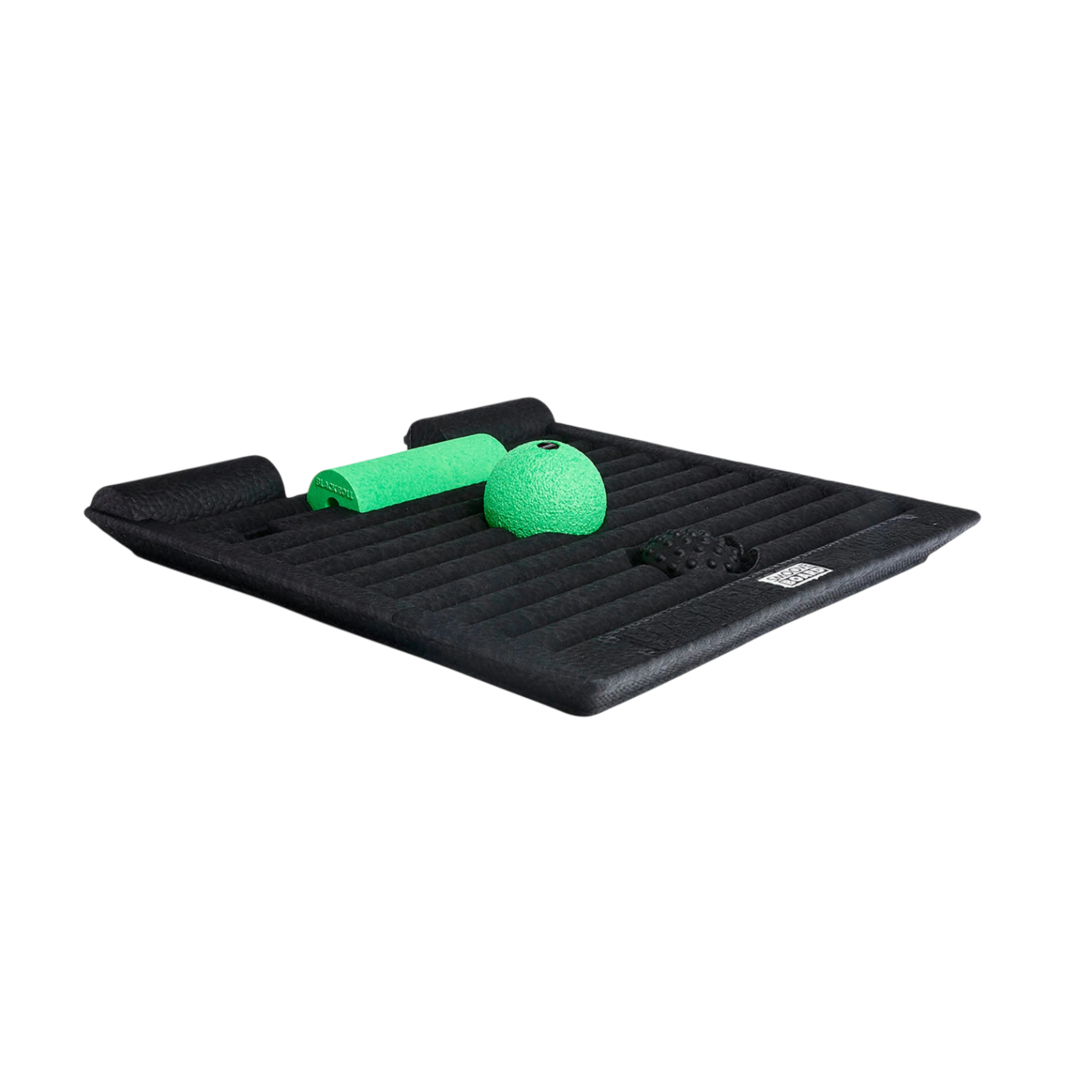
Smoove Board
Available in multiple variants

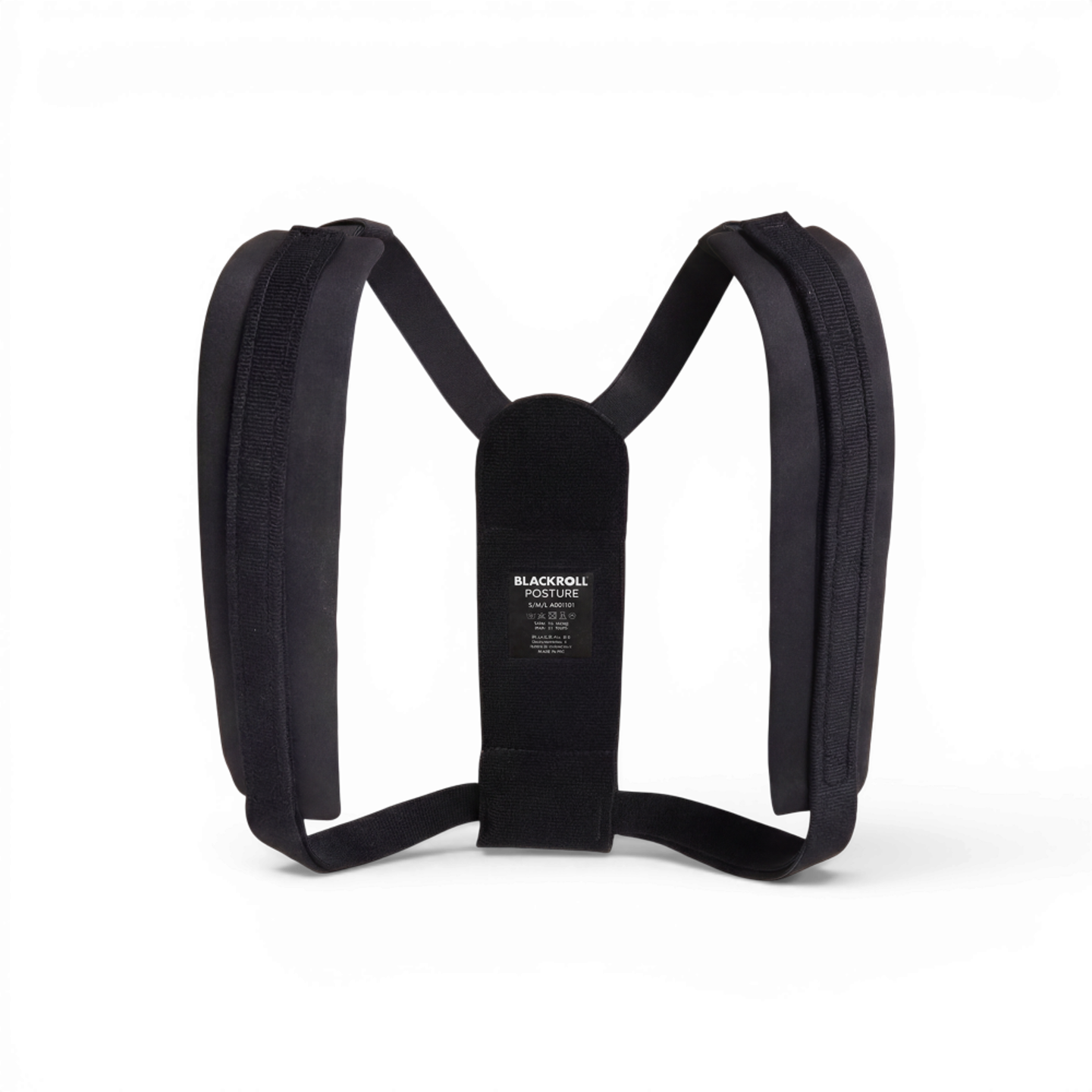
Posture
Available in multiple variants