
Help with Fatigue: How to Find New Energy

Everyone knows the feeling of sleepiness, but when it becomes chronic, it’s called fatigue. This occurs when you don’t get enough rest and can be triggered by various factors such as stress, sleep disorders, or what’s known as “social jet lag.”
Symptoms range from constant yawning and memory problems to social withdrawal. If you’re not careful, the consequences of fatigue can be serious, including health problems and microsleep.
That’s why it’s important to take steps to improve your sleep.
In the following article, you’ll learn about the causes and possible consequences of fatigue and discover strategies to help with chronic fatigue—and hopefully, you’ll soon feel fit again instead of sleepy.


Sleepiness and What Fatigue Actually Is
Do you know that feeling when your eyes get heavy, you have to yawn, and you just can’t concentrate? That’s sleepiness. It’s a state that all of us have experienced at some point. But sleepiness can be more than just the need for a nap. In some cases, it can be a sign of chronic fatigue.
But what exactly is it? Fatigue is a condition in which your body and mind don’t get enough rest through sleep. That’s because while you sleep, you go through various sleep cycles, all of which are important for your recovery.
If, on the other hand, you don’t get enough sleep or the quality of your sleep is poor, you can’t recover adequately and will feel tired. If this is the case over the long term, the fatigue is chronic.
Fatigue can have many different causes, such as stress, sleep disorders, or irregular bedtimes.
Illnesses or exhausting life phases can also negatively impact your sleep and, as a result, make you feel tired . Typical symptoms of fatigue include exhaustion, irritability, or listlessness. Your concentration wanes, which also reduces your performance. On top of that, the risk of accidents increases.
For all these reasons, it’s important to take fatigue seriously and take steps to ensure a good night’s sleep. In the following sections, we’ll address exactly that: You’ll learn what can cause fatigue and how to recognize its signs.


Social Jet Lag and the Causes of Fatigue
There are many different causes of fatigue. One relatively unknown factor is what’s known as “social jet lag.” This term describes the mismatch between a person’s natural sleep-wake cycle and the schedules imposed on them in daily life. Similar to jet lag from traveling, the body’s internal clock gets thrown off track by the external environment.
Here’s an example: Most people cannot choose when they start work—not even die-hard night owls. If they have to be at work early in the morning, they are awake against their nature, and their nighttime sleep is cut short—resulting in fatigue.
Another common trigger for sleep deprivation and fatigue is chronic stress. This causes blood pressure to rise and leads to increased brain activity. Both make it harder to wind down in the evening.
Other triggers can include sleep disorders such as sleep apnea or restless legs syndrome (RLS). With RLS, people experience a tingling, itching, or pulling sensation in their legs and have a constant urge to move them, which delays falling asleep.
In addition to external and medical triggers, lifestyle factors can also lead to fatigue. For example , using electronic devices—especially before bedtime—can disrupt the sleep-wake cycle, as the blue light from screens affects the production of the sleep hormone melatonin. Additionally, unhealthy eating habits, such as excessive caffeine or alcohol consumption, can impair sleep quality. A lack of exercise also contributes to fatigue.
It’s important for you to identify the specific cause of your fatigue and take appropriate steps. In the next section, you’ll learn about the typical symptoms of chronic fatigue so you can recognize them even more easily in the future.

Yawning and the Symptoms of Chronic Fatigue
Chronic fatigue is a profound sense of exhaustion that persists over a long period of time. Many people believe they are familiar with this feeling, yet this vague sense of exhaustion is often difficult to put into words.
The symptoms of chronic fatigue are usually more noticeable, such as these typical signs:
- Exhaustion: You feel constantly tired over an extended period of time. Even when you’ve gotten enough sleep, the fatigue persists.
- Sleep disturbances: Although you’re tired, you have trouble sleeping. You have trouble falling asleep or staying asleep, sleep restlessly, or wake up frequently during the night.
- Loss of energy: You find it difficult to engage in physical or mental activities because your energy is quickly depleted. You feel restless or seem distracted.
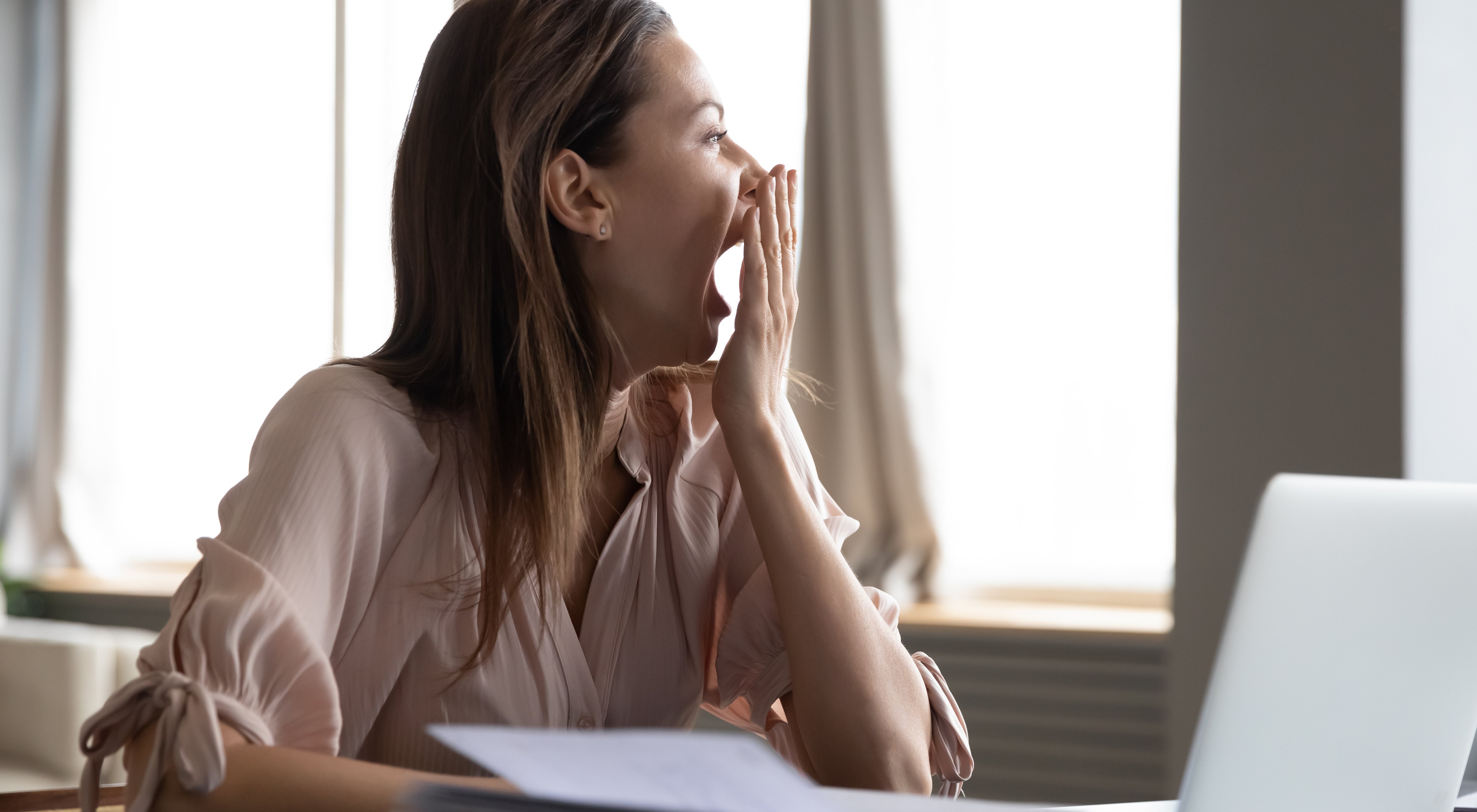
- Yawning: You find yourself yawning constantly—not just when you’re bored or in bed at night, but also during the day or when you’re busy.
- Memory problems: You have trouble concentrating or recalling information. Your grades or work performance are declining.
- Physical symptoms: You experience physical symptoms such as muscle, joint, or headaches, dizziness, or a persistent feeling of tension, for example in your neck.
- Weakened immune system: Your immune system is getting weaker, which is evident in frequent illnesses and infections.
- Emotional changes: You experience irritability, mood swings, depressive moods, or anxiety.
- Social withdrawal: Your fatigue is also gradually affecting your social life. You’re less sociable and are distancing yourself from family, friends, or coworkers.
You should always take the symptoms of fatigue seriously and, ideally, have them checked by a doctor. A doctor can also rule out or treat any possible underlying conditions, ensuring that the consequences of your sleep deprivation remain minimal. You’ll learn what these might be in the next section.

Micro-sleep and the consequences of fatigue
Exhaustion can have a wide range of health consequences; for example, your immune system weakens and you get sick more often. Typical illnesses that indicate a weakened immune system include colds with a runny nose, cough, and sore throat, or recurring cold sores.
In addition to frequent infections, your recovery also takes longer when your immune system is weakened.
Long-term sleep deprivation also increases the risk of high blood pressure, heart disease, diabetes, and obesity. Constant fatigue can also trigger or worsen lethargy, depression, and anxiety.
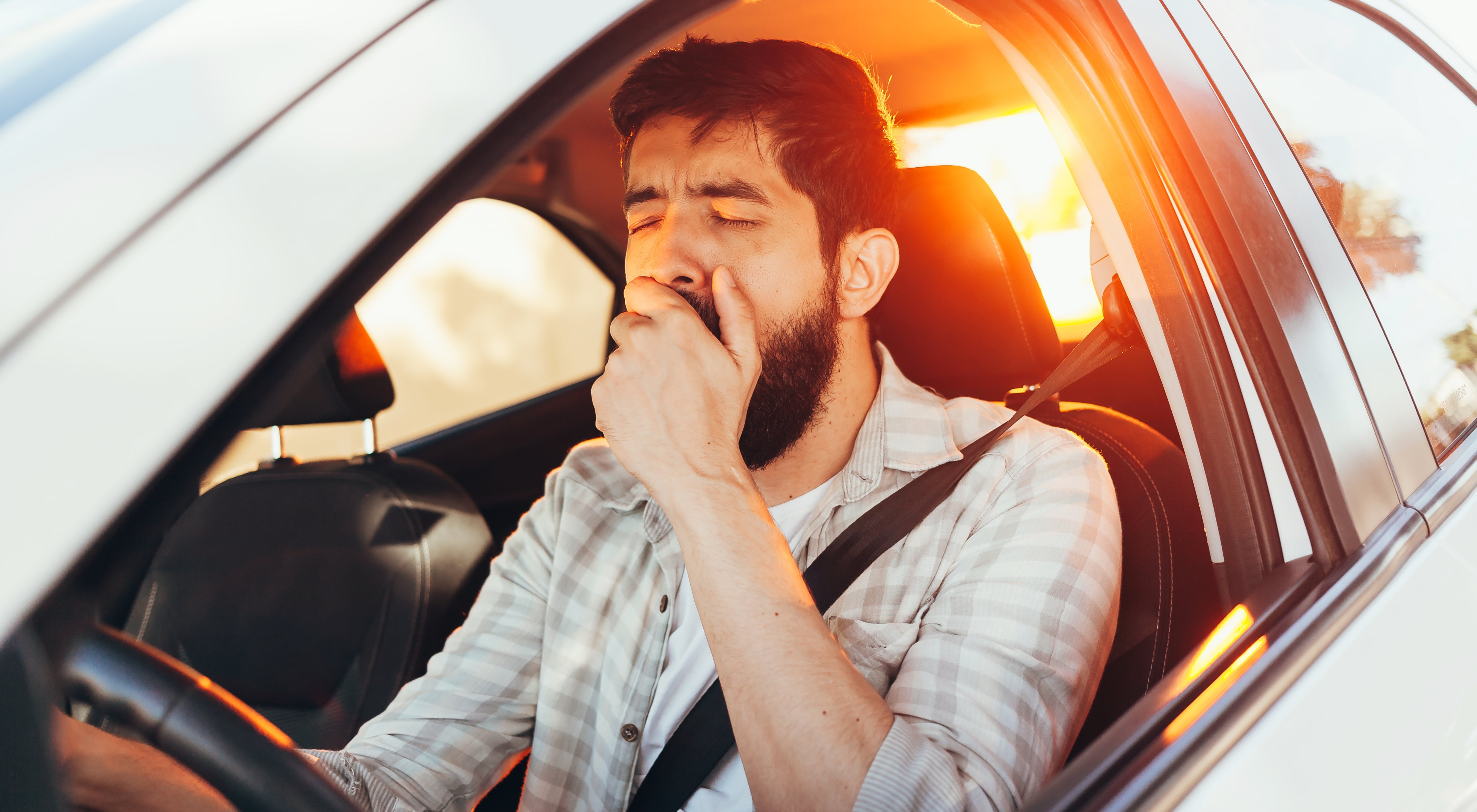
Another very dangerous consequence is what’s known as microsleep. This is when tired people fall asleep for a few seconds without meaning to.
This is especially life-threatening for drivers. Some experts estimate that nearly one in four fatal accidents on highways is caused by microsleep. Therefore, always allow enough time for breaks when driving and watch out for the typical warning signs of drowsiness behind the wheel: a fixed gaze or burning eyes, trouble staying in your lane, or difficulty remembering the last few kilometers you’ve driven.
The dramatic consequences make it painfully clear what can happen when you’re chronically overtired. To protect your health and safety, you shouldn’t wait too long—take action right away.
How? You’ll find out in the following section.
"Adjusting your lifestyle—including getting enough sleep, exercising, and eating a healthy diet—is crucial for regaining energy and improving your quality of life. It’s important to understand the causes of fatigue and to proactively take steps to improve your sleep hygiene and manage stress. To get a quick energy boost, it makes more sense to try a mindful breathing technique than to always rely on caffeine or snacks to get that extra kick.”
Dr. Lutz Graumann, expert in recovery



Sleep Hygiene and Effective Solutions
Your body and mind need restful sleep to function optimally. If, on the other hand, you regularly suffer from fatigue, you should look for ways to improve your sleep—for example, with the following tips and tricks:
- Improve your sleep hygiene: Develop healthy sleep habits by establishing a consistent bedtime routine and avoiding caffeine and alcohol before bed. Put your phone away at least an hour before bedtime, as the blue light from the screen can disrupt sleep. Also, turn off the TV and computer.
- Optimize your bedroom: Create a comfortable sleeping environment by making sure you have a comfortable mattress, blanket, and pillows, and by ensuring the room is dark and quiet. If necessary, use earplugs and a sleep mask.
- Stay active: Use exercise to really work up a sweat and boost the production of feel-good hormones. It’s not about what sport you do, but that you stick with it. If you enjoy working out, you’ll exercise more often.
- Healthy eating: Make sure to eat a balanced diet and avoid excessive consumption of sugary and high-fat foods.
- Stress management: Find effective stress-coping strategies, such as relaxation exercises, meditation, yoga, breathing techniques, or hobbies that help you reduce stress and calm your mind.
- Seek professional help: If your fatigue persists despite all these tips, you should see a doctor or sleep specialist. They can conduct further tests and offer you personalized treatment options. Your primary care physician is always your first point of contact for health-related issues.


Conclusion
Exhaustion is more than just occasional drowsiness; it is a state of persistent fatigue that can be triggered by various factors.
The effects range from physical and mental symptoms to serious health risks. It is therefore crucial to recognize the signs of fatigue early on and take active steps to address them.
Being mindful of your sleep habits and practicing good sleep hygiene are essential for improving your well-being and preventing long-term health problems.
Frequently Asked Questions About Fatigue
Good sleep is the key to avoiding fatigue. Generally, adults need about 7–8 hours of sleep per night. Teens should ideally get 8–10 hours of sleep, while children need up to 13 hours of sleep per night. For babies, sleep times of up to 17 hours, including a few naps, are normal. However, individual sleep needs can vary. You may well need a little more or less sleep than indicated to feel well-rested.
If you’ve been feeling tired for an extended period, it’s advisable to see a doctor. This is especially true if you’re constantly sleepy despite getting enough sleep. This could be a sign of poor sleep quality. You may be experiencing breathing pauses during sleep, also known as sleep apnea. You can find more information about pauses in breathing during sleep in our article on the topic. A doctor can provide an accurate diagnosis and recommend appropriate treatment options.
Natural sleep aids such as herbal teas with chamomile or valerian can help you fall asleep more easily because they have a calming effect. Lavender, lemon balm, hops, and passionflower are also known as medicinal plants and are said to have a relaxing effect. They can be helpful for fatigue. However, it’s important to note that all sleep aids—whether herbal or synthetic—should only be taken after consulting a doctor. A doctor can provide personalized recommendations and take into account potential interactions with other medications.
Certain occupational groups and life situations carry an increased risk of fatigue. These primarily include jobs that require night or shift work or involve very long working hours. Examples include nurses, truck drivers, firefighters, and flight attendants. New parents whose babies wake up frequently at night are also at increased risk. The same applies to very stressful life phases, such as when moving to a new home.
Caffeine has a stimulating effect because it stimulates the nervous system and can thus temporarily keep you awake. However, caffeine cannot replace the body’s natural recovery process. That is why it is important to emphasize that coffee, cola, or energy drinks are not a long-term solution for fatigue.
Various studies have shown that lack of sleep can affect hormone balance. If the hormones that regulate appetite become unbalanced, you may feel hungrier—and consequently gain weight. A healthy diet and regular exercise therefore kill two birds with one stone: weight control and good sleep.
For a Restful Night’s Sleep