

Which pillow helps with neck pain?

Dr. rer. nat. Torsten Pfitzer
In this article
Which pillow helps with neck pain?
- Neck pain is often caused by poor sleeping posture, an unsuitable pillow, or a mattress that’s too soft.
- Standard 80 × 80 cm pillows usually do not provide optimal support for the cervical spine.
- Ergonomic pillows stabilize the head while you sleep and promote a neutral neck position.
- Especially important: The right height and shape of the pillow, tailored to your preferred sleeping position—whether you sleep on your back, side, or stomach.
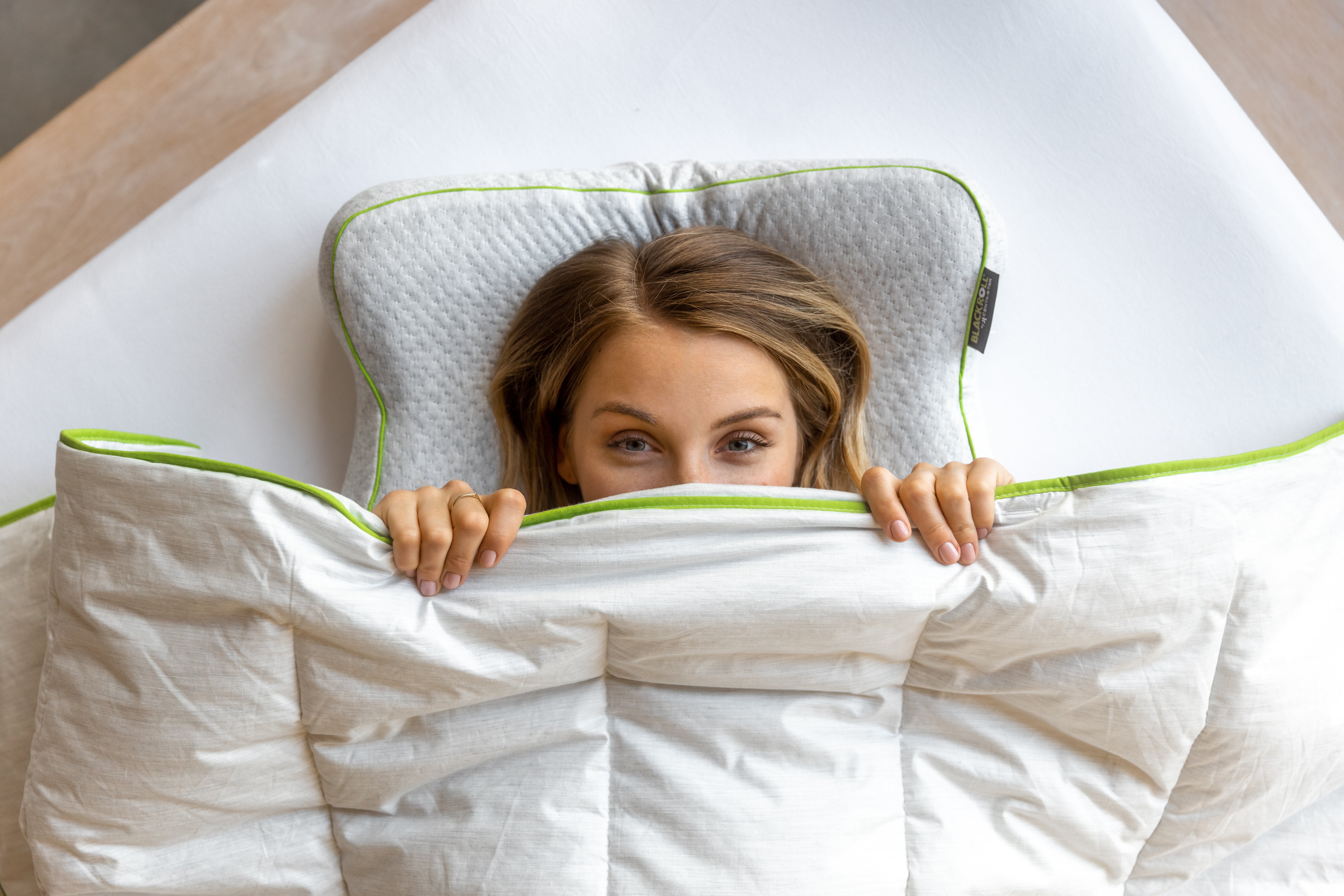
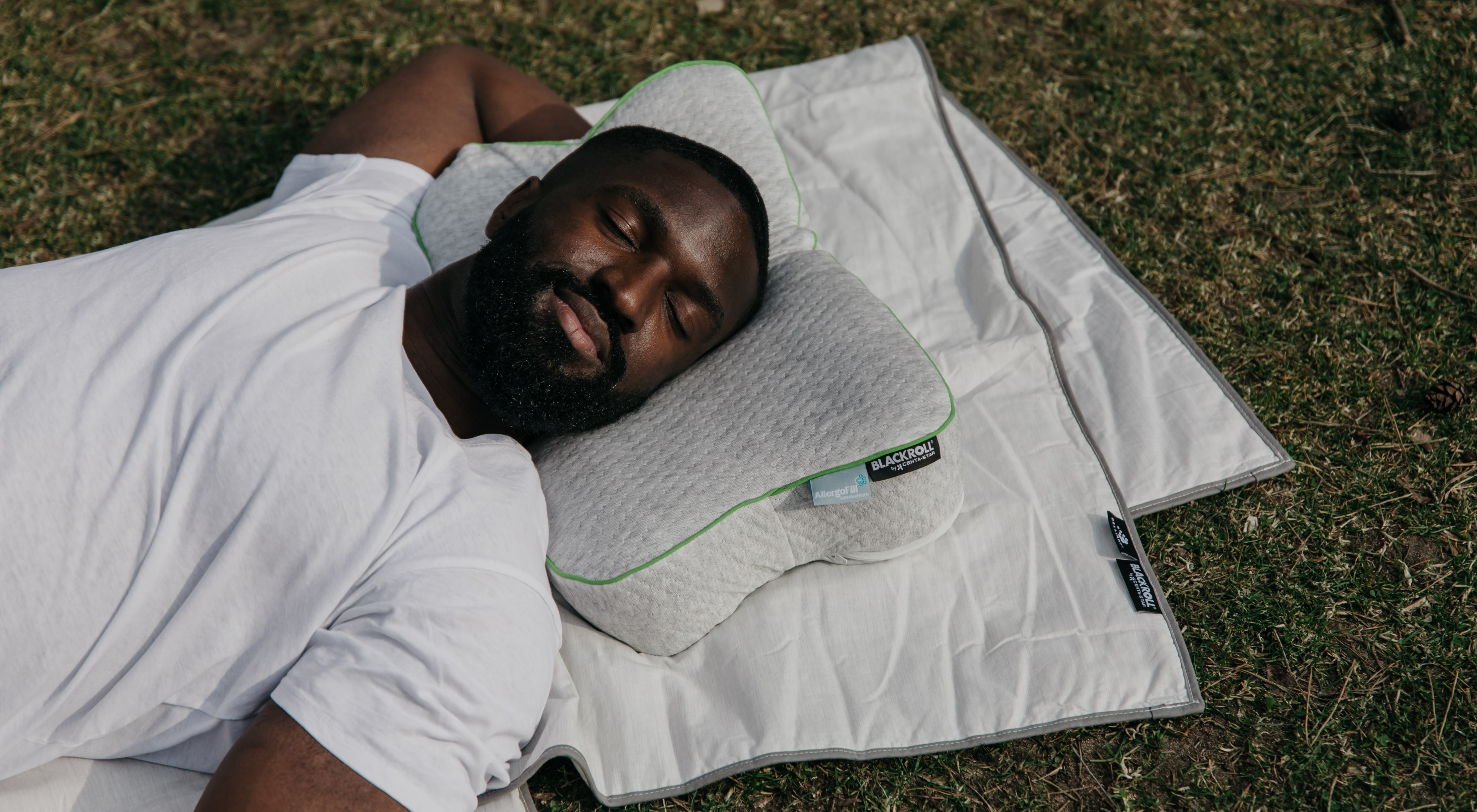
Recommendation: The BLACKROLL® RECOVERY PILLOW —an ergonomic, compact pillow that supports the neck in any sleeping position and effectively prevents tension.
No one likes neck pain. Yet it’s a pervasive problem of our time. The pain often spills over into our daily lives, thereby affecting our overall well-being. The causes of tension and pain are varied.
Poor posture—caused, for example, by sitting for long periods at work—is the primary factor here. But stress and the resulting muscle tension, injuries, or jaw problems can also be potential triggers for this unpleasant pain.

Our sleep should help our bodies regenerate. During sleep, tension can be released, muscles can heal, and the body can recharge with new energy.
But be careful: Neck pain can also be triggered by a poor sleeping position, a mattress that’s too soft, or an unsuitable pillow. These factors can worsen existing poor posture.
To prevent this from happening, this article explains how to create your ideal sleeping environment, the different types of neck pillows available, the materials they’re made from, the best sleeping position for you, and which pillow can help relieve or prevent your pain.
Pillow
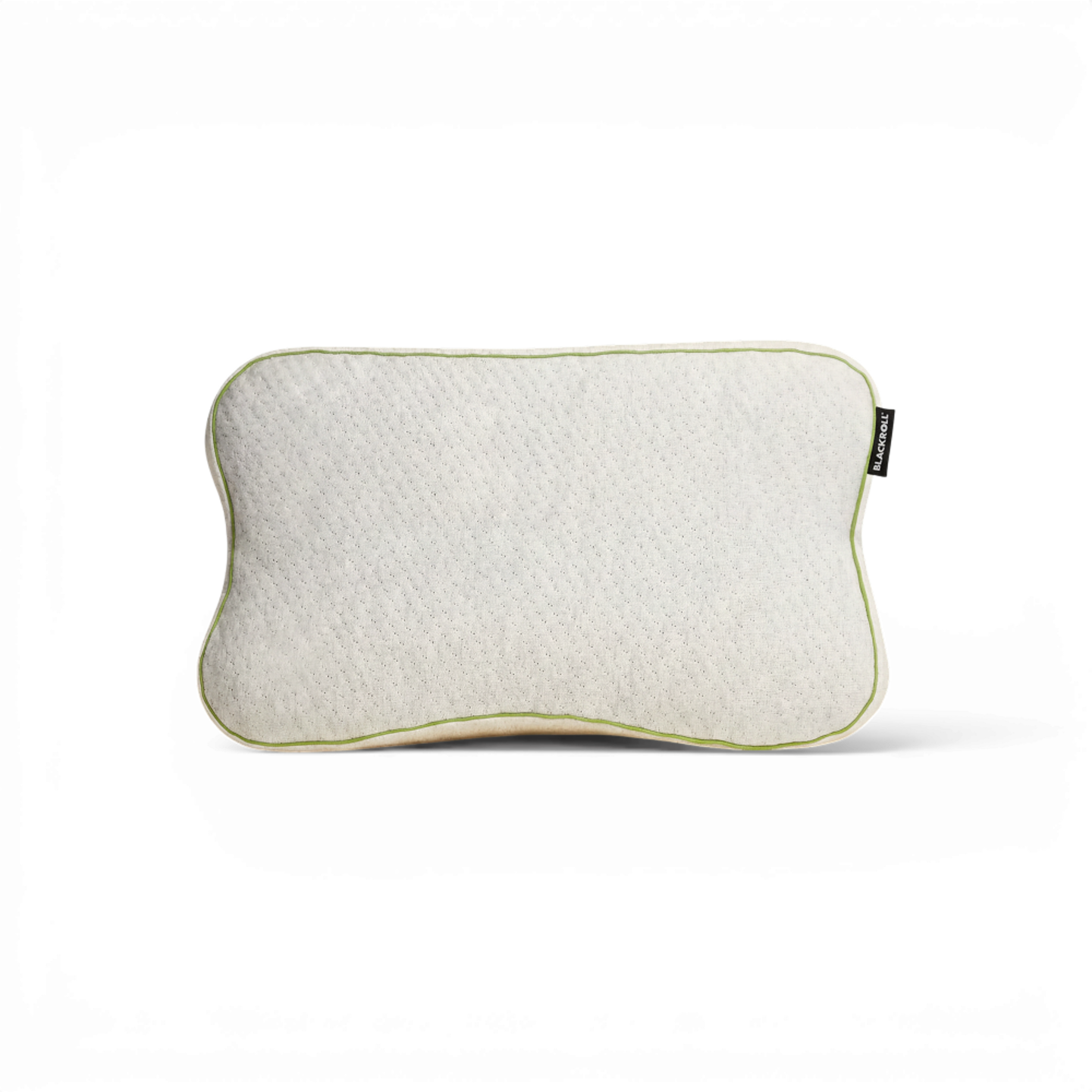
€99.90
Pillow
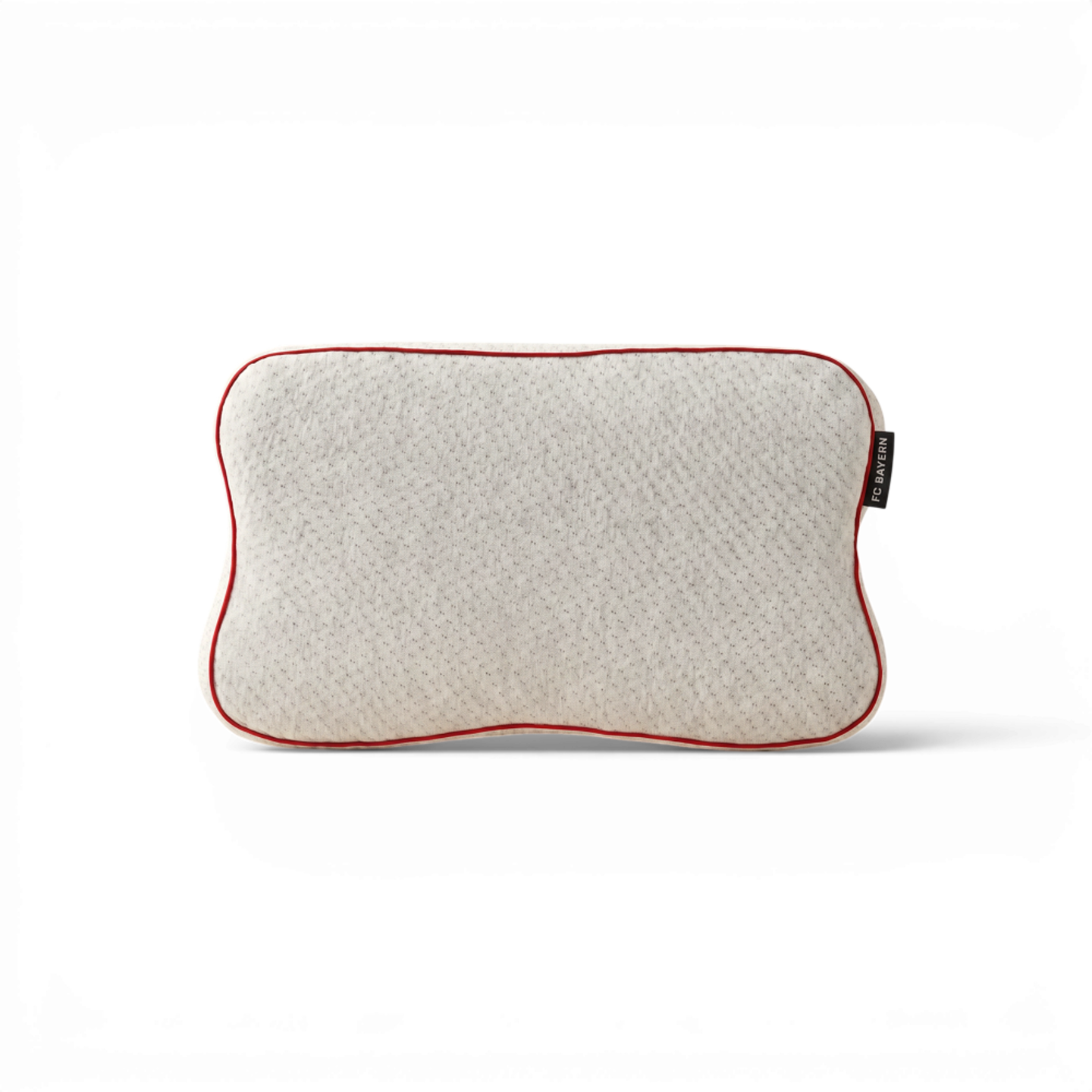
€99.90
Pillow
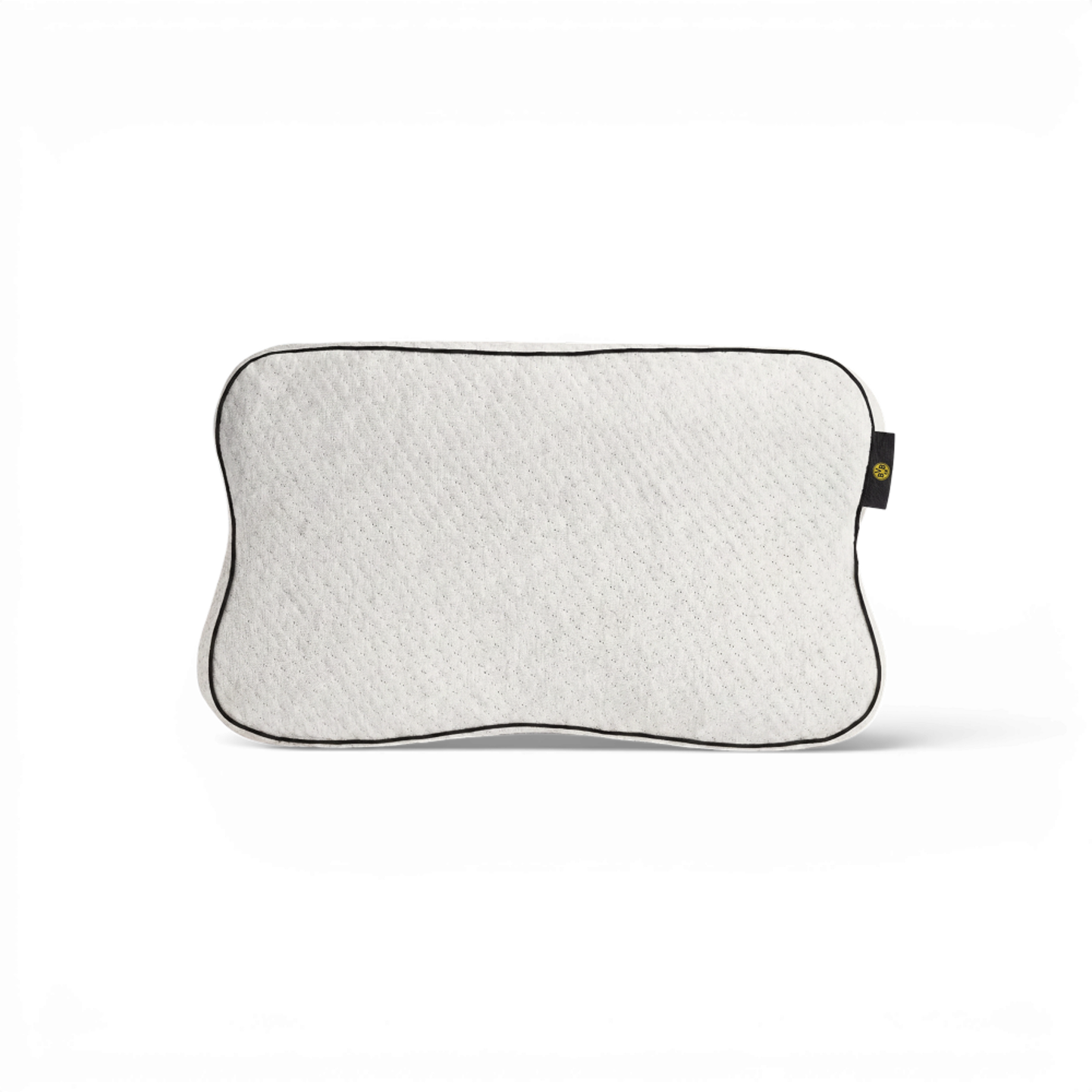
€99.90
Pillows for Cervical Disc Herniation
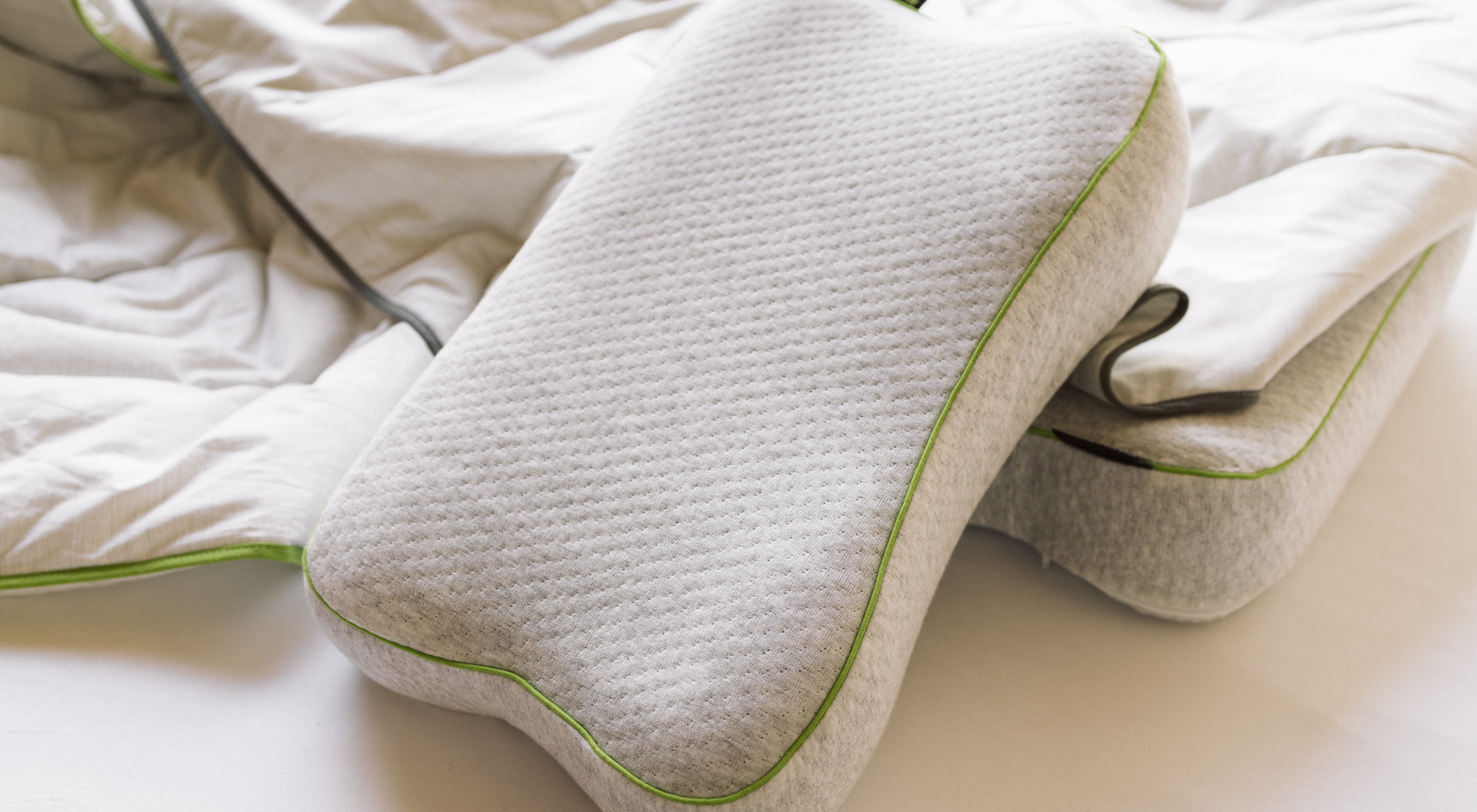
This is a particularly important consideration for people with a herniated disc in the cervical spine. In such cases, it is essential to choose a pillow specifically designed for cervical herniated discs. These pillows are engineered to provide optimal support for the sensitive cervical spine and maintain its natural alignment during sleep. They relieve pressure on the neck, can alleviate pain, and help prevent stiffness and other discomforts in the morning. A well-chosen pillow for cervical disc herniation helps significantly improve sleep comfort even in this challenging health situation.
02
These ergonomic pillows are available for the neck
There are various types of ergonomic pillows. Their purpose is always the same: Ergonomic pillows are designed to stabilize the head while lying down and promote a neutral posture of the cervical spine. This helps relax the back, neck, and shoulder muscles and prevent pain.
There is a wide variety of pillow shapes on the market. The materials used to make them are just as diverse.
However, the designers of ergonomic pillows agree on one thing:
The classic 80 x 80-centimeter pillow, filled with down or synthetic fibers, has had its day.
Due to the pillow’s size, the sleeper often lies with their shoulders on the pillow, which causes poor posture while lying down and does not support the cervical spine.
Modern neck support pillows have a more compact size of approximately 50 x 30 centimeters and support both the head and the cervical spine while sleeping.
The following ergonomic pillows are available for the neck:
- Memory foam pillows:
The foam in the pillow conforms to the sleeper’s head and neck—depending on their shape and weight. This provides even support. After getting up, the memory foam always returns to its original shape. - Waterbed pillows:
The name says it all: this pillow contains water. Just like a waterbed, the pillow conforms to the shape of your neck. This provides gentle support and reduces pressure points. Water pillows are very heavy and can be noisy when you move. Another drawback of water pillows is that they can feel quite cold. When purchasing water pillows, you should also look for high quality, as otherwise there is a risk of water leakage. - Neck roll:
A neck roll is a pillow shaped like a roll that is placed under the neck when sleeping on your back. This allows the head to rest comfortably on the mattress and the neck to relax. This design is intended to improve sleep quality for people who suffer from tension in the neck and shoulder area. - Buckwheat pillow:
The buckwheat pillow is filled with buckwheat hulls. These hulls have permanently elastic properties, regulate temperature and humidity, and conform to the shape of the head and body. The high content of silica and minerals is also said to relieve tension, back pain, and rheumatic pain. When the hulls rub against each other, they may produce some noise. - Wedge pillows:
The angled shape of the pillow brings the head and body into a more upright position. This is said to reduce neck pain and snoring. Wedge pillows are also known as seat cushions. When used as seat cushions, they help tilt the pelvis while sitting in a chair, which stretches the lumbar spine and relieves pressure on the intervertebral discs. - Side-sleeper pillow:
This extra-long pillow is designed to help side sleepers maintain a stable sleeping position and wake up the next morning without stiffness. One end of the pillow is used to support the head (these pillows are also available with adjustable height), while the other end can be placed between the legs. This prevents pressure points between the knees and relieves pressure on the hips. Women often use side-sleeper pillows or nursing pillows during pregnancy.
- Cervical pillows:
“Cervical” refers to the neck. Cervical pillows are therefore designed to support the cervical spine. They feature a recess in the center, which supports the neck and aligns the spine. These pillows are typically wave-shaped. The higher part can be used by side sleepers. People who sleep on their backs use the flatter part of the cervical pillow as a support zone for the neck and rest their head in the trough of the wave.
This list of ergonomic pillows is not exhaustive. Spelt pillows, cherry pit pillows, and crystal pillows are other specialized options. In any case, you should make sure your pillow has a pillowcase that’s easy to wash. Ideally, the pillowcase will even help improve your personal microclimate while you sleep through active thermoregulation.
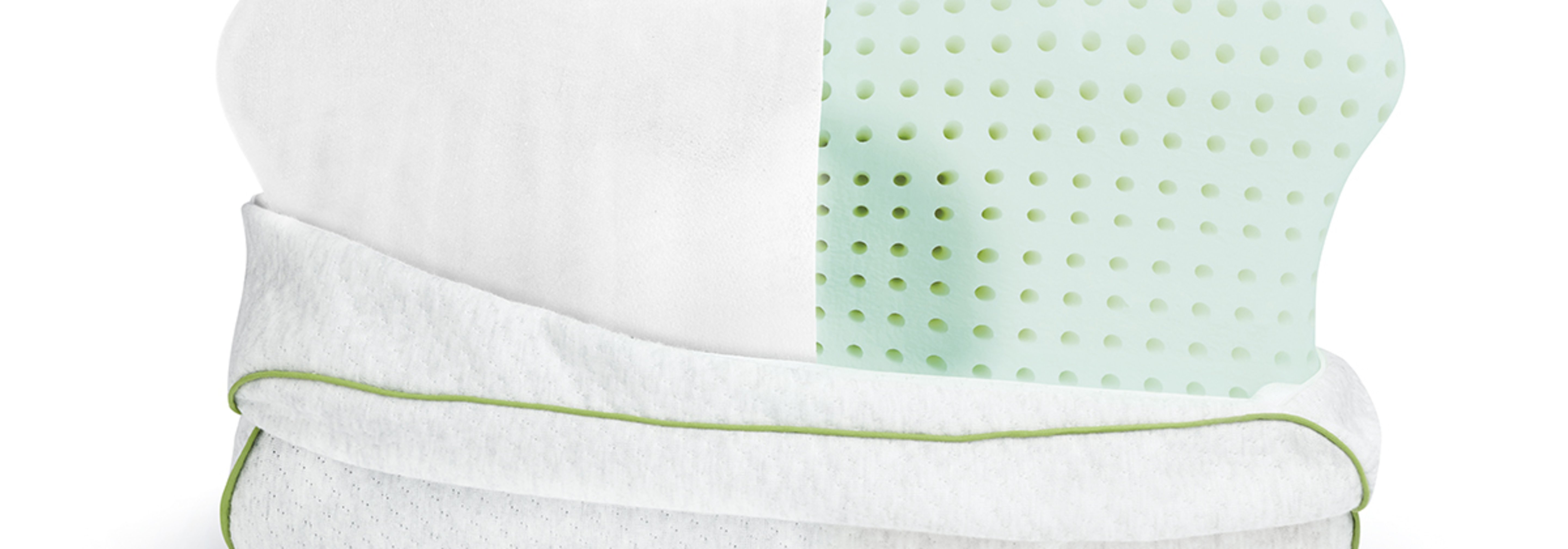
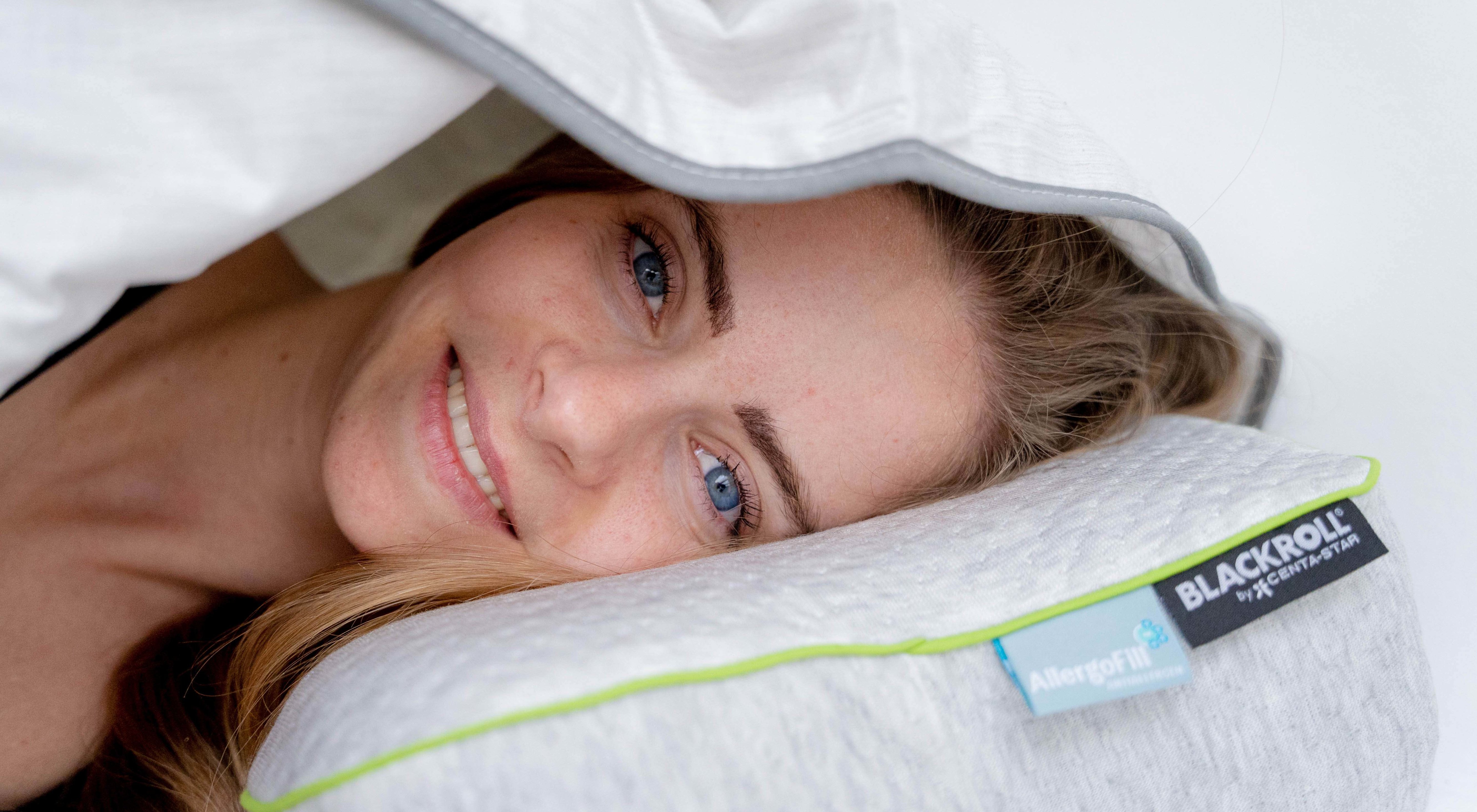
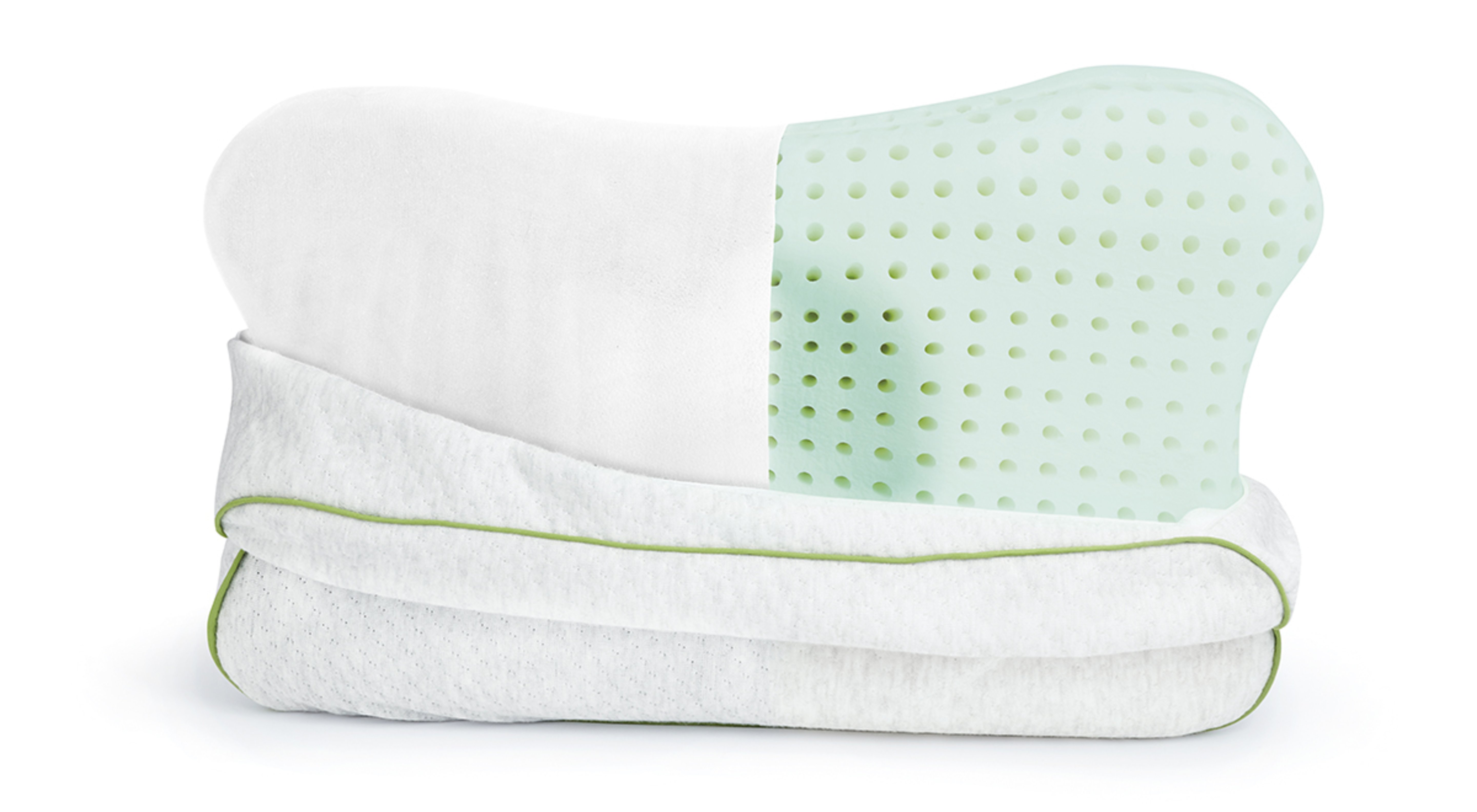
At BLACKROLL, we rely on memory foam and have used it to develop the RECOVERY PILLOW, which can support your neck.
03
Orthopedic Cervical Neck Support Pillows
Orthopedic pillows are any neck support pillows that support the neck while sleeping, thereby relieving pressure on the cervical spine. They are ergonomically shaped, meaning they are adapted to the human body’s needs. Orthopedic cervical neck support pillows feature special areas designed to support the neck. Examples of orthopedic cervical neck support pillows include cervical pillows and height-adjustable side-sleeper pillows.
For people who suffer from pain and tension in the neck and shoulder area, an orthopedic cervical neck support pillow may be particularly suitable. The cost of purchasing an orthopedic pillow is significantly lower than the price of a mattress.
Ideally, however, both the mattress and the pillow should be tailored to the individual’s height, weight, and sleeping position.
A cervical neck support pillow can quickly and relatively inexpensively help alleviate pain caused by misalignments of the cervical spine and improve sleep comfort.
An orthopedic neck support pillow is also recommended for people with chronic neck pain and restless sleep. These pillows can be particularly useful for people who spend a lot of time sitting and have consequently developed tension in the neck and shoulder area.
“90 percent of neck pain is the result of poor posture.”
Dr. Torsten Pfitzer, holistic pain therapist and health coach

“90 percent of neck pain is caused by poor posture resulting from repetitive, one-sided activities such as working on a computer, driving, or staring at a cell phone. Due to shortened chest muscles and the head being pushed forward, the head’s weight increases up to sixfold, which, over time, overloads the neck muscles and the cervical spine.” Dr. Torsten Pfitzer, holistic pain therapist and health coach
The Orthopedic Association explains that, from an orthopedic perspective, neck support pillows are generally recommended. However, care should be taken to ensure that the body forms a straight line with the cervical spine when lying on your back or side.
To find the right pillow for your sleep, it may be worth trying out different neck pillows. You’ve found the right pillow when it improves your sleep comfort and you no longer have pain in your neck and shoulder area in the morning.
Blanket
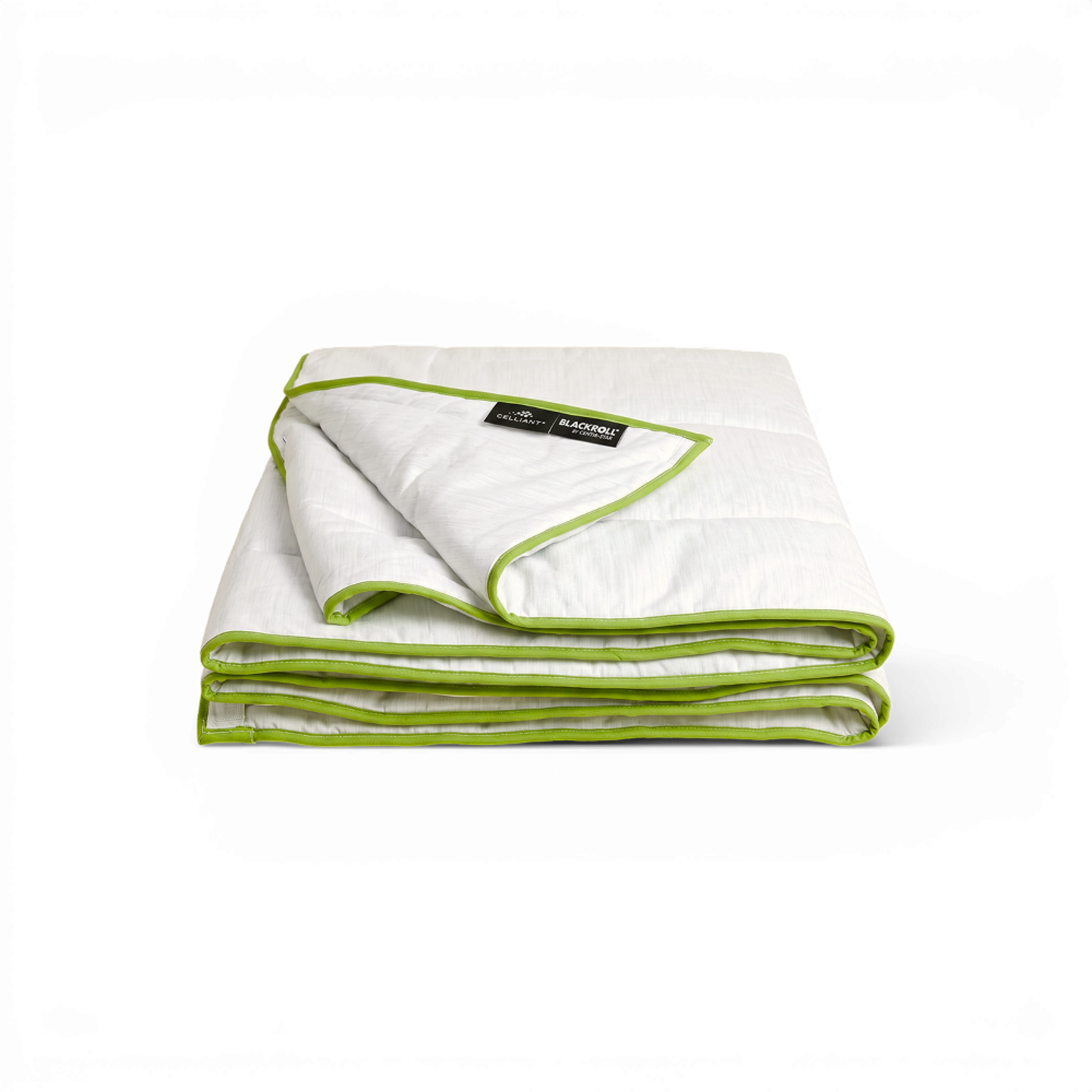
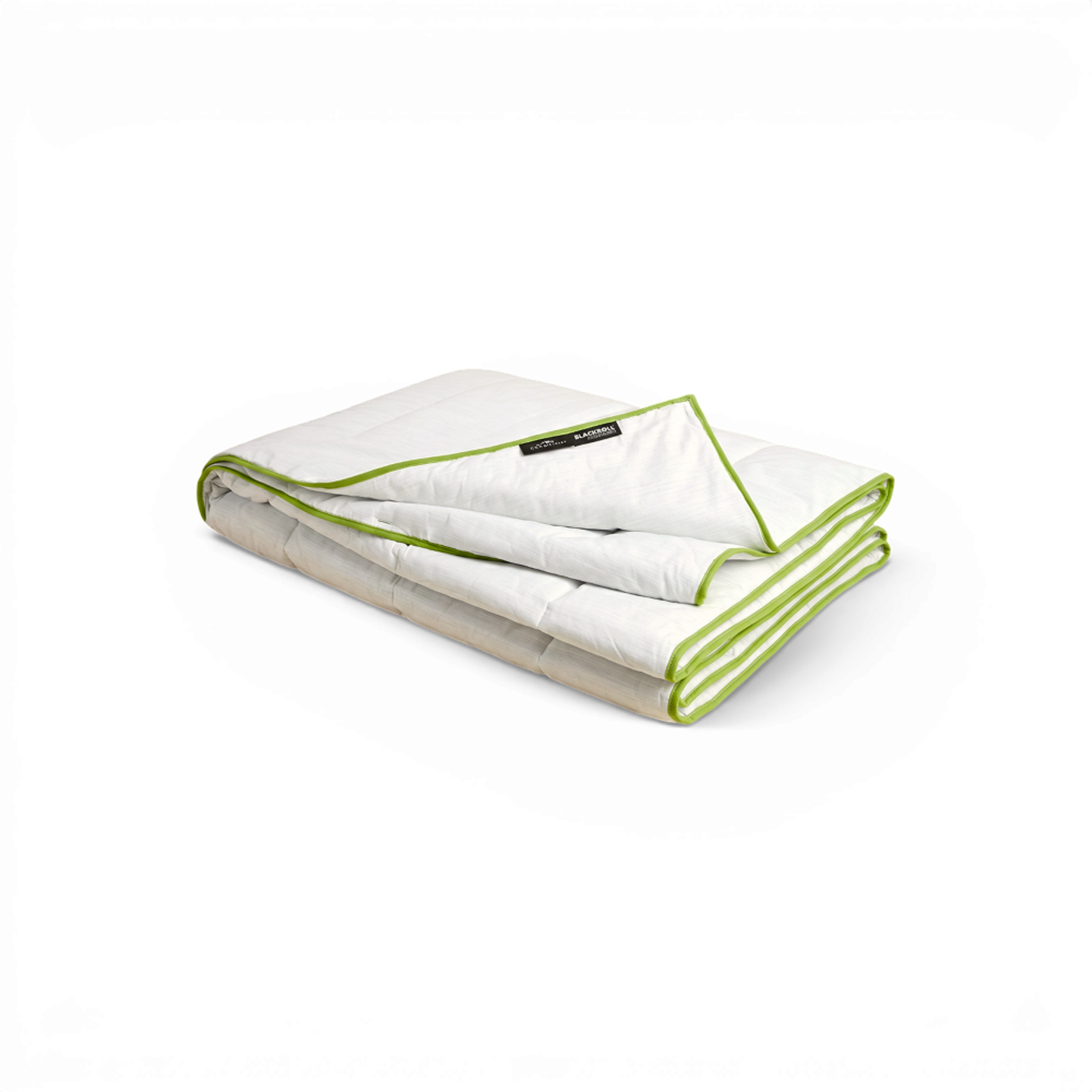
Recovery Blanket All Year
Available in multiple variants
from€179.90
04
Neck support pillows are made from these materials
Depending on their intended use, neck pillows are made from various materials. Memory foam, as mentioned earlier, is frequently used because it conforms individually to the sleeper’s head and neck. This reduces pressure points and helps people who suffer from neck pain and tension.
Other foams, such as latex foam or polyurethane foam, are also used for neck pillows. They offer similar properties and benefits to memory foam and, like it, are very durable.
Synthetic materials such as polyester or microfiber are also suitable for making neck pillows. They provide lightweight, breathable support and are often machine-washable, which offers hygienic benefits.
In some cases, neck pillows are also filled with natural materials such as down or feathers. These pillows are usually softer than foam pillows and are therefore particularly comfortable. However, the organic material can change over time and is therefore not as durable or dimensionally stable as foam.
Other natural fibers, such as cotton or bamboo, also provide breathable and comfortable support. They are often hypoallergenic and washable, making them an ideal choice for people with sensitive skin. Just as with shape, neck pillows can vary greatly in terms of the materials used. The selection typically reflects the manufacturer’s philosophy.
Ultimately, however, you should decide which material best suits your preferences and weigh the respective pros and cons.

05
If you have neck pain, a different pillow is recommended for each sleeping position
Every person is unique— from height, weight, and body shape to lifestyle habits and sleeping positions. Essentially, however, there are only three sleeping positions: back sleepers, stomach sleepers, and side sleepers. Each position has its own pros and cons. Ultimately, though, the most important thing is that you feel comfortable and get a good night’s rest.
If, for example, you suffer from loud snoring, it might be a good idea to change your sleeping position. Below, we’ll show you the pros and cons of each sleeping position and what you should look for when choosing a pillow.
Back Sleeping Position
During the day, our spine is subjected to extreme strain from sitting and standing. Sleeping on your back relieves pressure on the spine and can help alleviate back pain. In addition, sleeping on your back can reduce heartburn. This position is also said to help prevent wrinkles on the face and breasts.
But sleeping on your back also has disadvantages. The most well-known problem is certainly that it promotes snoring. It can also cause sleep apnea, as the tongue can fall back into the throat when lying on your back, blocking the airways.
A neck support pillow with a recess into which the head can sink is suitable for back sleepers. This supports the head and neck and maintains the natural curvature of the spine.

Unfavorable—the pillow is too high; the spine is not relieved of pressure.
Stomach-sleeping position
The pros and cons of sleeping on your stomach are the exact opposite of those for sleeping on your back. Sleeping on your stomach can, for example, reduce snoring and sleep apnea.
However, sleeping on your stomach can also lead to neck and back pain, as the head and neck are usually twisted. If you wake up in the morning with numbness or tingling in your arms or legs, it may be because your body weight has pressed down on your limbs while you were lying on your stomach.
Warning: It is not recommended to let babies sleep on their stomachs, as the prone position is considered a possible cause of sudden infant death syndrome (SIDS).
For people who sleep on their stomachs, a cervical pillow with a low head height and minimal neck support, or a very flat pillow, is recommended.

Correct—the head and neck are supported, maintaining the natural curve of the spine.

Unfavorable—Pillow too high, mattress too soft. Spine is curved.
Side-sleeping position
80% of Germans sleep on their side. No wonder, since this position resembles the fetal position in the womb and provides a sense of security. But sleeping on your side also has other benefits. For example, it can help reduce snoring, as the position improves airflow and keeps the airways open. Relieving heartburn—especially when sleeping on your left side—and reducing sleep apnea are also reasons to sleep on your side.
Pain in the shoulder and hip areas is a warning sign for side sleepers. At that point, at the latest, you should reconsider your sleeping position—or your choice of mattress and pillow. This is because the side-sleeping position requires a specially tailored setup to prevent postural problems, pain in the spine, or shoulder pain.
The pillow should perfectly fill the shoulder-neck triangle and prevent the cervical spine from being overextended or bent.
This is ensured by pillows that allow for a medium-to-high head position while providing medium-firm support for the neck. Side-sleeper pillows that are also placed between the legs provide additional relief for the spine and reduce the pressure from knees pressing against each other.

Correct—the head, neck, and spine form a straight line

Unfavorable—pillow too high, mattress too soft.

06
How can I change my sleeping position to relieve neck pain?
If your neck pain doesn’t improve despite using a neck pillow, you should consider changing your sleeping position. It’s possible that, as a back sleeper, the side sleeping position might be better for you, or that you should turn from your stomach to your back. This is because sleeping on your stomach, in particular, can cause tension in the neck due to the unnatural position of the head and neck, which can lead to sharp pains in the head. Try to determine whether an incorrect sleeping position might have triggered your tension and pain.
If you absolutely do not want to change your sleeping position, even small adjustments can help relieve pain. For example, people who sleep on their backs can place an extra pillow under their knees. This brings the spine into a neutral position and reduces pressure on the neck.
When sleeping on your side, make sure your pillow is high enough to keep your cervical spine in a straight line. If you don’t use a side-sleeper pillow, placing a second, small pillow between your knees can align and relieve pressure on your hips and spine. You should also pay attention to the firmness of your mattress so that the shoulder you’re lying on can sink in deeply enough.
If you can’t or don’t want to avoid sleeping on your stomach, try placing a flat pillow under your stomach. This can also help reduce the strain on your neck.
In general, you should avoid sleeping on a sofa or a bed that’s too soft. If this happens only occasionally, it shouldn’t be a problem, but over the long term, it can cause you to adopt a poor posture that leads to neck, shoulder, or back tension.
If you’re in pain, try to actively do something about it. Use the right pillow, and you’ll see how a more restful sleep will have a positive effect on your tension and your life.


07
What makes neck pain worse?
Neck pain that occursin the morning is usually caused by an unhealthy sleeping position. A neck pillow can help with this. Another approach is to focus on relaxation and strengthening during the day. This is because sitting for long periods —such as at work or school—or frequently scrolling on your phone puts strain on the cervical spine, which can worsen neck pain. Stress and a lack of exercise further exacerbate the problem.
If you don’t take steps to balance this out, you can expect chronic neck pain and long-term impacts on your quality of life. But it doesn’t have to be that way—even simple exercises to strengthen the neck muscles, along with fascia training, can restore mobility and counteract poor posture.
Here’s how you can easily prevent neck pain:
Shoulder circles, stretching the neck and chest muscles, and mobilizing the spine are good exercises for improving blood circulation in the neck, chest, and shoulder areas. When strengthening, focus on shoulder and neck exercises. And with myofascial techniques, you can treat your neck yourself
08
The Right Pillow for Neck Pain, Back Pain, and Tension
Findingthe right pillow for neck pain, back pain, and muscle tension isn’t easy given the wide variety of options available. When making your choice , individual needs, your sleeping position, your body type, and any health issues you may have all play an important role. However, if you take these factors into account and find a suitable pillow, it should have a major impact on the quality of your sleep and allow you to start your day feeling relaxed and pain-free. So the search can be well worth it.
Consider Your Sleeping Position
Do you sleep on your back, stomach, or side? Choose a pillow with the right height and appropriate support. Ideally, the pillow should conform to the shape of your head. If you sleep on your back, your head shouldn’t be too high, but your neck should still be supported. If you sleep on your side and have broad shoulders, you’ll need a pillow that provides higher support . If you have any health issues, you should consult a doctor.
Take Advantage of Test Opportunities
If you have the chance to test a pillow and try sleeping on it, take advantage of it. After all, every theory has to be put into practice first. It’s entirely possible that you’ll feel more comfortable with a different pillow setup than the one the salesperson recommended. The main thing is that you’re pain-free.


09
Conclusion: Which Pillow Is Best for Neck Tension
Neck pain doesn’t have to be a problem. Whether you’re tall, light, heavy, or short, or whether you sleep on your stomach, back, or side, there’s a neck pillow that’s right for you.
This article describes in detail which neck pillow is recommended for neck tension. If you analyze yourself, your sleep, and your sleeping position, you’re sure to find the perfect neck pillow for you. Make sure you can try out the neck pillow and that it feels right to you.
A pillow that’s suitable for different sleeping positions —and is made of memory foam, for example—increases the likelihood that it will also optimize your sleep. Just give it a try.