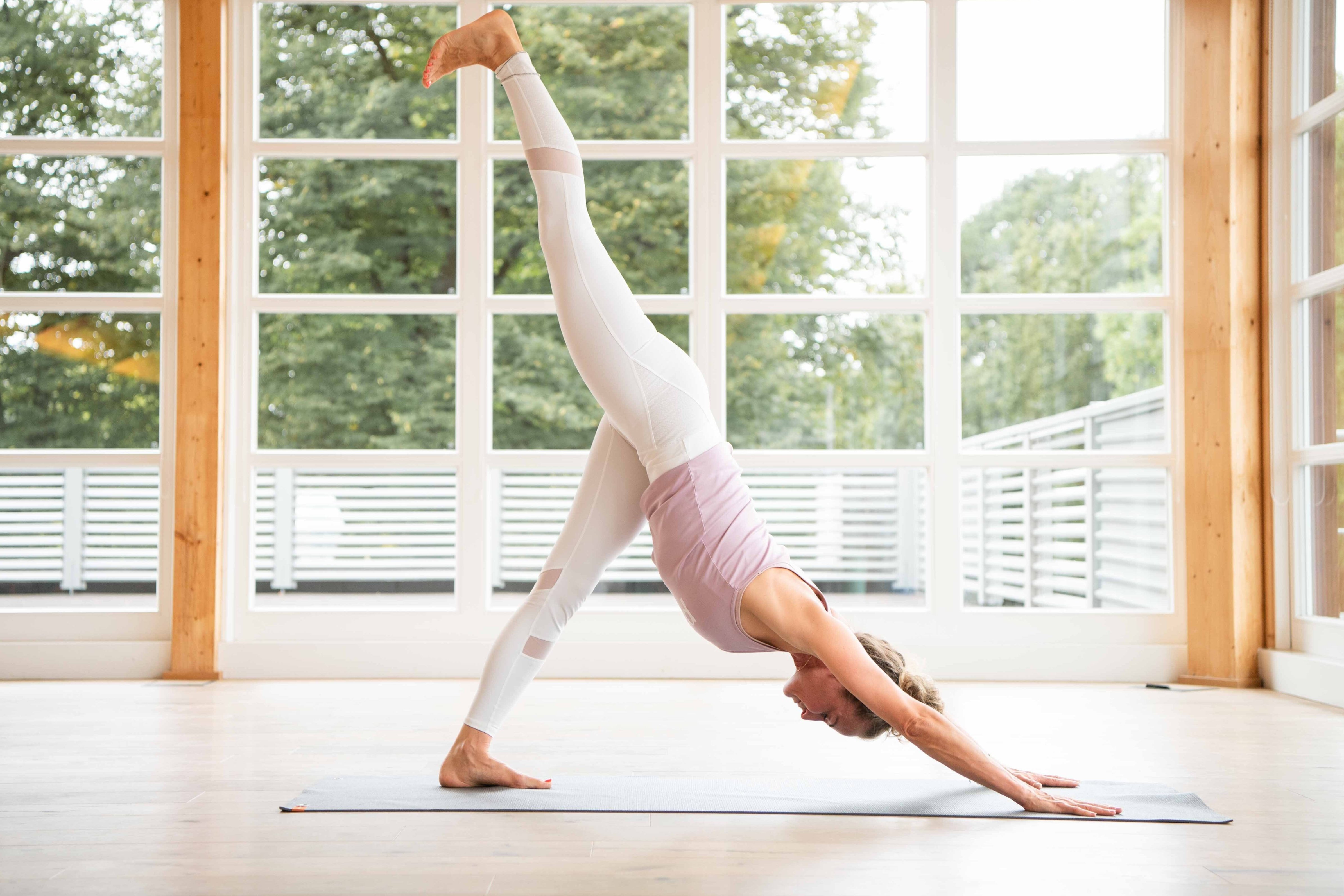
Fascia Yoga: What It Does and How It Works

In fascia yoga, you work out your entire body to achieve greater flexibility and suppleness. The principle is simple: through yoga movement sequences, the fascia pathways are stretched, hydrated, and made more supple. In this article, you’ll learn what fascia yoga is, what yoga and fascia training have in common, and what benefits it offers.


What is fascia yoga?
Fascia isn’t a new invention—it has always been a part of our bodies. It’s just that in the past, no attention was paid to it. These connective tissue structures envelop and run through nearly every part of our bodies. They permeate and surround the muscles, blood vessels, nerve pathways, and bones, and encase the organs.
Fascia yoga focuses on these connective tissue structures. What yogis have sensed for millennia is now scientifically explainable through modern fascia research.
What distinguishes fascia yoga from classical yoga?
There is no clear distinction. This is because classical yoga is a holistic ancient Indian philosophy of life and movement that integrates both body and mind. So you also train your fascia in classical yoga. One form of yoga that specifically targets the connective tissue is Yin Yoga.
The main difference between fascia yoga and traditional yoga is the intention behind the practice. Fascia yoga focuses on the connective tissue (the fascia), whereas traditional yoga typically emphasizes the energetic, physical, and mental effects.
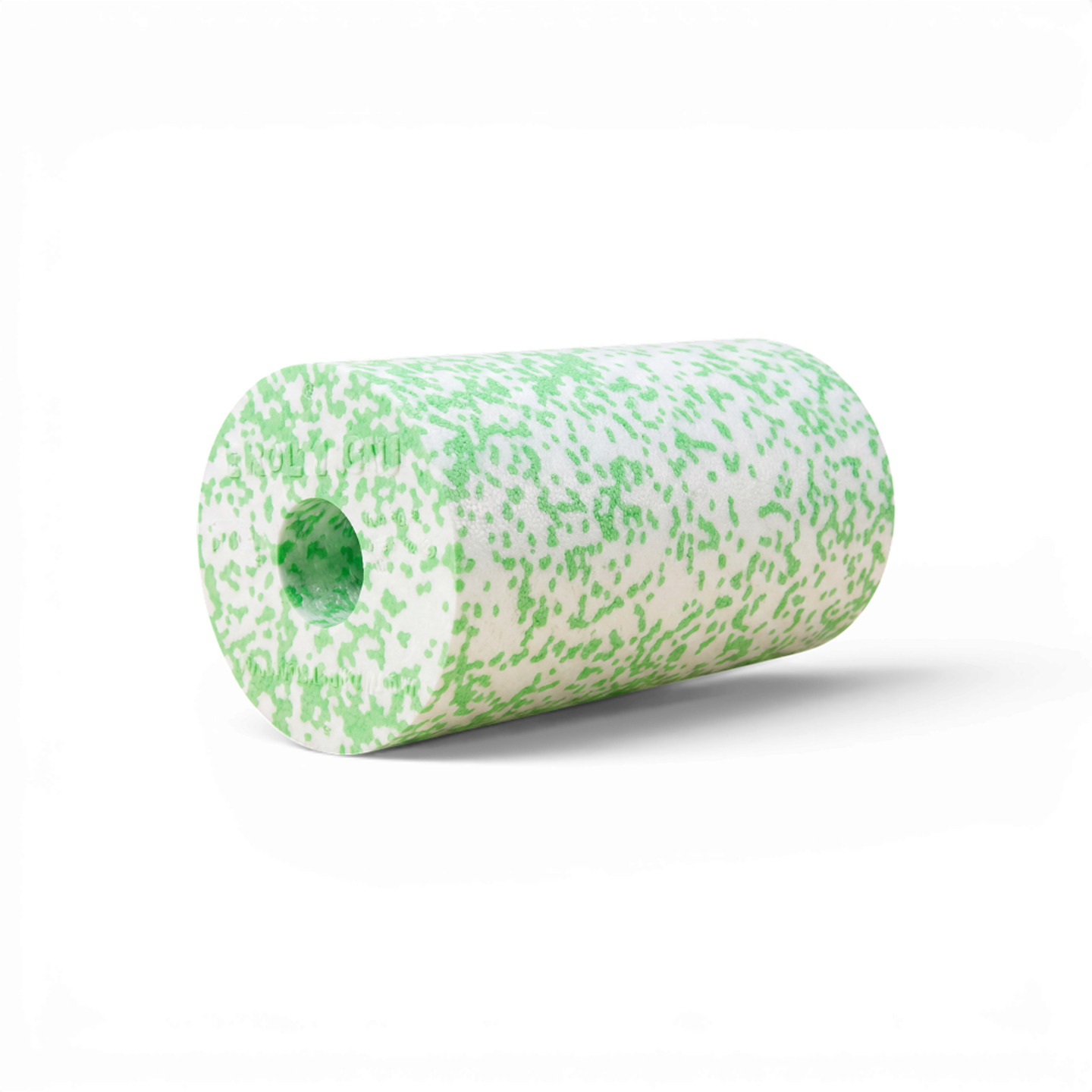
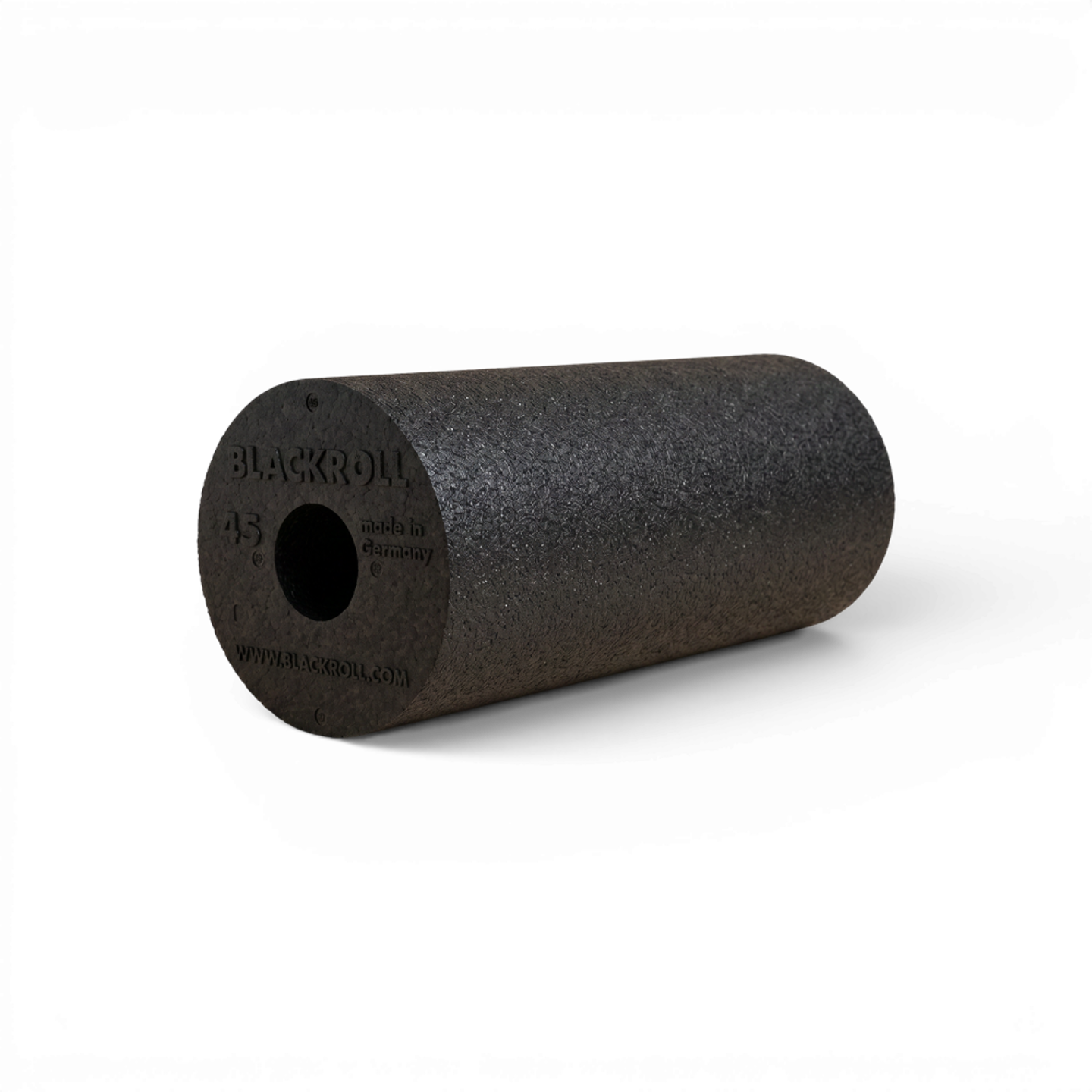
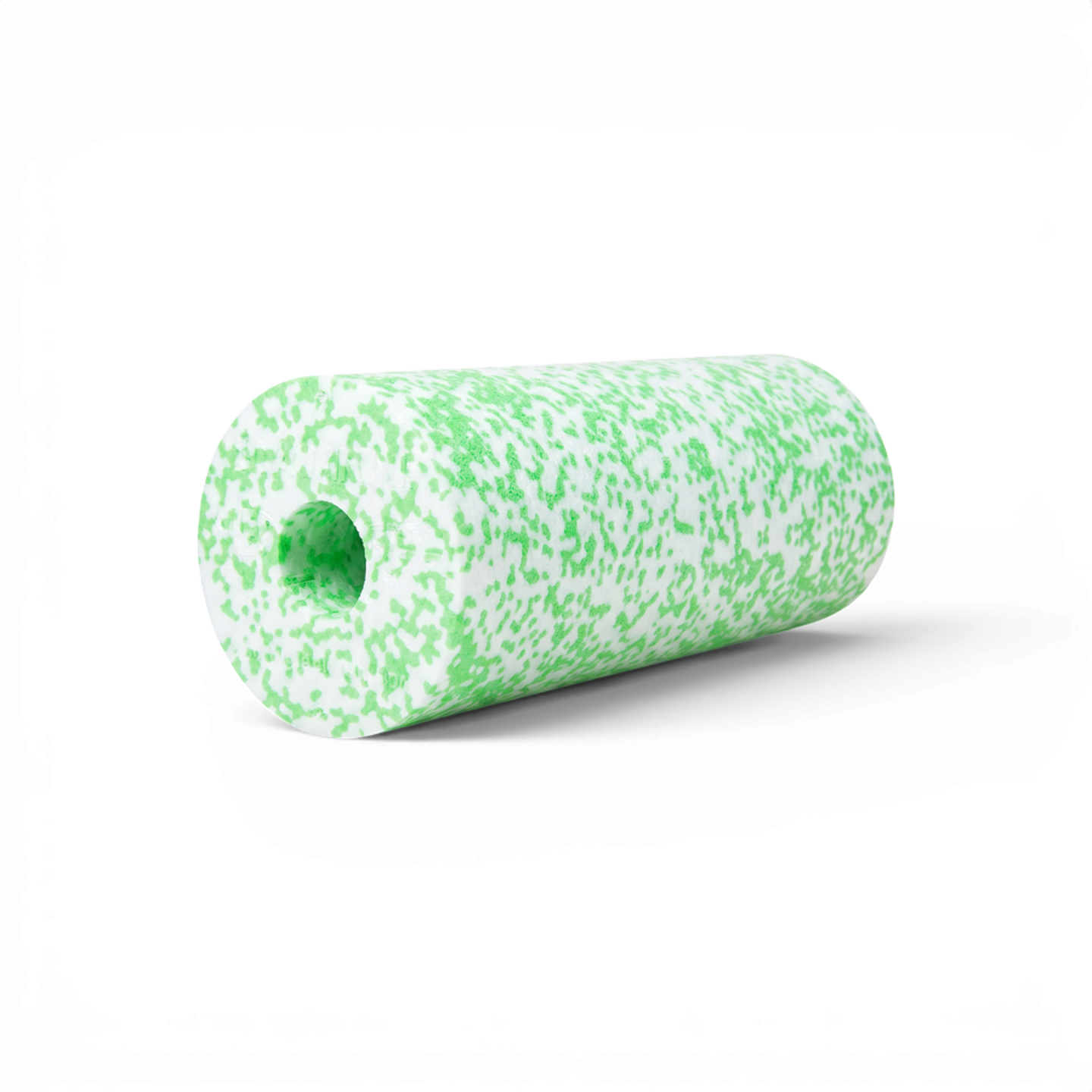
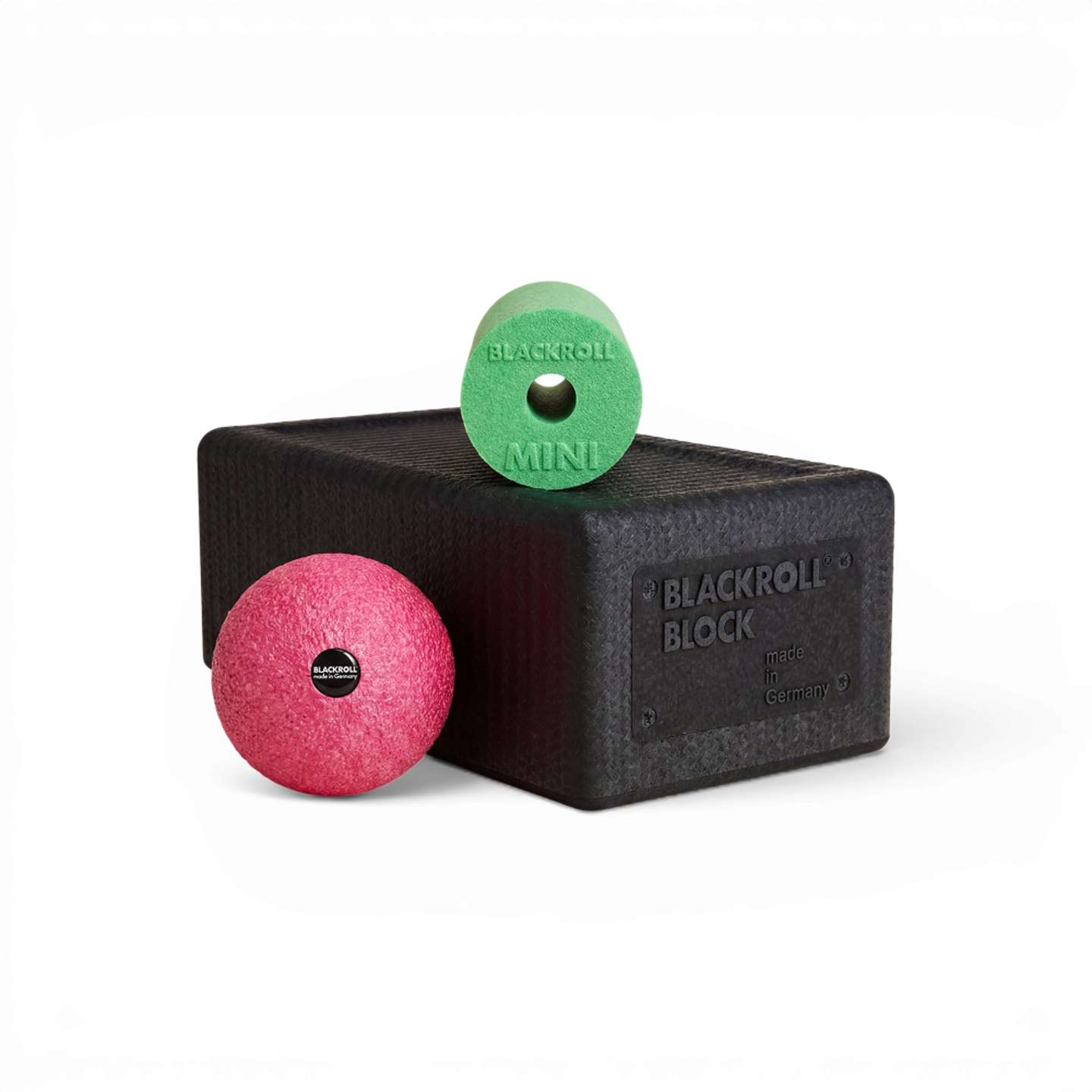
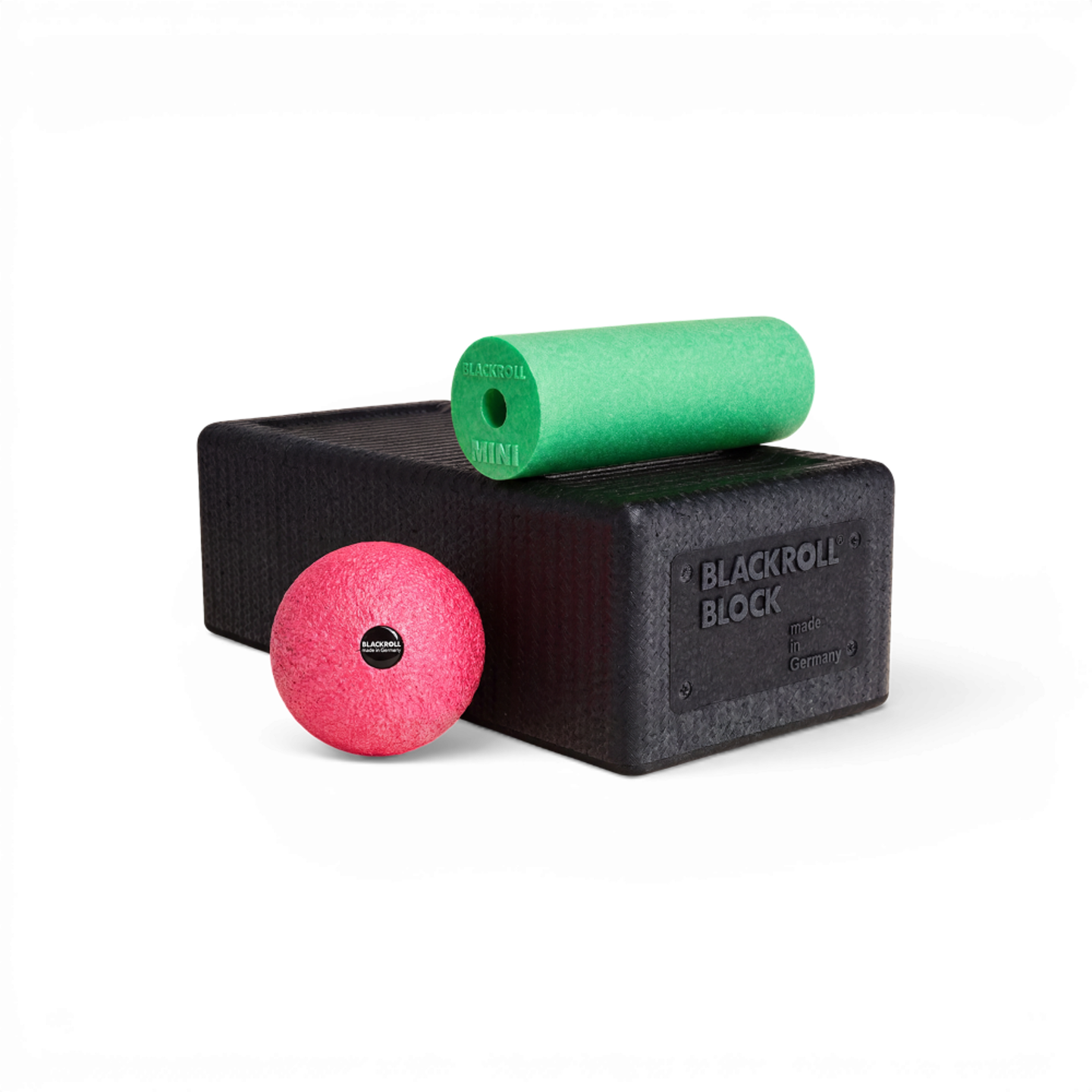
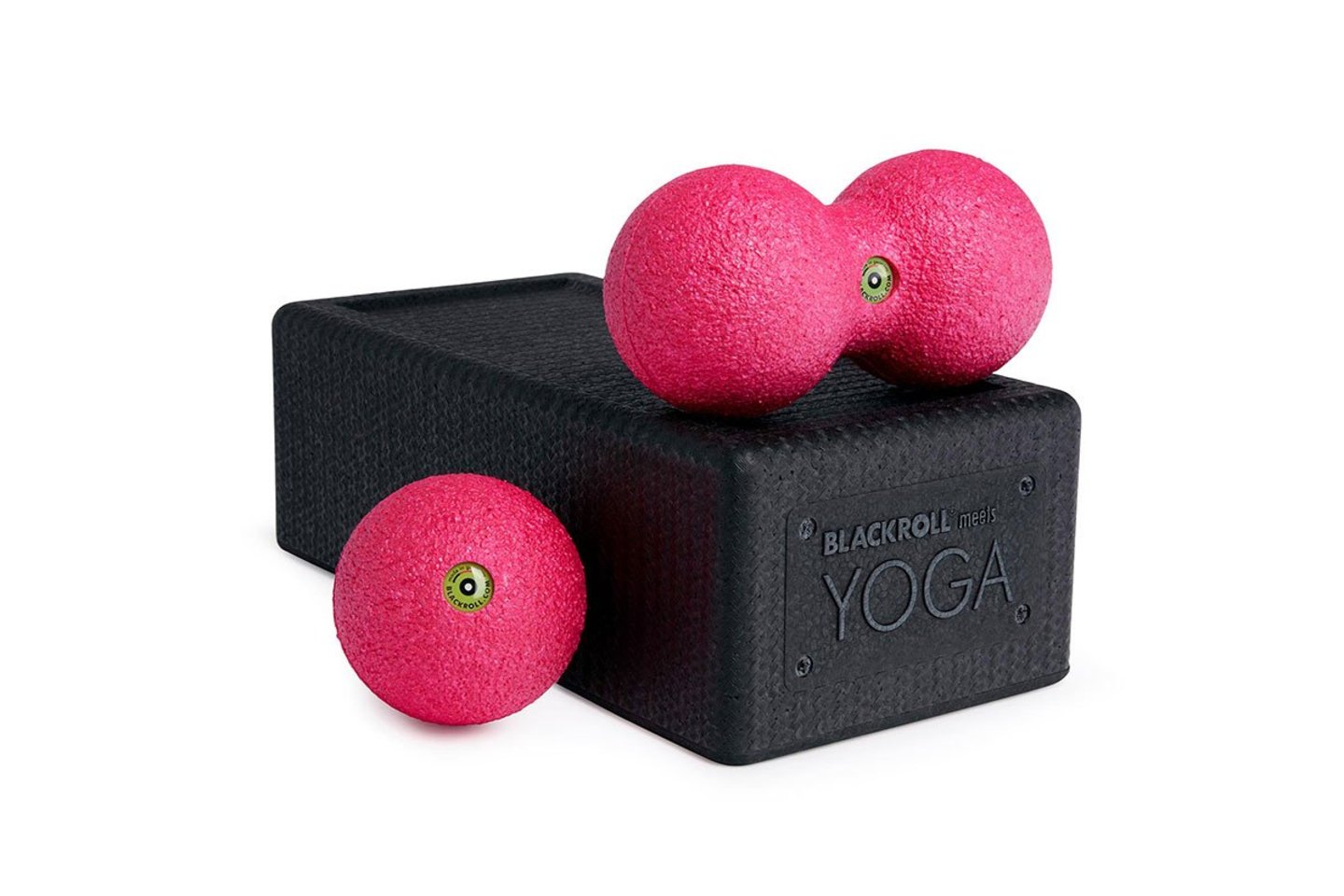
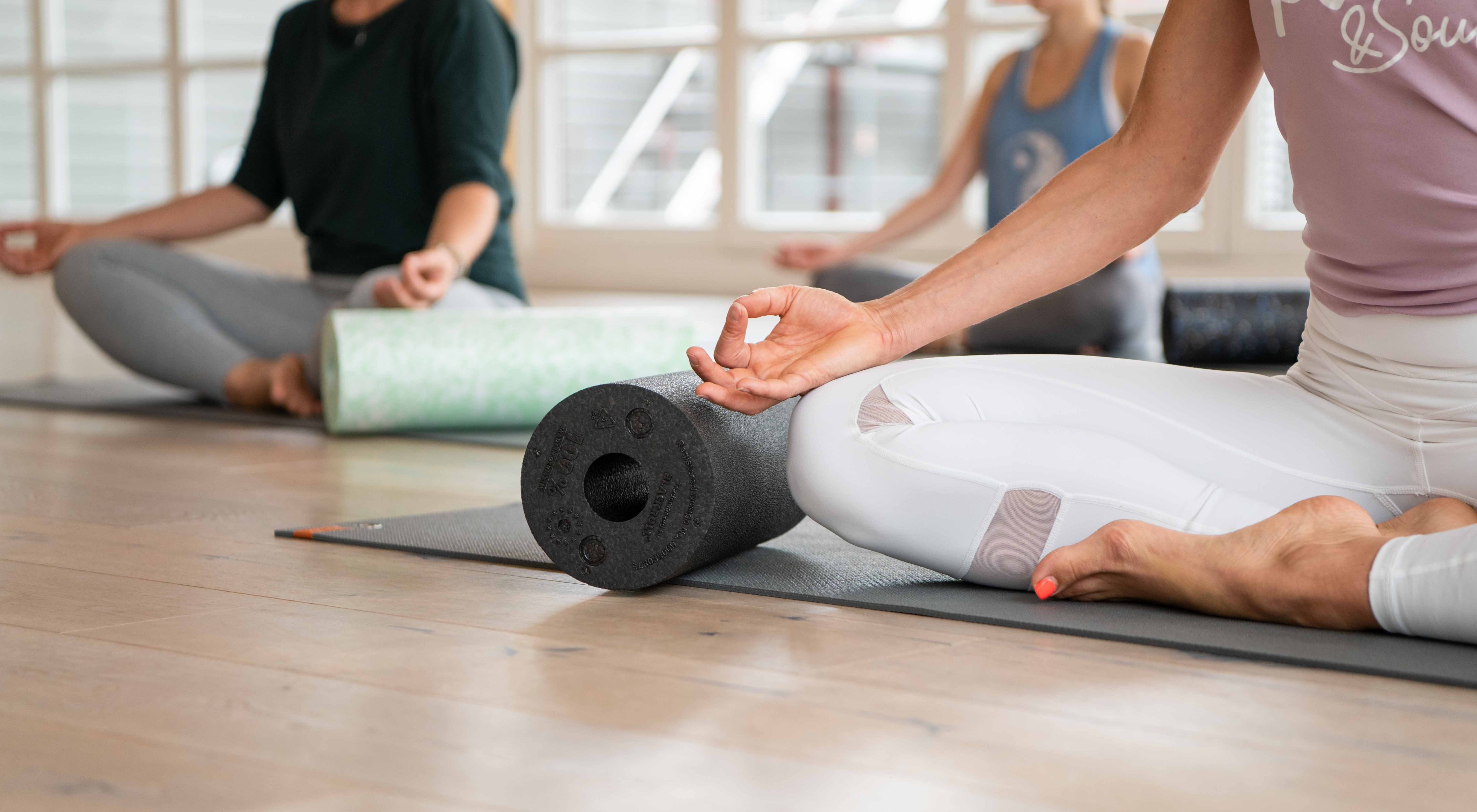
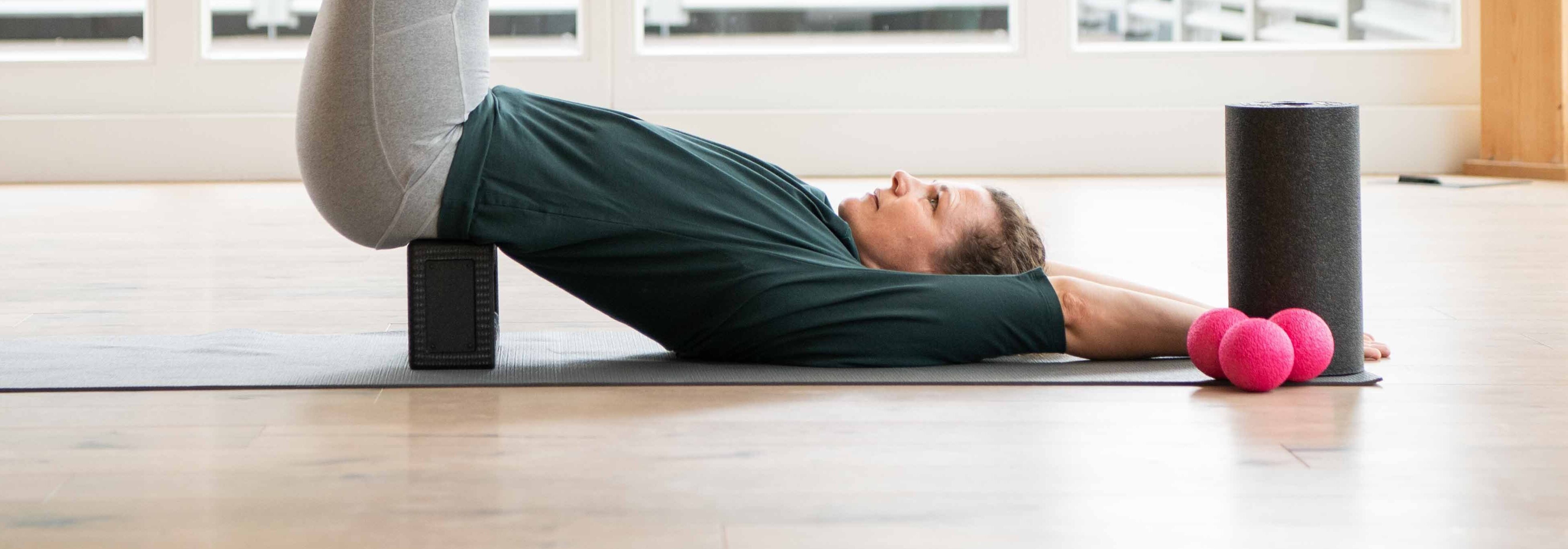
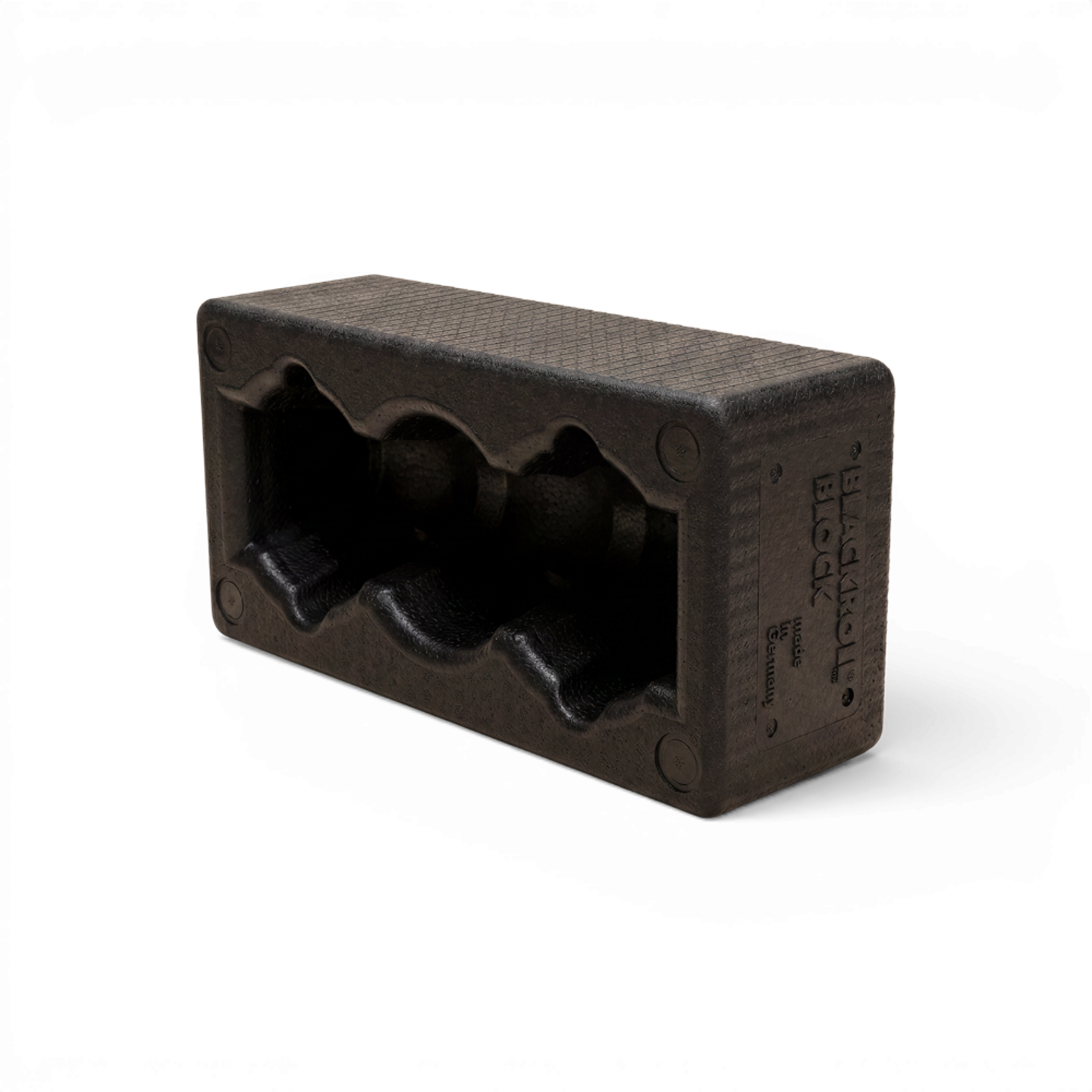
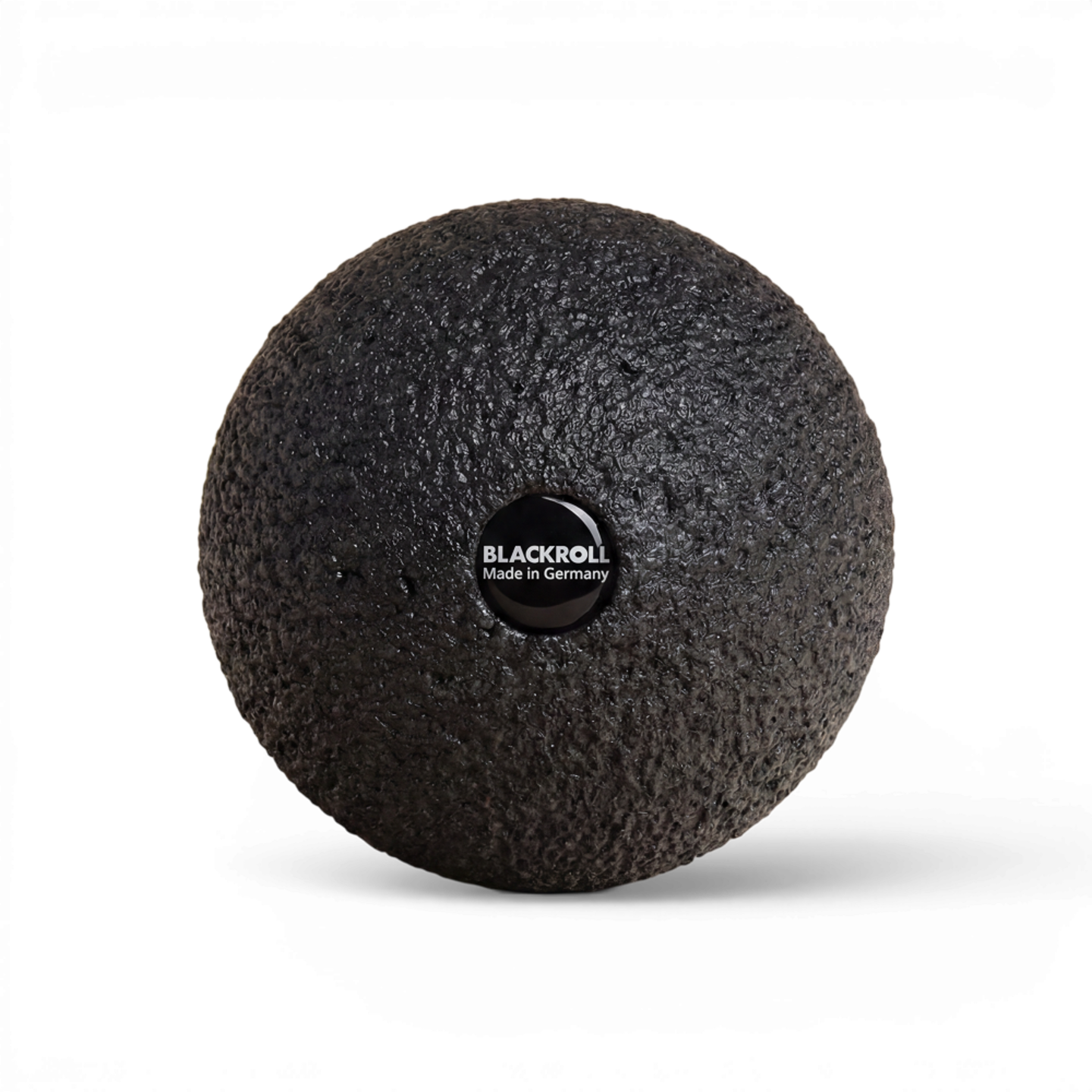
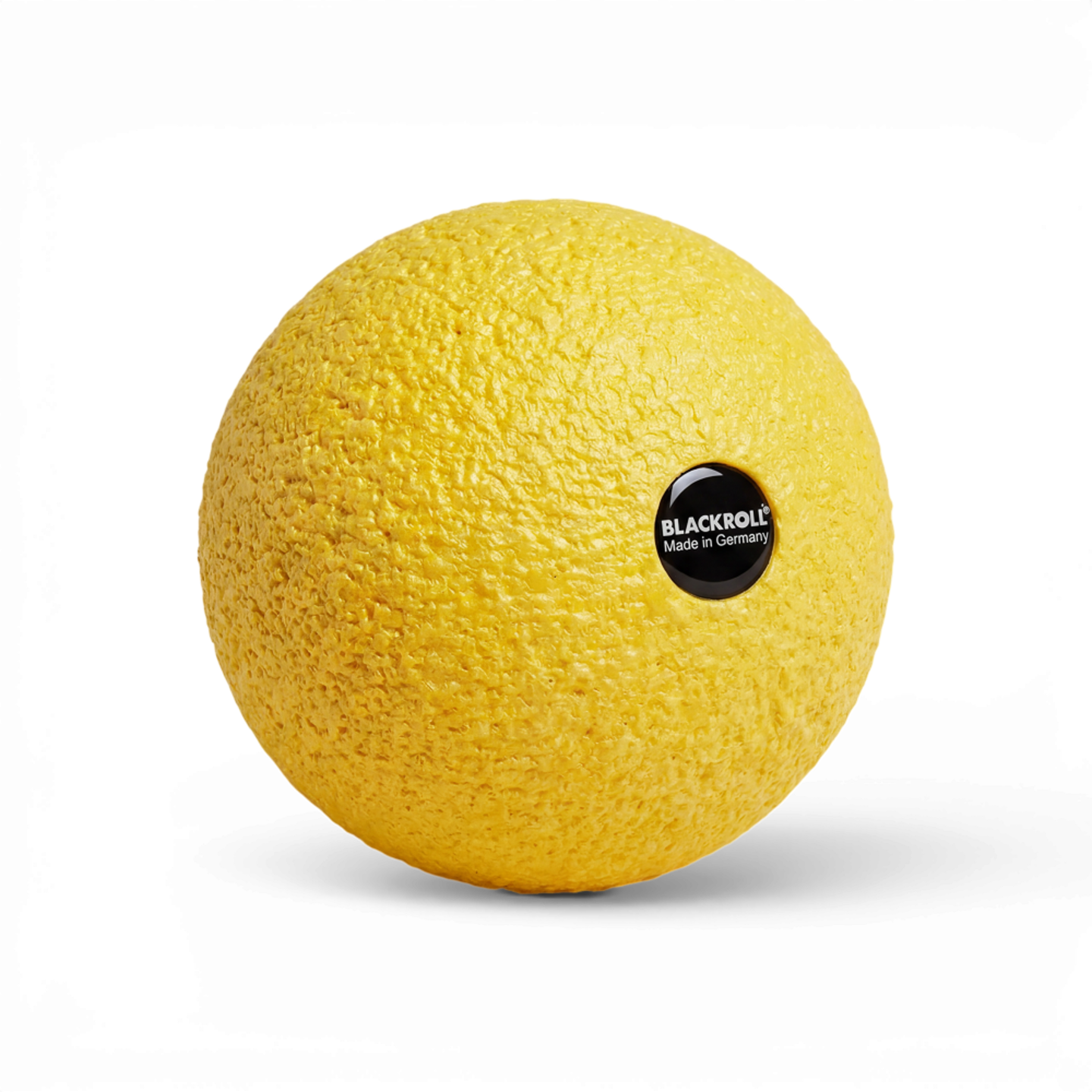
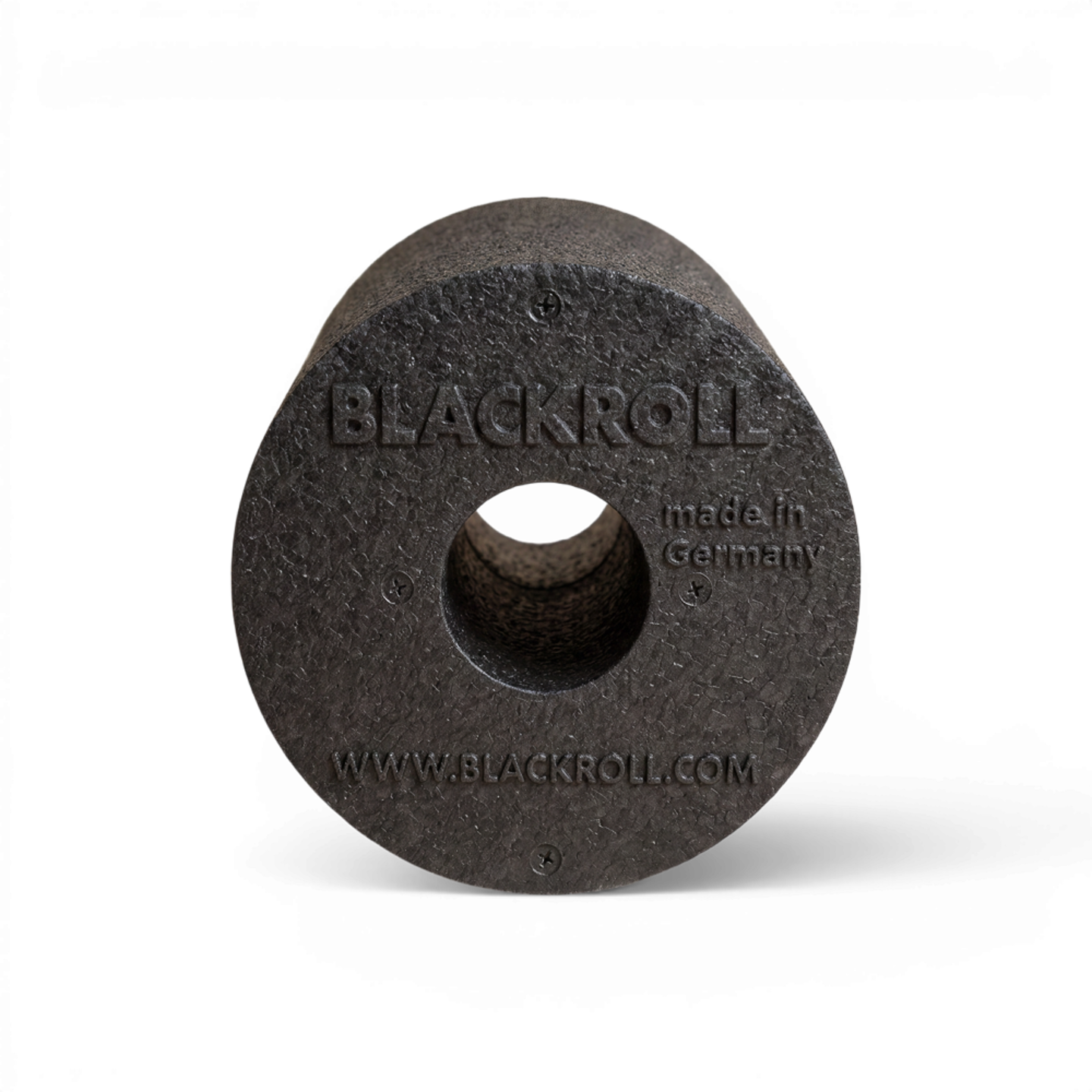
In fascia yoga, you practice specific poses (asanas) and movement sequences (vinyasa) that are particularly beneficial for the fascial network. Fascia rollers and fascia balls are also used.

Fascia Yoga Products
Yoga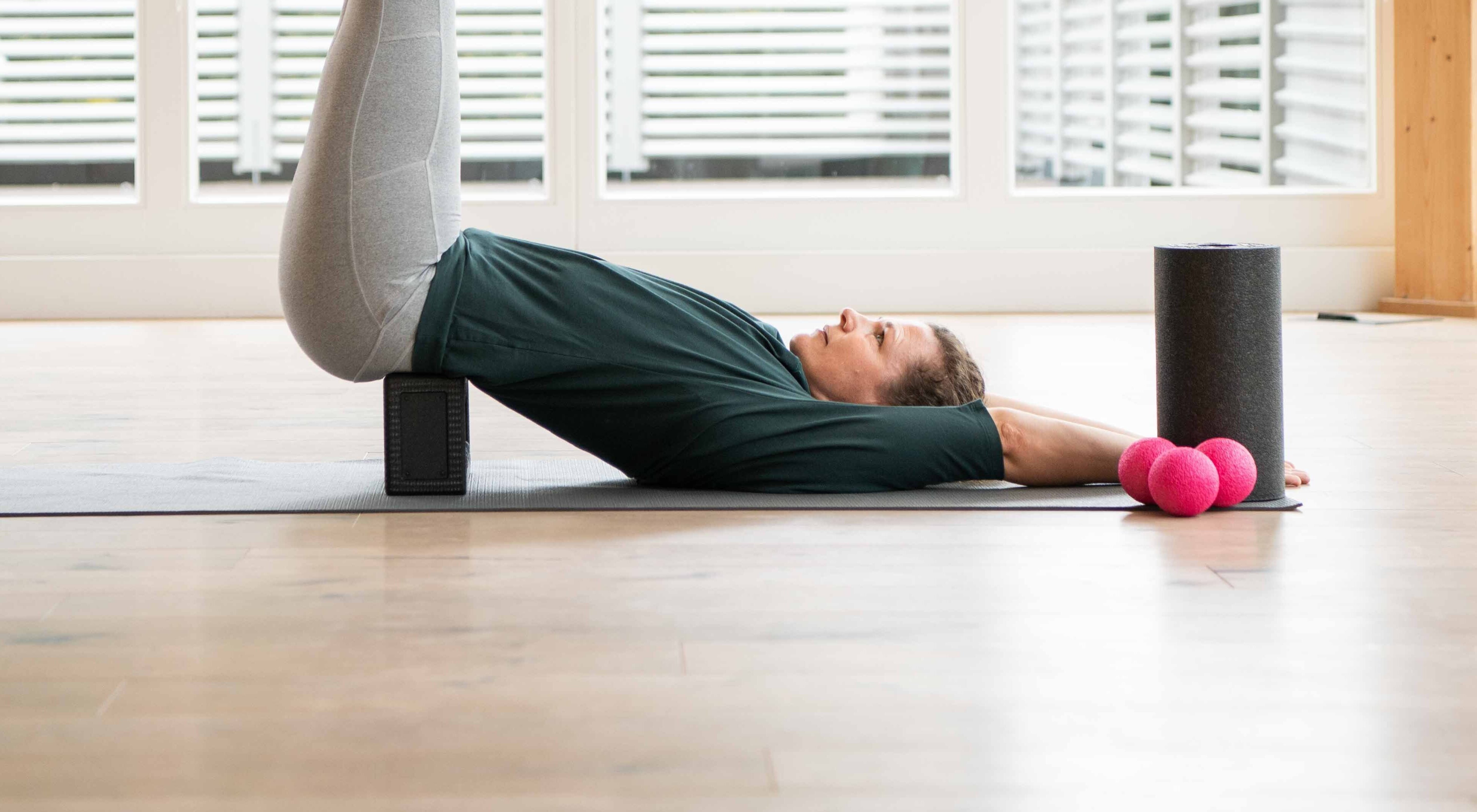
Types of Movements in Fascia Yoga
A fascia yoga session consists of various components. Each of these areas has a specific effect on your fascia. This allows you to train your connective tissue holistically and keep your body supple.
Relieving Tension Through Self-Massage
During self-massage, you apply targeted pressure to the connective tissue. This squeezes the fluid out of the fascia, much like a sponge. Blood flow increases slightly, allowing the tissue to fill with nutrients and oxygen.
Ideally, this helps release adhesions and tangles. The tissue becomes supple and well-prepared for stretching. For this massage, you can use a fascia roller or a fascia ball.

Fascial Stretching: Stretching Long Fascial Chains
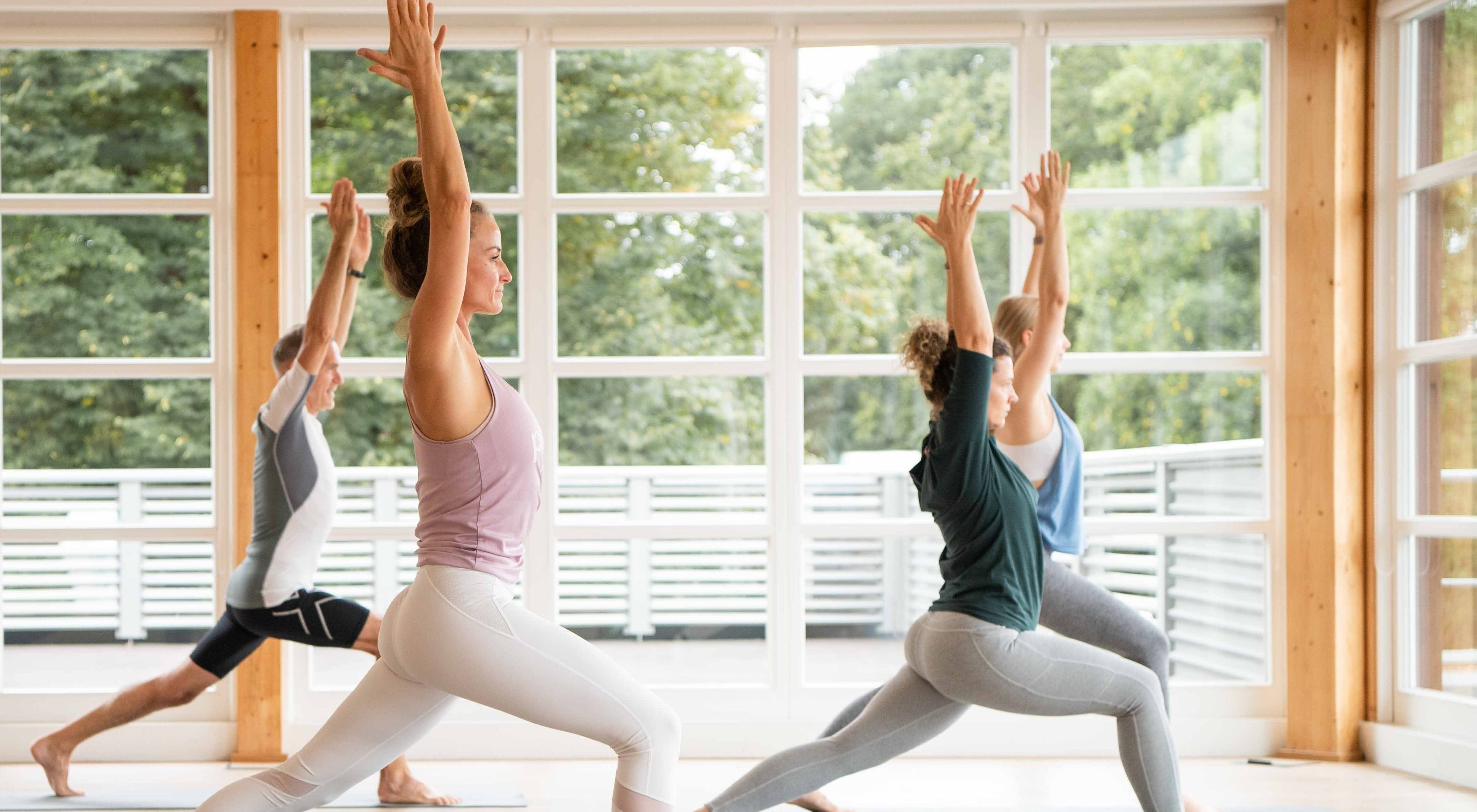
Fascia likes to be stretched in all directions. By being aware that many different muscle-fascia chains run through your body, you can make certain yoga poses (asanas) even more “fascial.”
For example, you create maximum tension in the posterior fascia chain when you round your back and pull your chin toward your chest during a forward bend.
The goal of these types of stretches is to create myofascial balance from head to toe. All you need for these stretches is a little space and a yoga mat.
Elasticity: Training the elastic components of the fascia
Fascia has the ability to store and release kinetic energy, much like a spring or a rubber band. Experts refer to this as the “catapult effect” of connective tissue.
In fascia yoga, you use bouncing, rocking, jumping, and swinging to keep your fascial network elastic and supple. These movements are rarely practiced in classical yoga.
Body Awareness Through Conscious Movement
Your fascia has about six times more sensitive nerve endings than your muscles. This makes it one of your most important sensory organs. The fascial network contains different types of receptors that are activated depending on the movement stimulus.
The more varied your movements, the more holistically you train your fascia. Tuning into your body plays a central role in fascia yoga.
Strong & Stable Through Fascia Yoga
The deep anterior fascial chain supports and stabilizes your body with every movement. Strengthening your core is therefore an important part of fascial yoga exercises. A classic yoga pose that contributes to stabilization is the Tree Pose. In this pose, you balance on one leg and place your free foot on the inner side of your standing leg.
Breathing During Fascia Training
The diaphragm is a muscle-tendon sheet that separates the abdomen from the chest cavity. As you inhale and exhale, this muscle fascia contracts and relaxes, respectively. The rhythmic alternation between expansion and contraction alters the pressure on the entire fascial network.
This is why breathing is so important in fascia yoga. During your next yoga practice, pay attention to how your breathing changes your body awareness. During your next yoga practice, pay particular attention to how your breathing changes your body awareness.
What are the benefits of fascia yoga?
Fascia yoga brings your entire fascial system into balance. To achieve this, you should always choose exercises from different areas and incorporate all the major muscle-fascia chains.
Fascia Yoga:
- keeps the body flexible and supple.
- provides stability and resilience.
- enhances body awareness and sensorimotor function.
- can help with pain and tension.
- has a positive effect on your posture.
- Prevention of back pain and other ailments
In addition, fascia yoga also offers all the benefits experienced in traditional yoga.
- Yoga improves flexibility, balance, and strength.
- Yoga can be used as a relaxation exercise.
- Yoga boosts energy and lifts your spirits.
- Yoga can help relieve stress and promote relaxation.
- Yoga promotes mindfulness.

Yoga Block Exercises
Yoga Block: The Best Exercises
Yoga Flows You Can Follow Along With Right Away
Fascia Yoga: The Best Exercises for Beginners05 Who is fascia yoga suitable for?
As is often the case with yoga, your intention influences the effect of the exercises. The intention behind back yoga, for example, is to prevent back pain. The primary goal of fascia yoga is to keep your connective tissue supple.
People who lack flexibility and spend a lot of time sitting in their daily lives benefit particularly from this style of yoga. It has a preventive effect and helps maintain mobility well into old age. Ideally, you’ll give it a try and see for yourself.
Products for Fascia Yoga
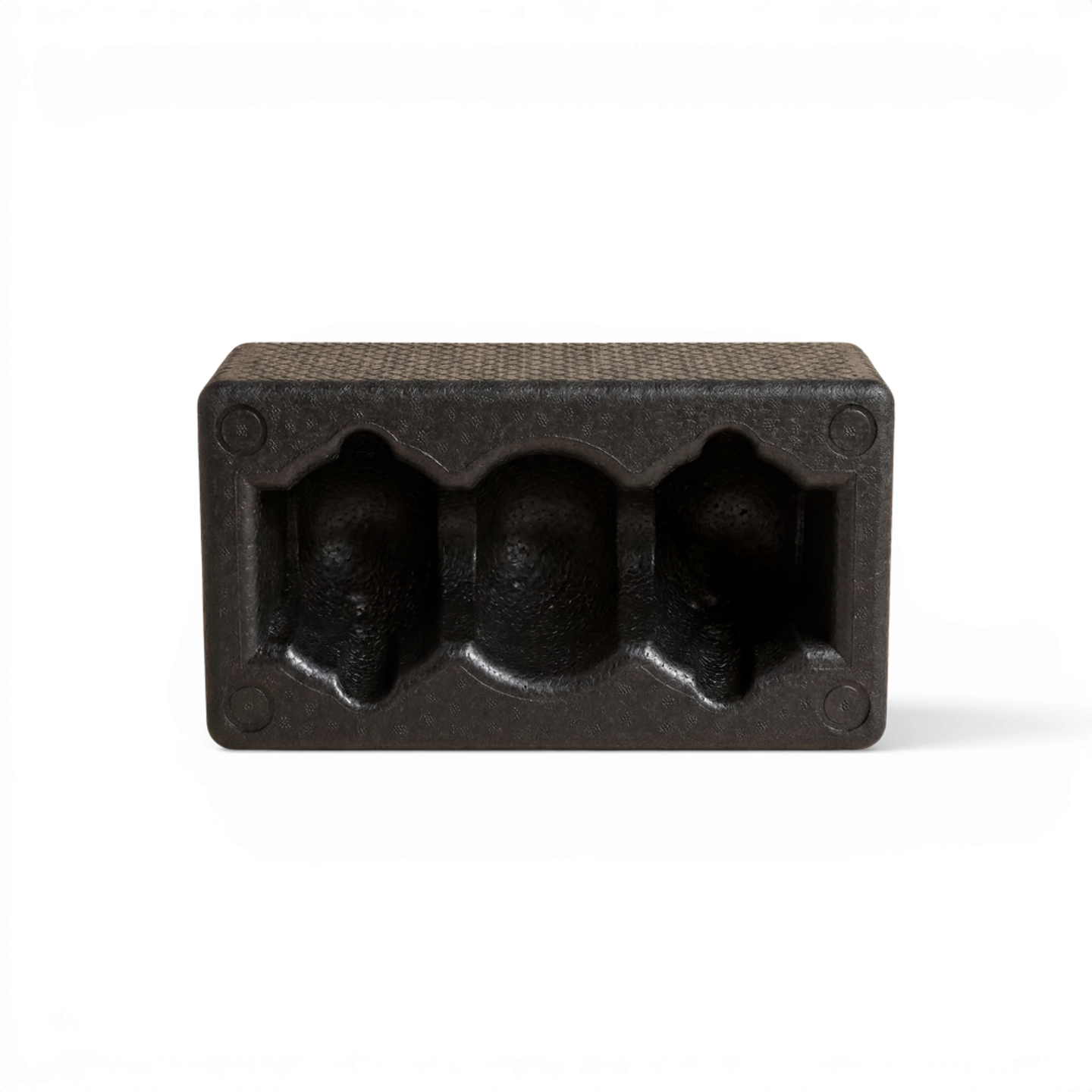
Ball 08
Available in multiple variants
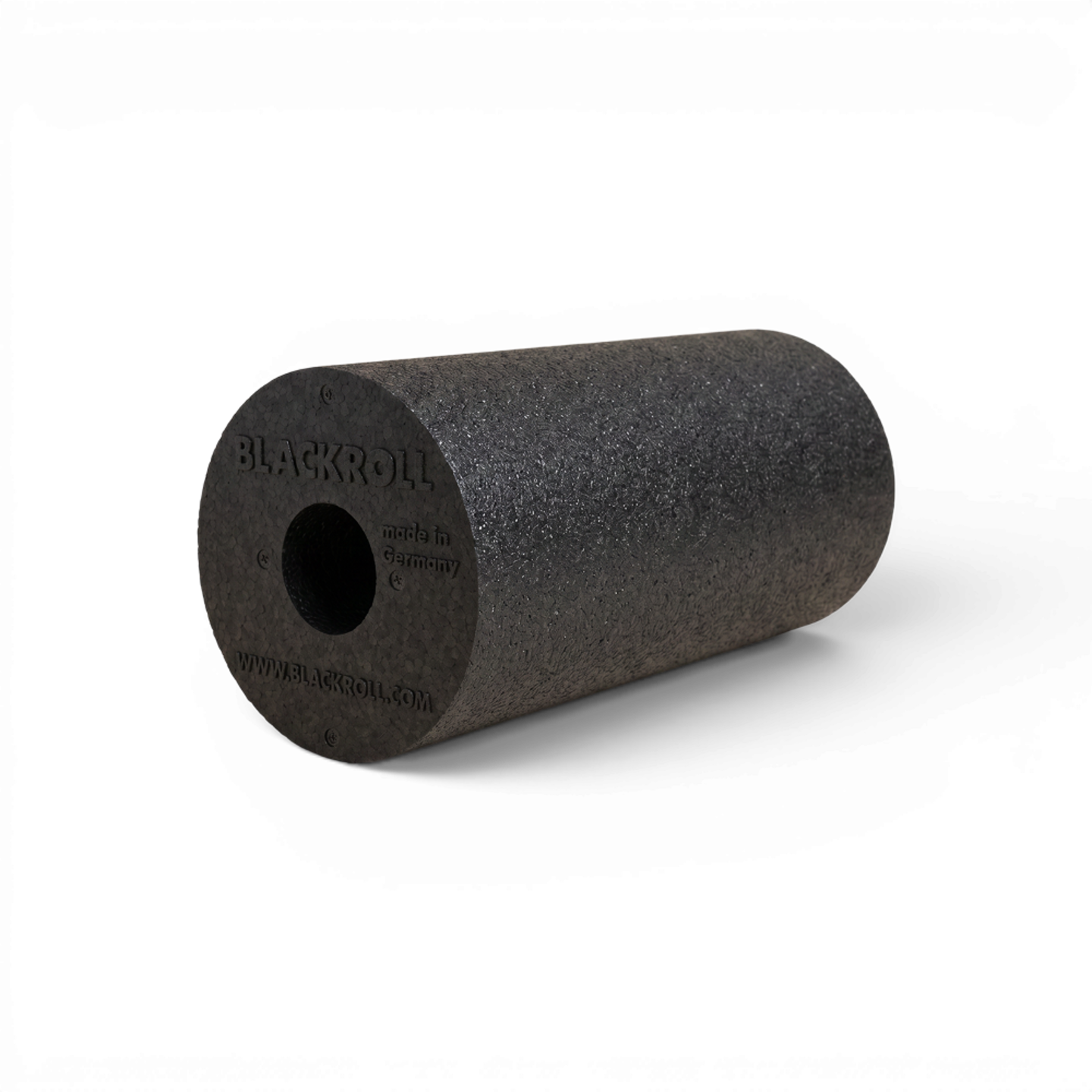
Standard
Available in multiple variants
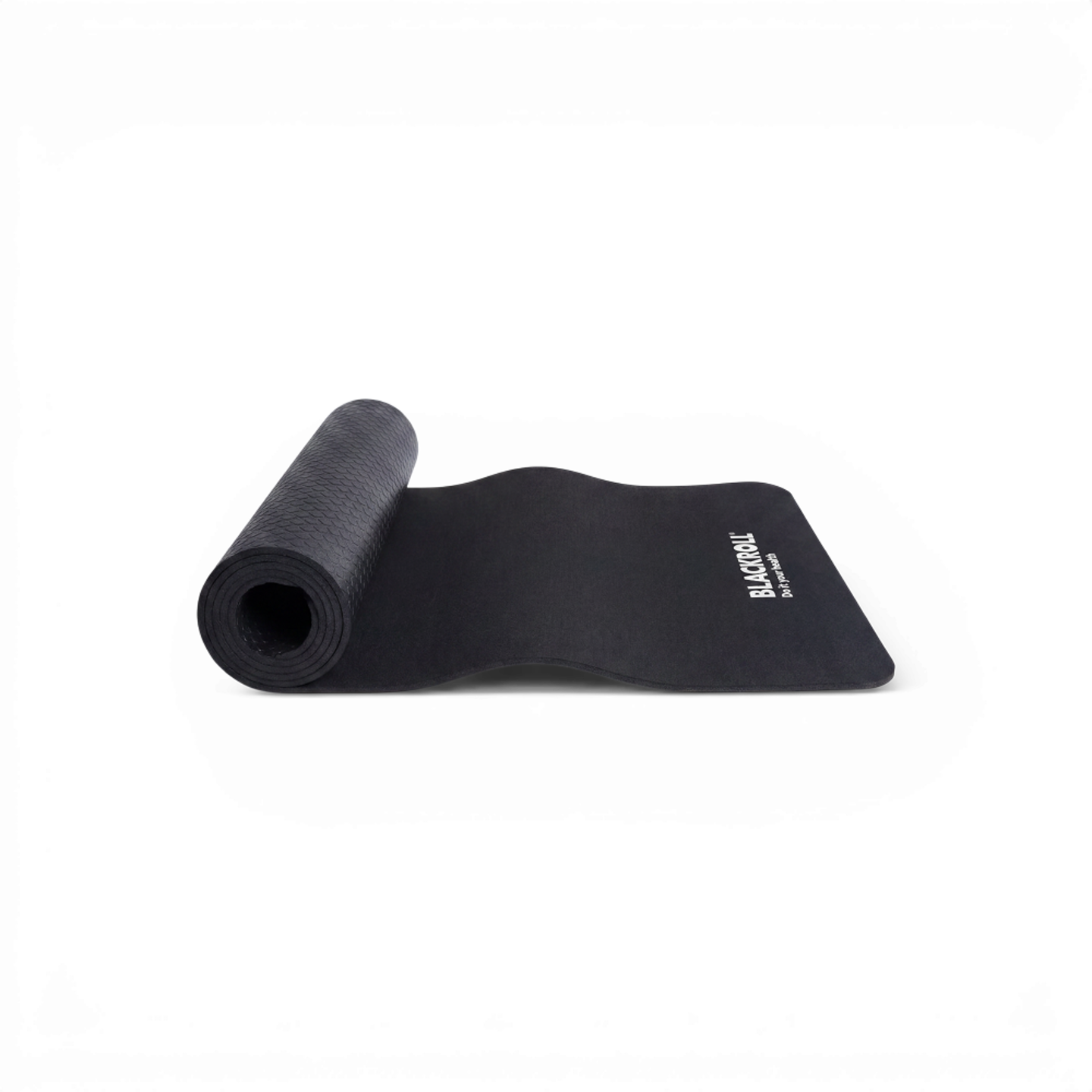
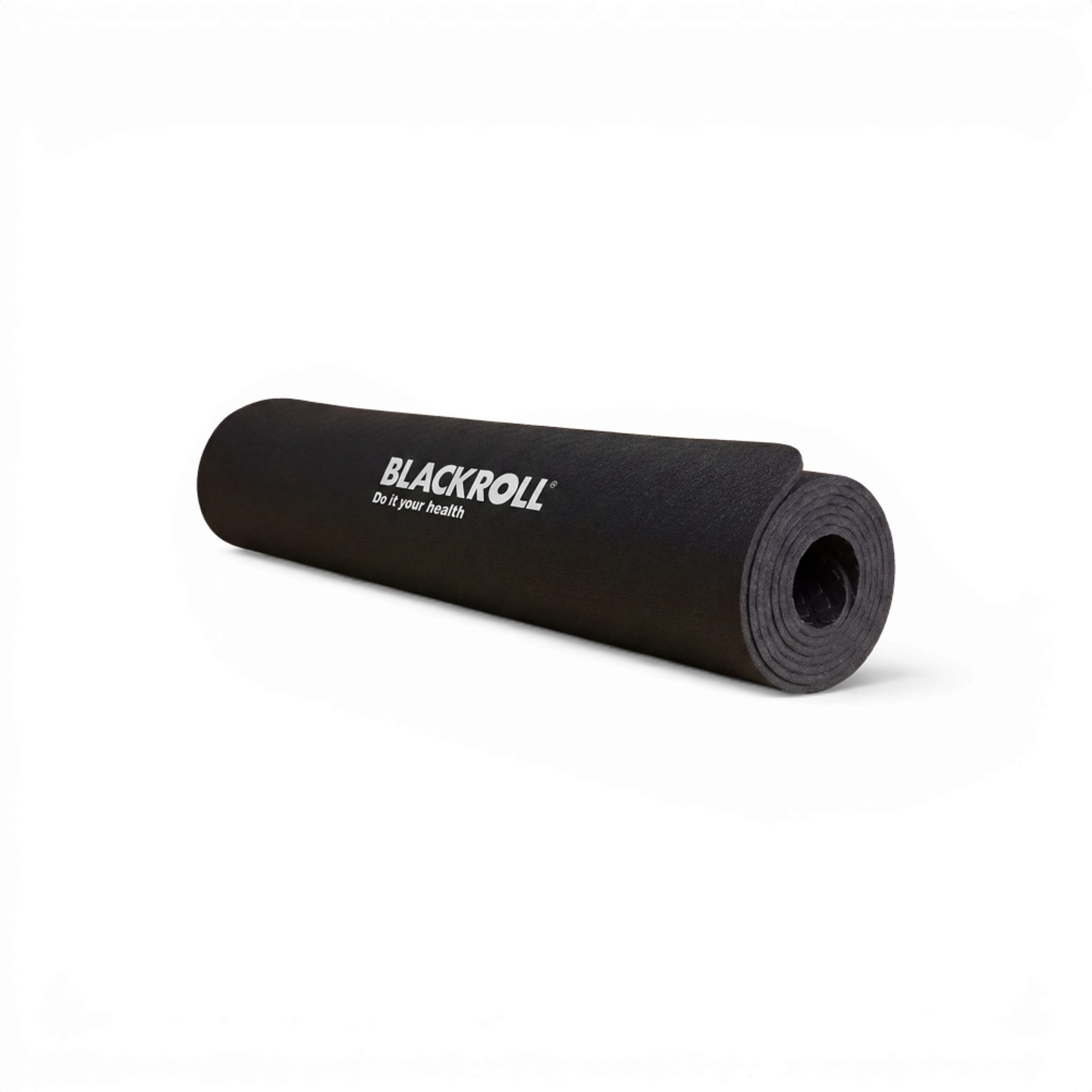
Mat
Available in multiple variants