Fascia Training Explained: Benefits and Instructions

To better understand the appeal of fascia training, let’s first take a closer look at fascia itself. Many people ask: What’s the deal with it? What are the benefits of fascia training? Why are doctors, trainers, physical therapists, and others all talking about fascia and fascia training?
Fascia Training: What Are the Benefits of Releasing Fascia?
In fact, this muscular connective tissue is particularly fascinating—in more ways than one. It deserves our attention not only in sports but also in terms of overall health: Fascia extends from the surface of the skin all the way down to the deep-seated cells of the connective tissue.
Everything in our body is connected by these extremely flexible fascias—a cleverly coordinated network. As a result, the fascias perform many functions in the body: They transmit the force generated by the muscles and communicate within the nervous system via various neurotransmitters.
They even act as a sensory organ themselves, which, for example, enables you to move and orient yourself in space in the first place. Fascia also plays a key role in body awareness—experts refer to this as “proprioception,” which refers, among other things, to how you perceive the position of your head, torso, and limbs in relation to one another, and how you perceive your position in space.
But fascia also protects the internal organs—such as the intestines, heart, lungs, and kidneys—and supports them in the exchange of important nutrients. And last but not least, fascia is particularly responsible for your body, your presence, and your body shape.
In the past, all these functions were attributed exclusively to the muscles, but the latest research and studies have redefined the role of muscular connective tissue: Fascia envelops the muscles and is thus something like the “new leader” of your body.
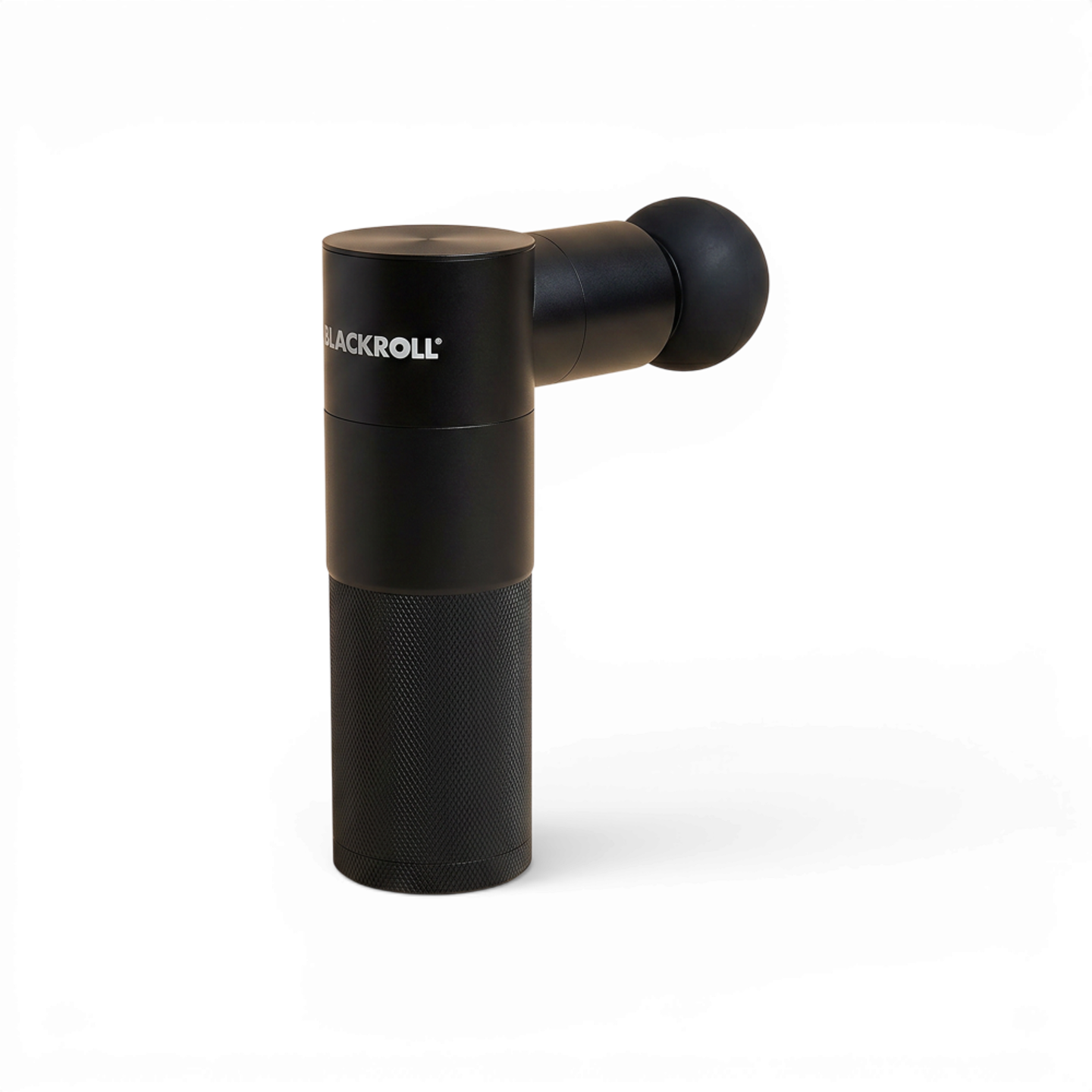
Fascia Tools
"Fascia: The Interconnected Marvel of the Body and Its Impact on Health and Fitness"
In fact, this muscular connective tissue is particularly fascinating—in many ways. It deserves our attention not only in sports but also in terms of health in general: Fascia extends from the surface of the skin down to the deep-seated cells of the connective tissue. Everything in our body is interconnected by this extremely flexible fascia—a cleverly coordinated network.
As a result, fascia performs many functions in the body: It transmits the force generated by the muscles and communicates within the nervous system via various neurotransmitters. It even acts as a sensory organ itself, enabling you—for example—to move and orient yourself in space in the first place.
The fasciae are also crucial for body awareness—experts refer to this as “proprioception,” which encompasses, among other things, how you perceive the position of your head, torso, and limbs in relation to one another, as well as how you perceive your position in space.
However, fascia also protects your internal organs—such as the intestines, heart, lungs, and kidneys—and supports them in the exchange of important nutrients. And last but not least, fascia is particularly responsible for your physique, your presence, and your body shape.
Fascia training is also a popular and effective method for relieving tension and pain in various areas, such as the neck, back, or legs. This type of training can also be helpful for keeping your joints supple or reducing muscle soreness.
In the past, all these functions were attributed exclusively to the muscles, but the latest research and studies by experts have redefined the role of muscular connective tissue: Fascia envelops the muscles and is thus something like the “new leader” of your body.
The Fascination of Fascia Training: The Effects of Fascia Training
However, the fascia system—which is so wonderfully coordinated—can also become disrupted: everyday stress, poor posture, an unhealthy diet, inflammation, injuries, the normal aging process, and degenerative diseases all take a toll on the fascia.
This delicate, gel-like tissue, which consists of water and proteins, can become matted as a result. In the worst-case scenario, the water molecules it contains crystallize like liquid honey, which thickens over time and eventually hardens. You can often feel these hardened spots or thickened areas (technical term:myofascial trigger points) in your muscles—and thus also in the surrounding fascia—with your hands. For example, in the legs, the affected area feels lumpy when pressure is applied.
The good news: fascia is not a rigidly defined, unchanging mass. Fascia can be altered, and this is the basis for the effectiveness of fascia training. Its very structure is designed so that the network connecting the spine to the bones, tendons, and muscles—as well as to and around the organs—is woven with varying degrees of tightness: sometimes it’s tighter, sometimes looser.After all, the tissue needs to be stretchy—that is, soft and elastic—but it also needs to provide stability and therefore be resistant to tearing and stretching. This means that the components of fascia—elastin, collagen, and an aqueous fluid—vary in composition depending on the body region and function.
Fascia actually thrives on being worked on. You can press, pull, knead, and stretch it. Fascia loves the tension and pressure created, for example, during physical training. It also benefits when you actively work on stretching your muscles using tools like fascia rollers or trigger cups. Fascia also really benefits from the stress created during training with mini-bands or active stretching exercises.
Fascia needs these kinds of challenges to stay healthy:“Use it or lose it”—this motto applies to fascia as well, which is why movement and targeted fascia training to relieve tension and improve flexibility are not only fascinating but also necessary for the fascia to fulfill its many functions.
In any case, through stretching and movement, you can loosen and release adhesions in fascial tissue, allowing more fluid to flow through the structures—the foundation for good blood circulation and the delivery of essential nutrients. Consequently, you can actively counteract pain and degenerative processes and keep your fascia optimally supple through fascia training.
In short: The benefits of fascia training are manifold.
Fascia and Its Importance for Our Body

When you cut an orange in half, you see tiny white fibers running through the flesh. Fascia weaves a similarly finely branched network throughout the body. Scientists refer to this as the “fascial system”:
“Everything is connected by a structure of extremely flexible fascia—there are no free spaces.”
says Jean-Claude Gimberteau, “there are no empty spaces.” The French surgeon was the first to visualize fascia as living tissue in various studies and explains: “Fascia extends from the surface of the skin down to the deep cells of the connective tissue.”
Researchers are only gradually beginning to understand the diverse roles that fascia plays in the body. The functions of fascia and its importance to our body can be summarized in the following three major categories:
- Fascia envelops tendons, ligaments, and muscles, as well as internal organs, like a form-fitting bodysuit, thereby cushioning the soft tissues. They also give muscles their shape and provide support. Fascia—not the spine—supports the skeleton by creating an internal network of tensile forces. You may be familiar with this structural principle from architecture; it’s called “tensegrity” and is also the foundation of your new fascial fitness.
- Fascia consists not only of the “builder cells” that produce collagen ( technical term: “fibroblasts”). Like a damp sponge, it also stores a great deal of water and various adhesive substances. This makes it elastic and allows its layers to slide against one another. This ability to glide is extremely important for the tension and elasticity of the tissue. The effectiveness of foam rolling—that is, fascia training with a roller—is also based on this property.
- Fascia is the body’s largest sensory organ. There are six times as many nerve endings in the fascia as in the muscles. You perceive not only your sense of well-being but also your position in space through signals from your fascia.
“To forget about the fascia would be like forgetting about the nerves. It is an organ.”
Dr. Robert Schleip, fascia researcher

The Four Different Principles of Fascia Training, Including Exercise Tips
As a general rule: If you’re already active, that’s great. You can definitely build on that. After all, when it comes to fascia, there’s no such thing as a “wrong” movement. With fascia training, you’re simply placing a new focus on specific movement patterns.
Precisely because you now know exactly what the fascia’s various functions are, you realize that they need to be challenged through different types of training. Some fascia training exercises may seem familiar to you, like good old-fashioned jump rope.
Fascia training is sometimes reminiscent of a mix of yoga flow and martial arts elements, combined with a strong focus on movement patterns and mindfulness. The goal of fascia training is to keep the fascia healthy. Healthy fascia is supple.
Fascia training encompasses various approaches. With each of these four training methods, you engage the fascia in a different way. This is well-suited to its complex system and all its structures. The four different principles of fascia training, including exercise tips:
- Myofascial self-massage – foam rolling and trigger point massage
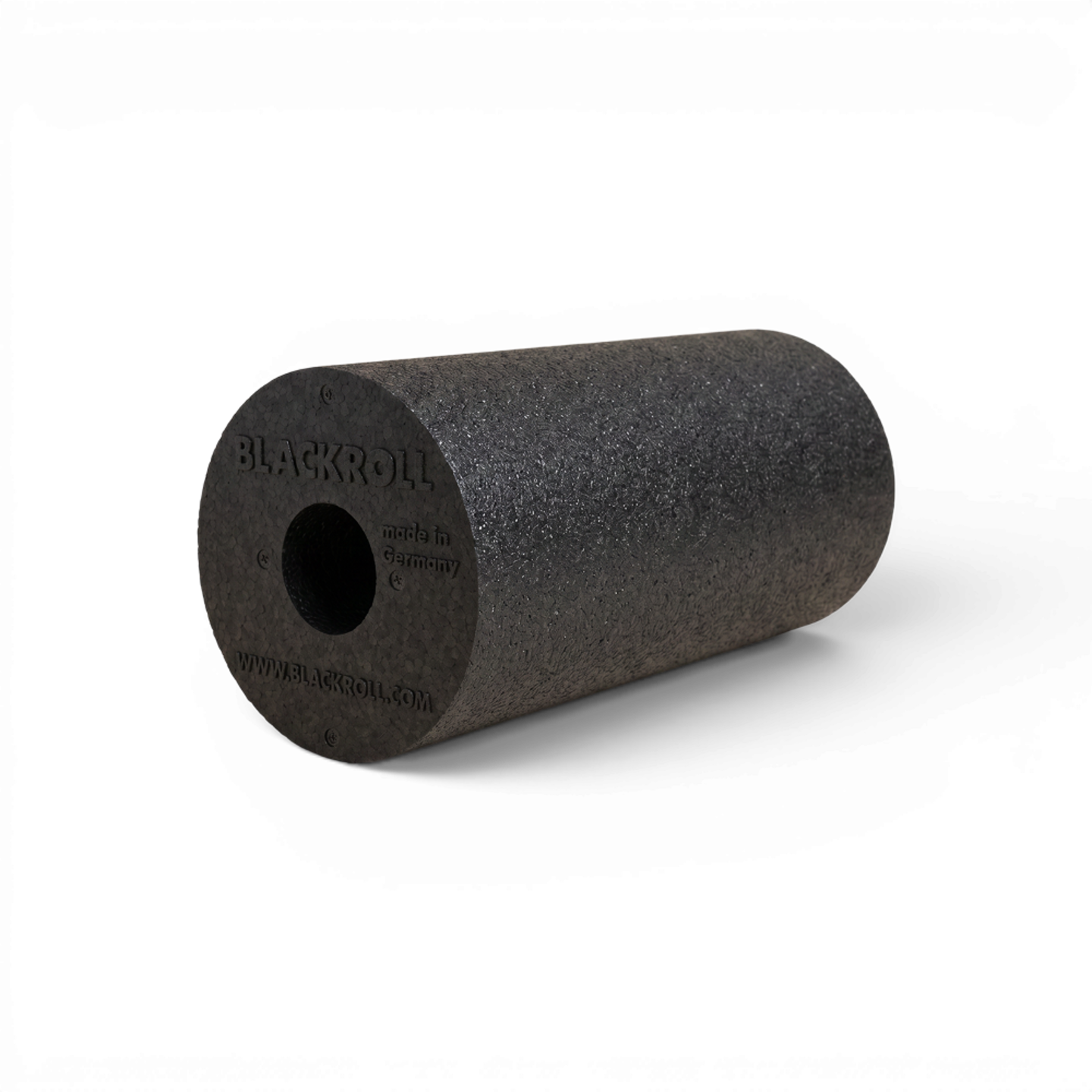
Myofascial self-massage. This can be achieved using a foam roller or by specifically targeting and activating tight areas. In technical terms, we refer to “foam rolling”—rolling on a foam roller—and “trigger point massage” using trigger point cups of various sizes.
- Fascial Stretching – Stretching Long Muscle-Fascia Chains
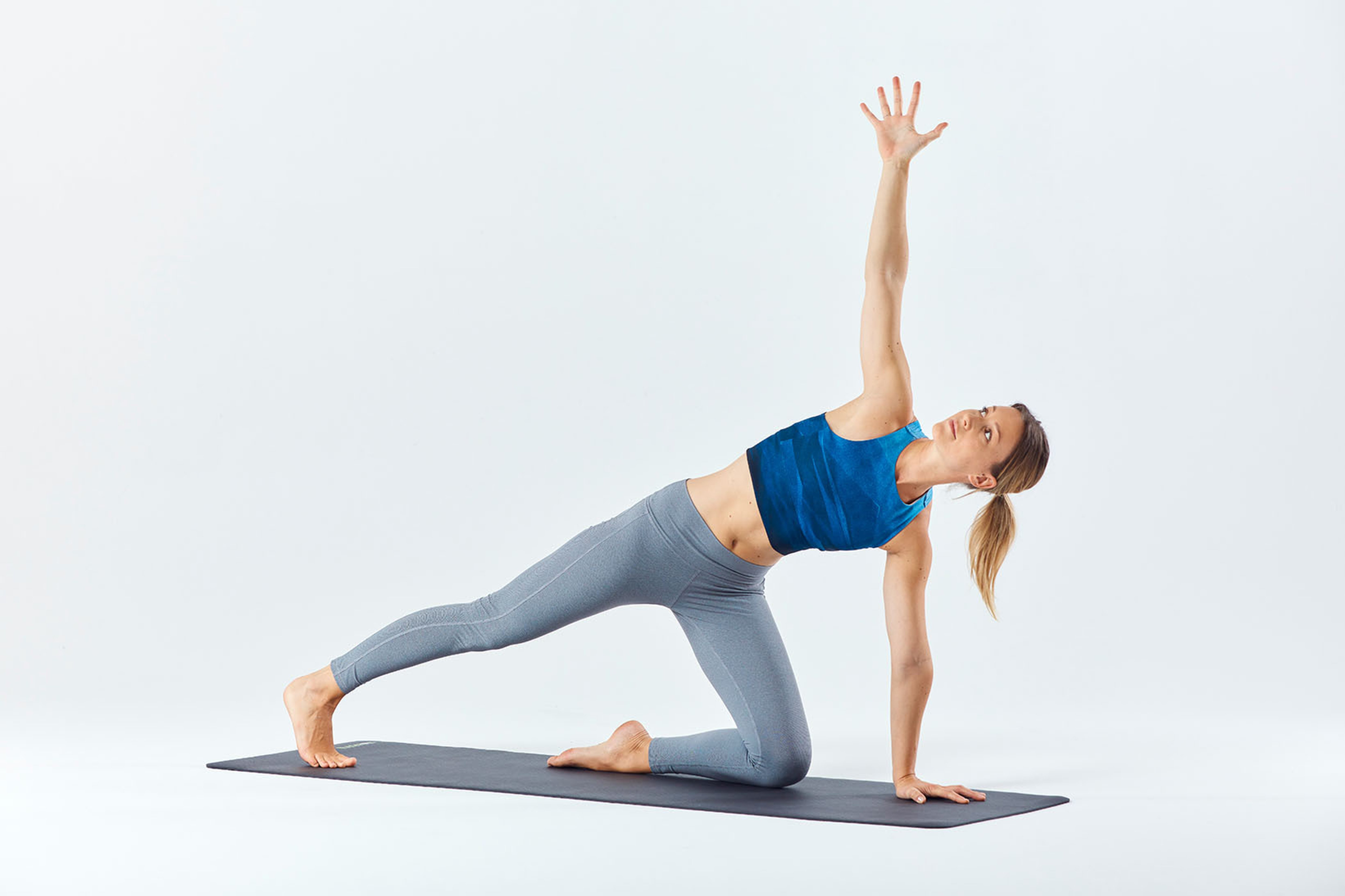
Fascial stretching refers tostretching long muscle and the surrounding fascial chains using special exercises such as the cat stretch, without a roller.
- Fascial elasticity – swinging, springing, hopping, and jumping
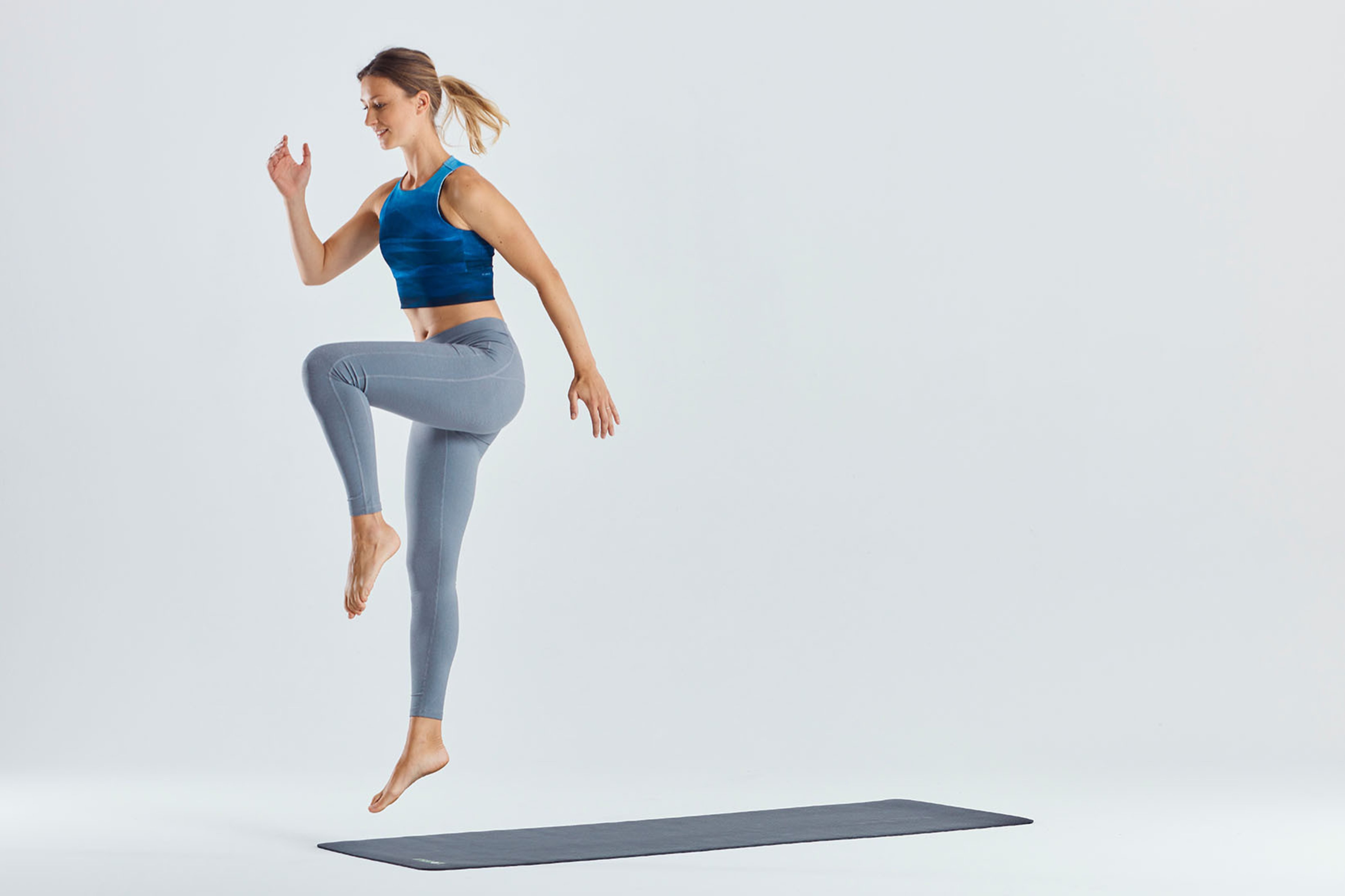
Fascial elasticity focuses on basic movements: swinging, bouncing, hopping, and jumping—for example, in exercises like jumping jacks or jumping rope.
- Body Awareness – Sensory Perception as the Foundation of Every Movement
Body awareness is developed through fascial exercises and exercises on unstable surfaces, and it forms the foundation of every movement.
01. How to Loosen Your Fascia with Foam Roller Exercises for Beginners
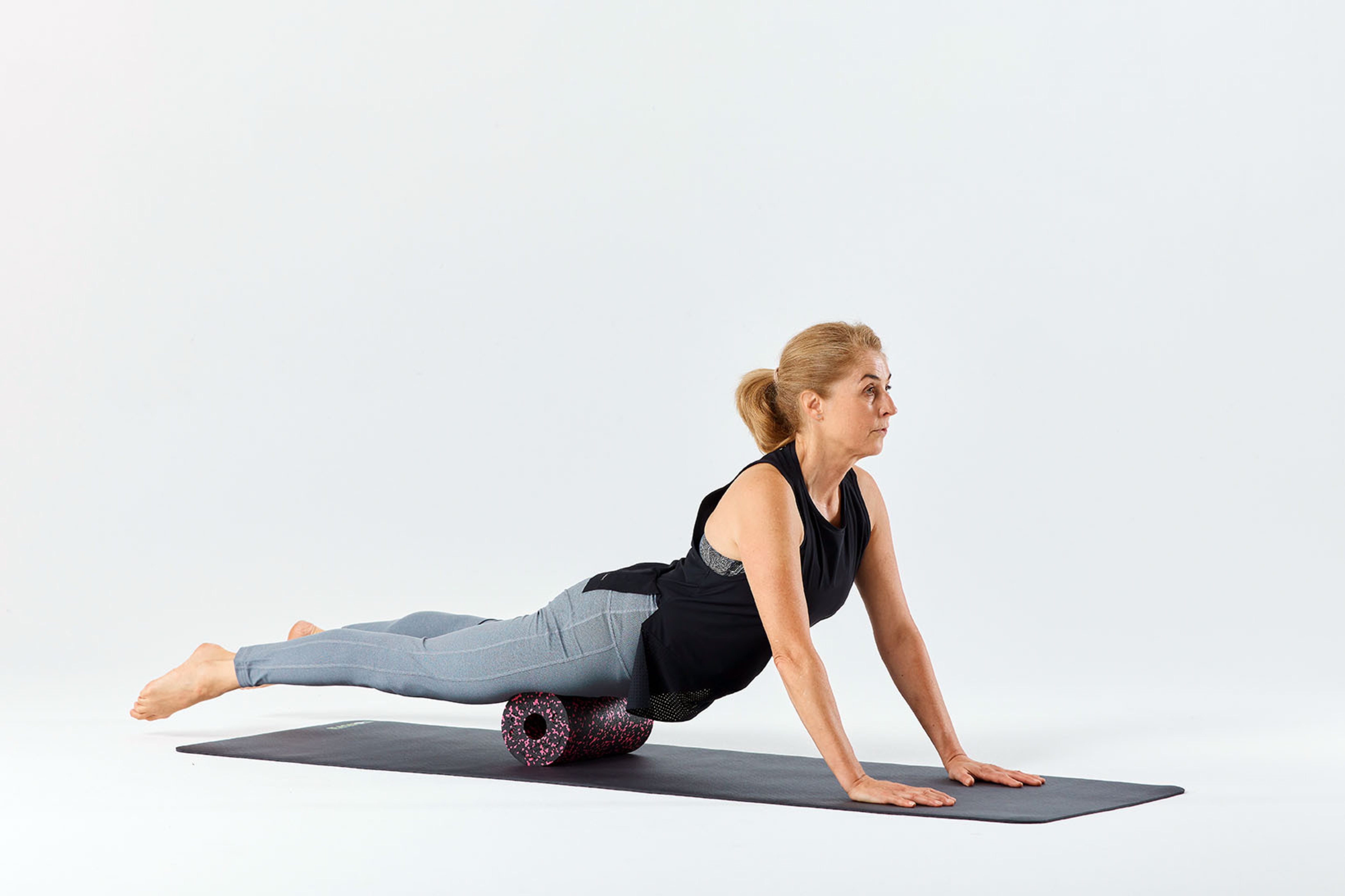
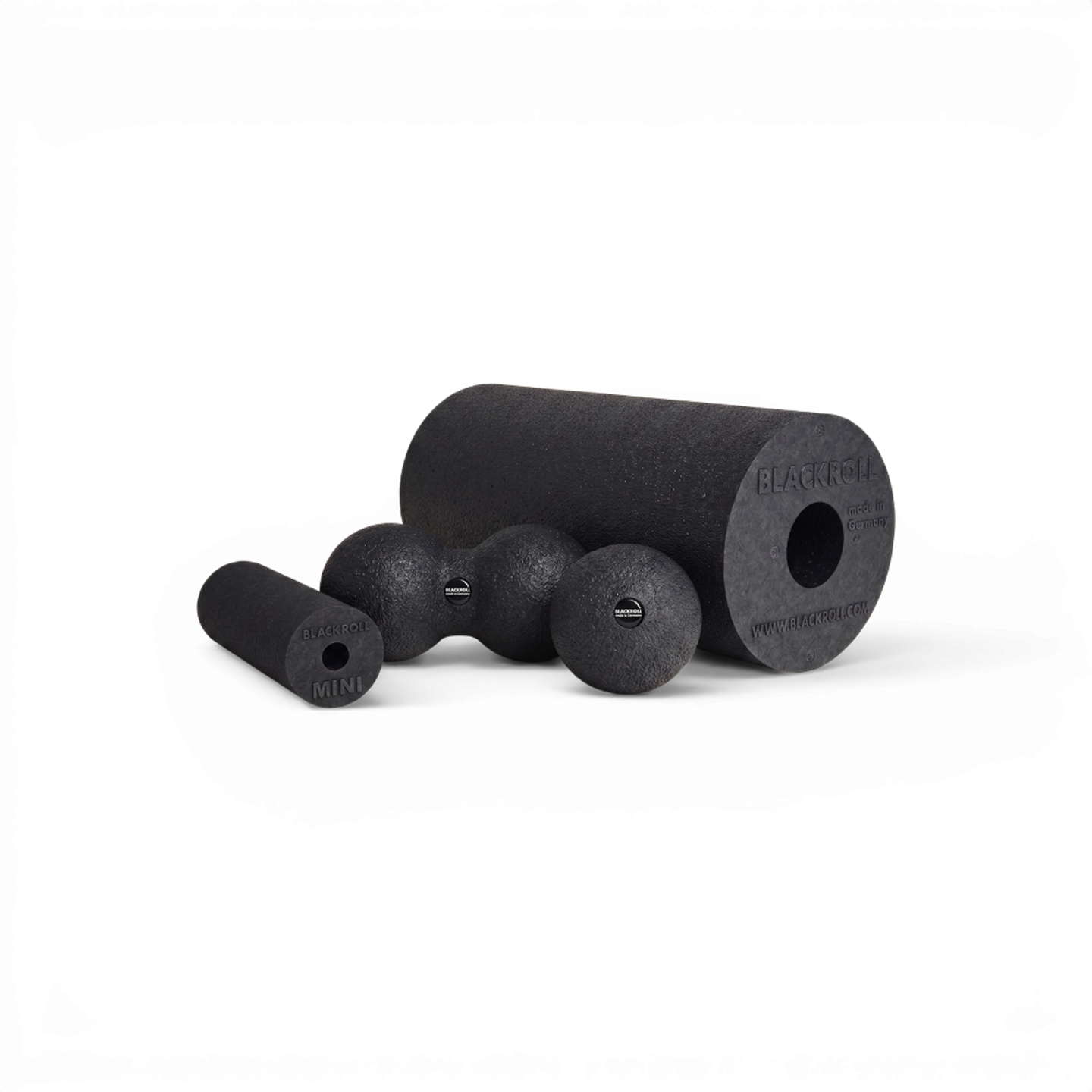
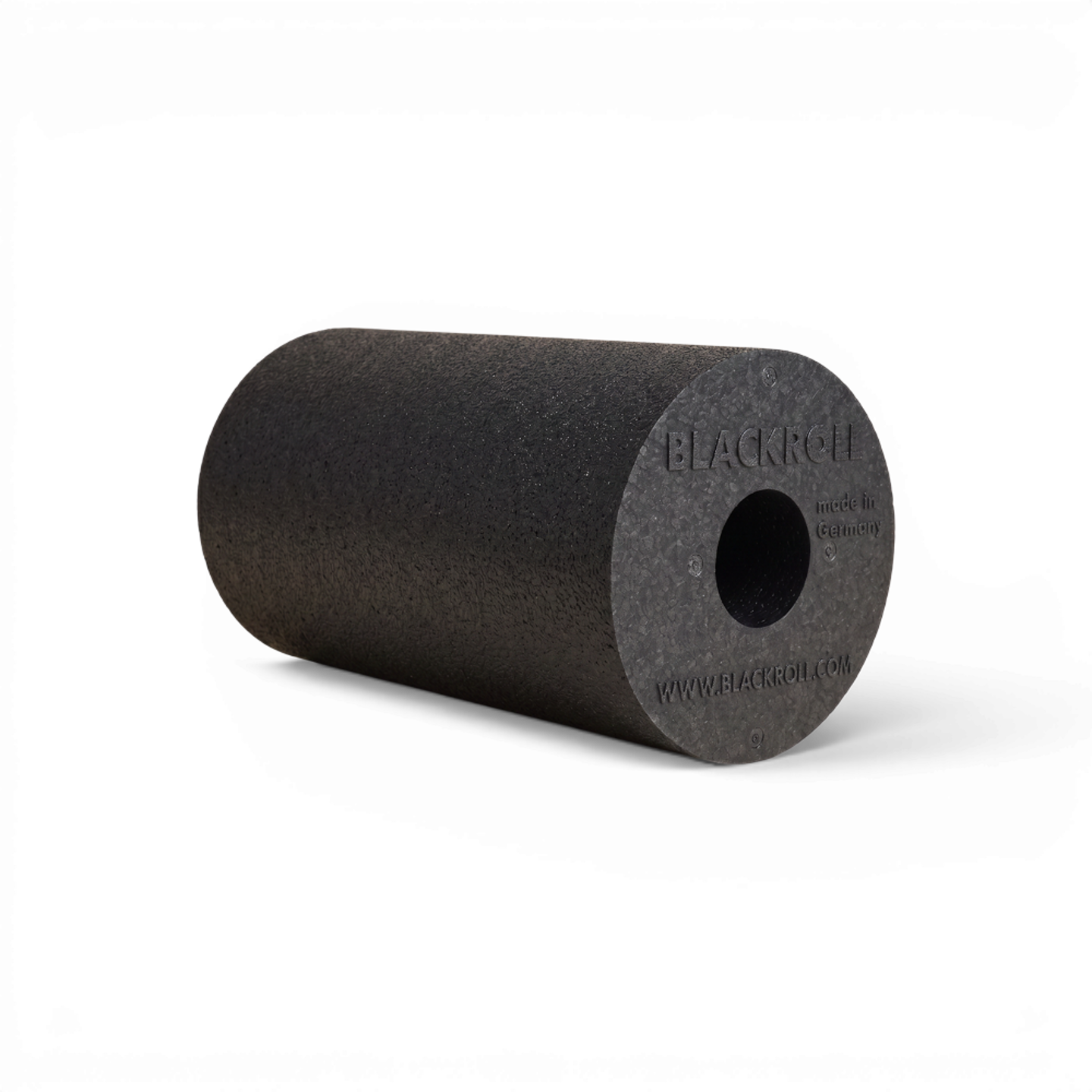
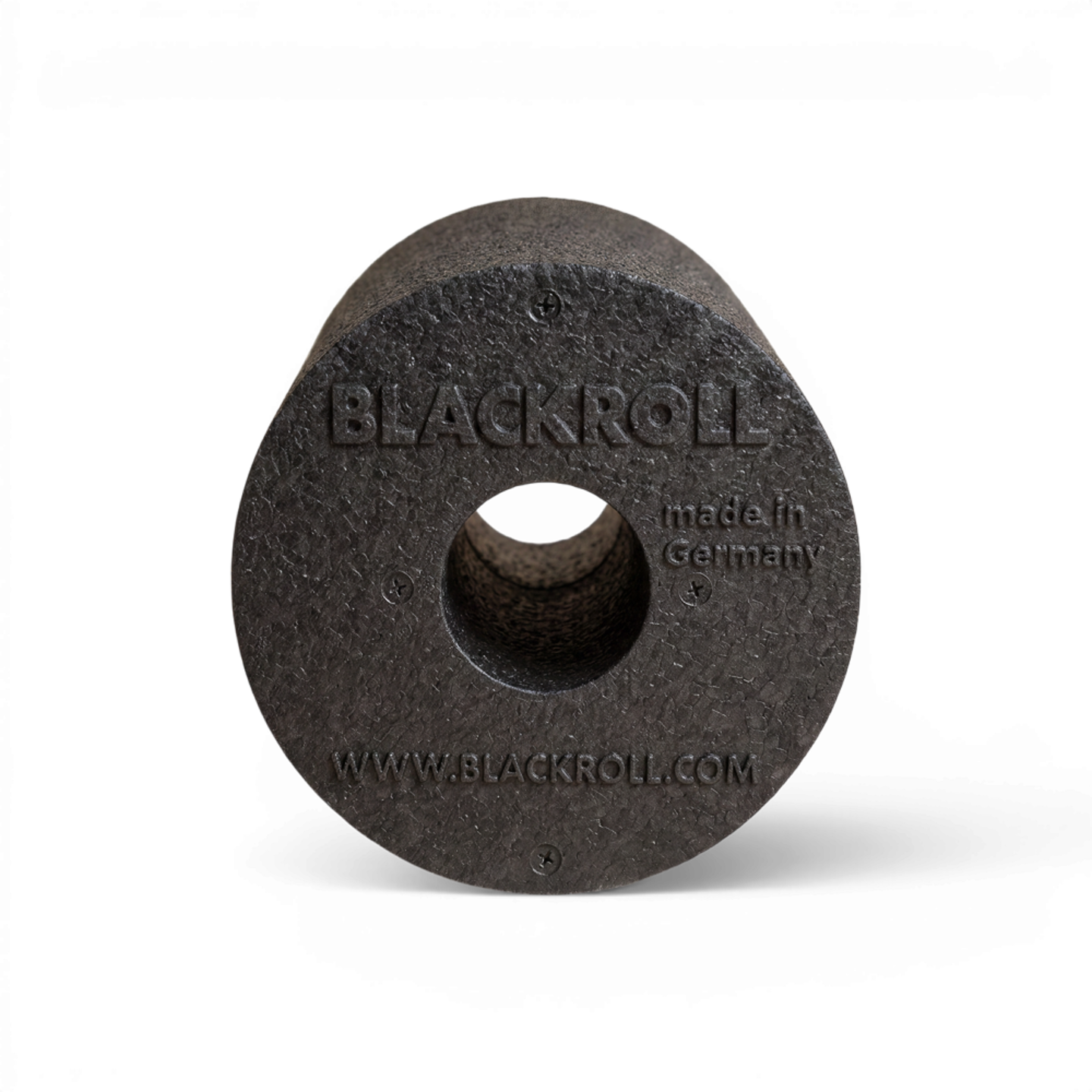
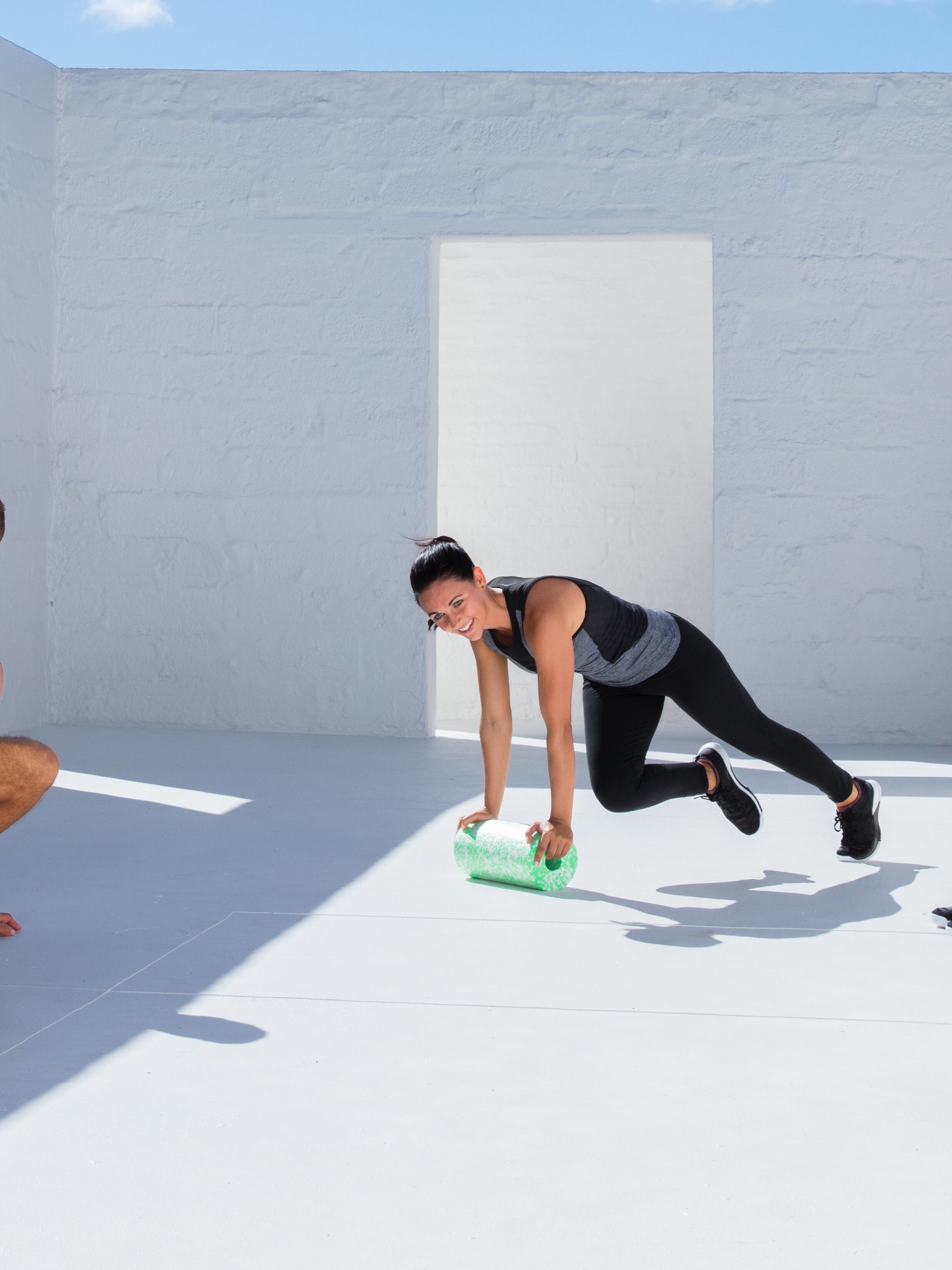
Foam rolling—self-massage using a foam roller or a foam ball—is arguably the best-known form of fascia training. When people talk about fascia training today, most of us actually think only of this one method, known as “myofascial self-massage.” When training with the BLACKROLL®, targeted pressureis applied to the connective tissue.
Here’s how to loosen up your fascia with foam roller exercises for beginners: As you roll, focus on each body part. Start at the calves, for example, and slowly work your way up your legs.
And, very importantly, you always pause briefly right at those spots that feel hard—and therefore painful. That’s exactly where you stop with your roller and slightly increase the pressure; a pleasant, aching sensation develops, which changes after a while, and then you continue your journey through your body and along the roller.
Tip: Beginners are best off starting with a softer roller.
The goal: Just like a sponge, the fascia is squeezed out so it can then refill with nutrient-rich fluid. In addition, adhesions and matted connective tissue can be targeted, helping to loosen tight fascia.
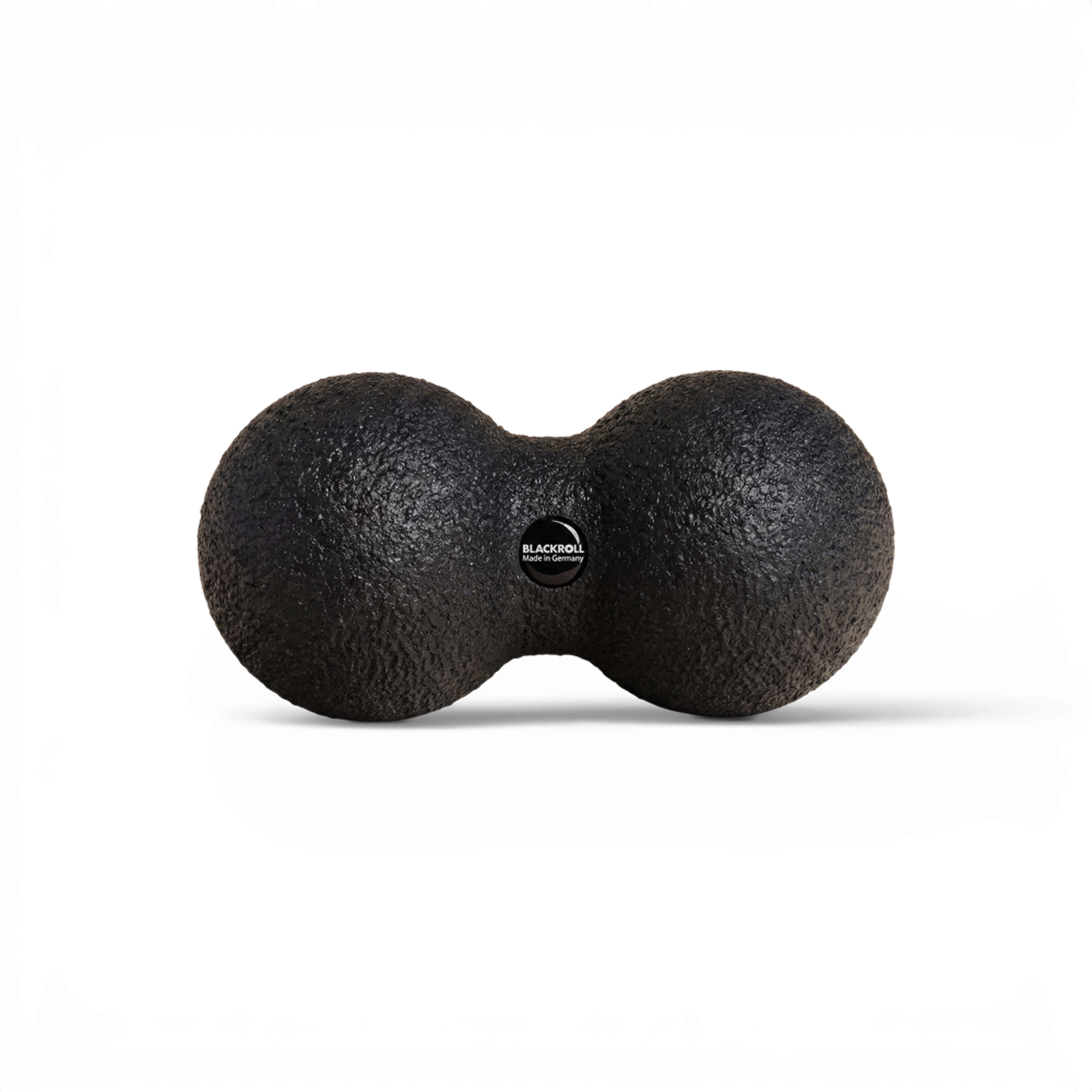
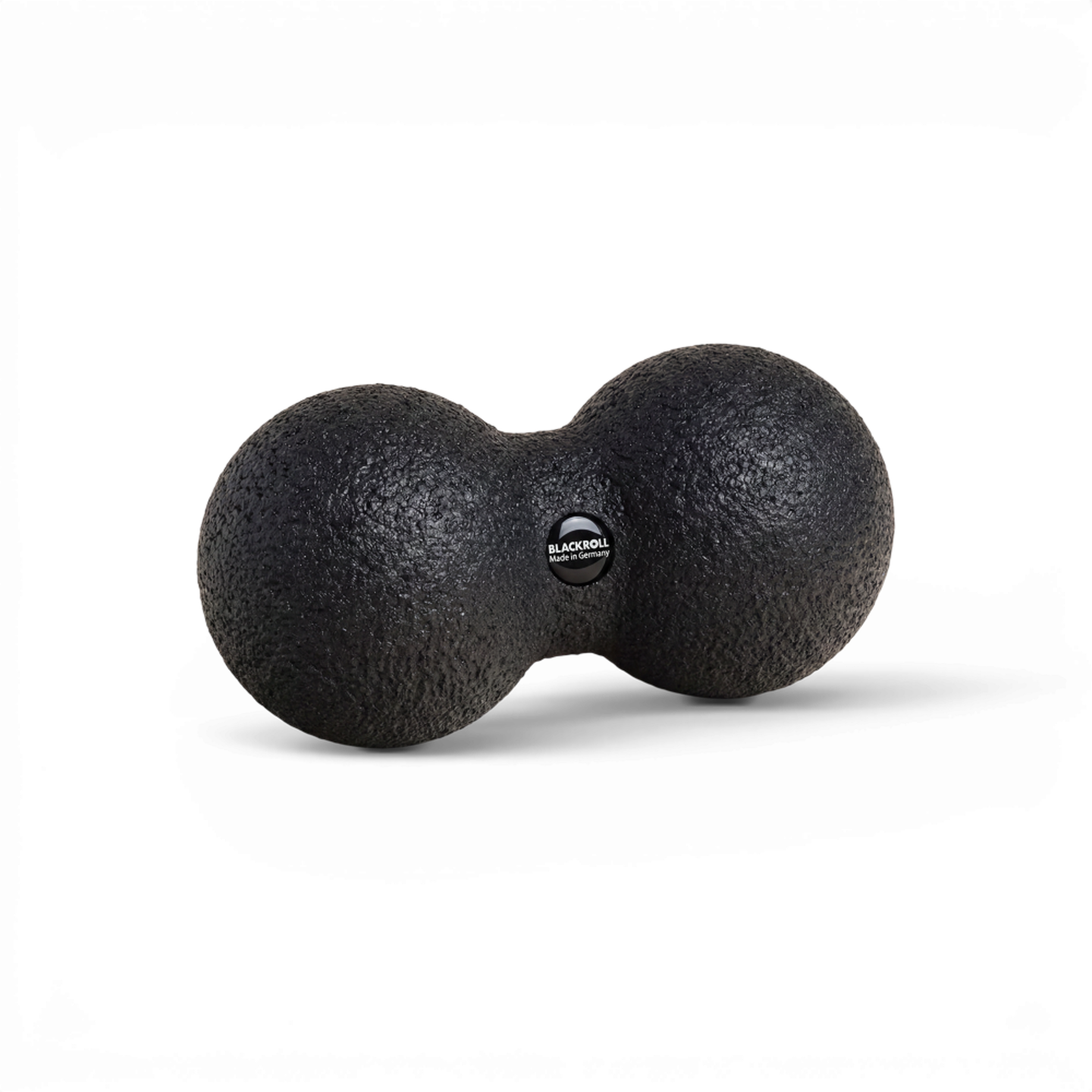
However, myofascial self-massage involves more than just the foam roller. In addition to large-area massage with foam rollers and fascia balls of various sizes and shapes (Duo-Ball), we also distinguishtrigger point massage. The latest scientific findings show that deep adhesions (“fibrotic changes”) develop particularly in the muscle septa.
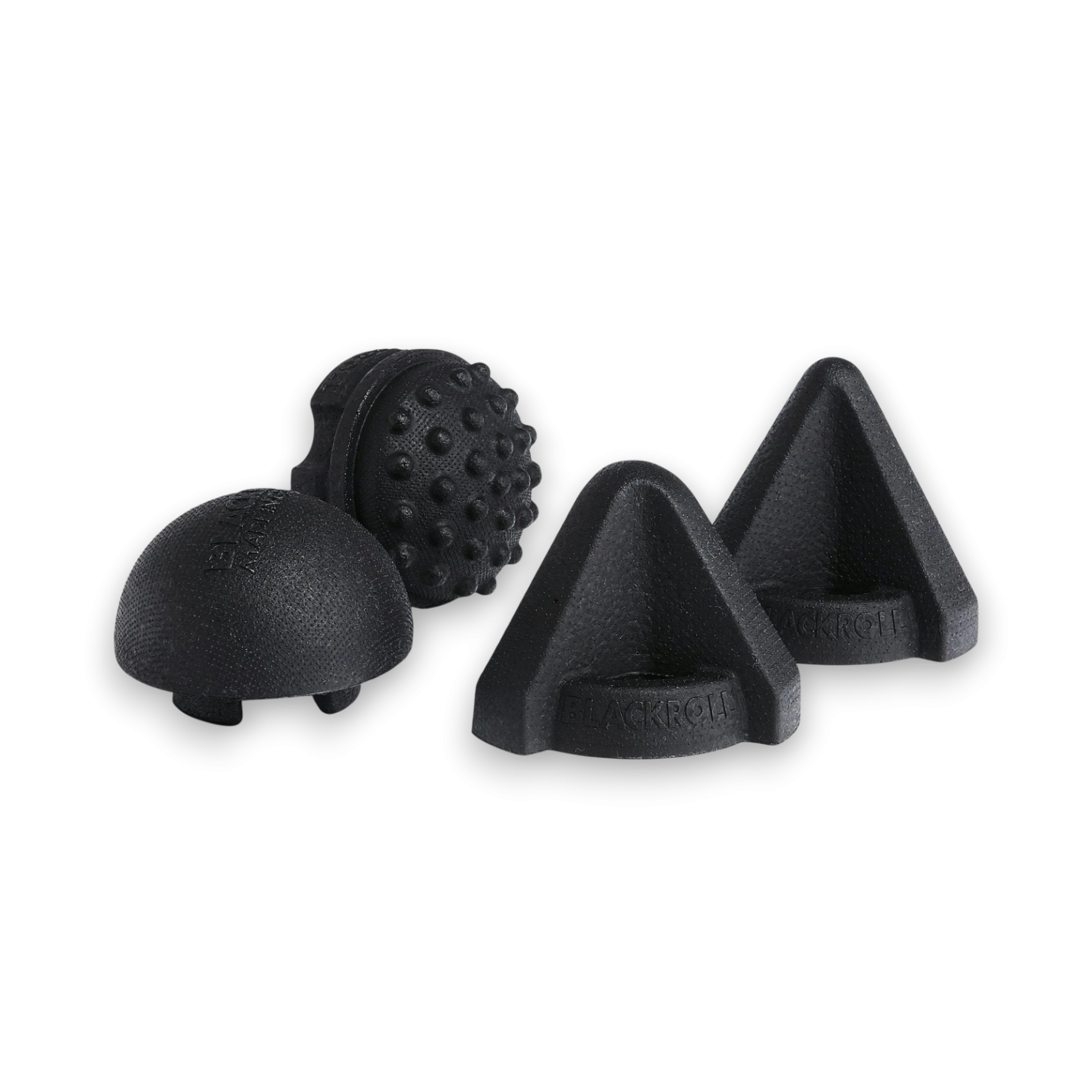
A septum is the connective wall between two fascial layers. If you want to achieve holistic fascial health, these areas in particular must be targeted. This is achieved through localized pressure combined with simultaneous shear forces. You may be familiar with this from a physical therapist. When a therapist presses into the tissue with their thumb while simultaneously moving a limb, they’re utilizing this trigger technique. WithTRIGGER TOOLS, however, you can also trigger and massage yourself.
02. Fascia Stretching and Exercises for Fascia Training—Even Without a Roller
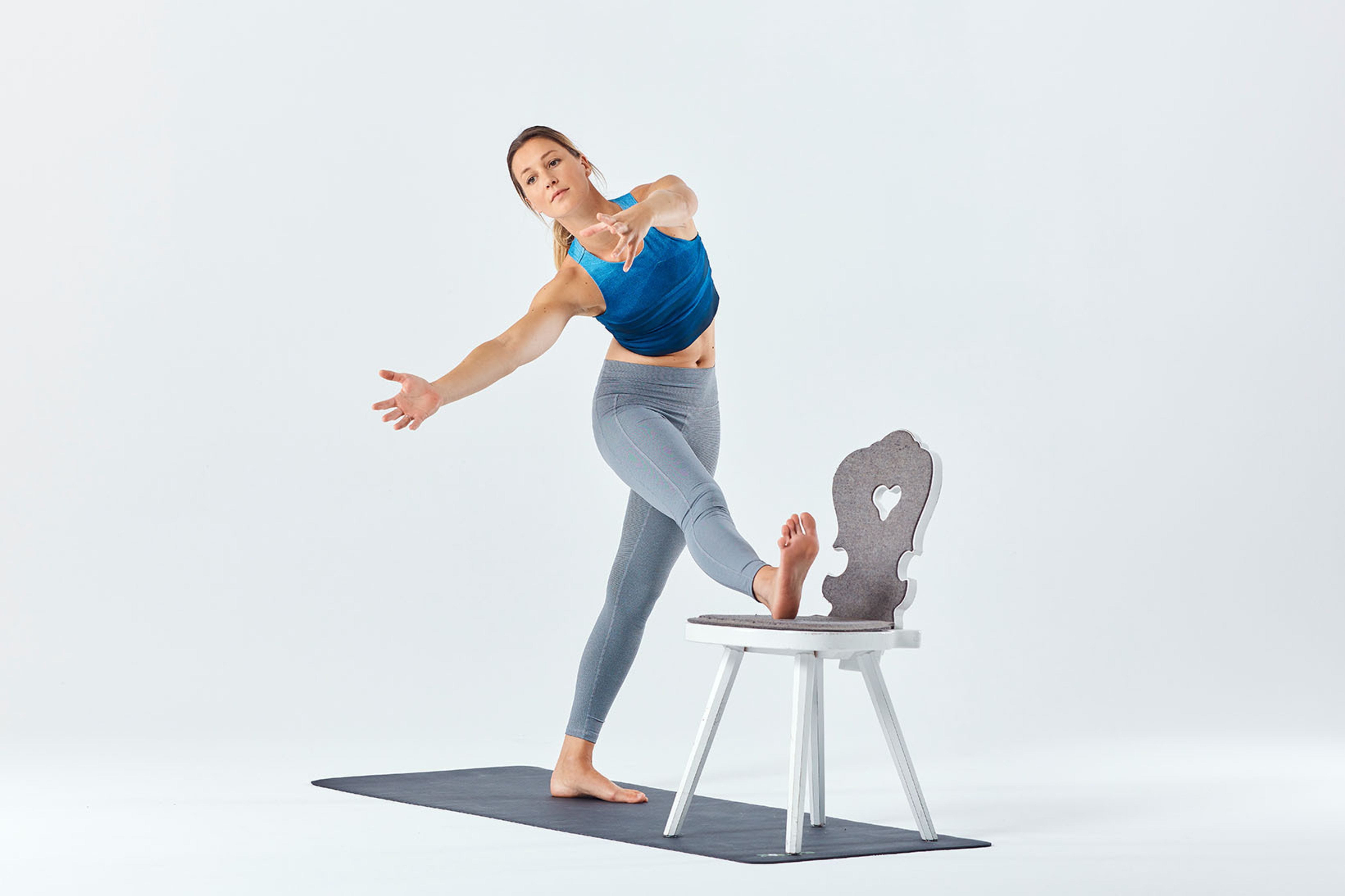
Instead of stretching your muscles in isolation and statically, as textbooks used to recommend, fascial stretching focuses on entire muscle chains.
For example, not just the calf, but simultaneously the glutes, the back, all the way up to the scalp fascia. Background: Fascia likes to be pulled in all directions until it reaches its end position.
Fascia stretching and exercises for fascia training—even without a roller—modeled after the animal kingdom: Long-chain, three-dimensional fascia stretching closely resembles what a cat does after a nap—it stretches and arches its body in a very distinctive way. The cat assumes a stretched position and lengthens itself internally in the process: It actively pushes its paws against the floor and not only lengthens itself in that direction but also automatically experiences a counter-stretch in its torso and hind legs.
By the way: The Downward-Facing Dog pose in yoga comes very close to this position.
In the field of fascial stretching, we distinguish between two subcategories of stretches: the actively loaded stretch and the melting, passive stretch.
The actively loaded stretch (“Loaded Stretch”) isa form of muscle length training. It involves exerting force during the stretch. The body responds to this stimulus by increasing muscle length and becoming more flexible.
The “melting stretch” differs in that you relax the muscles and gradually “melt” deeper into the position, millimeter by millimeter. In contrast to active muscle length training, the stretch is held significantly longer here. This type of stretching is practiced, for example, in Yin Yoga.
Both techniques are therefore fascia training without a roller, and both categories have their advantages. For holistic fascia health, you should try both.
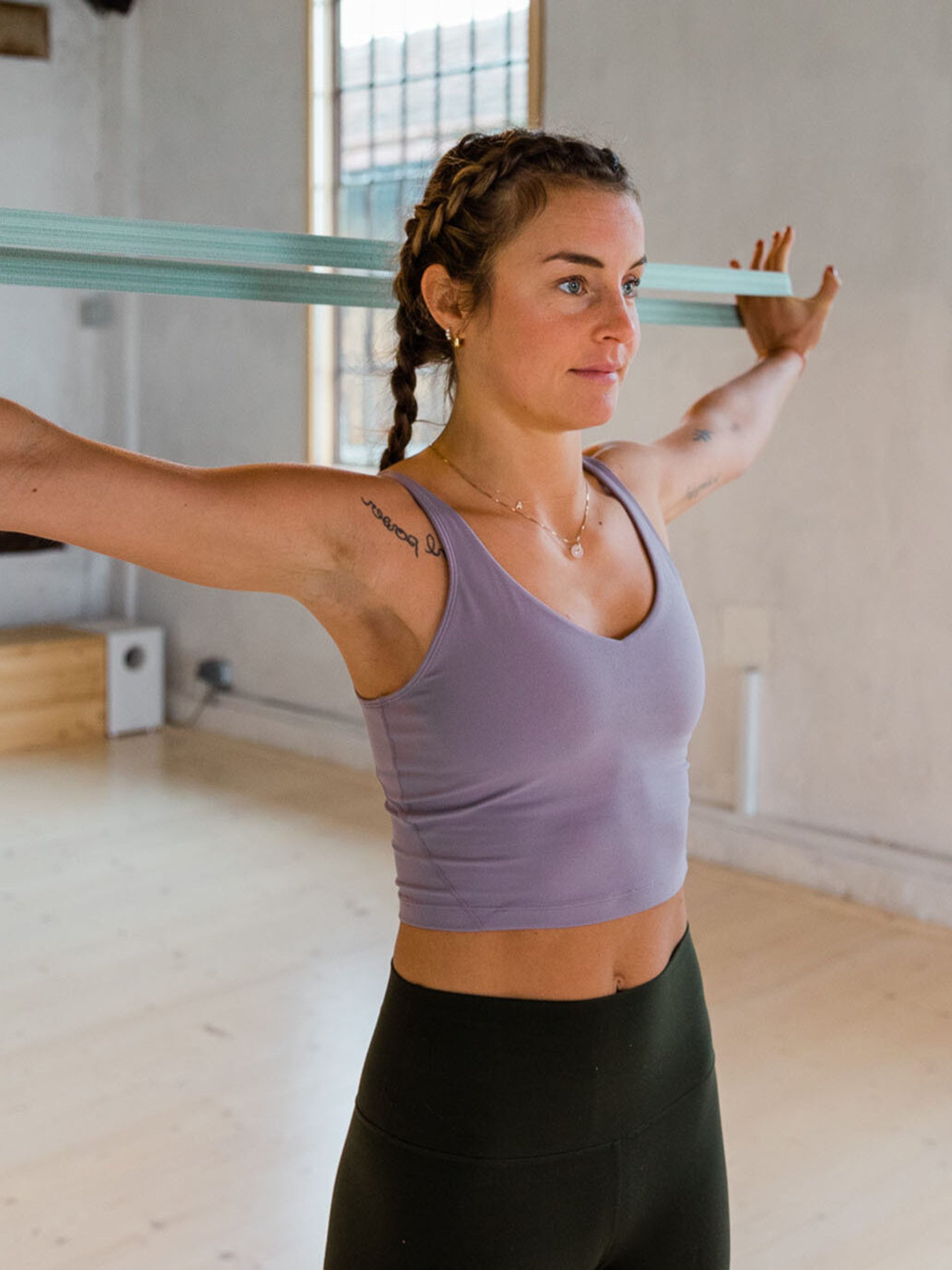
You can find more exercises here


03. Fascia Training: Regain Fascial Elasticity with a Targeted Fascia Workout
“Healthy connective tissue is as flexible as bamboo, as tear-resistant as a tow rope, and enables springy movements like those of gazelles,”
says fascia researcher Robert Schleip. That sounds great, and if that’s what you’re aiming for, you can take inspiration from another model in the animal kingdom for your fascia workout.
Why can kangaroos jump so high and so far? It’s due to the catapult effect. They pre-tension their muscles before taking off. During the actual jump, the stored muscle energy (“kinetic energy”) is released, just like a spring being released. The reason: Fascia can store kinetic energy, while the muscles themselves remain isometric.
Some questions concern flexibility: How can you become more dynamic while still achieving supple connective tissue?
The answer lies in the third principle of fascia training: restore fascial elasticity through targeted fascia workouts.
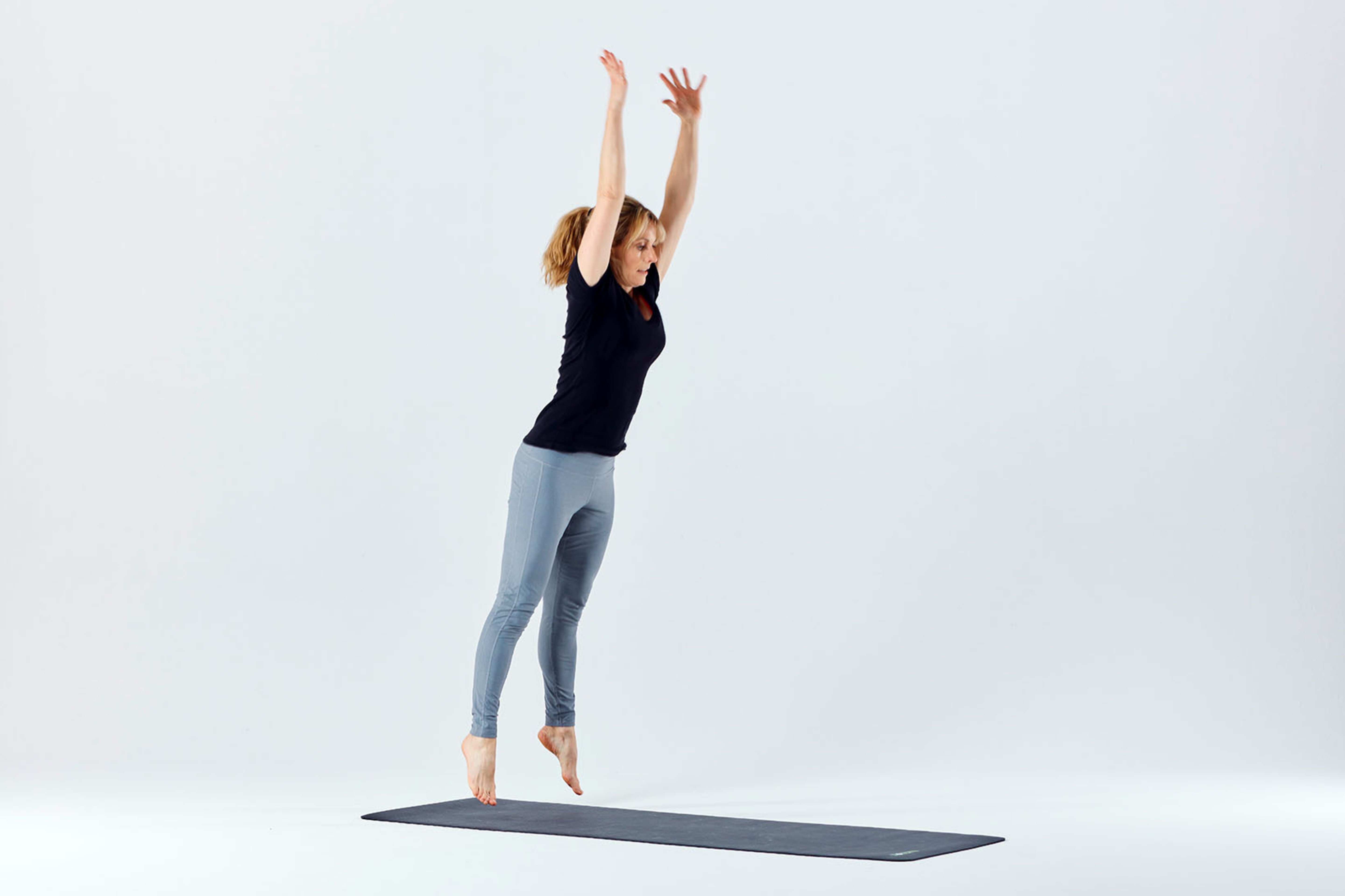
A simple exercise that focuses on fascial elasticity is jumping rope. You can try this on one leg or by jumping off both feet. As you do this, kinetic energy is stored in your Achilles tendons and immediately converted back into a jump. You can also train fascial elasticity beyond the ankle joints, which is where counter- and pendulum movements come into play.
These exercises feel unfamiliar at first, and the tendons involved become stiffer.
Therefore: Doing just a few repetitions twice a week is sufficient when you first start this fascial training.
With all four training principles—rolling, massaging, stretching, and bouncing—consistency is key. The bonus: When you train your fascia, you become more flexible. And: Supple tissue causes little to no pain.
04. Fascia Exercises for Body Awareness
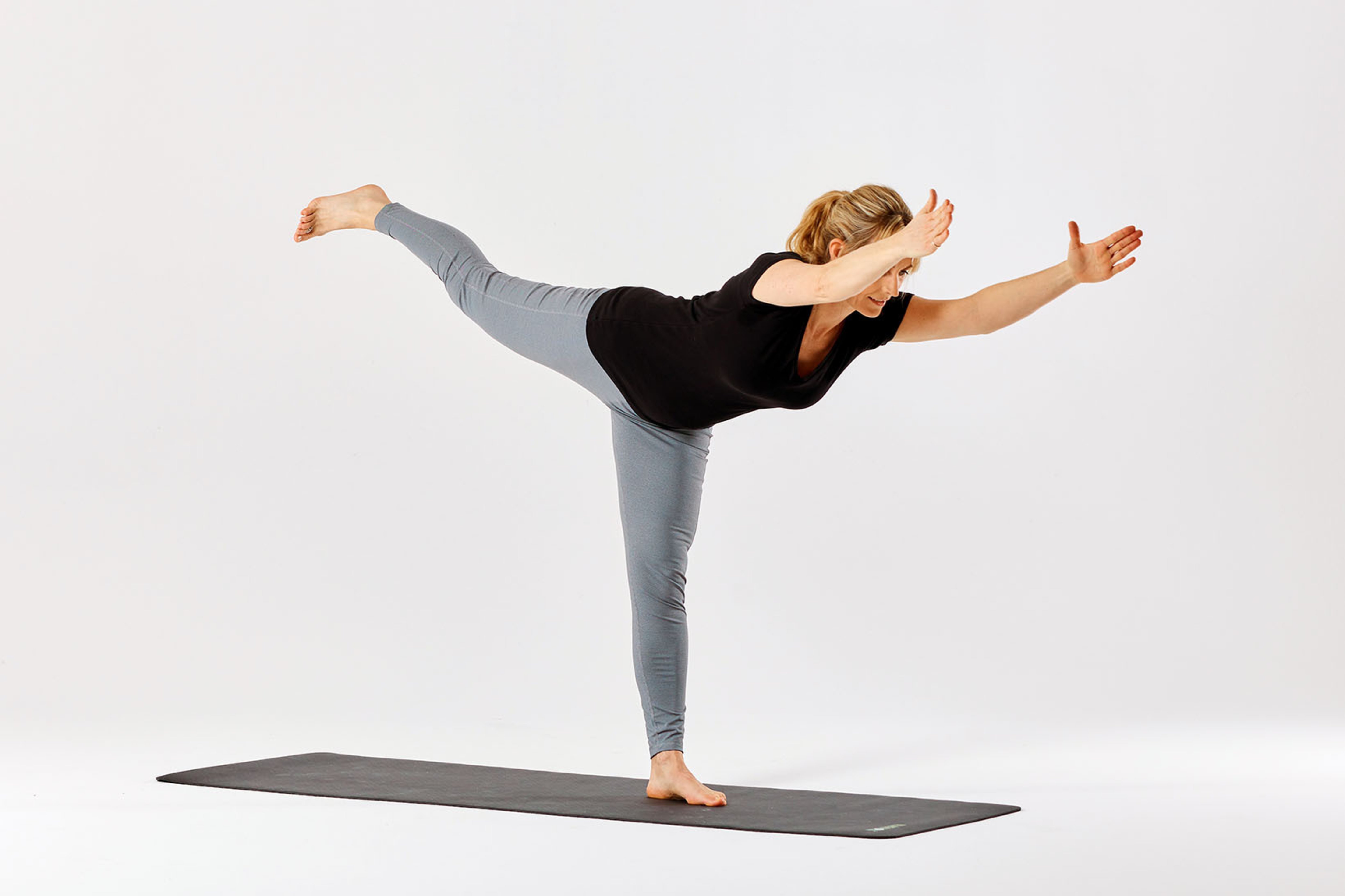
There are over 100 million nerve endings in the fascial tissue. Consequently, the highest density of receptors for body awareness (“proprioception”) is found in the fascial sliding layer between the individual muscles.
You’ve already learned what makes fascia training so fascinating and how important it is for your posture, your well-being, and the proper functioning of your organs, muscles, tendons, and even your immune system.
Furthermore, fascia not only transmits force from the muscles; it can also transmit pain signals via countless nerve impulses following physical exertion, and it acts as a sort of navigation system: it helps you orient yourself in three-dimensional space.
Coordination skills are closely associated with this form of fascia training. The 4th fascia training exercise—fascia exercises for body awareness—is relatively easy to master if you frequently introduce new challenges into your training.
This could involve, for example, trying to balance on one leg (e.g., the “scale” pose) with your eyes closed. Or you could incorporate unstable surfaces such as wobble boards or even a pillow into your workout. This way, you’ll also engage the deep muscles that you can’t consciously control but that are activated when your foot muscles try to maintain balance on wobbly terrain.
Even when you try a different angle during fascia exercises or have your muscle chains perform more complex tasks, you’re training your body awareness. Curious experimentation is key when it comes to body awareness exercises.
And as with all four forms of fascia training, it’s good to tune into your body as you move.
Tools for Fascia Training