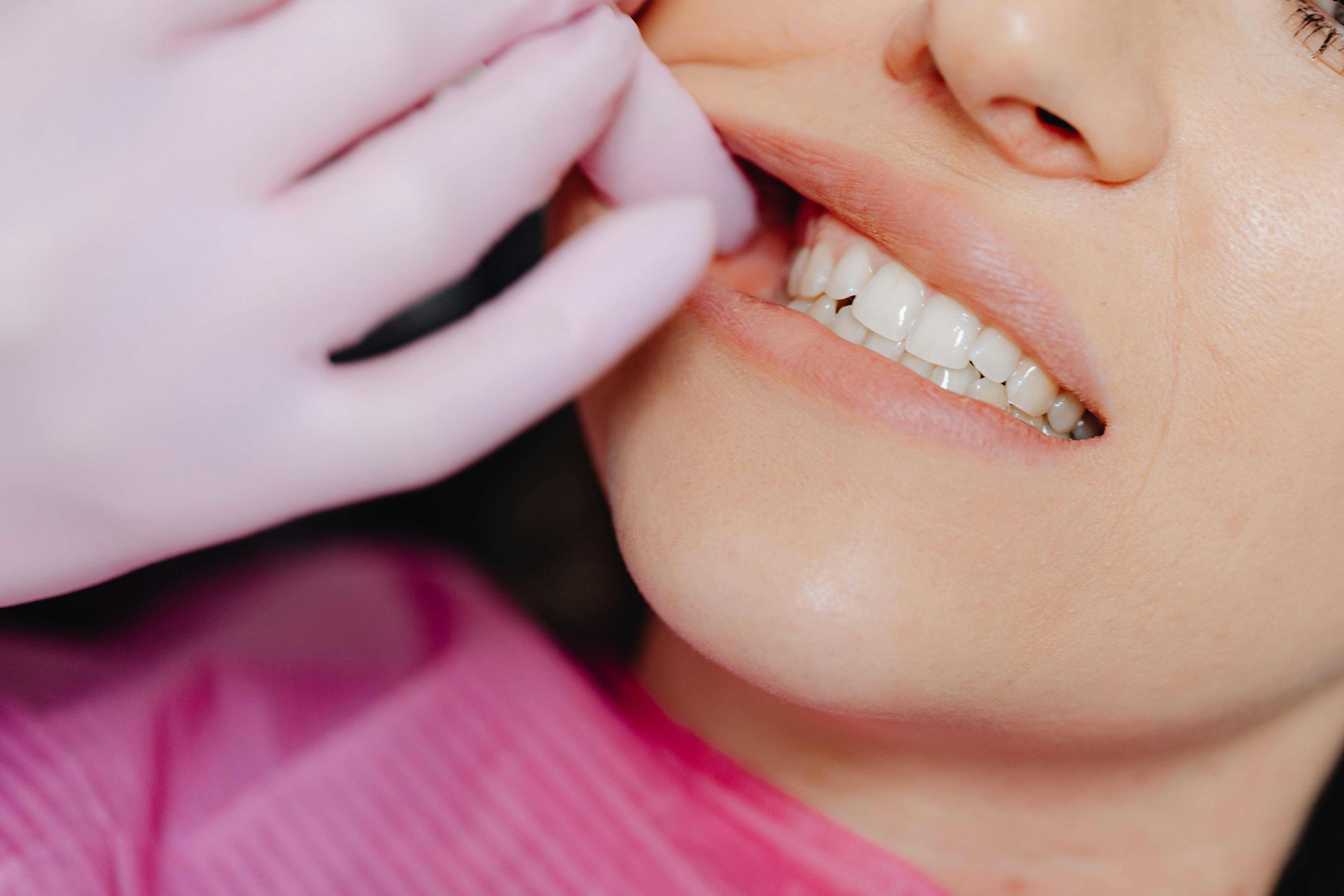
Bruxism: Understanding Teeth Grinding and Treating Its Causes

Even if you do it unconsciously, teeth grinding (known as bruxism in dentistry) can really take a toll—literally. In addition to wearing down your tooth enamel, constant grinding can also lead to headaches, jaw pain, and neck pain. In our article, you’ll learn all about the causes, how to recognize the symptoms of bruxism, and how to protect your dental health in the long term.
Definition of Bruxism
Have you ever caught yourself clenching your teeth tightly during moments of intense stress? If so, you might be suffering from bruxism. The term comes from Latin and, in medicine, refers to teeth grinding, clenching, or shifting of the lower jaw, which often occurs unconsciously during sleep or in stressful everyday situations. Bruxism is therefore classified into two types: waking bruxism and sleep bruxism .
According to the German Dental Association (BZÄK), one in two people in Germany grinds their teeth from time to time, and one in five does so regularly. Women are affected more often than men. The age group most commonly affected is between 30 and 45 years old, but bruxism can also occur in children and adolescents. And the consequences of this unconscious behavior are enormous. This is because the pressure generated by teeth grinding can reach up to 480 kg/cm² or more. To put this in perspective: that is 10 times greater than the normal pressure generated during chewing.
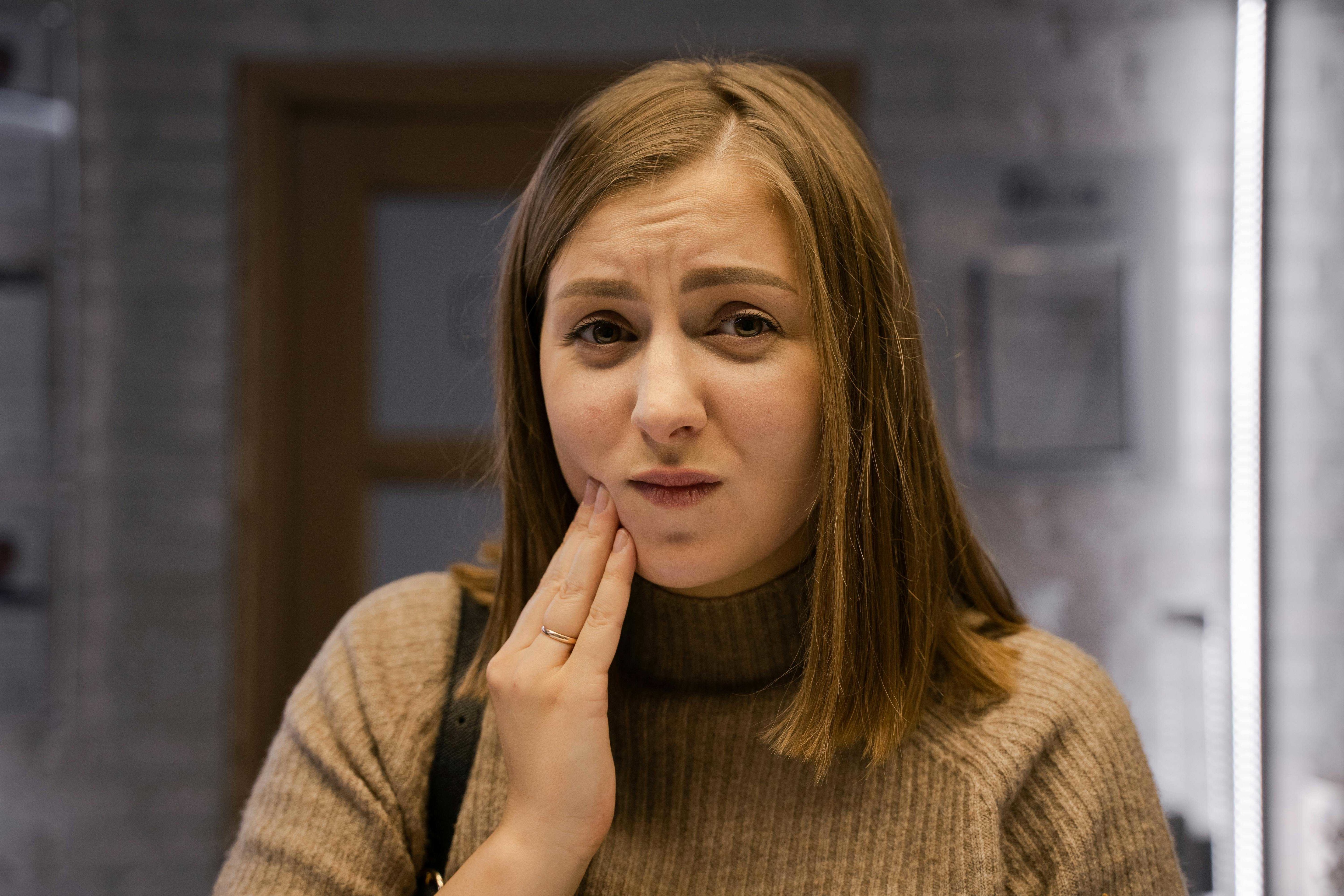
Even though you often don’t immediately feel the consequences of bruxism, long-term teeth grinding can lead to a range of problems—not only accelerating tooth wear and damaging the teeth, but also causing headaches, jaw pain, and muscle tension in the face, jaw, and neck.
The exact cause of bruxism cannot always be clearly determined, but it is known that its occurrence can be directly linked to stress, anxiety, sleep disorders, or problems with the jaw structure.
Symptoms and Signs of Bruxism, as well as Its Effects on Dental Health, TMJ, and Muscles
The symptoms and signs of bruxism can vary, and discomfort isn’t always immediately attributable to teeth grinding. In most cases, however, your dentist can determine whether you grind your teeth based on typical findings during a routine examination.
At the same time, you should always engage in careful self-observation and consult your dentist if necessary. The following symptoms and signs frequently occur with bruxism:
- Teeth grinding or clenching: A particularly typical symptom of bruxism is clenching your teeth together with force, especially at night. This puts the chewing muscles under extreme strain. Often, even the person sleeping next to you can hear the grinding. If you suspect you have bruxism, always ask your partner if you might be making noises at night that could be attributed to teeth grinding. Bruxism can also occur during the day—usually unnoticed. For some people, stressful everyday situations in particular manifest as a strong clenching of both jaws.
- Tooth damage/worn teeth: The constant friction and pressure can lead to flattened, worn, or even broken teeth because the hard tooth tissue (dentin and enamel) is so severely eroded by the contact.
- Sensitive teeth: If you notice that your teeth are sensitive to heat or cold, teeth grinding could also be the cause. Constant grinding and clenching can make your teeth more sensitive to heat, cold, and pressure.
- Pain in the jaw area: Bruxism can lead to pain in the temporomandibular joint (temporomandibular dysfunction), in the ear or neck, facial pain, or even tinnitus. So if you have persistent problems in these areas, always consider bruxism as a possible cause.
- Headaches: Many people with bruxism regularly suffer from tension headaches, which can originate from tense muscles in the jaw, neck, and face. Tension headaches feel as if you have a headband tied too tightly around your head.
- Sleep disturbances: Bruxism usually occurs during sleep and can cause or even worsen sleep disturbances.
- Muscle Tension: The constant tension in the jaw muscles can lead to muscle tension in the face and neck. If you suffer from this, you should always consider that bruxism may be the underlying cause.
- Increased Risk of Tooth Decay: Teeth grinding often damages tooth enamel, which in turn increases the risk of tooth decay. At the same time, worn-down teeth become more susceptible to decay because the enamel loses its protective function against acid attacks.
- Damage to fillings and crowns: Even fillings, implants, crowns, and dentures can be damaged by the strong pressure of the teeth grinding against each other—especially if they are older or already worn down.
- Damage to the gums: The constant pressure and rubbing of the teeth can also affect the gums. Possible consequences include receding gums, periodontitis, or its inflammatory form, periodontitis.
Causes of Bruxism
In most cases, the causes of bruxism cannot be clearly identified. This is primarily because bruxism is often multifactorial—meaning that various causes may play a role simultaneously, and these vary from person to person. However, it is well established that various factors can contribute to teeth grinding. These include:

Stress and Anxiety
These are considered among the main triggers of bruxism. According to studies, people who are under severe stress or suffer from anxiety disorders are more likely to clench or grind their teeth during sleep.
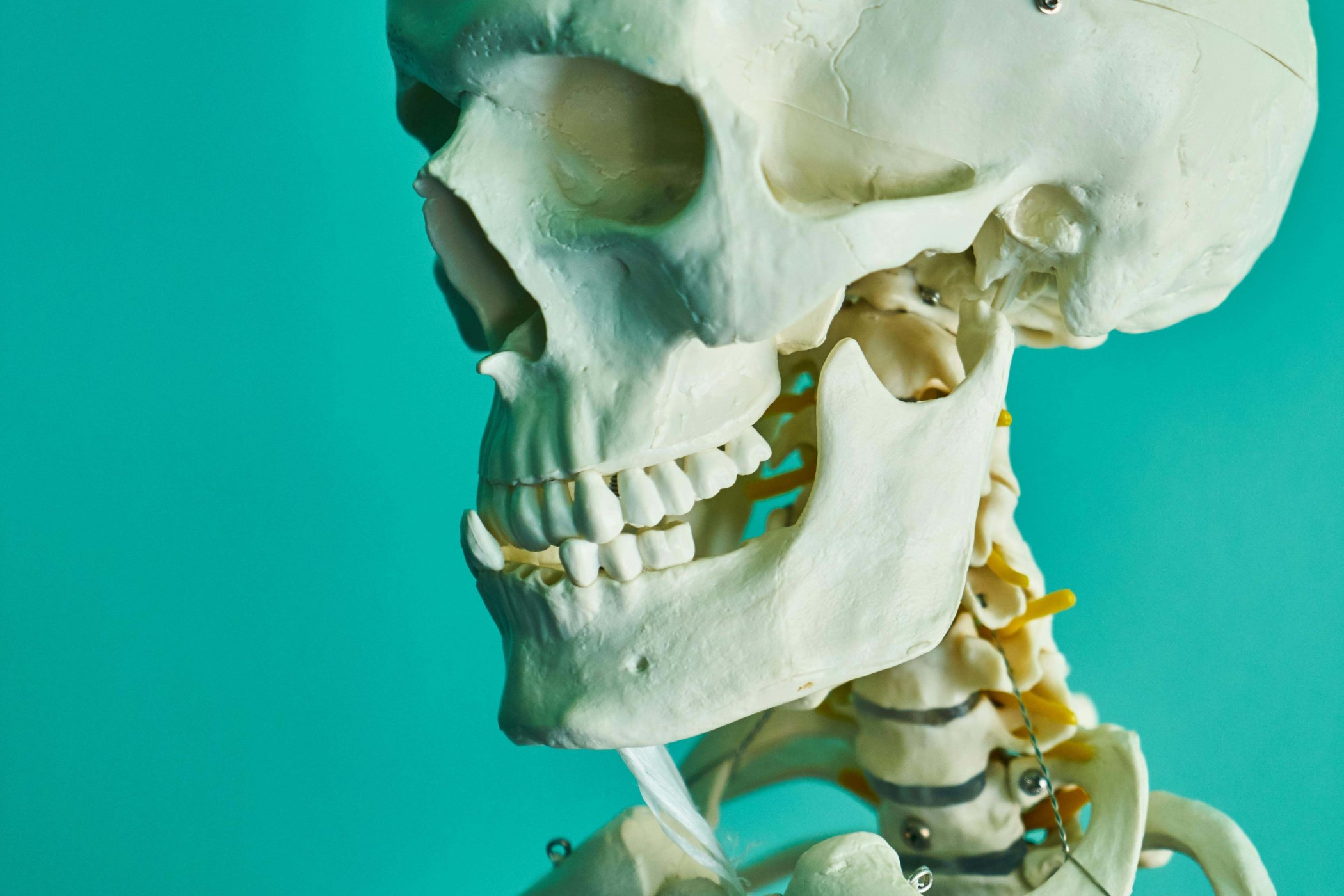
Malocclusion or jaw misalignment
An abnormal bite or functional disorders in the masticatory muscles or temporomandibular joints (craniomandibular dysfunction, CMD) can also contribute to bruxism. The reason: Our body tries to compensate for the abnormal tension and the unnatural bite by grinding the teeth together, usually unconsciously during sleep.

Myofascial Tension Imbalances
Tightness, shortening, and adhesions in muscles and fascia in more distant areas of the body can also lead to bruxism. As part of what is known as “ascending symptoms,” these abnormal tensions can even originate in the feet and travel upward to affect the head and jaw. Through this “chain reaction,” the body attempts to compensate for the dysfunction.

Psychological Factors
In addition to stress and anxiety, other psychological factors such as anger, frustration, or repressed emotions can be risk factors for bruxism and may trigger or exacerbate it.

Sleep Disorders
Sleep disorders, such as obstructive sleep apnea—which involves prolonged pauses in breathing during the night—are also risk factors for bruxism.

Lifestyle
If you regularly consume stimulants such as alcohol, caffeine, nicotine, or drugs, this also increases your risk of bruxism. Frequent chewing of gum or playing woodwind instruments with special mouthpieces can also trigger teeth clenching and grinding.

Medications and Substances
Some medications, particularly antidepressants and certain psychotropic drugs, can cause or worsen bruxism as a side effect.
Diagnostic Procedures
If bruxism is suspected, the dentist is the appropriate professional to consult. Typically, the characteristic wear on the teeth caused by teeth grinding is already detected during a routine dental examination at the dentist’s office. This is because loss of tooth structure and damage to the periodontal tissues can be strong indicators of bruxism. Other signs include smooth, polished surfaces on the teeth or crowns, enamel cracks, enamel spalling, sensitive teeth, shortening of the teeth, and chipping of veneers, crowns, or bridges.
Dentists also gain additional clues about the possible presence of bruxism through their patients’ self-reports. These include waking up with a stiff and tired jaw, pain in the chewing muscles or when opening or closing the jaw, or nighttime grinding noises that are noticed by a partner.
Treatment Options and Protective Devices for the Jaw and Teeth
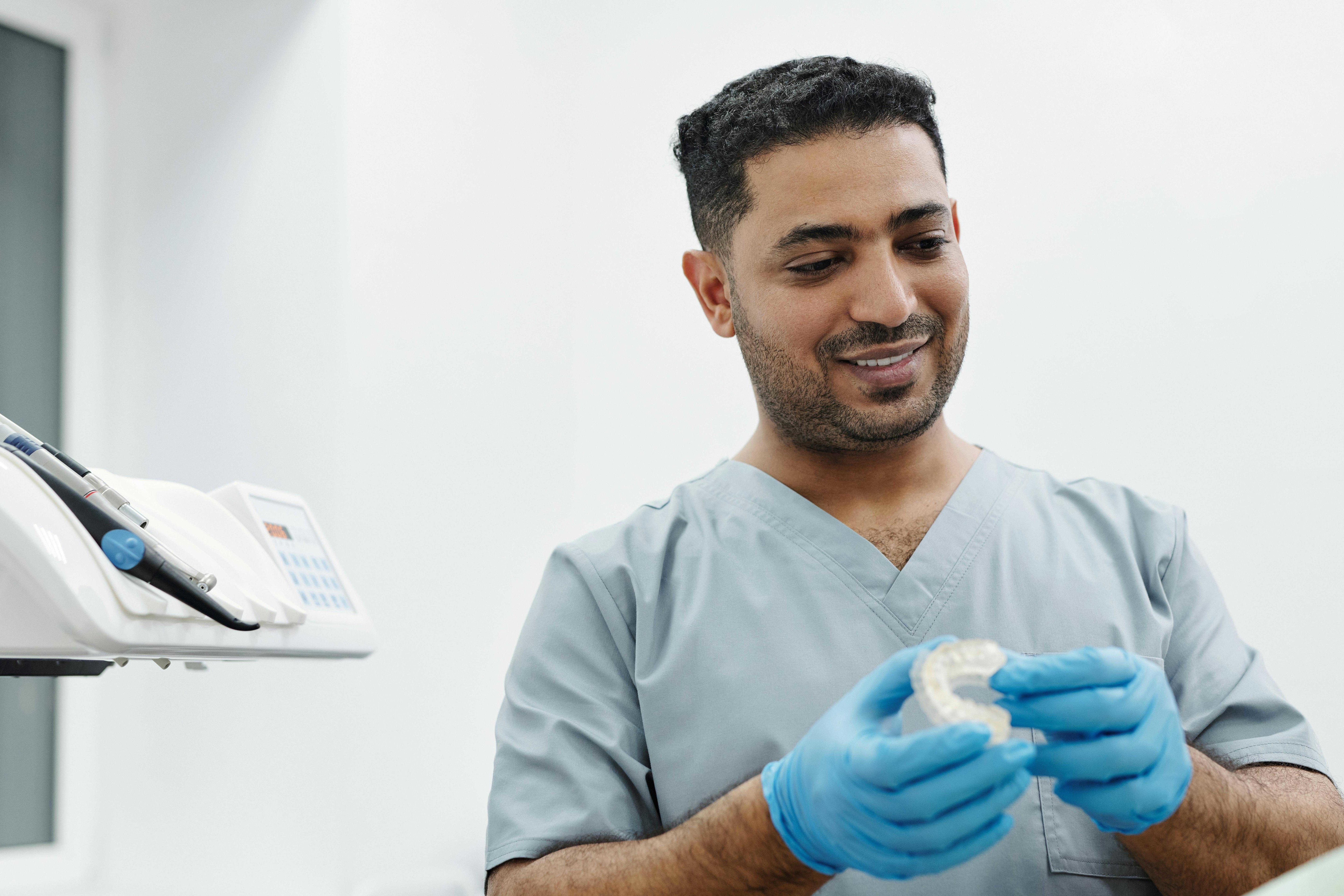
If you’ve been diagnosed with bruxism, you shouldn’t wait too long to seek treatment, as the grinding can otherwise cause significant damage to your teeth. Dentists, in particular, can provide tips on how best to manage bruxism. One of the most common methods to prevent its consequences is a nightguard, which you typically wear at night. However, some people grind so severely that they are advised to wear the guard during the day as well.
The cost of having the guard made is usually covered in full by public health insurance. To do this, the dentist creates a custom-fitted plastic guard tailored to your bite, which fits over your upper or lower teeth. It serves to protect your teeth while you grind by acting as a kind of barrier between the rows of teeth. The mouthguard distributes the pressure evenly, thereby preventing damage to the teeth and the temporomandibular joint. If you’re already experiencing noticeable symptoms, it’s advisable to consult a dentist who specializes in TMD. In such cases, the mouthguard must be specially adjusted over a longer period of time and checked regularly, while the entire body is brought into a state of tension balance through osteopathy and special exercises.
If the consequences of bruxism manifest as muscle tension in the jaw and neck area, specialized physical therapy or osteopathy —including stretching and relaxation exercises as well as massage therapy—can help alleviate symptoms and reduce muscle tension.
If bruxism can be linked to an underlying medical condition, that condition should also be treated appropriately to manage the bruxism.
Since stress is one of the main triggers of bruxism, managing stress can be an effective strategy for reducing it. Techniques such as relaxation exercises, meditation, yoga, or breathing exercises help reduce stress and minimize teeth grinding. To support this, you should avoid stimulants such as caffeine, alcohol, and tobacco, as these substances can exacerbate teeth grinding.
Psychotherapy can also help those affected to get a handle on the mechanisms that trigger bruxism (such as worries and anxieties) and learn to better cope with stress-inducing factors.

In fact, in some cases, Botox injections into the chewing muscles can help reduce bruxism by temporarily decreasing muscle activity through nerve blockage. This treatment is listed in the S3 guideline on bruxism. These are systematically developed recommendations designed to assist doctors and patients in making decisions regarding the treatment of their condition. Botox injections are intended to reduce the frequency of teeth grinding and alleviate pain caused by bruxism. The dose is so low that while it relaxes the jaw muscles, it does not impair chewing. However, this treatment should only be performed by a qualified physician and may have side effects.
Stress Management and Relaxation Techniques
Stress management and relaxation techniques can be a great help in reducing the symptoms of bruxism. We’ll introduce you to five techniques and measures you can use in addition to the treatment prescribed by your dentist to get your teeth grinding under control.
- Breathing exercises: Deep, conscious breathing into the lower abdomen can help reduce stress and relax the body. Try to focus on slow, deep breaths, and make sure to slow down your breathing rhythm—especially the exhalation—to achieve a calming effect.
- Progressive muscle relaxation: With this technique, you tense specific muscle groups one after another and then release them. This can help relieve tension. Start with the muscles in your feet and slowly work your way up to your head.
- Yoga: Yoga combines physical movement, breath control, and meditation, which can reduce stress and calm the mind. This can also help relieve tension in the jaw and neck area.
- Meditation: Regular meditation can help calm the mind, reduce stress, and foster a positive outlook. Sit in a quiet place, close your eyes, and focus on your breath or on calming thoughts. If you can’t concentrate on meditation on your own, use an app or a guided meditation on YouTube to help you.
- Mindfulness: Mindfulness involves consciously perceiving the present moment without judgment or evaluation. By being mindful and focusing on the moment, you can reduce stress and improve your responses to stressful situations.
Try out different methods and choose the one that works best for you. How someone relaxes best is entirely individual, and what works well for others may not necessarily be right for you. The important thing is not to let this cause you additional stress.
Long-Term Care and Preventive Measures
If you’ve been diagnosed with bruxism (and, of course, even if you haven’t!), you should schedule regular preventive care and checkups with your dentist to monitor the condition of your teeth.
Wear your night guard every night—and during the day if recommended—and try to avoid or at least prevent stress as much as possible. Stress management and relaxation techniques such as breathing exercises, meditation, and yoga are effective ways to improve your ability to relax.
Ask your dentist to show you exercises tailored to your situation that help relax your jaw and neck muscles. For example, you can do something for your jaw health right after getting up in the morning.
A healthy lifestyle also has a positive effect on stress. This includes good sleep hygiene, a varied and balanced diet, regular exercise, and avoiding excessive amounts of caffeine, alcohol, or nicotine. Above all, for the sake of your dental health, you should steer clear of these at least four hours before bedtime. By following all these steps, you can maintain your dental health in the long term and avoid serious consequences.