Coffee Before Bed: Harmful or Helpful?

How coffee before bed affects your body.
What happens if you drink coffee in the evening before bed? How long does coffee keep you awake? Does caffeine have a negative effect on your sleep? At what time should you stop drinking coffee in the evening? Coffee has a whole range of health benefits. However, it’s advisable to consume coffee and other caffeinated beverages or foods in moderation.
In this article, you’ll learn how this popular hot beverage affects your body, whether you should drink coffee to help you fall asleep, and how to maintain a healthy relationship with caffeine.
How does caffeine work?
Many people believe that coffee is a source of energy. But is that really the case? To understand this, let’s take a look at what happens in our bodies when we consume caffeine.
When you’re awake, your brain produces adenosine, the “sleep-inducing” molecule. When your eyes start to close from tiredness, a lack of adenosine is to blame. Since caffeine has a molecular structure similar to that of adenosine, it can bind to the receptors where adenosine normally attaches. As a result, adenosine can no longer find binding sites. The natural effect of the “sleep-inducing” molecule is blocked.
Coffee is therefore not directly a source of energy, but merely suppresses natural drowsiness.
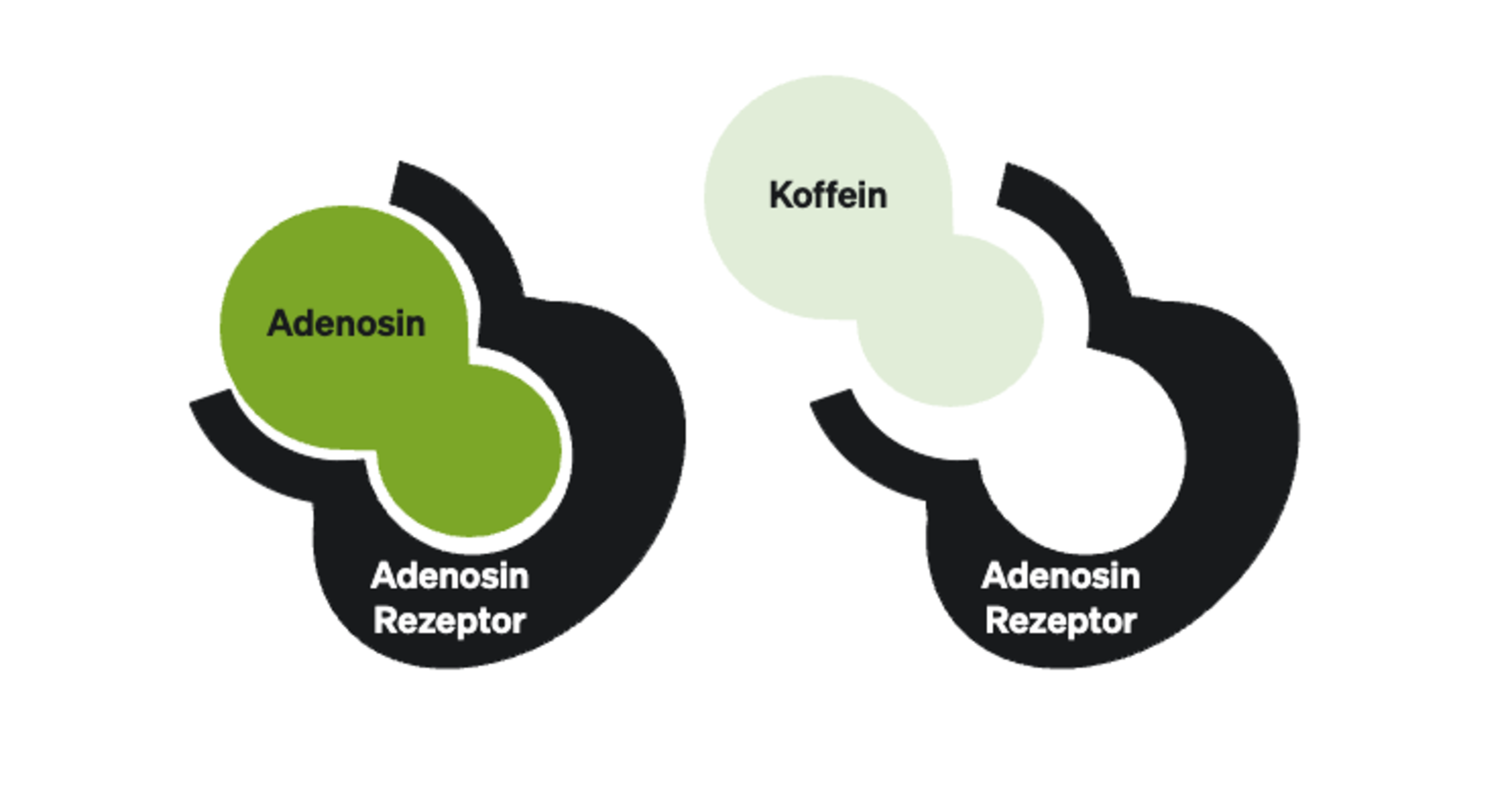
"Caffeine is a well-known stimulant that stimulates the activity of the central nervous system and can thereby delay or reduce fatigue. For most people, consuming caffeinated beverages such as coffee after 2:00 p.m. can potentially impair sleep quality. Caffeine blocks the effects of adenosine, a neurotransmitter that helps us feel sleepy, making it harder to fall asleep and remain in the deep sleep stages."
Dr. Lutz Graumann, expert in regeneration

How long does caffeine affect you before bedtime?
Caffeine is typically metabolized in the body with a half-life of about 5 to 8 hours.
So if you drink a cup of coffee or a strong espresso at 3:00 p.m., half of the caffeine it contains will still be in your system by 11:00 p.m.
The effects of caffeine can vary from person to person, as factors such as metabolism and tolerance can play a role, but in general, the stimulating effect of drinking a cup of coffee lasts for about 4–6 hours.
In comparison, the duration of the effects of tea, which also contains caffeine, can last between 2–4 hours, depending on the variety and preparation. Additionally, studies show that carbonated beverages such as cola can have a similar caffeine content to tea, although the effects may vary due to other ingredients such as sugar and acids.
To understand the effects of caffeine in the body, it is important to know that after consuming coffee or other caffeinated beverages, caffeine is absorbed into the bloodstream via the gastrointestinal tract. Once caffeine enters the bloodstream, it quickly reaches the brain, where it affects the nervous system.
Caffeine blocks adenosine, a natural component of our nervous system, thereby preventing feelings of fatigue and drowsiness. For example, caffeine blocks the production of adenosine in the brain, which normally sends signals of fatigue, and thus increases alertness and attention.
Although caffeine has similar effects on both sexes, studies have found that women may be more sensitive to the stimulating effects of caffeine than men. Blood tests have shown that women have higher blood levels of caffeine than men after consumption, suggesting that their bodies may retain caffeine in the blood for longer.
When should you have your last cup of coffee before bed?
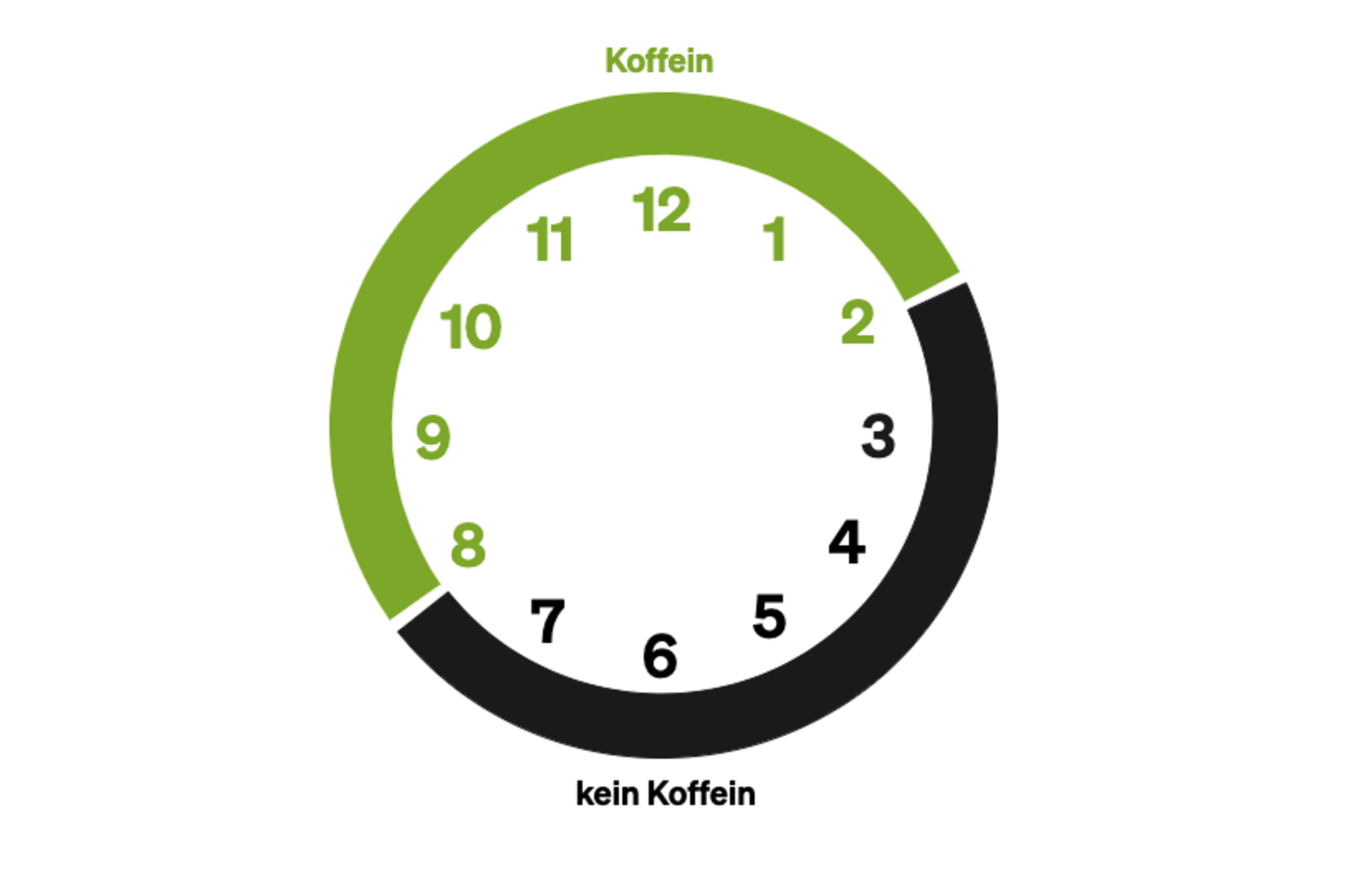
People react differently to caffeine, but we recommend that you set aside a time window each day during which you avoid caffeine—essentially practicing “caffeine intermittent fasting.” As a general guideline, try not to consume any caffeine after 2:00 p.m. If you’re particularly sensitive, you can start your caffeine-interval fasting even earlier or avoid caffeine entirely. Note: Your caffeine-free window shouldn’t be an excuse to down as many cups of coffee as possible during that time. It’s better to set a limit of one to a maximum of two cups of coffee.
Does coffee cause sleep disturbances?
A study published in the Journal of Clinical Sleep Medicine examined groups of participants who consumed caffeine at different times.
- Group: Caffeine immediately before bedtime
- Group: Caffeine 3 hours before bedtime
- Group: Caffeine 6 hours before bedtime
- Placebo control group without caffeine before bedtime
All groups showed measurable sleep disturbances compared to the placebo control group. Even coffee consumed 6 hours before bedtime led to sleep disturbances in the study. Sleep quality was analyzed both objectively (using a sleep tracker) and subjectively (using a sleep diary). Interestingly, the people who drank coffee generally did not note in their sleep diaries that their sleep was worse. The sleep tracker, however, showed a significant decline in sleep quality. If you’re someone who says, “I can drink coffee late at night and still fall asleep just fine,” then be aware that the coffee likely still has a negative effect on the quality of your sleep.
Is drinking coffee before bed unhealthy?
Drinking coffee before bed isn’t particularly good for your body—especially if you drink it regularly.
Coffee impairs sleep quality and delays the release of melatonin, the sleep hormone. This throws the body’s internal clock out of balance. One study showed that drinking a double espresso three hours before bedtime delays the production of melatonin by about 40 minutes.
However, the effects of caffeine on health are still largely controversial and require further research to understand the potential long-term impacts on the body and well-being.
Coffee to Help You Fall Asleep
Not everyone reacts the same way to caffeine. It may sound strange, but there are people who feel tired after drinking a cup of coffee. This phenomenon can also be explained from a neuroscientific perspective. We mentioned earlier that caffeine blocks adenosine receptors. As the effects of caffeine gradually wear off, the accumulated adenosine causes us to feel sleepy. Nevertheless, current research supports the idea that drinking coffee to help you fall asleep isn’t the best idea.
There is one exception, however, when caffeine before bedtime can actually have a positive effect on your rest: namely, if you drink it right before a nap. Have you heard of the so-called “coffee nap”?
The “Coffee Nap”
Adenosine, the molecule that makes you feel sleepy, competes with caffeine for receptor sites. And here’s the trick behind the “coffee nap”: A short power nap naturally breaks down adenosine in the brain. It takes about 20 minutes for caffeine to travel through the gastrointestinal tract and into the bloodstream to reach the receptors in the brain and take effect. So if you drink a cup of coffee and then take a 20-minute nap, you naturally reduce your adenosine levels. The coffee works even more effectively because the caffeine has fewer adenosine molecules to compete with.
It’s important not to take a “coffee nap” for longer than 20 minutes. If the nap is too long, you run the risk of your body falling into deeper stages of sleep. In that case, you’ll feel sluggish afterward.
What is a healthy way to consume coffee?
Coffee isn’t all bad. If you use it strategically, you can boost your metabolism, improve your focus, and—according to research—even enhance your liver function. However, if you consume too much, your body will downregulate the positive effects. To maintain the beneficial effects, it’s recommended to cycle your caffeine intake—that is, to have periods where you don’t consume any caffeine. This ensures that your body doesn’t become dependent on it. We’re sharing two ways you can cycle your coffee consumption.
Caffeine Cycling to Prevent Dependence
- 2 Days of Caffeine, 3 Days Without Caffeine
If you’re healthy and not addicted to caffeine, your body will be caffeine-free after three days. When you start consuming it again, you’ll feel the original effects of caffeine.
- 2 months of caffeine, 1 month without caffeine
This option works best in combination with daily intermittent caffeine fasting, where you consume no more than 1–2 cups of coffee per day. This is important to prevent your body from becoming dependent and to avoid withdrawal symptoms (e.g., headaches) during the first few days without caffeine.
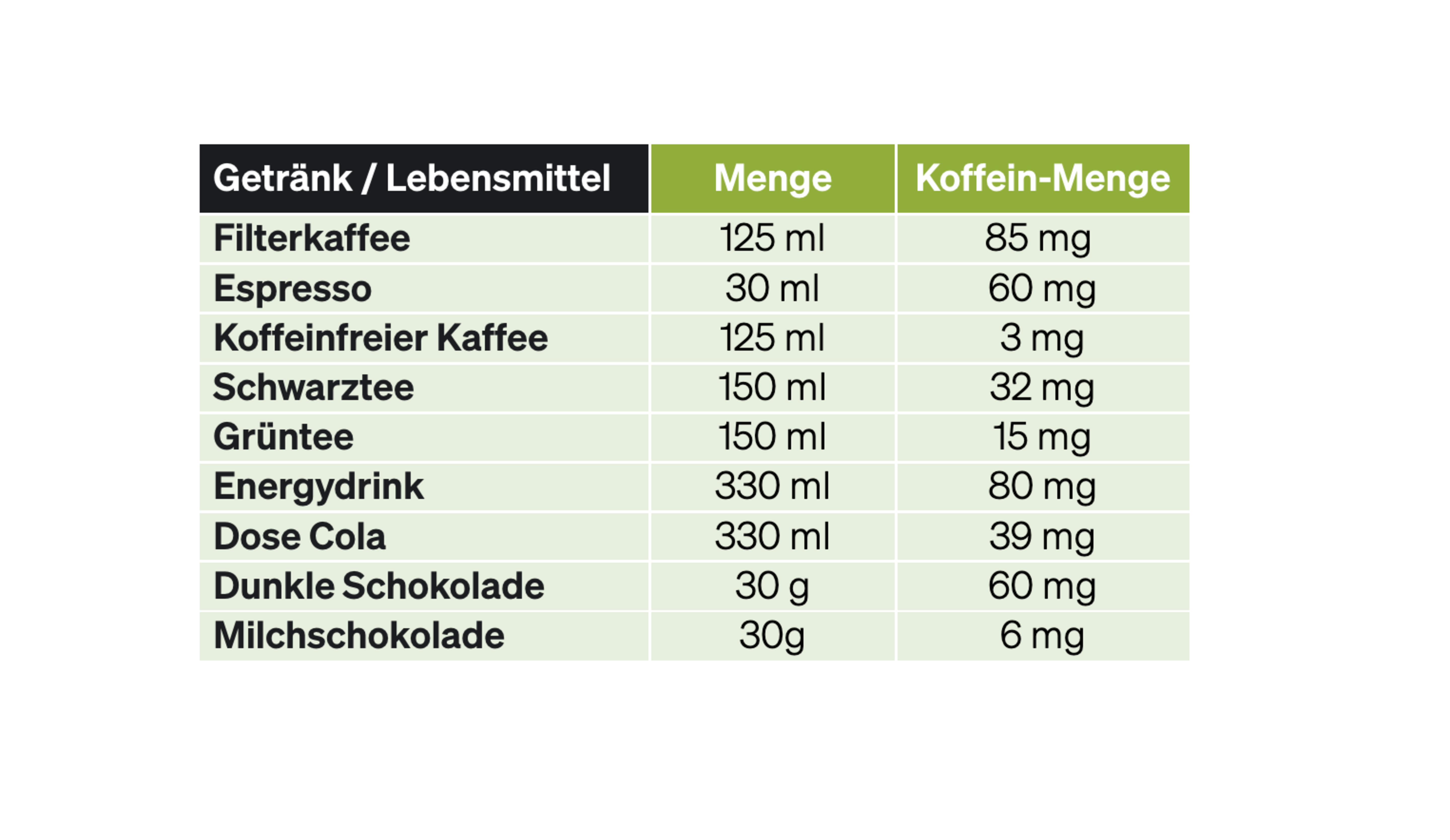
Note: Caffeine isn’t just found in coffee, of course. This overview gives you an idea of how much caffeine is in your favorite drinks and foods. The caffeine amounts are approximate and vary depending on the product, quantity, and preparation method.
Conclusion: Coffee Before Bed
Coffee not only tastes great and keeps you awake, but it can also have positive effects on your health. As with so many things, it’s the dose that makes the poison. If you drink coffee before bed, it can negatively affect your ability to fall asleep and stay asleep. When it comes to sleep, the time of day you consume caffeine plays a particularly important role. If you have trouble sleeping, try to limit your caffeine intake to a specific time window. Develop a mindful approach to this roasted hot beverage if you want to sleep better and have more energy. An ergonomic pillow is another factor that contributes to restful sleep.
Products for Restful Sleep

Recovery Blanket Summer
Available in multiple variants