
Are blue light filter glasses worth it?

In a digital world where we’re constantly surrounded by screens, many people struggle with the effects of blue light. Blue light is emitted by electronic devices such as computers, smartphones, and televisions and can have negative effects on our eyes and our sleep. As a result, blue light glasses have become increasingly popular in recent years. These glasses are specifically designed to filter blue light and thus reduce potential eye strain. However, the question of whether blue light glasses are worth it is a topic of debate and conflicting opinions. In this article, we’ll take a closer look at the pros and cons of blue light glasses and find out whether they’re actually a worthwhile solution for protecting our eyes and improving our sleep quality.
The blue light filter—what is it?
A blue light filter is a special technology or coating designed to reduce the blue light emitted by electronic devices such as screens, LED lamps, and other light sources.
A blue light filter can be implemented in various ways. In screens, for example, it can be achieved through software or special settings that reduce the amount of blue light emitted. In eyeglasses, a blue light filter can be either a coating on the lenses or a special material incorporated into the lens itself. These filters are designed to absorb or reflect blue light, thereby reducing its penetration into our eyes.
The main purpose of a blue light filter is to reduce potential eye strain that can be caused by long-term exposure to blue light. This includes, for example, eye fatigue, dry eyes, sensitivity to glare, and, in the long term, possibly even an increased risk of certain eye diseases. In addition, it is believed that blue light filters can also affect the sleep-wake cycle, as blue light can suppress melatonin levels and thus disrupt sleep.
In glasses with blue light filters, the lenses are coated to protect the eyes from the short-wavelength blue components of the light spectrum. They typically have a five- to seven-percent yellow tint and are available with or without prescription lenses. It is often mistakenly assumed that short-wavelength blue light is present only in artificial light. This is not the case. The largest source of blue light is sunlight.
It is important to note that the effectiveness of blue light filters is still the subject of debate and scientific research. Individual results may vary, and not everyone experiences the same benefits or notices a significant improvement when wearing blue light filter glasses or using blue light filter settings.
02 Are Blue Light Filter Glasses Worth It?
Many people wonder whether blue light glasses are worth it. To answer these questions, several factors should be considered:
Reducing Eye Strain
One of the main reasons people use blue light glasses is to reduce eye strain. Staring at screens for long periods can lead to symptoms such as eye fatigue, dry eyes, blurred vision, and headaches. Blue light glasses are designed to filter out blue light and thus reduce these symptoms. Many users report reduced eye strain and a more comfortable screen experience when wearing blue light glasses.

Improved Sleep
Blue light, especially in the evening hours, can affect the natural sleep-wake cycle. It inhibits the production of the sleep hormone melatonin and can thus lead to sleep disturbances. Wearing blue light blocking glasses before bedtime can help reduce blue light exposure and regulate melatonin levels. This supports the natural sleep cycle and promotes better sleep quality. People who have difficulty falling asleep at night or experience disrupted sleep may benefit from blue light blocking glasses.
Individual Sensitivity
Not everyone reacts to blue light to the same degree. Some people may be more sensitive and experience more severe symptoms, such as eye strain or migraines. For these individuals, blue light glasses can be particularly helpful in alleviating their symptoms and improving their overall well-being.
Occupational Requirements
In certain professions—such as office workers, graphic designers, programmers, or gamers—the nature of the work requires extended screen time. These individuals are exposed to increased levels of blue light. Blue light glasses can help relieve eye strain and reduce fatigue while working.

If you experience any discomfort or have concerns—or if you wear contact lenses—it’s advisable to consult an ophthalmologist or optician to find an appropriate solution. Blue light filter glasses are also available as progressive lenses.
There are various types of blue light-filtering glasses with different tints on the market. The different tints make a significant difference. Most blue light-filtering glasses filter only a certain spectrum, while others filter as much as 99% of blue light. Quality and effectiveness can vary, so it’s important to choose high-quality products from trusted manufacturers. Trying them on at a specialty store near you, where you can get personalized advice, is preferable to ordering online.
In summary, blue light glasses can be beneficial for people who spend a lot of time in front of screens or suffer from symptoms such as eye strain and sleep disturbances. They can help reduce eye strain and support the natural sleep-wake cycle. However, it’s important to consider individual needs, sensitivities, and experiences, and to try out different options if necessary to determine whether blue light glasses offer the desired benefits.

Disadvantages of Blue Light Filter Glasses
Although blue light filter glasses can offer certain benefits, there are also potential drawbacks that should be considered:
- Color distortion: Some blue light filter glasses can alter color perception. Since they filter out or reduce blue light, they can slightly alter the color spectrum. This can be particularly problematic for tasks that require accurate color perception, such as graphic design or photo editing.
- Reduced brightness: Blue light filter glasses can reduce the brightness of the screen or the surrounding environment. This can make the image appear darker, especially in low-light environments. It’s important to note that excessive brightness reduction can impair the readability of text or the visibility of details.
- Adjustment Period: Some people may need some time to get used to wearing blue light filter glasses. At first, wearing the glasses may feel unfamiliar and affect the visual experience. Some people find the glasses uncomfortable or distracting, especially if they already wear regular eyewear.
- Unproven Effectiveness: Scientific evidence regarding the effectiveness of blue light-filtering glasses is limited and inconclusive. Although many users report positive experiences, there are also studies that have found no significant benefits. It is important to note that individual differences in sensitivity to blue light and subjective perception may play a role.
It is important to weigh the potential drawbacks of blue light filter glasses and to consider individual needs and preferences. Consulting an ophthalmologist or optician can help you evaluate the pros and cons and make the best decision.
Blue light-filtering glasses during the day
Blue light filter glasses should be worn in the evening hours after sunset. If you want to wear blue light filter glasses during the day, you should choose a pair with very lightly tinted lenses, because blue light is completely normal during the day and helps increase your dopamine, serotonin, and cortisol levels. This is important for your overall well-being. What is unusual, however, is the sheer number of new light sources that very often contain an extremely high proportion of blue light. These include smartphones, laptops, computer screens, televisions, and office lighting.
This can be very straining on your eyes, even during the day. That’s why there are work glasses or computer glasses. These have clear lenses and are designed to filter out only the peak values of the blue light spectrum. Such glasses make sense if you have to work at a screen a lot. When you’re not sitting in front of a screen, it’s best not to wear glasses at all during the day so you can get as much natural light as possible.
Should you wear blue light-filtering glasses outdoors?
No, if you’re outside in natural sunlight, you shouldn’t wear blue light-filtering glasses. To protect yourself from sunlight outdoors, you should wear sunglasses with UV protection. The same applies indoors, in areas without artificial lighting. For example, if you’re sitting by a window at home reading a book—not on a tablet or smartphone—then you shouldn’t wear glasses. The sun’s natural blue light is normal and good for you; you shouldn’t filter it out unnecessarily.
Our sleep-wake cycle and our internal clock are significantly influenced by natural sunlight during the day. That’s why it’s important for us to get as much natural light as possible. So when you go outside during the day, you shouldn’t wear blue light filter glasses, because otherwise you’ll prevent the sun’s natural frequencies from reaching your eyes. This disrupts your circadian rhythm and can also affect your melatonin levels. Blue light filter glasses are designed to filter out blue light from your surroundings in the evening. In the past, after sunset, people had at most the light from a campfire or candles. The light spectra we’re exposed to today from all our devices and screens aren’t natural and make our bodies feel like it’s still daytime. With blue light-filtering glasses, we can completely filter out these spectra and thus prepare our bodies for sleep.

Blue Light Filter Glasses Study
There is some variation in the studies on blue light filter glasses. Although some studies show positive results regarding the effectiveness of blue light filter glasses, there are also studies that found no significant benefits or only limited effects. It is important to take these differences into account and understand the possible reasons for them. For example, a 2017 study found no difference in sleep quality.
Another study, however, showed that wearing blue light filter glasses can indeed have significant and positive effects on sleep and work performance.
Reasons for possible differences among the studies include:
- Study design and methodology: Differences in study designs, participant groups, and measurement methods can lead to varying results. Some studies may use a small sample size or a short duration, which can affect the validity of the results. Differences in the measurement tools used to assess the effects of blue light filter glasses can also lead to varying results.
- Heterogeneity of participants: Differences in the individual characteristics of participants—such as age, eye health, sensitivity to blue light, and screen time—can influence the results. People react differently to blue light and may therefore also respond differently to blue light filter glasses.
- Different types of blue light filters: There are various types of blue light filters on the market, which may feature different filtering technologies and properties. The quality and effectiveness of blue light filters can vary, which may lead to differing results in studies. Some studies may also compare different types of blue light filters, which can result in differing conclusions.
- Subjective perception: The effects of blue light filter glasses can be subjective and perceived differently from person to person. Some people may notice a significant improvement in their symptoms and well-being, while others may not notice any noticeable changes.
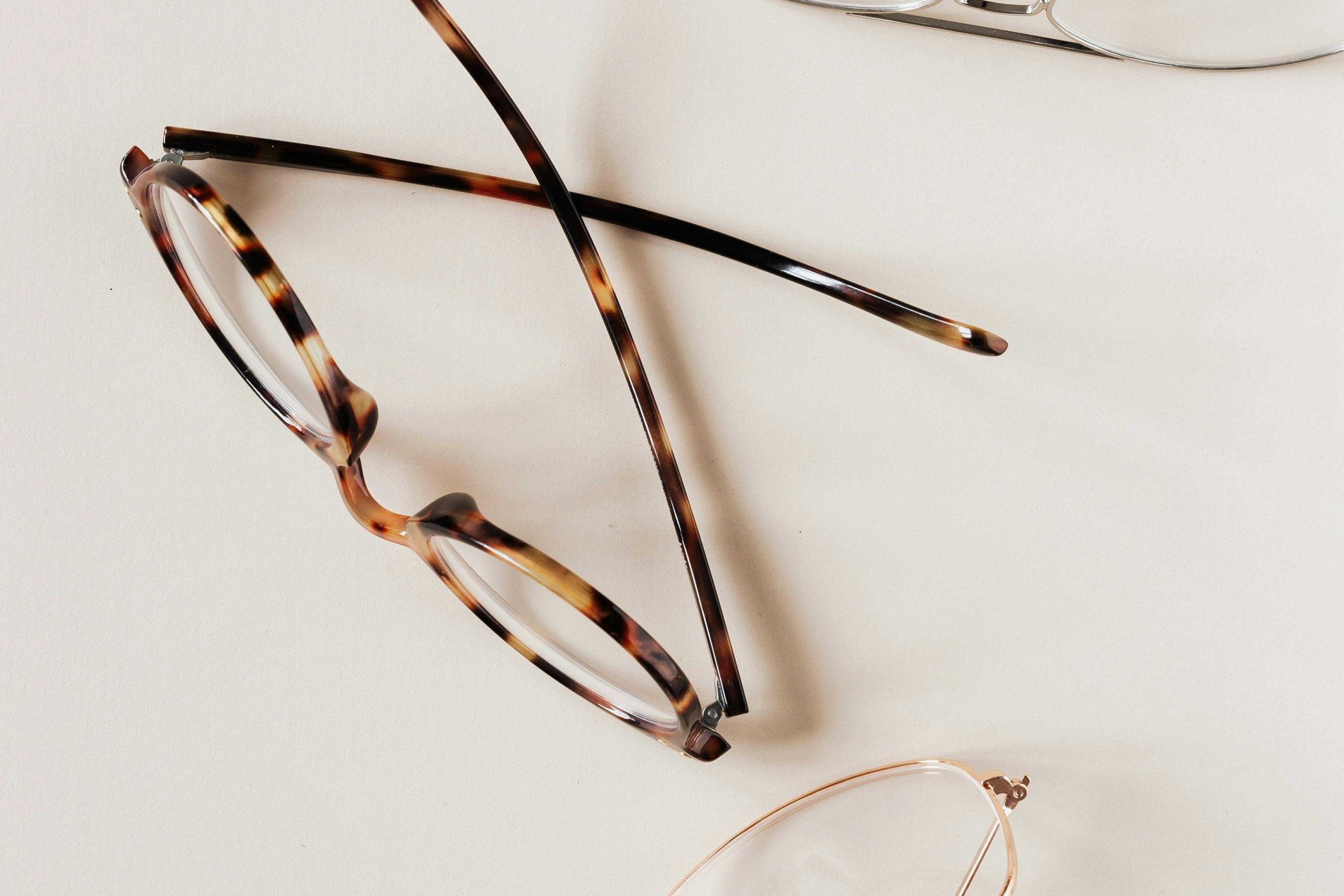
Blue Light Filter Screen Glasses
Are blue light filter glasses and screen glasses the same thing? No—blue light filter glasses and screen glasses are two different types of glasses that, however, serve similar functions. Here are the differences between the two:
- Blue light filter glasses: Blue light filter glasses are designed to filter out the excessive blue light emitted by digital screens, as well as other light sources such as LED lamps and sunlight. The blue filter in this type of glasses blocks some of the blue light, thereby reducing eye strain, especially during prolonged screen use. Blue light-filtering glasses are available both as regular glasses with special blue-light-filtering lenses and as specialized computer glasses with a blue light-filtering option.
- Computer glasses: Computer glasses, also known as screen glasses or workstation glasses, are specifically designed for working at computer screens. They provide optimized visual performance at a distance of about 50–70 cm, which is typical for viewing computer screens. These glasses usually feature special lens coatings that account for the so-called “screen working distance” and reduce eye strain by providing a clear and relaxed view. Computer glasses may also include special coatings such as anti-reflective and scratch-resistant treatments.
The main difference between blue light filter glasses and computer glasses lies in their functionality. While blue light filter glasses focus on protection against blue light, computer glasses focus on optimizing visual performance and the visual experience when working at computer screens. However, these two concepts can also be combined by equipping computer glasses with a built-in blue light filter or blue light filter lenses to provide both visual comfort and protection from blue light. For this, it’s best to consult an optician.

Screen glasses are a good idea
In many cases, computer glasses can be very useful. For example, if your job requires you to sit in front of a computer all day, computer glasses are a very useful accessory for you.
Wondering why? Here are a few reasons:
- Reduced eye strain: Staring at a screen for long periods of time can lead to symptoms such as eye fatigue, dry eyes, blurred vision, and headaches. Computer glasses with special lens coatings can help reduce eye strain by filtering light and reducing glare. This can lead to a more comfortable viewing experience and alleviate the symptoms of eye strain.
- Improved visual performance: Computer glasses are specifically designed to optimize visual performance when working at screens. The lenses in computer glasses are designed to account for the optimal distance from the screen and enable clear, relaxed vision. This can help make text and images on the screen appear sharper and with greater contrast.
- Blue light filter option: Many computer glasses also offer a blue light filter option. Blue light emitted by screens can disrupt the natural sleep-wake cycle and lead to sleep disturbances. A blue light filter in screen glasses can help reduce the amount of blue light your eyes are exposed to, especially before bedtime. This can contribute to better sleep quality.
- Customization and Comfort: Screen glasses can be customized to meet specific vision needs. An optician can adjust the lenses according to the wearer’s prescription and individual requirements. This ensures an optimal visual experience and improved comfort while using screens.