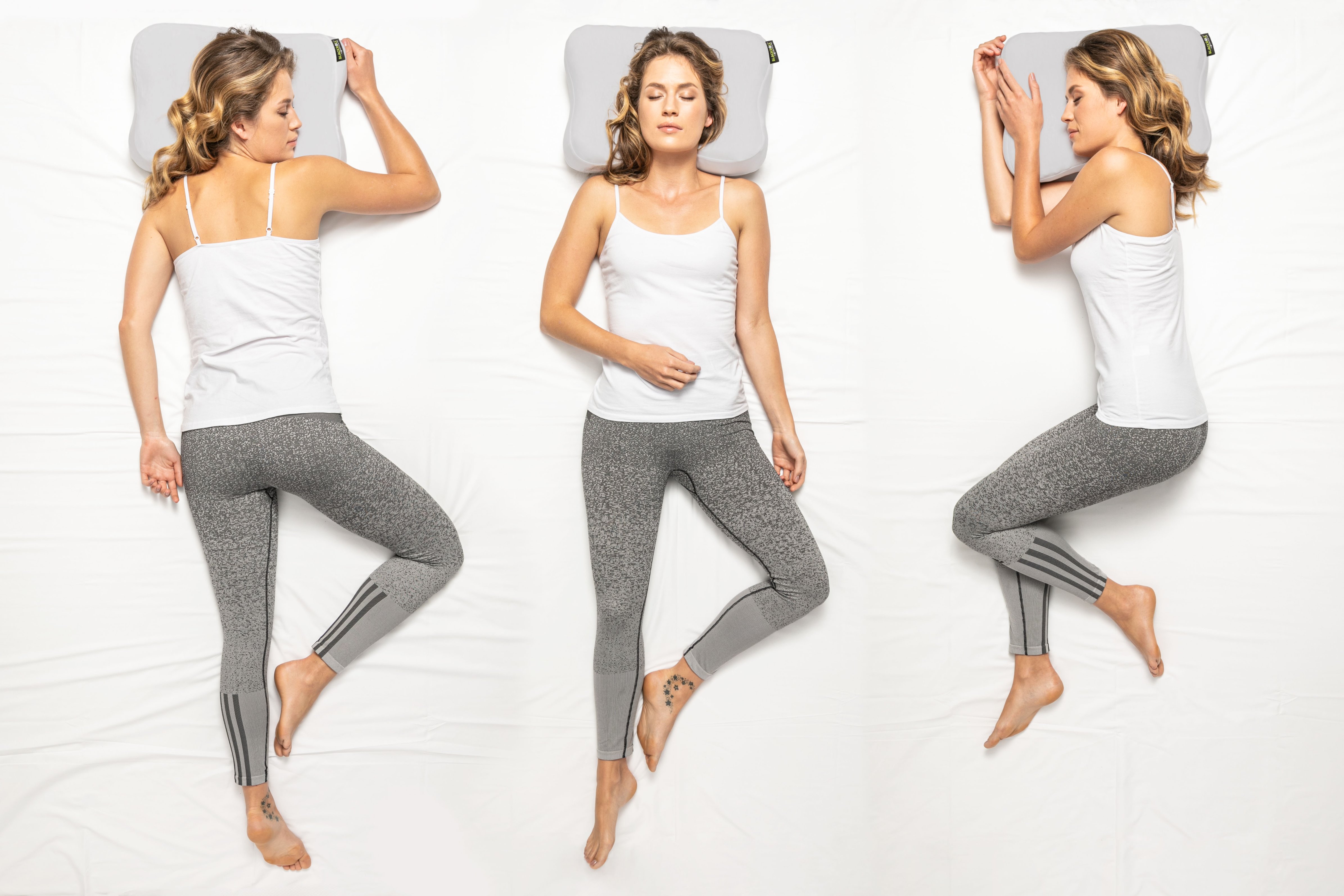
Sleeping Right: What Is the Best Sleeping Position?

Sleeping Position—Which One Is Best for Your Back?
- Your sleeping position significantly affects how well you rest and can prevent neck and back pain—or, if your position is poor, make it worse.
- Back sleepers benefit from even pressure distribution—a pillow with a flat neck support is ideal here.
- Side sleepers should make sure their head is positioned so that the spine remains straight.
- Sleeping on your stomach is considered unfavorable, as it can lead to twisting of the cervical spine. Nevertheless, some people do sleep on their stomachs—and that’s exactly when a suitable pillow is especially important.
Recommendation: The BLACKROLL® RECOVERY PILLOW —an ergonomic pillow that supports your spine in any sleeping position. Thanks to its unique shape, it’s suitable for every sleeping position.
Learn more about the pros and cons of your sleeping position
“As you make your bed, so you must lie in it”—this old saying aptly describes just how much our sleeping position affects the quality of our sleep. Only by lying in an ergonomic and relaxed position can you truly recharge while sleeping and go about your daily life feeling energized.
When people have trouble sleeping, their first thought is often a new mattress or a different bed. Yet your sleeping position is one of the most important factors for healthy sleep, rested muscles, and a relaxed spine. Scientific studies show that the right sleeping position can reduce back pain, improve breathing, and even support digestion[1].
In this article, you’ll learn how to find your best sleeping position, what distinguishes each sleeping position, and how you can optimize your sleeping habits step by step.
At the end of the article, you’ll find practical tips to help you establish a healthy sleeping position and improve your sleep quality in the long term.

Sleep better, live healthier—with our sleep course. Up to 100% refund + a free Recovery Pillow.
Discover the online sleep course nowWhat Research Says About Sleep Positions
Scientific studies clearly show that sleep position has a measurable impact on sleep quality, breathing, and spinal strain. In a study using motion sensors, participants slept on their sides for an average of about 54% of the night, on their backs for 37%, and on their stomachs for only 7%[1]. This makes the side position the most common—and one of the healthiest—sleep positions worldwide.
Research also shows that while sleeping on one’s back distributes pressure evenly across the spine, it can exacerbate snoring and symptoms of sleep apnea[2]. Sleeping on one’s stomach, on the other hand, is considered biomechanically unfavorable, as it promotes hyperextension of the cervical spine and increased muscle tension in the neck[3].
Several studies also show that sleep position significantly influences perceived sleep quality: People with back or neck pain report poorer sleep and more frequent interruptions when sleeping in an unfavorable position[4]. When sleeping on their left side, some people also benefit from improved digestion and a lower risk of acid reflux.
In summary, the scientific evidence clearly supports choosing the side-sleeping position as the preferred sleeping position—supplemented by ergonomic support from pillows and point-elastic mattresses to stabilize the body in its natural posture.
Which side is the right sleeping position for you? Take the quiz!
Which sleeping position is best?
There are basically three sleeping positions: on your side, on your stomach, and on your back. Each of these sleeping positions has specific advantages and disadvantages for the spine, muscles, and breathing.
In an ergonomically correct sleeping position, the spine follows its natural S-shape and rests evenly on the mattress. The hip, shoulder, and ankle joints should be relaxed and not twisted so that muscles and fascia can regenerate during the night.
Poor posture in daily life, prolonged sitting, or high physical strain often lead to tension and pain. The neck, in particular, is sensitive to unfavorable sleeping positions—with symptoms such as a burning sensation, pressure pain, stiffness, or tension headaches.
People with functional issues such as piriformis syndrome or sacroiliac joint (SI) dysfunction should pay special attention to maintaining a relaxed sleeping position to avoid improper strain and promote nighttime recovery.
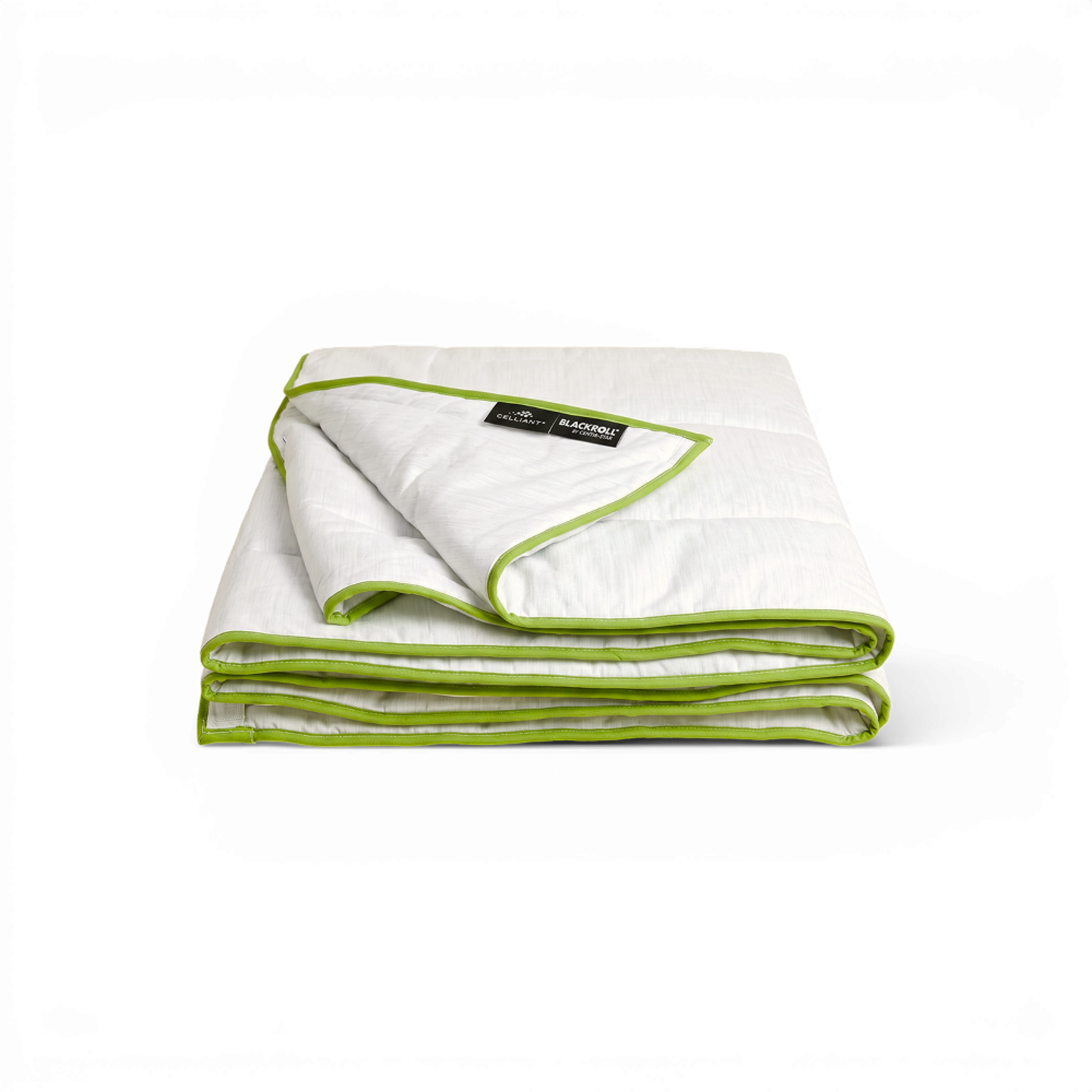
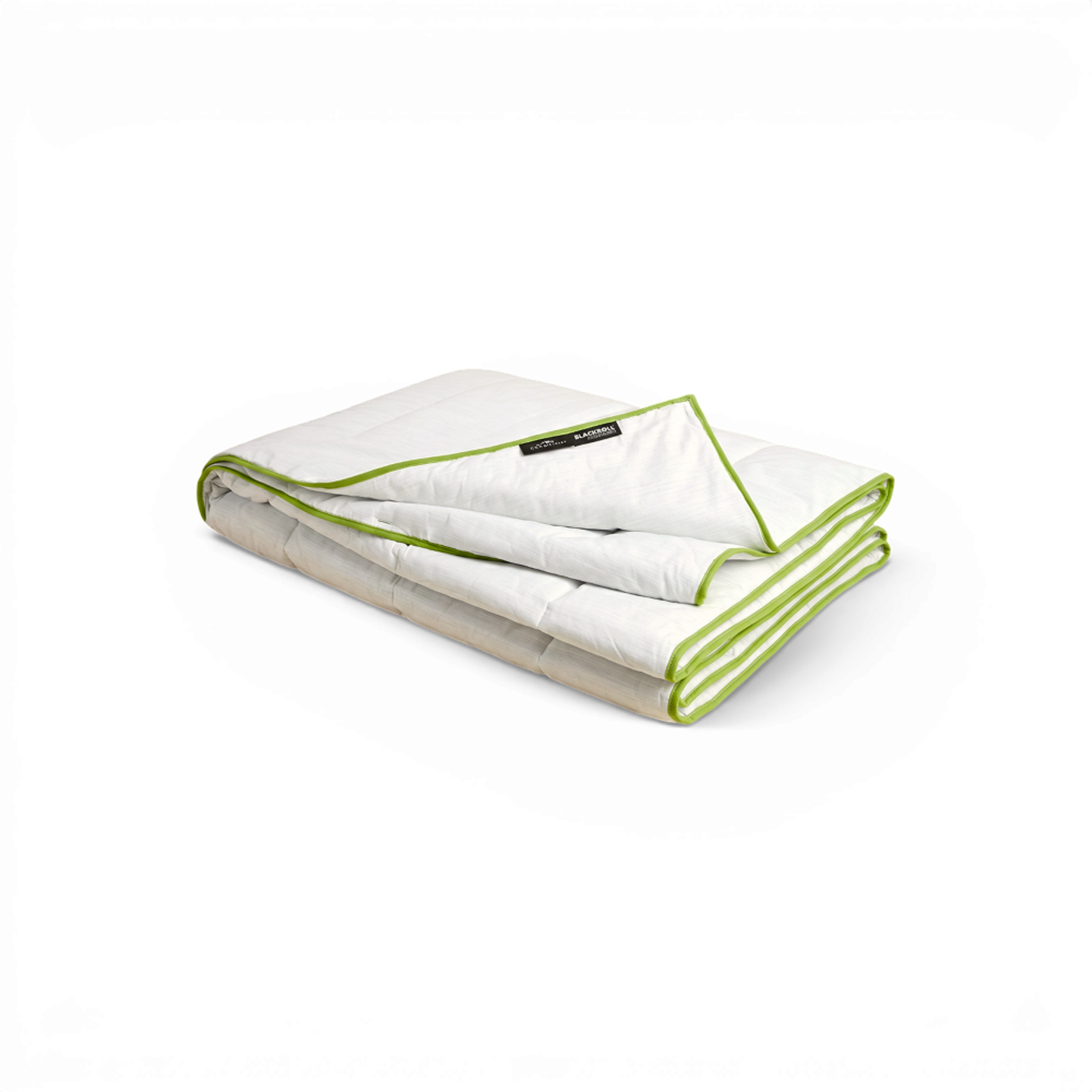
Recovery Blanket All Year
Available in multiple variants
Why the Right Sleeping Position Is So Important
An incorrect sleeping position can have far-reaching effects on your well-being. If your body is in an unfavorable position for extended periods, your muscles become overloaded, blood circulation is restricted, and recovery is hindered. This can lead to reduced sleep quality, chronic fatigue, and an imbalance in your energy levels—with consequences for concentration, performance, and overall health[2].
Many people respond by testing different types of pillows —such as an ergonomic pillow —or trying out different sleeping positions. But the key is to consciously analyze your own sleeping posture. Do you curl up like a fetus, or do you prefer to sleep stretched out on your back?
While sleeping on your stomach may seem comfortable, it is not always recommended from an orthopedic standpoint. Below, we’ll introduce you to the different sleeping positions —along with their respective pros and cons. This will help you figure out which position is best for you personally so you can wake up feeling refreshed and full of energy.
Sleeping on your side—Germans’ favorite sleeping position
About 80% of Germans sleep on their side —and for good reason. Sleeping on your side is considered one of the best sleeping positions because it relieves pressure on the spine and supports the body’s natural posture. With a suitable pillow and a mattress of the right firmness, the body can adjust and relax optimally.
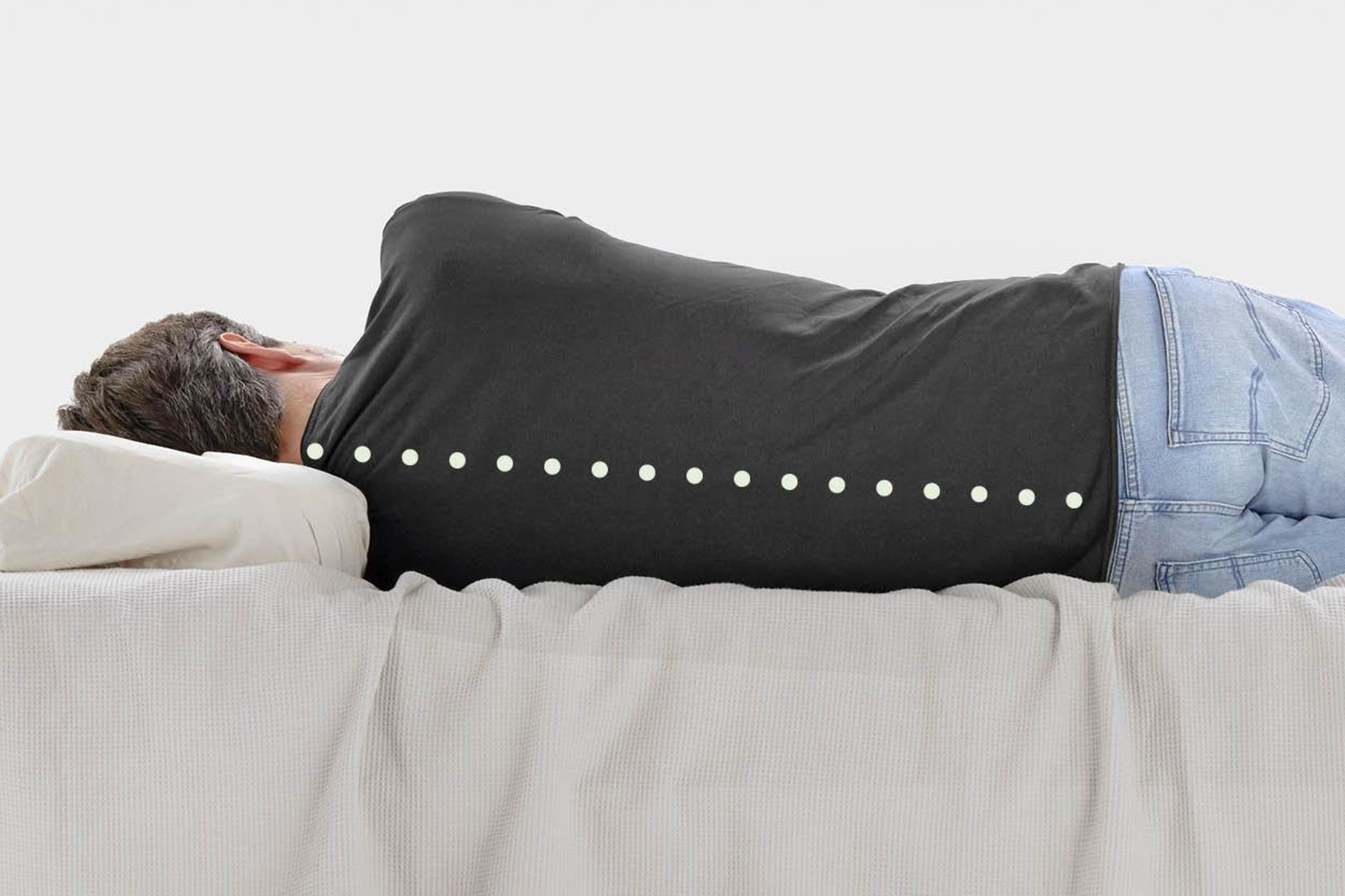
People with back problems in particular benefit from the side-sleeping position, as it allows for even pressure distribution and keeps the spine in its natural S-shape. Like an embryo in the womb, the body curls up slightly—a posture that is both soothing and ergonomically beneficial.
However, pay attention to the position of your cervical spine: If the angle of flexion between your head and neck is too great, it can lead to tension in the neck, jaw, or head area. An ergonomic pillow helps keep your neck in a straight line with your spine, thereby preventing discomfort. Listen to your body—it usually intuitively tells you when you’re lying correctly.
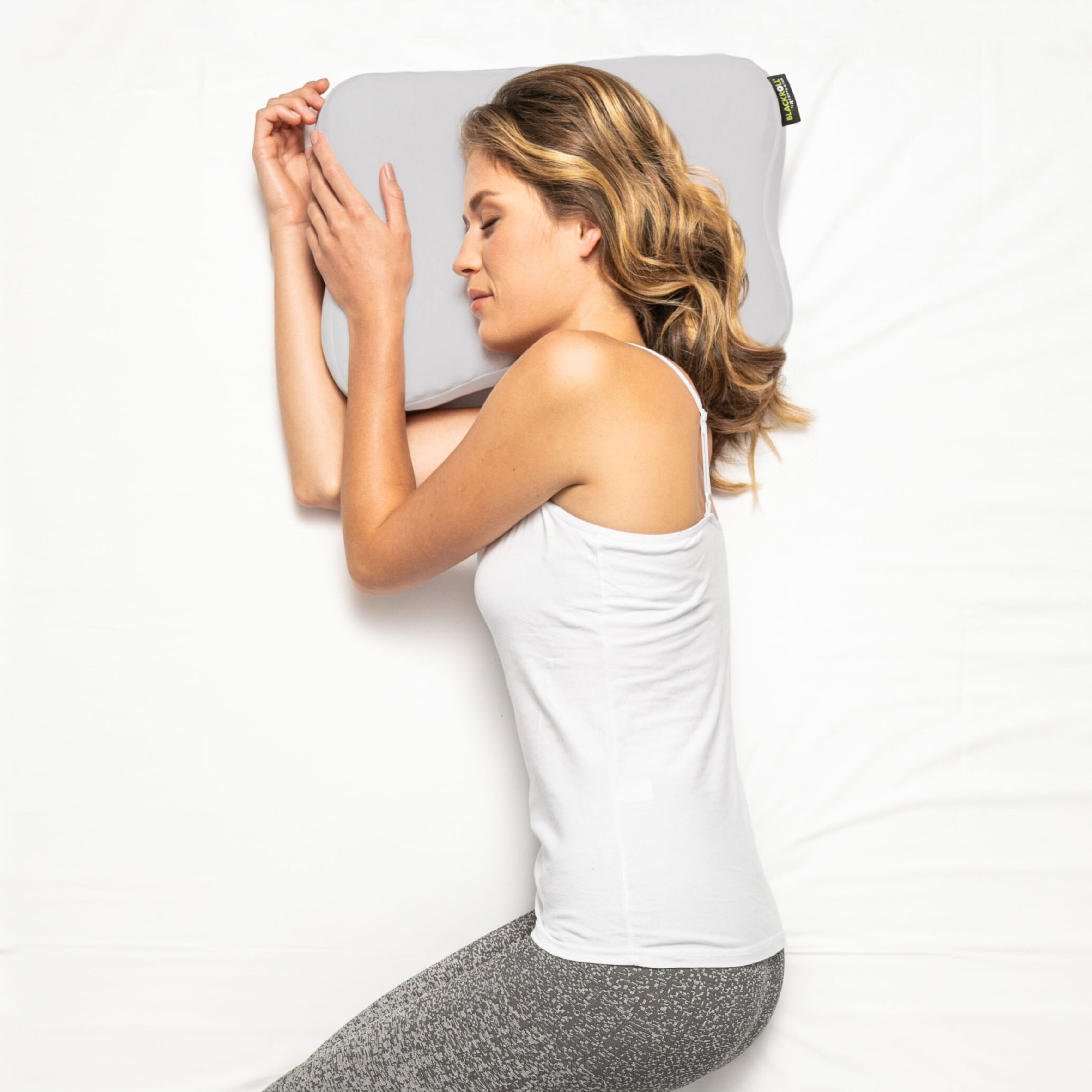

Discover our bedding for a better sleeping position
Sleep ProductsWhy Women Prefer to Sleep on Their Side
Many women prefer sleeping on their side because it relieves pressure on the spine and supports circulation—especially during pregnancy. The additional weight changes body posture, increases pressure on the lumbar spine, and often leads to swollen legs or ankles. An ergonomically adapted sleeping position can improve venous return and reduce fluid retention. A side-sleeper pillow helps stabilize the hips and knees and keep the spine straight.
Even during your period, sleeping on your side with your legs slightly bent—similar to the fetal position—can be helpful. It reduces pressure on the abdominal muscles, relaxes the lower back, and makes it easier to fall asleep if you’re experiencing cramps or tension. Placing a small pillow between your knees further relieves pressure on the musculoskeletal system and can help ease discomfort.
Tip: If you normally sleep on your stomach or back, make a conscious effort to try sleeping on your side during this time. Even small adjustments can noticeably improve sleep quality and promote greater relaxation—especially when your body is under increased strain.
Reasons for a healthy and proper sleeping position
Why Sleeping on Your Left Side Is Especially Healthy
A good mattress and the right pillow allow your body to sink in gently, so that your shoulders and arms can rest comfortably. From an anatomical perspective, sleeping on your left side offers several advantages over sleeping on your right side for circulation and digestion.
In the left-side sleeping position, the stomach does not press on the pancreas, which aids digestion. People who are prone to heartburn or acid reflux benefit from this in particular: the slightly downward-sloping position makes it harder for stomach acid to rise into the esophagus[3].
In addition, this position reduces pressure on the vena cava —the main vein that carries blood back to the heart. This can have a positive effect on blood pressure and overall cardiovascular function. Make sure your pillow supports your head so that your spine forms a straight line.
If you follow these recommendations for your optimal sleeping position, you’ll not only promote better recovery but also calmer breathing. Fresh air in the bedroom and sufficient oxygen also contribute to restful sleep.
Relieve Back Pain with the Right Sleeping Position
When it comes to back pain, theory and practice often differ greatly. Ideally, your body should adopt a posture while lying down that’s similar to when you’re standing upright: the spine in its natural S-shape, with legs and arms relaxed and free of twisting. A point-elastic mattress supports this body alignment by yielding where pressure builds up—such as at the shoulders and hips.
External factors such as room temperature also influence muscle tone: if it’s below 16 °C, muscles tend to contract, which promotes tension. A hot water bottle can help relieve localized pain during acute episodes. In addition, calm, mindful breathing and releasing tension in the painful area promote relaxation.
Lying on Your Back—The Best Sleeping Position for Back Pain
If you’re already experiencing back pain, sleeping on your back can be a good option. It distributes body weight evenly and reduces pressure points on the spine, hips, and shoulders. Placing a pillow under your lower back or under your knees can support the spine’s natural curve and thus provide additional relief[4].
If, on the other hand, you prefer to sleep on your side, you don’t necessarily have to change your sleeping position. It’s important to fill any gaps between your waist and the mattress with a small pillow or towel to prevent misalignment.
Side-Sleeper Pillows for a Healthy Spine
If you tend to twist frequently during the night, a side-sleeper pillow can serve as a “twist stopper.” It stabilizes the body’s axis and prevents improper strain on the spine. Especially in cases of herniated discs or scoliosis, this position can reduce pressure on sensitive areas. Even when you’re on the go—such as while traveling—you can quickly find relief with a rolled-up towel.
Sleeping on Your Back for Shoulder Pain and to Ease Breathing
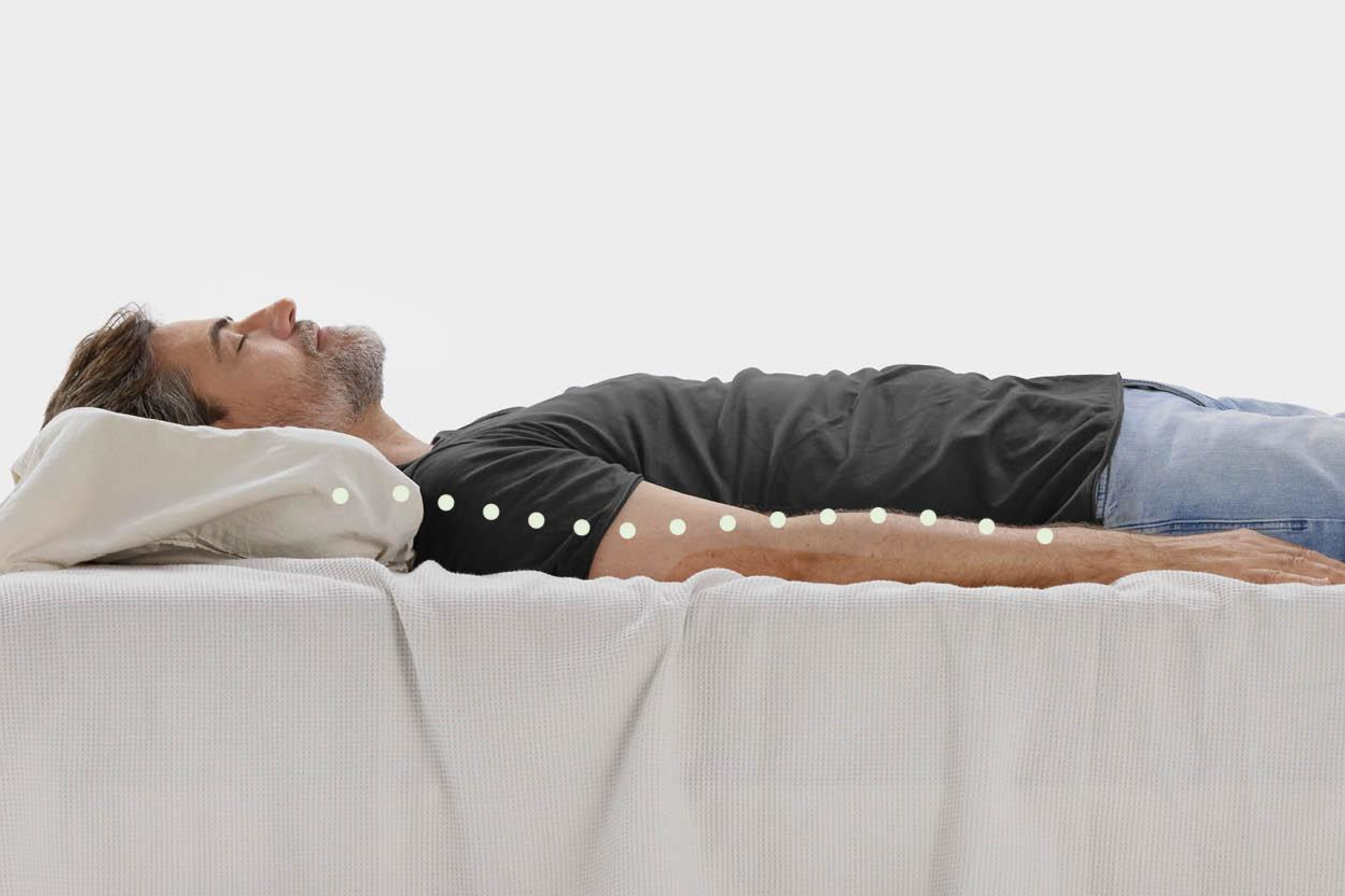
The supine position —often referred to as the “starfish position”—distributes body weight evenly across the mattress. This relieves pressure on the shoulders and neck. At the same time, it allows for optimal breathing during sleep, as there is no pressure on the chest or diaphragm.
People with tight hamstrings benefit from this position in particular, as it gently stretches the core muscles. However, those prone to snoring should exercise caution: when lying on your back, the tongue may fall back, causing narrowing of the upper airways.
A flatter or ergonomically shaped neck support pillow can help by relieving pressure on the larynx and improving airflow. This allows you to specifically optimize your sleeping position on your back—and often reduce snoring as well.
Sleeping on Your Stomach—Why This Sleeping Position Is Problematic
Many people wonder: Which side should I actually sleep on? One thing is certain: from an orthopedic standpoint, sleeping on your stomach is the least favorable sleeping position. In this position, the cervical spine is severely hyperextended and twisted to the side, which can lead to chronic neck tension and pressure on the shoulder area. The deeper muscles in the neck, in particular, are sensitive to this poor posture.
In addition, sleeping on your stomach can put slight pressure on the lungs and internal organs, making breathing more difficult and reducing oxygen intake. Anyone who regularly wakes up with a stiff neck, headaches, or shoulder pain should therefore try to gradually switch to a different sleeping position—preferably on your side or back.
Although sleeping on one’s stomach may be helpful in isolated cases of position-dependent sleep apnea or mild snoring, the long-term disadvantages for the spine outweigh the benefits.
Important note: Babies should never be placed on their stomachs to sleep, as this is considered a risk factor for sudden infant death syndrome (SIDS). Infants should always sleep on their backs[5].
Natural Changes in Sleep Position—Your Body Finds Its Balance
Everyone changes their sleeping position several times a night. These movements are a natural part of the sleep process and help improve blood circulation and relieve pressure points. There is therefore no universal “right” or “wrong.” During light sleep phases, we toss and turn more frequently; during deep sleep, the body usually remains still.
If you suffer from pain or snoring, spontaneously changing positions can help reduce pressure and make breathing easier. If, on the other hand, you have no symptoms, you can follow your intuition: The most comfortable position is often also the healthiest.
Observe your own sleep patterns: Many people consciously fall asleep in one position and wake up in another. These changes can provide insight into muscular imbalances or stress. Restless sleep with frequent position changes or twitching often indicates overload, worries, or a disrupted day-night rhythm.
Typical sleep disorders include: nightmares, sleepwalking, sleep apnea, restless legs syndrome, bruxism (teeth grinding), nighttime twitching, or prolonged daytime sleepiness due to exhaustion. If such symptoms occur regularly, a sleep medicine evaluation is advisable.
Your sleep remains the most important resource for physical and mental recovery. A stable sleeping position, sufficient oxygen, and a quiet environment are the foundation for waking up in the morning feeling rested, focused, and full of energy.

Which side should I sleep on now?
Tips for Finding Your Best Sleeping Position and a Healthy Bedtime Routine
Finding the right sleeping position depends on your individual circumstances, your mobility, and your overall health. If you have no physical complaints, feel free to experiment to find the position that helps you fall asleep most easily and leaves you feeling refreshed the next morning. Your well-being is the top priority.
To get good sleep in the long term, healthy sleep hygiene is crucial. It includes not only your mattress and pillow but also regular bedtimes, fresh air in the bedroom, and a ritual that signals to your body and mind: “It’s time to rest.” A quick stretch, a breathing exercise, or consciously adjusting your sleeping position can help you release tension and wind down more quickly.
Stress or back pain can also interfere with your sleep. If you regularly have trouble falling asleep, it’s worth examining potential causes such as physical tension or too much screen time before bed.
Digital stress is one of the most common factors that disrupt restful sleep. The bright, blue light from smartphones inhibits the production of the sleep hormone melatonin and keeps the brain in active mode. Therefore, turn off electronic devices at least 60 minutes before bedtime. This allows your brain to process the day’s experiences and switch to relaxation mode.
Dim the lights in your bedroom, ensure a comfortable temperature, and let in some fresh air—these simple routines support the natural transition into the best sleeping position and promote your nighttime recovery.
Sleep Hygiene and Environment—The Finishing Touch for Your Best Sleep Position
Air out your bedroom regularly, take a warm shower, and make your bed so that you feel comfortable right away. Arrange your pillows to provide optimal support for your preferred sleeping position, and fluff up your comforter. Even small routines can make it easier to fall asleep.
If you’re already feeling a pleasant heaviness in your body or yawning, that’s a sign that your body is shifting into rest mode—the perfect moment to slip into bed and settle into your best sleeping position.
Also pay attention to the quality of your sleep environment: Check regularly to see if your pillows and mattress still provide the right support. Old products lose their ergonomic properties and can contribute to muscle tension. High-quality, allergy-friendly materials, on the other hand, promote healthy sleep and better recovery.
Equally important are factors such as room climate, oxygen levels in the air, noise levels, and light exposure. A quiet, well-ventilated environment helps your body maintain a stable sleep cycle and regenerate deeply.
When you harmonize your sleeping position, your environment, and your bedtime rituals, nothing stands in the way of restful sleep. Sleep well and start tomorrow full of energy!
FAQ: Common Questions About the Best Sleeping Position
Studies show that sleeping on your left side can relieve strain on the cardiovascular system, because it reduces pressure on the vena cava and facilitates blood flow to the heart. People with heart failure benefit particularly from sleeping on their left side.
The most natural position is to let your arms rest loosely at your sides. When sleeping on your side, it helps to hug a pillow —this stabilizes your shoulder and spine. Avoid keeping your arms under your head or under the pillow for extended periods, as this can impair nerve function and blood circulation.
The most restorative sleep occurs when there are sufficient periods of deep sleep and REM sleep. A regular sleep duration of 7–9 hours for adults is considered optimal. Quality is more important than the time of day—a consistent sleep schedule is key.
<p>
According to the <strong>National Sleep Foundation</strong>, sleep needs vary:
Infants 12–15 h, toddlers 11–14 h, school-age children 9–11 h,
adolescents 8–10 hours, adults 7–9 hours, and seniors about 7–8 hours per night.
</p>
In adults, deep sleep usually accounts for between 15% and 25% of total sleep time. Only 30 minutes is too little and may indicate stress, pain, or sleep disorders. Establishing a consistent bedtime, reducing screen time, and getting regular exercise can help.
Yes— sleeping on your back can relieve pressure on the spine and joints, since body weight is distributed evenly. However, people who are prone to snoring or acid reflux should opt for a slightly elevated position or sleep on their side.
Sleeping on your side with an ergonomic neck pillow is ideal for stabilizing the cervical spine. Important: The pillow should be high enough so that your head and spine form a straight line. A good sleeping environment (quiet, cool, dark) also promotes muscle relaxation.
Studies show that going to bed between 10 and 11 p.m. is optimal for the circadian rhythm. It’s important to take your own chronotype into account—“larks” sleep earlier, “owls” later. Consistency is key.
A point-elastic bed system with an adaptive mattress and an ergonomic slatted frame provides optimal support for the spine and shoulders. The right bed height (about 45–55 cm) makes it easier to get out of bed. Make sure the room is quiet and has good air circulation.
Ideally, your body should be in a neutral, straight line — without overextending your neck or legs. Sleeping on your side or back is considered ergonomically beneficial. Make sure your pillow fills the gap between your head and the mattress.
For back pain, the side position is recommended, with your legs slightly bent and a pillow between your knees. This keeps your spine and hips in balance. Sleeping on your back with a pillow under your knees can also provide relief.
Sleeping on your back with your upper body slightly elevated or on your left side can keep the airways open and reduce snoring. These positions are particularly suitable for people with sleep apnea or acid reflux.
Also interesting





Sources and Further Reading
- American Academy of Sleep Medicine (2021): Principles and Practice of Sleep Medicine. 7th Edition . Elsevier.
- Johns Hopkins Medicine (2022): Best Sleeping Positions for Back and Neck Pain. Retrieved from hopkinsmedicine.org
- National Sleep Foundation (2020): How Sleep Position Affects Your Health. Retrieved from sleepfoundation.org
- Techniker Krankenkasse (2022): Sleep Well, Germany! – TK Sleep Study 2022. Hamburg.
- Robert Koch Institute (2014): Health in Germany – Sleep Problems and Insomnia (DEGS1). Berlin.
- Stiftung Warentest (2023): Mattresses Put to the Test – Ergonomic Lying Properties and Durability. Berlin.
- Watanabe, T. et al. (2022): Sleep positions and nocturnal body movements based on free-living accelerometer data. Nature and Science of Sleep.
- De Vries, G. E. et al. (2024): Effect of the supine position on snoring and obstructive sleep apnea. MDPI Journal of Personalized Medicine.
- Rahman, S. A. et al. (2021): Scientific evidence on sleep postures and their impact on health. WW Journals.
- Cary, D. et al. (2021): Examining relationships between sleep posture, waking spinal symptoms, and sleep quality. PLOS ONE.
Note: The content presented in this article is not a substitute for medical advice. If you experience persistent sleep disturbances or pain, you should seek medical evaluation. BLACKROLL products, such as ergonomic pillows or point-elastic mattresses, can support sleep quality, but they are not a substitute for a therapeutic diagnosis.