What is an ultramarathon, marathon, and half marathon

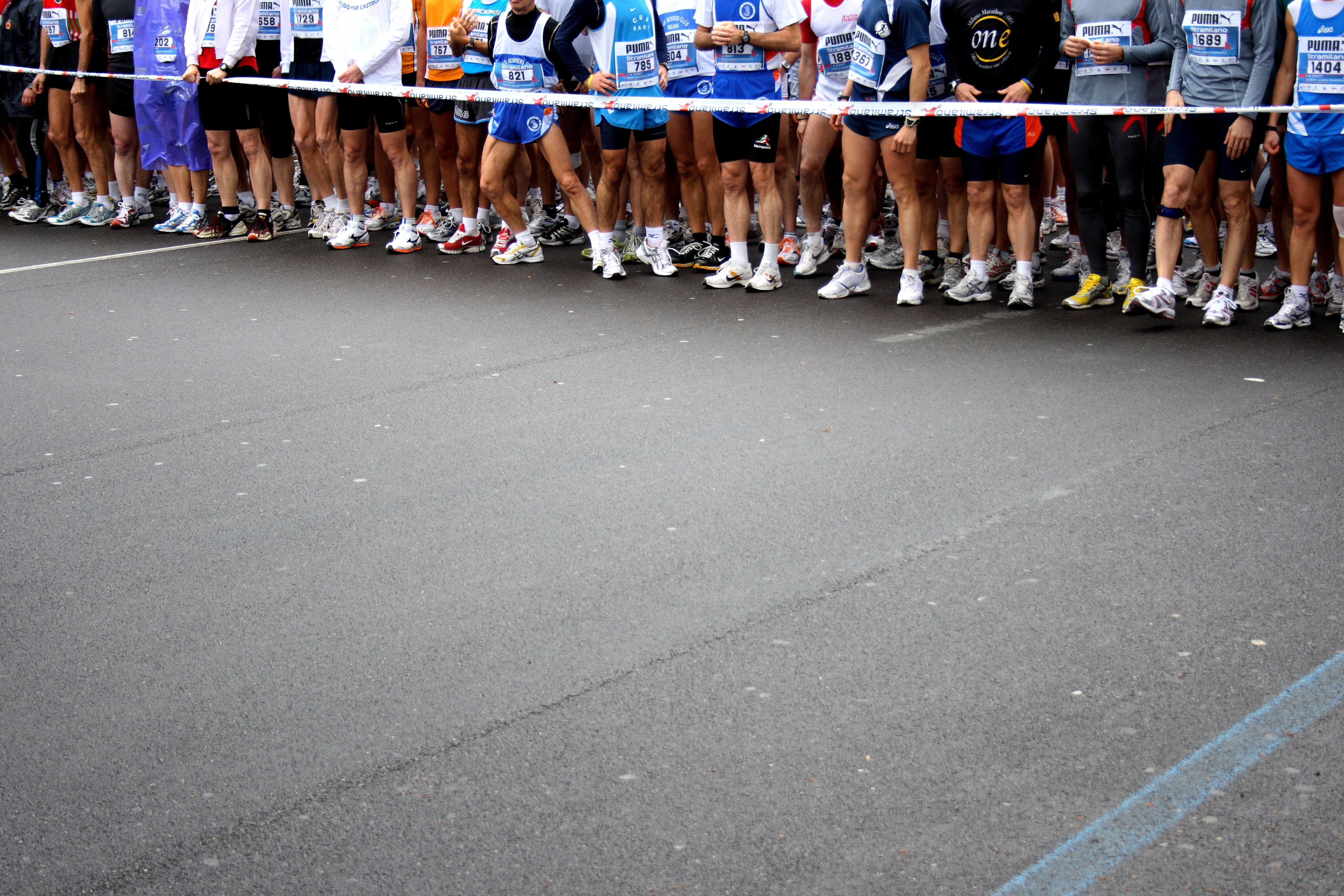
Running enjoys great popularity worldwide, whether as a recreational activity or a competitive sport. There are various distances and disciplines, each presenting different challenges and requirements. Among the best-known and most frequently run long-distance events are the half marathon, the marathon, and the ultramarathon. But what exactly do these terms mean, and what are the differences between these running events? Here, we’ve explained the characteristics and unique features of these three popular running distances in more detail.
Introduction to Ultrarunning, Marathons, and Half Marathons
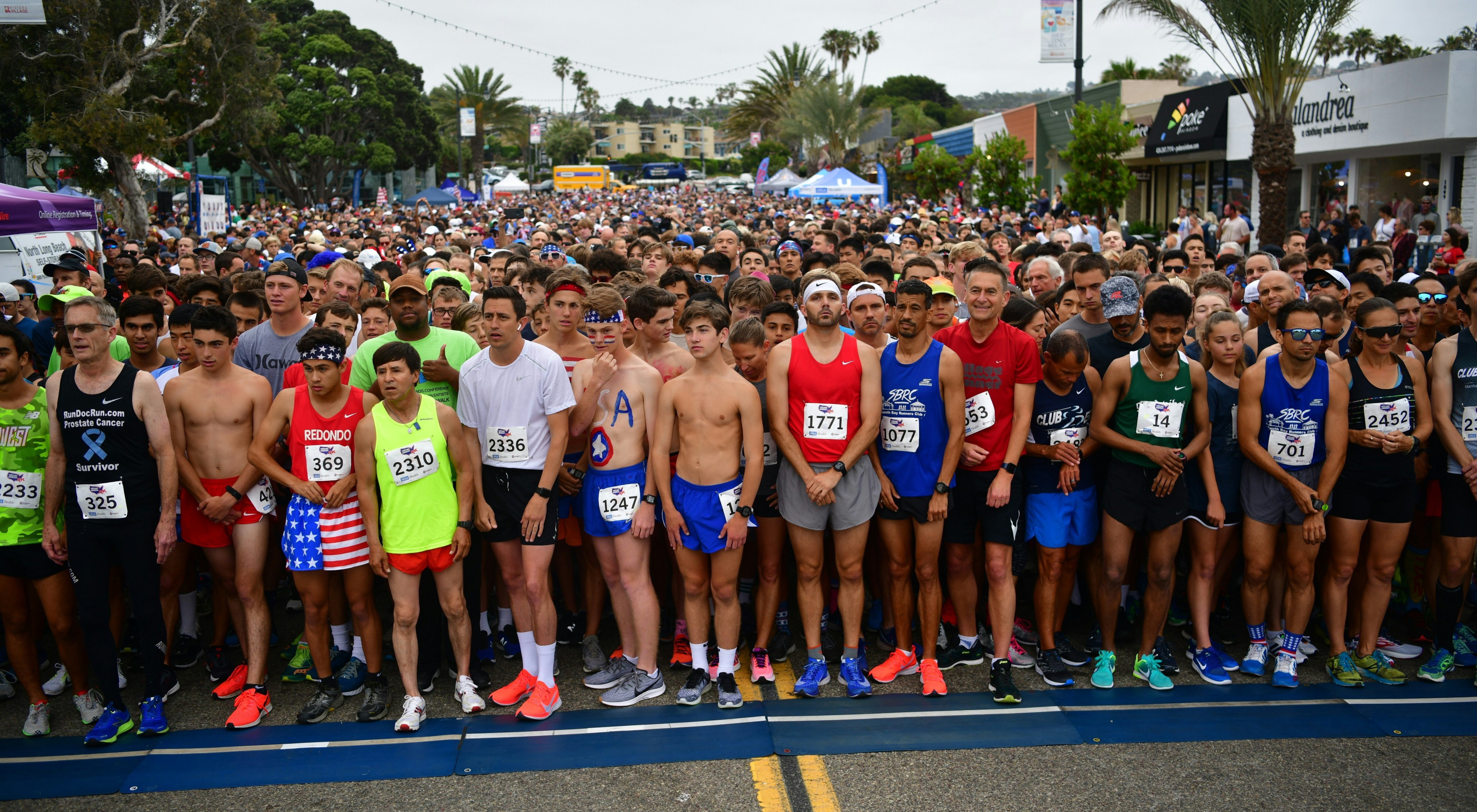
Ultrarunning, often referred to simply as an ultrarun, is an extreme form of running in which distances longer than a marathon are covered. These races are now held all over the world. Unlike the classic marathon, which is 42.195 kilometers, or the half marathon, which is 21.1 kilometers, ultraruns often involve distances of 50 kilometers, 100 kilometers, or even longer. Walking is an essential part of ultrarunning, and the goal is to prepare your body for the long distance.
For ultrarunners, it’s important to develop strong endurance and mental resilience. Regular long runs are essential to acclimate the body to the distance. In addition, a balanced diet and sufficient rest periods are indispensable for optimal recovery. Combined with targeted strength training, this supports performance and helps prevent injuries.
In contrast, a marathon primarily requires maintaining a steady pace over an extended period of time. This demands an extremely high level of physical endurance.
In a half marathon, on the other hand, the focus is often on pace.
What all disciplines have in common, however, is a passion for running and the determination to continually take on new challenges. Remember that there’s no right or wrong—every runner has their own goals and preferences. Whether it’s an ultrarun, a marathon, or a half-marathon—every run is a step toward better fitness, health, and a zest for life!


Half Marathon Distance
Are you running your first half marathon, or are you an experienced runner looking to improve your personal best?
A half marathon is exactly 21.0975 kilometers (13.1094 miles) long. This distance is half that of a marathon and is a popular competitive distance in running. The idea of a half marathon arose from the desire to offer a challenging yet more accessible distance than the full marathon. It’s ideal for runners who want to achieve a significant running milestone without having to take on the extreme physical and time demands of a marathon.
The half marathon is an excellent option both for experienced runners looking to improve their endurance and speed, and for beginners who want to take on a new athletic challenge. The popularity of half marathons has grown significantly in recent decades, and many cities around the world regularly host half marathon events.
While organizing a half marathon still requires thorough preparation and training, it is less intensive than preparing for a full marathon. As a result, the half marathon offers the perfect balance between a challenging yet achievable goal, making it an attractive option for many runners.
How long is a marathon, and why?
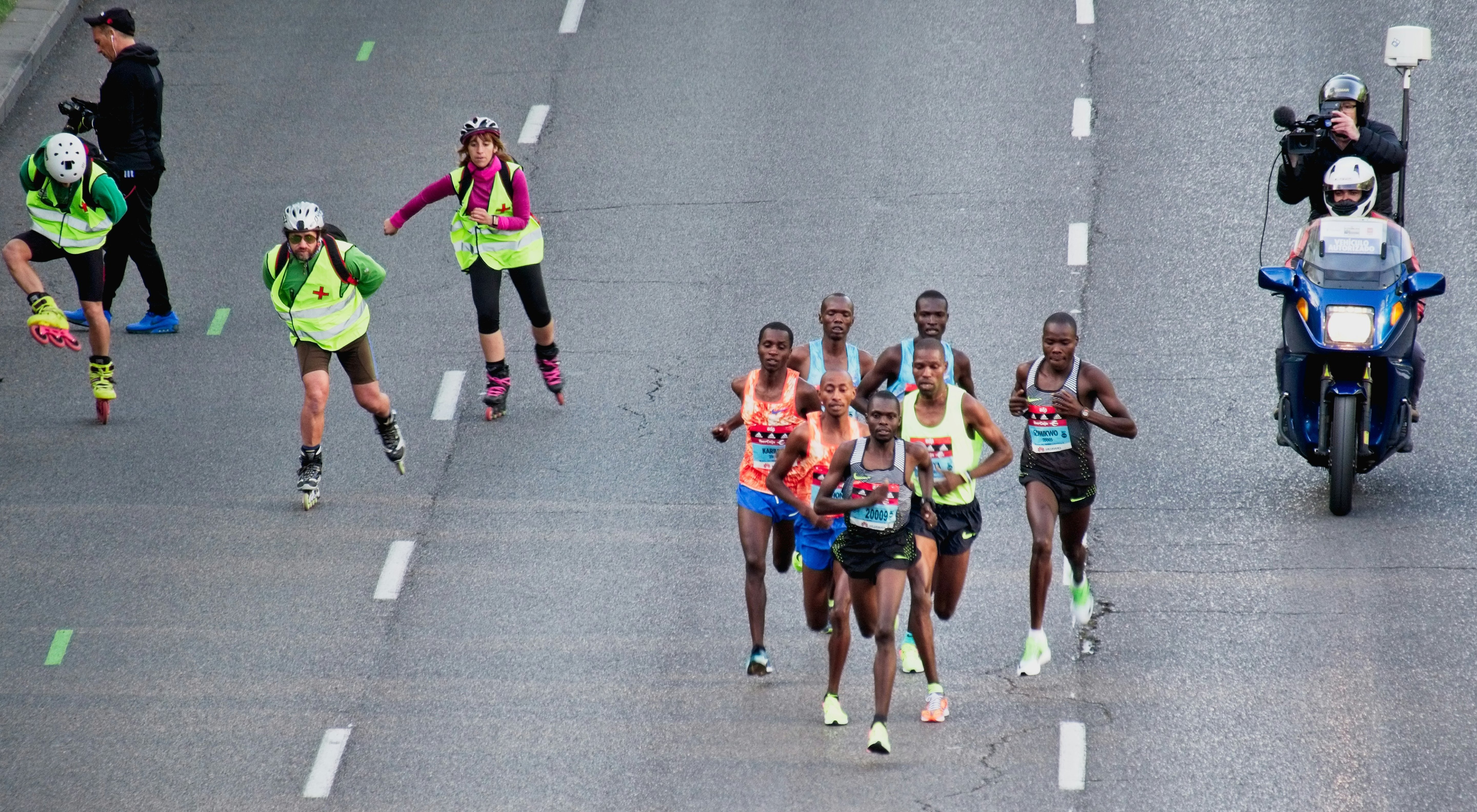
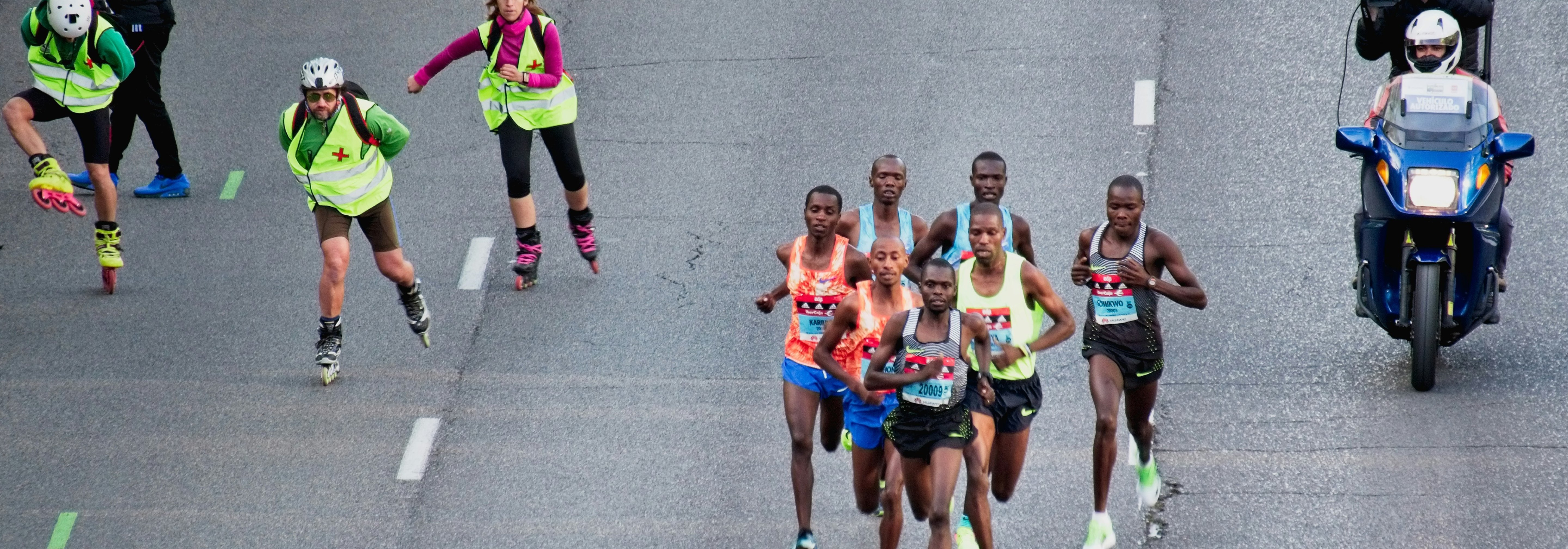
A marathon is 42.195 kilometers (26.219 miles) long. This specific distance has historical roots dating back to ancient Greece. The marathon commemorates the legendary run of the Greek soldier Pheidippides. In 490 B.C., he is said to have run the distance from the Battle of Marathon to Athens to announce the Greeks’ victory over the Persians. It is said that he collapsed and died after delivering the message. The actual distance of this historic route was about 40 kilometers.
However, the standardized distance of 42.195 kilometers was not established until the 1908 Olympic Games in London. Originally, the race was to be 25 miles (about 40.2 kilometers) long, but at the request of the British royal family, the course was extended by an additional 2.195 kilometers so that the start would be at Windsor Castle and the finish line in front of the royal box at White City Stadium. This distance was officially recognized as the standard length of a marathon by the International Association of Athletics Federations (IAAF) in 1921 and has been mandatory worldwide ever since.
This blend of historical legend and adaptations to modern requirements has made the marathon course an iconic distance in long-distance running, reflecting both the history and the evolution of the sport.
Ultramarathon Distance
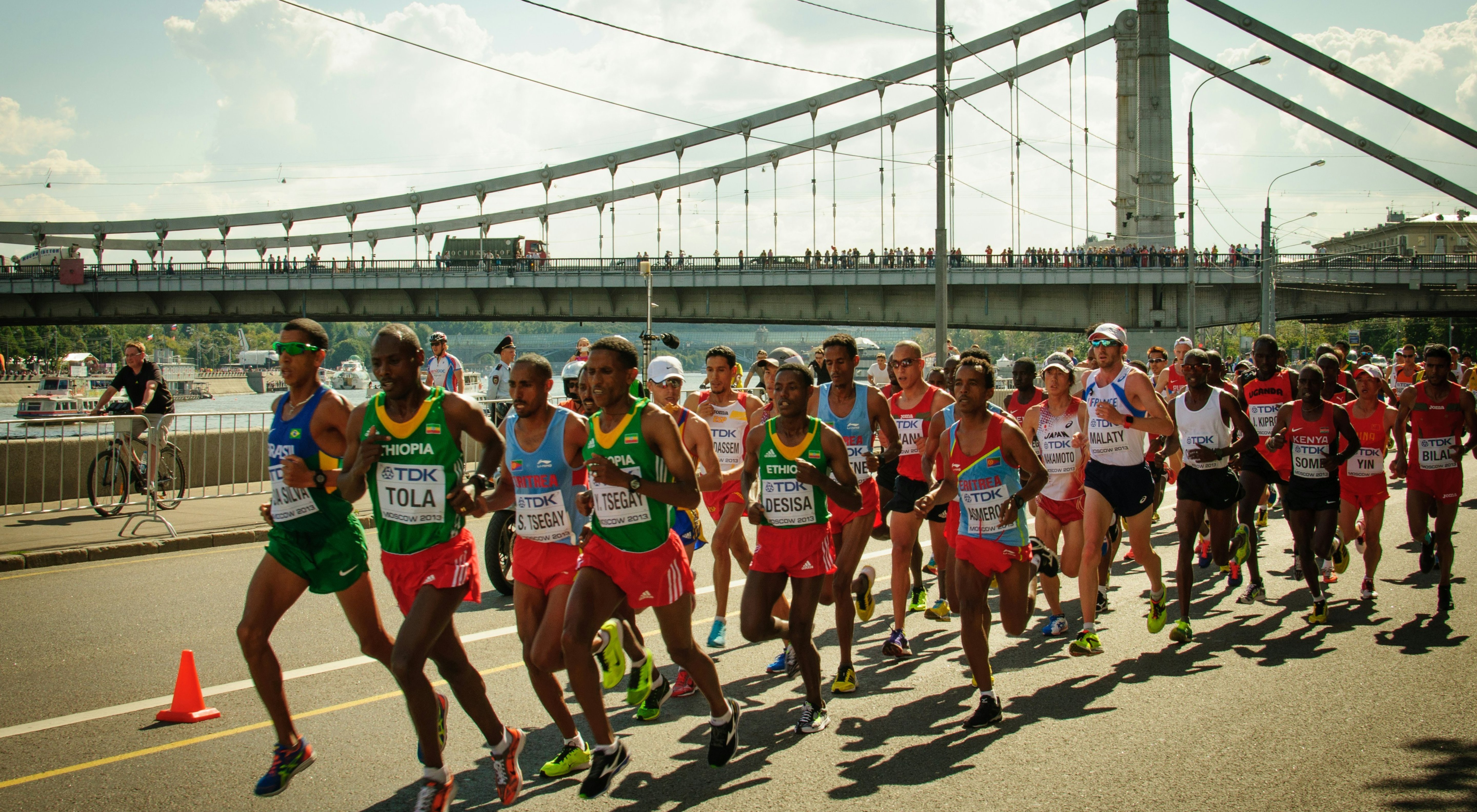
The ultramarathon distance is a challenging race that extends beyond the standard marathon distance of 42.195 kilometers. Typically, ultramarathons range from 50 to 100 kilometers, and in multi-day events, they can sometimes stretch to several hundred kilometers. Ultraruns therefore require extensive preparation and training.
The most important thing is to prepare your mind for the extreme distance. Mental endurance is just as crucial as physical conditioning. Visualize the distance and imagine yourself successfully completing it. Mental training is just as much a part of the ultrarun training plan as physical preparation.
To be physically prepared, you should condition your body for long runs. This involves a slow but steady increase in running distance during training. Start with half-marathon distances and work your way up slowly. At the same time, it’s crucial to have a good understanding of your nutrition and hydration needs. During an ultramarathon, you burn enormous amounts of calories, and it’s important to replenish them while running.
In the final third of an ultramarathon—or possibly even earlier, depending on your physical condition—signs of fatigue often set in. This is when you need strategies to cope with exhaustion and keep running. One option is to walk: when you feel your energy waning, switch to walking. You can also incorporate intervals of walking and running.
Running an ultramarathon can be an incredibly fulfilling experience. With the right preparation and mindset, you can conquer this unique challenge. Want to run ultras? Then we recommend seeking advice from an experienced coach who can support you along the way.


The Most Important Training Methods for Marathons
When training for an ultrarun, marathon, or half-marathon, there are various methods you can use successfully.
The first method is endurance running. This involves running a specific distance at a steady pace. This teaches the body to use its energy effectively over a long period of time—a prerequisite for any type of endurance sport.
Another method is interval training. This involves alternating between intense running phases and recovery phases. This variation trains different bodily systems and improves performance.
The tempo run method simulates the target pace for race day. It’s important to choose a pace that can be maintained over the entire distance.
A fourth method is hill training. This involves incorporating elevation changes into running training to build strength endurance.
The “Fahrtspiel” method originates from team sports. In this training, runners spontaneously vary the pace and duration of running segments, which allows for flexible adaptation to changing demands during competition.
None of these methods is better than the others. Variety and your training goal are key factors in deciding which training method to use. And don’t forget that proper recovery is just as much a part of training as the run itself. Good luck with your next ultrarun, marathon, or half-marathon!


How to Effectively Prepare for an Ultrarun, Marathon, or Half-Marathon
Preparing for a long run is a challenge that requires discipline, endurance, and a strong focus on your goals. For an ultrarunner, preparation certainly involves more than just training for a marathon or half-marathon. Here are some tips to help you effectively achieve this goal:
1. Start with base training to build endurance. This can be done through longer running sessions. During this phase, it’s essential to gently acclimate your body to the increased demands.
2. Eat right. A balanced and nutrient-rich diet is extremely important while preparing for your run. Carbohydrates, fats, and proteins are especially essential for strengthening the body to meet the increased demands and helping it recover more quickly. Of course, you shouldn’t neglect vitamins, minerals, and trace elements either.
3. Recovery plays a vital role. Athletes should get enough sleep and regularly incorporate stretching exercises and massages into their training plan to prevent injuries.
4. Exercise in nature. Runners preparing for an (extremely) long run benefit from occasional training sessions on hilly terrain or trails. These not only boost endurance but also improve coordination and stability.
5. Do targeted mental training. Visualize the upcoming ultrarun; imagine yourself crossing the finish line. This type of preparation helps build motivation and train mental strength. It’s also beneficial for a (half) marathon and can help you reach the finish line.
6. Speed training: A good strategy for your half marathon, marathon, or ultrarun is to incorporate speed workouts into your training. These improve oxygen uptake and, ultimately, your running pace.
7.Core Training: Strengthens your core muscles, improves posture, and reduces the risk of injury. A strong core supports your running motion more efficiently and helps prevent fatigue, especially over long distances.
8. Cross-training: Complement your running training with alternative sports such as cycling, swimming, or strength training. It boosts overall fitness, improves endurance, and reduces the risk of overuse injuries caused by repetitive strain. It also adds variety to your training plan and can boost motivation.
9. Recovery is important: After training is before training. So after intense runs, be sure to allow yourself rest periods during which your body can recover. This is the only way you’ll be able to hit the ground running again in your next training session.
Every runner is unique. That’s why it can be helpful to create a personalized training plan or hire a coach. Whether you’re aiming to complete a half marathon, a marathon, or even an ultrarun, effective training and good organization are the keys to success.

What Gear Can Help You Improve Your Running
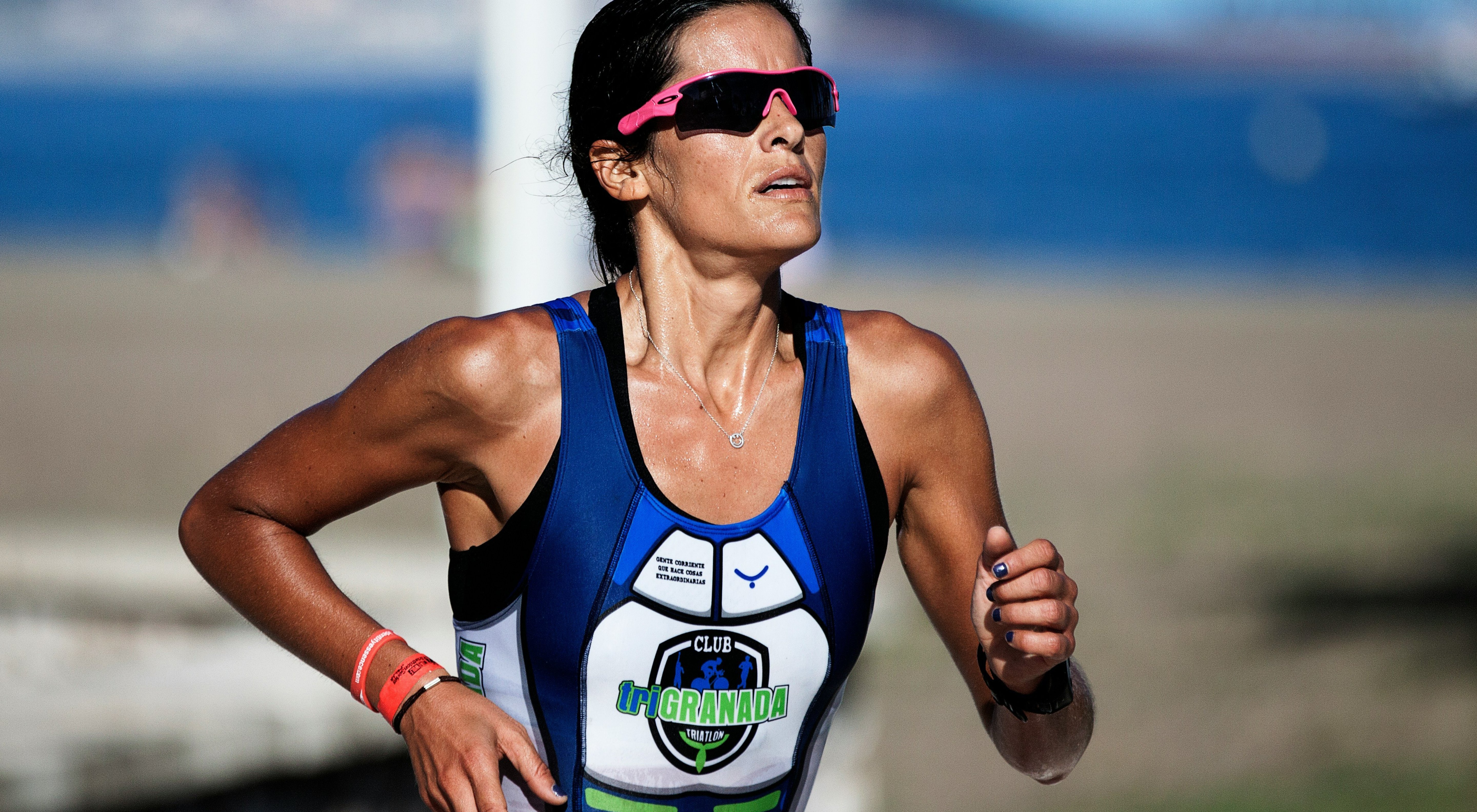
Whether you’re planning an ultrarun, marathon, or half marathon, the right gear is essential for reaching your full potential. We’ll show you what gear can significantly improve your running.
First and foremost, as a runner, you need a pair of high-quality running shoes. They are the be-all and end-all of any endurance sport. When choosing a pair, look for good support, cushioning, and a lightweight design. Problems like blisters or foot pain can set you back enormously during your ultrarun, marathon, or half-marathon—but they’re preventable with the right shoes.
In addition to good running shoes, the right clothing is also important. Breathable and sweat-wicking materials prevent overheating and ensure a comfortable body temperature during your ultrarun, marathon, or half-marathon. If you’re planning a run in cooler temperatures, warming accessories like gloves and hats are helpful.
Choosing the right accessories for hydration and energy is also important. Hydration belts or small backpacks for carrying water bottles and energy snacks are recommended. It depends on what feels most comfortable for you and interferes least with your run.
Ultimately, the gear you need for your run is a matter of personal preference and needs. Try out different options and find out what works best for you. With the right gear, you’ll be well-prepared for your ultrarun, marathon, or half-marathon and can achieve your personal goals.
Conclusion
Whether you’re preparing for an ultramarathon, half marathon, or marathon, some basic principles always apply when training for these endurance events. To successfully complete such a grueling race, you’ll need targeted training, a healthy diet, adequate sleep, and sufficient recovery time.
Keep in mind that trail and ultra runs often have additional specific requirements. For an ultra-trail, for example, you’ll be given a packing list. Be sure to check with the organizer for details.
Regarding training: You should increase your intensity in small steps but consistently. This helps prevent injuries and enables steady progress. In ultra-running, longer hikes can be a good starting point to get your body used to spending long periods on your feet. For marathons and half-marathons, on the other hand, structured training with a variety of sessions is particularly important. It’s advisable to incorporate a mix of slow, fast, and very long training sessions.
You should eat a balanced and healthy diet. Keep in mind that your body needs more energy to handle the training. Make sure you get an adequate and balanced intake of macronutrients and micronutrients. Finally, sleep is the most effective way to recover. Make sure you get enough sleep, as sleep deprivation can increase the risk of injury.
In summary, we can say: A disciplined and structured training regimen, a balanced diet, and enough sleep are the cornerstones of successful preparation for various races. Always remind yourself that you’re not just training for the race itself, but also for your overall fitness and health. Good luck with your race 😊