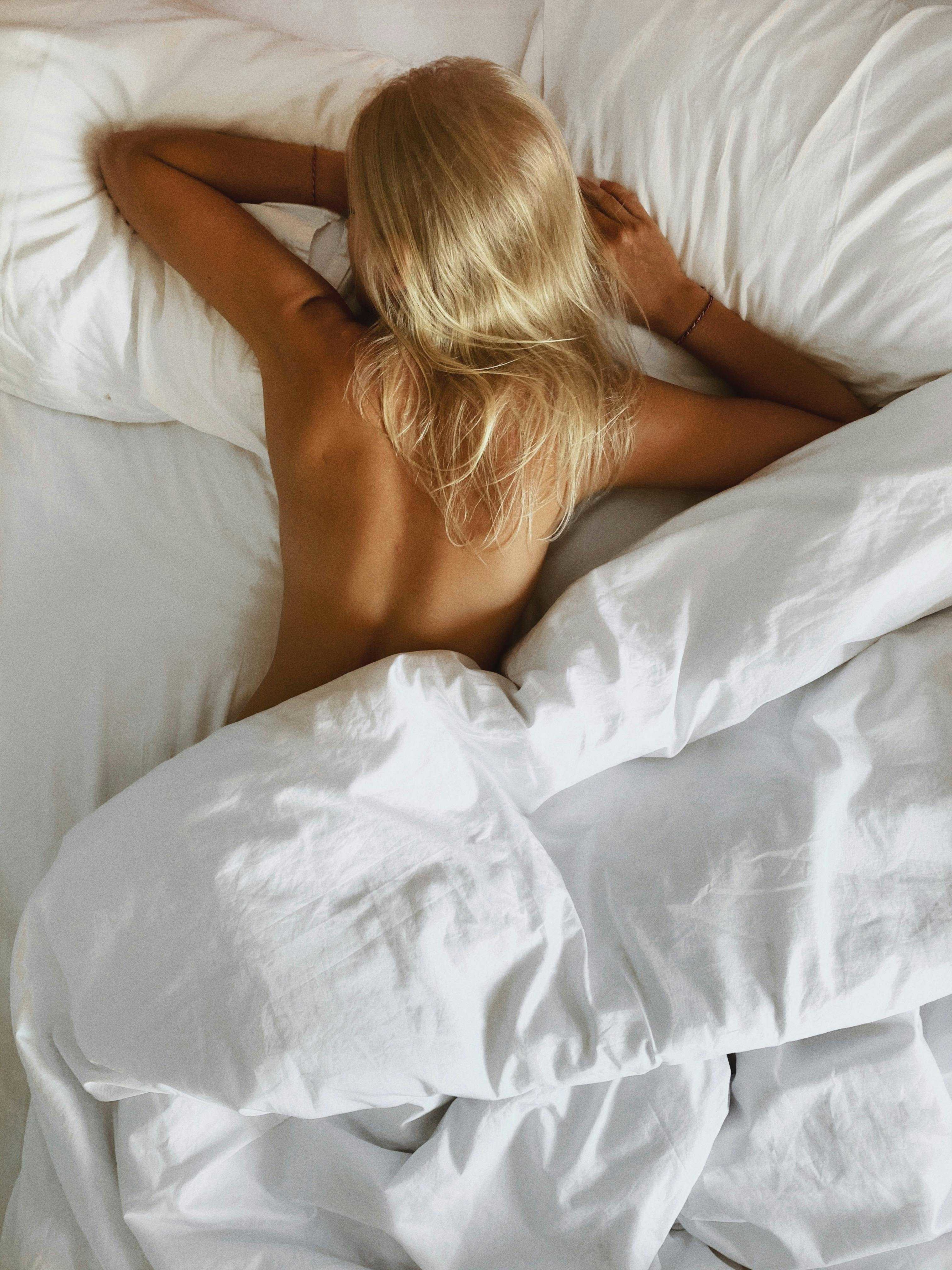
Sleeping in the Summer: Is Sleeping Naked Healthy?

Temperatures are rising. The long-awaited summer is finally here. Unfortunately, it doesn’t come with only benefits. Many people suffer from the nighttime heat, especially in the summer. Are you one of them? Do you sometimes toss and turn in bed for hours, unable to fall asleep because you’re too hot? Even summer pajamas feel like too much, and you’re thinking about just sleeping naked. But is that really as healthy as some people claim?
We’ve got this and a few more valuable tips for hot summer nights right here for you.
Is sleeping naked healthy?
Sleeping in the summer can often be a challenge, especially when nighttime temperatures don’t drop significantly. On nights like these, sleeping without clothes can be a pleasant relief.
Sleeping naked can have both health benefits and drawbacks, which are influenced by individual preferences, cultural norms, and personal comfort levels. Studies have not conclusively proven whether sleeping naked can lead to better sleep—provided the temperature is optimal.
Next Regeneration Sleep Quality
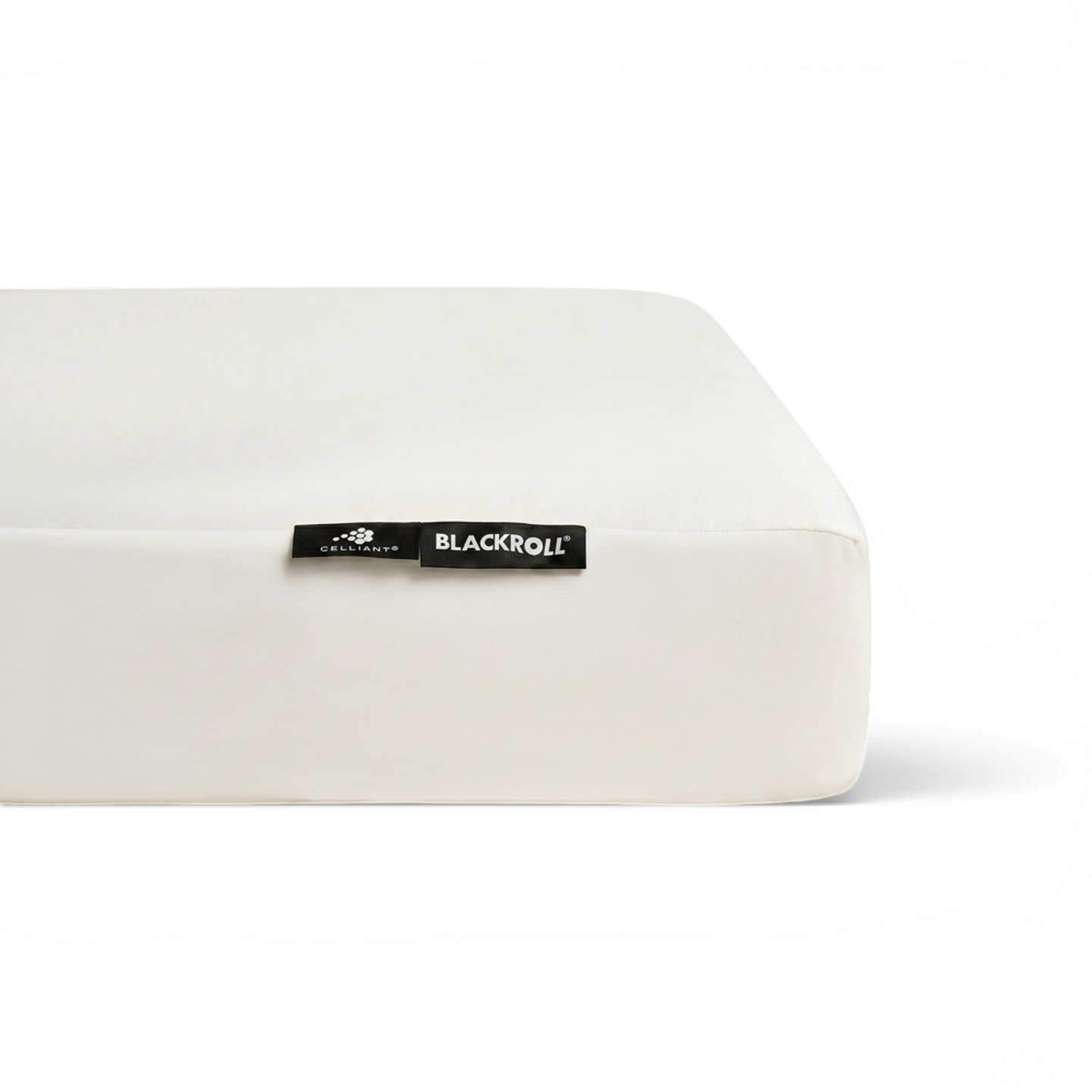
Bed Sheet Premium Comfort
Available in multiple variants
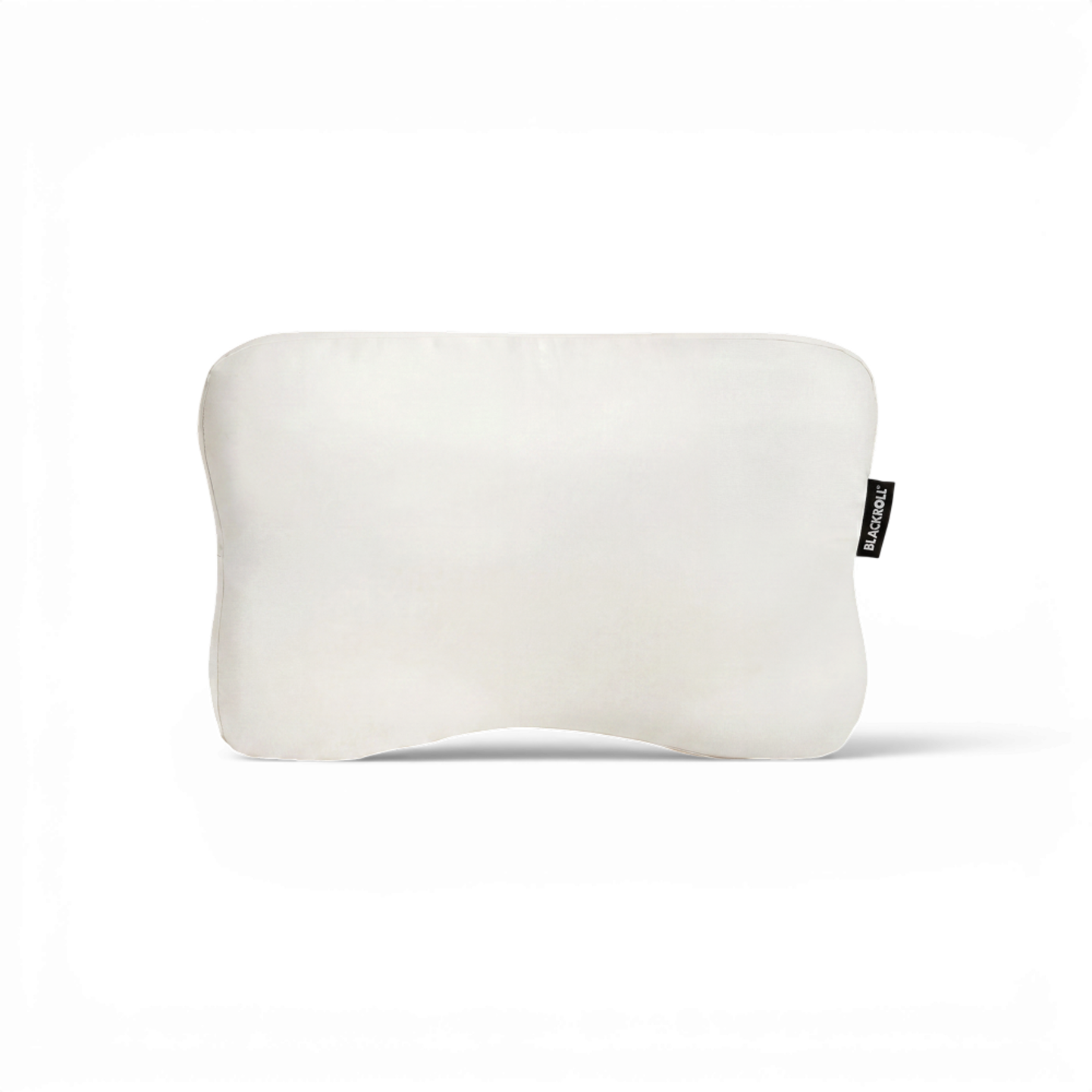
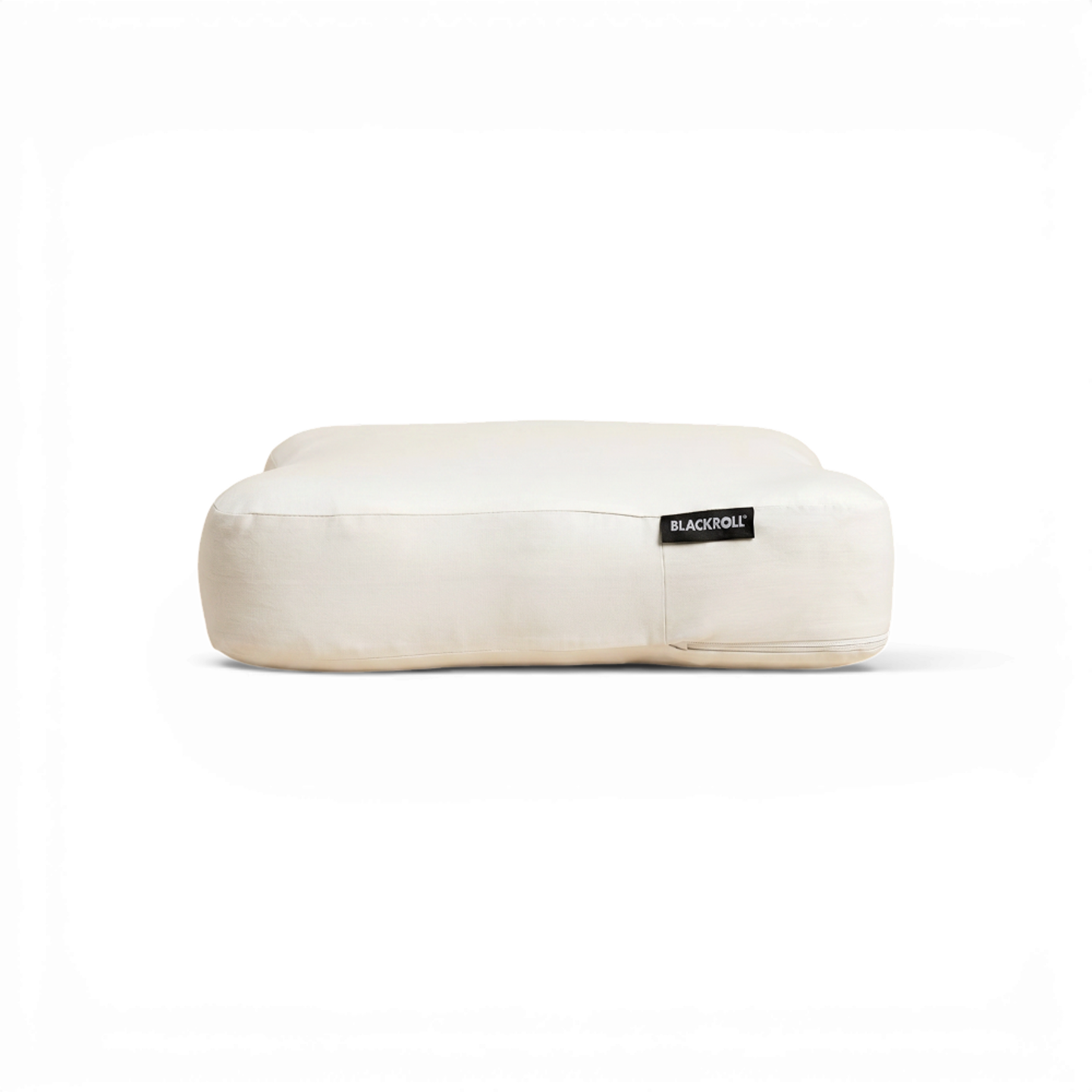
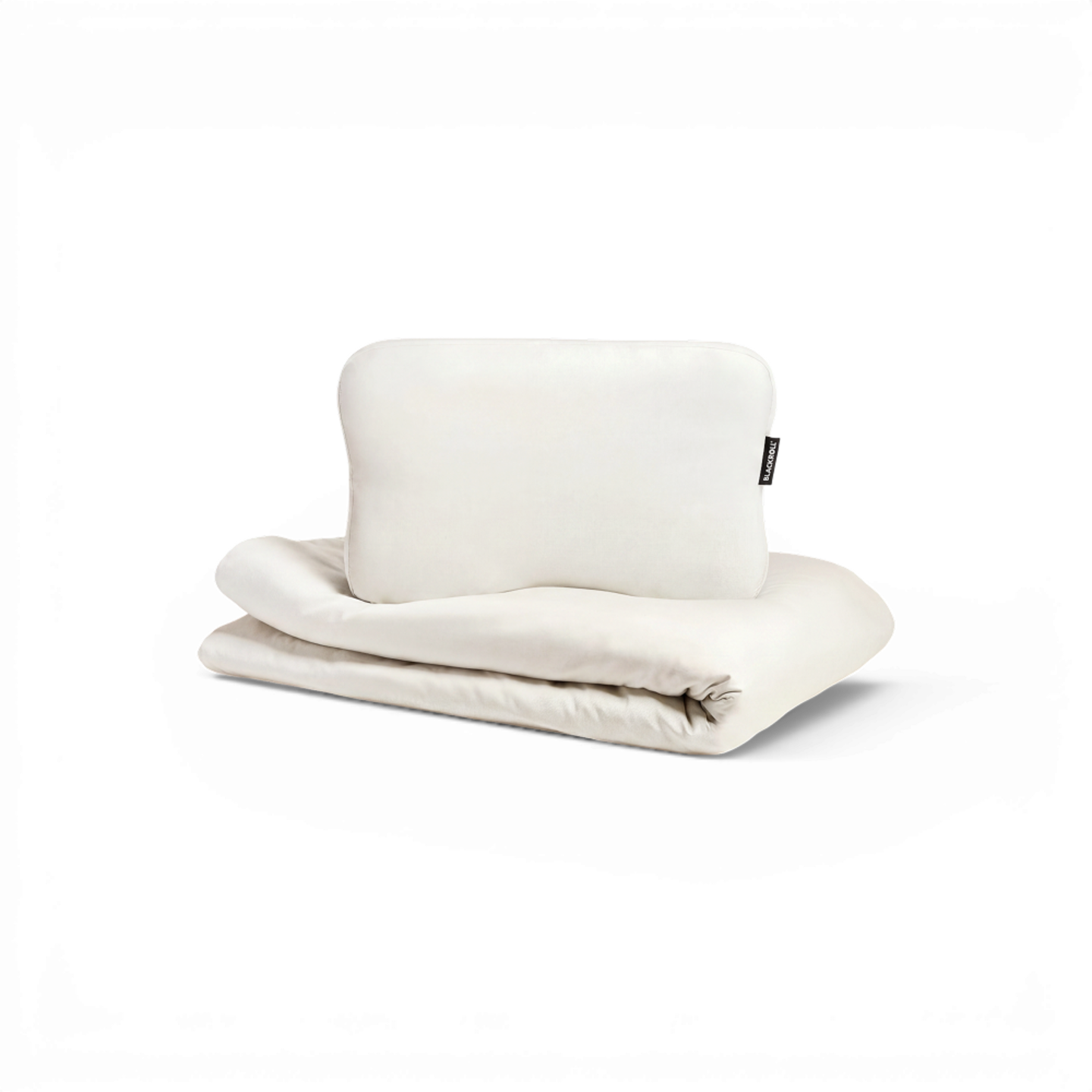
Bedding Set Premium Comfort
Available in multiple variants
Benefits of Sleeping Naked
Sleeping naked is often associated with health benefits, especially during the warm summer months when temperatures remain high even at night.
- Improved thermoregulation: Sleeping naked can help regulate body temperature more naturally. Without the insulation provided by clothing, the body can release excess heat more easily, which is particularly beneficial on warm nights. A lower body temperature is associated with falling asleep more quickly and achieving deeper sleep.
- Health benefits for the skin: Wearing clothing, especially tight-fitting clothing, can irritate the skin and restrict air circulation. Sleeping naked promotes air circulation around the skin and can thereby reduce the risk of skin irritation, fungal infections, and other skin problems.
- Promoting Intimacy and Relationships: For couples, sleeping naked together can promote the release of oxytocin, the so-called “love hormone.” This can lead to a stronger emotional bond and an improved sex life, as this study also demonstrates. At the same time, sleeping naked reduces the production of the stress hormone cortisol, allowing both partners to feel more relaxed together.
- Greater self-confidence: In addition to the positive effects on the body, falling asleep naked can ultimately benefit mental well-being as well: People who sleep naked feel more attractive.

Disadvantages of Sleeping Naked
Sleeping without clothes can be very comfortable for many people, especially on warm nights. However, despite its popularity and potential benefits, there are also some drawbacks to consider when sleeping naked.
- Hygiene Concerns: Without clothes, your body comes into direct contact with bedding , which, of course, isn’t changed every day. This can lead to an increased risk of sweat, skin particles, and bacteria buildup, requiring you to wash your bedding regularly. If you sleep naked, you should wash your bedding once a week.
With our RECOVERY BASE MATTRESS, you can also safely put the mattress cover in the washing machine regularly. This way, you’re guaranteed to be well-prepared for summer nights when it comes to hygiene. - Personal discomfort: Some people simply feel uncomfortable or vulnerable without clothes. The sense of comfort is highly individual and can be influenced by personal or cultural preferences.
- Practical limitations in certain living situations: In households with children or when living with others, sleeping naked can be impractical or inappropriate. Emergency situations at night can also be uncomfortable for people who sleep naked.
- Climate conditions: On very cold nights, wearing sleepwear can provide additional thermal protection that is lacking when sleeping naked.
Whether sleeping naked is the right choice depends heavily on your personal needs, comfort, and living circumstances. While it can offer significant benefits in terms of sleep quality and health, the drawbacks regarding hygiene and personal well-being must also be considered. It’s important to find a balance that makes you feel most comfortable.
Is Sleeping Without Underwear Healthier? Women vs. Men
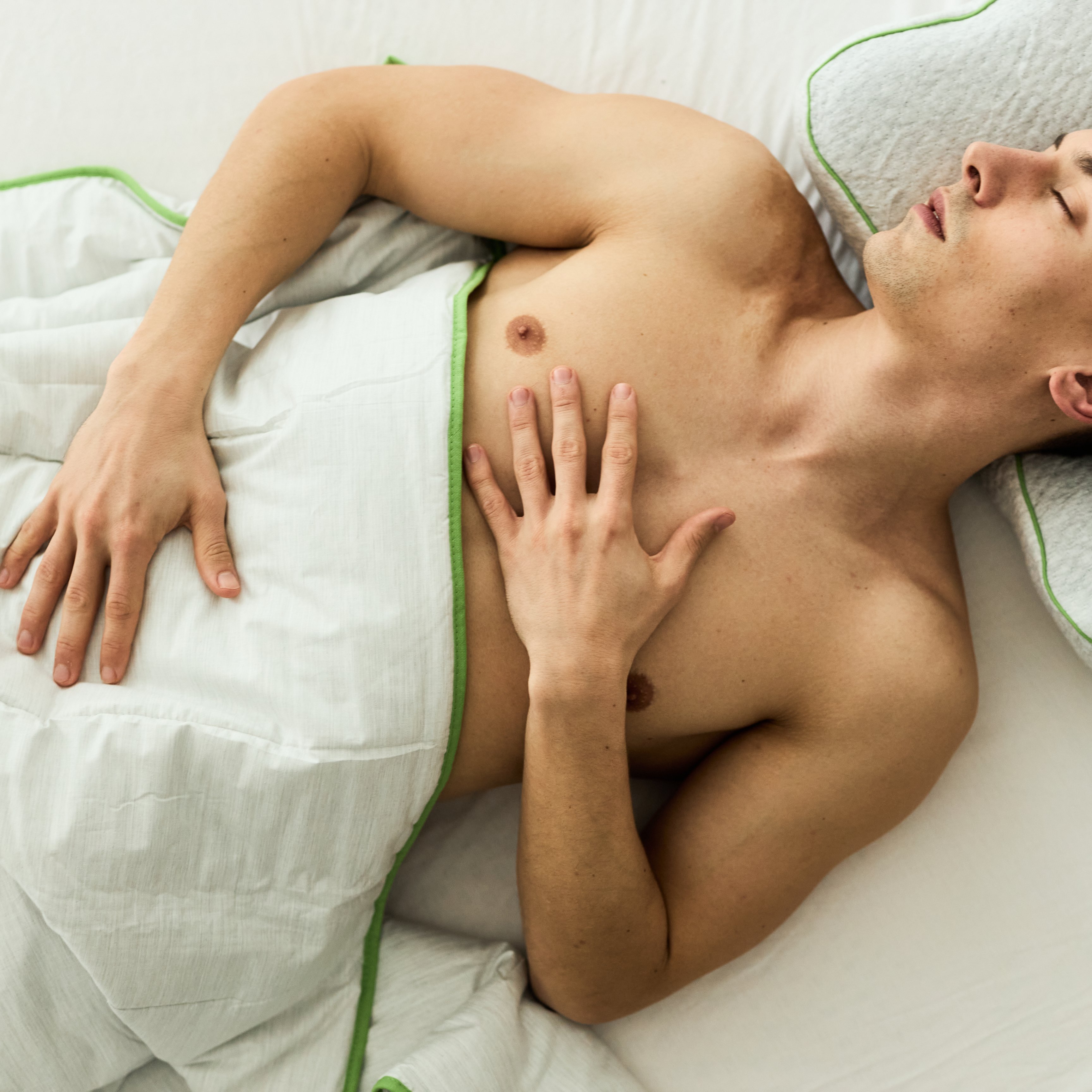
Sleeping without underwear can offer different health benefits for both women and men. This sleeping habit promotes air circulation around the intimate areas of the body, which brings both hygienic and physiological benefits. Here are the different benefits for women and men:
For Women
Sleeping without underwear can help women prevent yeast infections and other bacterial infections. A woman’s genital area is particularly susceptible to the growth of unwanted bacteria and fungi, especially in a moist environment.
By not wearing underwear while sleeping, this area can be kept drier, which reduces the risk of infections. Additionally, wearing tight or non-breathable underwear can lead to irritation and discomfort, which is avoided by sleeping without underwear.

For men
Sleeping without underwear can also have health benefits for men, particularly with regard to sperm quality and overall reproductive health. The testicles function best at a slightly cooler temperature than the rest of the body. Tight-fitting underwear can raise this temperature, which can potentially impair sperm production.
Sleeping without underwear helps keep testicular temperature low, which in turn can promote sperm vitality and motility. Additionally, avoiding underwear while sleeping can reduce the risk of skin irritation and fungal infections, which can be caused by moisture buildup and restricted air circulation.
Common Benefits
For both women and men, sleeping without underwear can contribute to a better sleeping environment by allowing for better thermoregulation. This can be particularly beneficial during the warmer months or in warmer climates by helping to prevent overheating and increasing sleep comfort.

Tips and Tricks for a Restful Night’s Sleep in Hot Weather
Regardless of whether you sleep fully clothed or naked, there are several other factors that play a major role. To help you get a restful night’s sleep even in high temperatures, here are some effective tips and tricks for you:
Optimize Your Bedroom
- Block out the light: Use blackout blinds or heavy curtains to keep out sunlight and the associated heat during the day.
- Fans and air conditioners: Place fans strategically to create a cool breeze. If available, set the air conditioner to a comfortable temperature. Here’s a life hack: Put a water bottle in the freezer for a few hours, then place it in front of a running fan before going to bed. That way, you’re guaranteed cool air!
Choose the right bedding and sleepwear
- Lightweight materials: Use lightweight cotton bedding that allows air to circulate and absorbs moisture.
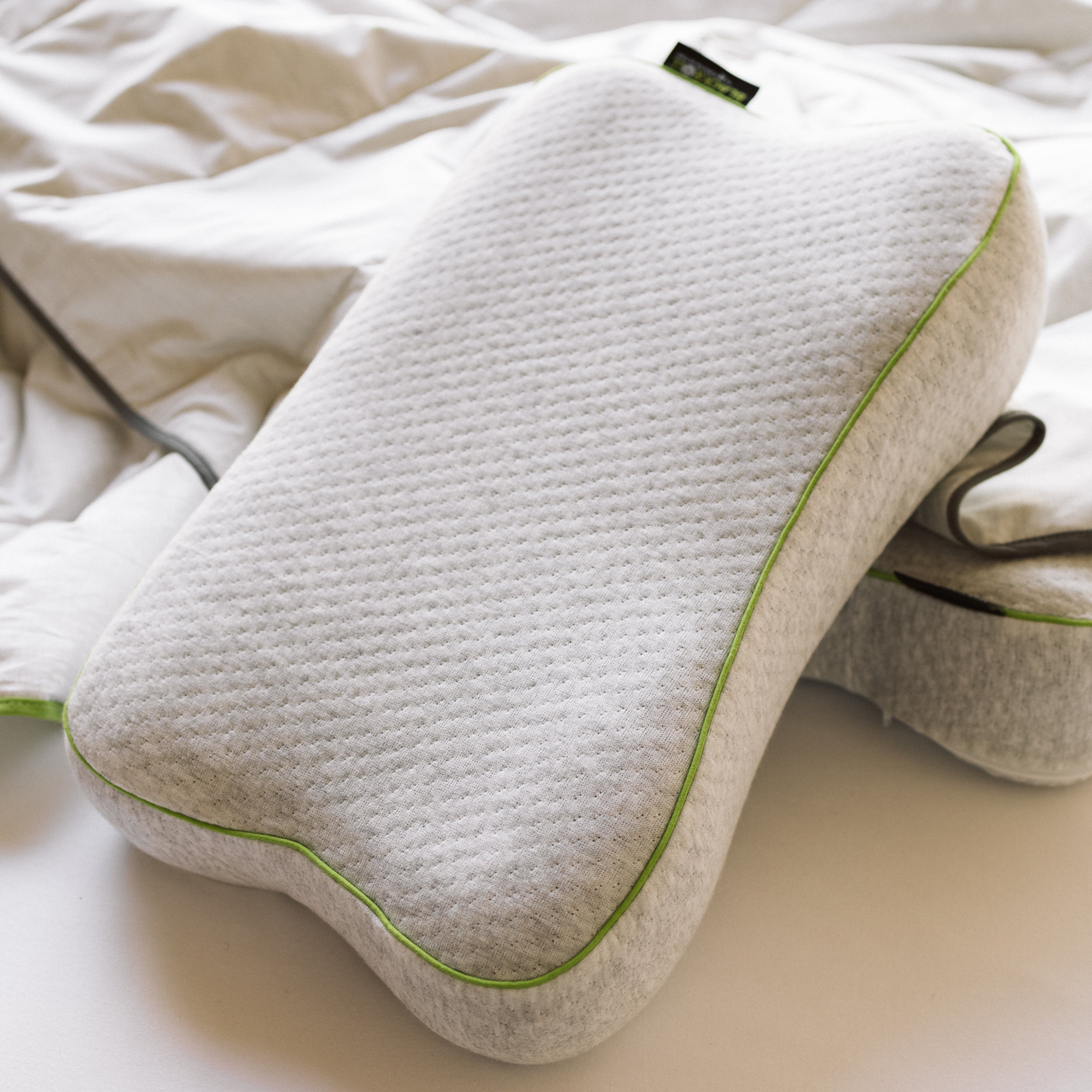
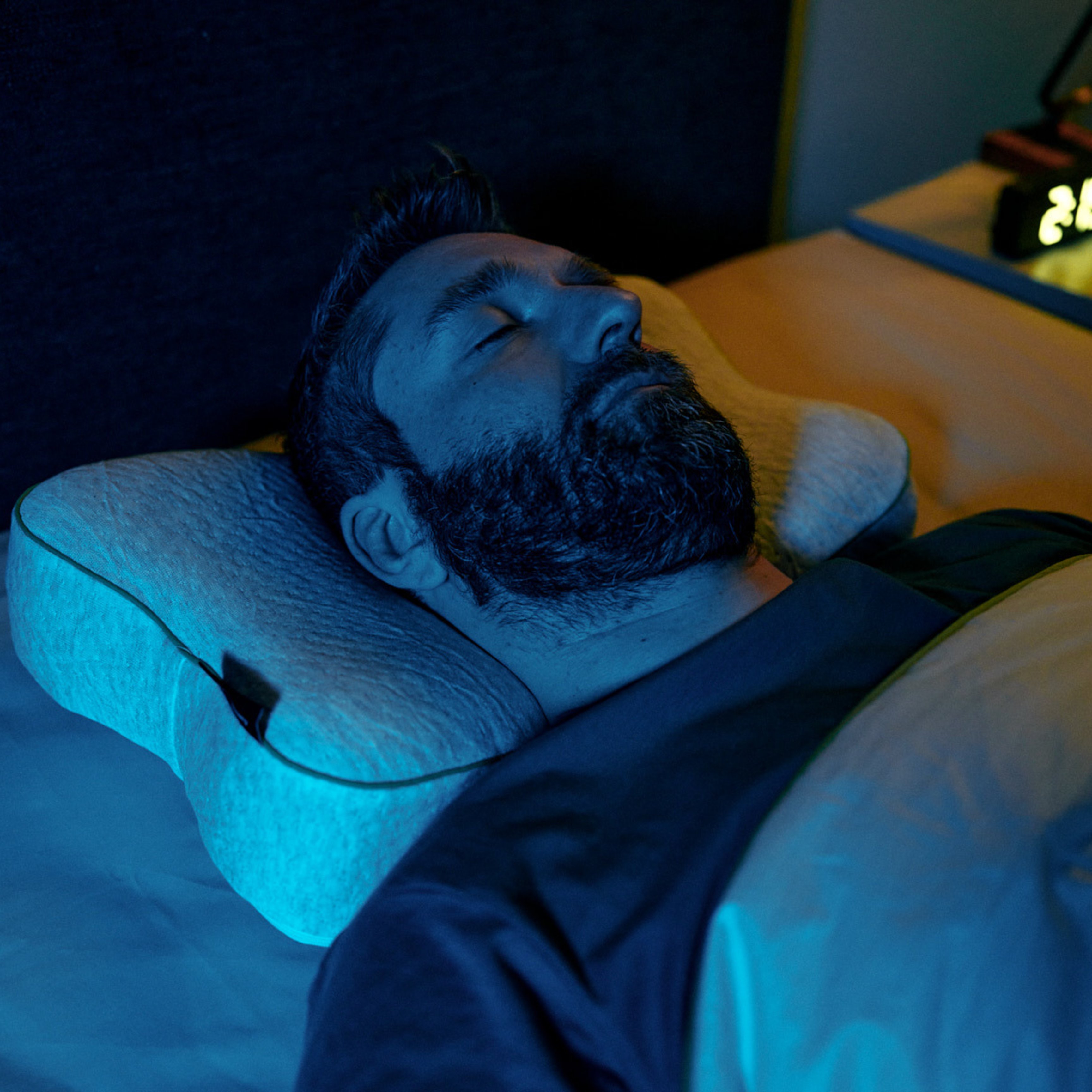
- Our RECOVERY BLANKET SUMMER delivers on its promise: less sweating—thanks to thermoregulation. The filling made of CELLIANT® fibers ensures comfortable moisture wicking, so you stay cool and dry even in the summer. It also promotes restful sleep and faster recovery. Our PILLOW with the CLIMATE CASE —designed specifically for the hot months—also helps you get healthy, restful sleep.
- Choose comfortable sleepwear: Lightweight cotton nightwear or sleeping without clothes can help keep your body cool.
Adjust your bedtime
- Avoid the heat: Try not to go to bed until it has cooled down outside. If possible, push your bedtime back to take advantage of the cooler nighttime hours.
Hydration
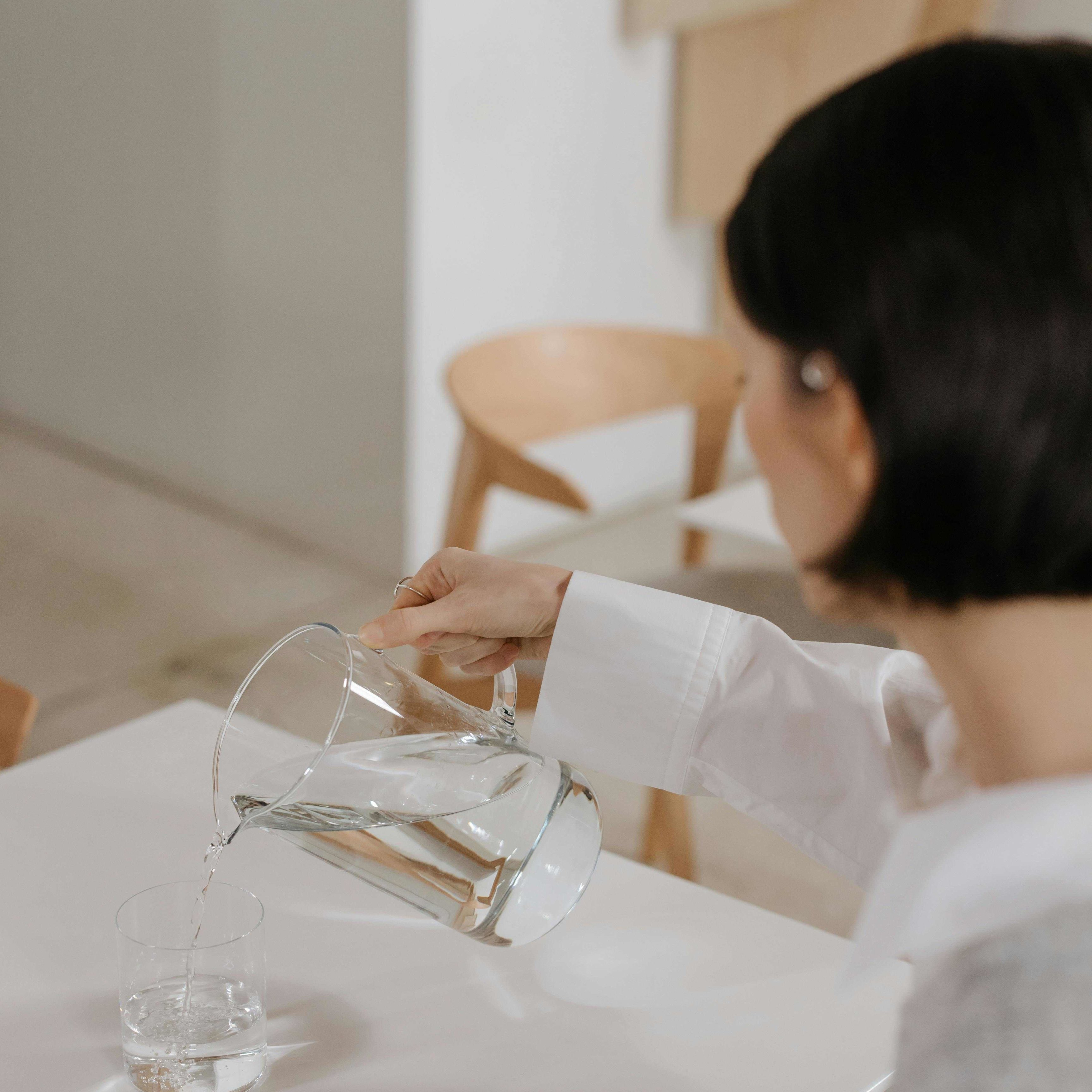
- Drink enough water: Make sure you drink enough fluids throughout the day to replace the fluids lost through sweating. However, avoid drinking large amounts of fluids right before bedtime.
Use natural remedies
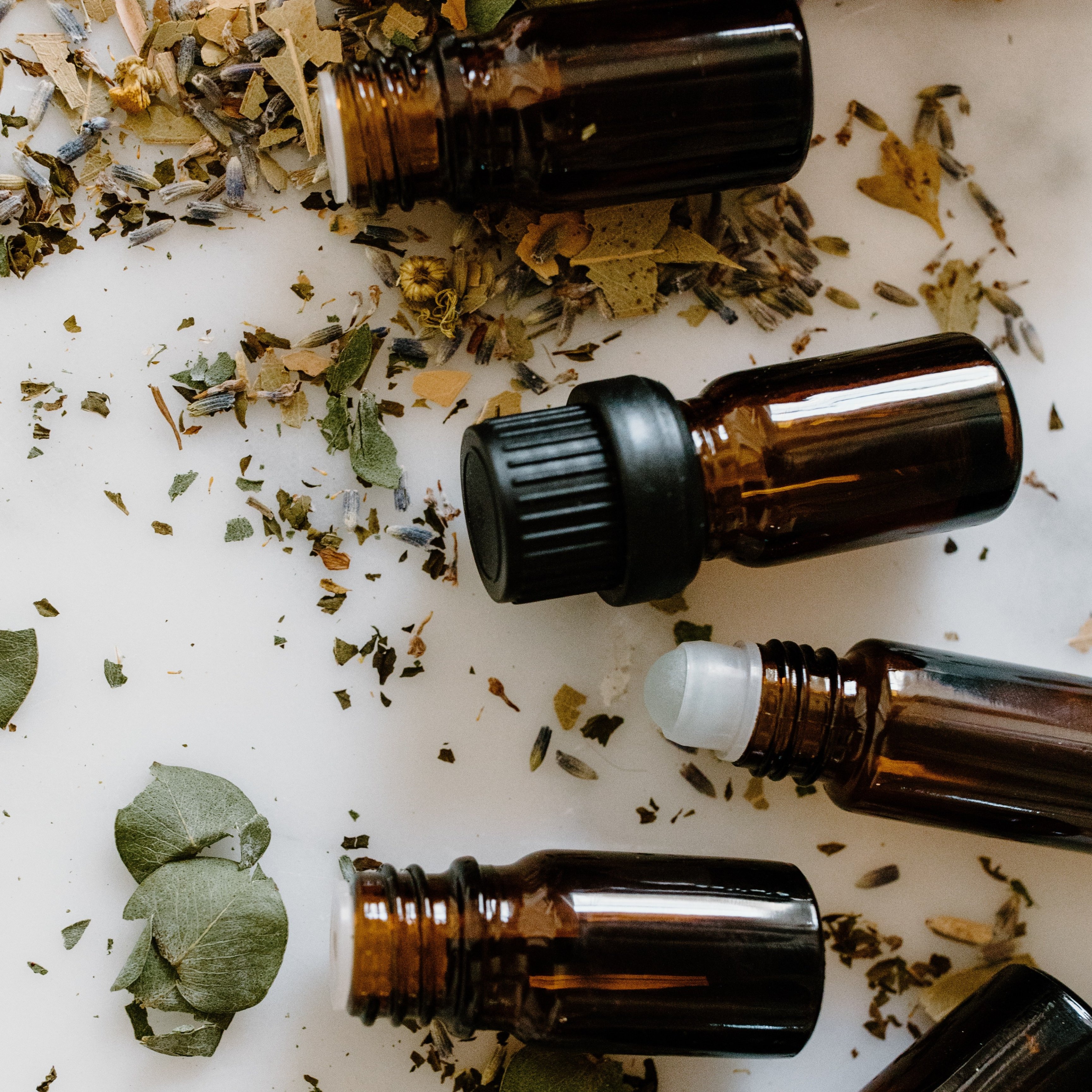
- Essential oils: Lavender oil can have a calming effect and promote sleep. A few drops on your pillow or in an aromatherapy diffuser can be helpful.
- Herbal teas: A light, caffeine-free herbal tea like chamomile or peppermint tea in the evening can help you relax.
Create a calm environment
- Avoid electronic devices: The light from screens can disrupt melatonin production. Try to avoid TV, smartphones, and other screens for at least an hour before bedtime.
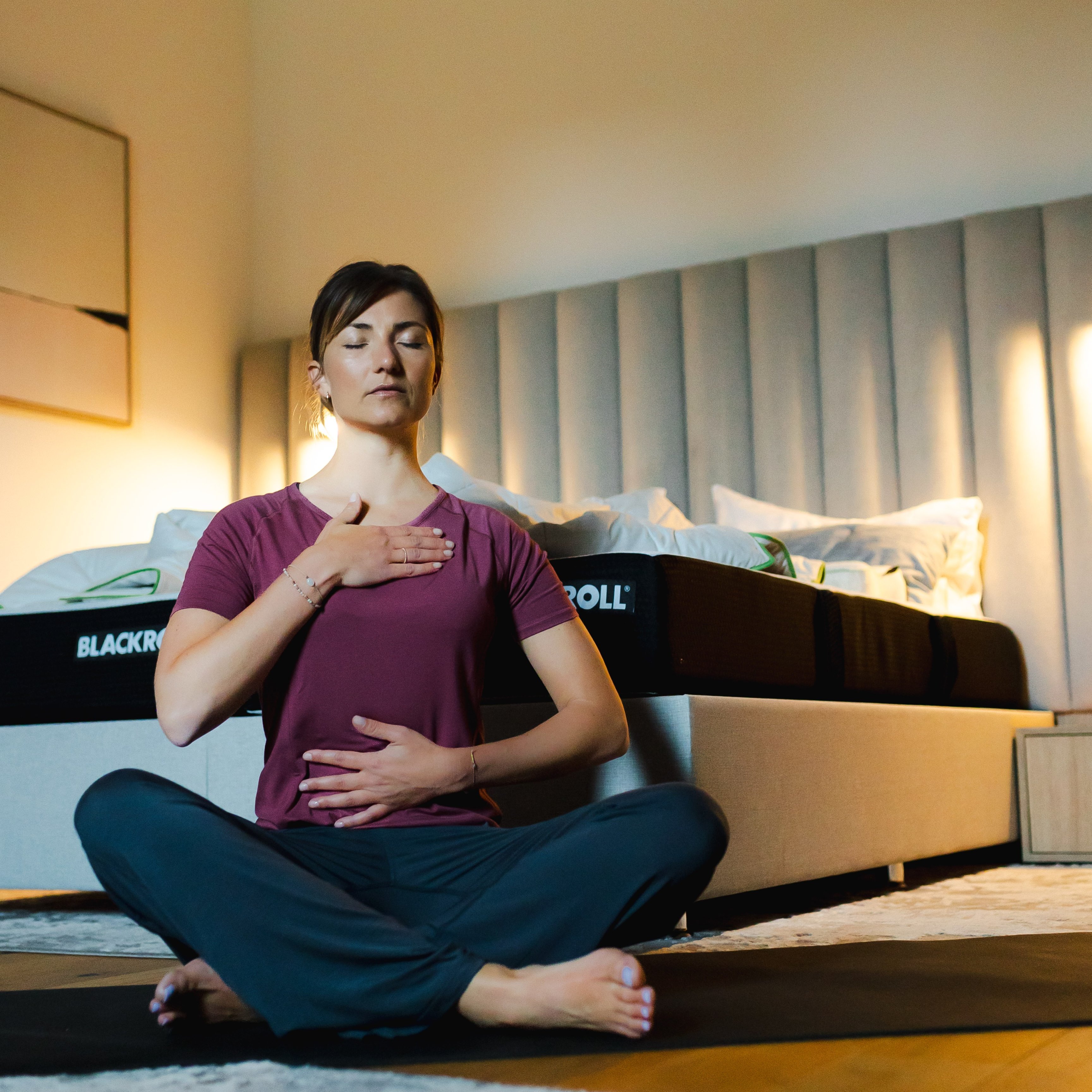
- Calm activities: Reading, meditation, or light stretching can help prepare your body for sleep. Avoid strenuous activities
Showering Before Bed
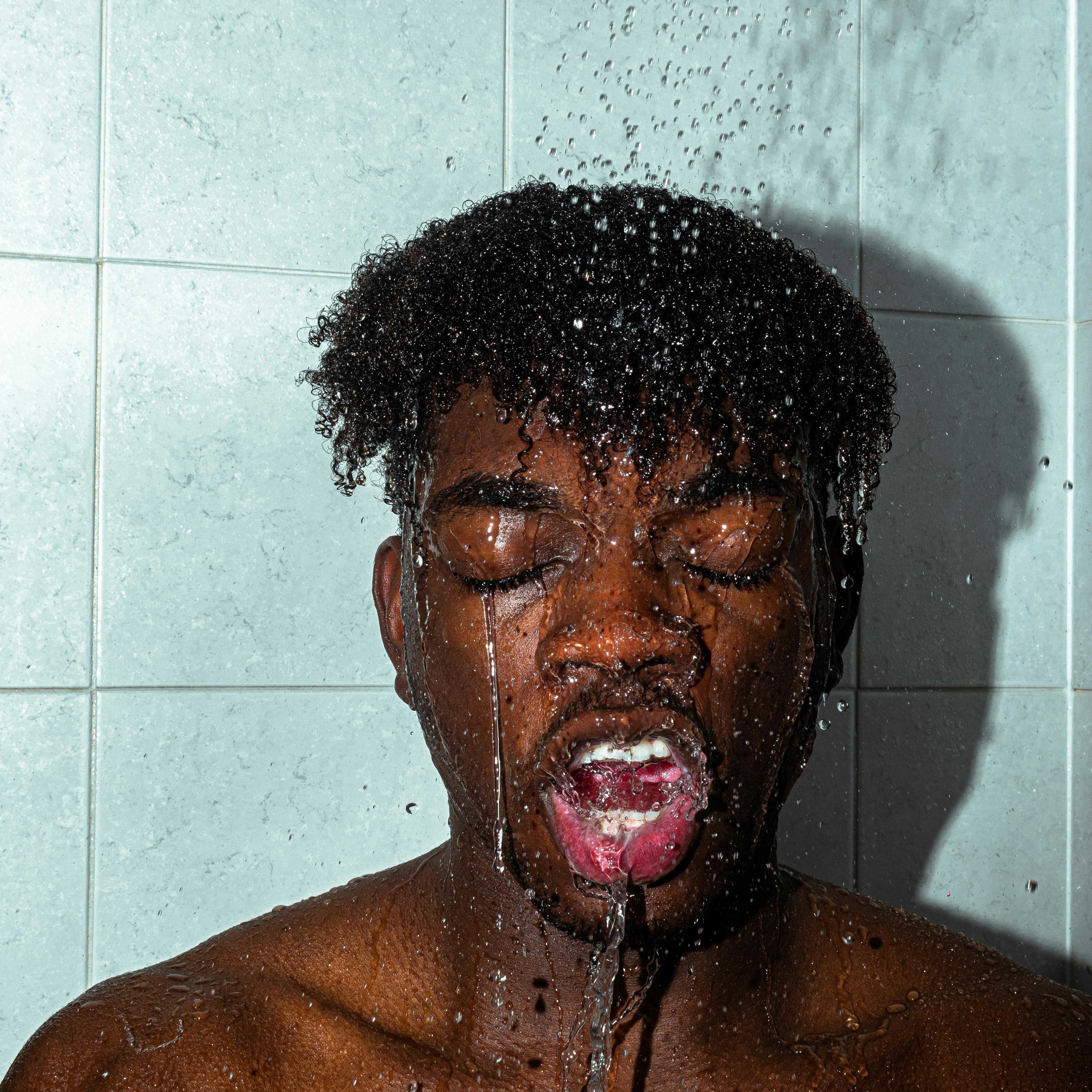
Contrary to popular belief, you should take a lukewarm or warm shower before bed. Avoid taking a cold shower.
If you take a cold shower, your body needs energy to warm itself up. This energy releases heat, and you’ll likely sweat even more during the night.
With these tips, you’ll enjoy a restful night’s sleep even on hot summer days. Make sure your sleeping environment is cool, dark, and quiet. These factors are the key to a good night’s sleep.
Suitable bedding for the summer months
Choosing the right bedding is especially important for a restful night’s sleep during the warm summer months, as it can play a key role in regulating your body temperature and improving your sleep comfort.
Here are some of the best fabric options for your bedding and sleepwear:
1. Eucalyptus fibers
Pajamas and bedding made from eucalyptus fibers are about 8 times more breathable than those made from cotton. They feel pleasantly cool against the skin and wick away moisture effectively, leading to a restful night’s sleep. Compared to conventional cotton fibers, eucalyptus fibers are very eco-friendly. They require about 20 times less water and 5 times less land to grow.
2. Cotton
Cotton is one of the most popular and widely used fabrics for the summer months. It is natural, lightweight, and breathable, which means it absorbs moisture well and dries quickly. These properties help you regulate body heat effectively and keep you cool and dry at night.
3. Linen
Linen is another excellent choice for summer. It is a natural material known for its ability to efficiently wick away heat and moisture. Linen feels cool against the skin and is therefore often used in warm climates. It is also very durable and becomes softer with every wash.
4. Bamboo
Bamboo fibers are extremely soft, lightweight, and breathable. They have natural cooling properties and are highly absorbent. Additionally, bamboo is hypoallergenic and antibacterial, making it an excellent choice for people with sensitive skin or allergies.
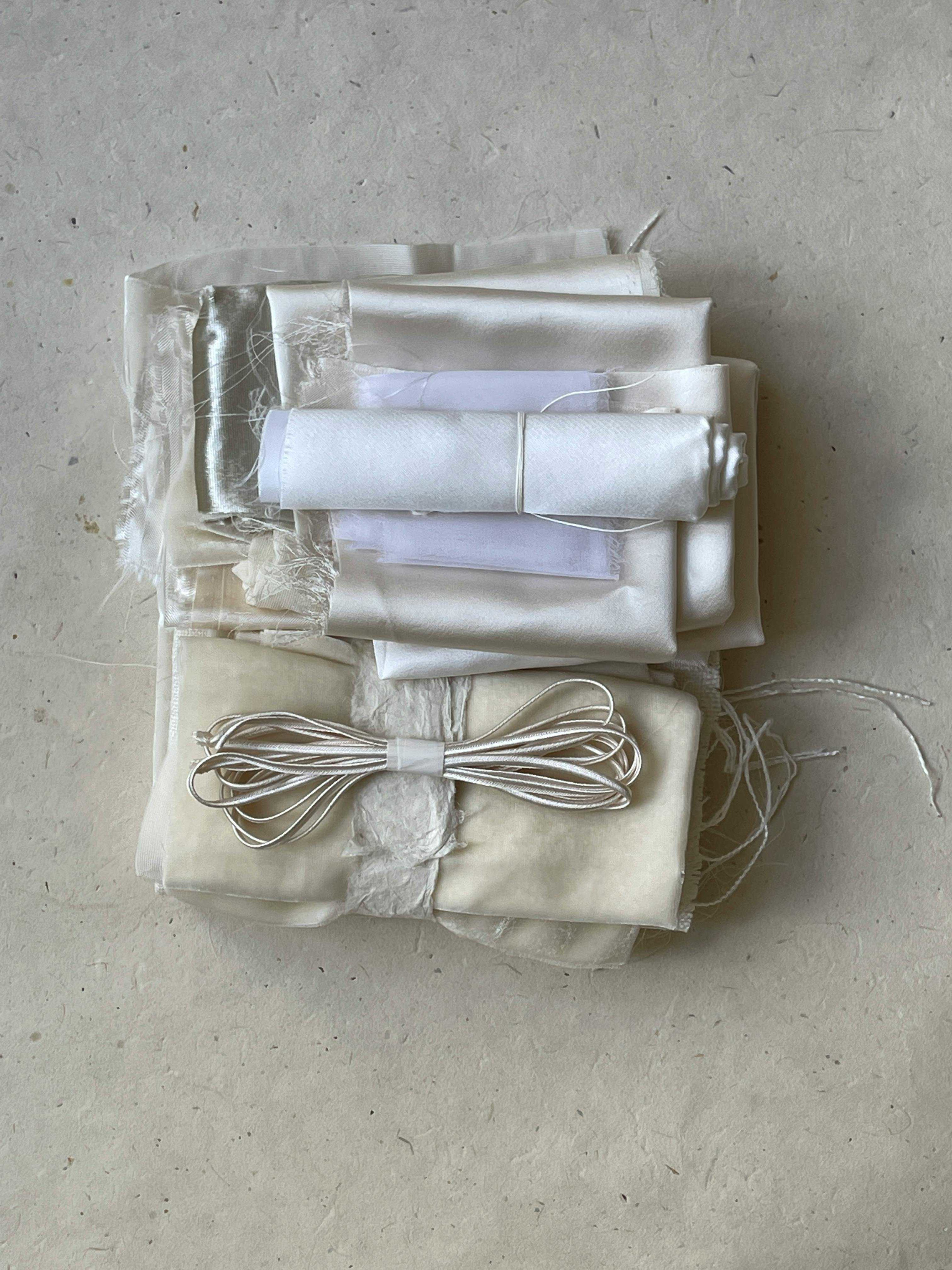
5. Silk
Silk is a luxurious option that naturally regulates temperature. It can feel both cooling and warming, depending on the ambient temperature, making it ideal for transitional seasons. Silk is also hypoallergenic and feels soft against the skin, but it can be more demanding to care for than other fabrics.
6. Tencel
Tencel is a fiber made from wood that is known for its eco-friendly properties and comfort. It is particularly soft, breathable, and has excellent moisture-wicking properties, making it a good choice for hot nights.
7. Microfiber
Microfiber is a synthetic option that is particularly valued for its durability and softness. It effectively wicks away moisture and dries quickly, making it a practical choice for bedding , especially if you’re looking for a low-maintenance option.
Conclusion
Sleeping naked in the summer and choosing the right bedding can help improve sleep quality during the hot months. This practice supports the body’s natural ability to regulate its temperature, which is especially important when temperatures rise.
Sleeping naked promotes air circulation and helps reduce overheating and sweating. This can not only increase sleep comfort but also prevent skin irritation. In addition, sleeping without clothes can enhance a sense of freedom and naturalness, which can have a psychologically calming effect and thus further improve sleep quality. However, sleeping naked also has its drawbacks—for example, you’ll need to wash your bedding more often.
Just experiment a little to see what feels right for you and your body. You’ll surely figure out quickly what’s best for your restful sleep and how you can start your day feeling relaxed and well-rested, even in the summer.