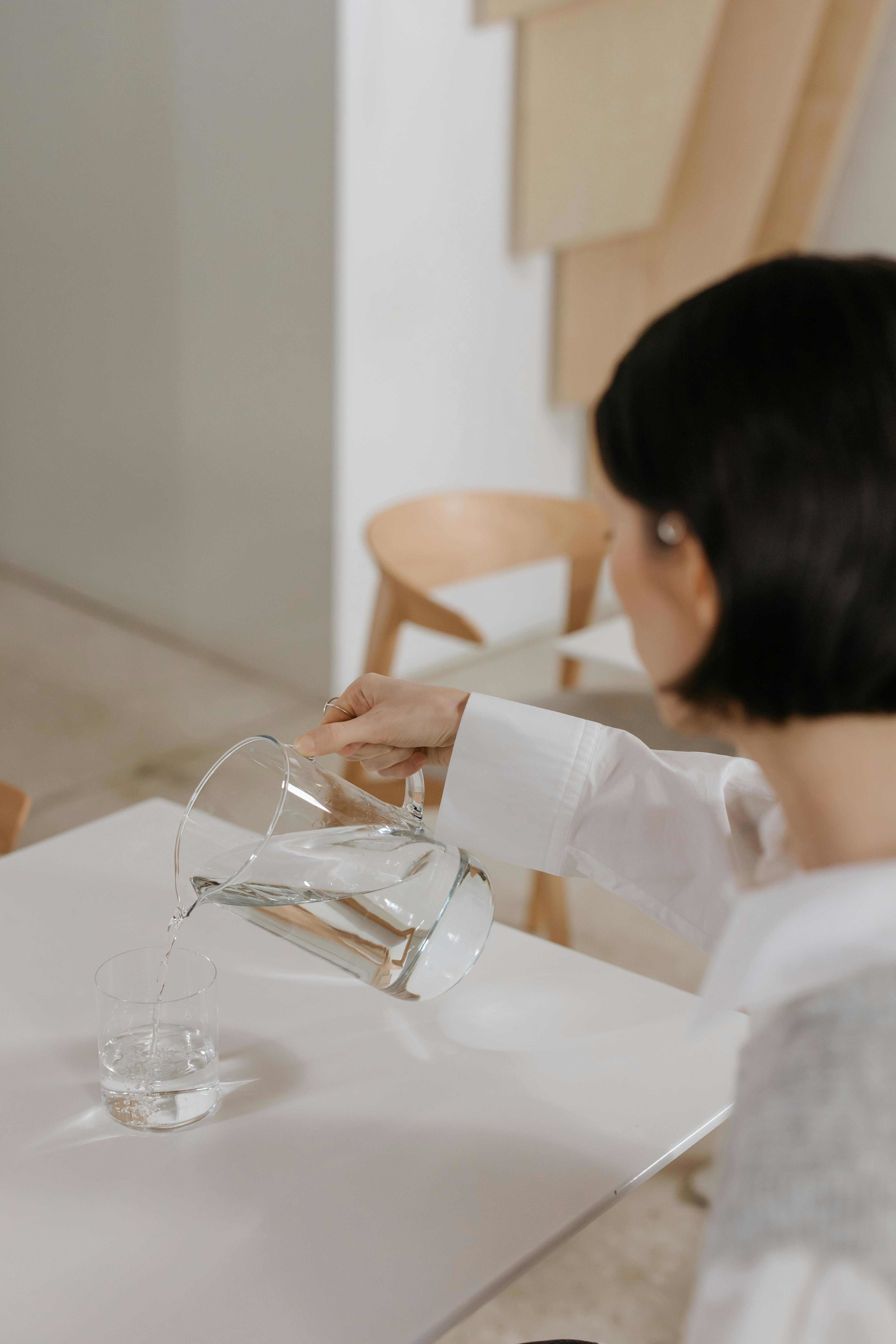
Hydration and Sleep: Drinking Warm Water Before Bed

A glass of water before bed: a sleep aid or a wake-up call? It’s not entirely clear. But one thing is certain: hydration and sleep are inextricably linked. We’ll explain why.
Here’s what a glass of water before bed does
Time and again, you read about warm water in connection with hydration and sleep. But what’s the story behind it? Here’s a quick rundown of all the key information:
- Hydration plays an important role in our sleep.
- Poor sleep and dehydration are mutually reinforcing, creating a vicious cycle. If you sleep poorly, you become dehydrated more quickly—and if you’re dehydrated, your sleep quality declines.
- In the summer, high temperatures and potential allergies affect our sleep quality and cause us to become dehydrated even faster.
- You should drink about 35 ml of water per kg of body weight every day and avoid soft drinks and alcohol as much as possible to stay optimally hydrated.
- A warm glass of water supports your circulation and digestion, helps prevent dehydration, and promotes relaxation.
- At the same time, however, drinking before bed can also cause you to wake up at night and need to use the restroom.
- This condition, known as nocturia, isn’t just annoying—it can also cause long-term health problems.
- So if you already have to go to the bathroom frequently at night, it’s best not to drink anything right before bed.


How Hydration Affects Your Sleep
More than 60% of our bodies consist of water. So it’s no wonder that hydration plays a significant role even during sleep, which is so important.
While we sleep, we (ideally) go over seven hours without drinking—longer than at any other time during the day. To prevent us from becoming too dehydrated during this time, our bodies release the hormone vasopressin during the late stages of sleep. It draws water from the primary urine, returns it to the body—and thus ensures that we essentially hydrate ourselves.
The problem: Good sleep is closely linked to our hydration levels; the worse we sleep, the higher the risk of dehydration. It’s a vicious cycle.
Study: Sleep Deprivation Leads to Dehydration
Astudy published in the * * by Pennsylvania State University examined the link between sleep deprivation and dehydration in 25,000 participants.
The result: Participants who slept less than six hours a day were significantly more likely to be dehydrated than those who got the recommended eight hours a day. Dehydration, even when mild, can cause cognitive, emotional, and physiological impairments that further worsen sleep.
As a result of this disrupted sleep, the body no longer releases the hormone vasopressin optimally—we become even more dehydrated and sleep even worse.
Typical symptoms that then occur include:
- Dry mouth
- Thirst
- Headaches
- Muscle cramps
To break this vicious cycle, we need to make sure we stay properly hydrated throughout the day. But more on that later.

How Drinking Affects Your Sleep in the Summer
Especially in the summer, it’s not uncommon for us to have trouble getting the rest we need at night. Two factors are primarily responsible for this:
- High temperatures: We normally loseabout 1.5 liters of sweat per night. In the summer, however, it can be even more—especially if it doesn’t cool down properly at night. This causes us to become dehydrated even faster.
- Allergies: The infamous hay feveralso affects our sleep. Pollen causes our noses to swell, forcing us to breathe more through our mouths—and thus dry out even faster. This is because the body uses even more water when it doesn’t get enough oxygen.


Hydration: How much water you need each day
To prevent dehydration at night, you should make sure to stay well-hydrated throughout the day. You can easily tell if you’re sufficiently hydrated by checking your tongue and urine. A well-hydrated tongue appears moist and glossy, while your urine is clear or light yellow around noon. These signs indicate that your body has taken in enough water and your “water tank” is sufficiently filled. Pay attention to these simple but meaningful signals from your body to ensure that you’re always optimally hydrated.
Drink Enough Water
Make sure to drink about 35 ml of water per kilogram of body weight every day—more if you exercise a lot, are breastfeeding, or are sick.
If you find it difficult to drink enough water , these tips may help:
- Start your day with a glass of water right after you wake up.
- Use a water app that reminds you to drink regularly
- Always carry a reusable water bottle with you.
- Set clear hydration goals for yourself.
- Flavor your water with lemon, cucumber, or ginger.
- Always drink a glass of water with every meal.
- Make drinking a habit and tie it to your daily to-do list.
- Set a water reminder alarm or place Post-its in strategic spots.
Eat foods high in water content
Watermelons, pears, oranges, spinach, cucumbers, and citrus fruits have a high water content and help boost your fluid intake.
- Cucumber: Cucumbers are about 95% water.
- Watermelon: Watermelons have a water content of about 92%.
- Zucchini: Zucchini contain about 94% water.
- Tomatoes: Tomatoes are about 95% water.
- Strawberries: Strawberries have a water content of about 91%.
- Celery: Celery contains about 95% water.
- Lettuce: Lettuce has a water content of about 96%.
- Oranges: Oranges are about 87% water.
- Pineapples: Pineapples contain about 86% water.
- Peaches: Peaches have a water content of about 89%.
Avoid Caffeine and Alcohol
The caffeine in coffee has a diuretic effect. This means it stimulates the kidneys to excrete more water. For regular coffee drinkers, this effect is often less pronounced because the body becomes accustomed to the caffeine. In moderate amounts—about one to two cups a day—coffee generally has no significant negative impact on the body’s fluid balance.
Alcohol, on the other hand, has a much stronger impact on hydration. It acts as a potent diuretic by inhibiting the production of antidiuretic hormone (ADH). ADH is responsible for helping the kidneys retain water. When less ADH is produced, the body excretes more water, which in turn leads to increased fluid loss—and causes us to become dehydrated more quickly.
Both coffee and alcohol also disrupt sleep and result in generally poorer sleep quality.
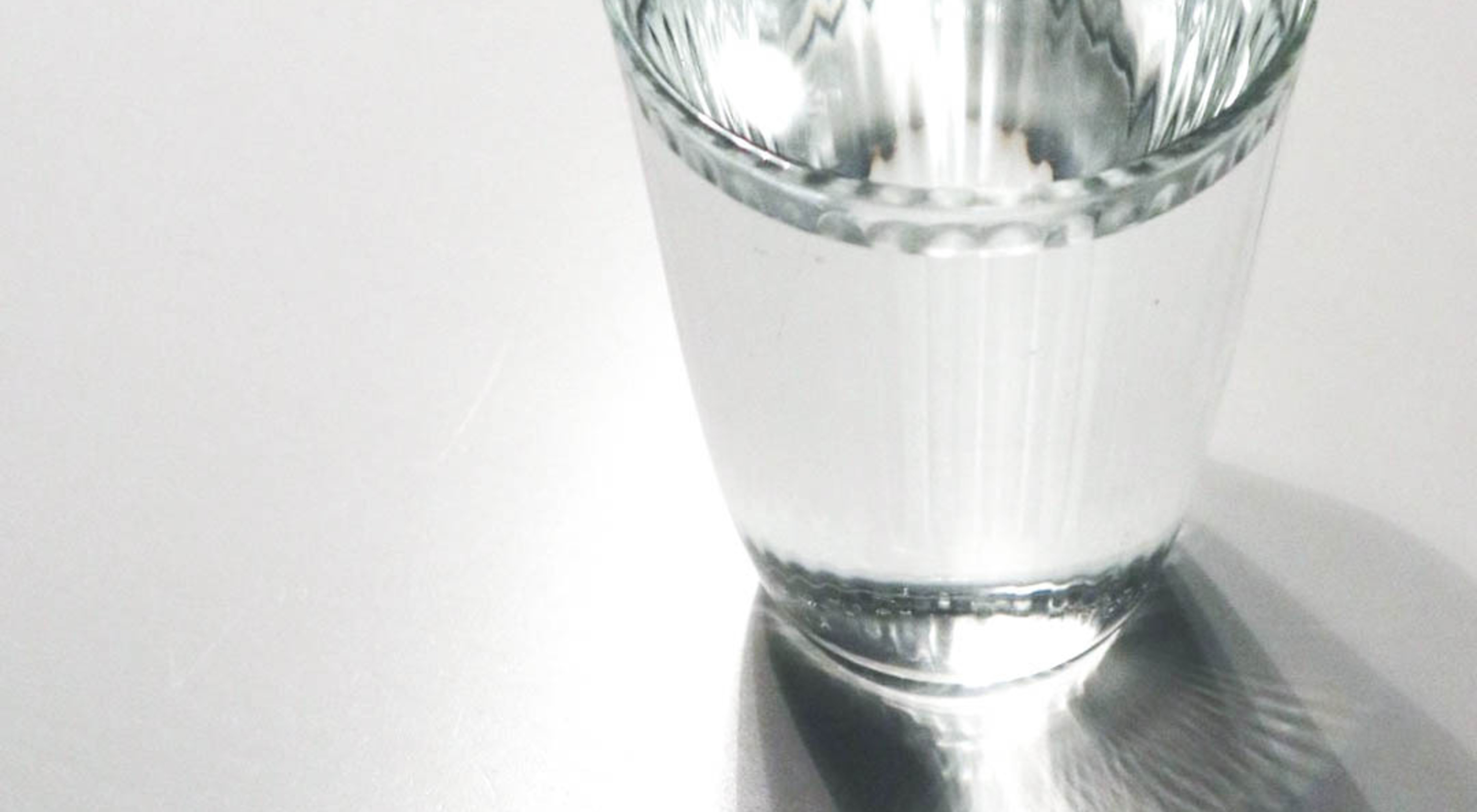

A warm glass of water before bed
Drinking warm water before bed—some people swear by it, while others advise against it. But what’s the truth about the pros and cons?
What are the pros?
Warm water...
... relaxes
Normally, our body has to bring the drink up to “stomach temperature” first—with warm water, this extra effort is eliminated, so we save energy. At the same time, the warmth has a relaxing effect and may even help you fall asleep.
... improves blood circulation
When you drink warm water, your core body temperature rises slightly. As a result, veins and arteries dilate, improving blood flow. This ensures that muscles and tissues receive optimal blood supply.
... aids digestion
Warm water stimulates both metabolism and digestion. When eating, for example, it helps fats break down and be digested more effectively.
... prevents dehydration while sleeping
If we drink a glass of water before going to sleep, the risk of becoming dehydrated during the night is significantly lower. At best, we’ll sleep soundly—and wake up less dehydrated.
What are the downsides?
Probably the biggest downside to drinking water before bed is that it increases the risk of being woken up by your bladder at night. If you find yourself getting out of bed multiple times due to the urge to urinate, you won’t get restful, uninterrupted sleep—and your sleep quality will suffer.
By the way, the increased need to go to the bathroom at night is called nocturia. Since our bodies can’t control when our bladders need to empty, it can happen even during those all-important deep sleep phases that our bodies wake us up because we need to use the restroom.
If this happens regularly, it can even have health consequences. Chronic poor sleep weakens the immune system, gastrointestinal health, and even some brain functions. Astudy from the in Boston even showed that nocturia is associated with an increased likelihood of developing depression.
But it’s important to note: If you have a healthy bladder, frequent waking is rather unlikely. It’s much more likely that you’ll wake up due to external stimuli (e.g., high humidity)—and then realize you need to use the restroom.
So if you already have to go to the bathroom frequently at night, you should avoid drinking warm water before bed—and instead, drink only when you’re thirsty, three to four hours before going to bed.

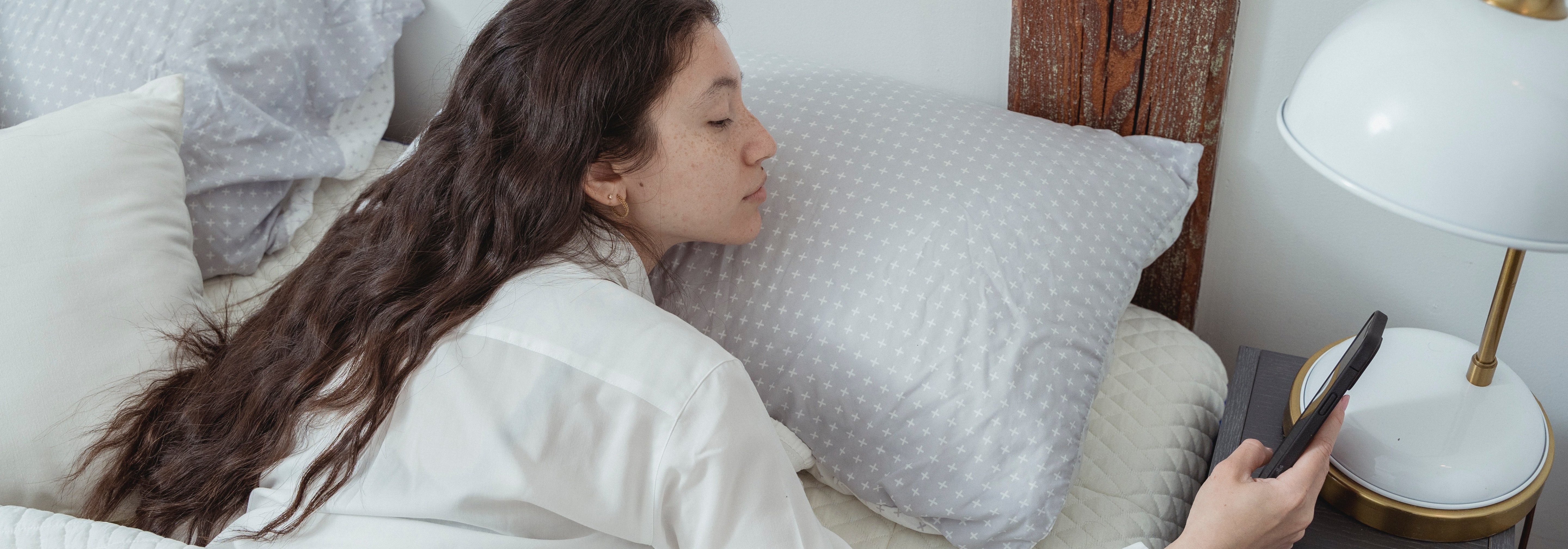
What thirst in the evening has to do with our internal clock
If you regularly get thirsty before going to bed, you might attribute it to your biological clock. Researchers at McGill University in Montreal believe that our brain has a hydration sensor with thirst neurons that communicates with our thirst neurons via vasopressin.
The hypothesis: Our body automatically ensures that we consume enough fluids before going to bed.
This effect has already been demonstrated in mice—the scientists believe it could also play a role in humans.