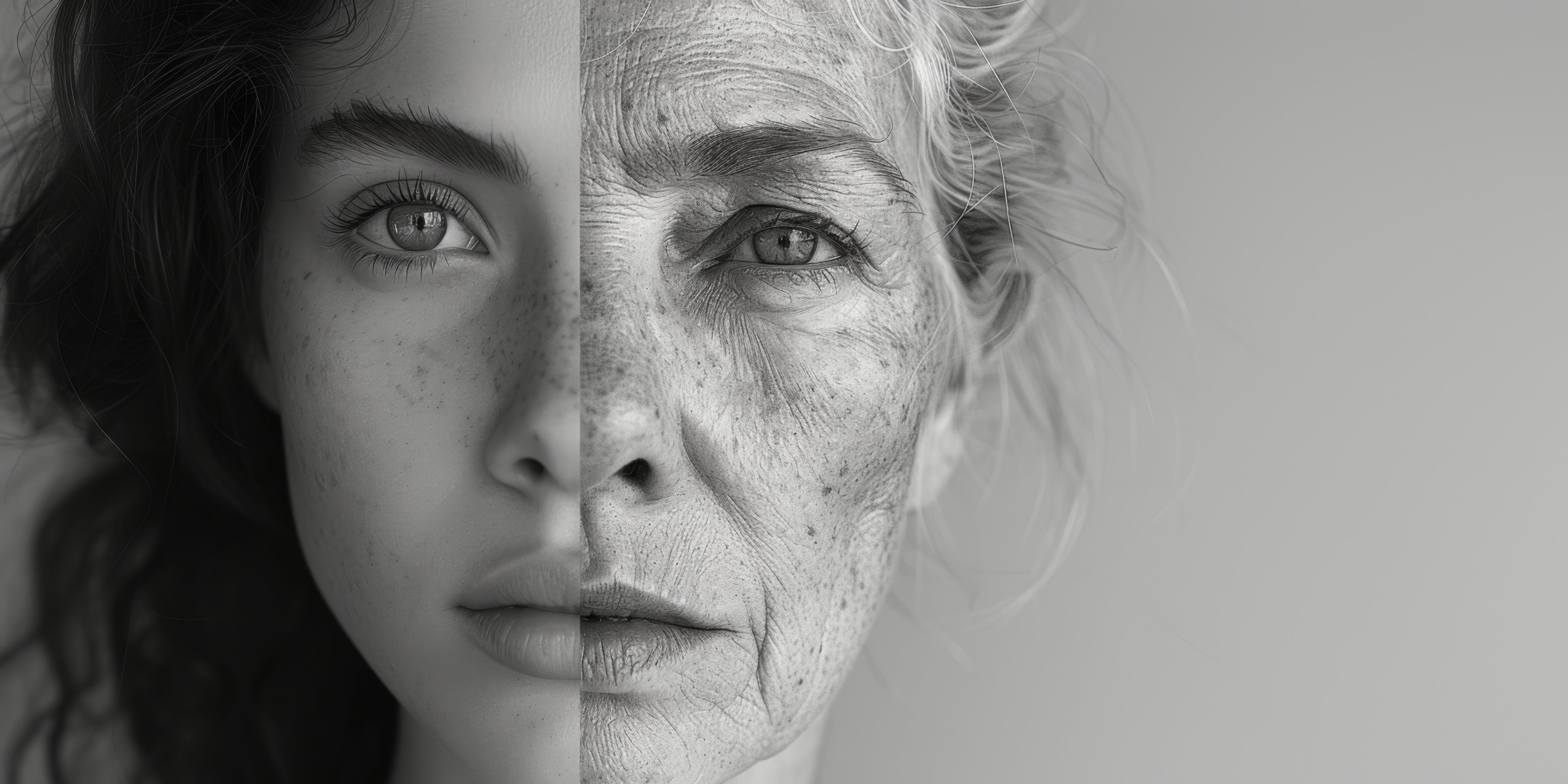
The Secret to Longevity: Decode Your Biological Age

The idea of living in good health for over a hundred years is hard to grasp. And the notion of experiencing every minute of that life in the best possible condition is almost too good to be true.
The fact is, age is more than just a number.
Science is now certain: there is a difference between biological age and chronological age. While chronological age inevitably advances, biological age is not set in stone. Rather, it is a reflection of our lifestyle, our decisions, and our overall well-being.
Research in the field oflongevity is still in its infancy, and every day new discoveries are made that expand our understanding of aging.
One thing is already clear: Through targeted lifestyle changes, modern therapeutic approaches, and new models of artificial intelligence, we can slow down—and perhaps even reverse—biological aging.
In this article, you’ll learn exactly what biological age is and how it can be measured. We’ll also show you what factors influence it and what strategies already exist to positively influence biological age.
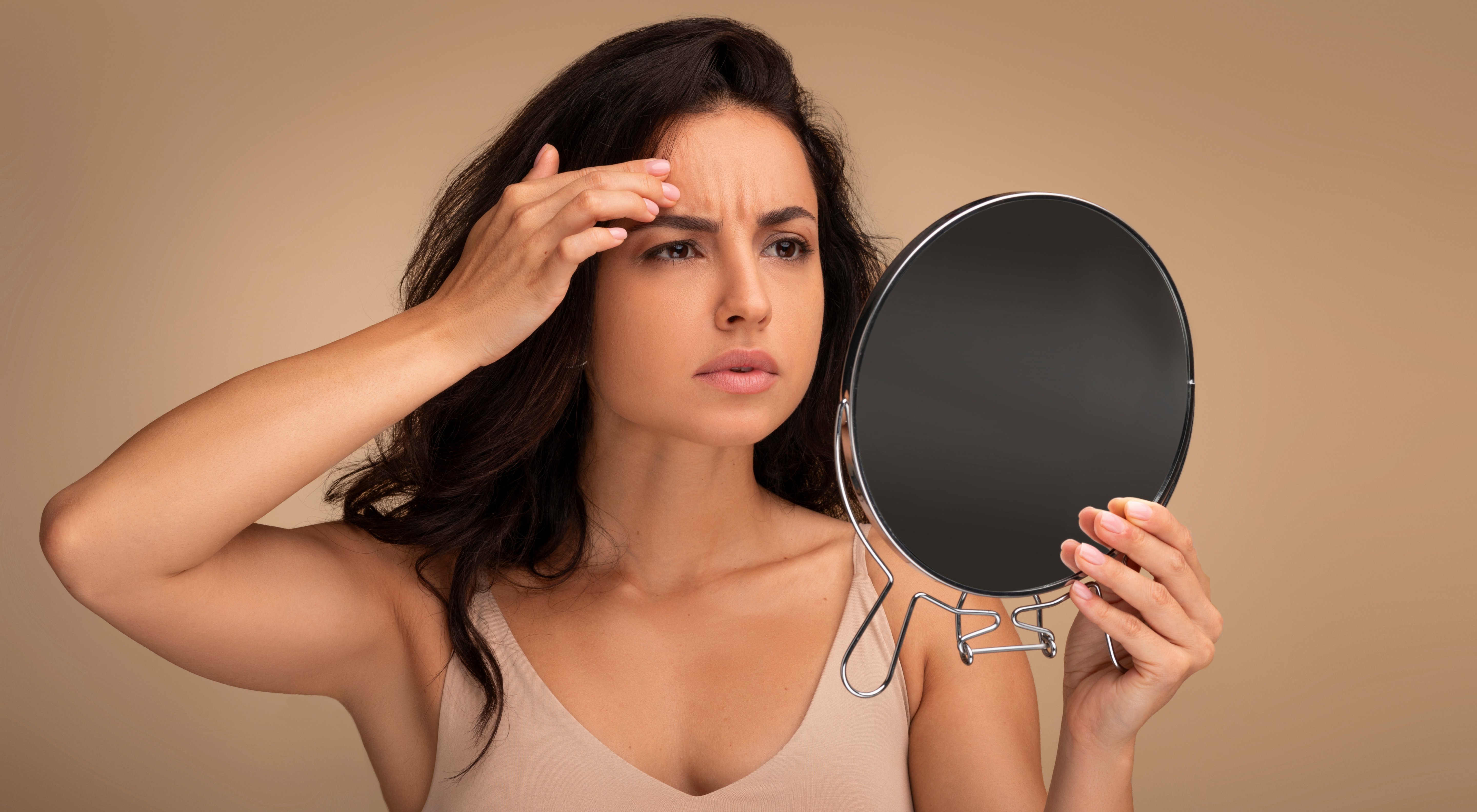

The Theory of Aging as a Disease
One concept driving longevity research is the idea of aging as a disease. The notion that aging can be treated or even cured has only gained popularity in recent decades, thanks in part to Professor David Sinclair of Harvard University.
A central goal of his research is to prevent or delay age-related diseases such as cardiovascular disease, Alzheimer’s, and diabetes.
At the heart of the theory is the idea that the aging process is not inevitable and is governed by biological mechanisms that can be understood and manipulated.
By identifying and targeting the underlying causes of aging—such as cellular damage, genetic changes, and metabolic disorders—we may be able to slow or reverse the effects of aging. This could not only increase average life expectancy but also significantly improve quality of life in old age.


Biological Age vs. Chronological Age
Distinguishing between biological and chronological age is crucial to our understanding of longevity and how we can influence it.
2.1. What Is Chronological Age?
Chronological age is defined by the number of years since our birth. It is an unchanging constant and serves as a general indicator of the stage of life a person is in.
In society, chronological age often serves as a benchmark for certain life events and expectations, such as the start of compulsory schooling, reaching the age of majority, or entering retirement. However, this simple count says little about our actual physical and mental condition. Chronological age provides only limited insight into an individual’s health status, lifestyle, or life expectancy.
2.2. What Is Biological Age?
In contrast to chronological age, biological age is a more dynamic and meaningful measure. It reflects the body’s actual condition, including the health of cells, organs, and systems. Biological age takes into account the accumulation of damage at the molecular level, the functionality of the immune system, telomere length, and other biomarkers that provide insights into the aging process.
Biological age indicates how “old” our body or any individual organ is compared to an average developmental or aging standard. This number thus provides a more realistic assessment of our individual biological clock, regardless of chronological age.


Measuring biological age
The ability to accurately measure biological age is central to longevity research and is crucial for understanding and influencing the aging process. By more precisely determining biological age, it is possible to create personalized health and wellness programs aimed at slowing biological aging and improving quality of life.
While chronological age is determined by the calendar, determining biological age is significantly more complex. The measurement relies on so-called biomarkers, which provide physical and biochemical indicators of our body’s condition. These include, among other things, telomere length, epigenetic changes, protein oxidation levels, and inflammatory markers. These biomarkers reveal how well or poorly our body has aged and offer insight into our actual biological age compared to our chronological age.
3.1. Telomere Length
One of the most extensively studied biomarkers of biological age is telomeres, the protective end caps of our chromosomes. With each cell division, telomeres shorten until the cell eventually ceases to function or dies. Longer telomeres are associated with a younger biological age and a lower susceptibility to age-related diseases. Some companies offer tests that specifically measure the length of telomeres in cells.
3.2. Epigenetic Tests
Another method for determining biological age involves epigenetic clocks based on DNA methylation patterns. These clocks can predict biological age with remarkable accuracy.
Epigenetic tests capture the effects of environmental and lifestyle factors—including diet—on the genome. For example, they can reveal individual differences in how the body responds to changes in diet, allowing for the development of personalized nutrition plans.
Such age tests, such as those offered by the German provider EpiAge, are therefore particularly well-suited for dietary changes. Ideally, the test is conducted both before and after the change. This allows for a comparison of how effectively the dietary change influenced biological age.
3.3. Metabolomic Profiling
Some tests go beyond genetic and cellular markers and analyze the metabolome—the totality of all small molecules present in the body as a result of biological processes. These tests can provide a wide range of information, from nutrient deficiencies to risk factors for certain diseases, and offer a comprehensive overview of one’s health status.
3.4. Combined Approaches
There are also tests that use a combination of different biomarkers to enable an even more accurate determination of biological age. These combined approaches can integrate data from telomere length, epigenetic clocks, metabolomic profiles, and other biomarkers such as inflammation markers and cardiovascular indicators.
When choosing a test, it is important to use reputable providers and to view the results within the context of a comprehensive health and wellness plan. Ideally, you should seek support from a health expert to help you derive the best strategies for healthy longevity from the results.


Factors Influencing Biological Age
The distinction between biological and chronological age shows that aging is not an inevitable, uniform process. Rather, it is a state influenced by a variety of factors. These include
- genetics,
- diet,
- physical activity,
- stress management, and
- environmental exposures.
The realization that biological age can be altered through conscious decisions and lifestyle changes opens up new possibilities: both for the prevention and treatment of age-related diseases and for extending a healthy lifespan. This perspective suggests that longevity is less a matter of fate and more the result of the decisions we make every day.


Strategies for Slowing Biological Aging
Biological age can be influenced. This insight opens up a promising field of strategies aimed at slowing the aging process and extending lifespan. These approaches range from lifestyle changes and dietary adjustments to cutting-edge scientific interventions. They are all designed to improve the quality and duration of our lives by influencing the biological mechanisms that govern our aging.
While the strategies outlined below are promising, it is important to recognize that the science of aging is complex and not yet fully understood. Every intervention must be carefully evaluated for its long-term effects to ensure that it not only extends life but also enhances quality of life.
5.1. Lifestyle Factors
While part of our biological age is predetermined by genetics, research shows that lifestyle plays an equally important role. Factors such as diet, physical activity, adequate sleep, stress management, and social interactions have significant effects on the rate of biological aging. A healthy lifestyle can help reduce biological age, even as chronological age increases.
5.2. Exercise and Nutrition
Extending lifespan through exercise—particularly aerobic exercise, strength training, and flexibility exercises—can positively influence telomere length and slow cellular aging. A diet rich in antioxidants, omega-3 fatty acids, and other anti-inflammatory foods supports cellular health and promotes longevity.
In addition, scientific studies have shown that intermittent fasting and calorie-restricted diets can influence biological age. These dietary approaches can help improve insulin sensitivity, reduce inflammation, and promote autophagy—a process in which cells break down and recycle defective components, thereby contributing to longevity.
5.3. Advanced Therapies
At the forefront of scientific research are advanced therapies that target the molecular and cellular processes driving aging. Senolytics are one example of such interventions. These are drugs designed to eliminate senescent cells, which contribute to the aging process and age-related diseases. Research in this area is still in its infancy, but the initial results are promising and could pave the way for treatments that reverse aging at the cellular level.
5.4. Gene and Cell Therapies
The revolutionary technologies of gene and cell therapy offer potentially transformative approaches to combating aging. Certain tools (e.g., CRISPR-Cas9) enable the targeted modification of genes associated with longevity and disease resistance. Although these technologies are still in their infancy, they could one day help directly address and correct the genetic causes of aging.


Conclusion
Longevity is one of the most exciting challenges of our time. It challenges us to think beyond our limits, explore innovative solutions, and redefine the way we perceive and experience aging.
Aging is an inevitable process. However, you can positively influence it through targeted measures and conscious decisions. The distinction between chronological and biological age shows:
We have the power to improve our quality of life and lifespan.
By exploring and implementing lifestyle changes, dietary adjustments, and advanced scientific interventions, we have the opportunity not only to live longer, but also to live healthier and more fulfilling lives.