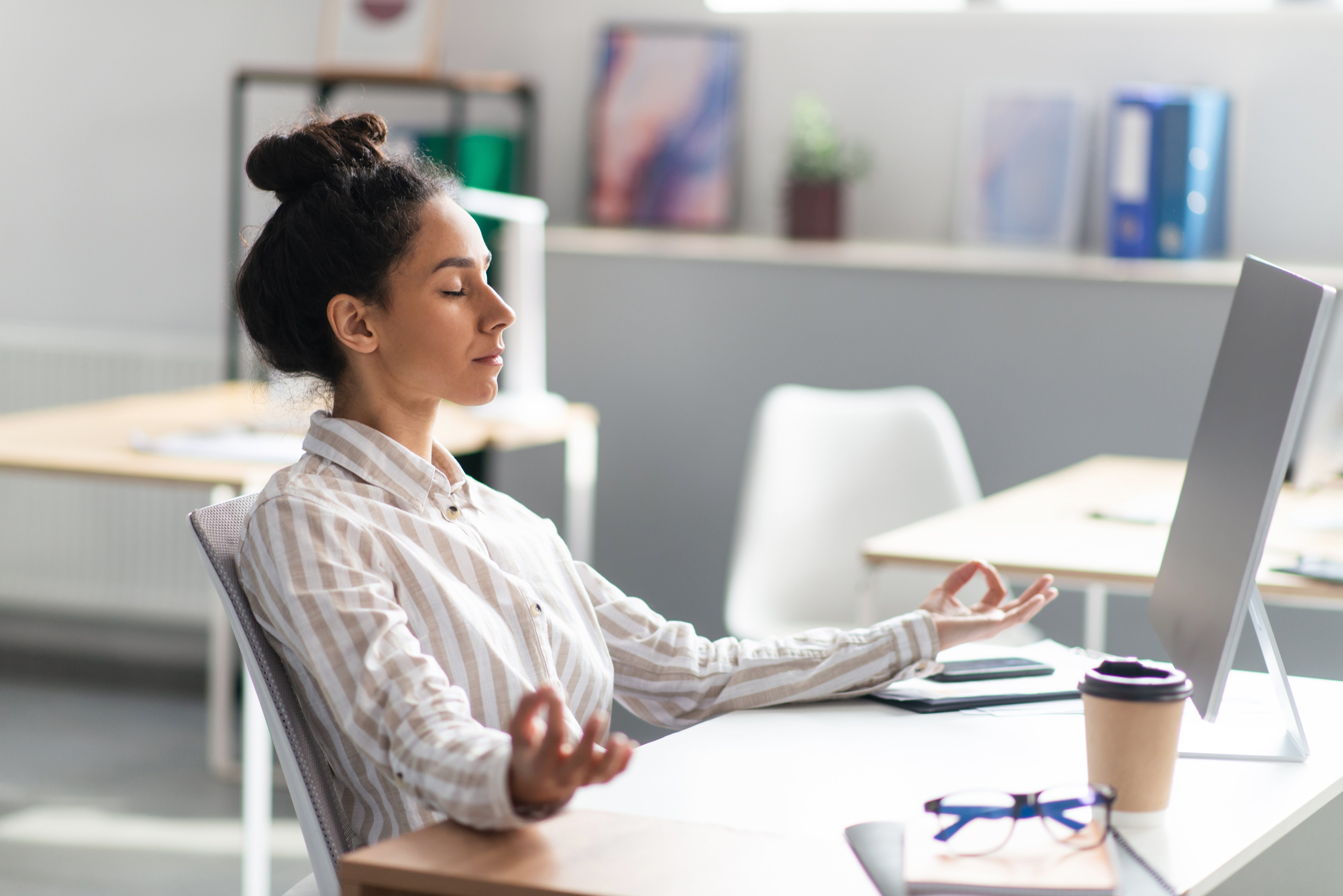
Work-Life Balance: Tips & Models for More Balance

Friday, 9:45 p.m.
Your laptop is glowing, your back aches, and you’re hungry, too. You actually wanted to be sitting on the couch by now, starting the movie you’ve been looking forward to all week. Instead, you’re “just quickly” typing an email—to meet the demands of your job—while someone might even be waiting for you in the living room.
Does this sound familiar?
This is often how the cycle begins: Work eats into your free time, stress drains your energy—and eventually you realize just how unbalanced your daily life has become.
In this article, you’ll learn about key topics related to work-life balance:
- The importance of work-life balance— what the term really encompasses.
- Common pitfalls that contribute to stress and exhaustion.
- Work-life balance strategies and tips for daily life, work, family, and working from home.
- How companies influence our work-life balance
- Work-Life Balance Test: Check how healthy your balance is right now.
- Options for work-life balance coaching and professional support.

Prevent Pain with Simple Habits
Simply sign up for free, and we’ll send you your office guide via email.
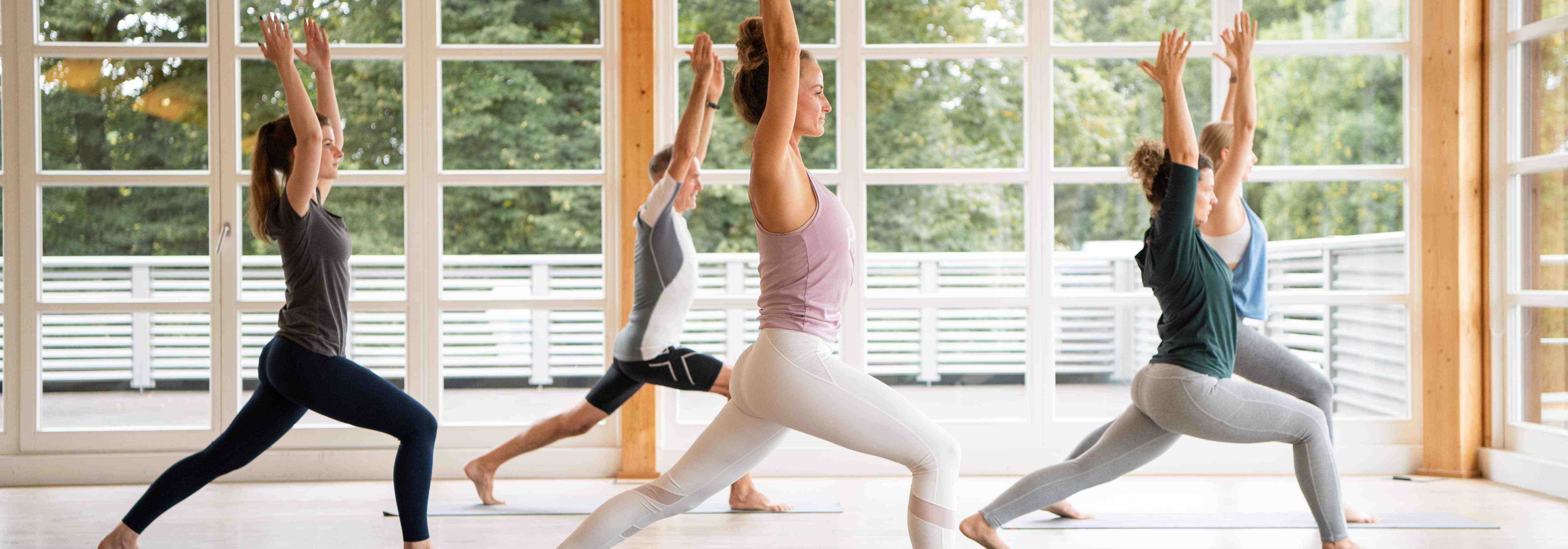
What does work-life balance mean?
In the past, work was clearly separated from personal life. You went to the office—and then back home. When the workday was over, it was over. Today? With modern work life—including working from home, smartphones, and constant availability—work and leisure have become intertwined.
Work-life balance describes the equilibrium between work, personal obligations, and relaxation. According to the Cambridge English Dictionary (2025), it refers to the time one devotes to work compared to that spent on family and leisure. The goal is to give both areas of life sufficient space so that, by the end of the week, a genuine sense of balance emerges—without exhaustion or burnout.
Mental Relaxation and Health
The term also refers to the ability to relax psychologically: that is, to consciously unwind, set boundaries, and view free time not as “leftover time” but as an active source of regeneration and meaning.
When the demands of work exceed our capacity for recovery, stress arises—and over time, this can even lead to the risk of exhaustion or burnout.
Work-life balance is therefore not just a nice-sounding term, but a crucial pillar of our mental and physical health.
Balance for All the Senses
Research shows that even small experiences can have a big impact: Imagine stepping out the door after a long day at work: the sun warms your face, birds are chirping, and a light breeze rustles through the trees. You take a deep breath, feel your shoulders relax, and a small smile spreads across your face. Or you meet up with a friend for coffee—you laugh about a shared memory, and the aroma of freshly brewed coffee wafts up to your nose. Moments like these aren’t trivial; they’re an integral part of a healthy balance. They engage all your senses. They restore strength, clarity, and serenity.
Work-life balance, then, doesn’t mean planning every hour to perfection, but rather shaping a life in which work, rest, and personal needs stand side by side as equally important pillars. Only when each area is in harmony with the others does true quality of life emerge. And with it, true value for your life and your personal fulfillment.
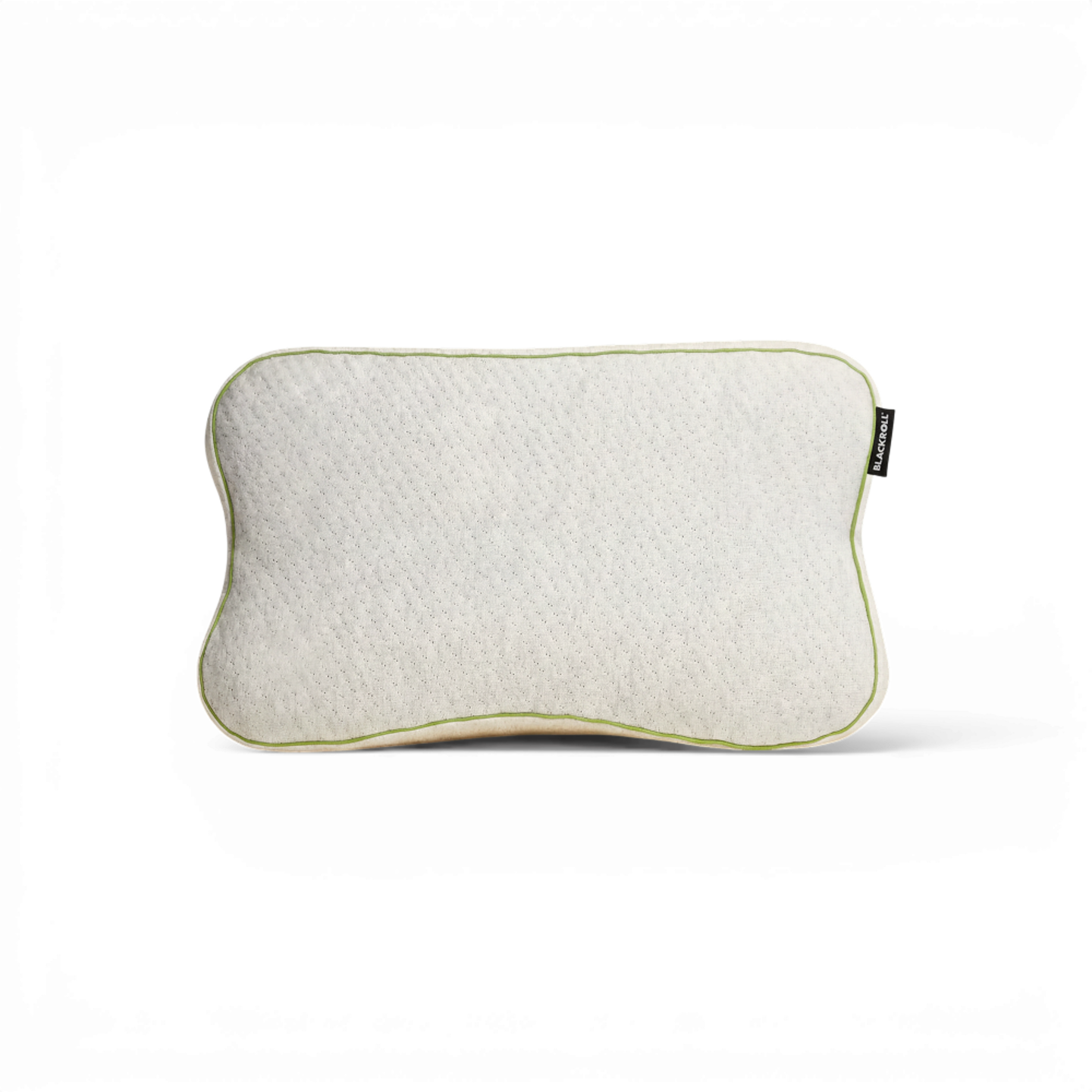
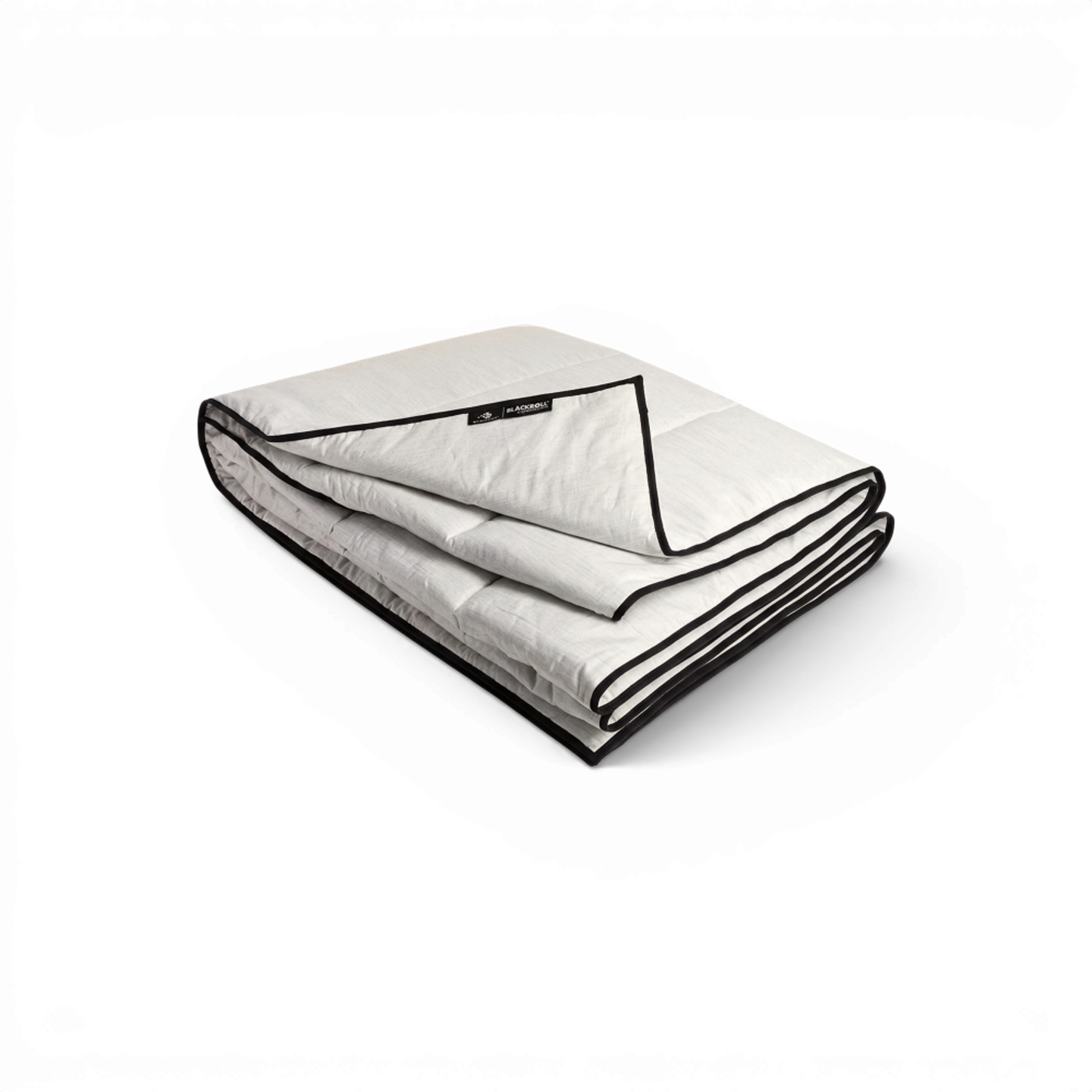
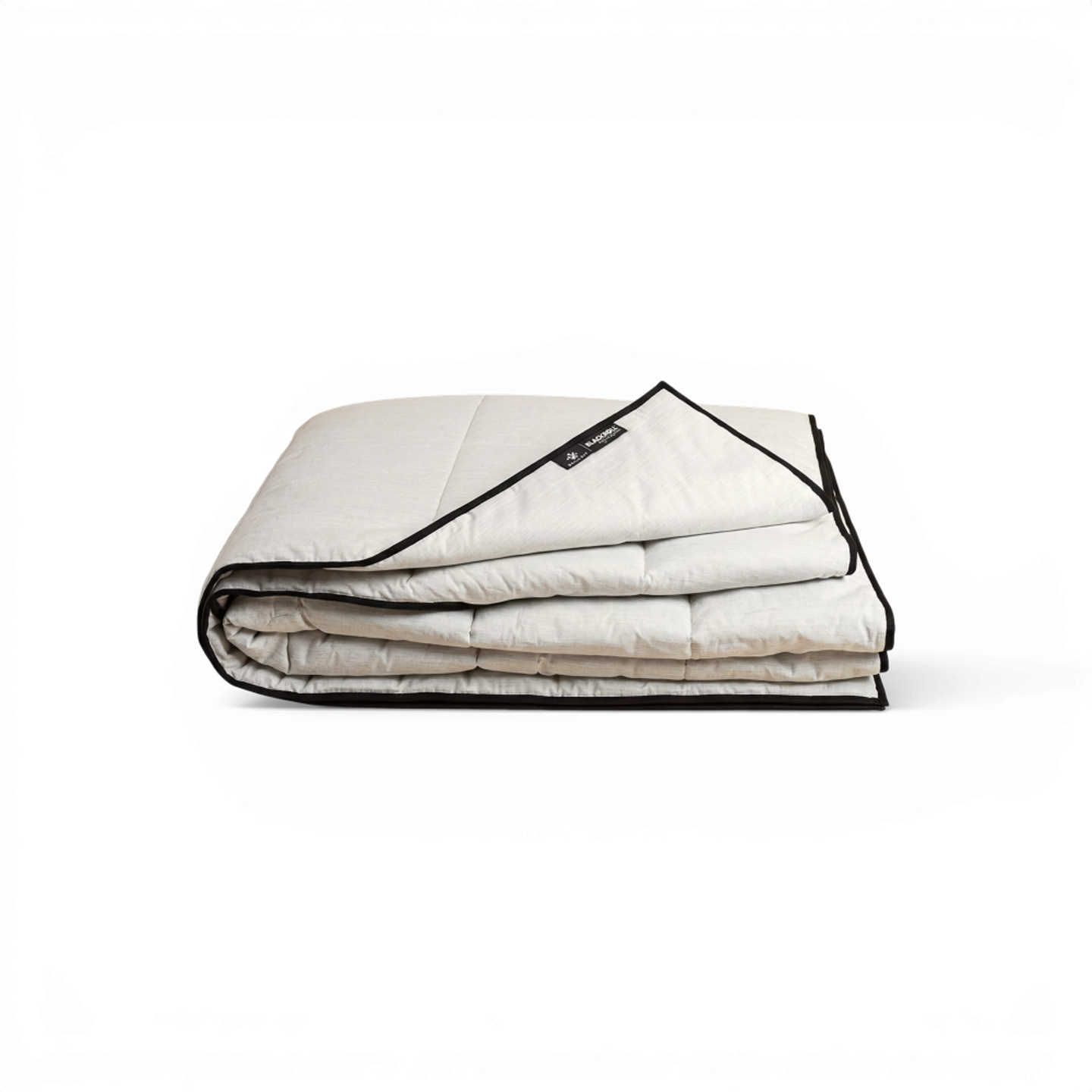
Recovery Blanket Winter
Available in multiple variants
Why is work-life balance so important today?
Inour society, there’s growing pressure to always be available and productive—which drains energy and takes time away from family and leisure. Nearly 70% of Germans aged 18 and older experience constant stress—especially those between the ages of 30 and 50. The result: they’re running on empty, their patience is wearing thin, and their well-being suffers. (TK Health Report 2022 & 2023)
If you work nonstop every day, rush from one meeting to the next, and just collapse on the sofa in the evening, your body pays the price: heart palpitations, sleep disturbances, frayed nerves—and in the long term, the risk of burnout, depression, and cardiovascular disease increases. This isn’t scaremongering; it’s scientifically proven. The Techniker Krankenkasse stress study (2021) and data from the WHO (2022) also show that chronic stress drastically reduces quality of life and increases the risk of illness.
A healthy work-life balance delivers real results that you can feel:
- More energy: When you set clear boundaries between work and free time, you can truly unwind in the evening. The next workday feels easier.
- Stress under control: Breaks, after-work rituals, and short time-outs have been proven to lower your stress hormone, cortisol.
- Better relationships: If you spend all your time staring at your laptop, you’ll miss out on precious moments with your partner, family, or friends—but if you consciously set aside time, you’ll strengthen those connections.
- Staying healthier: Regular rest protects your heart and immune system and reduces the risk of illness in the long term.
- More joy in everyday life: When you consciously balance work and life, even small things become sources of energy again—a walk, a coffee with friends, an evening without a to-do list.

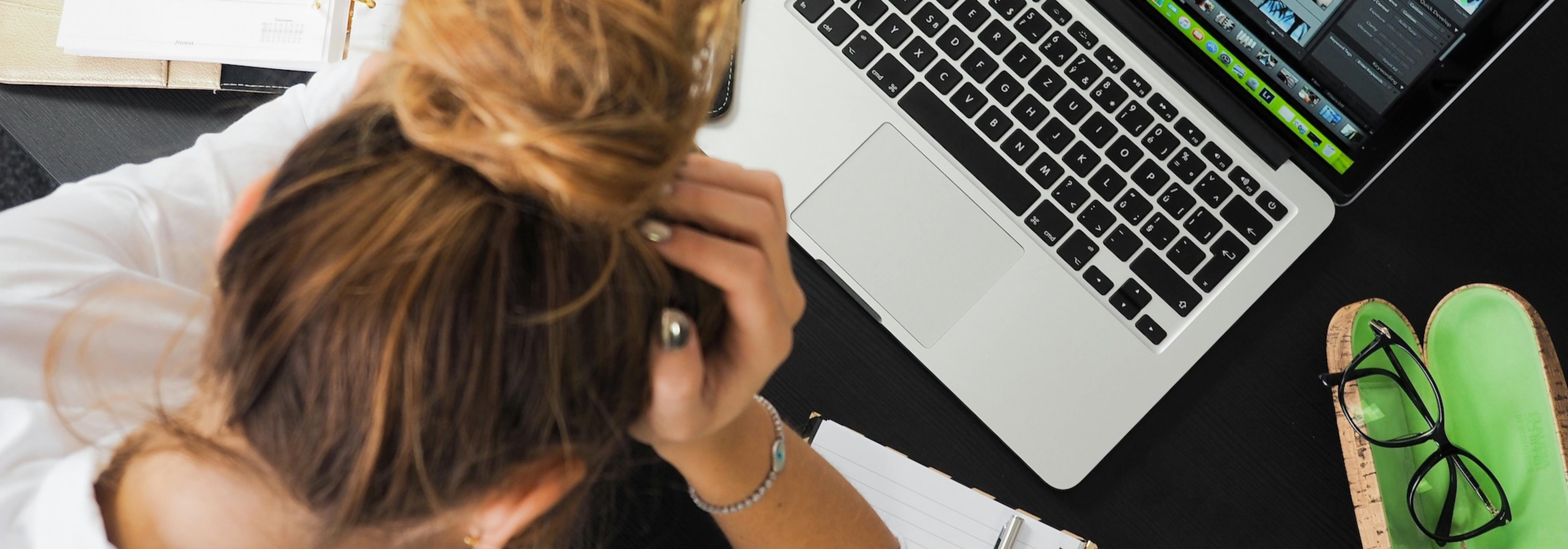
Common Challenges—and Why We Often Fail
“Just one more week, just get through this one more day.” I used to think that, too. But that’s exactly where the trap lies: We keep pushing our balance further and further into the future—until our bodies and minds are screaming in protest. Many pitfalls are psychological in nature—for example, the need to please everyone, or the fear of missing out on opportunities.
The biggest pitfalls in everyday life:
- No clear boundaries at work: Answering emails at 10 p.m.? Being available around the clock? That clearly leads to exhaustion.
- Perfectionism: Everything has to be right, everything has to be perfect—and your own needs fall by the wayside.
- Constant distractions: smartphones , social media, small tasks—suddenly, your free time vanishes, and you don’t get any rest.
- Lack of leisure activities: Without intentional breaks and activities that recharge your energy, everything goes on autopilot.
- No flexible work arrangements: No remote work, no flex time? Then you have to get creative; otherwise, that balance will quickly burn out.
We don’t fail because we’re too weak—we often fail because our system and our habits overwhelm us.
You might also be interested in






Practical Steps & Tips for a Better Work-Life Balance
Just one small, conscious decision can make you feel good and give you a boost of energy. Personal responsibility plays a key role here: Only by deciding for yourself when to take breaks, enjoy free time, and work can you consciously shape your personal schedule. Personal responsibility means building behavioral skills: saying no, staying focused while working, and unwinding.
Here’s how:
- Leisure Activities: Sports, walks, hobbies—consciously planned, not just done on the side.
- Digital detox: Consciously put your phone or laptop away for specific hours to reduce distractions.
- Mini-breaks in daily life: 5 minutes of breathing exercises, coffee without a screen, or short stretching breaks. Many small moments of mindfulness add up. They give you harmony, renewed energy, and motivation.
- Check your priorities: What really needs to be done today? Let go of perfectionism—good is often good enough. This way, you’ll work more efficiently and can focus your energy on what matters most without burning out.
- Balance in the workplace: Consciously putting your smartphone away. Personal touches that make you feel good, such as a plant, a photo, or plenty of natural light. Or an ergonomic sitting posture. All of this supports concentration and well-being.
- Reflect regularly: At the end of the week, ask yourself: What went well? Where did I cross the line?
- Take advantage of flexibility: Use flex time, working from home, or task delegation wisely to better structure your day.
- Protect your personal space: Introduce end-of-day rituals, turn off email or WhatsApp notifications after work, and block out fixed breaks in your calendar.
Work-Life Balance Examples in Daily Life
Here’s how different people structure their daily lives:
- Jonas, father and IT consultant: Alternates between the office and working from home, saving commute time and using it for his workouts.
- Miriam, executive: She’s introduced “meeting-free Fridays” so she can work without interruptions and clear her head. She demonstrates that women in leadership positions can actively shape their work-life balance.
- Sabine, mother and self-employed: She sets aside fixed family evenings that are non-negotiable. This keeps relationships stable and clearly separates daily life from work.
It’s all about simple, concrete adjustments that make the daily routine more structured and relaxed.

The Role of the Employer/Company in Work-Life Balance
Some employees are still rushing around the living room with their laptops after work, while others can relax, clear their minds, and enjoy their evening. What makes the difference? It’s often the company culture and clear rules in the workplace. These determine how easily work and personal life can be balanced. Clear guidelines on availability, breaks, working hours, and overtime create real leeway for achieving balance.
It’s particularly effective when managers set boundaries themselves and model healthy routines. When employees see that breaks are taken and the end of the workday is respected,they realize that work-life balance is possible—and not just an abstract concept.
These structures and cultural factors often have a greater impact than individual perks such as fitness classes or fruit baskets. They create the framework in which employees not only work efficiently but also recharge, recover, and perform at their best over the long term—day after day, week after week.
Work-Life Balance Models: Flexible Ways to Achieve Greater Balance
In Germany, Austria, and Switzerland, flexibility at work is becoming increasingly important. It’s crucial that each model be tailored to individual needs—not every solution is right for every person or every company.
4-Day Workweek: Work is spread over four days—while maintaining the same level of productivity as before. This boosts efficiency, motivation, and creativity. At the same time, this creates longer blocks of free time. The model has been successfully tested, particularly in startups and smaller companies. But with reduced weekly working hours, salary naturally plays a role as well: Fewer hours can mean less income, but in return, more time for family, hobbies, and relaxation. Each person must weigh for themselves how much time and income are in balance—and what brings them the greatest quality of life.
Job sharing: Two or more people share a single position, which reduces stress and creates more flexibility in daily life. This approach is practical for part-time workers, parents, or students, but it is not yet widely established.
Sabbatical / Career Break: A sabbatical gives you time for travel, continuing education, or personal projects. It promotes rest, opens up new perspectives, and helps prevent burnout. This option is increasingly supported by law, and the duration is determined by agreement.
Flexible work-from-home models: Work can be done from home or in a hybrid format. This saves you commute time, allowing you to better balance family and work. This concept is often combined with flex time and fixed office days to promote harmony between work and daily life.
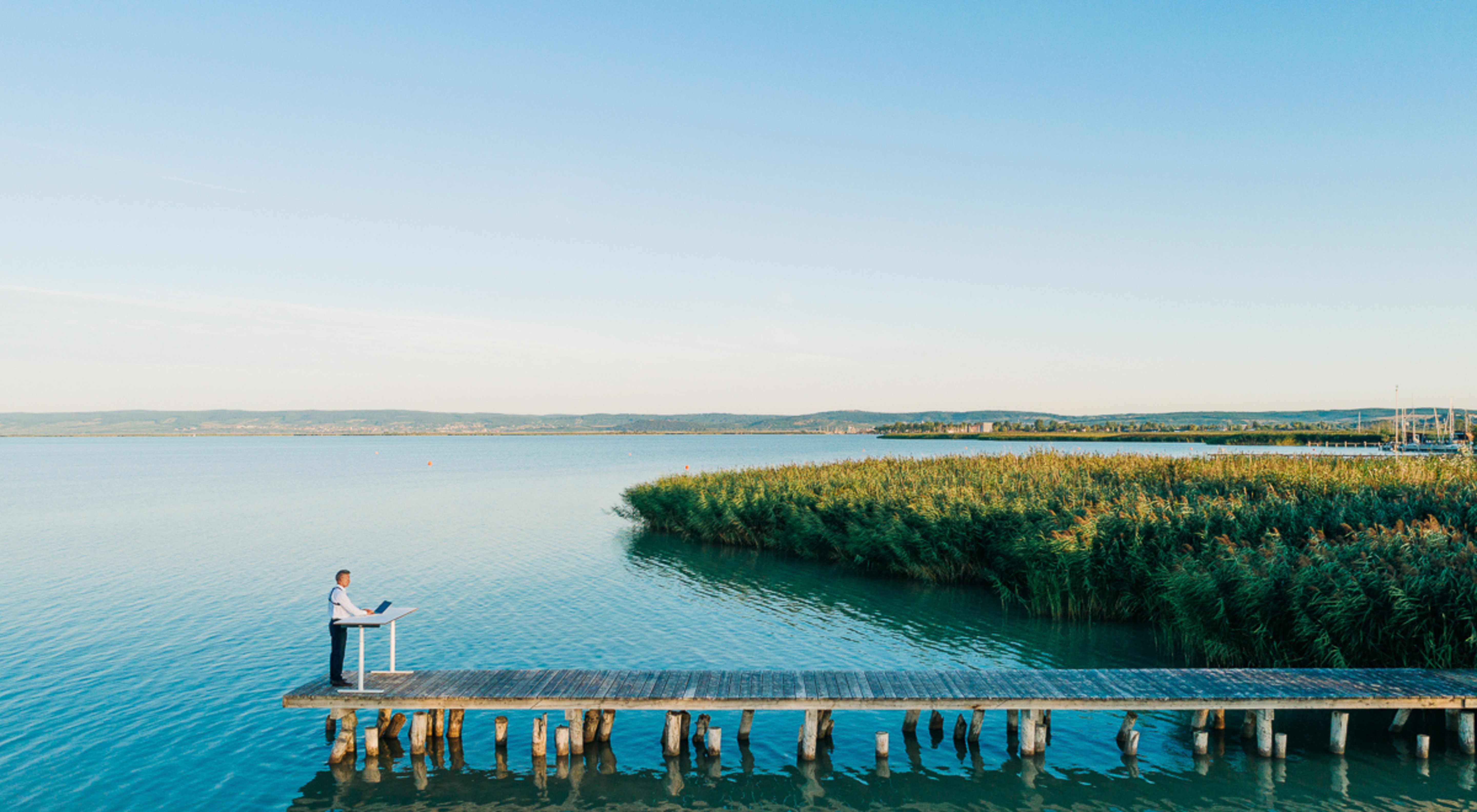
Workation—Working Where You Find Inspiration: A workation combines “work” and “vacation.” You take your laptop with you and work in a place that energizes you—for example, in the mountains, at the beach, or in a coworking space. This lets you combine work and relaxation in a laid-back way, stay productive, and recharge your creative energy. Important: Plan fixed work hours, ensure a stable internet connection, and consciously take breaks—this way, your workation will be a real boost for motivation and work-life balance.
Test and adjust your work-life balance
What works today might be too much or too little tomorrow. Work-life balance goes in phases—sometimes you need more rest, sometimes more activity. That’s why it’s worth checking regularly to see how balanced your work/study and personal life are:
- Self-Check: Regular reflection helps you assess and adjust your work-life balance.
Take 5–10 minutes once a week and ask yourself:- Do I have enough energy for work/school and my personal life?
- Do my commitments drain me more than they energize me?
Each week, note 1–2 factors that drain your energy—and 1–2 that give you energy. - Do I feel stressed or burned out?
- Have I made the most of my free time?
- Am I doing what’s truly important to me in my daily life?
- Do I structure my tasks and activities so that they feel good and right for me?
- Small adjustments: If you notice your balance starting to falter, make targeted adjustments: extend your breaks, change your leisure activities, set clearer boundaries.
- Experiment: Try out new routines—such as “meeting-free days,” set study times, or short digital detox periods—and see what gives you energy.
- Seek feedback: Talk to coworkers, friends, fellow students, or family. Often, others notice things that you yourself miss. This outside perspective can help ground your perception and ensure that it aligns with reality.
Work-Life Balance Coaching & Professional Support
Sometimes, however, these small adjustments to your daily routine aren’t enough on their own—especially when work demands, family, and personal goals all require your attention at the same time. Professional support can help you establish routines, regain energy, and set healthy boundaries for the long term.
- Individual Coaching
Professional coaching takes a close look at your personal situation—the person behind the job, their needs, and their limits. Coaches help you focus on what matters most, recognize stress triggers, and develop strategies that relieve your stress in the long run—so that balance isn’t just an empty word, but something you can actually feel. - Stress Management & Mindfulness
Courses on meditation, breathing techniques, or relaxation exercises immediately reduce stress while also promoting resilience. - Prevention Courses Under Section 20
Many health insurance providers cover the costs of prevention courses. These programs not only improve physical fitness and flexibility but also promote mental well-being. When combined with coaching, they yield long-term benefits for health and well-being. - Corporate Programs
Many employers support their employees through workshops, mentoring, or EAPs (Employee Assistance Programs). These voluntary, anonymous programs offer counseling on stress management, mental health, conflict resolution, and personal development. They complement coaching, prevention courses, or short breaks right at the workplace. - Practical Tools for Everyday Life
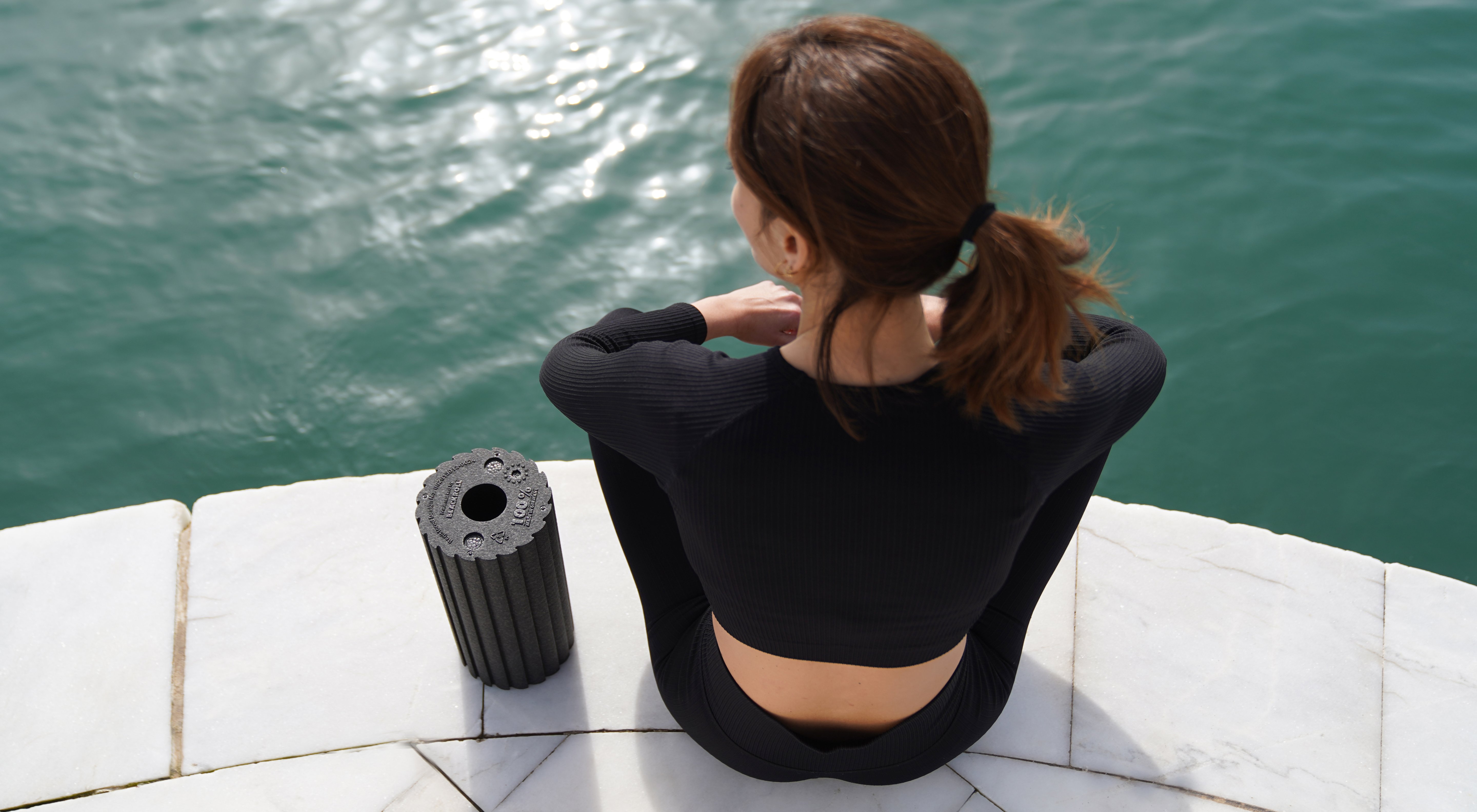
Tools such as Blackroll® fascia rollers specifically support movement, relaxation, and recovery after work or physical activity. Even short sessions of 5–10 minutes can loosen muscles, relieve tension, and noticeably improve recovery between work periods or after days of working from home.


FAQ: Work-Life Balance
The right balance between work, rest, and what truly fulfills you—enhancing your well-being and enjoying life without burning yourself out.
Yes—by being clear about your own values, managing your time consciously, and consistently saying “no” to energy drainers. Your point of balance is as unique as your fingerprint.
- Establish fixed work and break times
- Set aside “digital detox” times
- Integrate physical activity into your daily routine (e.g., a 10-minute active break)
- Prioritize tasks & shorten your to-do list
- Clearly communicate boundaries at work
- Create moments of relaxation (meditation, a walk, a power nap)
- Consciously nurture social connections
- Incorporate small “moments of joy” into your daily routine (music, favorite drink, hobby)
They set the pace and serve as a role model: they promote healthy structures, lead by example in taking breaks, and ensure realistic goals—or they undermine all of that.
Flexible hours, job sharing, the 4-day workweek, sabbaticals, hybrid work.
Less stress, more energy, better sleep quality, and a lower risk of burnout and cardiovascular disease.
Yes, if clear structures and boundaries are established—otherwise, it can actually get worse.
Conclusion
Work-life balance is dynamic. Those who regularly assess, reflect, and make small adjustments remain energetic, productive, and satisfied in the long run—whether at work or in school. Work-life balance doesn’t mean avoiding obligations, but rather structuring them in a way that leaves enough room for rest, joy, and personal growth.
It’s like sailing: you have to keep readjusting your course.
You can’t change everything right away—but you can start today. With a “no,” a break, or an evening away from screens.
You might also be interested in
Sources & Studies
- Cambridge University Press. (2025). Work-life balance. In Cambridge English Dictionary. https://dictionary.cambridge.org/us/dictionary/english/work-life-balance
- Techniker Krankenkasse (2022): Take it easy, Germany! Study on stress in Germany. 1,000 people aged 18 and older were surveyed. Result: 70% of Germans feel stressed on a regular basis. tk.de || t-online.de
- Techniker Krankenkasse (2023): TK Health Report 2023 – How Are Germany’s Students Doing? 1,000 students aged 18 and older were surveyed. Result: 68% of students feel stressed on a regular basis. tk.de
- Techniker Krankenkasse (2021): Health Report – Stress and Workload in Germany. Hamburg: TK.
- World Health Organization (WHO) (2022): Occupational Health: Stress at the Workplace. Geneva: WHO.