Light Therapy – Effects, Applications, and Benefits for Body and Mind

Do you know that feeling when, during the dark months, your energy levels drop, your mood becomes gloomier, and you find it hard to get out of bed in the morning? Many people experience exactly these changes in the fall and winter. And it’s not uncommon for a lack of light to be the underlying cause.
This is where light therapy comes in. It uses artificial, specially filtered light to give your body what it’s missing during the dark season. Studies show that it’s also effective for seasonal affective disorder (SAD) and is one of the most commonly recommended treatments (Lam et al., 2016).
But light therapy isn’t just helpful for winter depression: it can also have a positive effect on sleep problems, jet lag, and exhaustion. This makes it a simple, scientifically proven approach to supporting your mood and well-being in everyday life.
What is light therapy?
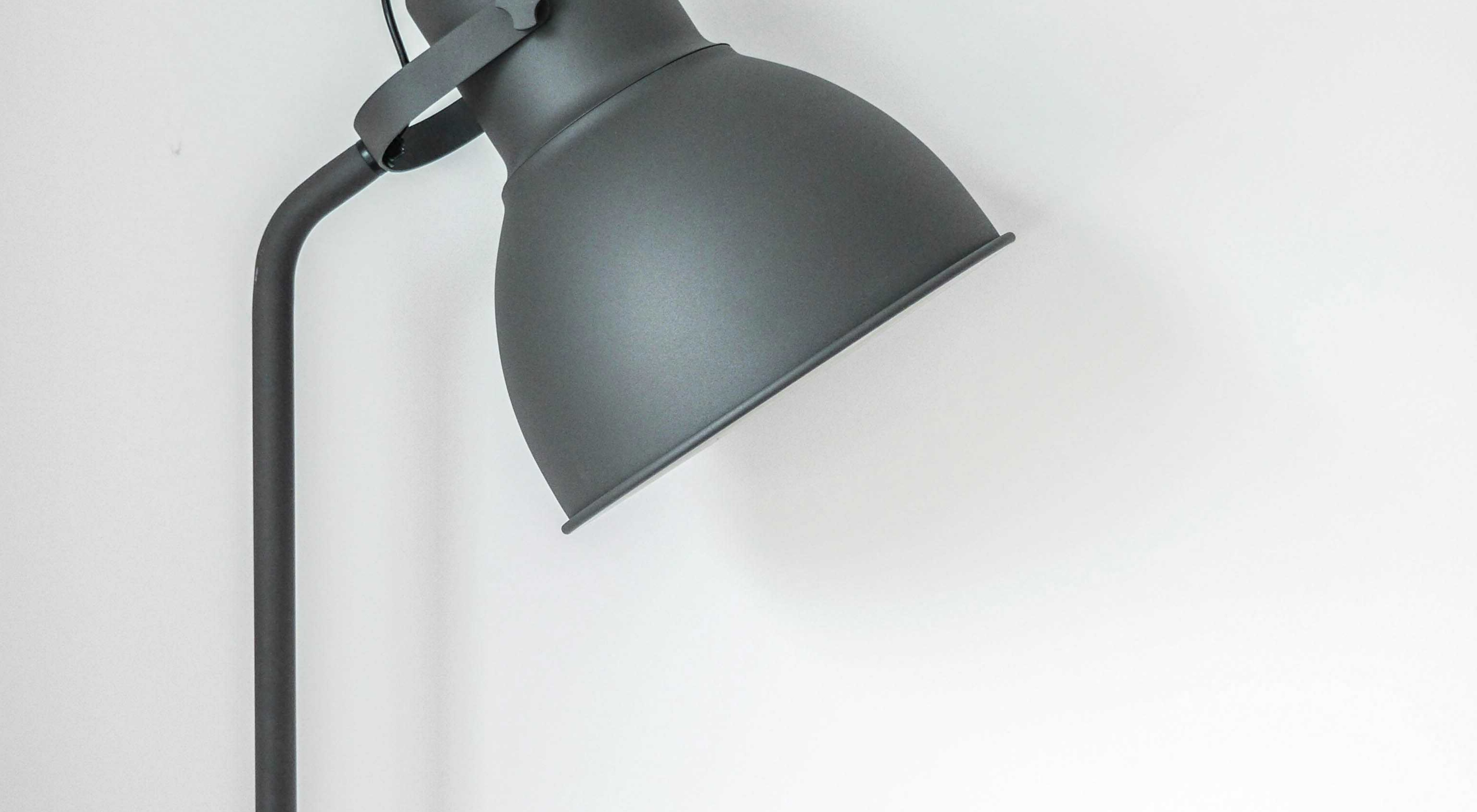
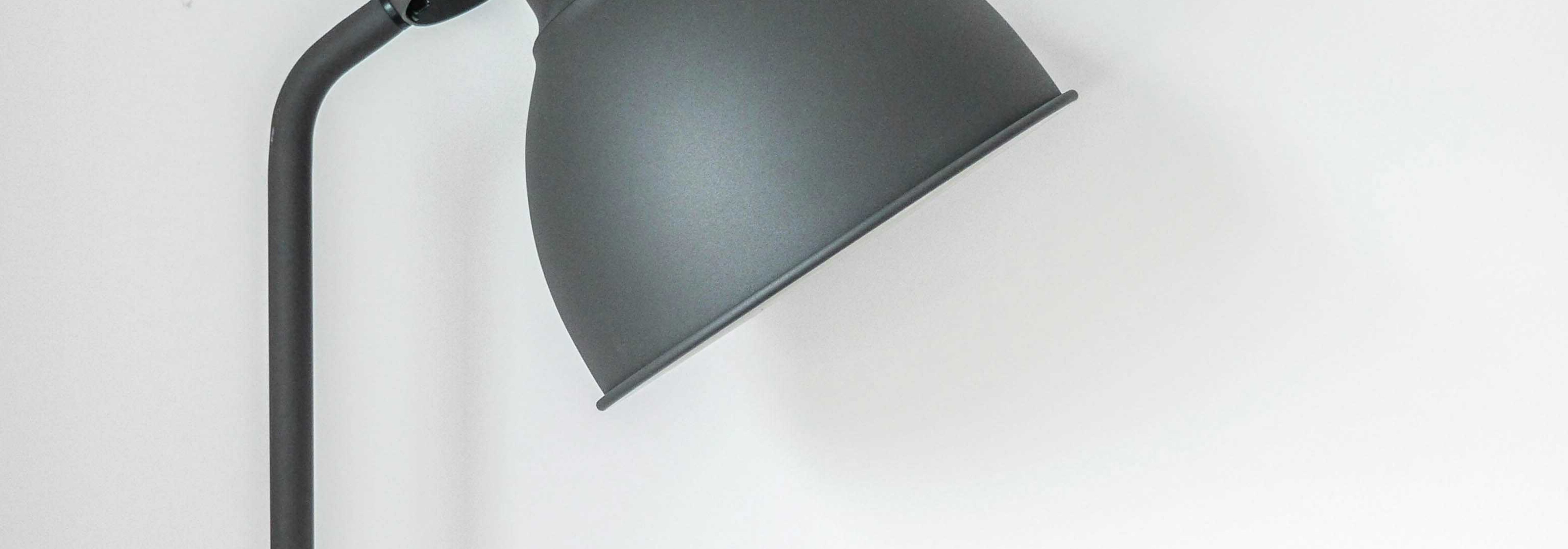
Light therapy refers to the targeted use of bright artificial light to alleviate symptoms associated with a lack of light or a disrupted day-night rhythm. It involves using light with an intensity of at least 10,000 lux—significantly brighter than normal indoor lighting.
It is important to distinguish this from phototherapy: While light therapy uses the visible spectrum of daylight, phototherapy typically uses UV light. For example, in the treatment of skin conditions such as psoriasis.
The effectiveness of light therapy, particularly for seasonal depression, is well-documented scientifically and has been used clinically for decades (Pail et al., 2011).

Sleep better, live healthier—with our sleep course. Up to 100% reimbursement.
Discover the online sleep course now
How Light Therapy Works—Biochemical Basics
Have you ever wondered why light has such a strong influence on your mood and energy levels? The reason lies in your body’s biochemical processes, which are regulated by light.
- Regulation of melatonin: In the dark, your body produces melatonin, also known as the “sleep hormone.” Bright light in the morning signals your brain to reduce melatonin production. You become more alert, and your day-night rhythm stabilizes.
- Increased Serotonin: Light also affects serotonin, the “happiness hormone.” Higher serotonin levels lead to a better mood and more energy.
- Regulation of the circadian rhythm: Special ganglion cells in your retina are particularly sensitive to blue light. They send signals to the brain’s internal clock (the suprachiasmatic nucleus), which controls your sleep-wake cycle.
If you use light therapy regularly in the morning, you help your body get back into its natural rhythm. This is exactly why it’s effective not only for seasonal depression but also for sleep disorders or jet lag.
The role of light in these biochemical processes has been clearly described scientifically and explains why regular use is so important (Wirz-Justice et al., 2005).
Recovery Blanket All Year
Available in multiple variants
Indications & Applications of Light Therapy
Light therapy has more applications than you might initially think. It’s best known as a treatment for seasonal affective disorder (SAD). But beyond that, you can also use light as an effective tool to stabilize your well-being.
Typical applications include:
- Seasonal Affective Disorder (SAD): When the days get shorter, light is scarce, and you’ve been diagnosed with seasonal affective disorder, light therapy can help counteract low moods and stabilize your day-night rhythm.
- Non-seasonal sleep disorders: This is especially helpful if you have trouble falling asleep or staying asleep because your rhythm has become disrupted.
- Jet lag: After long trips across time zones, light therapy helps you reset your internal clock more quickly.
- Shift work: For people with changing work schedules, it can help reduce daytime fatigue and stabilize wakefulness periods.
- Premenstrual symptoms: Here, too , those affected report improvements in mood and energy levels.
- Burnout symptoms: Light therapy can be used as a complementary treatment to alleviate exhaustion and lack of motivation.
This makes it clear: Light therapy isn’t just a seasonal remedy for the dark months. It can help you restore balance to your mood, energy, and sleep in a wide variety of situations.
Inner Peace & Relaxation Techniques

How to Use Light Therapy Correctly
Are you wondering how to get the most out of a daylight lamp so it really works? It’s easier than you might think. But there are a few important points to keep in mind.
Here’s a checklist:
- Light intensity: Make sure your lamp has at least 10,000 lux. Regular room lamps aren’t strong enough.
- UV filter: The lamp must be approved as a medical device and have a UV filter to protect your eyes.
- Duration: Plan for about 20–30 minutes each day.
- Timing: It’s best to use light therapy in the morning, right after you wake up. This helps support your circadian rhythm in the best possible way.
- Distance: Sit 30–50 cm away from the lamp. You don’t have to look directly at it. It’s enough for the light to fall within your field of vision.
Light therapy is most effective when used regularly—ideally, every day for several weeks.
Many people combine the session with breakfast, reading, or working on a laptop. This way, using the lamp quickly becomes a regular and simple part of your daily routine.
Discover more articles









Benefits & Limitations of Light Therapy
Light therapy has many benefits. At the same time, however, it’s also important to be aware of its limitations.
The Benefits:
- Mood and Energy: Many users report a noticeably better mood and increased motivation after just a few days.
- Easy to Use: No complicated devices or long appointments. You can use the lamp comfortably at home.
- Virtually no side effects: When used correctly, the therapy is generally well tolerated.
- Wide range of applications: In addition to seasonal affective disorder, it’s also helpful for jet lag, sleep disorders, or shift work.
Limitations:
- Moderate effectiveness: Its effectiveness is well-documented scientifically for seasonal depression, but only to a limited extent for non-seasonal depression.
Not a stand-alone treatment: For severe depression or serious illnesses, light therapy alone is not sufficient.
- Regularity is necessary: The effects are only noticeable if you consistently follow the treatment for several weeks.
Risks & Contraindications
Light therapy is generally well tolerated. However, there are a few things you should keep in mind. Some people may be sensitive to it or should consult a doctor before use.
Possible side effects:
- Mild headaches or eye irritation
- Restlessness or trouble falling asleep if you use the lamp too late in the day
When to exercise caution:
- If you have certain eye conditions, such as severe retinal disease
- If you’re taking medications that increase light sensitivity (e.g., certain antibiotics or psychiatric medications)
- In cases of severe psychiatric disorders, treatment should only be administered under medical supervision
If you are unsure, talk to your doctor before starting light therapy. This will ensure that the treatment is appropriate and safe for you.
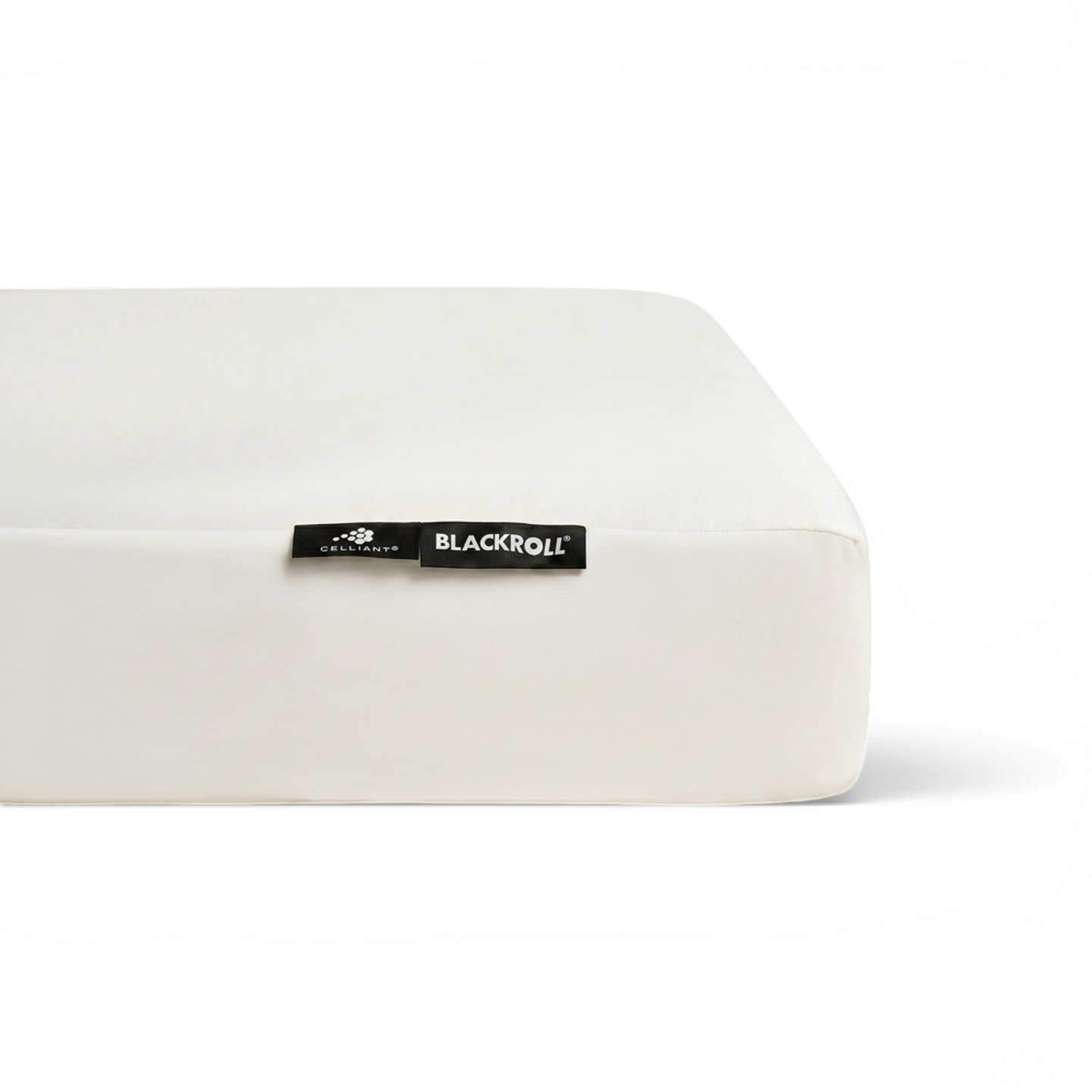
Bed Sheet Premium Comfort
Available in multiple variants
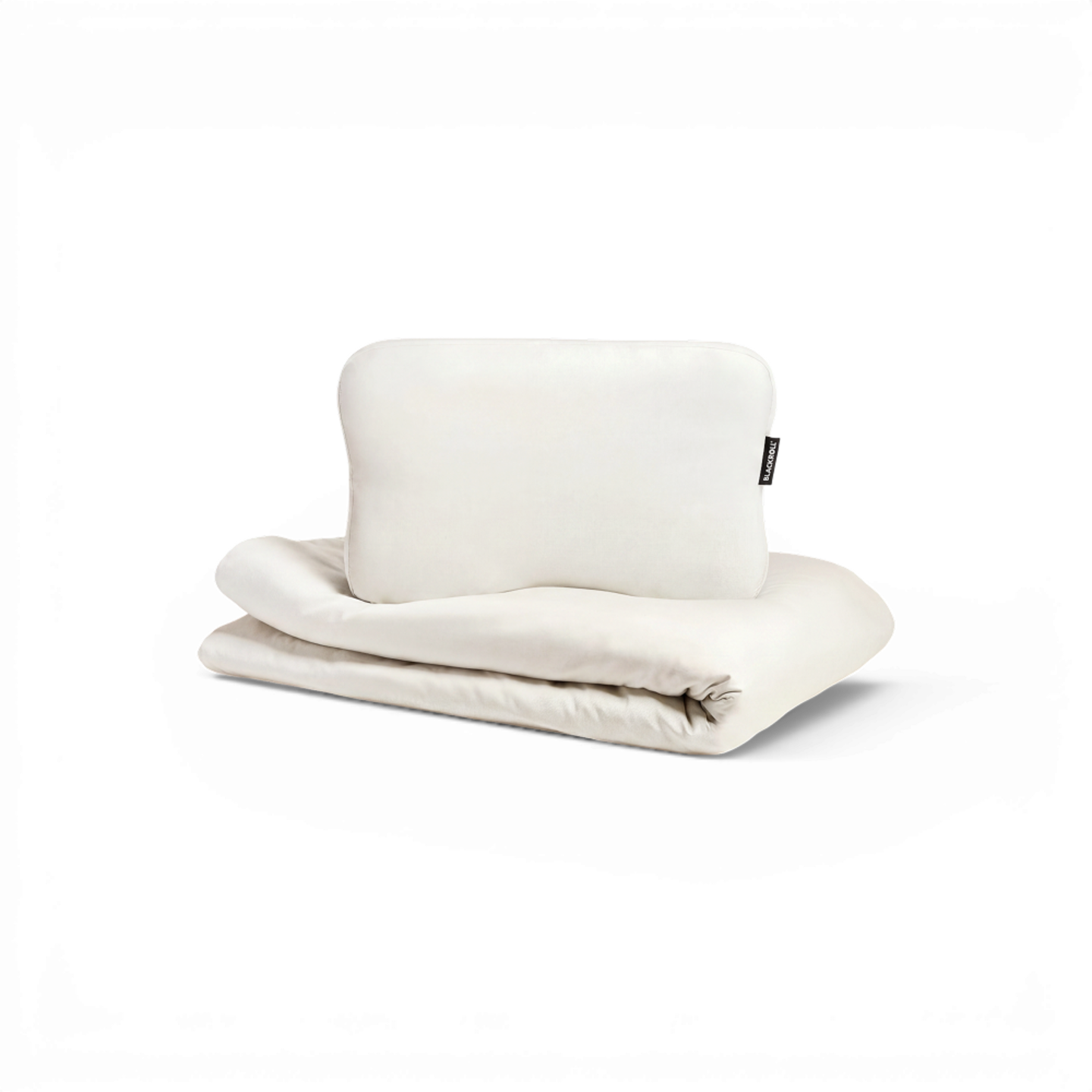
Bedding Set Premium Comfort
Available in multiple variants


Tips for Daily Life & Integration
Light therapy works best when you use it regularly and incorporate it naturally into your daily routine. With a few simple tricks, using it will quickly become a regular part of your routine:
- Start first thing in the morning: Turn on the lamp right after you get up. This sends a clear signal to your body that the day has begun.
- Combine it with other activities: Use the time for things you do anyway—like eating breakfast. That way, it won’t take up any extra time.
- Find the right spot: Place the lamp on your desk, on the dining table, or next to the couch. The only important thing is that the light falls within your field of vision.
- Make it comfortable: Maybe pour yourself a cup of tea or coffee and consciously treat this time as a little “morning break.”
- Be consistent: Try to do this five to seven days a week. This is the only way to achieve a lasting effect on your mood and energy levels.
- Combine it with natural light: Even a short morning walk enhances the effect. Just 15 minutes outside can help stabilize your internal clock.
If you make light therapy part of your morning routine, it will quickly become a pleasant habit, much like brushing your teeth. That’s how it works most reliably.
FAQ on Light Therapy
Useful information
Light therapy is the targeted use of bright artificial light from special daylight lamps. It is used to treat seasonal depression, but can also help with sleep disorders, jet lag, or exhaustion.
Typically 20–30 minutes daily, preferably in the morning right after waking up. This helps you optimize your sleep-wake cycle. Treatment should be used regularly over several weeks.
Yes. Studies show that light therapy is one of the most effective methods for treating seasonal depression. Many people with the condition report having more energy and a better mood after just a few days.
Side effects are rare, but may include headaches, eye irritation, or restlessness. Light therapy is not suitable for people with certain eye conditions or who are taking medications that increase light sensitivity.

Conclusion
Light therapy is a scientifically recognized method for improving mood, sleep, and energy levels. It is effective for seasonal depression but can also be helpful for sleep disorders, jet lag, or exhaustion.
Regular use supports your circadian rhythm and enhances your overall well-being.
If you feel like you’re not getting enough light in your daily life, it’s worth trying a daylight lamp. If in doubt, talk to your doctor to rule out any potential risks. Try the morning light regimen, with 20 to 30 minutes of light therapy right after waking up. This will help you bring more energy and stability to your day.
More interesting articles


Sources & Studies
Lam, R. W., Levitt, A. J., Levitan, R. D., Michalak, E. E., Cheung, A. H., Morehouse, R., … & Ravindran, A. V. (2016). Efficacy of bright light treatment for depression: Evidence-based guidelines. Canadian Journal of Psychiatry, 61(9), 559-573. https://doi.org/10.1177/0706743716661327
Pail, G., Huf, W., Pjrek, E., Winkler, D., Willeit, M., Praschak-Rieder, N., & Kasper, S. (2011). Bright-light therapy in the treatment of mood disorders. Biological Psychiatry, 69(6), 602-609.
https://doi.org/10.1016/j.biopsych.2010.09.007
Pjrek, E., Winkler, D., Stastny, J., Konstantinidis, A., Heiden, A., Willeit, M., … & Kasper, S. (2020). Light therapy in seasonal affective disorder—does it still work? An update on the evidence. Neuropsychobiology, 79(3), 151–161. https://doi.org/10.1159/000505245
Wirz-Justice, A., Benedetti, F., & Terman, M. (2005). Chronotherapeutics for Affective Disorders: A Clinician’s Manual for Light and Wake Therapy. Basel: Karger.