
Upper Back Pain: Causes and Treatment

Upper Back – Recognizing & Relieving Pain
- Upper back pain is often caused by poor posture, prolonged sitting, repetitive strain, or a lack of exercise.
- The muscles around the shoulders, neck, and thoracic spine are particularly prone to this.
- Other causes include stress, emotional tension, or poor sleeping positions.
- A combination of targeted exercise, self-massage, active breaks, and a good sleeping surface helps relieve muscle tension.
Recommendation: The BLACKROLL® RECOVERY PILLOW —an ergonomically shaped pillow that supports the neck and back and stabilizes the spine in its natural alignment.
Upper back pain is widespread among the general population.
The main causes include muscle tension and poor posture resulting from desk work and smartphone use.
However, serious medical conditions may also be underlying the symptoms.
Learn more here about the causes, symptoms, and prevention of upper back pain.

You’ll build a strong back. Your health insurance covers it.
Go to the online prevention course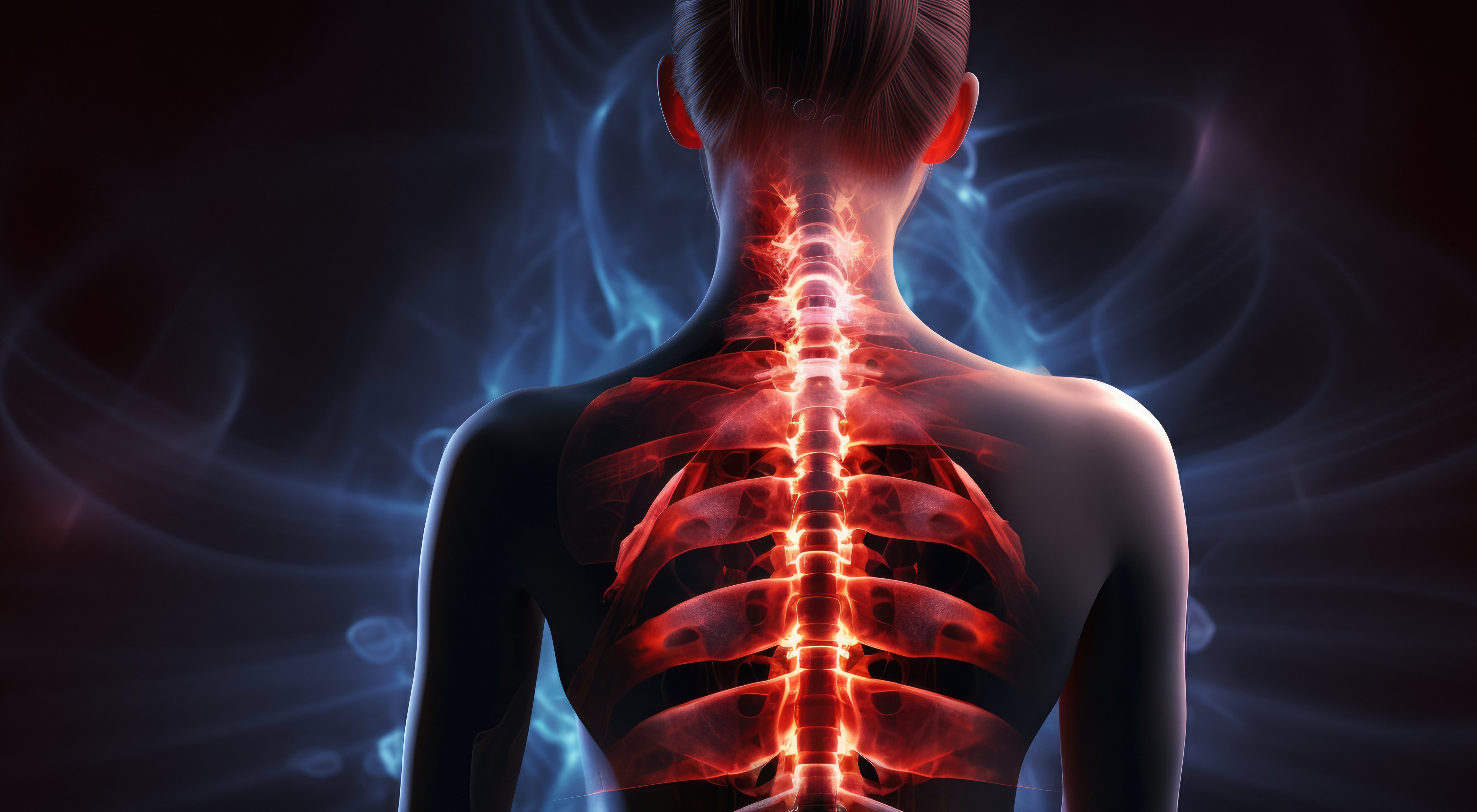

What causes upper back pain?
Upper back pain involves discomfort in the thoracic spine (T-spine) or cervical spine (C-spine). The thoracic spine consists of twelve vertebrae, and the cervical spine consists of seven vertebrae, each cushioned by the intervertebral discs between them.
Due to a lack of exercise and poor posture, nearly 90 percent of the population suffers from occasional or chronic back pain. People who spend a lot of time at the computer, look at their smartphones for long periods, and otherwise get little exercise are at high risk of developing back pain due to a rounded upper body posture.

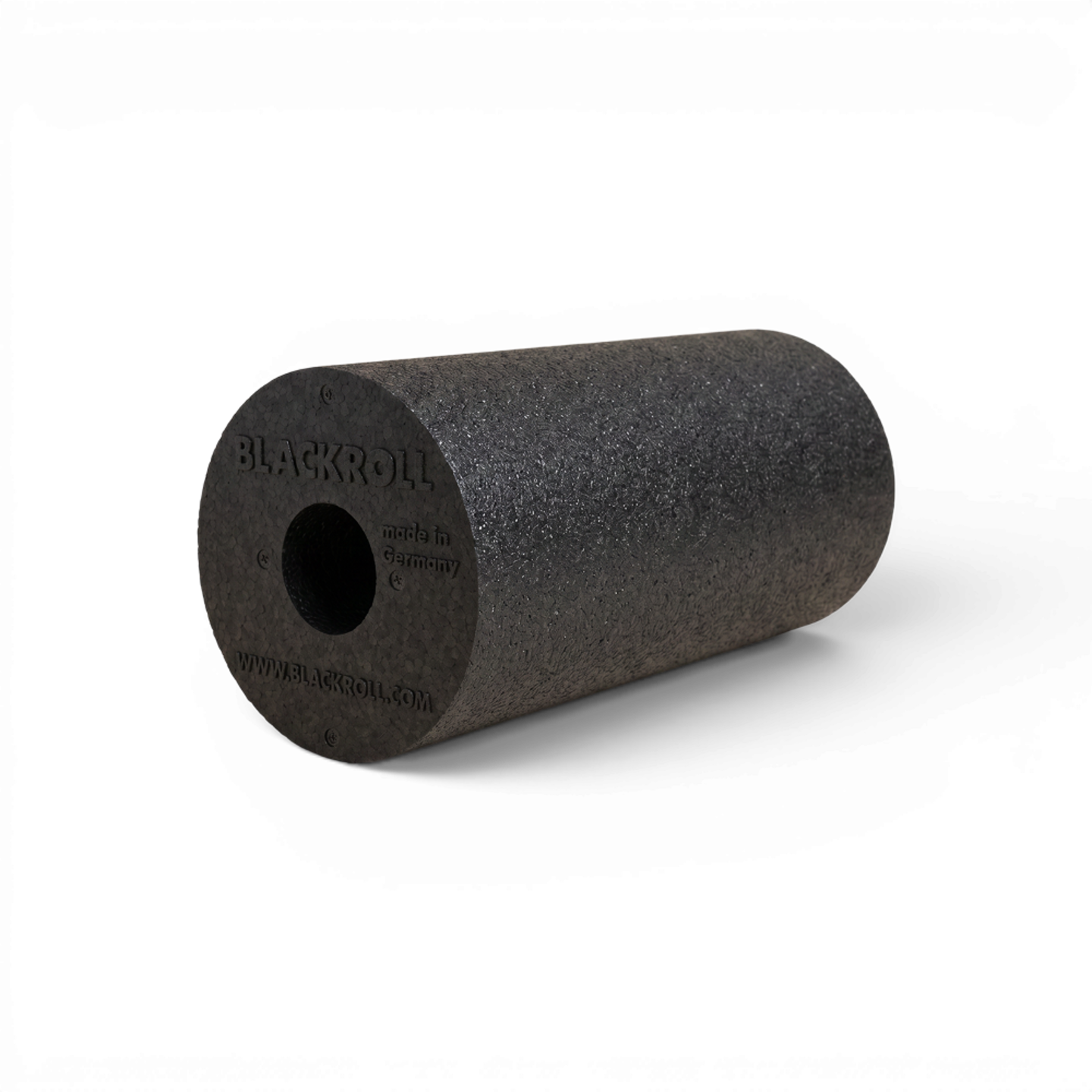
Standard
Available in multiple variants


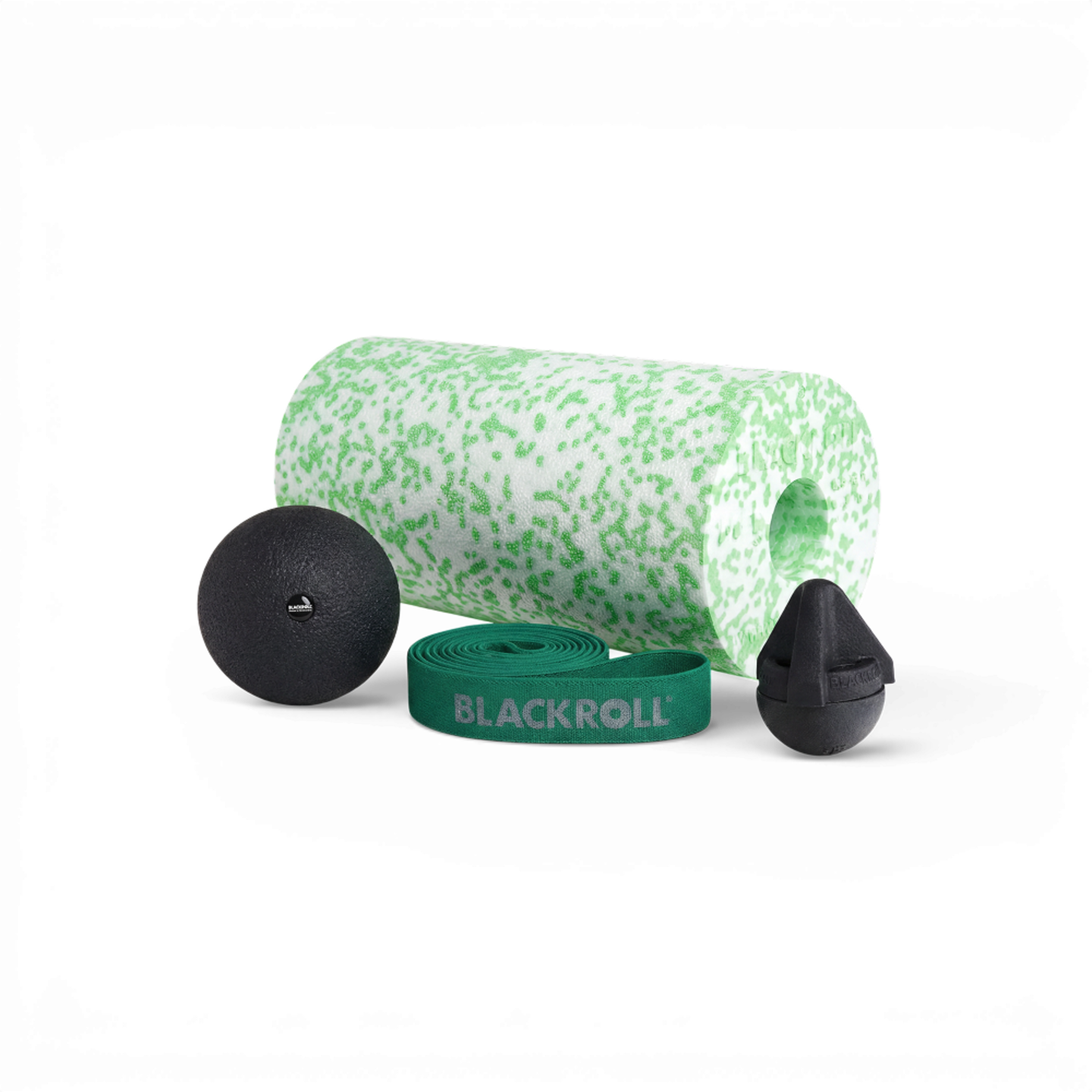



Super Band
Available in multiple variants


Ball 12
Available in multiple variants

In fact, leaning the upper body forward and hunching the shoulders is a protective reflex—the so-called “stop reflex”—designed to shield vital organs in the face of imminent danger.
Due to modern lifestyles, this posture —which was originally intended to be a brief emergency response —has become a permanent condition, resulting in painful muscle tension. Unless there is an underlying serious condition affecting the spine or internal organs, the pain can usually be alleviated by making lifestyle changes, getting more exercise, and doing targeted back exercises.
Routines for Back Pain




Causes of Upper Back Pain
There are many causes of upper back pain. One of the most common is muscle tension, which many people experience due to daily desk work and the resulting poor posture.
However, organic conditions can also be potential causes of back pain. These range from harmless to serious, so you should always investigate the triggers when experiencing back pain.
Possible causes include:
A careless movement, improper lifting, the wrong pillow, or an unsuitable mattress can cause the muscles in the upper back to tense up. However, an imbalance in muscle tension usually already exists before these triggers occur.
The muscles can no longer compensate for the strain and become tense.
The comforts of everyday life, with its many opportunities to sit, are simply too tempting—but unfortunately, this also causes the muscles to weaken.
People who are physically inactive tend to adopt a rounded posture, letting their shoulders slump forward and their heads hang down.
This chronic poor posture has a negative effect on muscle and fascia tension and can damage the spine.
The body needs to move—and in as varied a way as possible. Walking, running, swimming, strength training, or yoga strengthen the muscles and keep us mobile.
If exercise isn’t part of your regular routine, your muscles weaken and fail to provide support for the spine.
A lack of exercise is usually accompanied by being overweight —another risk factor.
Many people suffer from upper back pain due to poor sleeping conditions.
If the head is positioned too high or too low on the pillow, an unhealthy curvature develops in the cervical spine.
If the mattress isn’t suited to the body, it can also lead to improper strain, which manifests primarily as neck pain in the morning.
A herniated disc in the cervical or thoracic spine is a painful condition.
According to the latest research, the severe pain is caused by significant muscle stiffness and tension in the myofascial tissue.
Disease-related spinal misalignments, such as those caused by scoliosis, can lead to chronic back pain.
A blockage often occurs due to asudden movement or prolonged improper strain.
It restricts the mobility of the spine and usually triggers severe pain.
Degenerative changes in the vertebrae can result from aging or certain conditions such as osteoarthritis.
Whiplash may be present if back pain occurs after a fall or accident. The impact causes the neck muscles to tense up.
Chronic back pain is often caused by psychological factors, such as excessive stress, burnout, or depression. It feels like a weight on your shoulders.
Diseases of the organs—such as the heart, lungs, pancreas, or kidneys—can also cause pain that radiates to the upper back.
A cold or flu-like infection can also often cause pain in the upper back.
Some people with autoimmune diseases suffer from fibromyalgia, which causes muscle pain. Rheumatism can also manifest as back pain.
During pregnancy, the expectant mother’s posture changes.
The body has to support more weight, which affects the spine, intervertebral discs, and muscle tension.
As a result, many pregnant women experience upper back pain.
Shallow breathing accompanied by increased use of the accessory respiratory muscles can also lead to upper back pain.
Often, heat and increased physical activity are enough to relieve the pain.
If your back pain comes on suddenly, is very severe, or persists for a long time without any improvement, you should see a doctor.
This also applies to injuries resulting from an accident.
Emergency Alert: Immediate action is required if additional symptoms occur, such as sweating, pain radiating to the arms, jaw, and neck, shortness of breath, chest tightness, and nausea.
In such cases, the back pain may be caused by a serious condition, such as a heart attack.
Another emergency is meningitis, in which sudden, severe neck pain is accompanied by headaches, nausea, sensitivity to light, drowsiness, and fever.
If you experience pain when breathing, you should always see a doctor.
This is because lung conditions such as COPD, pneumonia, or pleurisy can cause breathing difficulties that require immediate treatment.
Often, however, the cause is simply a blockage in the back that leads to pain when breathing. Blockages are primarily caused by improper strain on the back; sometimes the vertebrae also become blocked due to a sudden, jerky movement.
One consequence of the blockage can be a dry cough that occurs completely independently of a cold.
If symptoms such as shortness of breath and severe pain on one side of the chest are present, a pneumothorax (a buildup of air between the lung and the chest wall) may be the cause.
The pain worsens with deep inhalation. In this case, urgent medical treatment is necessary.

Many people are familiar with lumbago as a sudden, excruciating pain in the lower back, in the area of the lumbar spine.
However, lumbago can also occur in the upper back, though this is very rare.
If it does suddenly shoot up into the thoracic spine due to a wrong movement, you’ll feel severe pain around the shoulder blade as well as a stabbing sensation when breathing. Lifting your arms is also difficult.
Since similar symptoms can occur during a heart attack, you should call an ambulance—especially if you also experience a tightness in your chest.



Symptoms of upper back pain
The symptoms of upper back pain are as varied as its causes. The pain can be sharp, pulling, pressing, burning, or dull.
It can occur suddenly, be persistent, or only be noticeable during certain movements.
For some people, the pain radiates to other parts of the body, such as the head, arms, or shoulders; for others, it can be pinpointed to a specific location.
Other factors are also important for diagnosis:
- Where exactly does the pain occur?
- Is the pain on one side, in the middle, or does it move around?
- Does the back pain tend to occur in the morning, in the evening, or only with certain movements?
- Does the pain get worse when breathing?
- Is the pain constant, or does it sometimes get worse and sometimes better?
- How often do you experience back pain?
Other symptoms usually accompany it:
- Dizziness
- Headaches
- Migraines
- Tinnitus
- Vision problems
- Sensory disturbances
- Difficulty swallowing
- Heartburn
- Limited mobility
- Cracking sounds in the spine
- Sleep disturbances
- Shortness of breath
- Heart palpitations
- Shoulder-arm syndrome
- Jaw pain
Upper back pain is a common problem and is usually caused by poor posture.
Nevertheless, you shouldn’t take these symptoms lightly and should have them checked by a doctor.


Upper Back Tension: The Symptoms
Symptoms such as headaches, dizziness, or ringing in the ears are very common withupper back tension. Shortening and tightening of the neck muscles restrict blood flow in the muscle tissue.
They can also put pressure on the nerve pathways and blood vessels that supply the brain.
Tension is usually accompanied by a hunched posture. This narrows the chest cavity, leaving less space for the organs and creating increased pressure on the diaphragm and the intervertebral discs.
In many cases, this then impairs breathing. Breathing becomes shallower, which in turn affects the oxygen supply to the organs.
Since the main causes include a lack of exercise and poor posture, back pain usually becomes chronic until countermeasures are taken through increased physical activity, back exercises, and adjustments to the work environment or sleeping conditions.
05 Herniated Disc in the Upper Back: The Symptoms
If there is a herniated disc in the upper back—for example, in the cervical or thoracic spine—the following symptoms may occur:
- Neck pain
- Shoulder pain
- Pain radiating into the arms
- Sensory disturbances such as tingling or numbness in the fingers
- Significant weakness in the arms
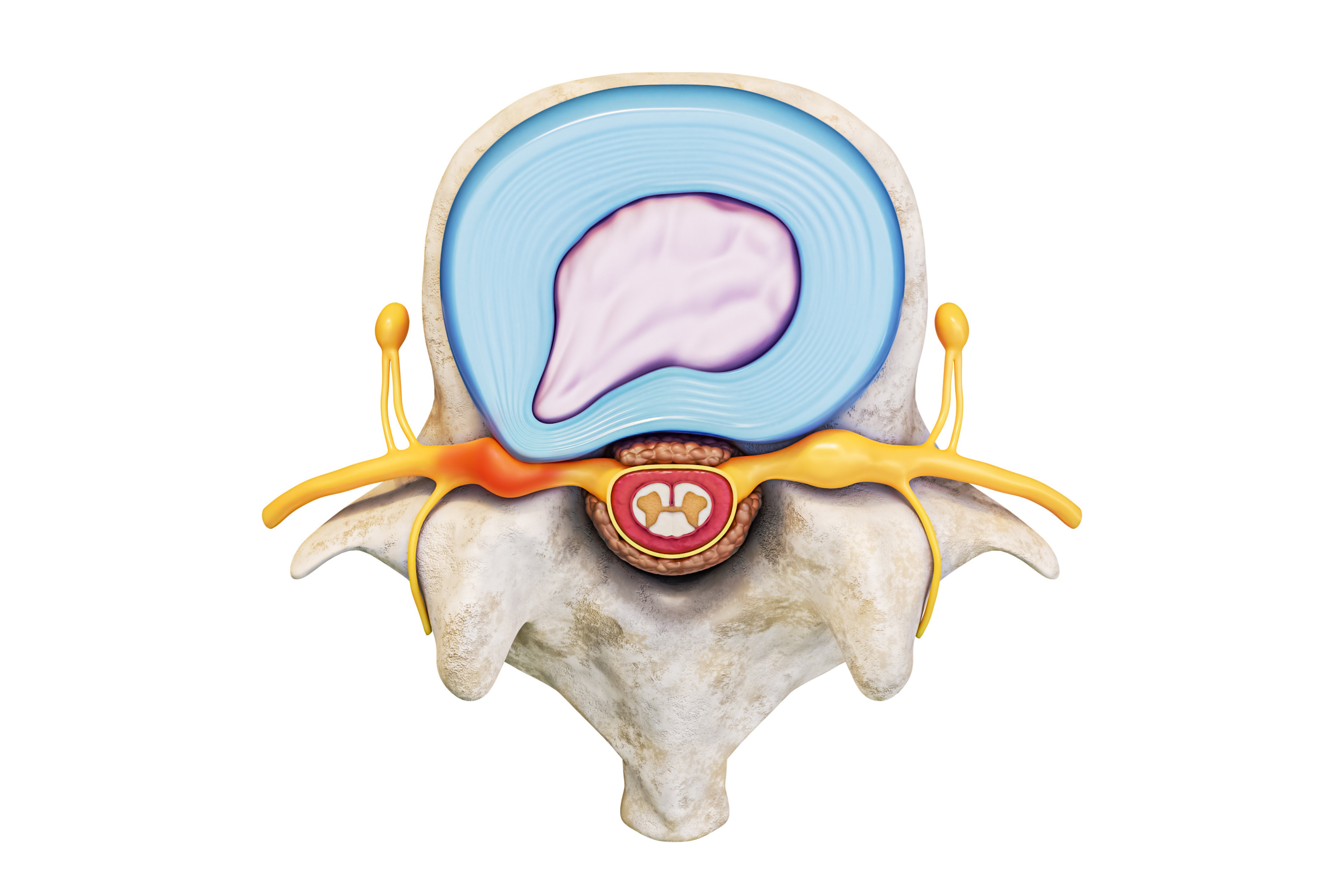
Numbness in the arms and hands, along with weakness in the arm muscles, are particularly typical signs of a herniated disc, which you should have examined by a doctor.
If left untreated, the persistent pressure on the nerve roots can even lead to paralysis. This is because, in a herniated disc, the cartilage tissue of the disc tears, allowing the soft inner core to protrude into the spinal canal.
This gel-like nucleus presses on the spinal nerves, leading to pain and sensory disturbances.
Nowadays, surgery for a herniated disc is rarely performed; instead, it is treated with conservative methods such as exercise and heat therapy.
06. Pain between the shoulder blade and the spine
A common symptom is pain between the shoulder blade and the spine. This can be caused by muscle tension resulting from poor posture while sitting or uneven strain from carrying a bag on one side.
A pinched nerve manifests as pain on one side, either left or right.
Thoracic spine syndrome is also a possibility. Causes can include stiff muscles, muscle tension, and myofascial imbalance.
In most cases, the pain is felt not only in the back but also in the front. The pain in the chest can even interfere with breathing.
If the back pain occurs in the center between the shoulder blades, it could also be caused by a herniated disc resulting from improper lifting of heavy objects. The pain increases with movement.
Radiating pain in the arms and legs is also typical of a herniated disc.
Another possibility is a stomach condition, such as a stomach ulcer, heartburn, or acid reflux. In such cases, a stabbing pain usually occurs after eating.


Treatment of upper back pain
Treatment for upper back pain depends on the underlying cause. Depending on whether the pain is caused by muscle tension, poor posture, a herniated disc, or an organic condition, there are various therapeutic measures and natural remedies to relieve the pain and restore mobility:
- Heat therapy
- Physical Therapy
- Back exercises
- Fascia training
- Massage
- Acupuncture
- Acupressure
- Electrostimulation Therapy
- Back Pain Therapy
- Medications
- Surgery
In most cases, treating back pain with heat —such as a hot bath or a hot water bottle—provides relief. The heat stimulates blood circulation and relieves muscle tension. In addition, conservative treatment methods such as regular exercise, physical therapy, and fascia training have proven very effective. Medications are prescribed to relieve acute back pain that prevents movement.
A minimally invasive alternative to surgery is image-guided back pain therapy, in which patients receive targeted injections into the nerve roots at the site of the pain. To avoid damaging the sensitive spinal cord, the procedure is monitored via CT.

Exercises to relieve upper back pain
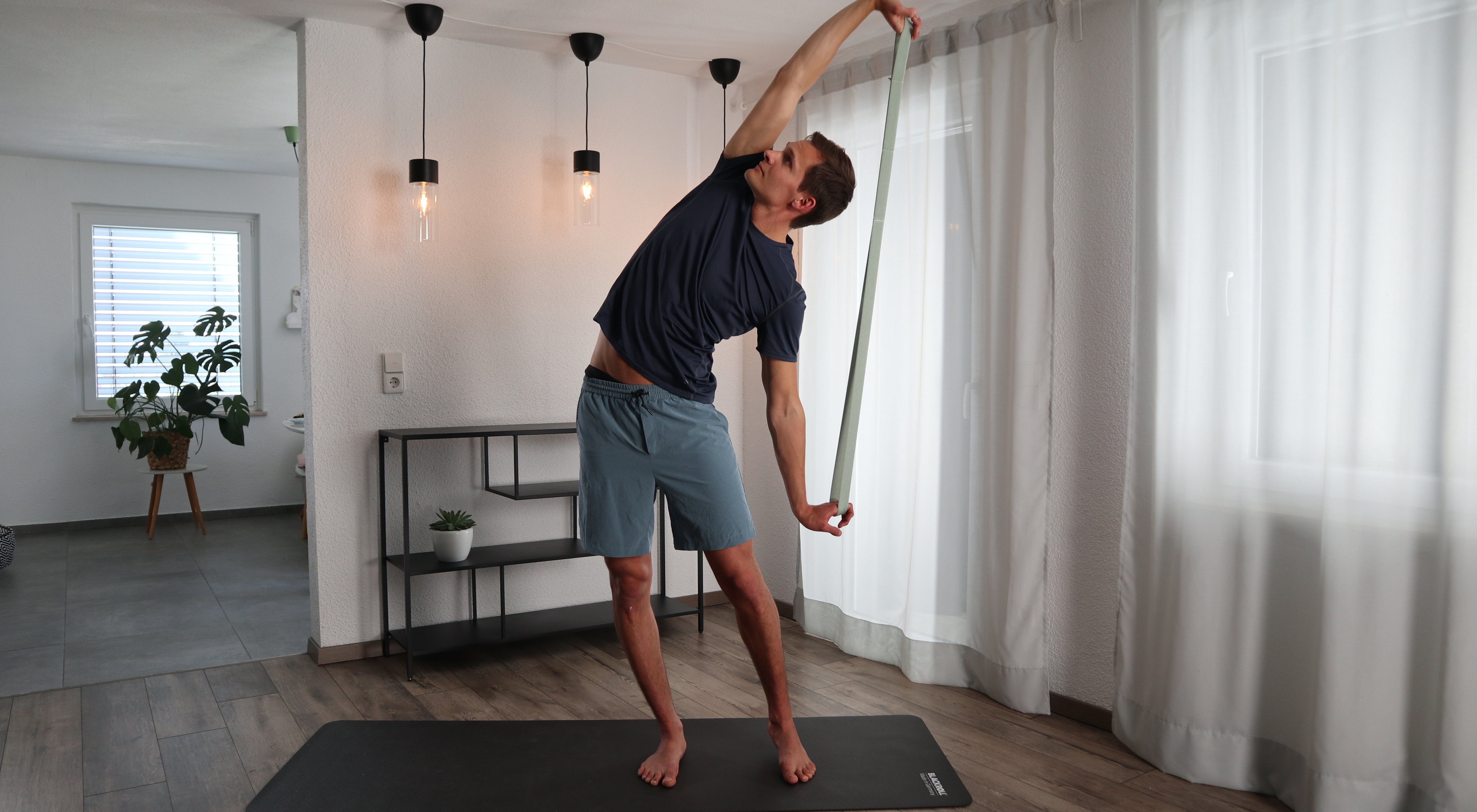
An important part of back treatment involves exercises that loosen up the shoulder and neck area, strengthen the back and core muscles, and provide support for the spine.
Here are a few exercises you can do at home or on the go:
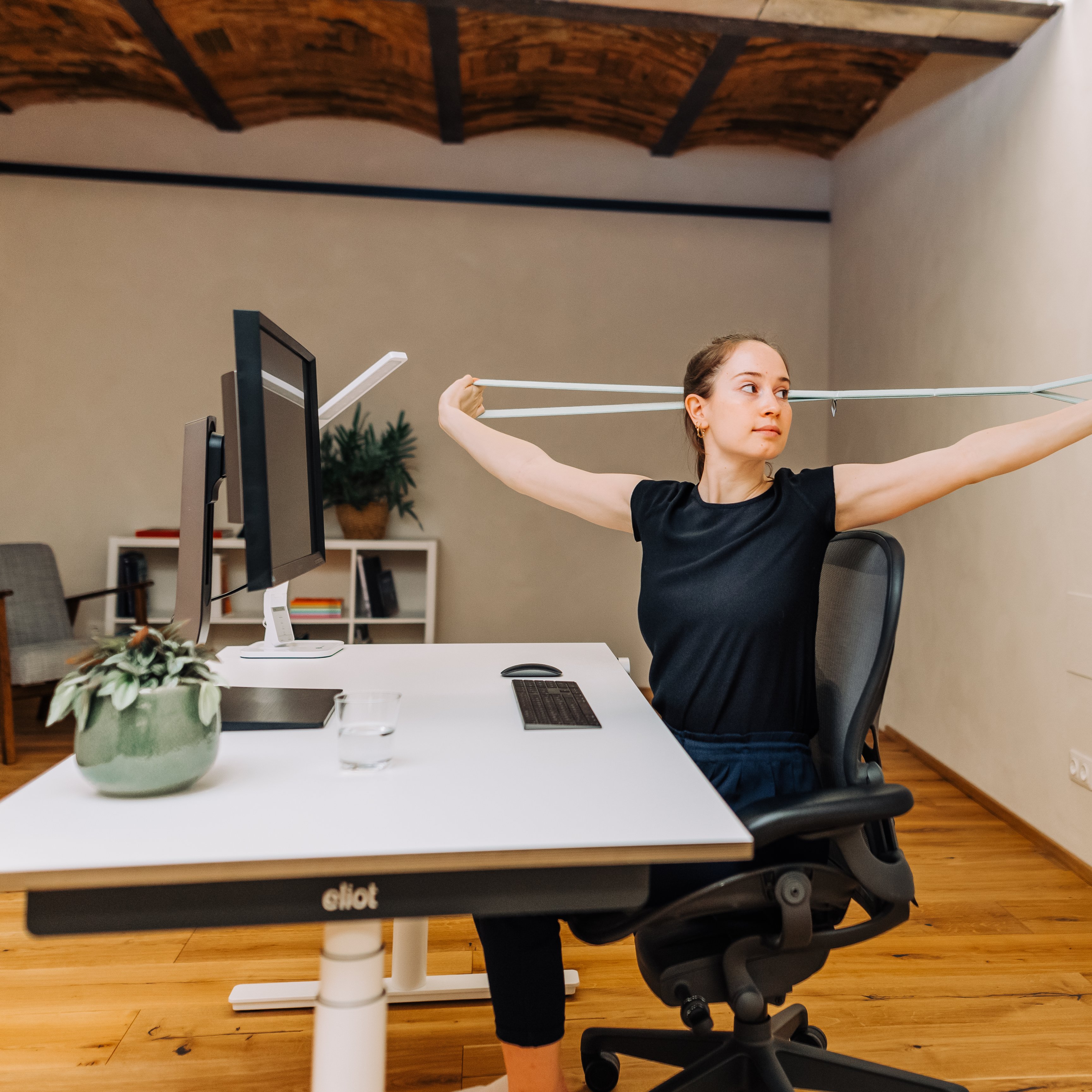
01. Mobilize Your Shoulders
Whether you’re at the office, at home, or on the go, you can do a few simple exercises anytime to loosen up your shoulders and activate your muscles.
For example, shoulder circles, lifting your shoulders and letting them drop loosely, pulling your shoulder blades together, and opening your chest can all help.
Remember to keep your spine straight and your head up—especially when working at a desk or looking at your phone.
02. Stretching
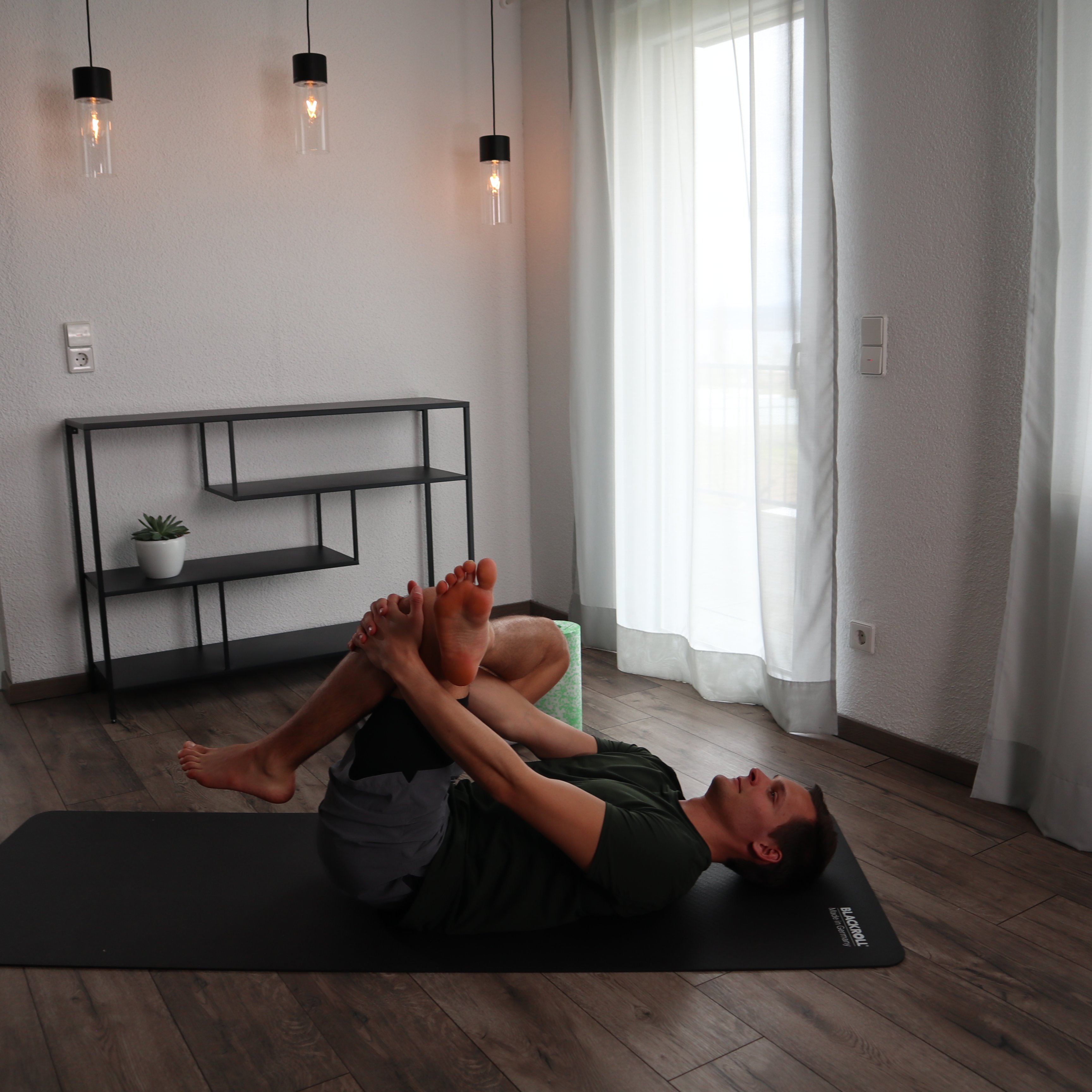
Tight muscles in the upper body lead to poor posture.
You can effectively prevent this by stretching. To do this, stand facing a corner, extend both arms, and place your hands on the wall to the right and left.
Position your legs in a step stance, with your front leg slightly bent.
Then lean your upper body slightly forward into the corner, and you’ll immediately feel a stretch in your shoulders and chest.
03. Stretching and Deep Rolling
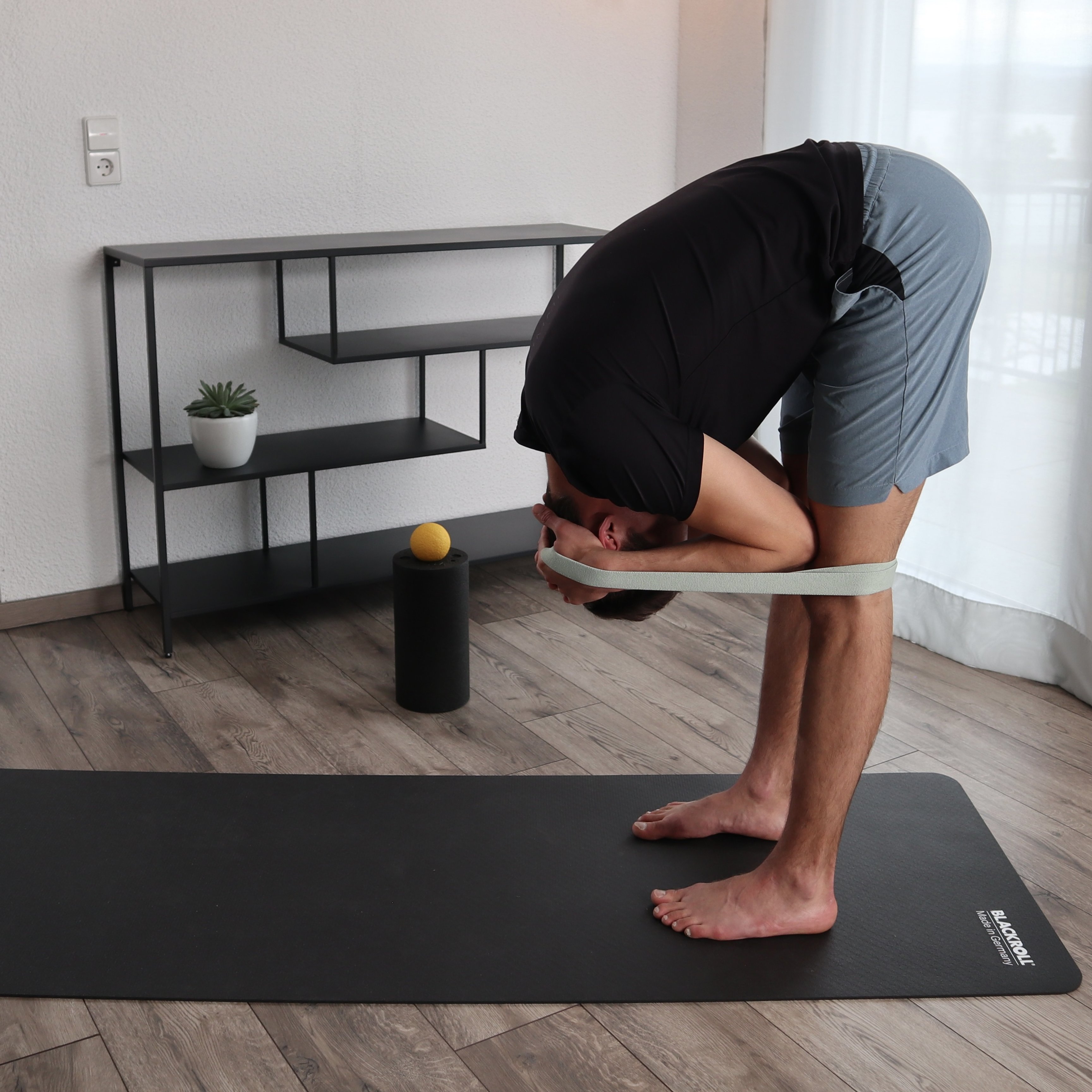
Take short movement breaks every so often while working in the office or at home. Stand up straight and stretch your arms high above your head.
Then lower your arms, let your head drop forward, and roll your upper body forward deeply, vertebra by vertebra. Repeat the straightening and deep rolling several times in a row.


Prevention of Upper Back Pain
Upper back pain is often a sign of a lifestyle that’s too sedentary. We spend all day sitting at our desks, in the car, or on the sofa.
This leads to imbalances in muscle tension, and the spine doesn’t get the support it needs to maintain an upright posture.
Our heavy head hangs forward, the spine slumps, the muscles and fascia become overloaded, and our back hurts.
Fortunately, you can easily prevent back pain through preventive measures and an active lifestyle:

Exercise
The best way to prevent back pain is through regular exercise. Since poor posture and muscle tension are among the main causes of upper back pain, you can prevent it through exercise and targeted relief of muscle tension.
Back exercises help you strengthen the muscles that support the spine. Increased physical activity improves your posture and keeps your joints flexible. To prevent muscle shortening, you should stretch your chest, neck, and shoulders after your workout.
Relaxation
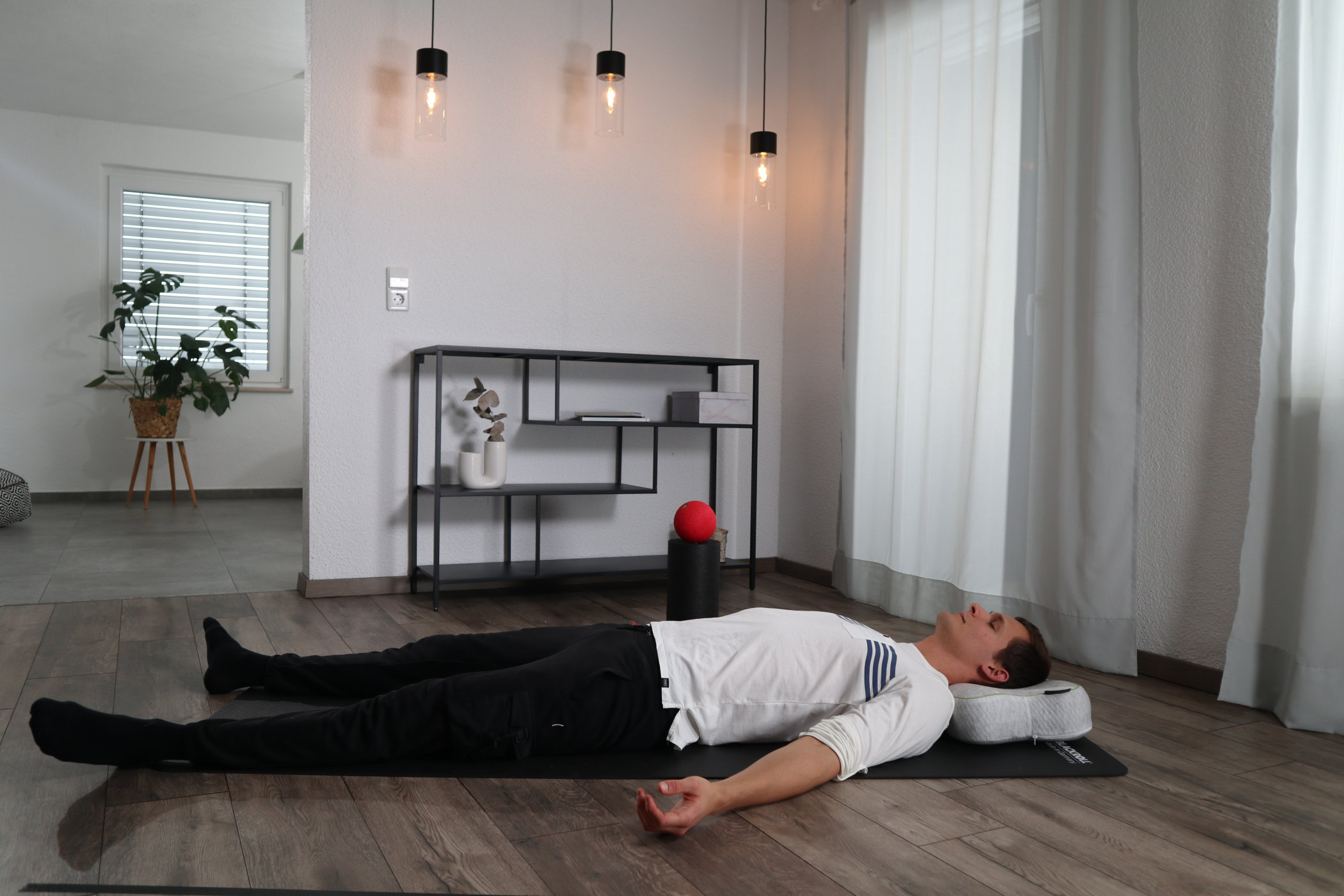
When you’re stressed, you automatically raise your shoulders and tense your muscles. That’s why you should make sure to get enough relaxation in your daily life to counteract this.
Take a hot bath, go to the sauna, treat yourself to a massage, take a walk in the woods, meditate, or do yoga. When your mind can unwind, it has a positive effect on your tension.

Fascia Training
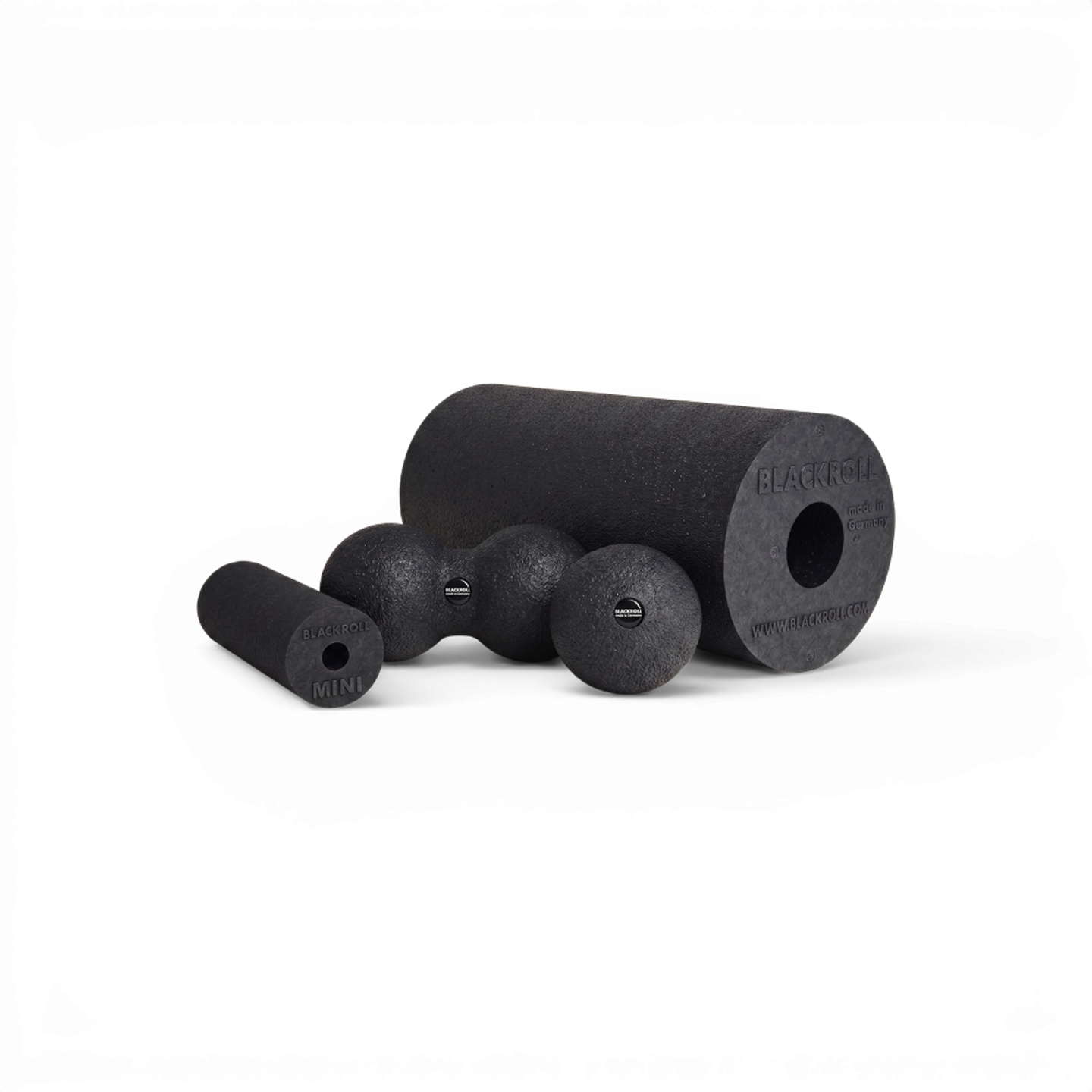
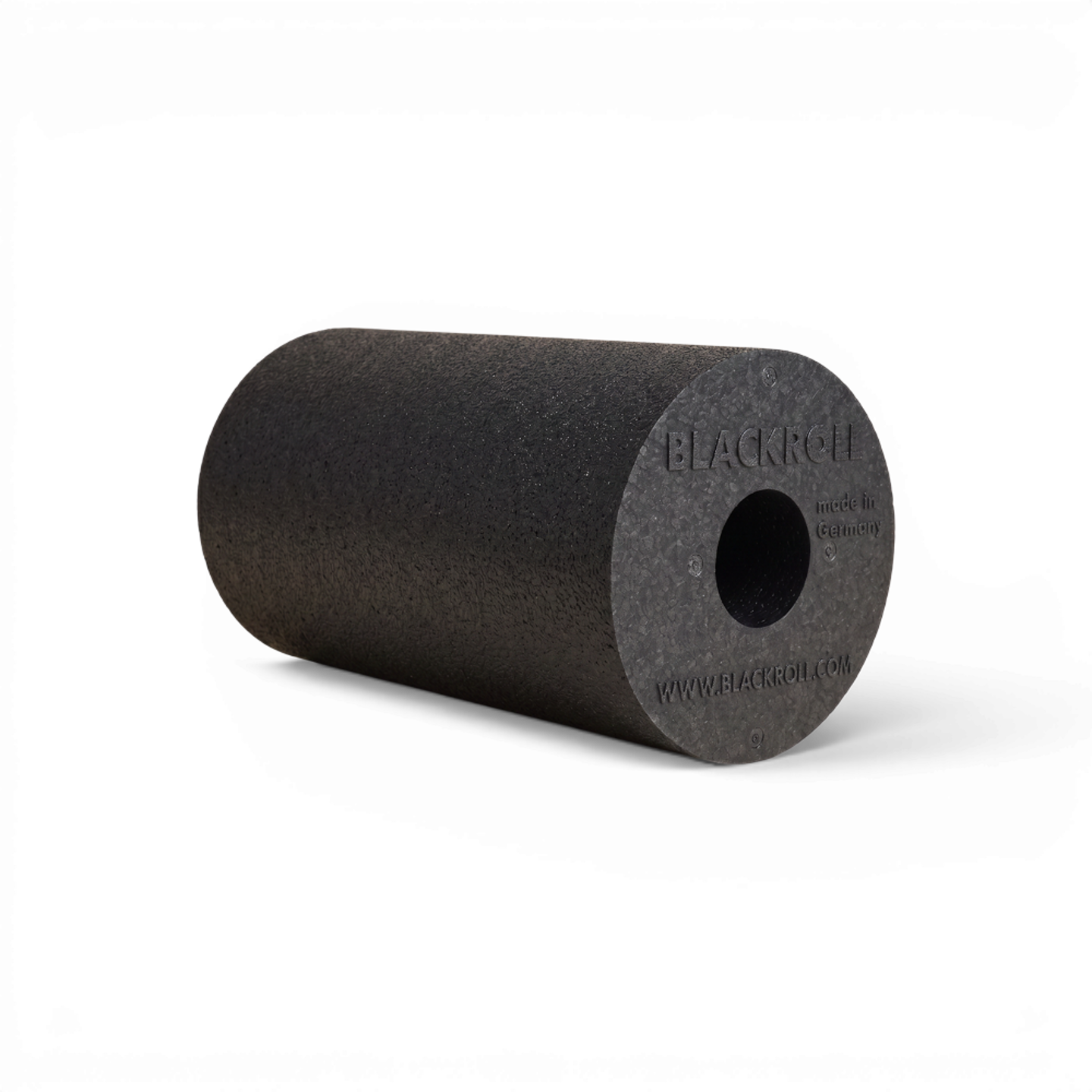
Using a fascia roller, you can loosen the tissue and relieve tension, stiffness, and adhesions in your back muscles. The gentle massage provided by the roller or balls stimulates blood flow and the exchange of interstitial fluid. Regular fascia training helps prevent back pain and restores your flexibility.

It’s also important to eliminate and avoid risk factors.
Even small changes in your habits can make a big difference for your back:
If you sit in front of a computer all day at the office, you should take regular breaks to move around and maintain a back-friendly sitting posture. Ergonomic office furniture can help support your spine.
Limit your cell phone use to what’s absolutely necessary, and maintain a posture with your upper body straight while using it.
Use a backpack instead of a shoulder bag to distribute the weight across your entire back. However, the backpack shouldn’t be too heavy either, so as not to strain your back.


Conclusion
Nearly 90 percent of the population suffers from occasional or chronic upper back pain. The main causes include poor posture and muscle tension resulting from too much sitting and too little exercise —in other words, the modern lifestyle.
Although injuries and medical conditions can also be behind the pain, for the majority of those affected, the cause is a lack of physical activity. This can be easily prevented through more exercise, relaxation, a healthy diet, fascia training, and avoiding risk factors.
As a general rule, an active lifestyle is the best way to prevent upper back pain.