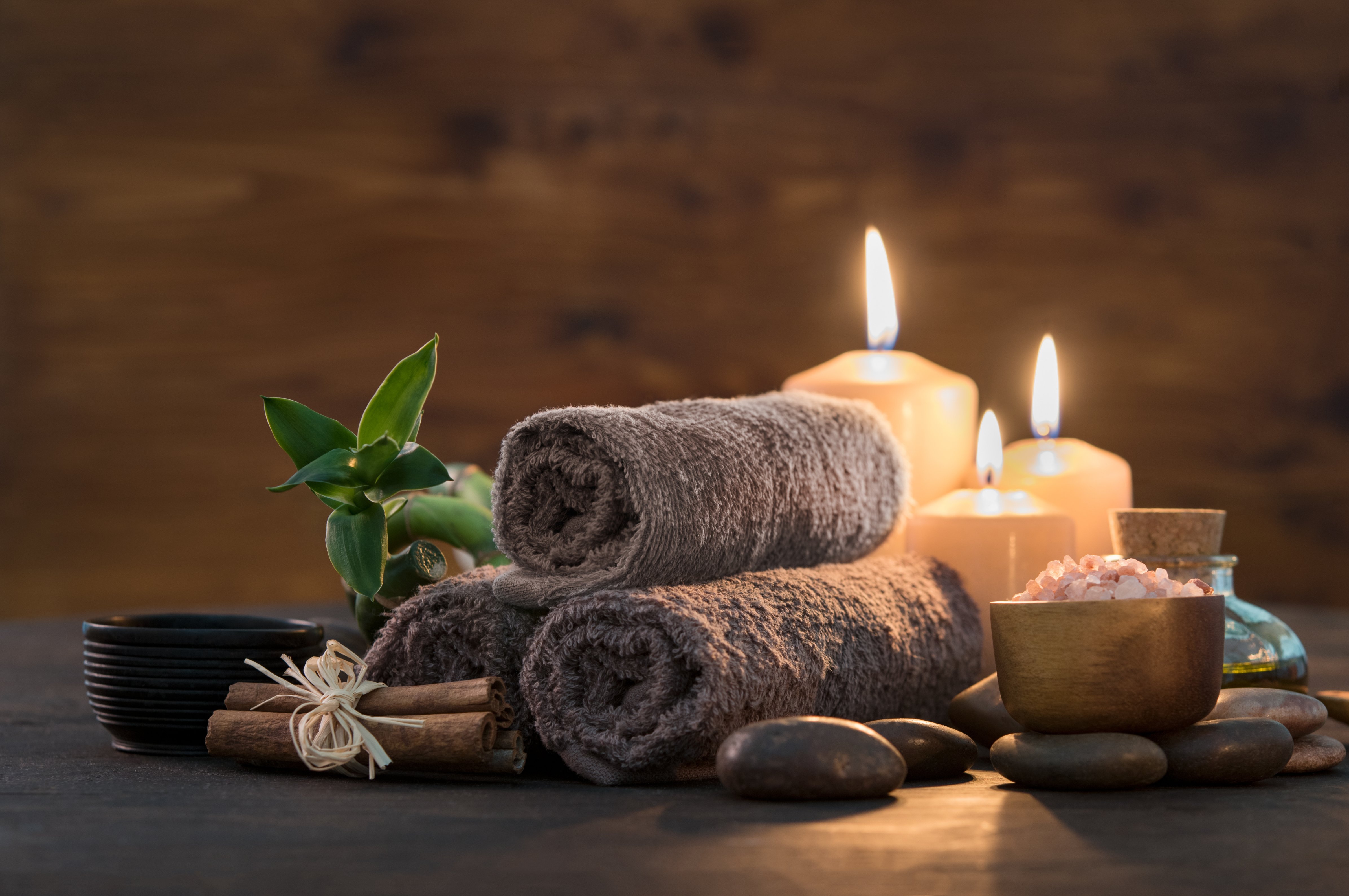
In a daily life characterized by time pressure, obligations, and sensory overload, people are increasingly longing for small breaks. They find quick and lasting relaxation through massage. The “art of touch” is a millennia-old practice that not only has a profound impact on mental well-being but can also relieve physical tension and alleviate pain. Today, there is a wide variety of massage types. From traditional techniques to modern approaches, we’ll introduce different methods and their effects.
01. Relaxation Through Touch: The Basics of Massage
Massages are not just physical treatments; they are also a form of therapy for the mind and soul. The sensitive and powerful treatment provided by a massage therapist is based on a holistic approach. It can relieve tension , alleviate pain, reduce stress, and enhance overall well-being.
Here are some fundamental aspects that form the basis of the various types of massage:
1.1. Touch
Massage means “the art of touch.” Skin contact is therefore one of the most important principles of massage. The foundation lies in the targeted application of pressure and movement to the body to achieve a positive effect on the muscles, connective tissue, and nervous system. Depending on the type of treatment, different massage techniques are used.
1.2. Empathy
For some people, being touched by a stranger can feel unfamiliar at first. To ensure that this intimate treatment is pleasant and allows for relaxation, the massage therapist establishes an empathetic connection with the client. Empathy and attentiveness are crucial for this.
1.3. Relaxation and Release
The main goal of most massages is to relax and loosen the muscles. Through various techniques—such as kneading and stroking, which can vary depending on the type of massage—tension is released and blood circulation is improved. This leads to a general sense of relaxation in both body and mind.
1.4. Use of Massage Oils
The use of massage oils is standard in most massages. Not only does it allow the hands to glide smoothly over the body, but it can also have positive effects on skin health. Essential oils, which are frequently used, can provide additional relaxing, energizing, or healing effects. Eucalyptus, cypress, and peppermint, for example, are said to help with sore muscles.
1.5. Individualized Treatment
Professional massage therapists tailor the massage individually to the needs, complaints, and preferences of their clients. This includes selecting the right massage techniques, applying the optimal amount of pressure, and, if necessary, incorporating specific treatments.
1.6. Mindfulness and Professionalism of the Massage Therapist
Mindfulness on the part of the massage therapist is essential during the massage. Professionalism and respect toward patients create an atmosphere of trust and contribute to the effectiveness of the massage.
02. The Importance of Massage for Health and Well-Being
Massages contribute in various ways to supporting health and improving overall well-being. It is important to note, however, that professional massage treatments cannot replace medical or psychotherapeutic treatment and should therefore always be considered only as a complementary measure. If you have specific health concerns, it is also advisable to consult a doctor before beginning massage therapy.
Overall, the various types of massage can have a wide range of positive effects on the body and mind:
2.1. Muscle Relaxation and Release
Massages aim to relieve muscle tension and relax the muscles. This is particularly beneficial for people who suffer from chronic tension or muscular discomfort, for example, due to intense training. Relaxing the muscles can alleviate pain and improve mobility.
2.2. Promotion of Blood Circulation
The targeted application of pressure and movement during a massage increases blood circulation. This can have positive effects on the entire circulatory system and help ensure that cells receive an optimal supply of oxygen and nutrients.
2.3. Stress Reduction and Relaxation
Massages are considered an effective means of reducing stress. They can lower blood pressure and release endorphins. These “feel-good” hormones can reduce the levels of stress hormones such as cortisol. This leads to deeper relaxation and an increased sense of overall well-being.
The relaxing effect of massage can also have a positive impact on sleep. People who suffer from sleep disorders often report improved sleep quality after regular massage sessions.
2.4. Pain Relief
Regular massage can relieve various types of pain , whether caused by muscle tension, joint problems, or chronic conditions. Massage can block pain receptors and promote the release of pain-relieving substances.
2.5. Support for the Immune System
Stimulation of the lymphatic system through certain massage techniques can help boost the immune system. This means that regular massage sessions could strengthen the body’s defenses and reduce susceptibility to illness.
2.6. Improving Posture and Mobility
Massage can help correct muscular imbalances, release tight fascia, and stretch tendons and ligaments. This can improve posture and enhance overall mobility. This is particularly relevant for people who sit a lot at work, have posture problems, or engage in intense physical activity.
2.7. Improving Mental Health
Massages offer not only physical but also mental benefits. They can help alleviate anxiety, depression, and stress-related psychological strain. The positive effect on the mind can contribute to overall improved mental health.
2.8. Promoting Self-Confidence and Body Awareness
Through their positive effects on the body and mind, regular massages can boost self-confidence and strengthen body awareness. This can foster a lasting positive outlook on life and an improved quality of life.
03. Wellness Massages vs. Massage Therapies
There are essentially two types of massage: wellness massages and massage therapies.
Both involve holistic approaches that address both the body and the mind. Additionally, both forms require professional training and experience on the part of the massage therapists or practitioners to ensure the desired results.
Overall, the main difference is that wellness massages tend to focus on short-term relaxation and pleasure-oriented experiences. Massage therapies, on the other hand, have a therapeutic focus and are designed to specifically treat health-related issues. Depending on individual needs, a person can incorporate both wellness massages and massage therapies into their health and wellness routine.
Here is an overview of the key distinguishing features:
3.1. Wellness Massages
- Goal: Wellness massages are primarily intended to promote relaxation and well-being. They are designed to reduce stress, calm the mind, and create a pleasant, relaxed atmosphere.
- Practice: Wellness massages typically focus on the sensory experience. Essential oils, soothing music, and a relaxing environment are characteristic of wellness treatments.
- Frequency: Wellness massages are generally intended for short-term relaxation. They are typically offered as individual sessions at spas or wellness centers
3.2. Massage Therapies
- Objective: Massage therapies have therapeutic goals and focus on specific health issues. The emphasis is often on treating muscular problems, relieving pain, or supporting rehabilitation processes.
- Practical Application: Massage therapies use targeted massage techniques to address specific problem areas. An experienced therapist may employ various methods such as deep tissue massage, lymphatic drainage, or trigger point therapy.
- Frequency: Massage therapies are often designed as long-term treatment plans. Therapists may recommend a series of sessions to ensure continuous progress and achieve specific health goals.
04. Types of Massage: An Overview of Massage Techniques
The world of massage techniques is as diverse as people’s needs. From classic massage for relaxation to energetic Thai massage and deep-tissue Shiatsu massage—there’s a type of massage to suit every need. We’ll introduce the most important massage techniques.
4.1. Classic Massage for Muscle Relaxation
Classic massage is one of the most common forms of massage. Through targeted techniques—stroking, kneading, tapping, friction, and vibration—tension is released, blood circulation is improved, and overall well-being is enhanced. This type of massage is particularly well-suited for relaxation and loosening the muscles.
Good to know: There isn’t just one type of classic massage. For example, you can opt for a full-body massage or partial-body massages. Back massages are especially popular, particularly for relieving tension in the back area.
4.2. Relaxation Massage for Body and Mind
The relaxation massage is a holistic experience that involves the entire body. Through gentle stroking movements and targeted pressure, the goal is not only to relieve muscular tension but also to calm the mind. This type of massage is particularly well-suited for reducing stress and enhancing overall well-being.
You can find more tips on relaxation here: Relaxation Techniques: Reducing Stress and Finding Peace
4.3. Head Massages Specifically for Headaches
Headaches can often be caused by tension in the neck and head area. During a head massage—which can also be combined with a facial massage—the massage therapist uses targeted techniques to improve blood circulation and relieve tension. This can not only help alleviate headaches but also promote overall relaxation.
4.4. Pressure Point Massage: Therapy for Pain
Pressure point or trigger point massage, also known as acupressure, focuses on specific points on the body to release blockages and restore the flow of energy. This massage technique, which includes foot reflexology, for example, originates from traditional Chinese medicine and is often used for pain relief, stress reduction, and relaxation.
4.5. Lymphatic Drainage for Swelling
Lymphatic drainage is a gentle medical massage that aims to activate the lymphatic system and promote the removal of metabolic waste products. This special form of massage can help reduce swelling and strengthen the immune system. It is often part of sports massages and is used after many surgeries to support healing.
4.6. Breuss Massage for Back Pain
The Breuss massage, named after the Austrian naturopath Rudolf Breuss, is a gentle back massage that focuses specifically on the spine and the intervertebral discs. Targeted techniques relax the muscles, helping to release energy blockages. This massage is well-suited for back, joint, and neck pain, as well as sciatica, scoliosis, and even migraines.
4.7. Deep Tissue Massage for Stiff Fascia
Deep tissue massage aims to stimulate the connective tissue and loosen tight fascia. Slow, firm strokes are used to release tension caused, for example, by stress, injuries, or poor posture. This form of massage is ideal for sports injuries, muscle strains, and problems with the musculoskeletal system.
4.8. Cupping Massage for Tension
Cupping massage combines classic massage with traditional cupping therapy. The use of cupping glasses creates negative pressure on the skin, which promotes blood circulation and can relieve tension. This form of massage is often used to alleviate muscle tension and improve energy flow.
4.9. Brush Massage: Relaxation and Skin Health
Brush massage, also known as dry brush massage, is performed with a special brush. The brushing motions stimulate blood circulation and remove dead skin cells. This massage is not only suitable for relaxation but can also help improve the appearance of the skin.
4.10. Thai Massage for Greater Mobility
Thai massage is a traditional form of massage from Thailand based on stretching and acupressure. The massage therapist uses not only their hands but also their knees, elbows, and feet to mobilize the body and open the energy channels. This massage is intended to relax and promote flexibility.
4.11. Foot Reflexology for Whole-Body Relaxation
Foot reflexology is often part of a Thai massage but is also offered as a standalone treatment. This massage approach is based on the idea that certain areas of the feet—known as reflex zones—are connected to organs and body regions. Targeted stimulation of these reflex zones is said to help the entire body relax.
4.12. Ayurvedic Massage for Increased Vitality
Ayurvedic massages originate from the Indian healing tradition of Ayurveda, which means “knowledge of life.” They use specific oils and special massage techniques to bring the body, mind, and spirit into harmony. These massages are not intended solely for relaxation; above all, they are designed to promote harmony within the body and awaken life energy.
4.13. Lomi-Lomi-Nui Massage from Hawaii
The Lomi-Lomi-Nui massage originates from Hawaii and is a holistic form of massage performed using the hands and forearms. Flowing movements are designed to release tension, clear emotional blockages, and restore the flow of energy in the body.
4.14. Shiatsu Massage for Harmony in the Body
Originating in Japan, Shiatsu massage is based on the principles of traditional Chinese medicine. Targeted pressure applied with the fingers and hands to specific meridians (channels through which life energy is said to flow) serves to harmonize the body’s energy flow. Shiatsu can promote relaxation and provide relief for various physical or emotional ailments.
4.15. Tuina Massage for a Strong Immune System
Tuina massage combines elements from Chinese medicine, Ayurveda, and energy work. Through gentle touch and targeted pressure, it aims to release energy blockages and stimulate the body’s natural healing processes. This form of massage is designed to maintain health and strengthen the immune system.
4.16. Hot Stone Massage as a Heat Treatment
Hot stone massage combines classic massage with the use of warm basalt stones. The massage therapist places the stones on specific energy points of the body to release tension and relax the muscles. The pleasant heat treatment allows the recipient to enter a state of deep relaxation.
4.17. Singing Bowl Massage for a Calm Mind
Singing bowl massage uses the vibrations of singing bowls to induce deep relaxation. The bowls are placed on or next to the body and gently struck. The harmonious sounds are said to relax the body and calm the mind.
4.18. Reiki Massage: Energy Work for Balance
Reiki massage combines classic massage techniques with the Japanese energy healing practice of Reiki. Through the laying on of hands, life energy is transferred to activate the body’s own self-healing powers. This form of massage is said to relieve physical tension and restore the body’s energetic balance.
05. Conclusion
The art of touch has fascinated people for millennia. As a result, there are now numerous types of massage with different objectives and techniques. Broadly speaking, a distinction can be made between wellness massages for short-term relaxation and massage therapies for the long-term treatment of specific ailments.
Classic massages primarily loosen the muscles, while pressure-point massages specifically stimulate pain points to relieve tension. Techniques such as Shiatsu and deep-tissue massage target the deep layers of tissue, promote mobility, and improve posture. Lomi Lomi Nui and Ayurvedic massages go beyond the physical realm and promote emotional balance and mental well-being. The same is true of Reiki and singing bowl massage, which combine touch with energy work and are designed to harmonize life energies.
Tip: With the right tool, you can even give yourself a massage. Read here to learn how massage guns work and what to keep in mind when using them. We’ll also tell you what’s important to consider if you’re thinking about buying a massage gun.