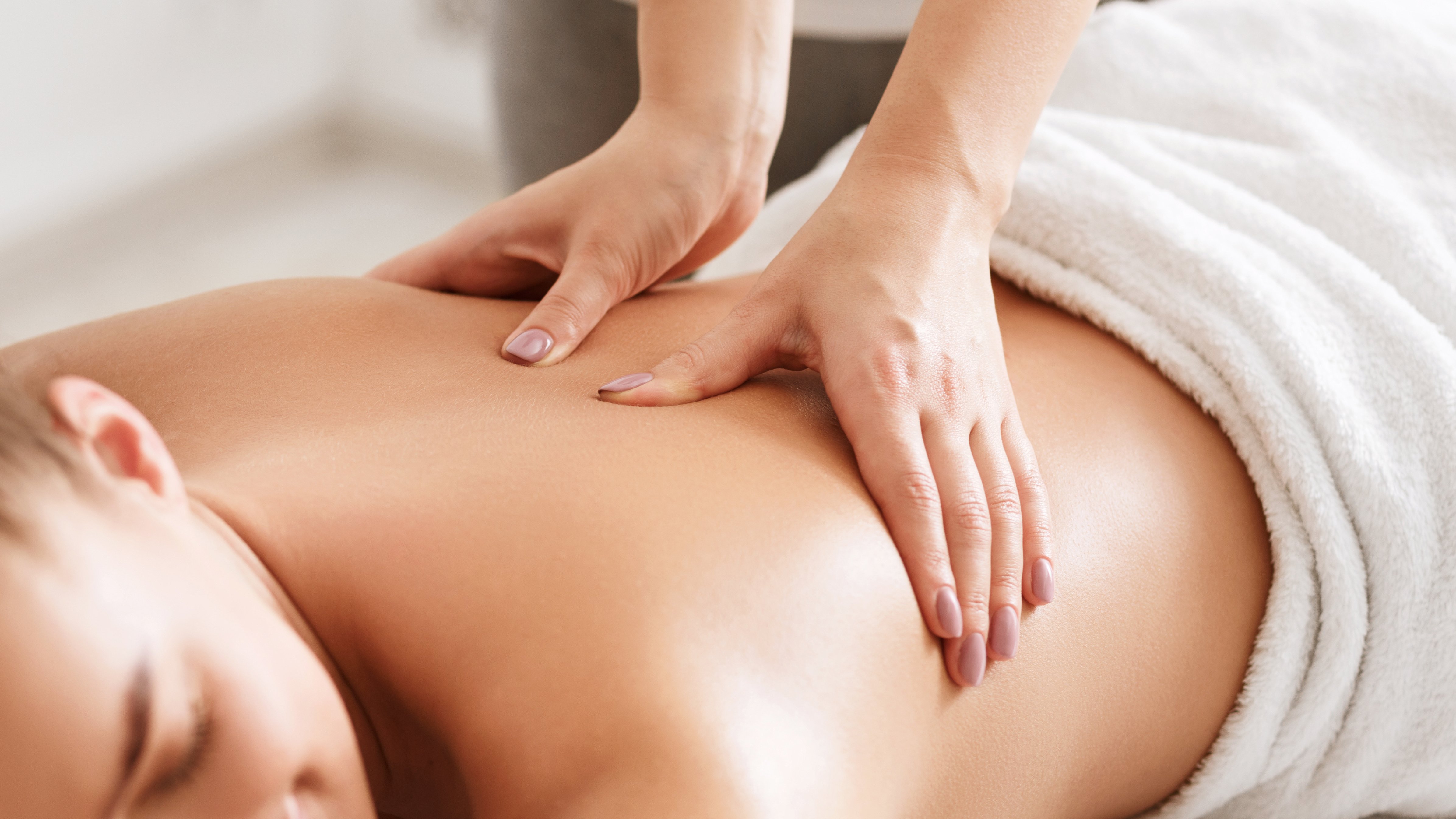
From back and neck massages to aromatherapy oil massages, sports massages, and relaxation massages: anyone looking to book a wellness treatment has plenty of options to choose from. There’s now a classic massage for every ailment, mood, and area of the body.
The “art of touch” has existed in various forms for thousands of years and originated in the Far East. The precursors to classic massage as we know it today are Shiatsu and acupressure. These techniques are designed to bring the body into balance and restore strength and vitality. Western massage techniques and strokes are primarily used for relaxation as well as for the prevention and treatment of musculoskeletal issues.
In this article, learn about the different types and techniques of classic massage and their effects. We’ll also answer the most frequently asked questions about massage.
01. Definition: Classical Massage
Classical massage (or simply “massage”) refers to the mechanical, usually manual treatment of the skin, fascia, and muscles using various techniques such as stroking, pressing, tapping, and rubbing. It serves to loosen tissues and relax the body in order to , for example, relieve pain , reduce stress , and prevent musculoskeletal disorders.
02. Types of Classical Massage
Not all massages are the same. As one of humanity’s oldest healing methods, massage is extremely diverse. Below, we present some important types of classical massage.
Good to know: In addition to classic massages, there are various specialized massage techniques. These include, for example, lymphatic drainage. This is a medical massage technique that uses gentle strokes to relieve swelling and pain following injuries or surgeries. Or deep tissue massage, which is used to loosen tight fascia. It’s ideal for sports injuries, strains, and problems with the musculoskeletal system.
2.1. Full-Body Massage
Unlike a partial-body massage, a full-body massage treats the entire body. The treatment is intended to stimulate blood circulation, relax the muscles, and generally enhance well-being. Special forms of full-body massage include Shiatsu massage, a specific finger-pressure massage from Japan, and the particularly gentle Lomi-Lomi-Nui massage, which originated in Hawaii.
2.2. Back Massage
The back massage is a partial-body massage and is also considered a classic massage. It is specifically designed to relieve or prevent back pain. Targeted massage techniques stretch and relax the muscles and fascia of the neck, back, and shoulders.
2.3. Neck Massage
Along with back pain, neck pain is one of the most common reasons people book a massage. Causes can include a lack of exercise, poor posture, or injury, as well as stress. A neck massage stretches and relaxes the tissues, thereby relieving painful tension.
2.4. Head Massage
A head massage can be particularly helpful for headaches . It involves applying significantly less pressure than, for example, a back or neck massage. The massage therapist carefully works their way from the hairline to the back of the head using their fingertips. By the way, you can also give yourself a head massage—but please proceed very gently.
2.5. Relaxation Massage
Relaxation massages are usually gentle full-body massages. Their primary purpose is to improve your well-being. Slow movements and light touches invite your body and mind to let go of stress and tension and to relax completely.
2.6. Aromatherapy Massage
What makes an aromatherapy massage special are the specific essential oils used, which are massaged deeply into the skin. Eucalyptus, cypress, and peppermint, for example, are said to help with sore muscles. When combined with massage techniques, the oils have a revitalizing effect, can relieve pain, and stimulate the senses.
2.7. Sports Massage
Sports massage is an intensive form of massage. The focus is on the parts of the body strained by exercise. The goal is to loosen or activate the relevant muscles, relax the fascia, and mobilize the soft tissues—that is, tendons and ligaments. Sports massages are primarily intended to relieve pain, prevent injuries, support recovery, and enhance performance—for example, in preparation for a competition.
03. Massage Techniques: 5 Classic Strokes
More than 2,000 years ago, our ancestors were already massaging one another to relieve tension. Since then, the basic strokes and techniques have hardly changed. Over the millennia, massage oils and special tools or materials have been added, but the original strokes still form the foundation of the classic art of massage.
3.1. Stroking (Effleurage)
Effleurage is a French term meaning “light touch.” This basic technique of classical massage involves gentle stroking movements with the hands toward the heart. The massage therapist makes contact with the client, identifies areas of tension, acclimates the skin to the treatment, and applies massage oil as needed. A classical massage typically begins and ends with effleurage.
3.2. Kneading (Petrissage)
The term “petrissage” is also derived from French and can be translated as “kneading” or “working.” With this massage technique, the massage therapist works significantly deeper into the tissue to stimulate blood flow to the muscles and release tension. Kneading can be performed precisely using the thumb, index finger, and middle finger, or pressure can be applied with the entire hand for a broad-area treatment.
3.3. Friction
Friction involves circular movements using the fingertips or palms at varying intensities. This massage technique is designed to loosen muscle tissue and release palpable, hard knots, known as myogeloses.
3.4. Tapping (Tapotement)
A special tapping technique, also known as tapotement, promotes blood circulation deep within the muscles and stimulates the nervous system. One of its goals is to increase muscle tone, which is important, for example, in sports massages before training or a competition. The tapping is usually performed using the edges of the hands, but can also be done with the fingers or the flat of the hand.
3.5. Vibration
Another massage technique is vibration. Using rhythmic movements of the fingertips or the flat of the hand, the muscle tissue is set into vibration. This so-called muscle trembling can release even deep tension. Massage therapists usually apply vibration at the end of a treatment, before moving on to final stroking motions.
Want to skip the trip to the massage therapist and give yourself a massage instead? Find out here what massage guns can do and whether they’re really useful or even dangerous. We’ll also tell you what to look for if you want to buy a massage gun.
04. The Importance of Massage Oil in Traditional Massages
A pleasant scent of citrus, almond, or rose and a smooth film on the skin: Massage oil plays an important role in most classic massages— both for the effectiveness of the treatment and for comfort.
Massage oils do more than just reduce friction between the massage therapist’s hands and the skin; they are also intended to positively influence skin health. High-quality carrier oils, such as almond oil or jojoba oil, supply the skin with essential nutrients, provide intensive care, and improve elasticity. In addition, the oils help hydrate and protect the skin, which is especially important when it is exposed to various pressures and friction during the massage.
Essential oils—which are concentrated plant extracts —are also frequently used. Each essential oil has a characteristic scent and a different mode of action. Depending on their ingredients, these fragrant oils can, for example , promote blood circulation, reduce inflammation, and relieve pain.
Choosing the right massage oil can therefore not only make the massage more enjoyable but also enhance the treatment’s effectiveness. Plus: The skin remains supple, nourished, and healthy.
05. The Process of a Classic Massage
A classic massage is highly personalized. Before the session begins, the massage therapist will ask you about your symptoms and needs. Once these details have been clarified, you’ll lie down on a massage table or sit in a comfortable chair. In most cases, massage oil is used. If you have any allergies, you should mention them at the beginning of the session. A professional massage therapist will take this into account.
At the start of the massage, the massage therapist applies the oil to your skin with gentle strokes. Depending on the assessment, various techniques—described in detail above—are used: kneading, friction, tapping, and vibration. The session concludes with stroking motions.
The duration of a classic massage varies. A full -body massage usually lasts between 45 and 90 minutes, while partial-body massages tend to last 30 to 60 minutes.
06. Benefits of Classic Massages
The range of applications is as diverse as the number of potential benefits of a classic massage. For example, it can:
- increase blood circulation.
- lower blood pressure and heart rate.
- Relieve tension and relax the muscles.
- Release adhesions and scar tissue.
- improve wound healing.
- Relieve pain.
- Improve cellular metabolism in the tissues.
- Reduce symptoms of stress.
It’s important to note that the effects of massage can vary from person to person, depending on individual health and other factors.
Also keep in mind: No matter what ailments bring you to the massage table, if they do not subside, please always seek medical advice. Massages cannot replace medical treatment.
6.1. Relieving Tension in the Back, Shoulders, and Neck
Tension frequently occurs in the back, shoulder, and neck areas in particular. This is typically caused by poor posture, overexertion, or a lack of exercise. As a result, pain usually develops, which can intensify if left untreated and spread to other parts of the body.
In a classic massage, various techniques are used to apply pressure and traction to the muscles, fascia, and surrounding tissue. This promotes blood circulation, stimulates cellular metabolism and the production of synovial fluid, and improves lymphatic flow. At the same time, the ligaments and tendons are stretched. Regular treatment can help release adhesions and tension or prevent them from developing in the first place.
6.2. The Effects of Massage on Circulation
Classic massage not only acts locally on the muscles but can also have positive effects on the entire circulatory system.
Massage promotes blood flow to the skin and underlying tissues. The targeted application of pressure, combined with rhythmic movements, helps dilate blood vessels and improve blood flow. This increased blood flow also enhances the transport of oxygen to cells and tissues. Furthermore, massages stimulate the lymphatic system and thus the removal of toxins and metabolic byproducts from the tissues, such as lactic acid (lactate), which can accumulate during muscle activity. All of these are beneficial factors for regeneration and general tissue healing.
6.3. Wellness and Well-Being Through Classic Massage
Classic massage takes a holistic approach: it promotes wellness for both body and mind. Treatments can be just as effective for physical ailments as they are for inner restlessness and psychological tension. General stress symptoms can be alleviated, and overall well-being improved. During the massage, your breathing deepens, your heart rate and blood pressure decrease, and you enter a state of deep relaxation.
07. FAQs
What does a classic massage involve?
Depending on the approach, a classic massage involves massaging the entire body or just a specific area—such as the feet, legs, back, arms, hands, shoulders, neck, or face—with or without massage oil. The massage therapist uses various massage techniques and strokes, such as gentle stroking, kneading, tapping, rubbing, and vibrations.
What is a classic back massage?
During a classic back massage, problem areas along the spine are specifically targeted. The massage therapist uses classic massage techniques to loosen and relax the lumbar and thoracic regions and/or the neck and shoulder area.
What is a classic full-body massage?
During a classic full-body massage, the massage therapist loosens, stretches, and relaxes the entire body, starting with the back and neck, moving through the arms and legs, and ending with the feet. Various classic massage techniques are used, such as stroking, kneading, tapping, rubbing, and vibration.
What areas are not massaged during a full-body massage?
During a full-body massage, the entire body—including the neck, back, arms, legs, and feet—is typically treated. Only the genital area is not massaged.
Can massages relieve tension?
Regular massages can relieve tension and soothe muscle pain. To do this, the massage therapist uses targeted techniques to address stiffness and knots in the muscles and stimulate blood flow in the tissues.
Which massage is best for relaxation?
In general, you can relax with almost any type of massage. Relaxation massages, which use extra-gentle techniques, are considered particularly soothing. However, full-body and partial-body massages can also contribute to relaxation.
How do classic massages affect well-being?
Classic massages loosen and relax the body. This can have a positive effect on your well-being. The mind also finds peace during the massage, stress symptoms are alleviated, and the immune system is strengthened.
How do massages affect circulation?
The specific techniques used in a classic massage stimulate blood flow to the skin, the underlying tissues, and the muscles. This leads to improved blood circulation. At the same time, the massage’s relaxing and stress-reducing effects can have a positive impact on blood pressure.
What happens to the muscles during a massage?
A classic massage stimulates blood flow in the muscles. This allows more oxygen and nutrients to reach the muscle cells, which can have a positive effect on recovery. Depending on the technique used, a massage can primarily relax the muscles or, additionally, activate muscle tone—for example, before a sporting event.
What kinds of complaints are reasons to see a massage therapist?
In general, anyone can benefit from a massage to prevent muscle tension. Typical conditions that a classic massage can help with include back, neck, and headaches; rheumatism; osteoarthritis; digestive issues; high blood pressure; adhesions in the fascia; muscle stiffness and tension; and shortened muscles. In addition to physical symptoms, emotional stress can also lead someone to see a massage therapist.
When should you avoid getting a massage?
As a general rule, a massage should only be performed after consulting a doctor in the following cases: acute inflammation, infectious diseases, open wounds and high fever, a tendency to bleed, muscular or nervous system disorders, vascular diseases, cardiovascular conditions, cancer, and venous disorders.
What happens to the body after a massage?
After a massage, many people experience a sense of relaxation. However, the treatment may occasionally cause muscle soreness or mild pain, fatigue, stiffness, and a feeling of heaviness. Typically, these aftereffects appear within the first 24 to 48 hours following the massage.