
Trigger Point Massage: Application and Effects

Learn all about trigger point massage and its effects.
Trigger point massage is an effective method for relieving myofascial pain and is often used by physical therapists.
Here, we’ll explain exactly which symptoms it can relieve, how trigger point therapy works and is applied, and what methods and tools are available for performing it.
You’ll also learn the difference between trigger point massage and acupressure, since the terms are often used interchangeably.
What does “trigger” mean?
Literally translated from English, “to trigger” simply means “to set off.” With trigger point massage, you can activate pain you’re already aware of (active trigger point) as well as pain you haven’t yet noticed (latent trigger point). This may help you identify the cause of your symptoms in a completely different part of the body and, in the best-case scenario, eliminate it. In trigger point massage—or “triggering”—trigger points are located and stimulated in a very targeted, localized manner through pressure.
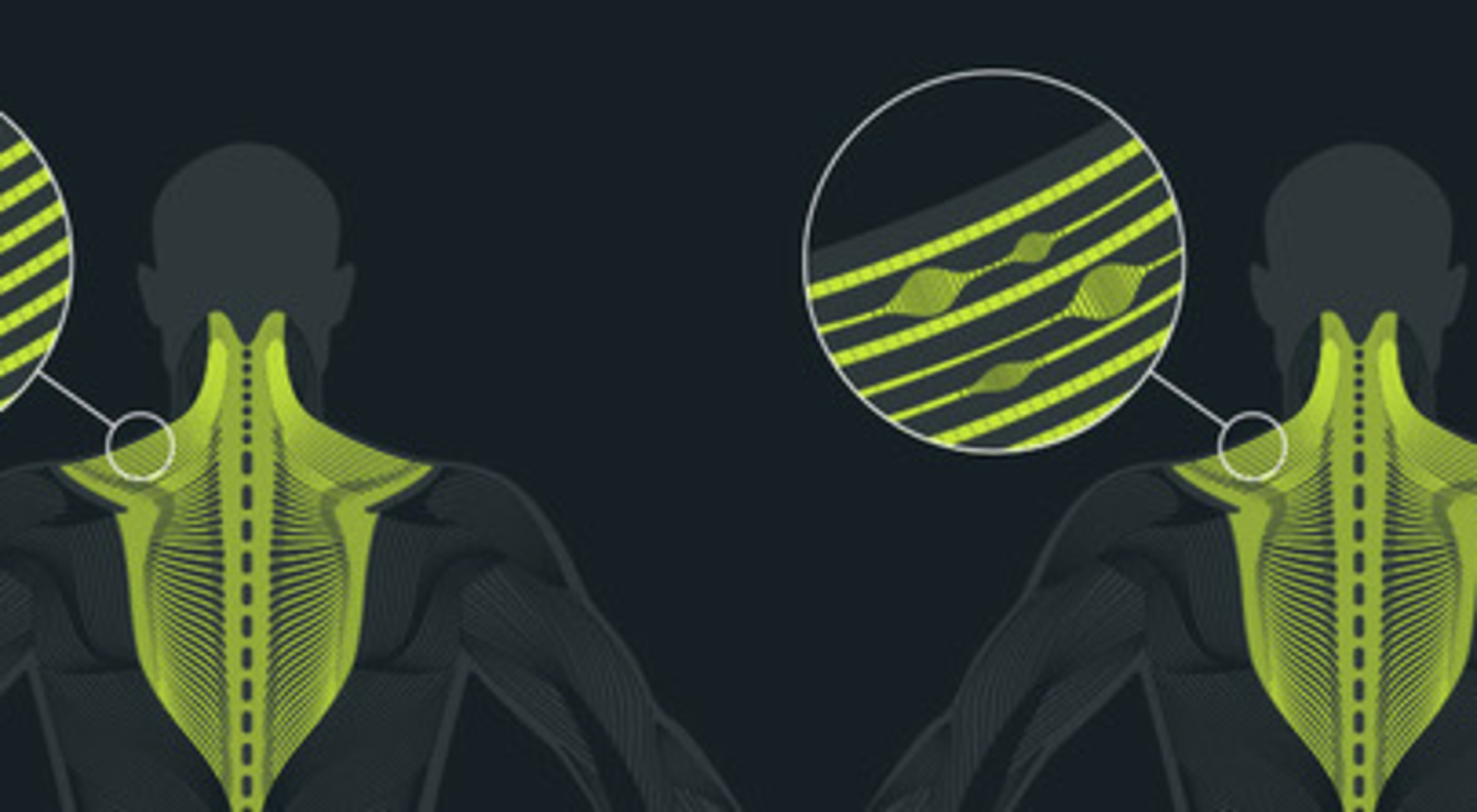
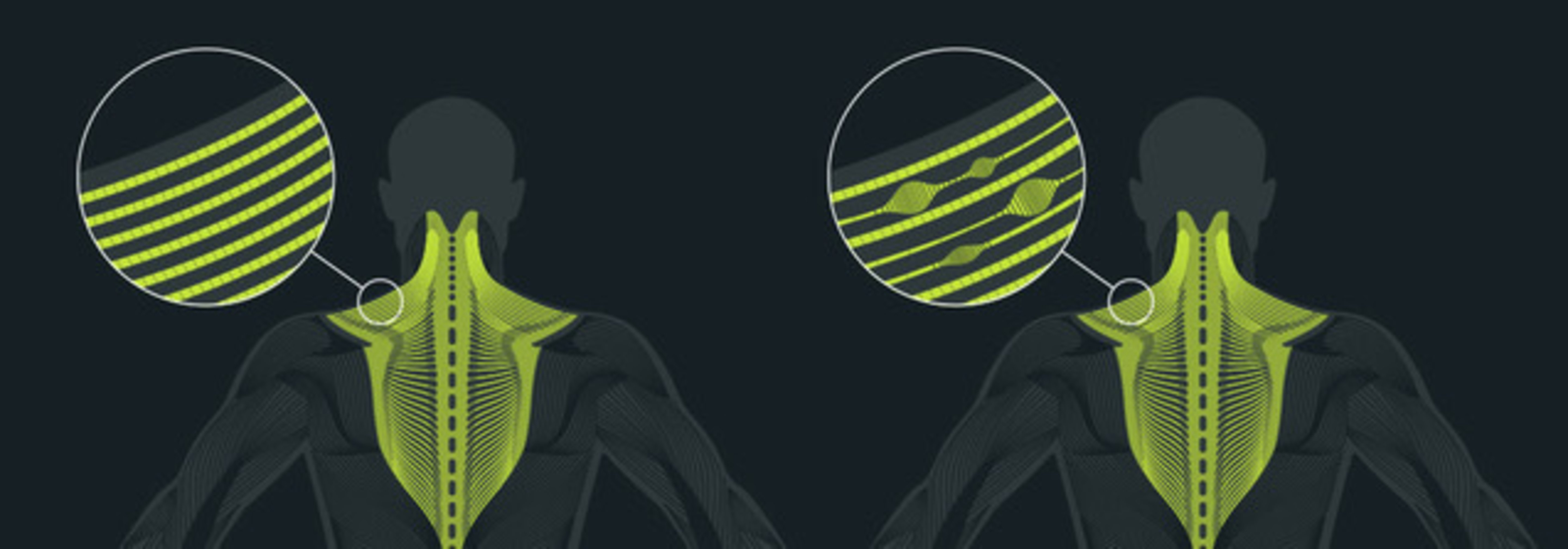
A trigger point is a localized, pressure-sensitive area of hardening in the tissue. Typically, a tender point develops in tissue that already exhibits increased tension. The hypertonic tissue can be felt as a hard strand (hard knot).
02 Are trigger point massage and acupressure the same thing?
Unlike trigger point massage, in acupressure the points you stimulate are located at precisely defined spots on the body. Acupressure points are derived from the nearly 400 acupuncture points that lie along specific energy pathways (meridians) on and within the body.
With trigger point massage, on the other hand, you locate the trigger points by palpating your body in search of them and focusing on your own perception of pain. Be mindful of your body and the signals it sends you.
Noticeable, knot-like areas of tension are defined as trigger points, regardless of whether they lie next to or on the energy pathways. Additionally, you don’t need to concern yourself with any point-organ relationships that may exist and their effects—such as on a cold—as is the case with acupressure.
Depending on the individual condition of the musculoskeletal system, both the number of trigger points and their location vary from person to person.
03 Trigger Point Massage for a Wide Range of Ailments
The reduced oxygen supply at the trigger point leads to local inflammatory reactions, which ultimately result in the formation of connective tissue scar tissue. This is how acute discomfort can easily and gradually turn into chronic pain.
Trigger point massage can help alleviate pain that manifests in a wide variety of ways and with varying intensities—ranging from sharp to dull and from localized to widespread. Even systemic symptoms—those affecting the entire body—can be effectively alleviated with trigger point massage. Nausea and dizziness are examples of this.
Trigger point massage can provide significant relief in these cases. The occurrence of such symptoms due to a single trigger point is explained by an increased response of the sympathetic nervous system, which—as part of our autonomic nervous system—puts the body into a state of heightened readiness, i.e., a stress response.

What are the benefits of trigger point treatment?
Trigger point treatment primarily focuses on stretching and releasing trigger points within myofascial bands of tension and the resulting increased blood flow to the affected muscle-fascia tissue.
Through local stimulation of the hardened and tense tissue knot and the subsequent release of pressure, there is initially an under-supply and then an over-supply of oxygen in the affected muscle tissue. The goal of trigger point treatment is to completely eliminate the myofascial trigger points, thereby restoring full muscle function.
Please note that when treating trigger points, you should not limit yourself to the palpable functional disturbances—the trigger points themselves—but should also examine triggering factors, such as smoking, a non-ergonomic workstation, poor posture, and joint misalignments, and try to find solutions for these issues.
Lack of exercise and overexertion can also contribute to the development of myofascial trigger points. If you do not address the triggering factors—that is, the causes of the trigger points—new trigger points will continue to develop and may cause problems again.
The effectiveness of trigger point treatment is significantly enhanced by additionally avoiding the triggers of trigger points, and consequently promises longer-lasting and more effective relief from your symptoms.
Trigger point massage is not only aimed at relieving pain but can also improve mobility by releasing tense muscles and fascia. Additionally, this method is a good way to improve your posture and slightly reduce the risk of muscle injuries.
05 For which symptoms or types of pain is trigger point massage helpful?
Trigger points are often associated with symptoms or conditions such as tension headaches, migraines, and general pain in the arms and legs.
Trigger point massage can also help relieve neck pain and lower back pain—with or without pain radiating to the buttocks and/or legs—as well as pain in the groin and hip regions and pain in the outer thigh.
Trigger point massage can be used in many areas of the body to treat pain and as a form of therapy. This technique can relieve tension and muscle stiffness in various parts of the body, as well as improve your range of motion. Here is some information on the conditions for which trigger point massage can be effective:
- Tension headaches and migraines: By targeting trigger points on the head and in the neck area, these common types of headaches can be relieved.
- Pain in the arms and legs: Trigger points are often responsible for pain in these areas. Massaging these points can help relax the muscles and reduce pain.
- Neck and shoulder pain: Tension in the neck can lead to significant discomfort. The resulting pain often radiates into the shoulder. Trigger point massage can release this tension and thereby relieve neck and shoulder pain.
- Lower Back Pain: Pain in this area ofthe back, which can radiate into the buttocks and/or legs, is often caused by muscle tension. Treating the relevant trigger points can also provide noticeable relief for the spine and alleviate your back pain.
- Pain in the groin and hip region: Trigger points in the hip muscles can lead to pain in the groin and hip. Trigger point massage can effectively treat this pain.
- Pain in the outer thigh: Here, too, trigger points can be the cause of discomfort. A targeted massage of the outer thigh can help relieve this pain.
- Trigger points in the hands: These can lead to various discomforts and pain. Trigger points in the hand can affect your blood circulation and often cause tingling or numbness.
In addition to these areas of application, trigger point massage can also be effective for other conditions such as tennis elbow, golfer’s elbow, pain in the shoulder and shoulder blade area, knee pain, as well as jaw pain and tinnitus.
The specific technique of trigger point massage applies pressure to the painful points in the muscle tissue, which releases tension from the muscle fibers and can lead to pain relief
Trigger Point Massage for Pain Relief
Trigger point massage is part of the BLACKROLL® pain management program. In our exercise routines for pain relief, we’ll show you how to use it. Give it a try right away. >




How does trigger point massage work?
Through trigger point treatment, you can transform both active trigger points—which regularly bother you during everyday activities—and trigger points that have already become chronic into trigger points that are at least dormant or even into completely healthy muscle tissue. This technique has been practiced for many centuries.
Three Key Components of Successful Trigger Point Treatment
Three components are crucial for effectively and sustainably releasing deep-seated myofascial trigger points through trigger point massage:
- Localized: By applying localized pressure, you can suppress pain transmission and thereby induce local reduced blood flow—and thus a lack of oxygen, known as hypoxia. When you release the pressure, increased blood flows into the triggered tissue, resulting in a reactive surplus of oxygen that is now available to the pathologically contracted tissue. Ending hypoxia in the trigger point tissue is a fundamental goal of trigger point treatment.
- Sustained: Through sustained pressure, you relax the trigger point tissue—our “stressor,” the sympathetic nervous system, is inhibited.
- Deep: The final component is deep pressure. This is necessary to activate as many tissue cells—the fibroblasts—as possible. These cells respond to pressure and produce fascial lubricant. This allows for greater mobility in the deep fascial layers.
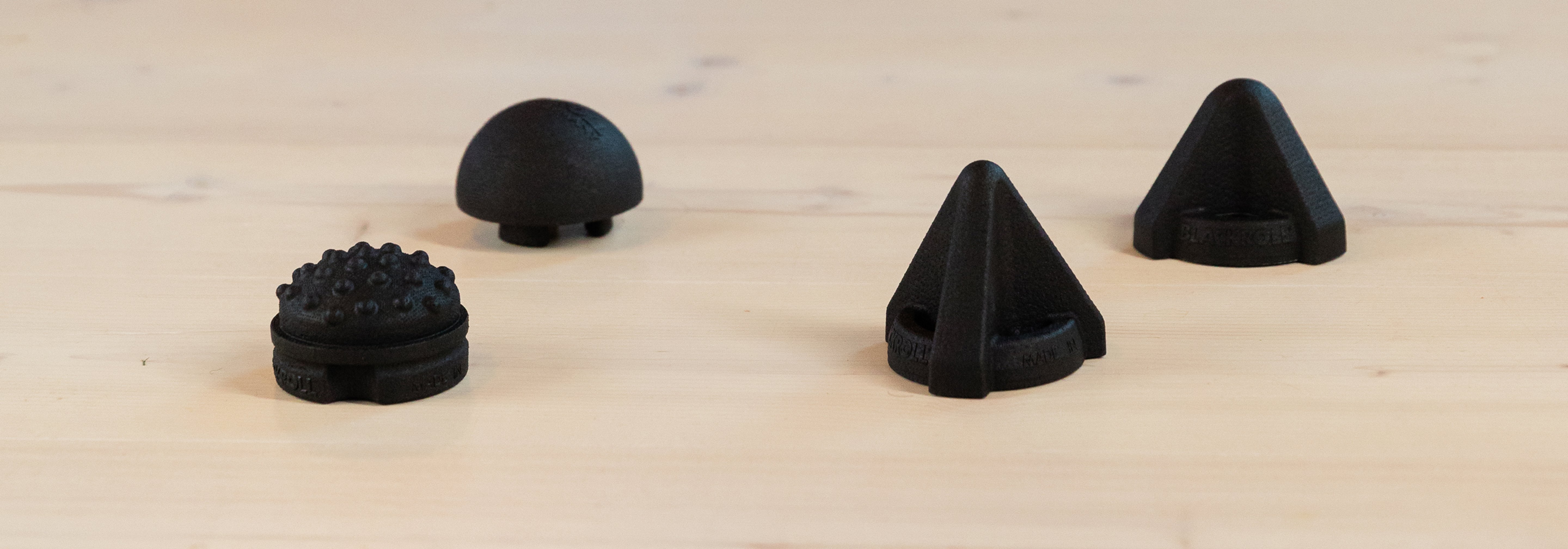
What are the differences in the application of the various trigger point massage methods?
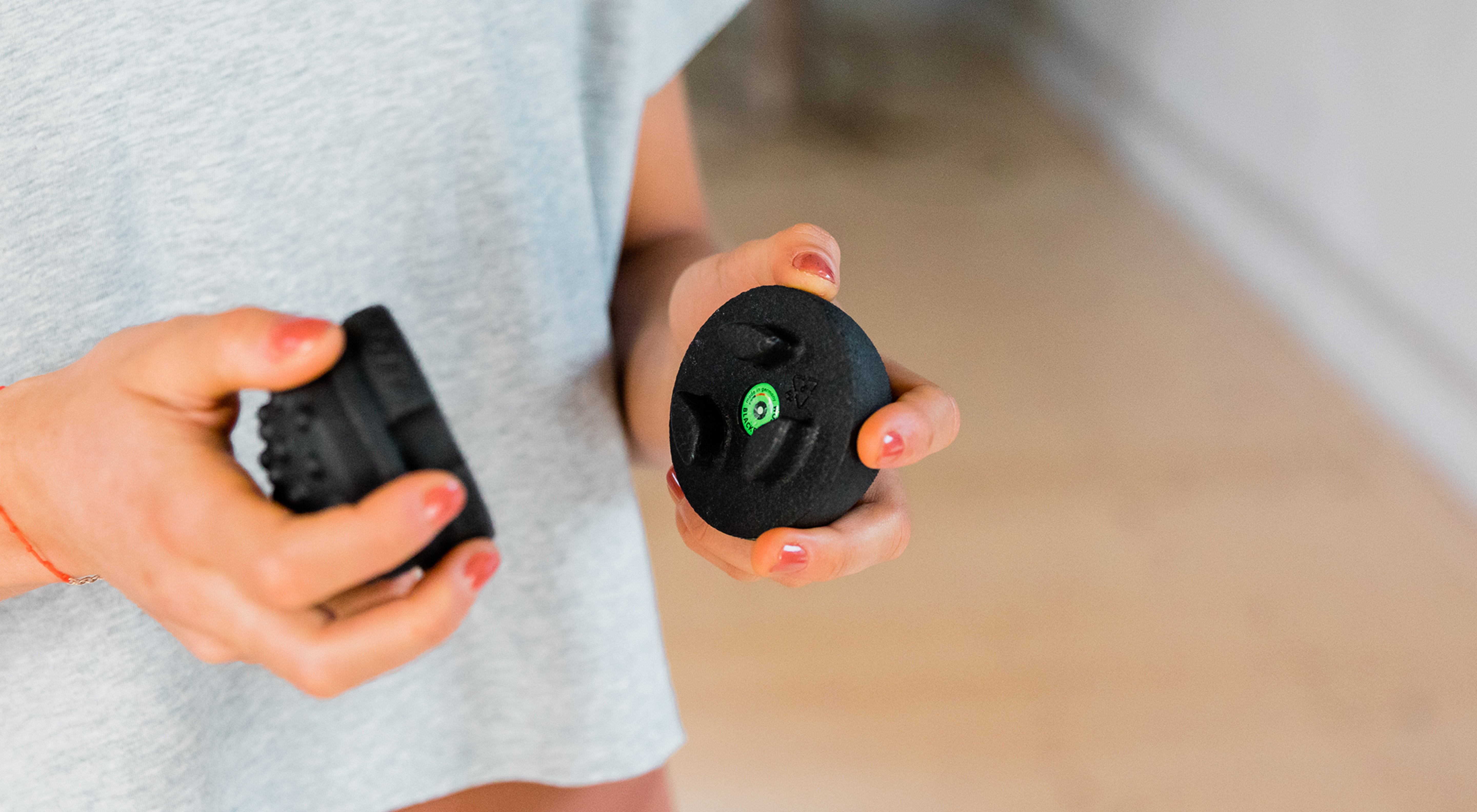
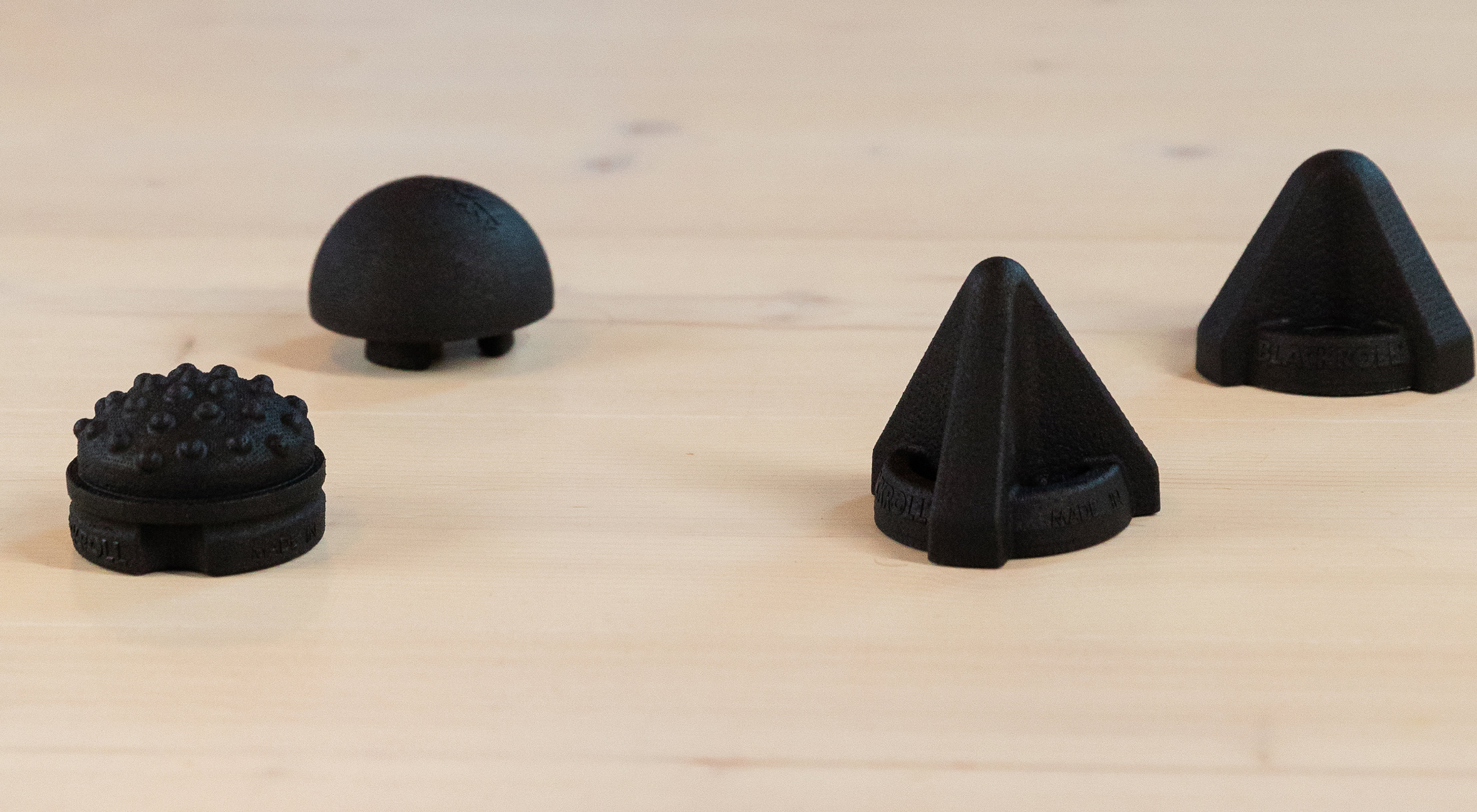
Basically, there are various ways to release trigger points. Manual, invasive, and technical methods are available. For self-treatment—which is the primary focus here—manual trigger point massage using the thumb and triggering with tools such as the BLACKROLL® TRIGGER SET are recommended.
You can also use the BLACKROLL® fascia ball for trigger point massage. The only difference is that the contact surface of the trigger tool is significantly larger than that of the BLACKROLL® Fascia Ball. This means that, compared to the smaller trigger tool, the fascia ball doesn’t penetrate as deeply into the deeper fascia layers—and thus into the actual trigger point—but naturally causes less pain during the trigger point release itself. So this is an option if you’re new to trigger point therapy and want to get used to it gradually, or if you’re generally very sensitive to pain.
As a preparatory step for targeted trigger point treatment, you can use one of our BLACKROLL® foam rollers to perform a broad-area massage and prepare the tissue for the subsequent localized treatment.

Manual Trigger Point Massage with the Thumb
You don’t need any tools for manual trigger point massage. You feel for hardened areas in the tissue and massage these contractions—which usually feel like knots—with your thumb until you notice an improvement. Alternatively, you can apply localized pressure for a few minutes. Or you can stretch the tissue as far as possible using your fingers. Over time, however, trigger point massage with the thumb or fingers can become tiring.
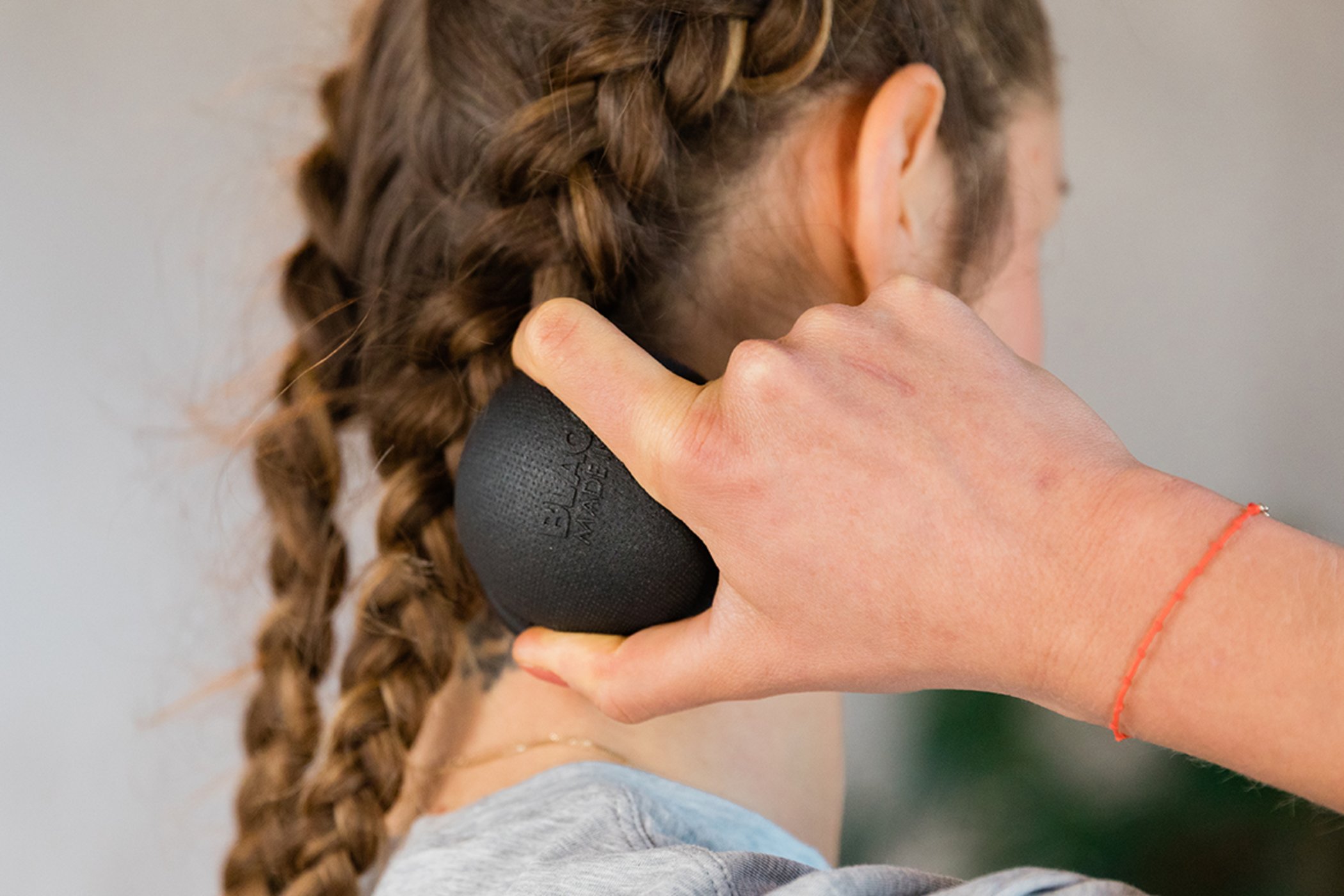
Trigger Point Massage Using Trigger Point Tools
Trigger point massage using trigger point tools generally involves three steps:
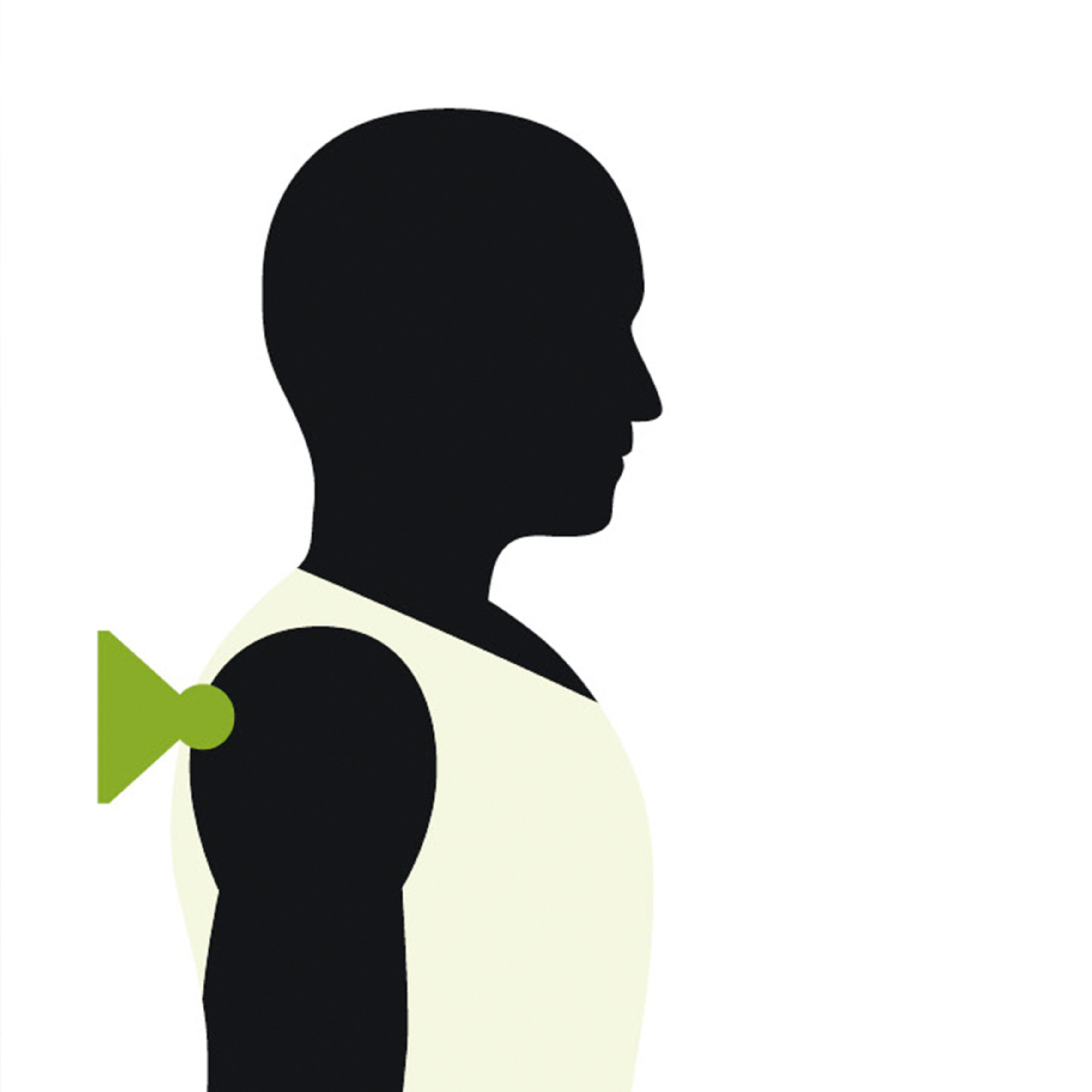
Triggering
First, locate a tense muscle group and use your fingers to feel for trigger points in the tight myofascial tissue. Place the Trigger Tool on the floor or against a wall and position yourself so that your trigger point is on top of it. Take several deep breaths in and out and feel the pressure from the TRIGGER TOOL or fascia ball. Try to relax your muscles despite the pain. Hold this position for about 30 to 60 seconds. The initial pain should subside during this time.
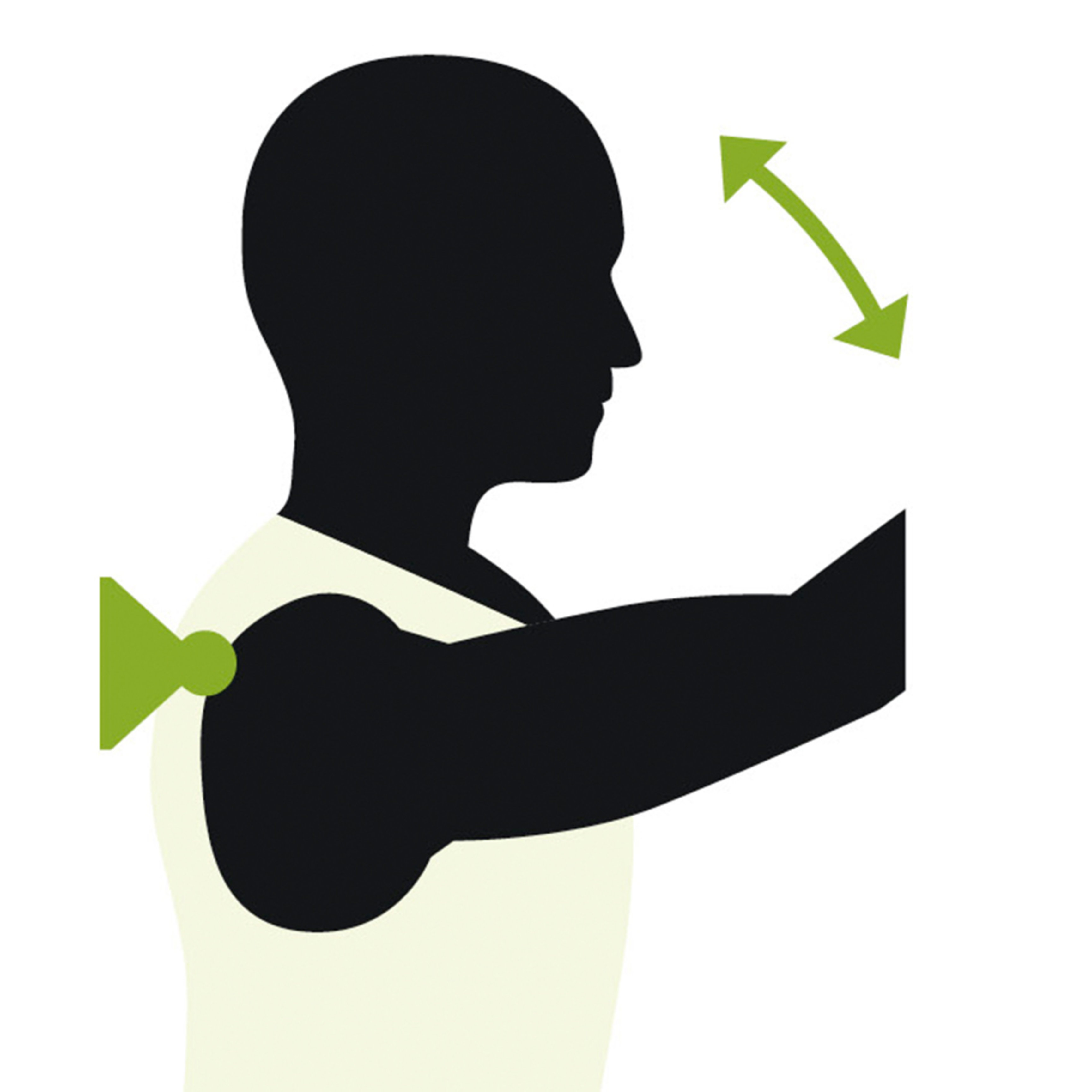
Mobilize
Start by moving the muscles you’re currently treating with the trigger tool for about 10 seconds. Example: You’re triggering your calf and now begin to move your foot at the ankle joint. Continue to focus on calm, steady breathing and try to relax. Alternate between mobilization and triggering without mobilization for about five minutes.
Stretching
Next, stretch the area you just worked on for about one minute. For example, stretch your calf by stepping backward with the treated leg into a wide lunge position and pushing your hips forward.
Conclusion
Massaging away tension and treating trigger points are established methods aimed at relieving pain and improving muscle function.
These forms of therapy are particularly effective in treating chronic pain, muscle stiffness, and restricted range of motion
Massaging Tension
Massaging muscle tension is a common method in physical therapy. Various massage techniques are used to loosen tense muscles, promote blood circulation, and relieve pain. The massage can be performed manually by the therapist’s hands or with the aid of special tools. It not only helps relax the muscles but also contributes to stress reduction and overall relaxation.
Trigger point massage offers an effective method for pain relief and can be used as part of a comprehensive physical therapy approach. This technique is particularly well-suited for treating chronic pain, tension headaches, back pain, and pain in the arms and legs.
In addition, trigger point massage helps improve mobility, relieves muscle stiffness, and can help prevent muscle tension and injuries.
The combination of massaging away tension, treating trigger points, and a holistic physical therapy approach can, above all, help alleviate pain, promote muscle health, and thus improve your quality of life.
If you suffer from pain caused by trigger points or muscle tension, you should seek the help of a qualified physical therapist with specialized training, who can ensure you receive effective treatment. Trigger point massage is a valuable and effective method in modern pain management and physical therapy.
And now: Let’s get started with trigger point massage.