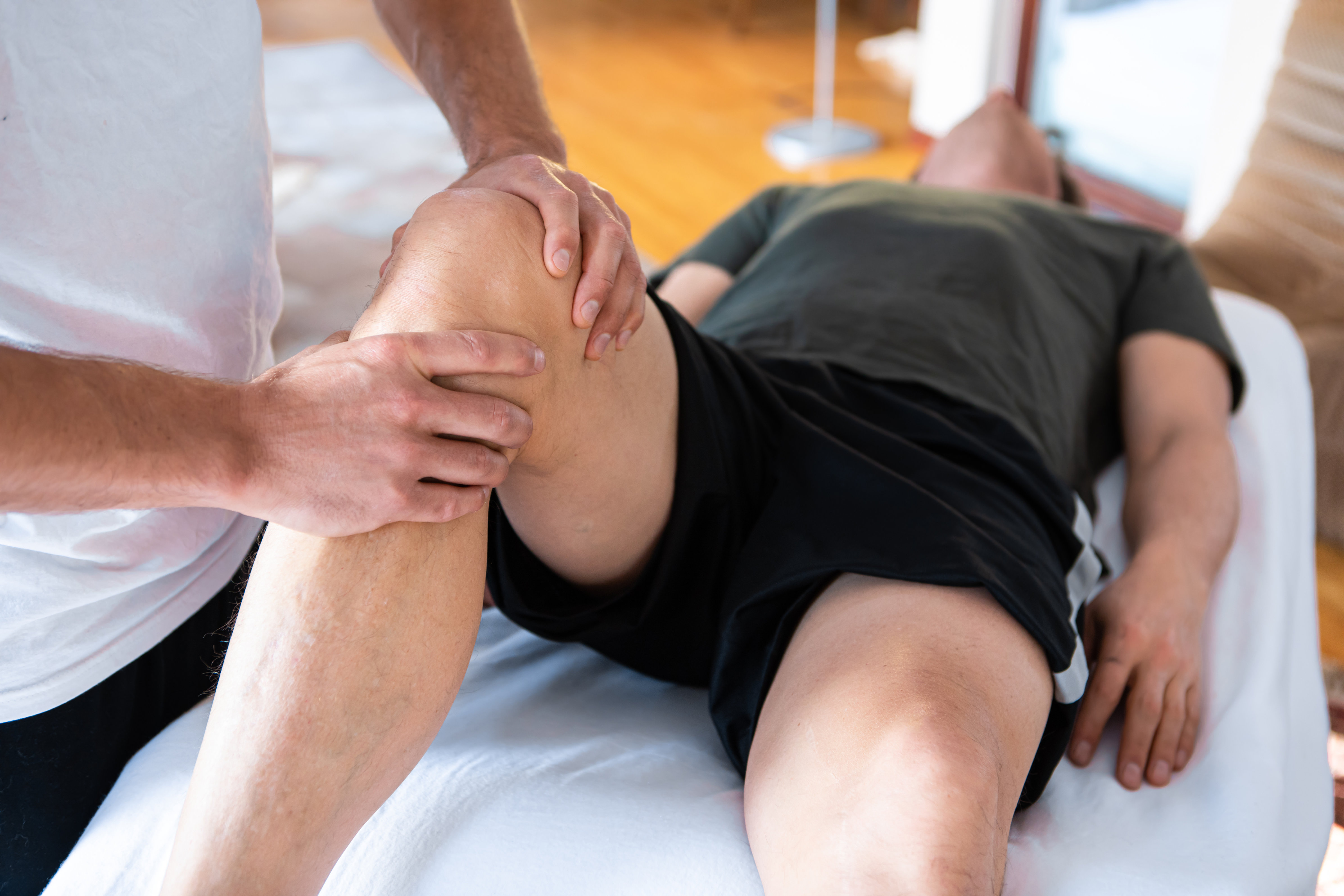
Exercise is healthy—no question about it. However, regular training also puts a massive strain on the muscles and soft tissues, namely the tendons and ligaments. Over time, this can lead to tension, adhesions, and pain. This is exactly where a sports massage comes in. This specialized form of massage is designed to both relieve and prevent discomfort or injuries caused by training. Sports massages can also support recovery, boost performance, and promote overall relaxation. What exactly is a sports massage? What are its benefits, and when is the right time to get one? We’ll answer these and other questions in this article.
By the way: Sports massages are a useful complement to your workout routine. But you don’t necessarily have to be an athlete to benefit from their positive effects. You’ll learn more about the benefits as you read through this guide.
What is a sports massage?
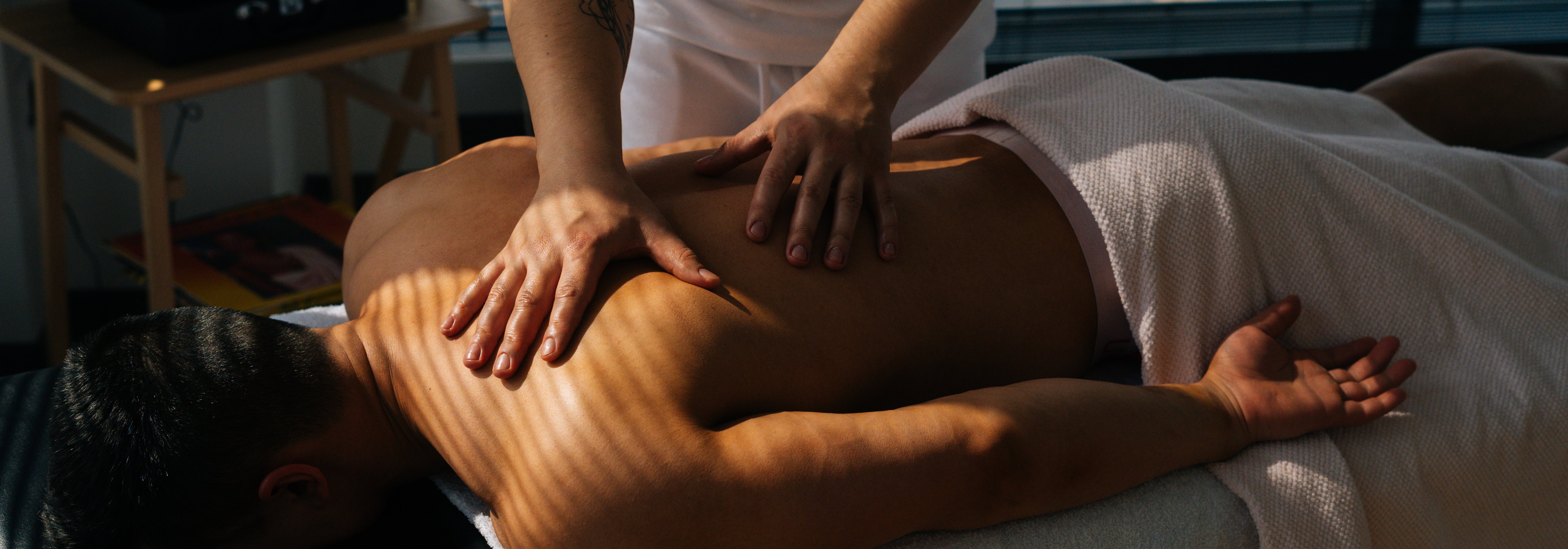
In general, massage refers to the manual treatment of the body through techniques such as tapping, kneading, rubbing, and stroking. A sports massage is a particularly intensive form of massage in which a therapist specifically targets body parts that have been strained during training.
The primary focus is on loosening or activating the muscles, relaxing the fascia, and mobilizing the soft tissues. Sports massages are primarily intended to relieve pain, support recovery, prevent injuries, and enhance performance—for example, in preparation for a competition.
Massage Techniques Used in Sports Massage
During a sports massage, firm massage strokes and intense strokes directed toward the heart are typically used to stimulate blood circulation. To activate the tissues and muscles, the massage therapist kneads the relevant body parts with strong pressure and taps them.
If the goal is to reduce muscle tone, slower, soothing chopping, tapping, kneading, shaking, and stroking techniques are used. To support post-workout recovery, therapists prefer to use shaking movements, kneading, and compression therapy or lymphatic drainage. This is a special form of medical massage. Gentle techniques are used to stimulate the flow of lymphatic fluid through the lymphatic vessels.
Sports Massage vs. Classical Massage
Sports massage is a specialized form of classical massage. Other types include, for example, partial-body massage, full-body massage, functional massage, and deep-tissue massage. In general, massages serve to loosen and relax specific body parts, for example, to reduce stress or alleviate pain.
Sports massages are specifically tailored to the needs of athletes. The techniques are usually more intense and focus on a specific area of the body, such as the calves or the upper back. For example, if a marathon runner wants to prevent a cramp in their leg muscles, the massage therapist will treat the upper and lower legs before the race with special stretching techniques and tapping. A sports massage is usually scheduled around a training session or competition, whereas other traditional massages can be scheduled more flexibly.
In general, however, even non-athletes can benefit from a sports massage. The only requirement is that you’re comfortable with firm, intense massage techniques.
Would you rather give yourself a massage? Read here to find out what massage guns can do and whether they’re really useful or even dangerous.
Positive Effects of Sports Massages
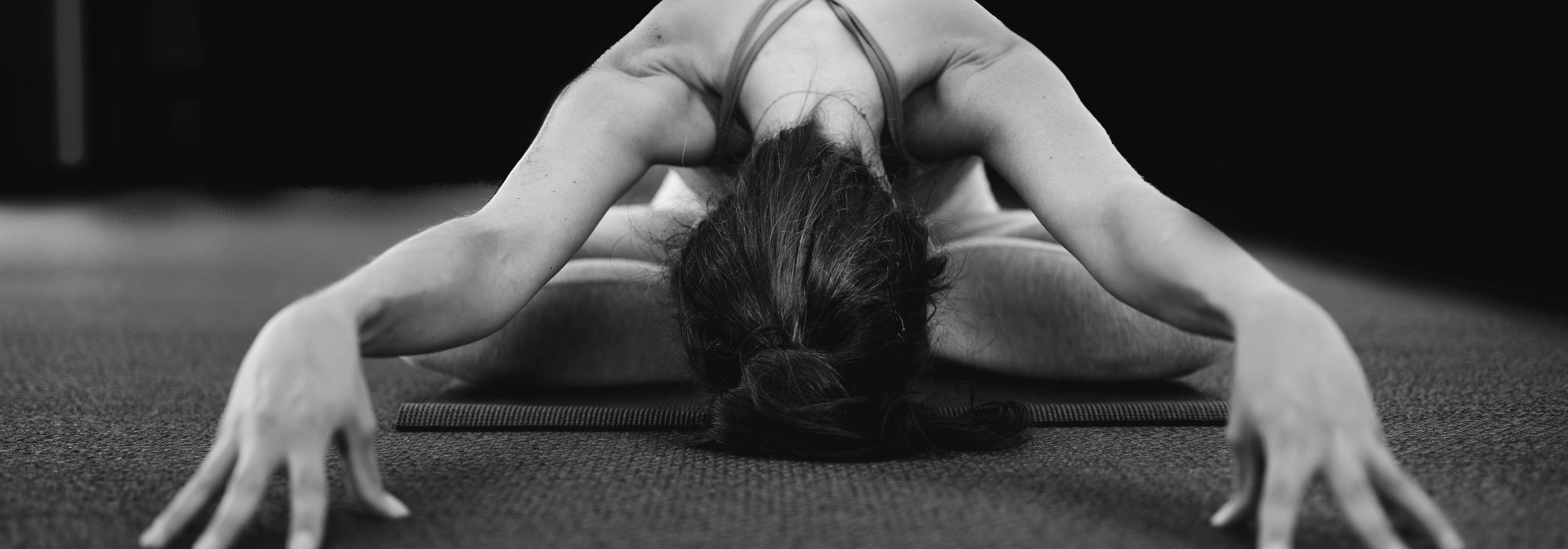
Sports massages are said to have many positive effects on the body . We’ll explain what those are in the following sections. It’s important that the massage therapy is tailored specifically to your symptoms or athletic goals.
1. Blood Circulation and Muscle Relaxation
Muscle relaxation is a central element of sports massage, especially during or after a workout. This is because high muscle tone—that is, a state of intense muscle tension—can cause pain, lead to cramps, and limit performance. Especially after physical exertion, a relaxing sports massage can help you unwind and support recovery.
Before or during a workout, stretching techniques can stimulate blood circulation in the areas being massaged. The tissue is better supplied with essential nutrients and oxygen, performs more effectively, and is less prone to injury.
2. Stretching and Mobilization of Muscles, Tendons, and Ligaments
Limited mobility—typically resulting from injuries, muscle tension, or intense training—reduces our range of motion. This can cause pain and negatively impact an athlete’s performance. For example, a strength athlete may not be able to squat as deeply during squats and may perform the exercise less efficiently. For runners, limited mobility reduces stride length, resulting in shorter distances covered or slower speeds.
A sports massage can help increase mobility by loosening and stretching the muscles, stimulating blood flow, raising the temperature of the soft tissues, improving their elasticity, and releasing adhesions.
3. Sports Massage for Recovery
In general, sports massages can improve recovery and accelerate the recovery process after an intense workout or competition. Lymphatic drainage is often used for this purpose. This is a manual technique that activates the lymphatic system—an important part of the body’s immune system—and increases lymph flow.
The special, relaxing techniques used during sports massage help the body more easily eliminate metabolic waste products—such as lactate, which can impair performance. This could have a positive effect on recovery. (1)
4. Treatment of Muscle Soreness
Sore muscles after exercise are not only unpleasant but also often hinder training progress. What exactly are sore muscles? Simply put, they result from microscopic tears in the muscle fibers that cause inflammation. As a result, pain usually sets in a few hours or days later. Sports massages can help prevent this inflammation in the muscle tissue.
A study shows that muscles massaged immediately after a workout release actin. This structural protein is responsible, among other things, for building muscle tissue. Sports massages could therefore help the muscles repair themselves more quickly and prevent muscle soreness from developing in the first place. (2)
Already experiencing muscle soreness? Even then, a sports massage could help alleviate the discomfort by increasing blood flow and reducing the sensation of pain.
5. Relief from Body Pain
Pain in athletes is often caused by injuries, muscle spasms, strains, or adhesions in the fascia. Sports massage can be an effective form of pain therapy. It loosens the tissue, promotes blood circulation, increases lymphatic flow, releases adhesions, and desensitizes the painful area.
If you experience severe, persistent, or recurring pain, seeing a doctor is, of course, essential.
Tip: For adhesions in the fascia in particular, there’s what’s known as fascia massage or deep tissue massage. This involves targeted movements and stretches that improve the flexibility and elasticity of the fascial tissues.
6. Sports Massage for Training Injuries
Sports injuries are not uncommon. They can be caused by factors such as poor posture, too little or too much muscle tension, and overstretching. To prevent injuries from occurring in the first place, sports massages can be used specifically for injury prevention.
They help activate or reduce muscle tone, maintain tissue elasticity, and relieve tension.
7. Maximizing Athletic Performance
Sports massages help the body maintain optimal function of the muscles and soft tissues. Regular treatments keep muscles, tendons, and ligaments healthy.
This means you can move efficiently, experience less or no muscle soreness, and reduce your risk of injury. You’ll perform at your peak and get the most out of your training or competition.
8. Relaxation and Well-Being Through Sports Massages
Overall, the positive effects of sports massage help your body relax. Your heart rate and pulse are regulated, and you transition from a state of stress (sympathetic nervous system) to a state of rest (parasympathetic nervous system). Among other things, this can improve your sleep quality and digestion and contribute to an increased sense of well-being.
We’ll introduce you to other relaxation techniques, such as yoga, autogenic training, and meditation, in another guide.
Sports Massage Therapy – When and How Often?
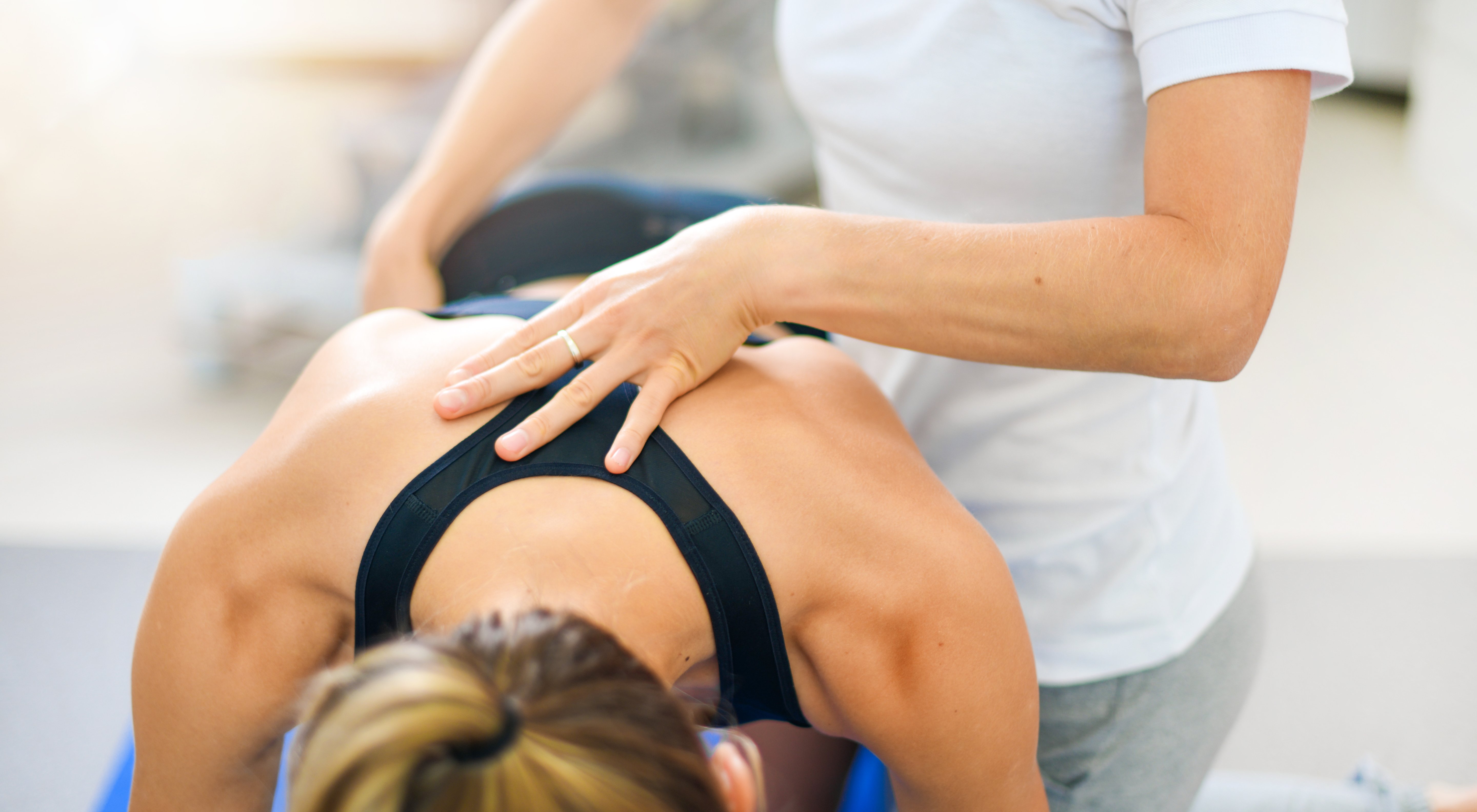
How often a sports massage is recommended depends on your symptoms, needs, and goals. For example, the need is greater in the lead-up to a marathon than if you’re simply looking to support your recovery as a recreational athlete. At the start of treatment, professional massage therapists will create a personalized therapy plan based on the information you provide.
There are also various options for the ideal timing of a sports massage. It’s important that the treatment is tailored specifically to you.
1. Sports massage before training or competition
A sports massage can be a useful way to prepare for an intense workout or a competition, such as a soccer game, a marathon, or a downhill ski run. By stimulating blood flow and raising body temperature, the treatment is designed to activate the muscles or keep them toned, as well as to mobilize the tendons and ligaments. This helps reduce the likelihood of cramps or delayed-onset muscle soreness and makes your movements more efficient.
2. Sports Massage After Training or Competition
After a competition or workout, a sports massage can promote recovery by loosening strained muscles and improving blood circulation. The muscles are supplied with essential nutrients and oxygen. At the same time, the body can eliminate waste products such as lactate more quickly. Treatment following physical exertion—such as compression therapy or lymphatic drainage—can temporarily alleviate muscle soreness and cramps and help prevent injuries in the long term.
3. Massage During Training or Competition
Sports massages can also be beneficial during a competition or training session. Relaxing techniques are designed to stimulate blood flow, raise body temperature, regulate muscle tone, and improve mobility. Many professional athletes swear by them to maximize their performance, speed up the recovery process, and minimize the risk of injury.
But be careful: Both before and during a workout, a sports massage should not be too intense. This is because, in principle, even massages place a strain on the body and can, under certain circumstances, trigger muscle soreness.
4. Sports Massages After an Injury and for Pain
An injury always puts stress on the body. This can result in persistent tension and adhesions in the fascia. Sports massages are a good option for recovering from these issues. They not only loosen the tissue and restore the elasticity of muscles, tendons, and ligaments. Special techniques also serve to improve blood and lymphatic flow, so that waste products are removed more quickly and the body can heal more readily.
Studies also show that massage can alleviate chronic pain following injuries or illnesses. Massage therapy may reduce pain levels and thereby accelerate the healing process. (3)
Sports Massage for Home Use
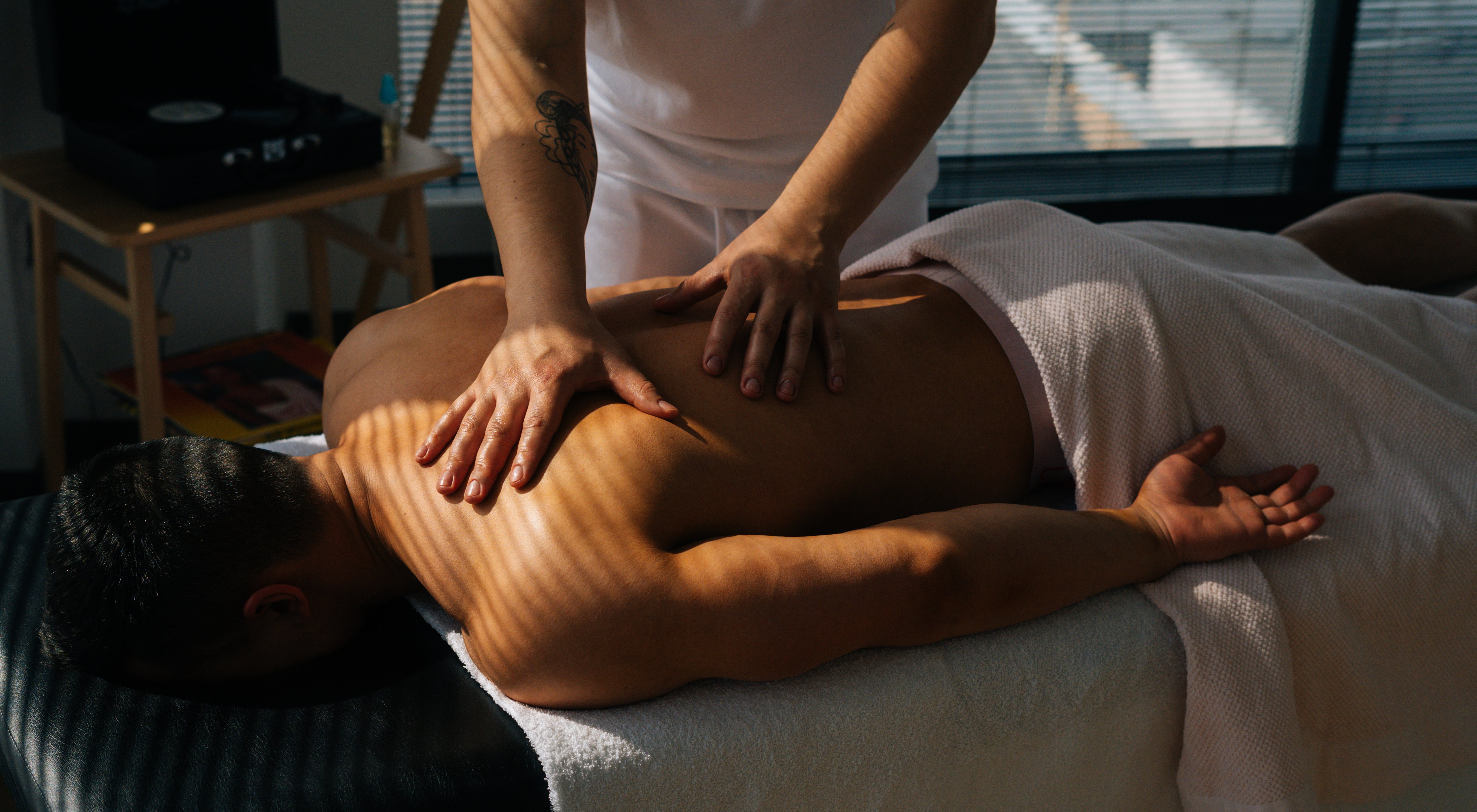
You don’t necessarily have to leave the house for a sports massage. With the right tools, you can give yourself a massage. We’ve put together effective exercises for different parts of the body. Click here to go directly to the tutorials:


FAQs
What is a sports massage, explained simply?
A sports massage is a manual massage technique used to treat muscles and soft tissues, such as tendons and ligaments. It specifically targets and relaxes or activates the parts of the body that are strained by sports.
What happens during a sports massage?
A sports massage typically combines classic massage techniques with toning, tapping, kneading, and stroking movements. Compression therapy and lymphatic drainage are also used. Overall, a sports massage is more intense and vigorous than a classic massage.
How long does a sports massage last?
The duration of a sports massage depends on the nature of the issues and the number of body parts to be treated. As a general rule, you can expect each session to last between 30 and 60 minutes.
How often should you get a sports massage?
If you’re experiencing discomfort or compete at a high level, you’ll benefit from regular sports massages, about once or twice a week. Recreational athletes who want to support their recovery are well advised to get one or two massages per month.
What are the benefits of a sports massage?
Sports massages can relieve muscle tension, mobilize tendons and ligaments, relax the fascia, prevent muscle soreness, and alleviate pain. The goal of a sports massage is to promote recovery, reduce the risk of injury, accelerate the healing process, and enhance performance.
When should you get a massage after a workout?
After a workout, you should wait about 60 minutes before getting a massage. That’s when you can expect the greatest benefits. A sports massage has little effect before that time, since blood flow is already increased due to the physical exertion.
Sports massage before or after a workout?
Sports massages can be beneficial before, during, and after a workout. Before exercise, they help activate and warm up the muscles. This is especially helpful if you’re training outdoors during the colder months. After exercise, massages help relieve muscle tension, support the removal of substances like lactate, and promote recovery.
Sources: