Cruciate Ligament Tears in Women: Why the Risk Is Higher—A Look at Hormones, the Menstrual Cycle, and Biology

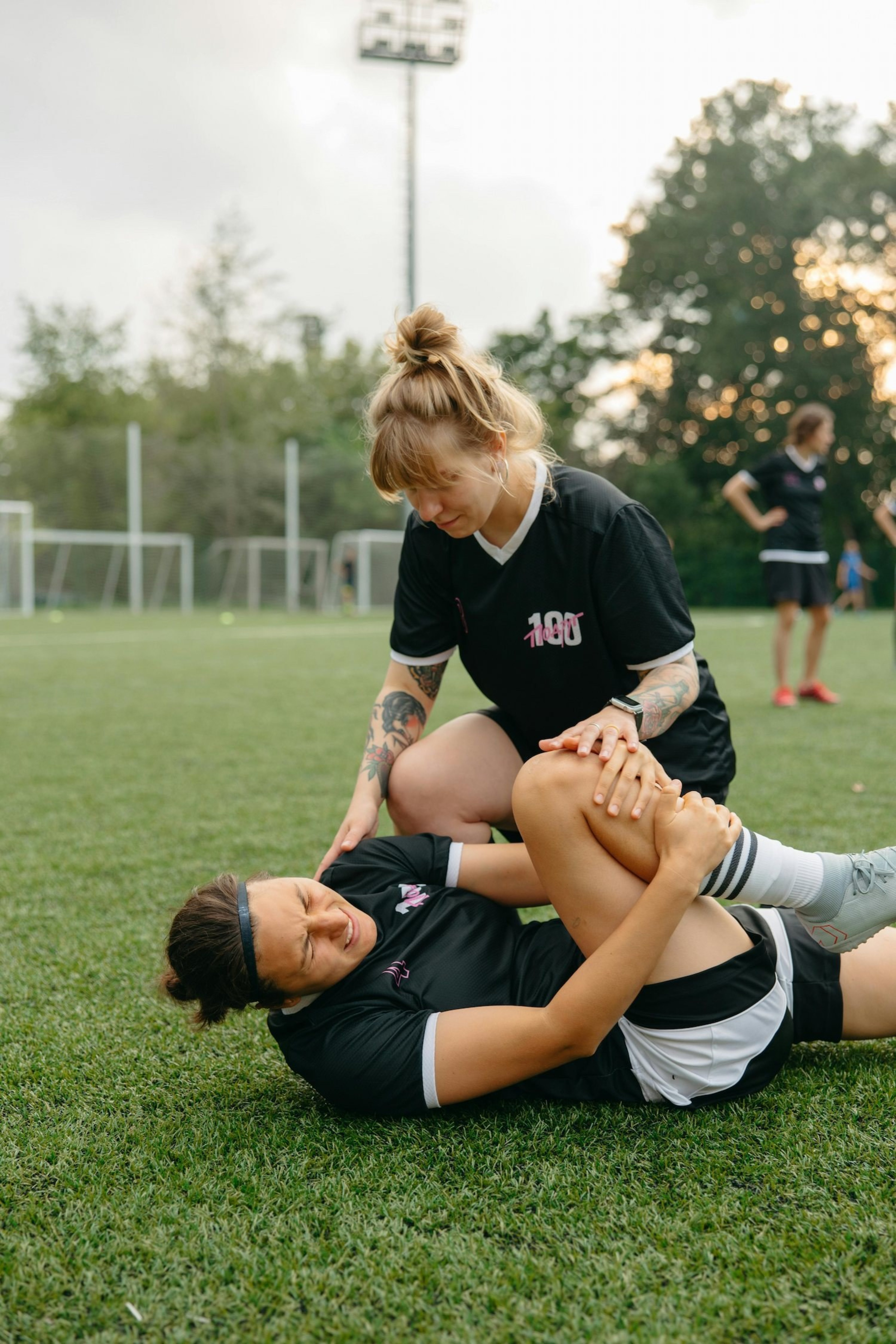
It takes just 70 milliseconds for the anterior cruciate ligament to tear—and female athletes are particularly prone to this injury. ACL tears are among the most common sports injuries, and studies show that women are about 3.5 times more likely to tear their anterior cruciate ligament than their male counterparts. While your personal risk of a cruciate ligament injury also depends on the sport you play and your performance level, these factors alone aren’t enough to explain why female athletes in particular are especially prone to cruciate ligament tears.
This isn’t simply a matter of chance or bad luck, but rather a combination of various, often gender-specific factors. These include not only external aspects such as training methods or a lack of technical training, but above all anatomical differences, hormonal fluctuations during the menstrual cycle, and neuromuscular characteristics. These factors influence the stability of your knee and thus increase the risk of injury.
We’ll take a look at the exact causes of the higher prevalence of ACL tears in women and share tips and preventive measures—as well as how you can specifically strengthen your ACL.
The Cruciate Ligament Explained: Structure, Function, and Injury Risk in Women
The anterior cruciate ligament (ACL) is one of the four main ligaments in the knee joint—along with the posterior cruciate ligament, the lateral collateral ligament, and the medial collateral ligament. Together, these ligaments hold the knee joint together and provide it with the necessary stability. The medial and lateral collateral ligaments stabilize the knee laterally, while the anterior and posterior cruciate ligaments ensure stability during forward and backward movements of the lower leg. Both ligaments run in a crisscross pattern through the so-called intercondylar fossa, a narrow bony area at the end of the thigh bone (femur), connecting it to the shinbone (tibia). Due to their deep, crisscrossing structure within the joint, the cruciate ligaments are particularly susceptible to sudden tensile and rotational stresses, such as those that occur during explosive movements.
This explains why sudden, explosive movements are the primary cause of cruciate ligament injuries—and not, as is often assumed, direct contact with an opponent, such as physical contact in basketball or one-on-one challenges in soccer. Sports that require rapid changes of direction, jump landings, and abrupt stop-and-go movements—such as soccer, volleyball, or alpine skiing—are therefore particularly high-risk.
A cruciate ligament tear can be partial or complete; in extreme cases, it can even affect parts of the bone. Depending on the severity of the injury and the chosen treatment method (conservative or surgical), recovery can take between 6 and 12 months. The healing process occurs in several phases: While you can often resume office work relatively quickly, returning to sports that put stress on the knee takes significantly longer. Functional stability and the strength of the affected leg are the key factors in determining when you can return to sports. But why are women particularly prone to cruciate ligament tears?
Better Recovery Thanks to Vibration
Hormonal Factors & the Menstrual Cycle: How Your Cycle Affects Your Risk of ACL Tears
A central hypothesis in current research is that hormonal fluctuations during the menstrual cycle— particularly in women with natural menstrual cycles—can influence the risk of ACL injuries. This is primarily due to differences in hormonal levels across the various phases of the cycle. These hormonal changes can affect various physiological processes in the body, such as collagen structure, ligament tensile strength, knee mobility (knee joint laxity), or neuromuscular control, which is responsible for movement control and muscle activation. Estrogen, the female sex hormone, is of particular interest: Elevated estrogen levels can negatively affect the mechanical stability of the ligaments, including the anterior cruciate ligament (ACL), and significantly increase the risk of sprains and tears—and these levels fluctuate predictably throughout the menstrual cycle.
An Overview: How Your Hormones Fluctuate During the Menstrual Cycle
The menstrual cycle can be roughly divided into the follicular, ovulatory, and luteal phases, during which the concentrations of estrogen and progesterone, in particular, show significant differences. Here is a concise overview of the phases of the menstrual cycle and their hormonal characteristics:
Phase 1 (Days 1–5): With the start of your period—that is, around days 1 through 5—estrogen and progesterone are at their lowest levels, essentially the hormones’ “rest mode.” During this early follicular phase, the uterine lining is shed, and your body begins a new cycle.
Phase 2 (Days 6–12): In the middle follicular phase, estrogen levels begin to rise slowly, peaking just before ovulation.
Phase 3, Ovulation (Days 13–15): The egg is released, estrogen levels drop, and the body prepares to produce and release progesterone.
Phase 4, mid-luteal phase (days 20–23): On day 7 after ovulation, progesterone levels reach their peak before slowly declining again. Estrogen levels rise once more, though not as sharply as during the follicular phase.
Phase 5, late luteal phase (Day 23 until the onset of menstruation): Progesterone and estrogen levels now drop again until the onset of menstruation, provided that the egg has not been fertilized. The drop in hormone levels signals to the body that pregnancy has not occurred and thus prepares it to shed the uterine lining.
So we know when and how much estrogen fluctuates over the course of the menstrual cycle—and it is precisely this information that can be crucial for tailoring training more effectively and thus reducing the risk of injuries such as cruciate ligament tears. Training tailored to your cycle can help you exercise more mindfully, cautiously, or purposefully during certain phases—that’s the principle behind cycle-based training. If you’d like to dive deeper into the individual phases of the cycle and learn more about the topic, feel free to check out our in-depth article on cycle-based training.
More interesting articles





Current Research on the Menstrual Cycle and ACL Risk
Another study confirms the link between elevated estrogen levels and an increased risk of injury: Women with a natural menstrual cycle have an increased risk of cruciate ligament tears during the late follicular phase, shortly before ovulation. Incidentally, girls and young women under the age of 19 are particularly at risk for anterior cruciate ligament tears. Since the body is still in the developmental and growth phase at this stage, the frequency of injuries can increase due to a lack of muscle strength and neuromuscular control. The significant hormonal fluctuations during puberty also lead to the well-known increased elasticity of the ligaments and often to reduced neuromuscular responsiveness. This results in a significantly higher risk of injury among young women.
However, the overall body of research on the influence of the menstrual cycle on the risk of cruciate ligament injuries is currently inconsistent—so you should approach this topic with a critical eye. Some studies find a clear link between hormonal fluctuations—particularly knee joint laxity and ligament tensile strength—and the risk of injury. Other studies fail to demonstrate a statistically significant effect.
To better understand the complex interplay of hormonal, anatomical, and neuromuscular factors, further systematic research is needed, especially with regard to the menstrual cycle.
A promising step in this direction is a large-scale study funded by FIFA, which will begin in June 2025 at Kingston University—with the goal of better understanding the effects of cycle-related changes on injury risks in women’s soccer.
Hormonal Contraceptives and ACL Risk: Is There a Link?
Hormonal contraceptives, such as the birth control pill, artificially regulate the body’s hormone levels, including estrogen levels. A large U.S. database analysis involving over 82,000 women showed that young women aged 15 to 19 who took the pill, in particular, had a 63% lower risk of a cruciate ligament tear than non-users. It is believed that the more stable hormone levels resulting from the artificial hormones may positively influence collagen structure and connective tissue stability in the knee (Herzog et al., 2021). However, this should not be taken as a reason to rely exclusively on hormonal contraceptives, as every medication has side effects and the exact scientific mechanism has not yet been conclusively established.
Exercises for Knee Pain
Anatomical Differences Between Men and Women as the Cause of the Higher Prevalence of Cruciate Ligament Tears in Women
Pelvic and Thigh Axis (Q-Angle)
Women generally have a wider pelvis than men relative to their height. The width of the pelvis determines the angle of the quadriceps—known as the Q-angle—between the hip and the knee. A larger Q-angle leads to increased lateral tensile force on the knee joint, which raises the risk of instability and, consequently, of a cruciate ligament tear. This means that, for example, when a female soccer player rotates her knee sharply inward, the load increases due to this Q-angle—resulting in greater stress on the anterior cruciate ligament compared to her male counterparts.
- Knee Joint Mechanics and Geometry
The anterior cruciate ligament is, on average, smaller in women, which may contribute to a higher susceptibility to tears. This is related to an often narrower femoral notch (intercondylar notch), which tends to be narrower in women than in men. A narrower notch can increase the risk of cruciate ligament tears under high stress, such as sudden changes in direction, regardless of gender. However, the scientific data on gender-specific characteristics of the femoral notch are inconsistent. A narrower notch alone cannot therefore be cited as the sole cause of the higher injury rate in women; rather, it is just one of many possible contributing factors.
- Muscle Strength and Muscle Balance
Women tend to have lower absolute muscle mass relative to their height and often have more developed quadriceps (front thigh muscles) compared to their hamstrings (back thigh muscles). However, the hamstrings serve a protective function for the anterior cruciate ligament, as they stabilize the knee joint during every movement and prevent the tibia from shifting forward. If there is an imbalance between these muscle groups, the knee is subjected to greater stress and the risk of injury increases.
- Joint Mobility and Flexibility
In addition to the hormonal influence on ligament structures, women often have greater overall joint mobility (hypermobility). This can reduce the stability of the knee joint. Increased laxity can lead to greater stress on the cruciate ligament, making it more prone to tearing.
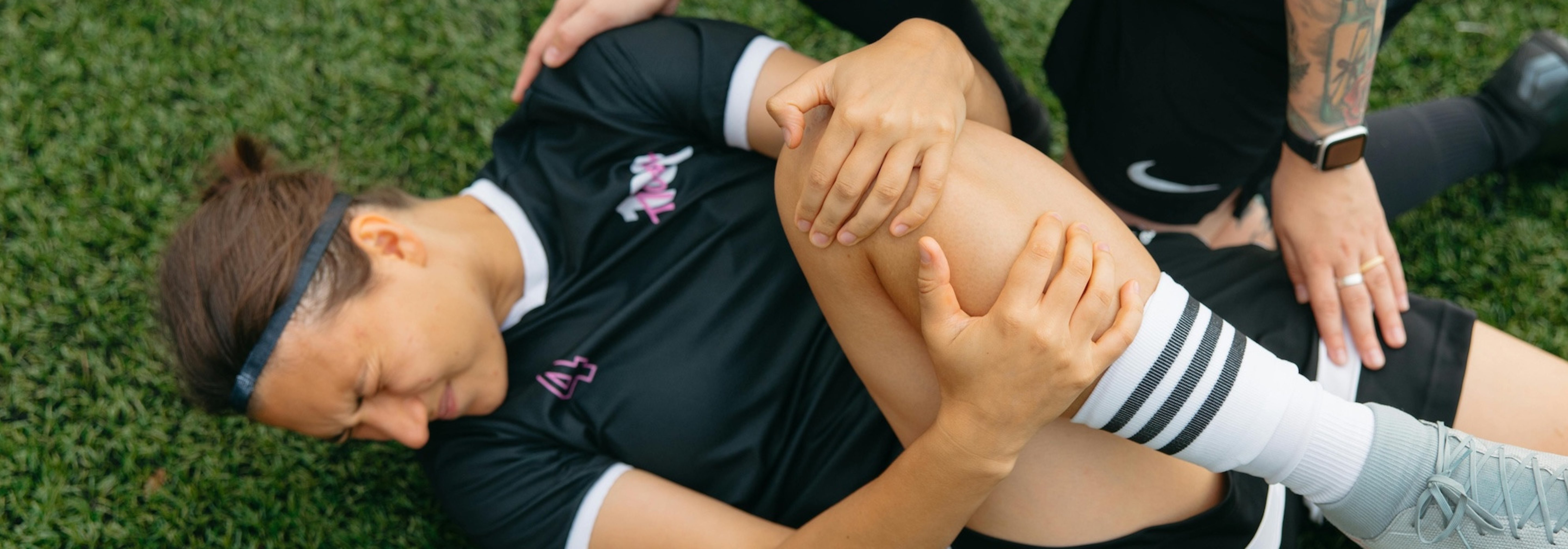
Risk of Cruciate Ligament Injury: Biomechanical and Psychological Factors in Female Athletes
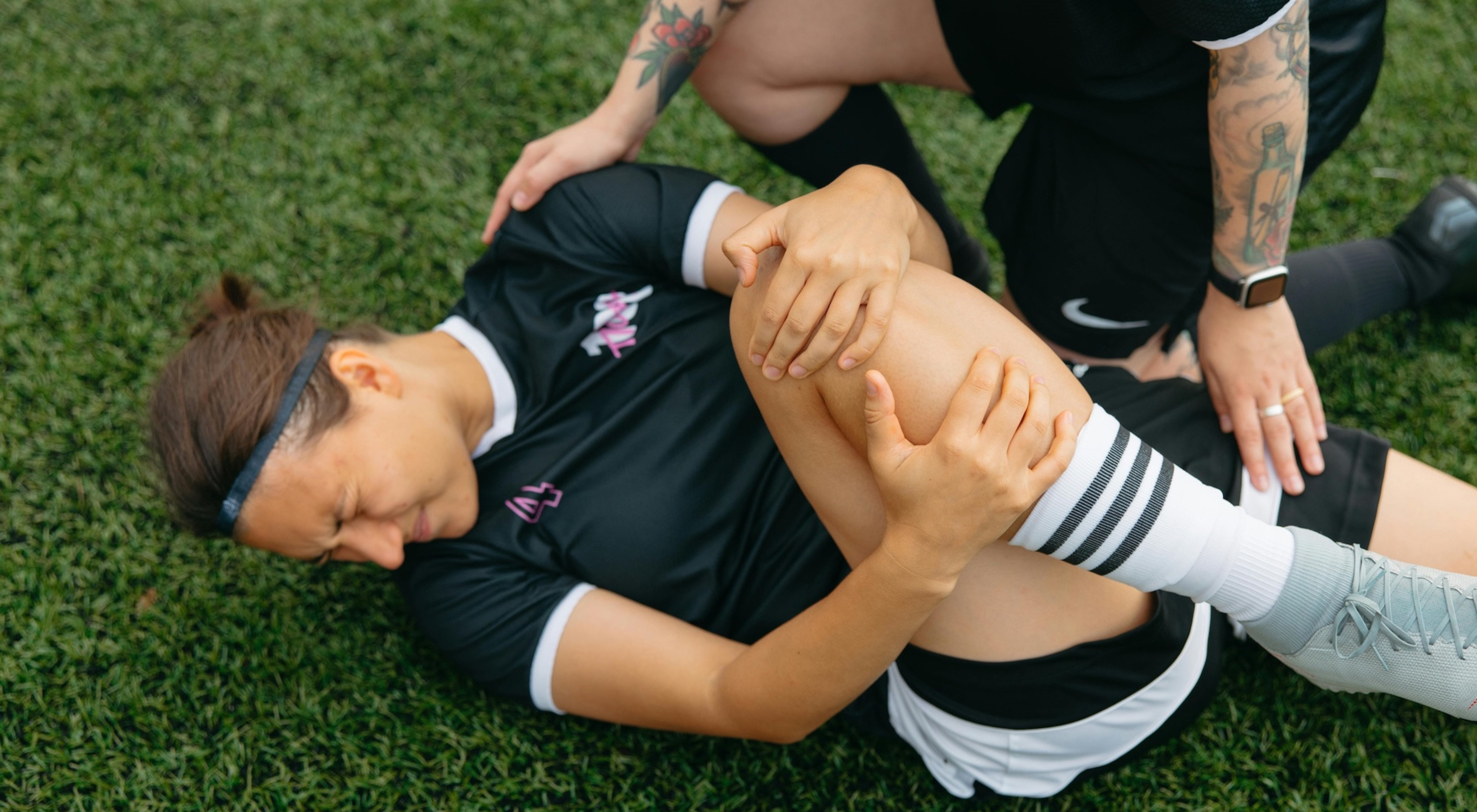
The quality of movement patterns, particularly during jumping and landing, plays a decisive role in the risk of cruciate ligament injuries. Studies show that certain technical flaws, such as an unstable knee position, insufficient knee flexion, or increased valgus alignment (knock-knees), can significantly increase the load on the anterior cruciate ligament. Women, in particular, seem to tend toward a more upright landing posture more often than their male counterparts—which increases the load on the cruciate ligament.
However, especially at the youth and amateur levels, coaches often prioritize different areas for girls and women—and do not focus sufficiently on aspects such as agility, core stability, strength building, and body awareness. Yet all of these are crucial skills for actively stabilizing the knee joint. This training approach not only leads to muscular imbalances but also to an increased risk of injury. Regardless of gender, proper, controlled technique is a central component of injury prevention. Training programs specifically designed to improve jumping and landing technique, as well as to promote a stable leg axis, can help significantly reduce the risk of cruciate ligament tears.
In addition, women tend to adopt a cautious movement pattern due to a lower risk tolerance. However, this can lead to unfavorable movement patterns, such as a delayed reaction during rapid changes of direction or a rigid landing pattern. Inefficient movement patterns can increase the stress on the knee joint and the anterior cruciate ligament. Therefore, targeted movement, coordination, and technique training should be implemented, especially during childhood. Safe landing techniques and preventive programs specifically tailored to young female athletes can significantly reduce the risk of a cruciate ligament tear—and thus lay the foundation for healthy, long-term athletic development.
How to Effectively Reduce the Risk of Anterior Cruciate Ligament (ACL) Tears—Prevention Tips for Women
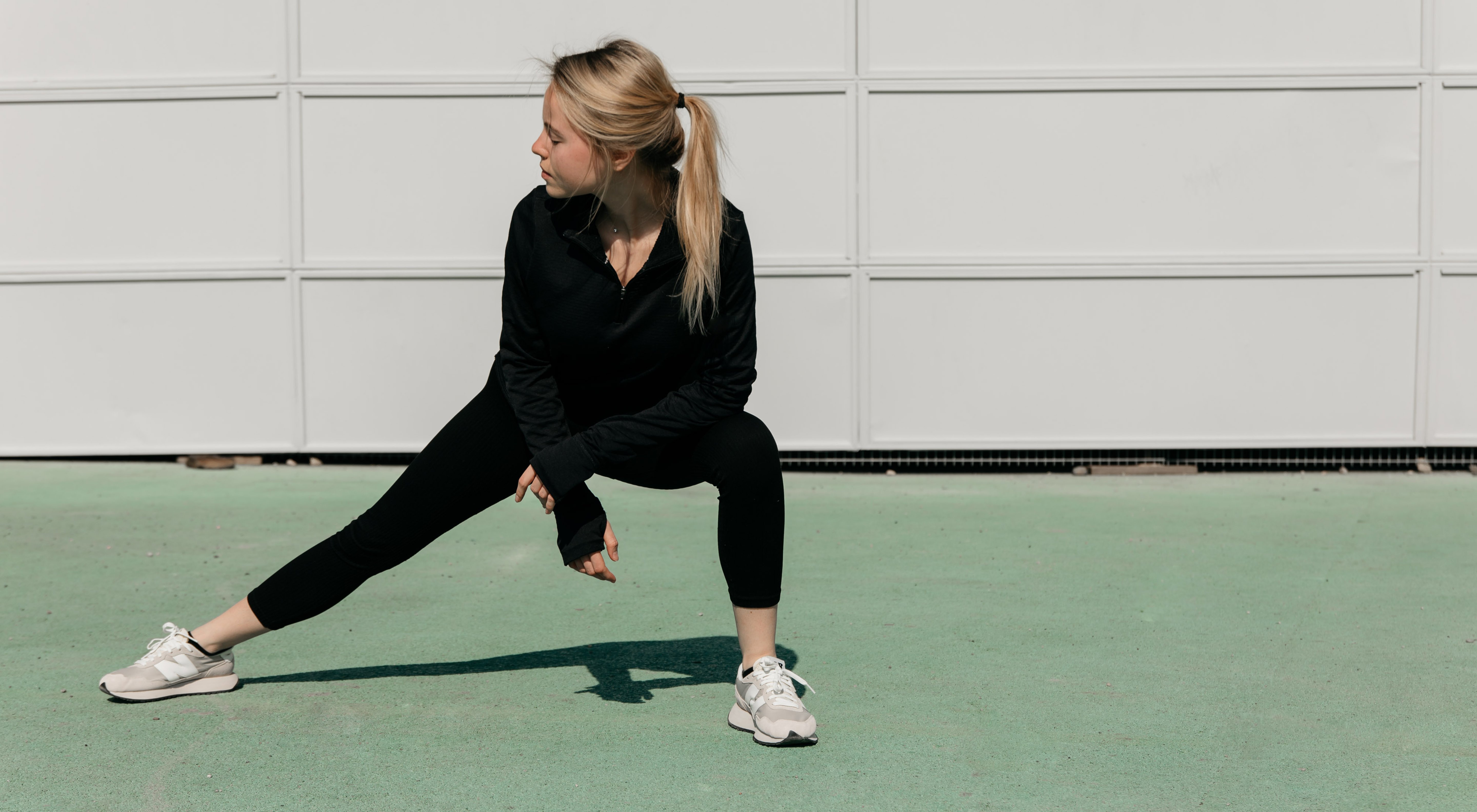
Even though, as a woman, you can’t change certain genetic risk factors, targeted training can significantly lower your risk of an ACL tear:
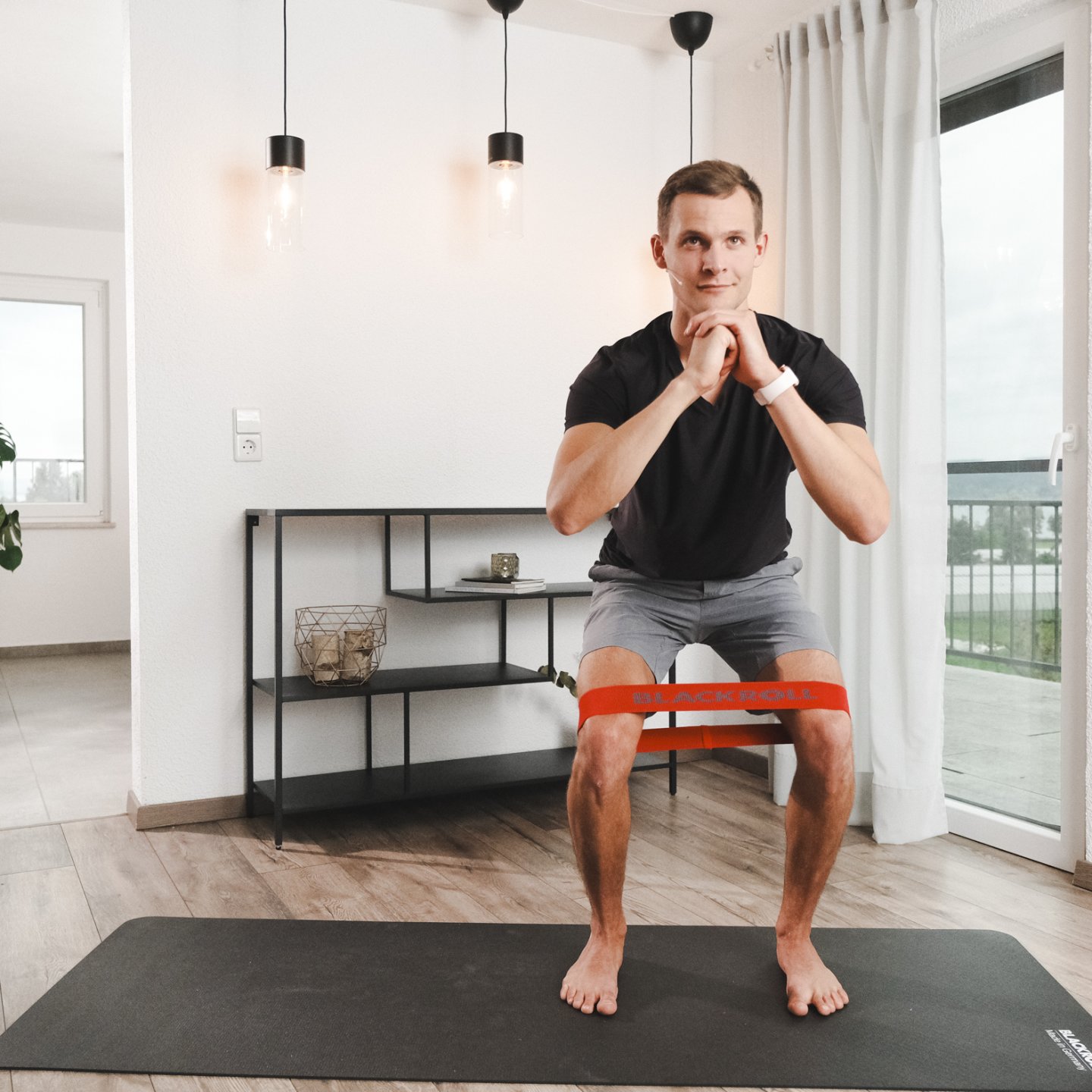
Learn proper landing techniques: If you tend to land with your knee straight or with excessive knee valgus (knuckling inward), specific training can help. Train specifically to land with bent knees—as gently as possible—to absorb the impact. Plyometric training and exercises to improve balance are particularly effective here. You should therefore pay special attention to proper movement and jumping techniques.
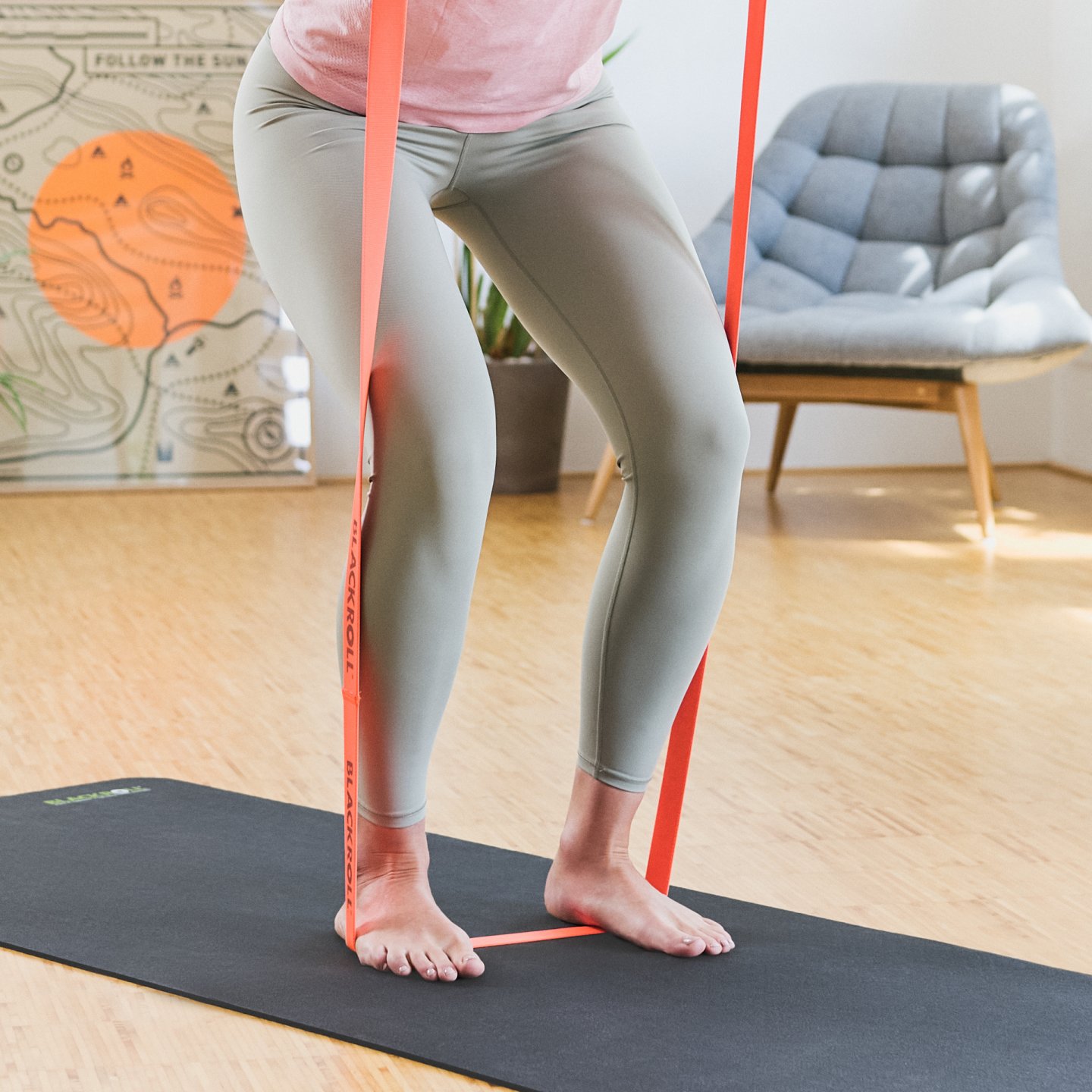
Strengthen your hamstrings and glutes: If your hamstrings and glutes are weak while your quadriceps are more developed, this creates a muscular imbalance. This can place incorrect or additional strain on your cruciate ligament. It’s best to work with your physical therapist to perform an isometric strength test to determine the balance of strength between these muscle groups. This will allow you to start targeted strength training to achieve optimal balance and reduce the strain on the cruciate ligament. Additionally, you should train your core stability—a strong core helps you maintain proper leg alignment.
Assessing Joint Mobility: As a woman, you’re statistically more likely to be affected by hypermobility—that is, excessive joint mobility. This can increase your risk of injury due to reduced joint stability. Using the so-called “Beighton Score,” you can better assess your joint mobility through a series of self-tests—and adjust your training accordingly. If your score is high, you should pay special attention to stabilization and strengthening exercises, core stability, and neuromuscular control in your training.
Monitor your menstrual cycle: As we’ve seen, hormonal fluctuations during the cycle—especially in estrogen and progesterone—can loosen the ligaments and impair neuromuscular control. Cycle-based training can help you train more cautiously or adjust your routine during these specific phases, thereby reducing your risk of a cruciate ligament tear. If you’d like to learn more about cycle-based training, check out our in-depth article on the topic.
Proprioception and neuromuscular training: Exercises specifically designed to improve balance, coordination, and reaction time are ideal for preventing injuries. This is particularly essential during dynamic movements and rapid changes in direction.
Conclusion & Outlook: Better Understanding and Targeted Prevention of ACL Tears in Women
Women are more frequently affected by ACL tears—this is due to a combination of anatomical, hormonal, and neuromuscular factors.
The good news: You can specifically reduce your risk of cruciate ligament tears by strengthening your knees over the long term through regular strength, coordination, and technique training. It’s especially important during adolescence to focus on proper movement patterns early on.
It’s still unclear exactly what impact the menstrual cycle has—there are initial indications and trends, but research is still in its early stages.
One thing is clear: With the right training and knowledge, you can do a lot to lower your risk of ACL tears—while science continues to work on injury prevention and specific recommendations.
