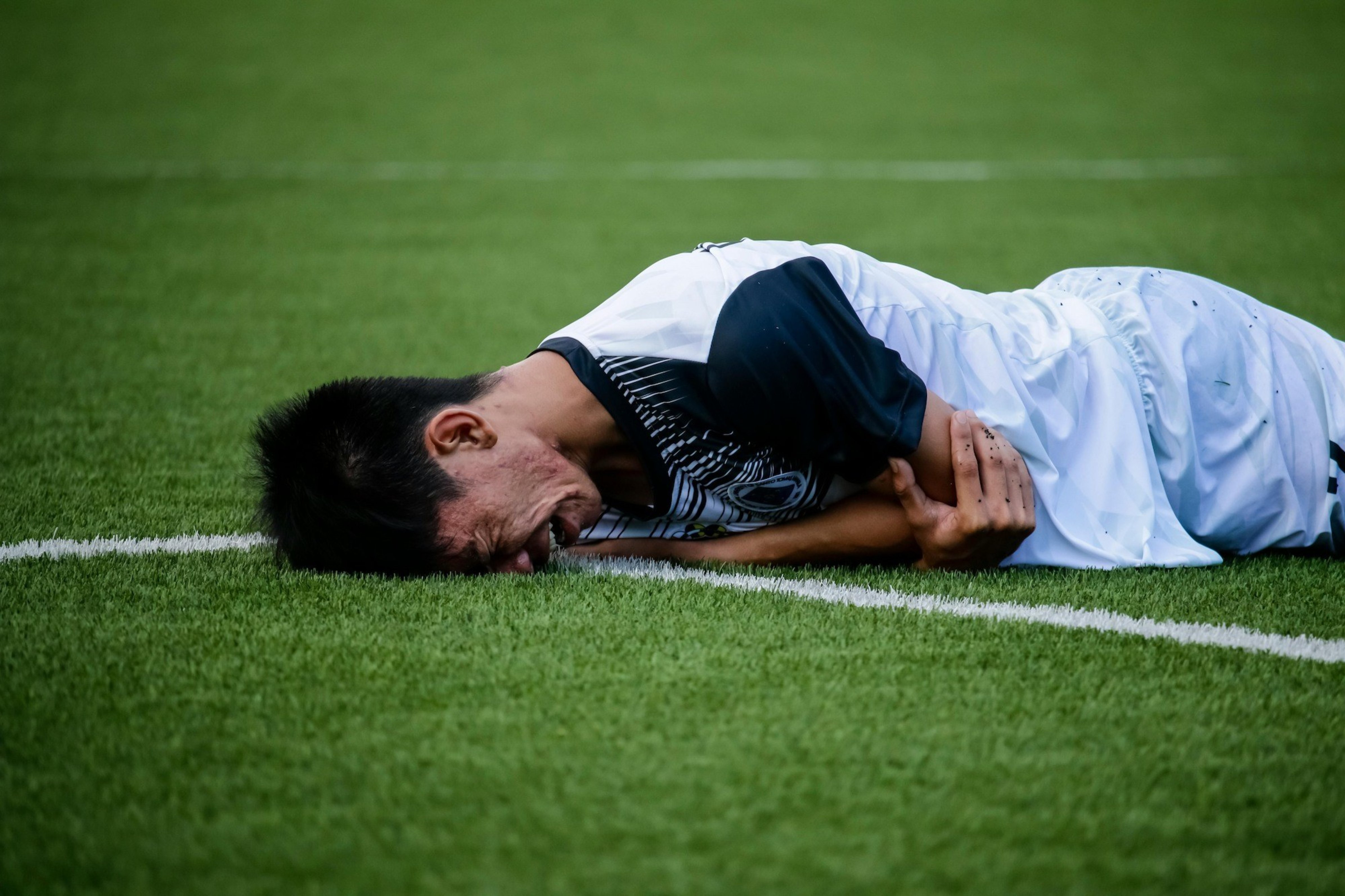
As a contact sport, soccer is one of the sports most prone to injuries. Not only is the number of injuries high, but the variety is also vast. But why is the risk of injury in soccer so high? How can common injuries be treated effectively—and what can you do to prevent them and protect your health?
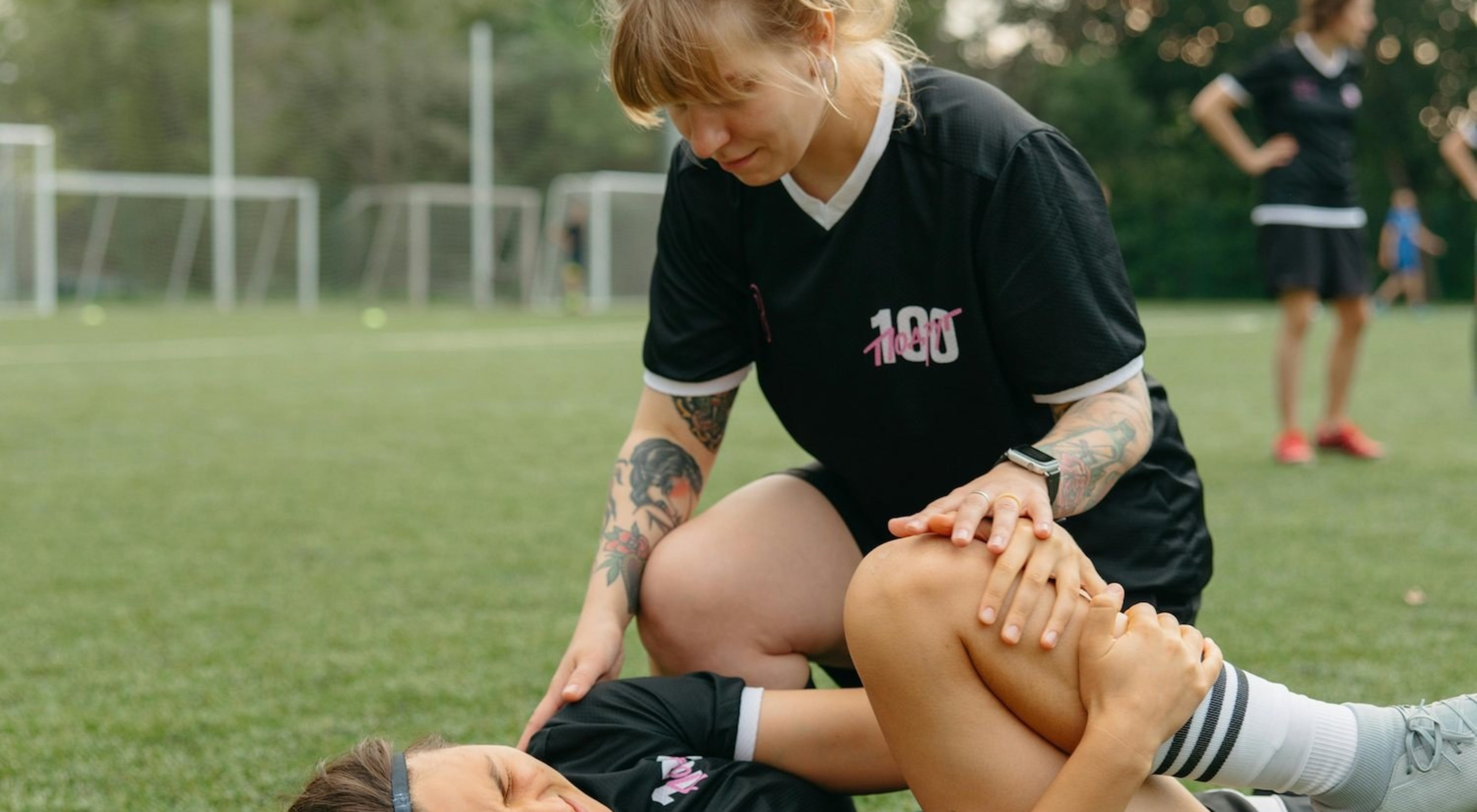
Risk Factors for Injuries in Soccer
Soccer is arguably the most popular sport worldwide—and also one of the most injury-prone. Nearly half of the approximately 2 million sports-related accidents¹ that occur annually in Germany are attributed to this ball sport.
Generally speaking, the causes can be divided into two categories: injuries that occur without external influence and those resulting from contact with opponents.
As a contact sport, constant contact with opponents is a key factor in the high susceptibility to injury and the unpredictability of this sport.
Fierce one-on-one battles or headers can quickly lead to various types of injuries.
Added to this is the fast-paced nature of the game: abrupt stops, accelerations, and quick changes of direction require not only technical skills with the ball but also a high degree of coordination and movement versatility. Players must maintain peak performance while simultaneously controlling the ball and keeping an eye on opposing players. It is precisely this high level of complexity that, at the slightest mistake, leads to overexertion of certain body structures and, in the worst case, to injuries.
Last but not least, player protection also plays a role: Unlike other team sports, in soccer only a few parts of the body are protected by pads.
The most common types of injuries in soccer therefore include:
- Muscle injuries (strains, muscle tears)
- Ankle injuries (ligament injuries, Achilles tendon injuries)
- Knee injuries (cruciate ligaments, collateral ligaments, menisci)
- Head injuries (concussions, lacerations, fractures)
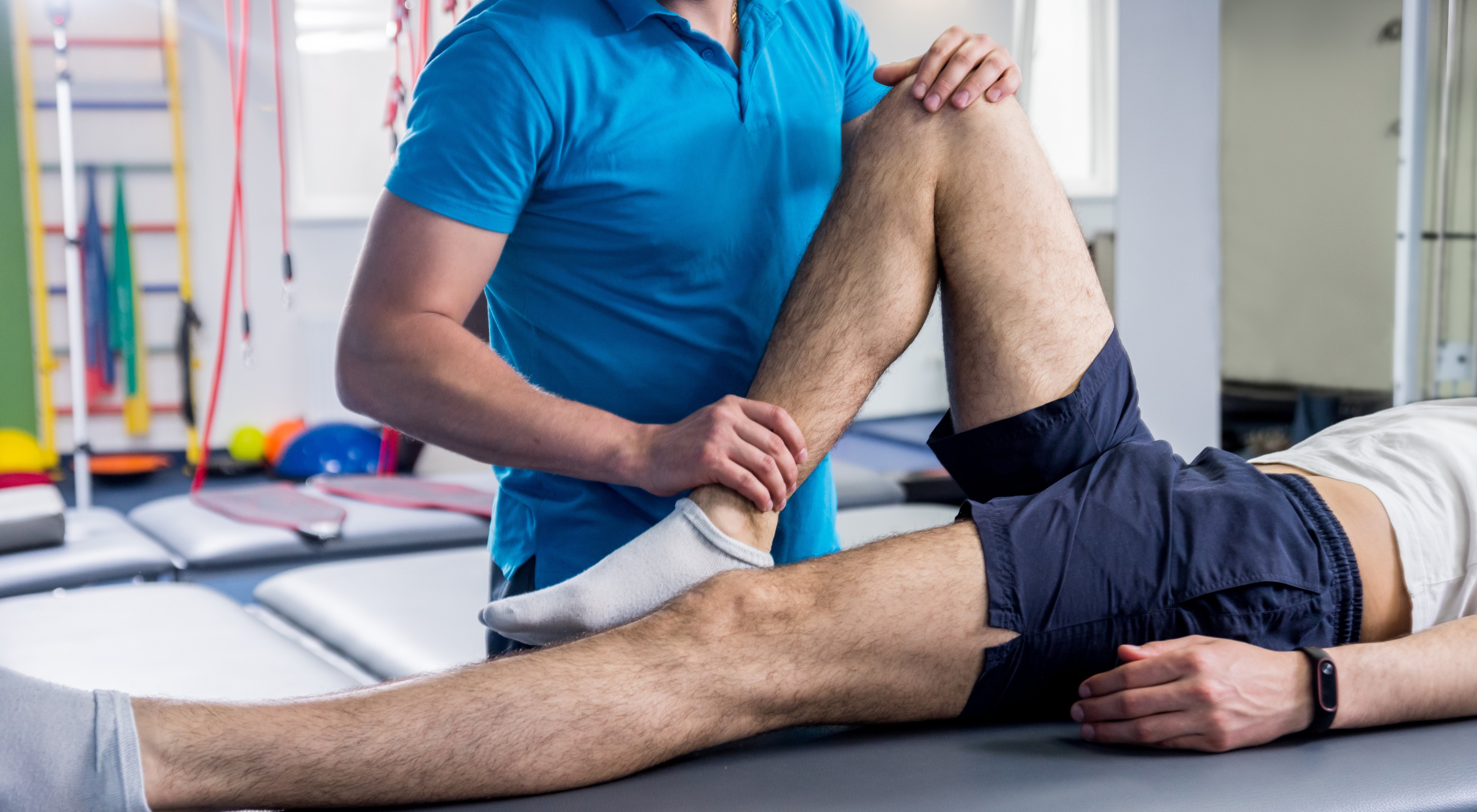
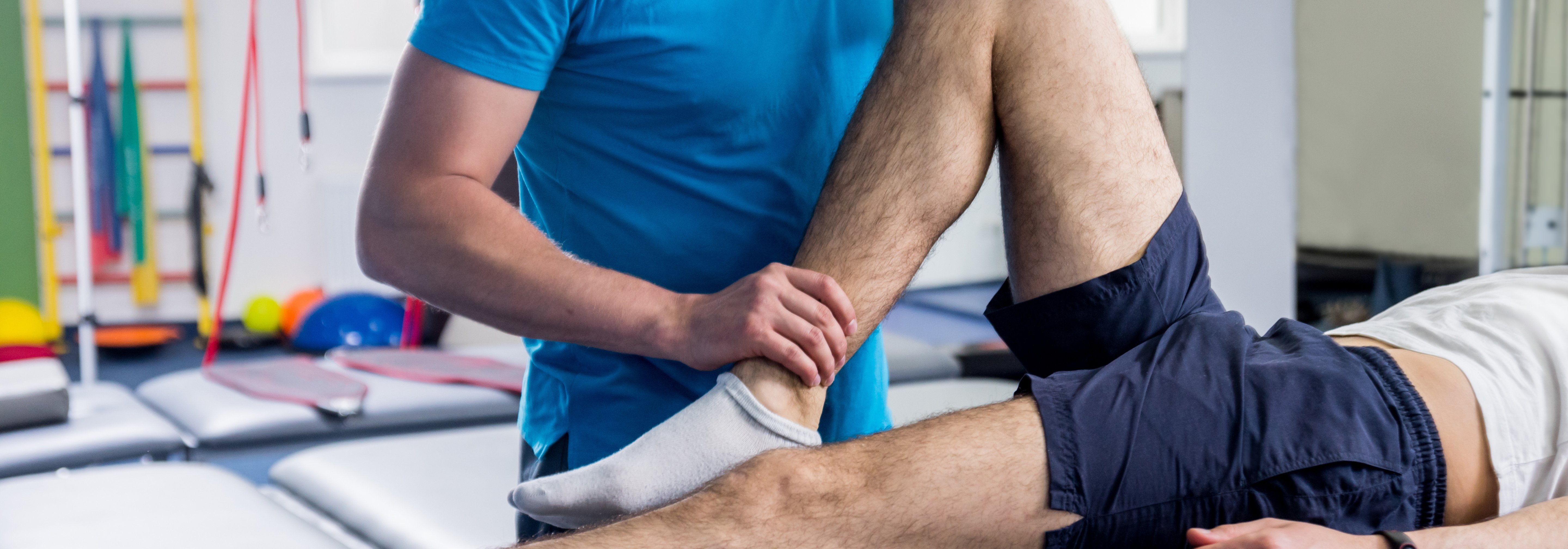
An Overview of the Most Common Soccer Injuries
The majority of typical soccer injuries primarily affect the lower extremities. Muscle, knee, and ankle injuries are certainly among the most common diagnoses here. However, there are also numerous injuries to the face and head, which is not surprising given the many aerial duels.
First Steps After an Injury
In recent years, several post-injury treatment protocols for soft tissue injuries have emerged, with acronyms such as ICE, RICE, PECH, or POLICE. The most current and modern approach, however, is PEACE & LOVE. This evidence-based approach to post-injury care covers both the acute phase and the days that follow. PEACE stands for the acute phase and stands for Protection, Elevation, Avoid Anti-Inflammatory, Compression, and Education. Protection means reducing stress on the affected area and avoiding painful movements, but not complete inactivity. Elevation involves keeping the affected area elevated above heart level. It also involves avoiding anti-inflammatory medications so as not to negatively impact the body’s self-regulation. Compression using bandages can minimize swelling, and Education primarily focuses on explaining the nature of the injury and the optimal post-treatment care.
After a few days, LOVE comes into play, standing for Load, Optimism, Vascularization, and Exercise. Load refers to applying a gentle load stimulus to the affected area. Proper load management is crucial here. The patient should also maintain a positive outlook. Gentle cardiovascular training improves metabolism in the affected area and can contribute to better healing, while targeted exercises in exercise therapy improve function step by step. Pain and other signs of inflammation must always be monitored.
Regardless of this framework, it is always advisable to collaborate with physicians and experts in the fields of physical therapy, exercise therapy, and nutrition to ensure a structured and goal-oriented approach.
Muscle Strains and Muscle Fiber Tears
Nearly one-third of all soccer injuries affect the player’s muscles.
Everyone is surely familiar with the typical sight of a player clutching the back of their leg with a pained expression while sprinting.
The back of the thigh, the groin adductors, and the calf area are particularly commonly affected. The causes can vary widely. From suboptimal pelvic alignment to muscular imbalances to insufficient recovery, the reasons can be very diverse.
The duration of the injury depends on its severity. Muscle strains typically take about 2–3 weeks to heal, whereas a torn muscle fiber can take several weeks to recover, depending on its location. Targeted physical therapy and a structured rehabilitation program are crucial in both cases, primarily to prevent an increased risk of injury in the future. The PEACE & LOVE approach can also be a valuable aid here.
Ankle Injuries
The most common ankle injuries involve ligament structures or the Achilles tendon. Everyone is probably familiar with the typical supination injury, colloquially known as a “twisted ankle.” These are usually injuries to the lateral ligament complex. In any case, the injury should be evaluated by a doctor to ensure nothing is overlooked.
The recovery time for classic lateral ligament injuries is approximately 4–6 weeks. However, there is a great deal that can be done during rehabilitation, especially in these cases.
In addition to the PEACE & LOVE approach, effective manual therapy is particularly important for fully restoring foot mechanics and preventing compensatory strategies. Furthermore, effective active therapy is essential for fully restoring the function and load-bearing capacity of the entire leg.
Achilles tendon injuries are far more complex. In the case of a complete rupture of the tendon, surgery is usually performed, and the recovery time is at least 6 months. Here, too, a tailored therapy plan developed by experts is needed to effectively manage this severe injury and avoid future complications.
However, various tendinopathies of this largest tendon in the body are much more common. These involve both acute and, sometimes, chronic symptoms. The approach to such conditions differs from that for classic traumatic injuries. Here, it is crucial to identify the cause of the overuse and the inflammatory, degenerative process affecting the Achilles tendon.
Therefore, on the one hand, the underlying cause must be addressed, and on the other hand, the affected structure must be treated specifically.
Very often, poor joint mechanics and suboptimal function of the entire foot lead to overuse of the calf muscles or the Achilles tendon. However, a professional evaluation and a targeted treatment plan are recommended. Depending on the patient’s medical history, it can take anywhere from a few weeks to several months for a tendon issue to resolve completely, allowing the patient to be fully pain-free and, above all, able to resume activities such as soccer.
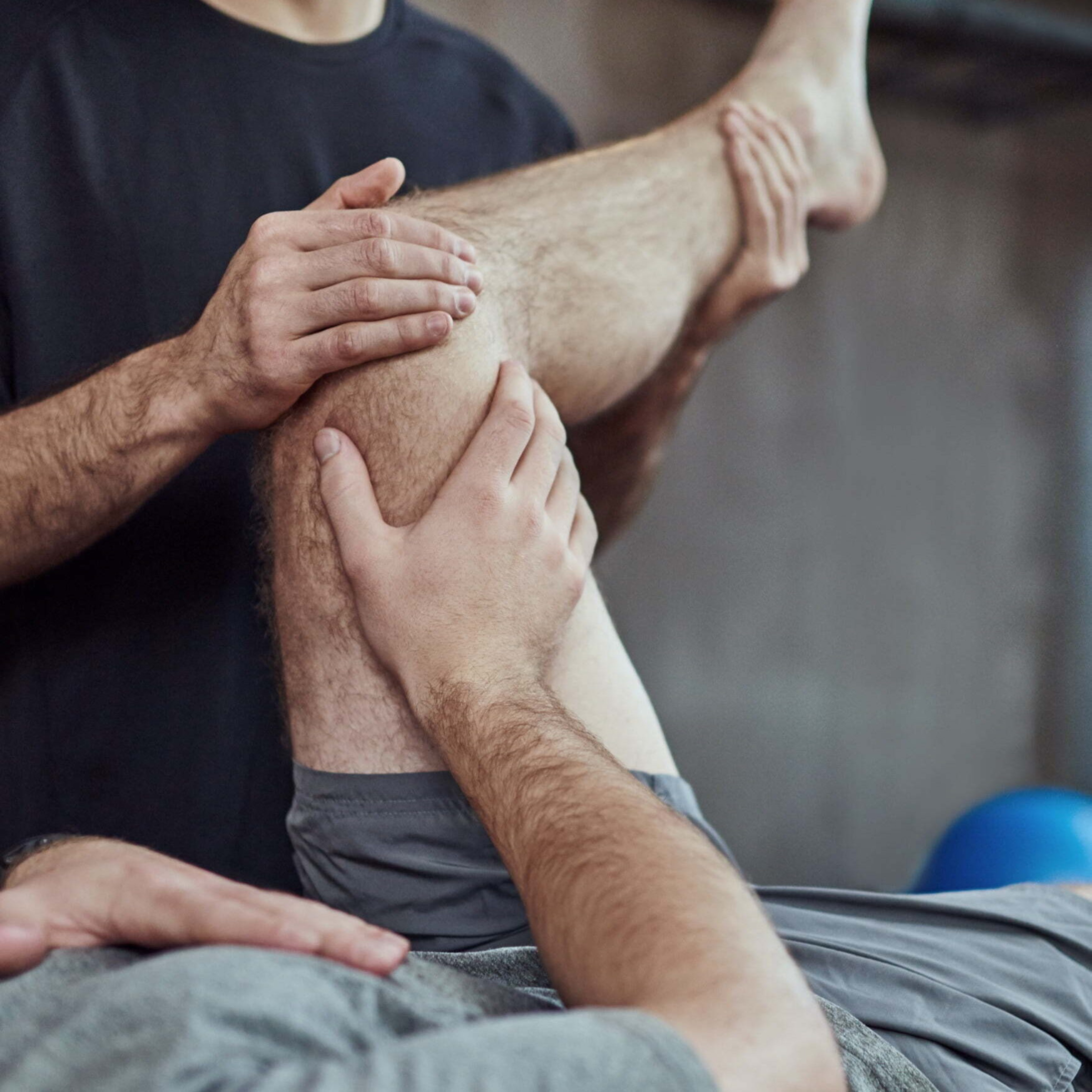
Knee Injuries
The knee joints are subjected to significant stress during soccer. Many injuries affect the cruciate and collateral ligaments, the menisci, or the patellar tendon. In particular, rapid stop-and-go movements in all directions, combined with the high demands on coordination when dealing with the ball and opponents, often lead to uncontrollable rotational and shear forces in the joint. The playing surface and footwear also play a role.
In the event of a trauma or injury, it is essential to seek medical evaluation to determine exactly which structures are affected and what the follow-up treatment might entail. Often, multiple structures are affected simultaneously.
Cruciate ligament tears are usually repaired surgically, and depending on accompanying injuries and the individual’s condition, the recovery time is at least 8–10 months. Collateral ligament injuries can often be treated conservatively, but this must be assessed on a case-by-case basis. Depending on the complexity of the injury, it can take anywhere from a few weeks to several months to return to play. With meniscus injuries, the course of treatment depends heavily on the exact extent and location of the injury. Only after a precise diagnosis can a decision be made as to whether to pursue conservative treatment or whether surgical intervention is necessary.
In all cases—whether surgical or conservative—an optimal rehabilitation plan developed by a team of experts is required. Manual therapy combined with a structured approach to exercise therapy is essential here for achieving a full recovery.
Atraumatic patellar tendon issues should be viewed similarly to Achilles tendon issues. The key is to address both the underlying cause and the affected structure simultaneously. This again requires a comprehensive analysis and screening of the body and its movement. Often, the cause of such symptoms lies in the pelvic region or the foot. Muscular imbalances and static asymmetries can lead to this overuse of the patellar tendon and cause various tendon pathologies.
Head Injuries
Unfortunately, head injuries are not uncommon in soccer either. Collisions with one’s own teammates or opponents are the main cause here.
Concussions, lacerations, or fractures can result from such accidents.
Often, it is a combination of these. In recent years, there have been several serious injury cases, so head injuries are now treated with great care. A few on-field assessments help determine whether a player can continue playing. Lacerations are often sutured or closed with adhesive right on the field. However, as soon as a concussion is suspected, no risks may be taken. A thorough medical evaluation and a standardized follow-up protocol must be strictly followed to avoid the risk of permanent damage.
In the case of fractures involving the nasal bone or zygomatic bone, a medical decision must also be made as to whether surgery is required or if conservative treatment is sufficient. In some cases, players can return to play afterward wearing a custom-made mask.
Head injuries should also be treated with physical therapy and, ideally, in consultation with a neurologist who addresses not only the injured structure but also the full function of the sensory organs and nerve supply.
Injury Prevention Measures in Soccer
Injuries in general cannot be completely prevented in a sport like soccer. Traumatic injuries, particularly those caused by contact with opponents, often occur in the heat of the moment. However, the number of injuries can definitely be reduced through effective preventive measures. Many studies show that a previous injury is one of the main causes of new injuries. This makes it all the more important to focus on optimizing post-injury rehabilitation and implementing effective preventive measures in general.
Here are some measures that contribute to prevention
- Adequate warm-up routine
- Adequate cool-down routine
- Good overall development of soccer-specific physical abilities (strength, mobility, speed, coordination, endurance)
- Targeted athletic training, even during the season
- Individual recovery training
- Appropriate recovery measures
- Sleep hygiene
- Good nutrition
- Optimal rehabilitation and recovery training following injuries
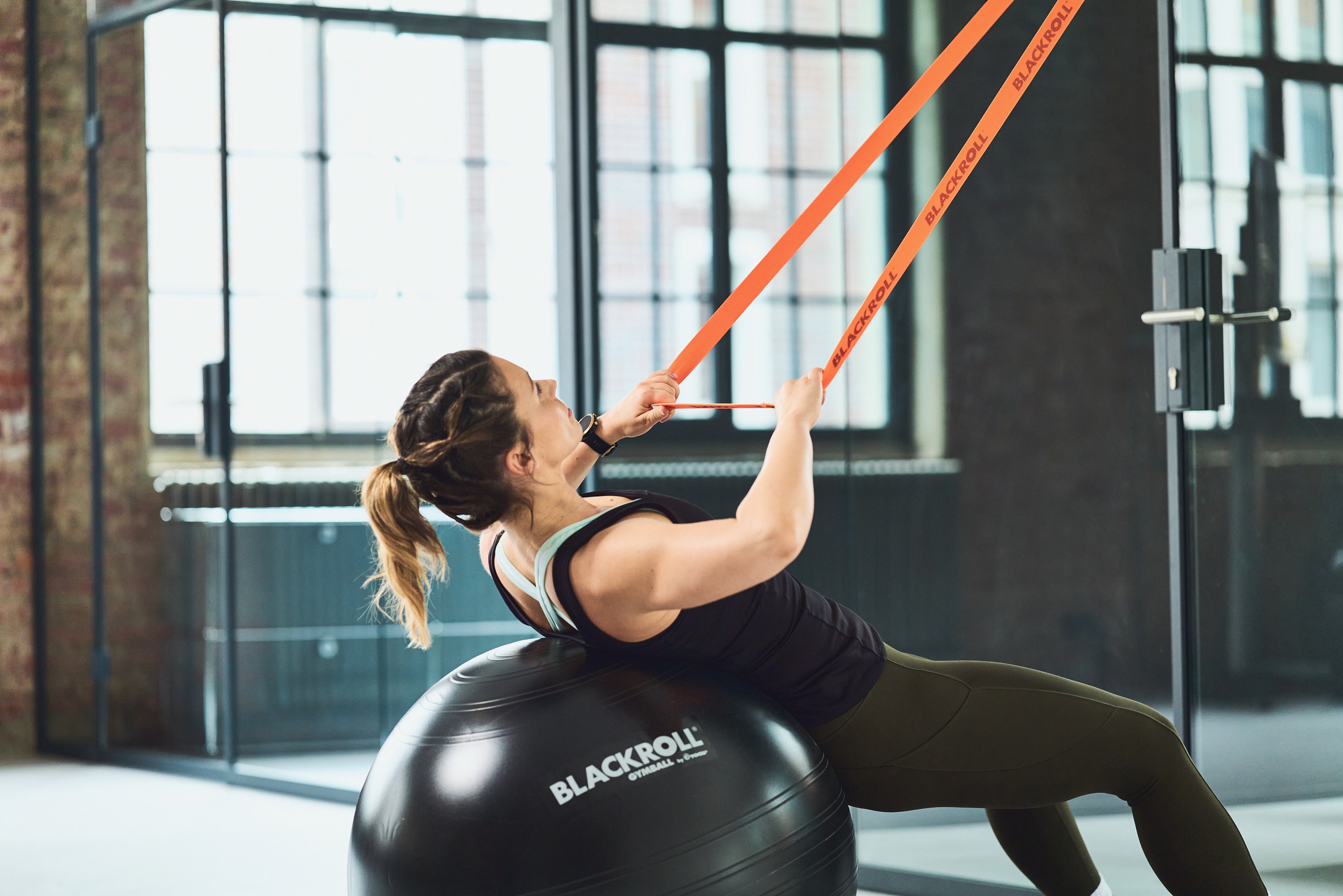
Staying Healthy Throughout the Season with BLACKROLL
Blackroll’s products make a valuable contribution, particularly in terms of injury prevention.
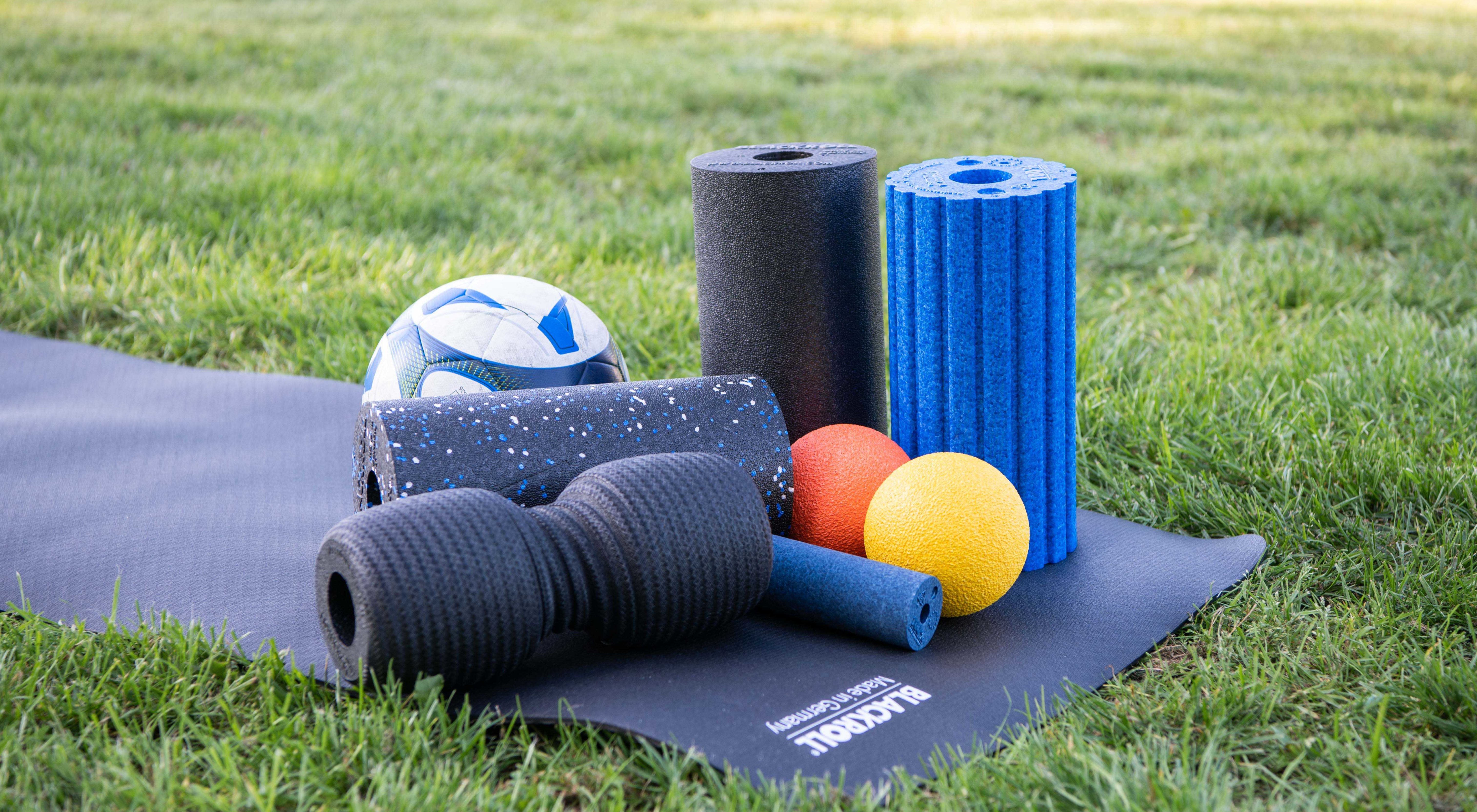
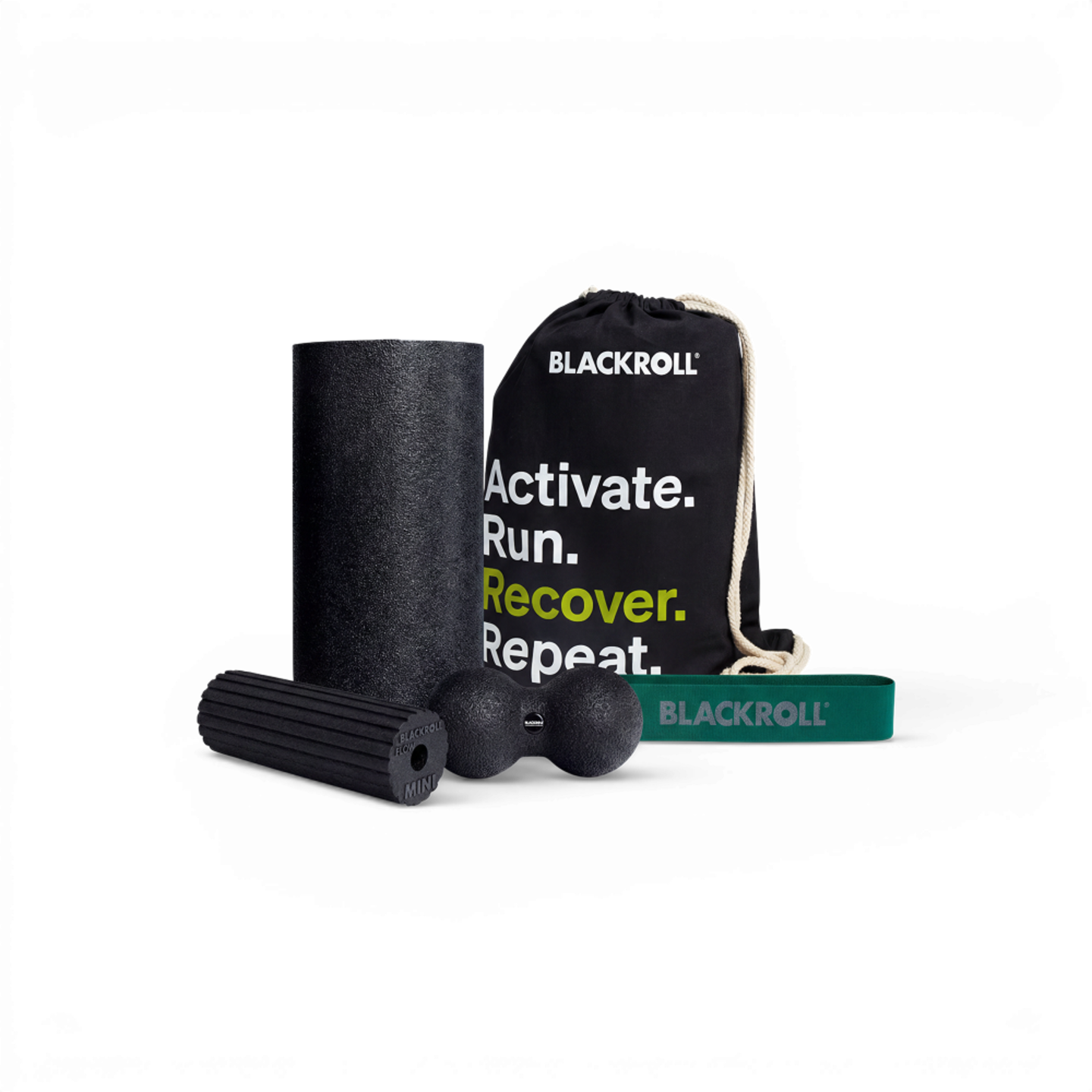
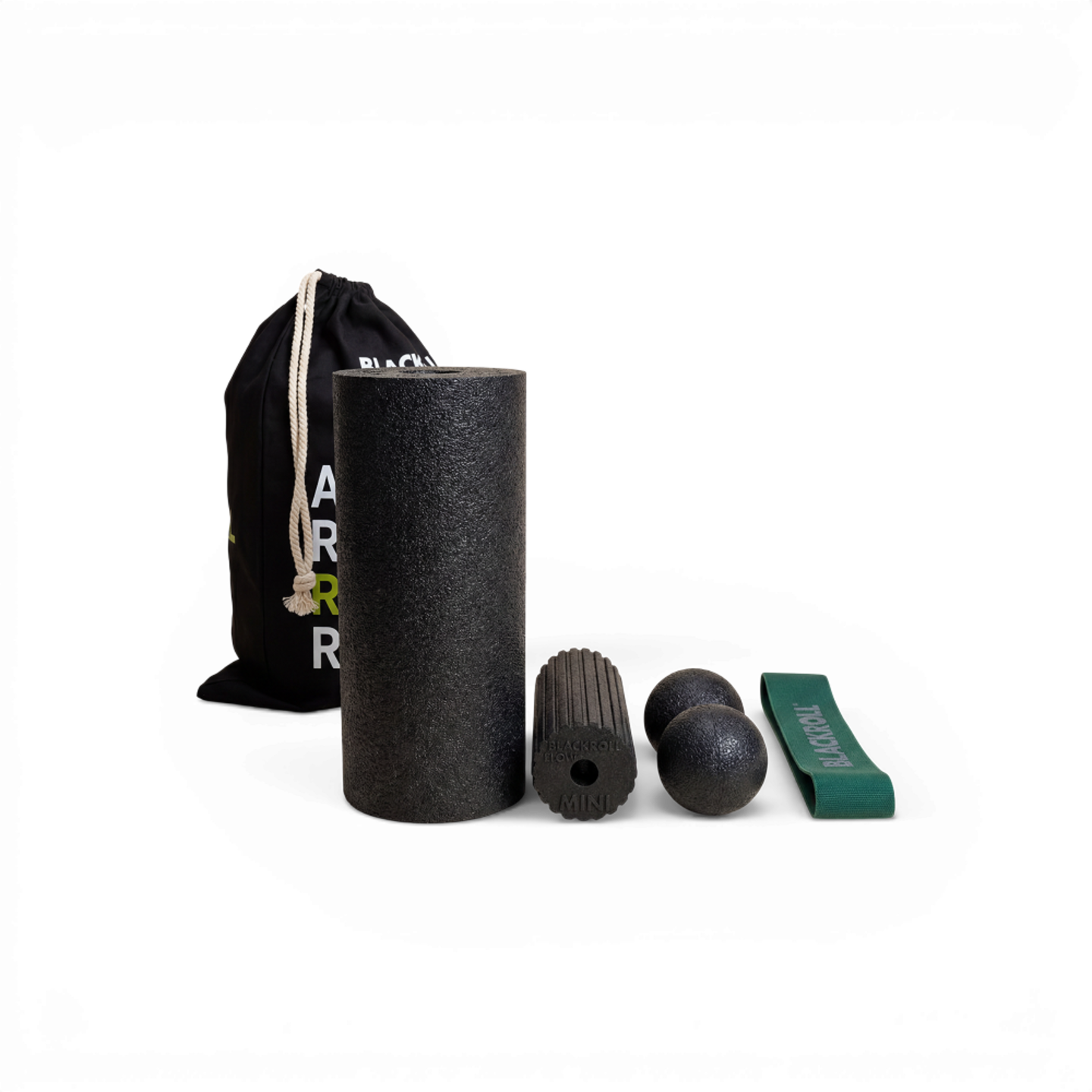
Everyone is familiar with classic fascia products like the roller, ball, or Duoball. Check out our guide at , “Recovery for Soccer Players: 7 Simple Exercises,” for valuable tips and exercises.
In addition, there are ideal recovery tools like recovery boots or the Fascia Gun. Sleep also plays a major role in recovery, and here too, Blackroll offers a comprehensive range of products, including pillows, mattresses, and blankets.
Still need the right equipment? Then check out our BLACKROLL® tools now.
Sources & Studies
(Source: Dubois B, Esculier J-F (2020) Br J Sports Med)
BLACKROLL® Tools
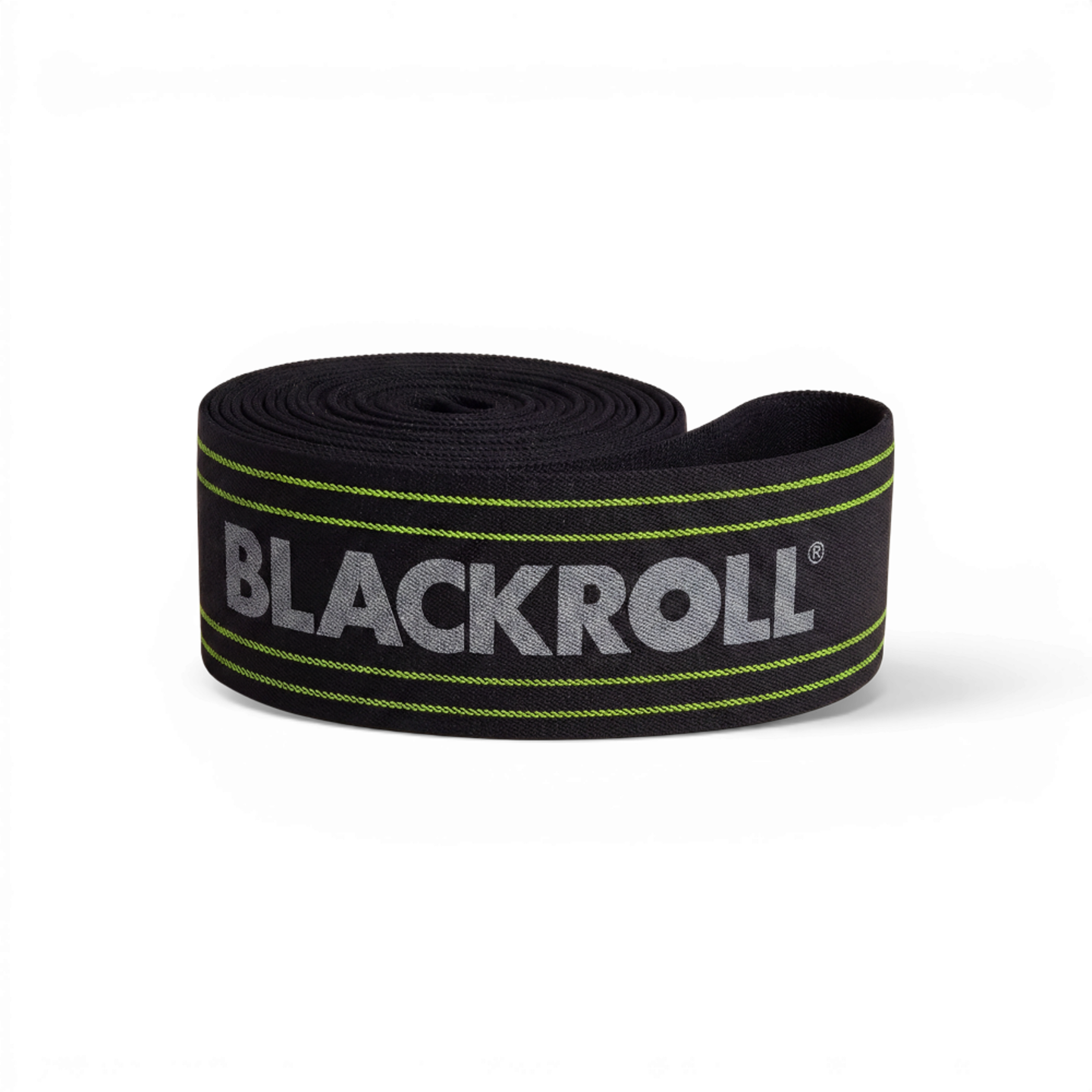
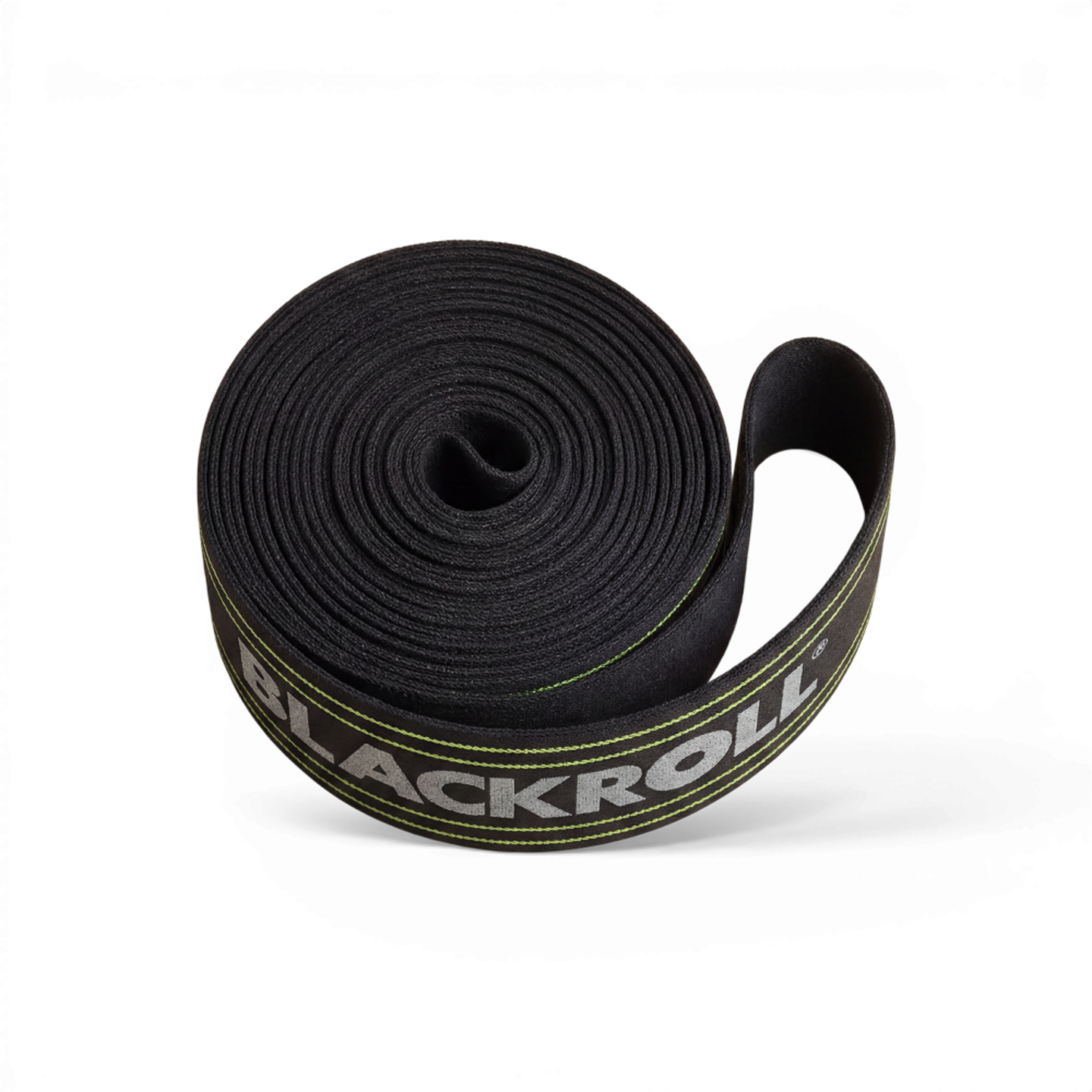
Resist Band
Available in multiple variants