
Lower Back Pain: Causes and Treatment

Lower Back Pain – Causes & What Helps
- Lower back pain is one of the most common health issues and ranges from mild stiffness to herniated discs.
- Common triggers include a lack of exercise, poor posture (e.g., swayback), being overweight, stress, or an unsuitable sleeping environment.
- Back pain is classified as specific (e.g., herniated disc) or nonspecific (e.g., muscle tension)—the latter accounts for approximately 85% of cases.
- Prevention through exercise, targeted training, relaxation, and a back-friendly sleeping position is particularly effective.
Recommendation: The BLACKROLL® RECOVERY PILLOW —an ergonomically shaped pillow that supports the neck and back and stabilizes the spine in its natural alignment.
Lower back pain is considered one of the most widespread common ailments. A stabbing pain, a pulling sensation in the lumbar region, a tingling in the legs—lower back pain manifests itself through various symptoms.
The causes are just as varied, as the list ranges from harmless muscle tension to a vertebral fracture. Here you’ll learn where your back problems come from and what you can do about them.
What causes lower back pain?
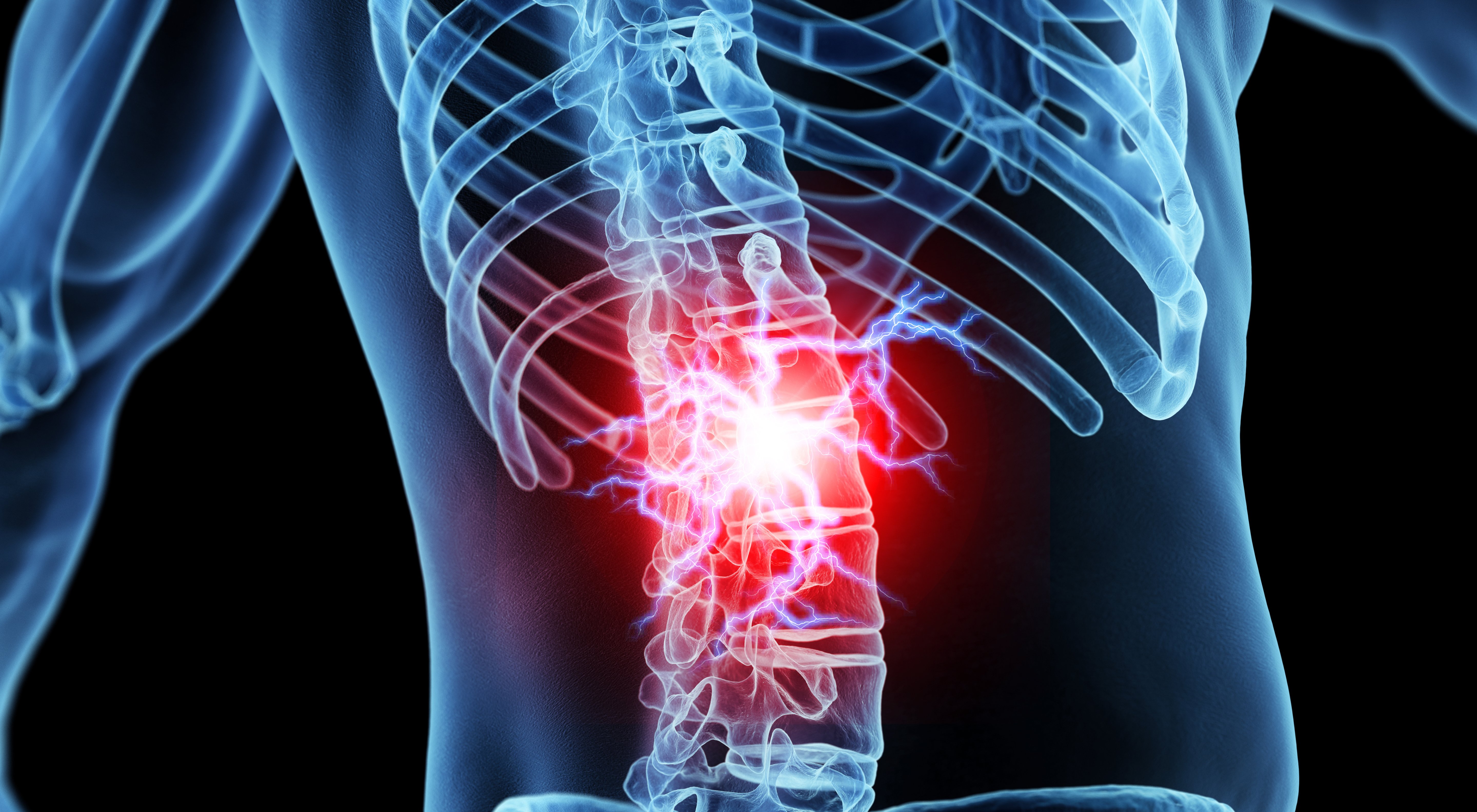
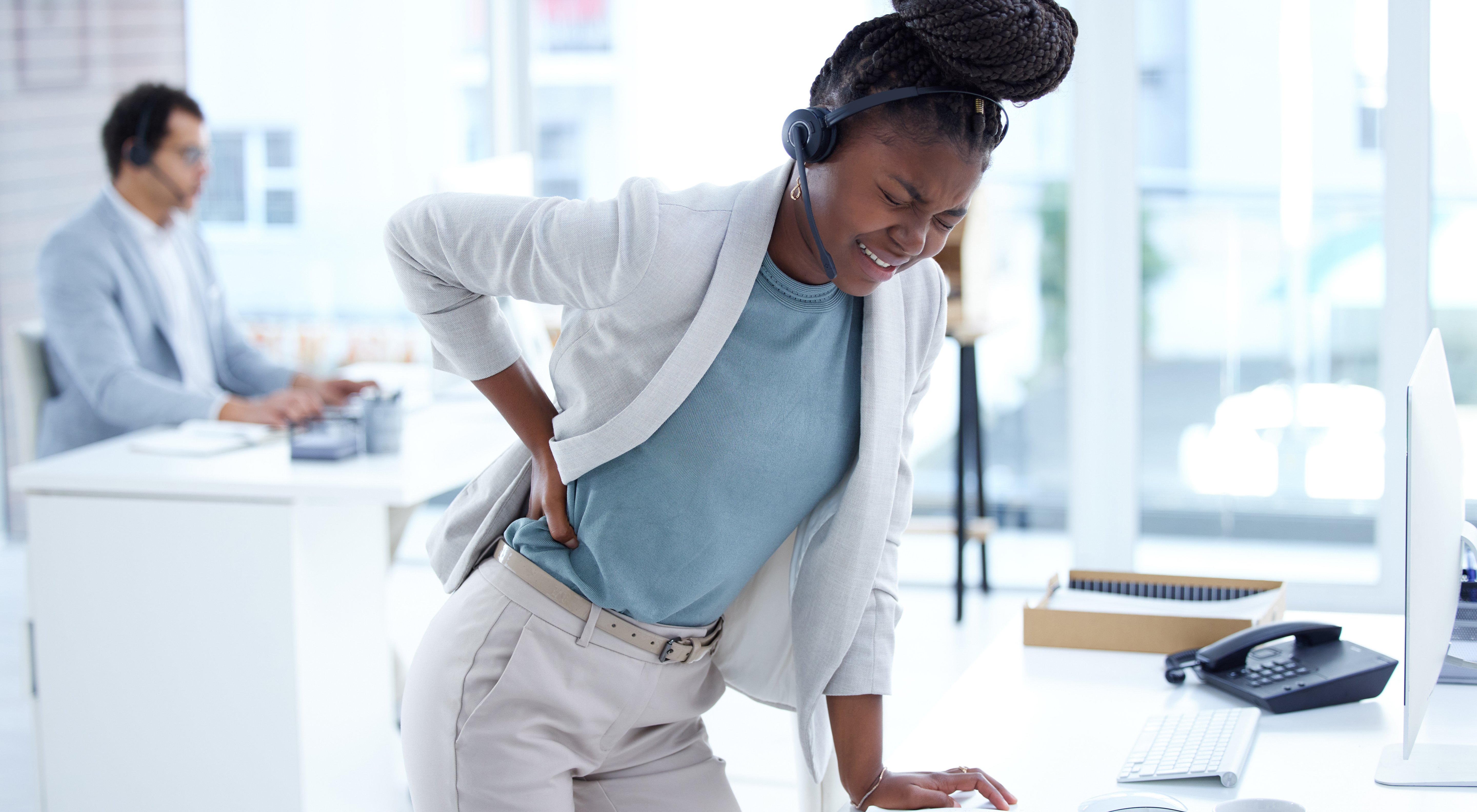
Lower back pain refers to symptoms ranging from mild to severe in the lumbar spine (LS), which are usually accompanied by limited mobility.
It is commonly referred to as lower back pain. The condition affects the five vertebrae in the lower part of the spine, the intervertebral discs between them, or the back muscles.
The pain is often caused by muscle tension and stiffness, which in many cases develop as a result of poor posture.

You’ll build a strong back. Your health insurance covers it.
Go to the online prevention courseRemedies for lower back pain
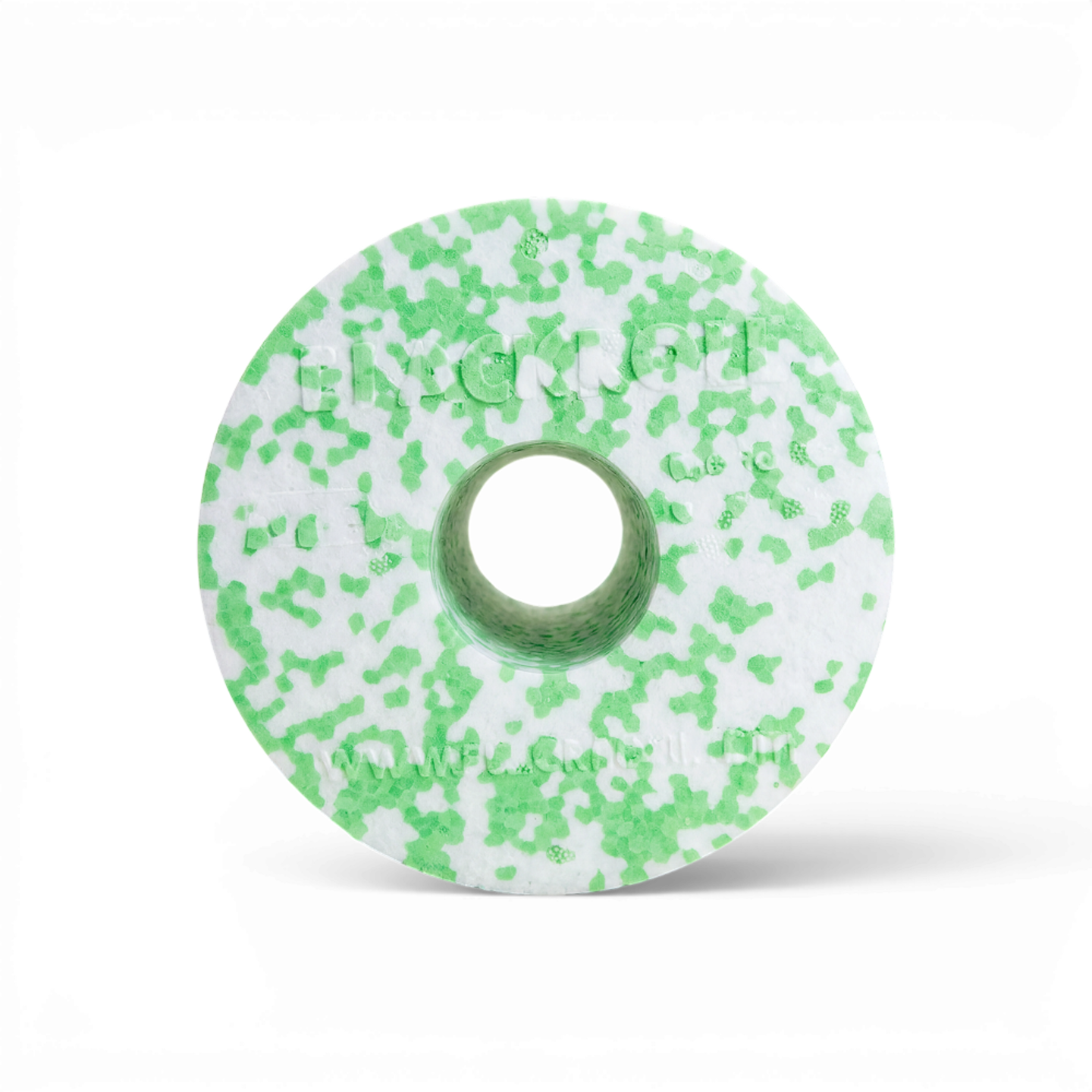
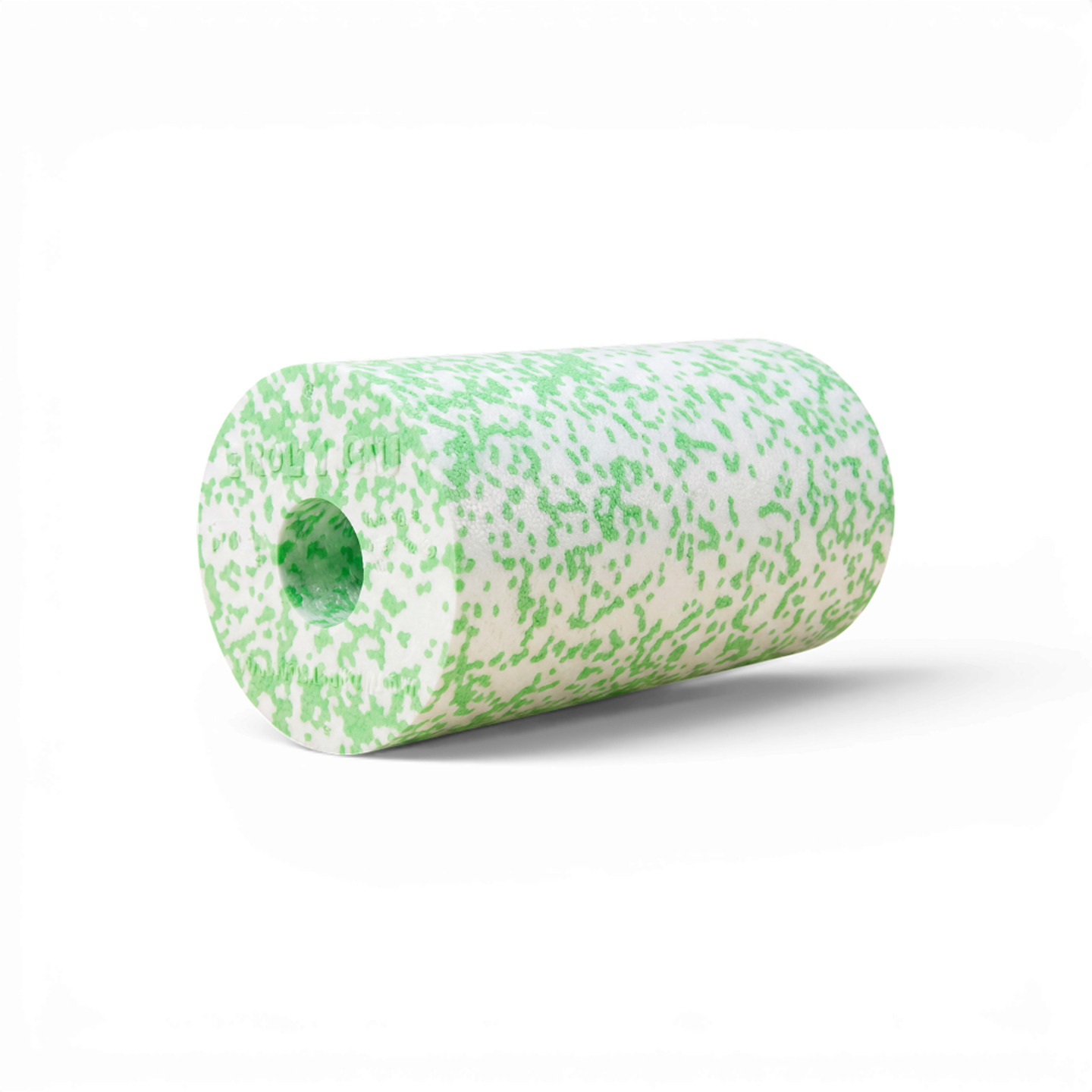
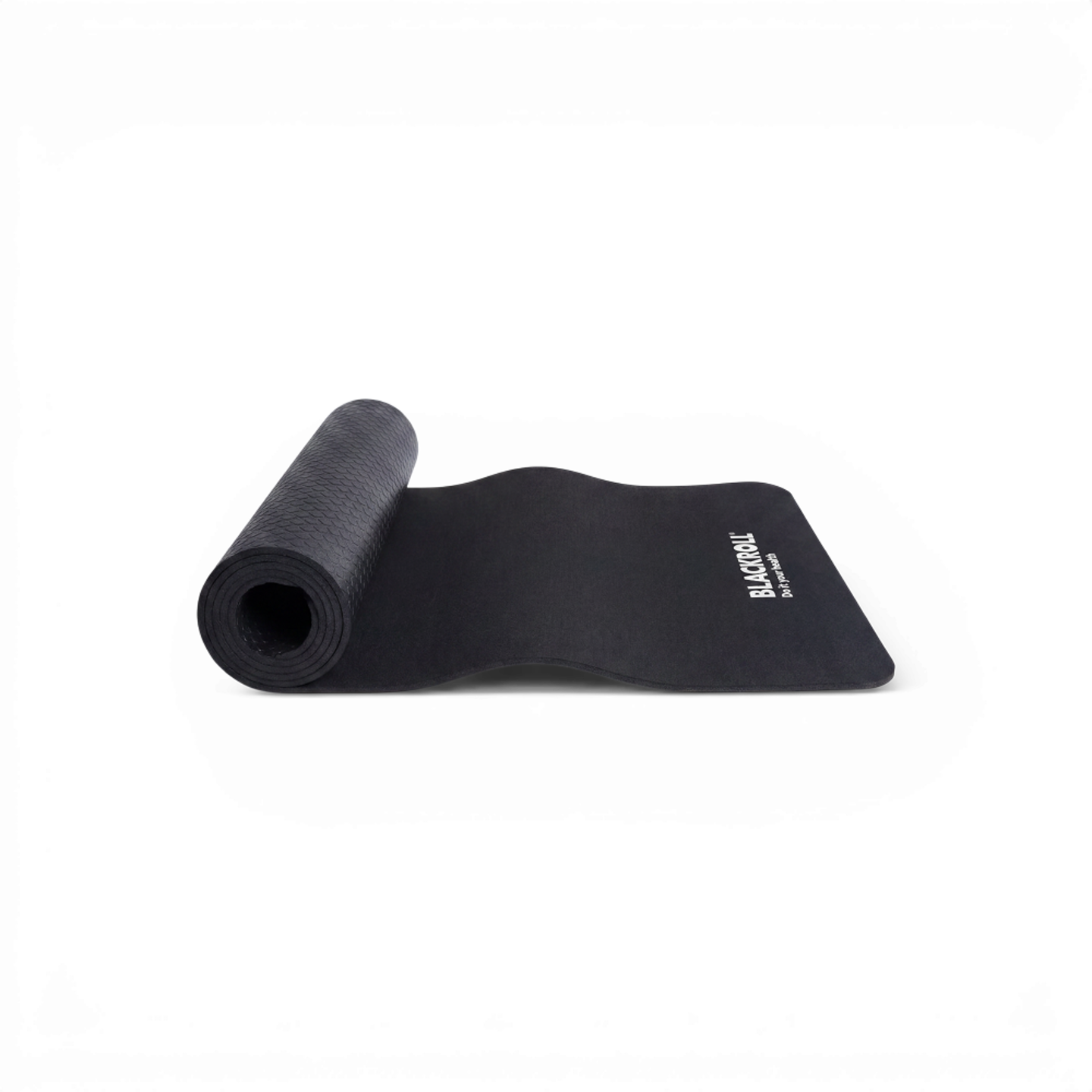
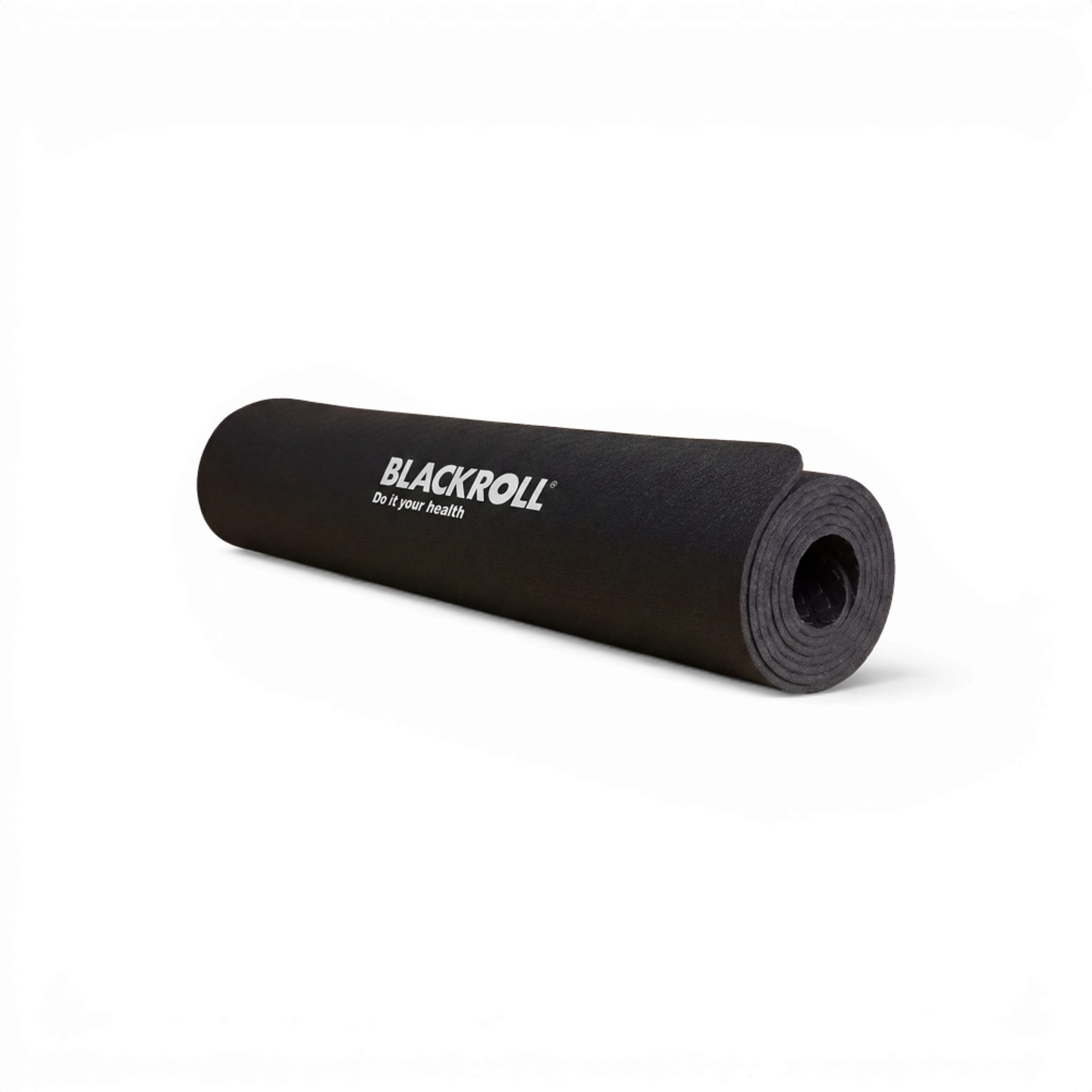
Mat
Available in multiple variants
Lower back pain can be classified as specific or nonspecific.
With specific lower back pain, the cause is clearly identifiable, such as a herniated disc or a vertebral fracture.
In cases of nonspecific back pain, the doctor cannot identify a specific underlying condition. This occurs in about 85 percent of those affected.
Causes of lower back pain
Frequent sitting, lack of exercise, uneven strain, and strenuous physical activity are the usual suspects when it comes to lower back pain. They are among the most common causes. However, organic or psychological conditions can also affect the back. Possible causes include:
- Muscle Tension: Muscle tension is widespread among the general population and is often the cause of aching and stabbing pain in the lower back. The causes include one-sided and repetitive movement patterns, as well as habitual postures such as sitting at a desk all day.
- Poor Posture: People with a swayback often suffer from lower back pain. The muscle tension and shortening caused by this poor posture are what trigger the pain.
- Excess weight: Being severely overweight places an enormous strain on the spine. Combined with a chronic lack of exercise, posture suffers under the pressure of the weight.
- Stress: Sometimes lower back pain is a sign of emotional strain. Stress at work or in your personal life, in particular, often manifests as nonspecific back pain.
- Sleeping Conditions: In many cases, the wrong mattress leads to lower back pain in the morning. Instead of waking up feeling refreshed, you struggle out of bed with a pulling and stabbing sensation in your lower back.
- Pinched nerve: One sudden, jerky movement—lifting a water jug from left to right—and suddenly a nerve in your lower back is pinched. This also often happens from lying in an awkward position for too long. However, an imbalance in muscle tension is usually already present beforehand. A trained, well-balanced back can compensate for such strains.
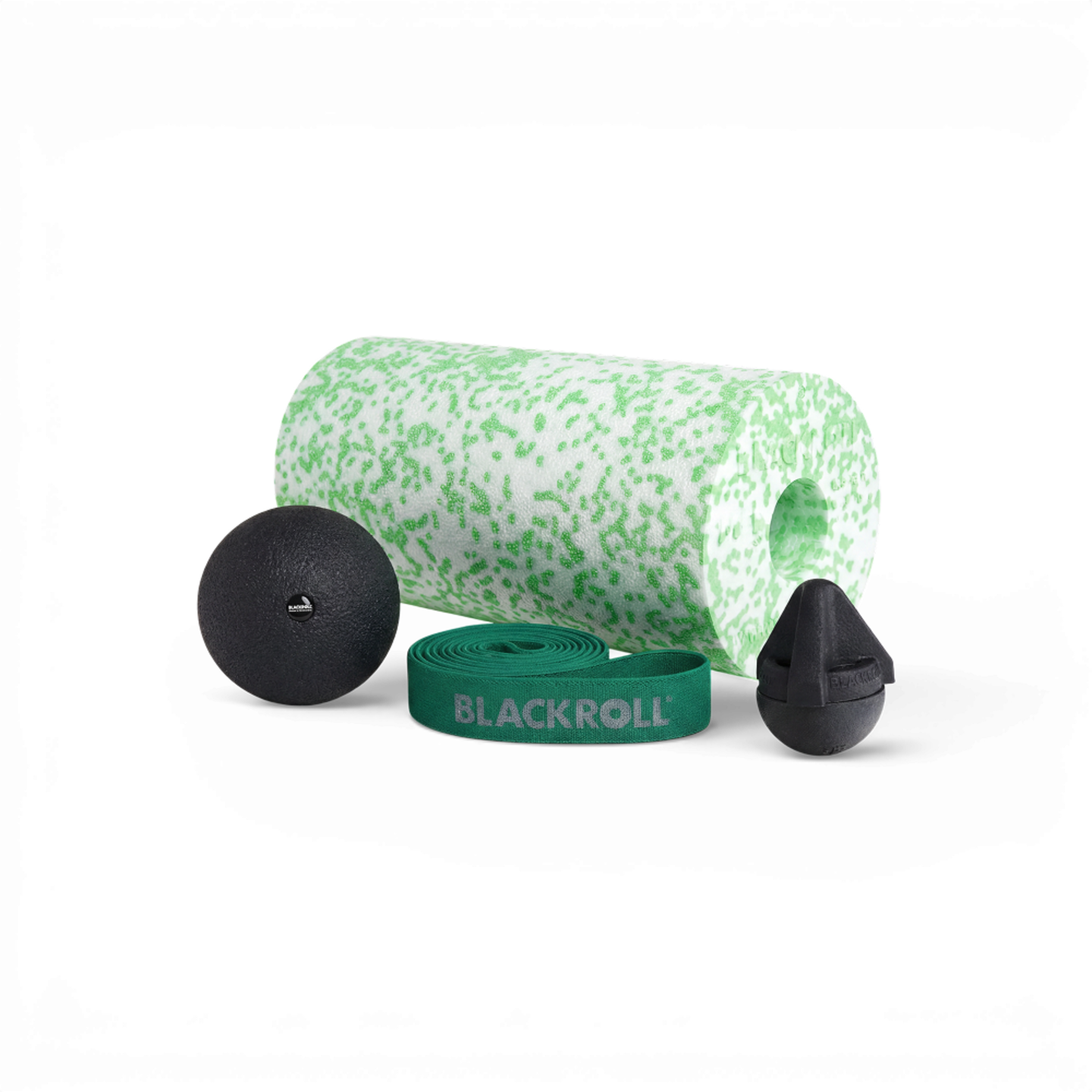
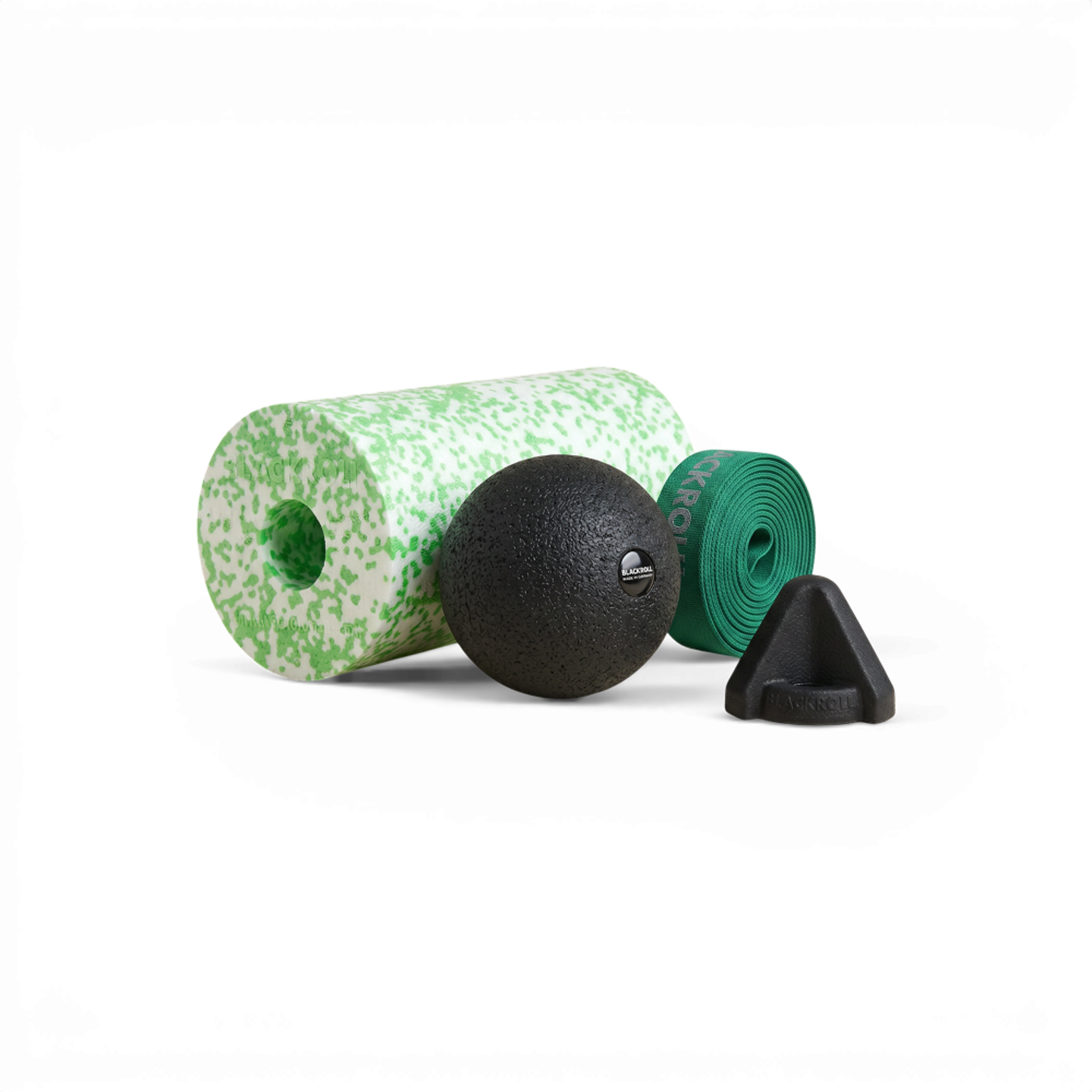
Your All-Inclusive Package for Back Pain
- Sciatica: A classic cause of lower back pain is sciatica. In this condition, the sciatic nerve is compressed by abnormal muscle tension in the gluteal-lumbar region (piriformis syndrome). This causes severe pain that radiates from the lumbar region through the buttocks and down into the leg.
- Injuries: Accidents or falls can cause injuries to the lumbar vertebrae, such as avulsions or fractures. The ligaments can also be affected.
- Lumbago: Lumbago—also known as acute lumbalgia or acute lumbar spine syndrome—is a well-known and dreaded condition. The pain suddenly shoots through the back like a stab and restricts mobility. It is caused by muscle stiffness resulting from a sudden, jerky movement when standing up or lifting something.
- Vertebral Blockages: The lumbar spine is in constant motion throughout the day. It bends forward and straightens up, rotates from right to left, and bends from side to side. A careless, jerky movement can lead to a painful blockage if a myofascial imbalance is already present.
- Osteoporosis: Osteoporosis causes bone tissue to become brittle. The strain on the spine can therefore lead to spondylolysis and vertebral fractures.
- Other Conditions: Back pain is not necessarily caused by a problem in the spine. Often, other conditions such as heart failure, heart attack, stroke, depression, shingles, pyelonephritis, pneumonia, or inflammatory joint diseases lead to back pain. It is always considered a medical emergency if shortness of breath, signs of paralysis, or a feeling of tightness in the chest are present.
- Pregnancy: The natural weight gain and physical changes during pregnancy also affect the spine. As pregnancy progresses, the pelvic region changes, and many women develop a swayback due to the weight of their abdomen.
Older adults often complain of lower back pain. In these individuals, the muscle-fascia tissue is less flexible—for example, due to a lack of water and nutrients. They have also spent many more years in poor posture and move even less, which leads to significantly more muscle tension. However, due to a predominantly sedentary lifestyle and increasing comfort, many younger people are now also affected by back pain.
More Tools for Back Pain Exercises
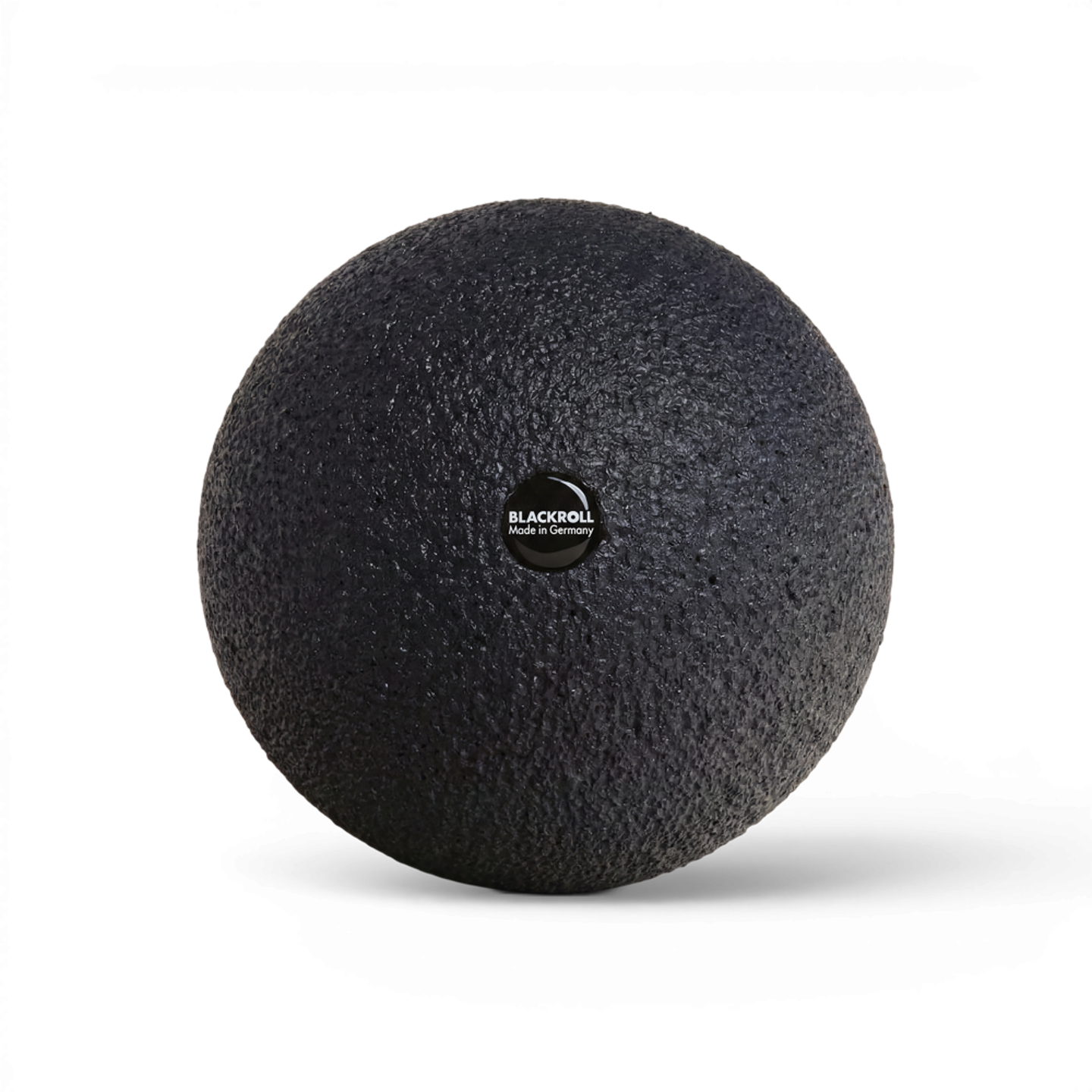

Ball 12
Available in multiple variants
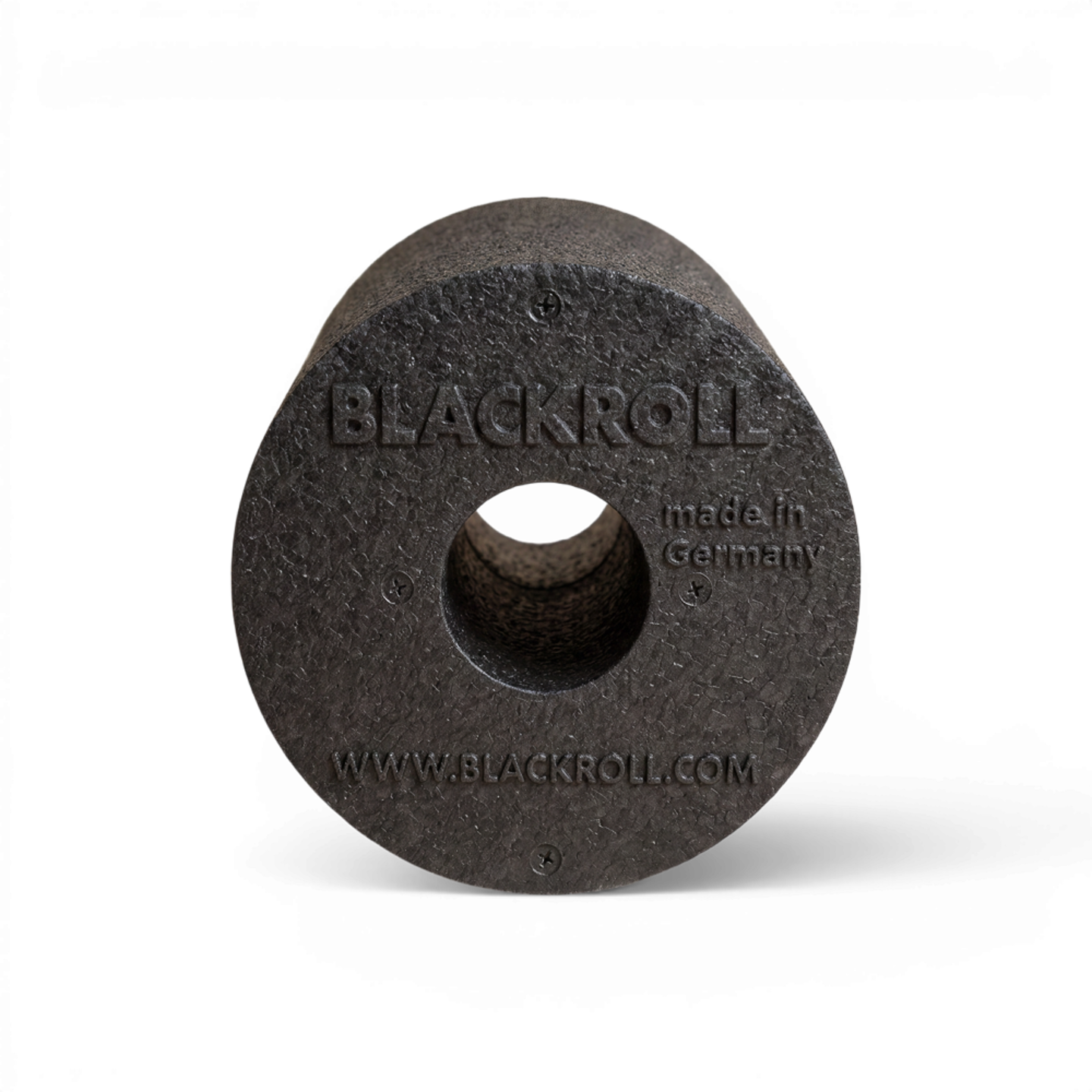
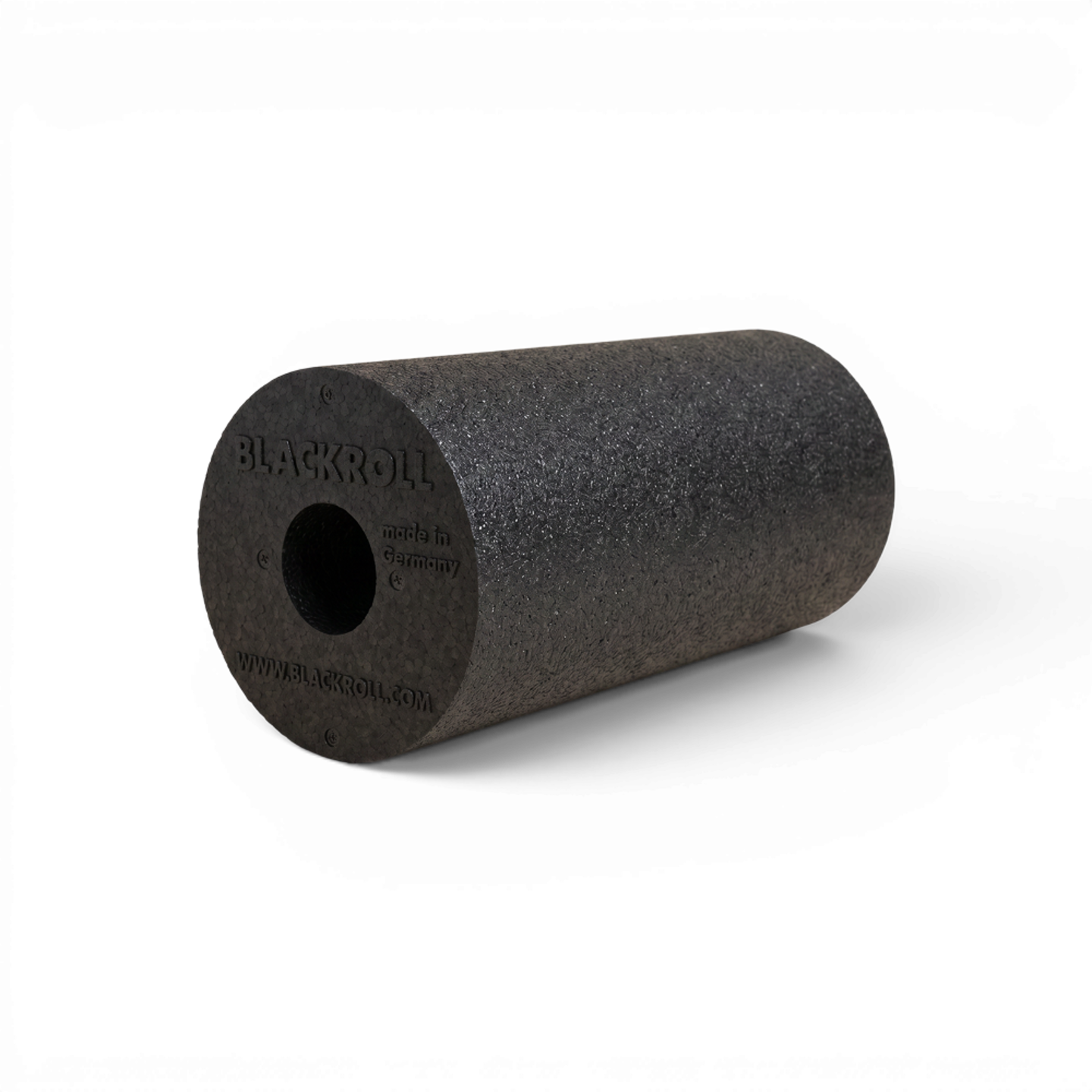
Standard
Available in multiple variants
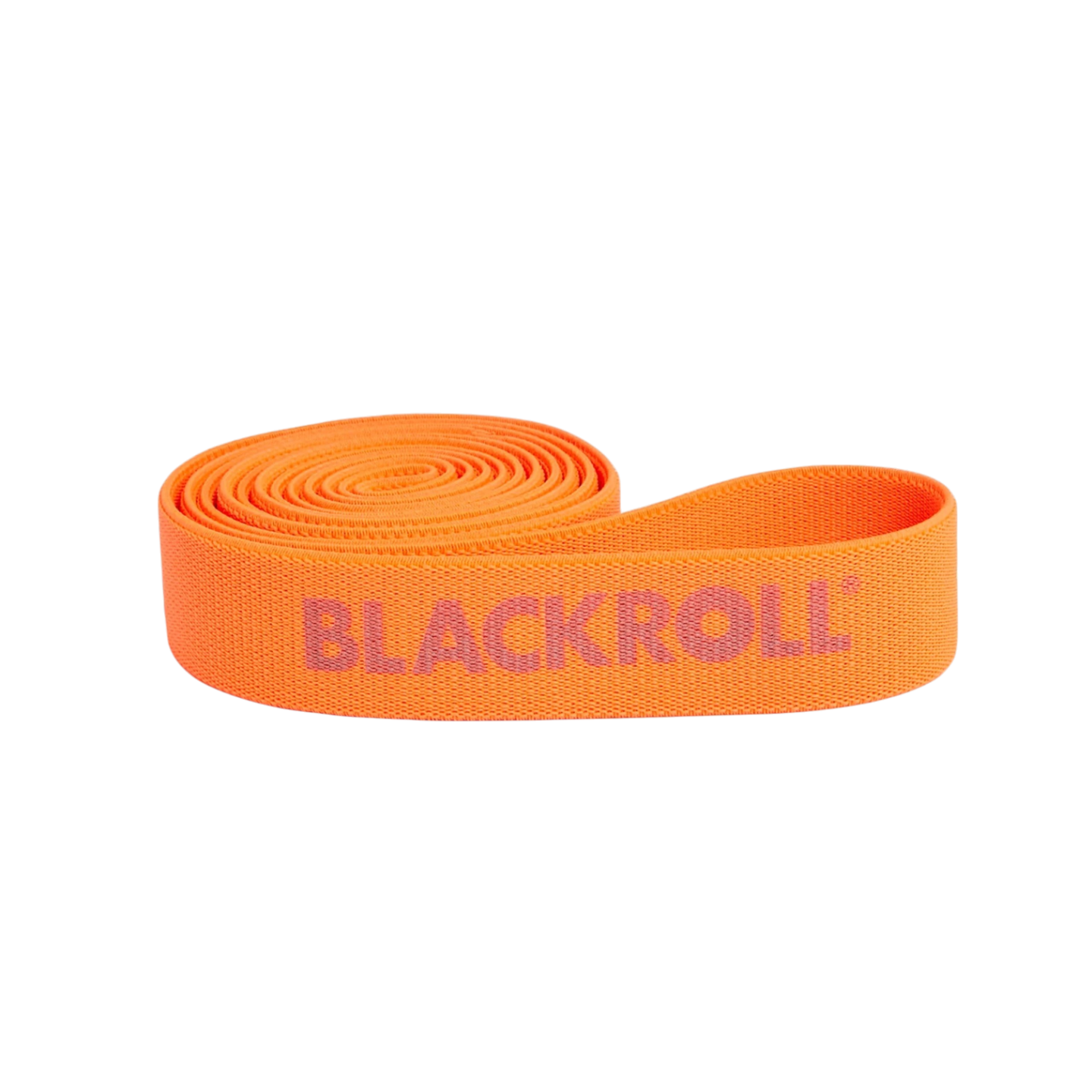

Super Band
Available in multiple variants
03. Tension in the lower back
One of the main causes of lower back pain is muscle tension.
No wonder: Sitting at a desk in the office for long periods, lifting improperly, and not getting enough exercise cause the muscle tissue to stiffen.
The back pain may affect only one side, extend across the entire back, or shift from one side to the other—depending on which muscles are tense.
As painful as it may be, muscle tension is a condition that can be treated with therapy and exercise.
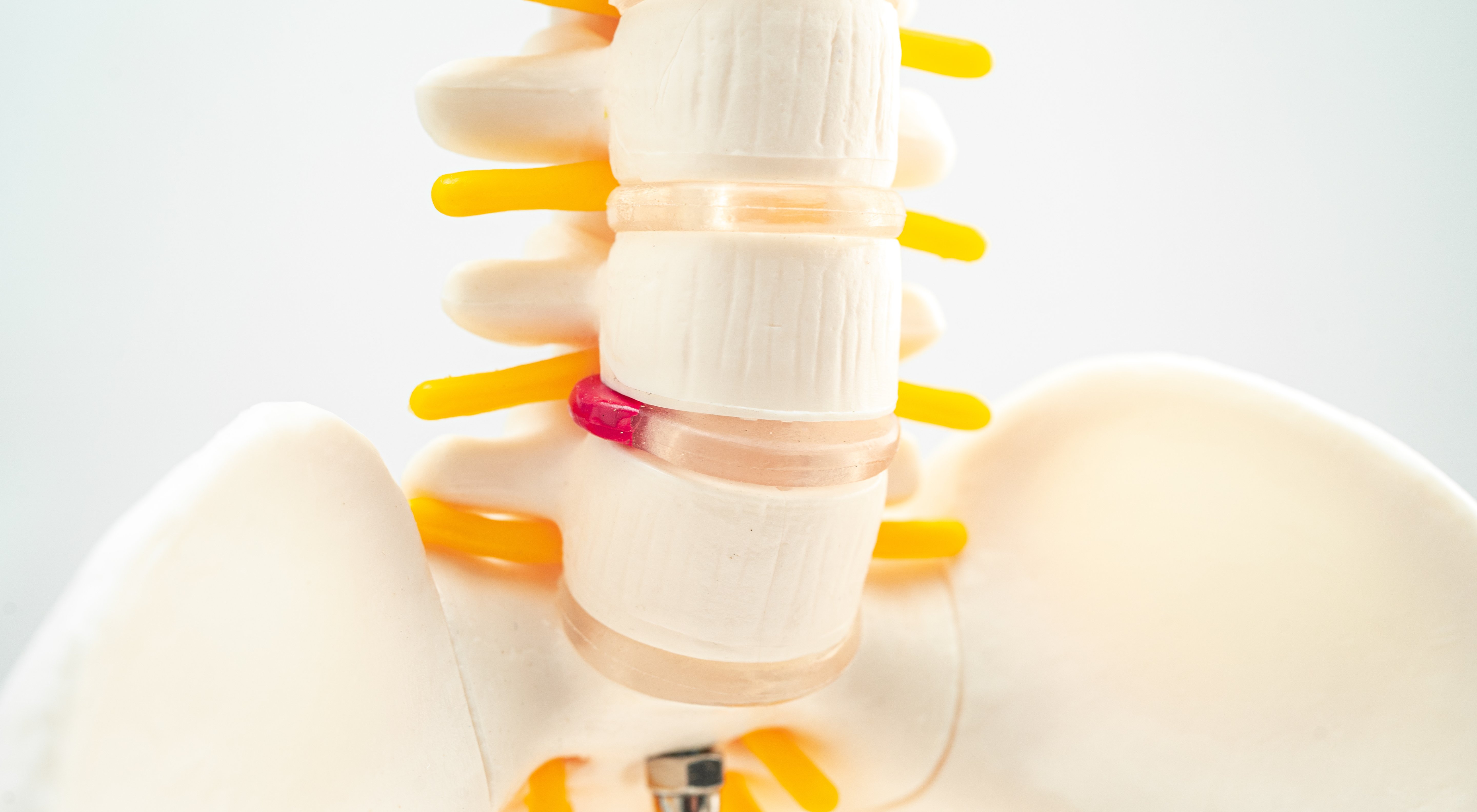

Herniated disc in the lower back
Heavy lifting, excessive strain, or poor posture caused by sitting all day can lead to abnormal muscle tension, which eventually causes the intervertebral disc to bulge—a condition known as a herniated disc.
This causes a tear in the cartilage tissue of the disc, and the inner nucleus protrudes outward. Pressure on the spinal nerves can cause sensory disturbances. The legs feel numb and the feet tingle.
However, according to the latest research, the severe pain associated with a herniated disc does not stem from pressure on the nerves, but rather from severe muscle stiffness and tension in the myofascial tissue.
If you experience these symptoms, you should definitely get checked out.
Herniated discs can usually be treated effectively with physical therapy and targeted exercises.
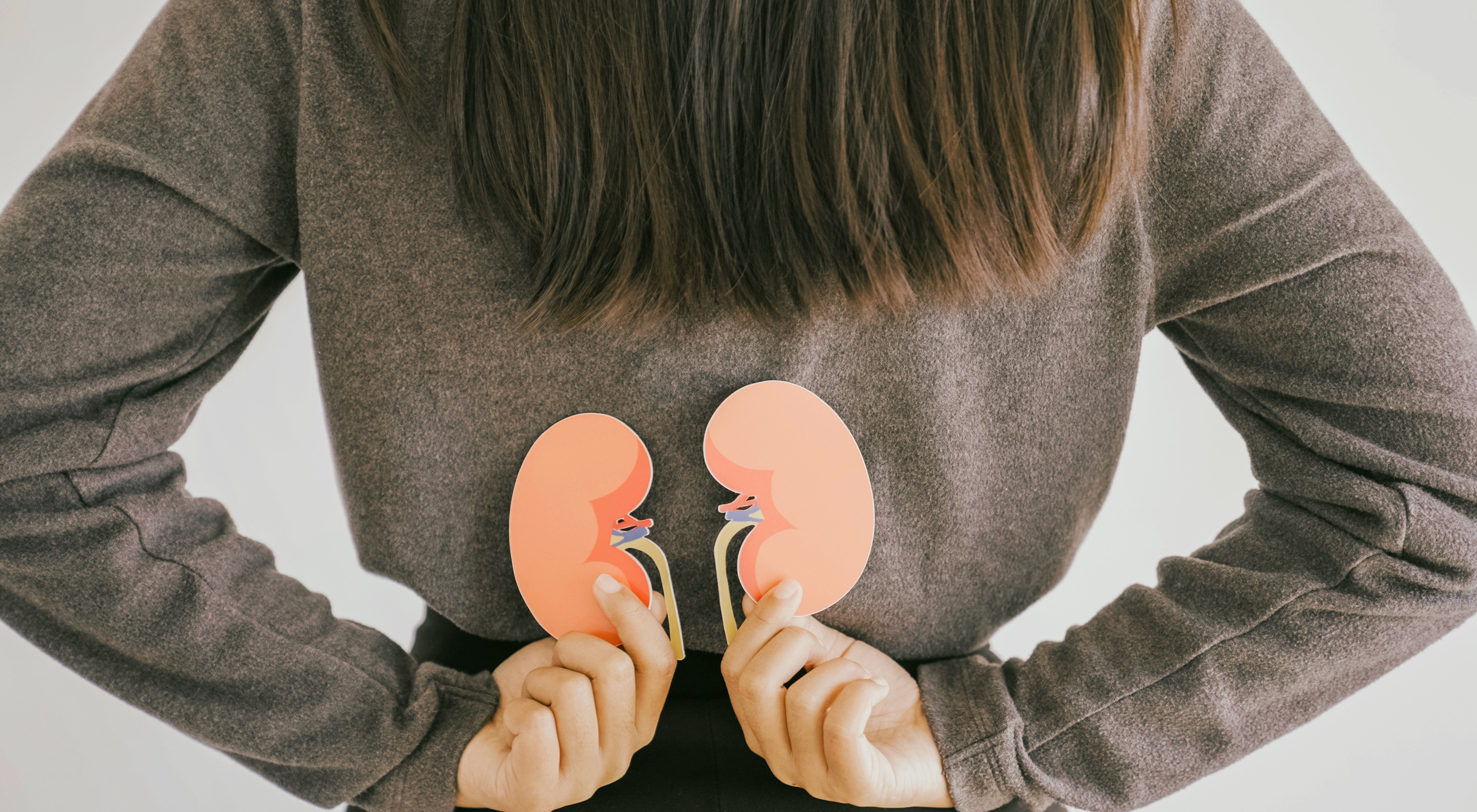
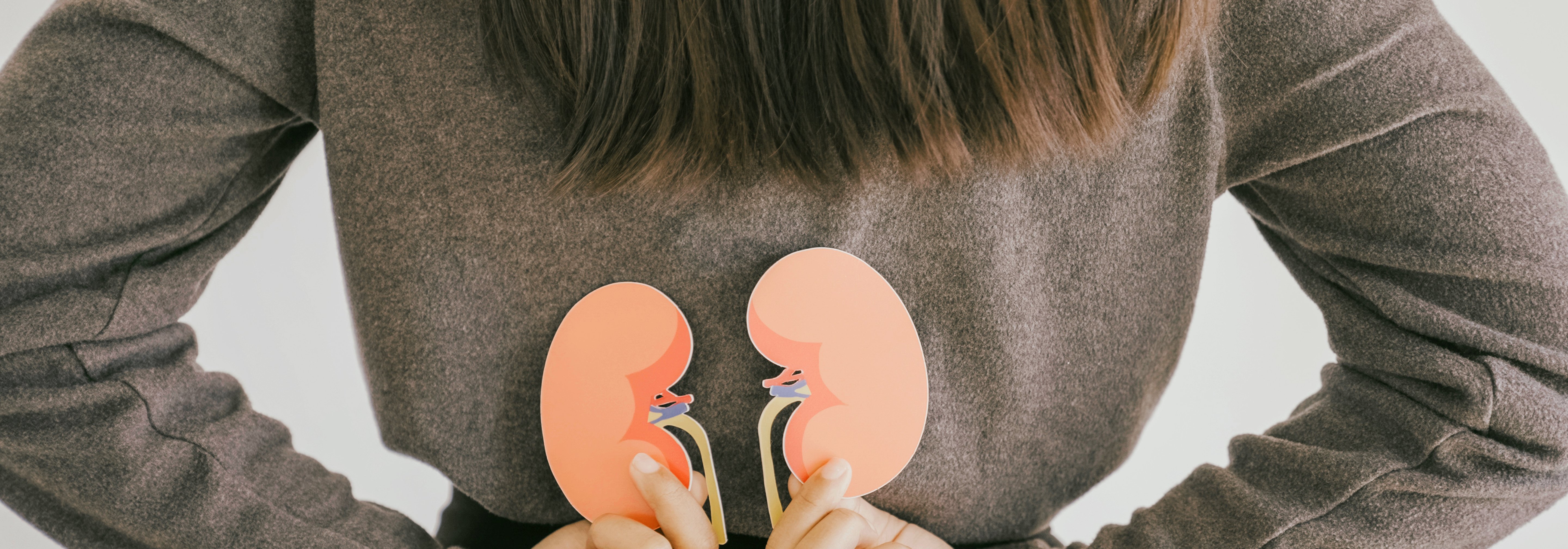
Which organs are located in the lower back
Sometimes the problem isn’t with the lumbar spine at all; rather, the pain originates in the surrounding organs. In such cases, the pain can radiate to the back and cannot be relieved by back therapy alone. These organs are located in the lower abdomen:
- Intestines
- Bladder
- Reproductive organs
However, other organs can also cause referred pain and lead to lower back pain:
- Stomach
- Pancreas
- Kidney
- Gallbladder
- Lungs
- Spleen
In some cases, digestion alone can cause a temporary stabbing, pulling, or dull pain in the lower back.
For many women, menstrual cramps radiate to the lower back. In women with endometriosis, the symptoms may become more severe or less severe over the course of the cycle, or they may persist continuously.
06. Symptoms of lower back pain
The symptoms are usually not limited to the lower back. Often, the pain radiates into the legs or the upper back. The pain also manifests itself in very different ways. The most common symptoms are
- a stabbing, burning, dull, pressing, or throbbing pain in the lower back
- limited range of motion
- pain radiating into the buttocks or legs
- numbness and tingling in the legs
- weakness in the legs
Back pain can be acute and very severe, but it often becomes chronic or comes and goes.
If the symptoms last up to three months, they are considered subacute. Sometimes the back only acts up during certain movements, such as bending over, lifting heavy objects, or twisting the upper body.
If acute back pain restricts your breathing or movement, you should definitely see a doctor. The same applies if the pain is persistent and cannot be relieved by conservative treatments such as heat, exercise, and massage.
Other Pain Patterns Associated with Lower Back Pain
If you feel pain directly at a lumbar vertebra, it could be due to a fracture, degenerative changes, or a herniated disc.
If the pain occurs after a fall or accident, you should definitely see a doctor.
However, those affected often suffer from lumbar spine syndrome (LWS syndrome), which is typically caused by sitting for too long and a lack of physical activity.
A sudden, stabbing pain in the lower back could be lumbago, especially if you’ve just made an unusual, jerky movement or lifted something heavy.
If the pain radiates into the legs, piriformis syndrome or a herniated disc is very likely.
Spondylolisthesis, also known as vertebral slippage, can also cause sudden pain. In this condition, part of the vertebra becomes unstable due to general wear and tear, leading to a displacement.
If you experience lower back pain while lying down, it could be a sign of a pinched nerve.
We’ve all been there: You’re lounging comfortably on the sofa, not paying attention to your posture, and suddenly you feel a twinge above your pelvis. Irritation of the sciatic nerve often makes itself felt when lying down.
Especially if the discomfort gets worse at night and after waking up, your mattress is likely the culprit.
A suitable mattress supports the spine while you sleep and ensures it stays straight. If pressure isn’t evenly distributed across the pelvis and shoulders, the spine curves and becomes tense.
Back pain can also worsen when lying down if you have a swayback. In this case, adjusting your sleeping habits to your body’s individual needs can also help.
Does your back pain get worse when you’re sitting?
This can have various causes. It may be due to a herniated disc.
It could also be sacroiliac joint (SI) syndrome or an SI joint blockage, which can easily result from improper weight distribution.
The sacroiliac joint (SI joint) is located at the back of the pelvis, to the right and left of the spine, and connects the sacrum to the ilium.
Pain in the lower back when bending over is typical of lumbago. Just as you’re about to straighten up again, a sharp pain shoots through your lower back.
If you feel the pain on only one side, a pinched nerve may be the cause. A herniated disc could also be a possible cause.
If you experience lower back pain when breathing in, it could be a harmless side effect of a cold or the flu.
However, lung conditions should not be ruled out, nor should a vertebral fracture or a herniated disc.
Inhaling increases pressure on the chest and ribs, which also affects the back.
You should always take back pain when breathing in seriously and have it checked out.
What causes lower back pain on the right and left sides? If both sides are affected, it’s usually due to muscle tension.
This is usually true even for pain on one side. Risk factors include prolonged sitting combined with a lack of physical activity.
Unilateral movement patterns can lead to myofascial imbalances, which can cause pain.
However, overexertion can also be the cause, for example, due to physical labor or excessive strength training.
In such cases, the pain is usually intense muscle soreness that subsides after a few days. However, stress can also affect the lower back, as can a herniated disc, inflammation, or an organ disorder.
Lower back pain when lying down
If lower back pain occurs primarily while lying down—whether at night in bed or during the day while resting on the sofa—various factors may be at play. The following causes are particularly common for lower back pain while lying down:
Irritation of the sciatic nerve or a pinched nerve
When lying down, the body relaxes, and irritated nerves are often felt more distinctly. The sciatic nerve, in particular, can come under pressure due to unfavorable lying positions—such as twisting or bending the lumbar spine to the side. This results in pulling, burning, or stabbing pain in the lower back, often radiating into the buttocks, leg, or even down to the foot.An unsuitable mattress or lack of pressure relief
A mattress that is too hard, too soft, or sagging cannot provide adequate support for the spine while you sleep. If the shoulders and pelvis do not sink in ergonomically correctly, this often leads to spinal misalignment—such as an exaggerated swayback (hyperlordosis) or a lateral curvature (tendency toward scoliosis). This promotes muscle tension, myofascial trigger points, and strain on the intervertebral discs and joints.Excessive Lordosis (Hyperlordosis)
People with increased lumbar lordosis often find lying down uncomfortable because the lumbar spine cannot fully relax. A flat pillow or a small roll under the knees while lying on your back, or a slightly angled side-lying position, can help relieve pressure on the lower back and better support the natural lordosis.
Unhealthy sleeping habits
In addition to the mattress, the box spring, pillows, and preferred sleeping position also affect back health. An ergonomic side-sleeping position with a pillow between the knees or a supine position with the legs slightly elevated can support the natural alignment of the spine and relieve pressure on the lumbar spine.
Back pain gets worse when sitting
Many people notice that the longer they sit, the worse their back pain becomes—especially in the lumbar region. This is no coincidence: the sitting position places particularly heavy strain on certain structures of the spine. Here are the most common reasons why back pain worsens when sitting:
Poor sitting posture and lack of movement
When sitting, the body often tends to slump. This causes either the lower back to become overextended (hyperlordosis) or the pelvis to tilt backward (posterior tilt). Both lead to uneven stress on the intervertebral discs and facet joints. In addition, a lack of physical activity reduces blood flow and metabolic activity in the tissues, which contributes to tension and pain in the lumbar spine.
Herniated Disc
When sitting, pressure on the intervertebral discs increases—significantly more than when standing or lying down. If the intervertebral discs are already damaged (e.g., due to degeneration or protrusions), this can lead to nerve irritation. This often results in pain radiating into the buttocks, leg, or even down to the foot (sciatic pain symptoms).
Sacroiliac Joint (SIJ) Syndrome or SIJ Blockage
The sacroiliac joint (SI joint) connects the sacrum to the pelvis. Prolonged sitting, one-sided strain, or poor movement patterns can lead to dysfunction. Typical symptoms include one-sided, deep-seated pain in the sacrum area that may radiate into the buttocks or thigh.
Lack of Active Stability
Weak core muscles (deep abdominal and back muscles) prevent the spine from being optimally stabilized while sitting. As a result, passive structures such as ligaments, intervertebral discs, and joint capsules take on more of the load—which, over time, causes pain and strain-related problems.
Limited hip flexor mobility and its effects
Frequent sitting causes the hip flexor muscles—especially the iliopsoas—to remain in a shortened position for long periods of time. This often leads to increased muscle tension and functional limitations in hip extension. Limited hip flexor mobility affects pelvic alignment and can contribute to strain on the lumbar spine. As a result, the back is more likely to develop an exaggerated swayback (hyperlordosis) or compensate through unfavorable movement patterns.
Tip: Regularly changing positions, taking breaks to do mobility and strengthening exercises, and building stable core muscles can help prevent back pain while sitting in the long term. An ergonomically adapted seating environment also supports back health.
If symptoms are persistent or severe, it is essential to seek an evaluation from a doctor or physical therapist.
Pain in the lower back near the buttocks
If pain in the lower back radiates into the buttocks, this may indicate deeper muscular or nerve-related problems. Often, not only are structures of the spine affected, but also surrounding muscles, fascia, tendons, and nerves that run through the buttocks area. The following causes are particularly likely:
1. Piriformis syndrome
The piriformis muscle runs deep within the buttocks and lies in close proximity to the sciatic nerve. Increased muscle tension or functional shortening can cause it to put pressure on the nerve, leading to symptoms similar to those of a herniated disc—such as sharp or burning pain that can radiate from the buttocks into the back of the thigh or even further down. The symptoms often worsen, especially when sitting, climbing stairs, or walking for long periods.
2. Trigger Points and Muscle Tension
Trigger points and myofascial adhesions in the gluteal muscles—particularly the gluteus medius and minimus—can also cause pain in the lower back and buttocks. This so-called referred pain often makes it difficult to pinpoint the exact location of the pain. Lack of exercise, overexertion, or asymmetrical strain in daily life are among the most common triggers.
3. Pelvic misalignment and leg length discrepancies
A pelvic imbalance or a functional leg length discrepancy can also lead to altered posture. This results in persistent misalignment of the muscles in the lower back and buttocks, causing dull, pressing pain that often manifests on one side or asymmetrically. Functional discrepancies often arise from muscular imbalances and must be distinguished from anatomical leg length discrepancies.
A targeted diagnosis—ideally by a physical therapist or physician—is essential to determine the exact cause of the symptoms. In many cases, stretching exercises, myofascial self-treatment, and targeted training of the gluteal and core muscles can help alleviate pain and improve function in the long term.
However, if symptoms persist or worsen, a specialist evaluation should be conducted to rule out serious structural causes.
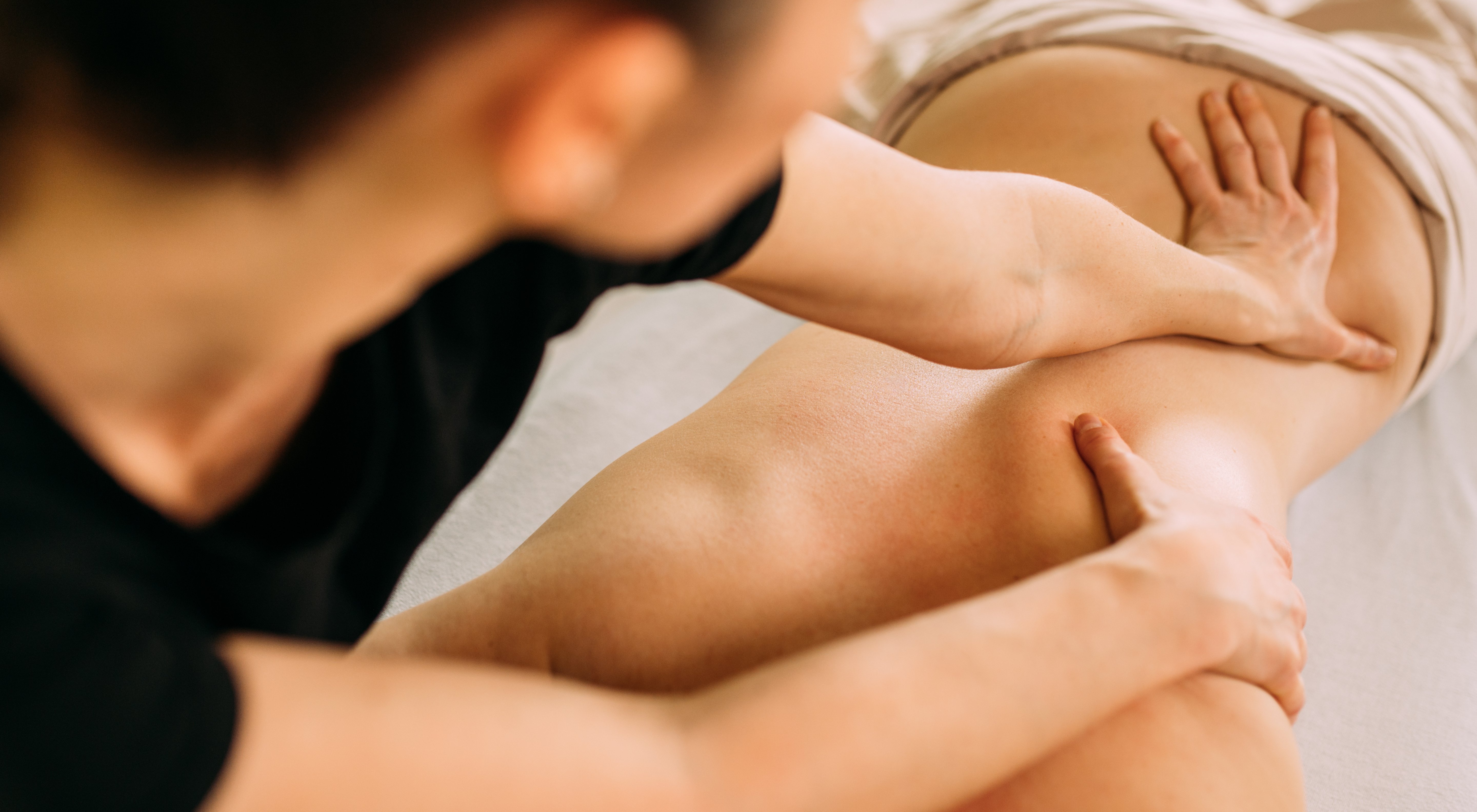
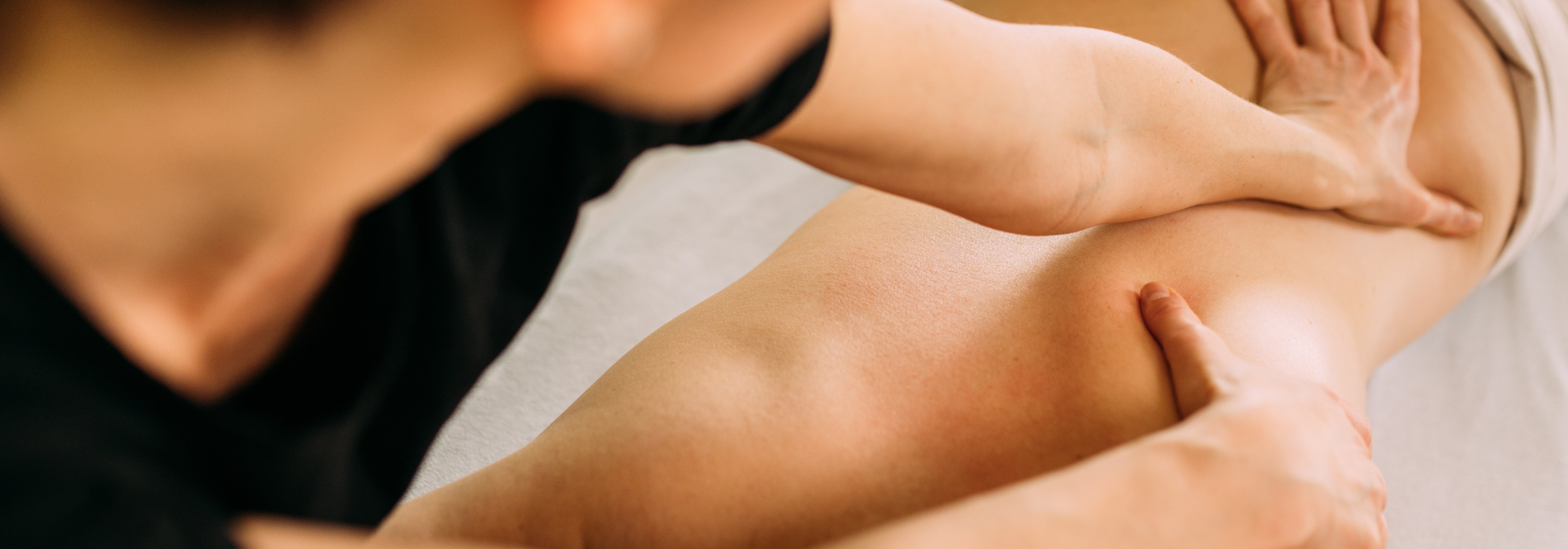
Treatment of Lower Back Pain
There are various treatment options for lower back pain, each of which depends on the cause of the symptoms.
Acute pain is treated differently than chronic pain. In most cases, however, conservative therapy provides relief:
- Exercise
- Fascia exercises
- Heat
- Massage
- Physical therapy
- Back Exercises
- Acupuncture
- Acupressure
- Medications
- Back Pain Therapy
- Surgery
In most cases, treatment involves relaxing the back muscles, releasing tension, and correcting muscular imbalances. Back pain often improves with the application of heat, massage, training with a foam roller, and increased physical activity in daily life. This stimulates blood circulation and loosens tight tissue.
Surgery for back pain is now rarely necessary, except in cases such as a fracture or a herniated disc, or when cauda equina syndrome is present—a condition associated with numbness on the inner thighs and incontinence.
Targeted exercises are an effective way to treat back pain. Regular training of the back and abdominal muscles is actually the best preventive measure for staying symptom-free in the long term. It is particularly important to stretch the deep anterior myofascial chain.
The following exercises can provide short-term relief for acute lower back pain:
Step Position: Lie on your back with your lower legs resting on a chair so that your knees and hips form a 90-degree angle. In this position, your lower back can relax and the pain subsides.
Knee Pulls: Lie on your back and pull both knees toward your chest. Wrap your hands around your knees and actively pull them even closer as you exhale; as you inhale, release them gently. Repeat the exercise several times until the pain subsides.
Cat-Cow Pose: Get on all fours and keep your back straight. Then, as you exhale, round your back like a cat. As you inhale, move your spine in the opposite direction and repeat the sequence several times. This mobilizes the spine and releases tension.


Prevention of Lower Back Pain
Lower back pain can be prevented through preventive measures. At the very least, you can use these tips to prevent tension and improper strain:
The body needs to move, but unfortunately, regular exercise is often neglected in modern daily life.
However, by taking a daily walk and doing targeted back exercises, you can already do a lot to support your back health.
It’s important to strengthen your back and abdominal muscles in a balanced way to provide the spine with the necessary support from all sides.
Exercise and stretching help keep your spine flexible in all directions. Incorporate regular exercise into your daily routine.
Get up and stretch several times while at the office, take the stairs instead of the elevator, and ride your bike to work. Make your lifestyle more active overall, and your back will thank you for it.

If you’re constantly straining your back, you need plenty of relaxation.
Stretching and relaxing your back are also part of prevention, which is why yoga, Pilates, autogenic training, or meditation often help those affected.
During stressful periods, make sure to set aside enough time for yourself—treat yourself to a back massage, go to the sauna regularly, or take a hot bath.
The soothing warmth not only relaxes you but also your back.
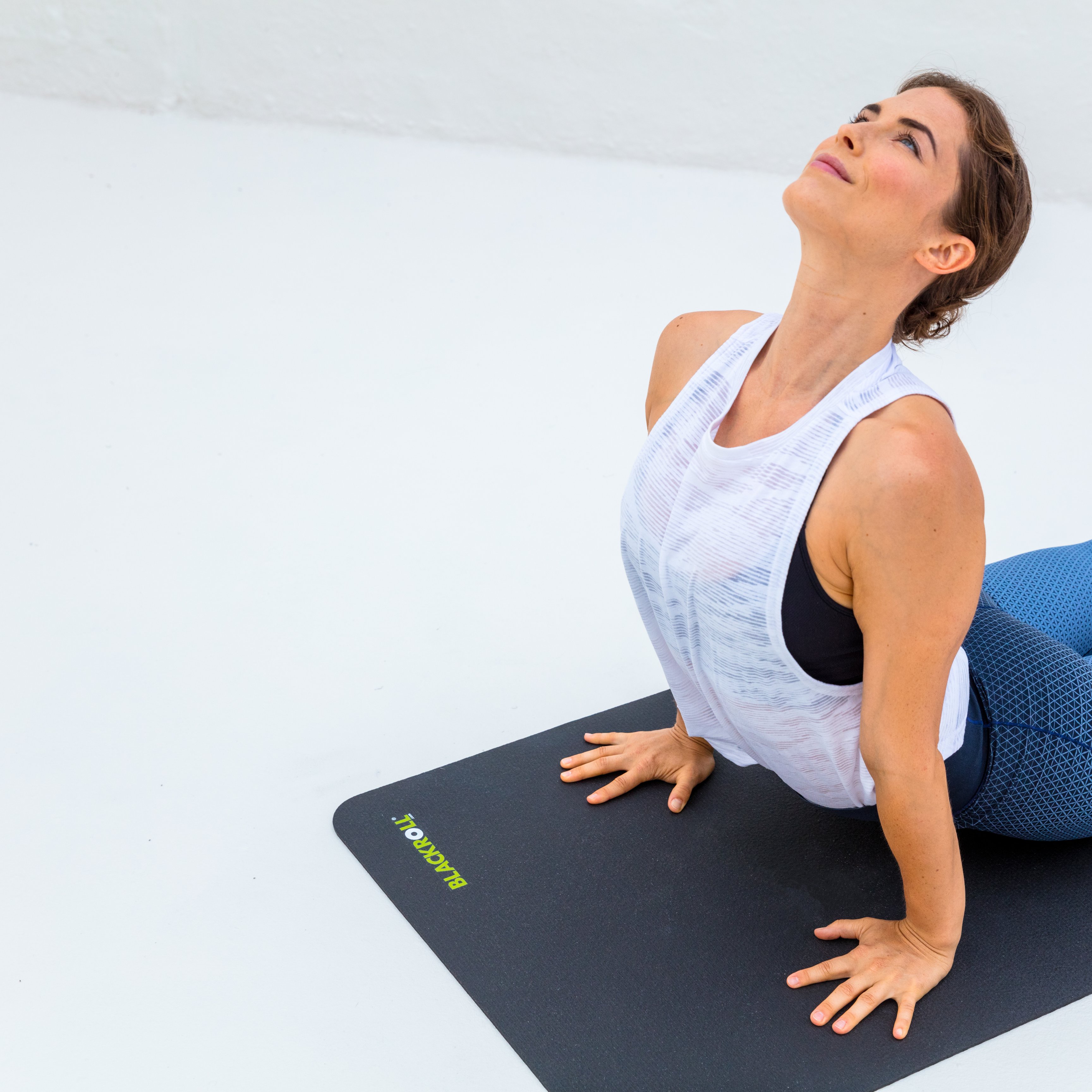
Fascia training with fascia balls or a fascia roller helps release adhesions and tightness in the muscle and fascia tissue.
This exercise works like a massage. It promotes blood circulation and the exchange of interstitial fluid, stimulates metabolism, and relieves tension in the back.

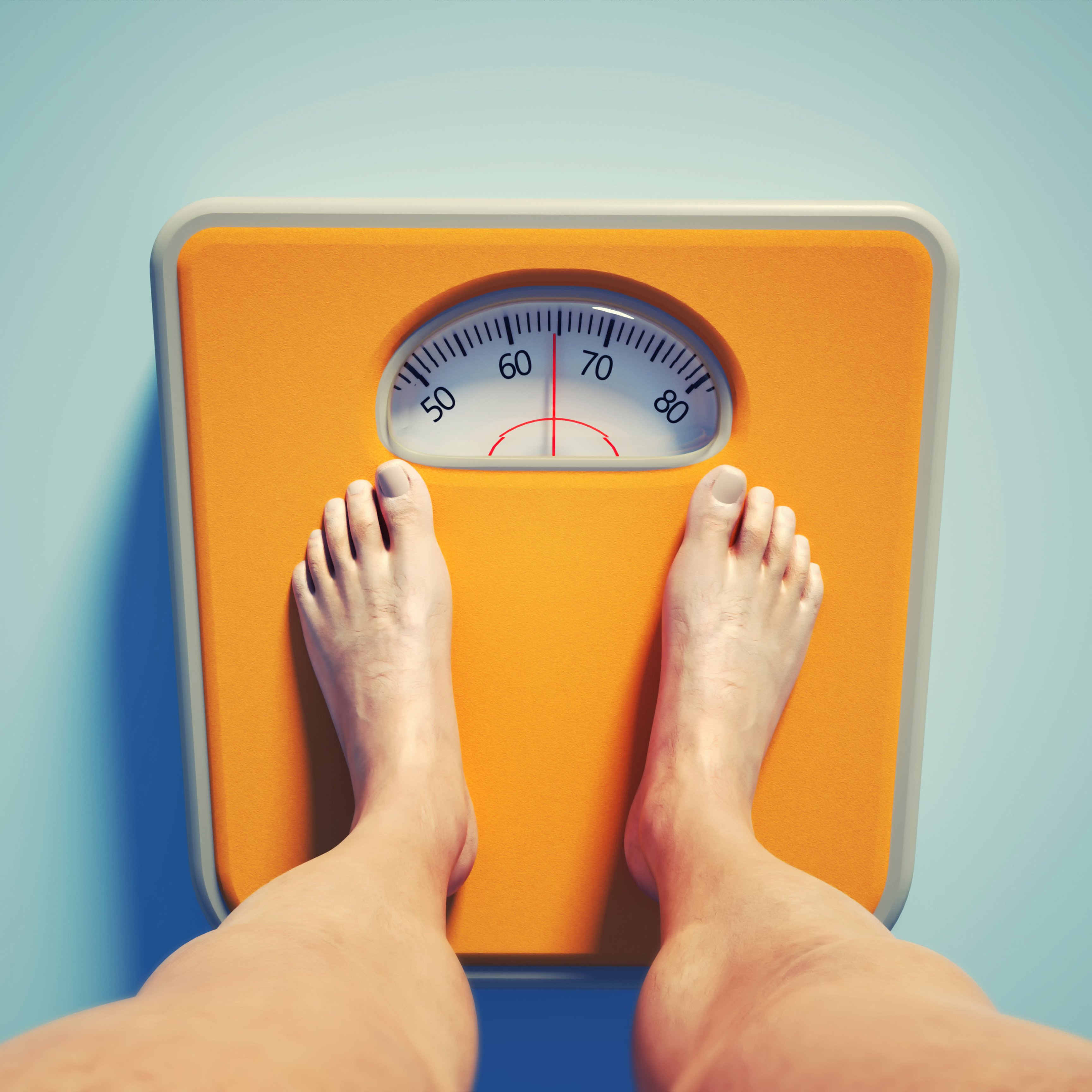
Excess weight places a heavy strain on the spine.
That’s why losing weight can help relieve pressure on the back.
Chronic back pain, in particular, can improve as a result.
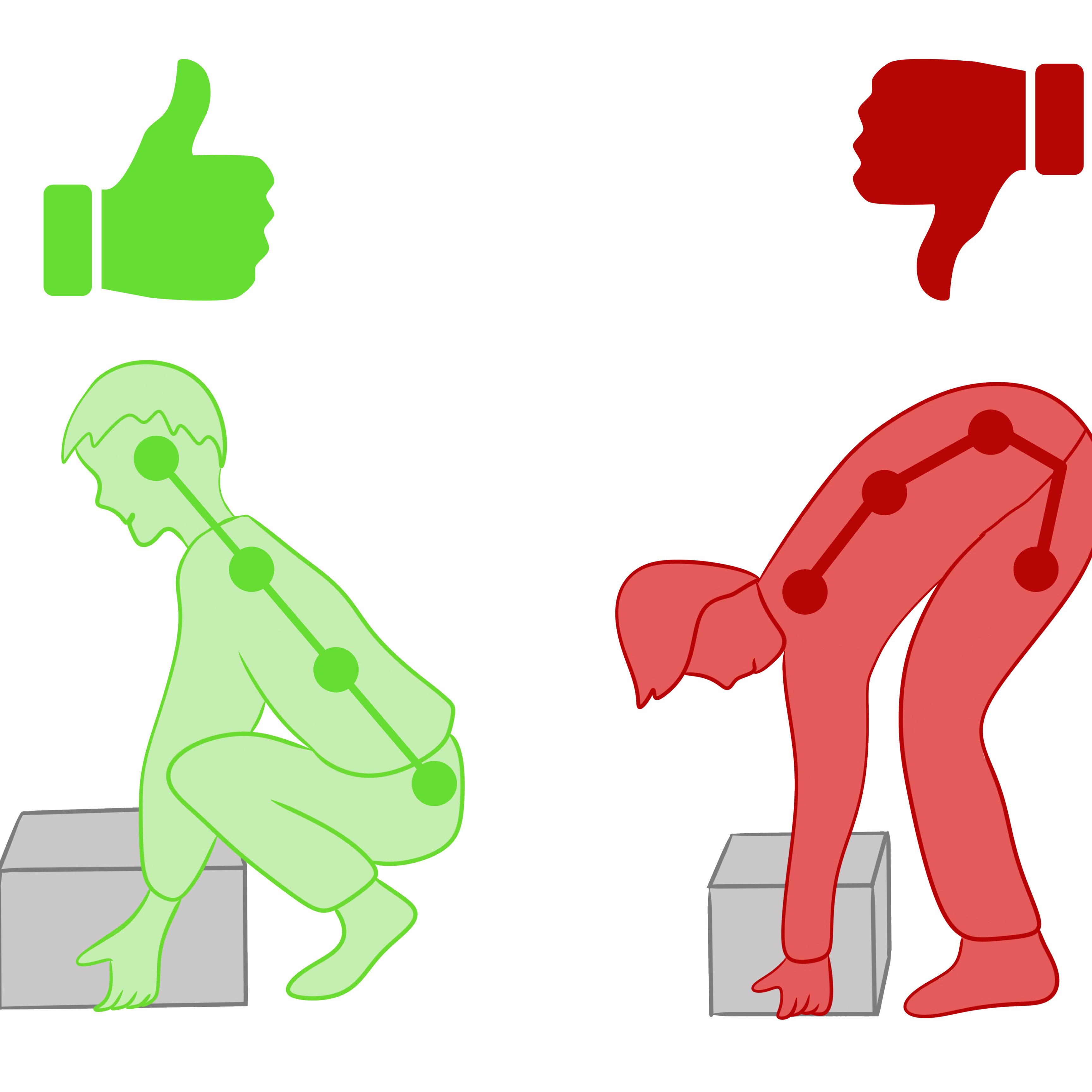
When lifting beverage crates or other very heavy objects, bend your knees while keeping your back straight and lift the load by extending your legs.
If you only bend your upper body forward, this causes the very jarring movement in your lower back that causes pain if your posterior myofascial chain isn’t conditioned.
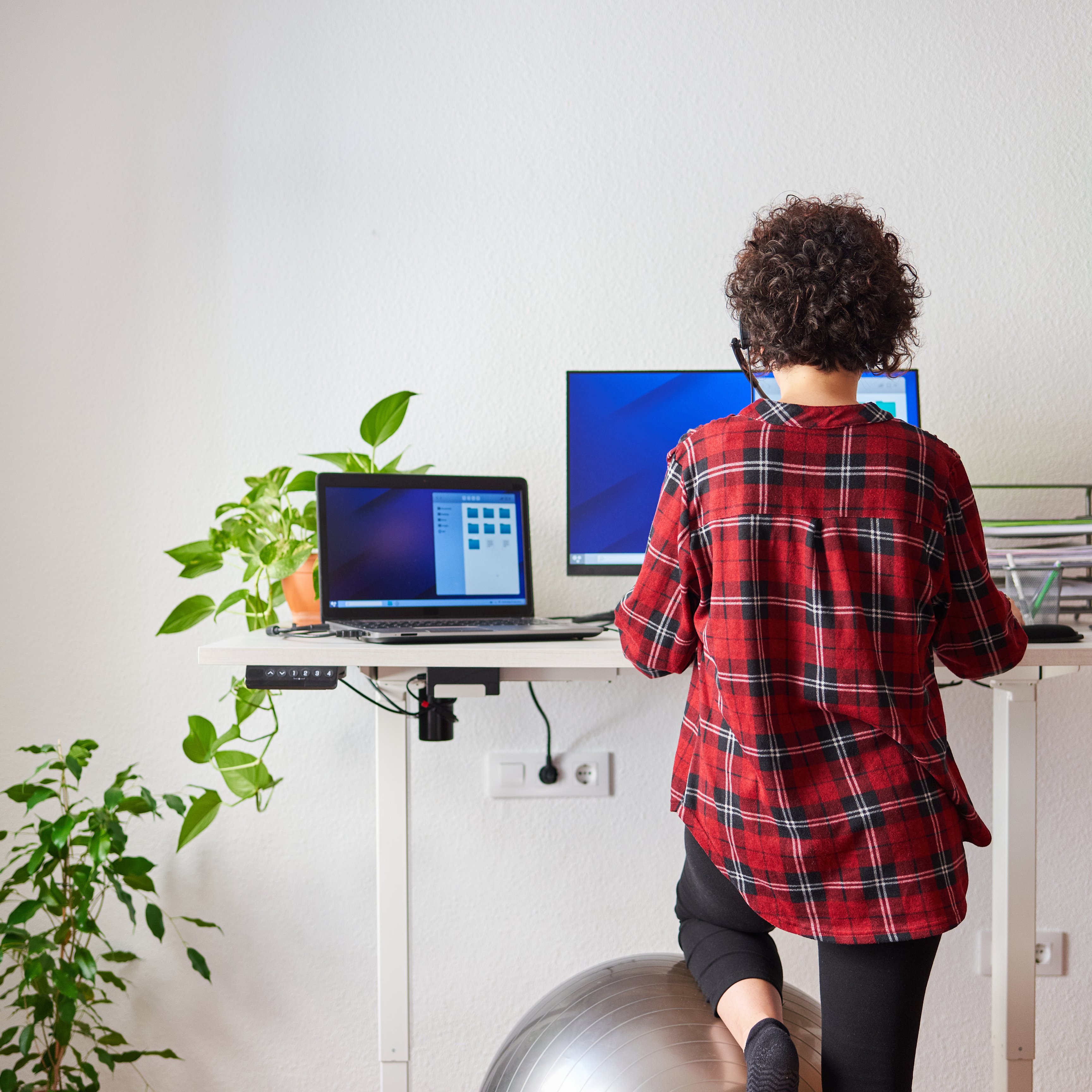
Set up your workspace to be back-friendly.
You can do this with ergonomic office furniture, an adjusted seat height, sufficient legroom, and proper computer positioning.
Also, make sure to maintain an upright posture and take breaks several times a day to do some quick back exercises.
Conclusion
Lower back pain is widespread among the general population.
Almost everyone is familiar with the sharp, pulling, or throbbing pain that suddenly shoots through the lower back during an unusual movement.
As unpleasant as back pain may be, muscle tension, poor posture, herniated discs, and lumbago can be effectively relieved through exercise, heat, and other conservative treatments.
To prevent back pain in the long term, it’s worth taking preventive measures such as exercise, relaxation, a healthy diet, fascia training, and an ergonomic workspace.