Light Sleep Phase: Why It’s So Important for the Sleep Cycle

We spend a large part of our night in the light sleep phase. And even though not as many processes take place during this phase as during deep or REM sleep, it is still essential for restful sleep. This is because during the light sleep phases, the body and mind come to rest and prepare for deeper sleep.
What happens during the light sleep phase?
Our sleep consists of recurring 90-minute sleep cycles, which are made up of different sleep phases: the falling-asleep phase, the light sleep phase, deep sleep, and the REM phase (dream sleep).
The light sleep phase (also known as the non-REM phase) can best be defined as the phase that typically occurs immediately after the falling-asleep phase in the sleep cycle and prepares the body for the upcoming deep sleep. Within a few seconds, the brain releases chemical substances that shut down consciousness. This is why we are no longer aware of the moment we fall asleep.
Light sleep is characterized not only by brain activity slowing down compared to when we are awake, but also by a slowing of eye movements. This is why this phase in the sleep cycle is also called the SEM phase (SEM = Slow Eye Movement).
In addition, heart rate, respiratory rate, and pulse slow down, and awareness of the surroundings diminishes. The body thus becomes calm but is not yet inactive and has already begun the process of regeneration.
Cell repair also takes place during the light sleep phase, though at a slightly lower level than during deep sleep. During this phase, the brain processes and stores information and impressions from the day by transferring them from short-term memory to long-term memory.
As the night progresses, deep sleep decreases, REM phases become longer, and light sleep increases. Although you wake up briefly between the individual sleep phases to reposition your body and promote blood circulation, most people aren’t even aware of it.
"The light sleep phase makes up a large part of our sleep cycle and is crucial for recovery and preparation for deeper sleep. During this phase, brain activity slows down, and the body begins to recover. Optimal conditions and pre-sleep routines can improve sleep quality and thus enhance well-being."
Dr. Fabian Krapf, sleep expert

What is light sleep?
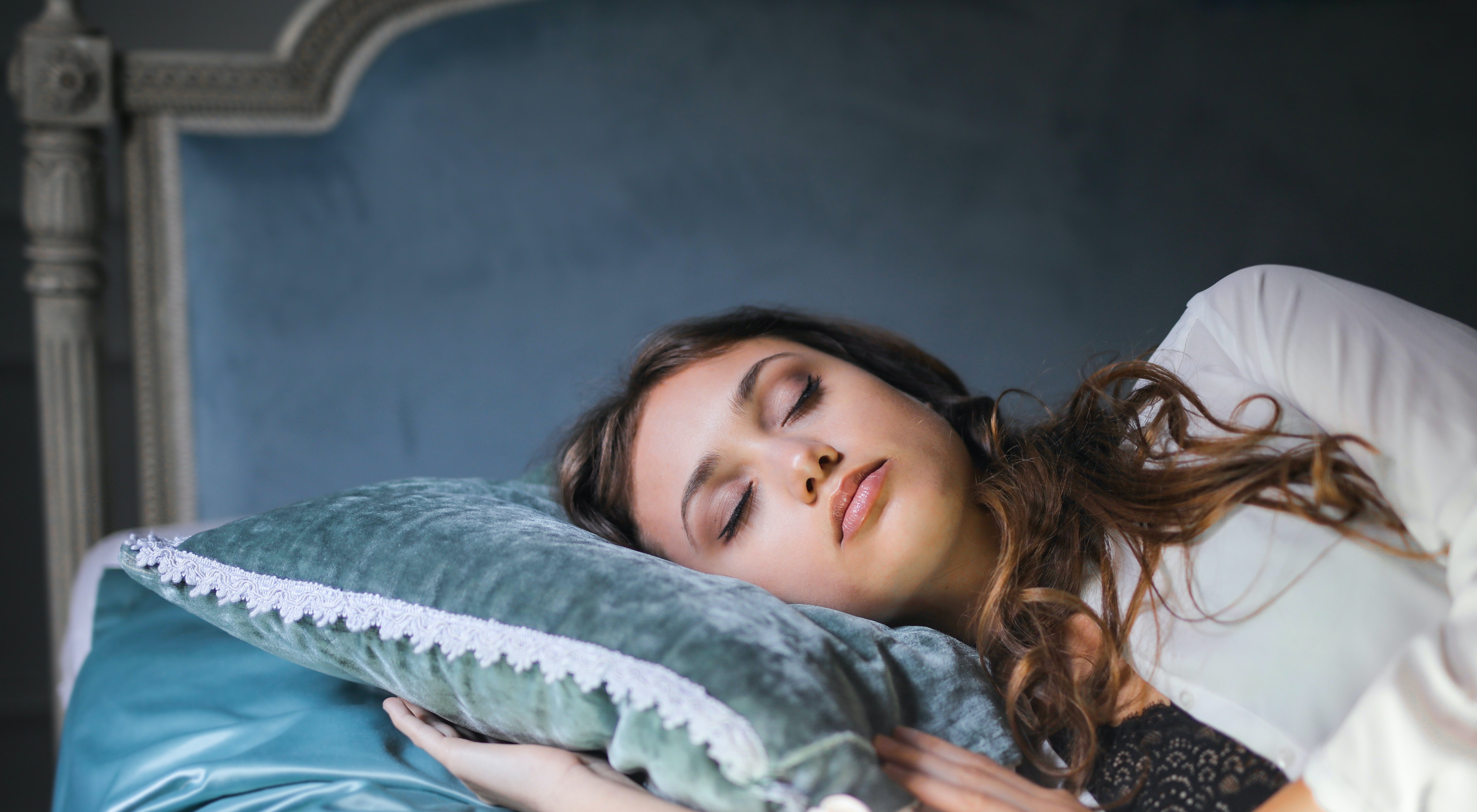
Light sleep is the hallmark of the light sleep phase. Light sleep refers to the phases in which we are in a state between wakefulness and deep sleep.
So as soon as we fall asleep, we enter a light sleep phase that slows down our entire physiological system, relaxes our muscles, and leads to calm breathing. Since the muscles in the soft palate also relax, snoring is typical of this sleep phase. Our eyes also barely move.
If we talk or move while sleeping, this typically happens when we’re in light sleep. Although dreaming is possible during this sleep phase, unlike in REM sleep, the dreams consist only of fragments rather than coherent stories. If you wake up during a light sleep phase, you’ll remember—if at all—only fragments of a dream.
Light sleep gets its name from the fact that you’re still sensitive to sounds or touch during this phase. As a result, you can wake up relatively quickly from this sleep phase and sometimes feel as if you hadn’t slept at all.
That’s exactly why a nap at noon or in the afternoon should last just long enough for you to wake up during the light sleep phase. Experts therefore recommend a power nap of no more than 20 minutes to benefit from the refreshing, restorative effects of a daytime nap. This prevents your body from entering the deep sleep phase, which would leave you feeling tired and worn out after waking up.
Duration of the light sleep phase
As part of the 90-minute sleep cycles that occur throughout the night, the light sleep phase accounts for the majority of a sleep cycle—about 60 percent. A duration of about 30 to 60 minutes of light sleep per sleep cycle is normal. So, someone who sleeps about 8 hours a night theoretically goes through 5 sleep cycles. That, in turn, would mean that we can spend a total of up to 5 hours per night in light sleep.
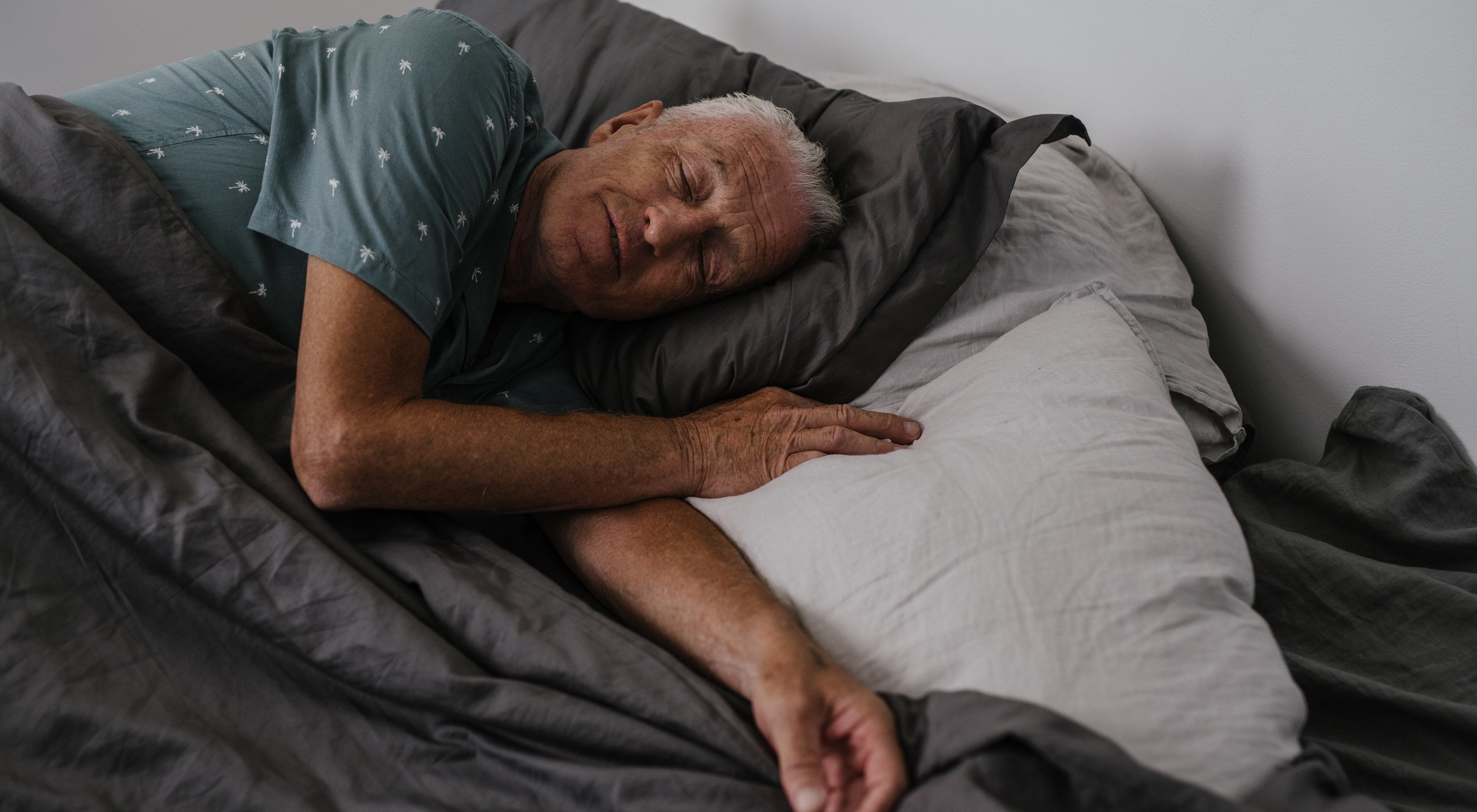
However, the amount of time a person spends in light sleep each night also depends on age. While adults spend more than half their sleep in light sleep, babies, on the other hand, do not experience any light sleep phases at all. And even in children, the amount of time spent in light sleep increases as they grow older. By the age of about 5, they even have the same sleep pattern as adults.
In middle-aged people, however, there may be more light sleep, as deep sleep phases decrease and are either replaced by phases of light sleep or disappear entirely, which can shorten the total duration of sleep.
However, since light sleep is generally perceived as less restorative than deep sleep or REM sleep, this can lead to a feeling of poor sleep quality. Typically, sleep duration decreases steadily up to the age of 80.
The light sleep phase acts as an internal alarm clock in the morning
While deep sleep dominates the first sleep cycles of the night, the second half of the night is typically characterized by light sleep and dream sleep. And this is for very practical reasons.
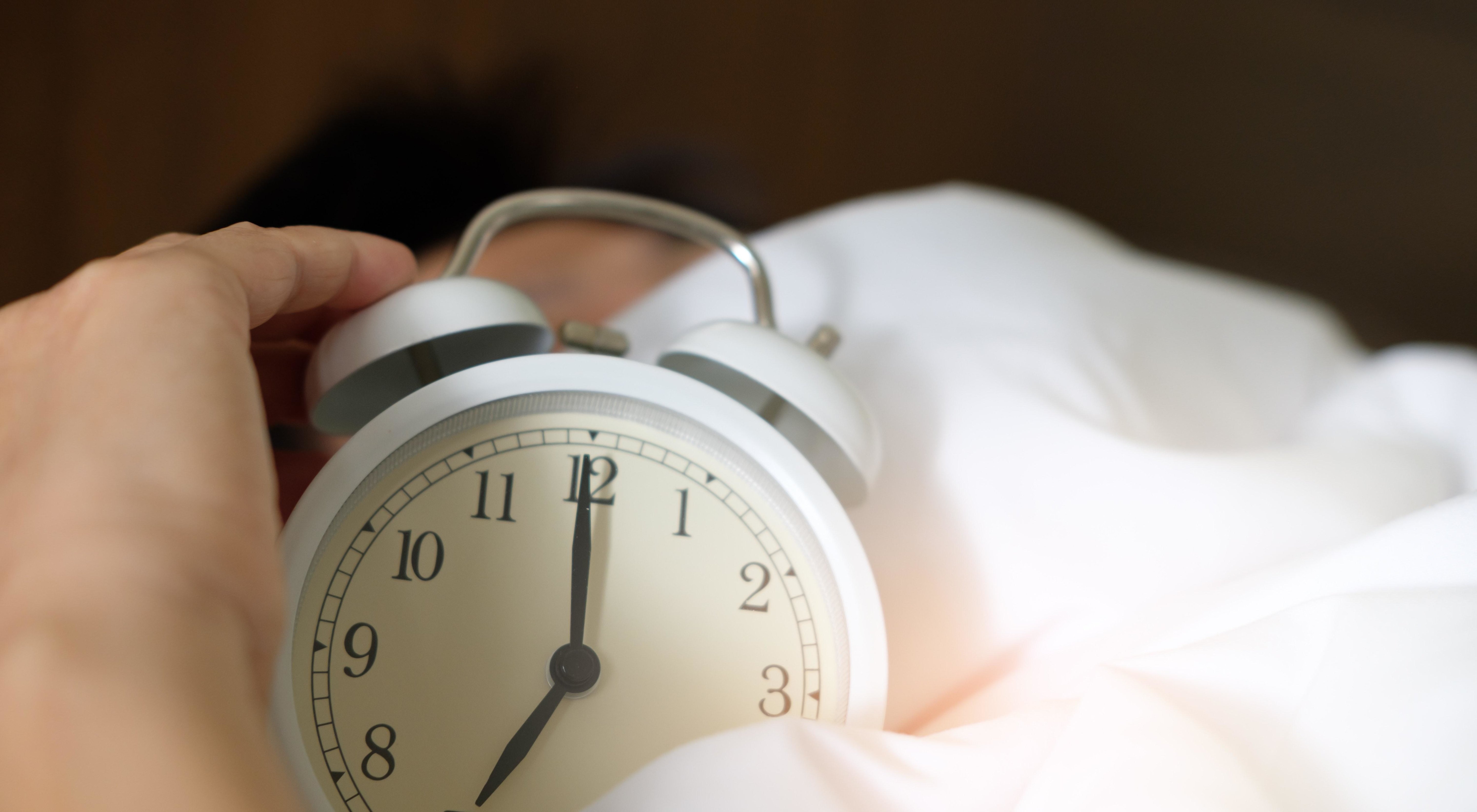
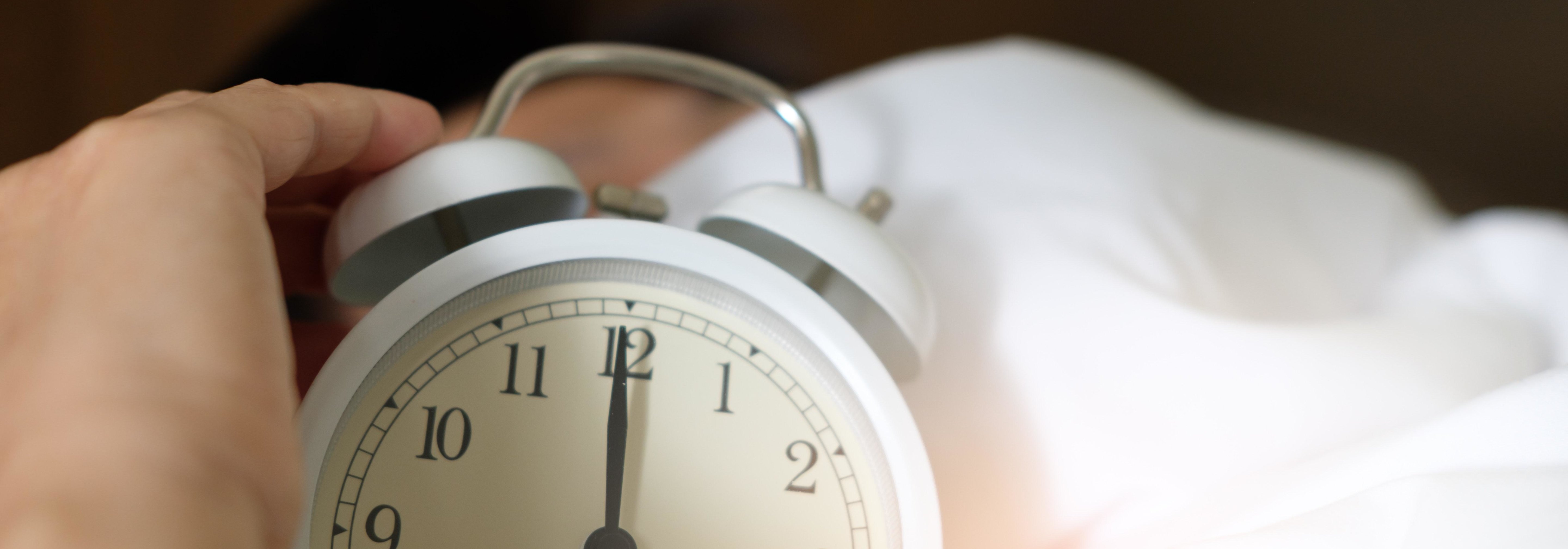
In the last third of the night, light sleep prepares us for waking up. The release of larger amounts of the stress hormone cortisol gets our circulation going. Blood pressure rises, we become increasingly alert, and our sleep becomes more restless, as the neurotransmitter signals to our body and mind that it’s almost time to wake up. This mechanism thus functions like the body’s own alarm clock and prepares us for the day ahead.
However, since very few people can get up when their body’s own alarm clock tells them to—due to their work schedules—a sleep-phase alarm clock can help with waking up. This is because it uses motion detection to align with the user’s chronobiological rhythm and wakes them during a favorable phase of their sleep cycle. Ideally, this is light sleep with a shallow sleep depth.
To do this, you don’t set an exact time on the alarm clock; instead, you specify a defined time frame or the latest time by which you must be up. The motion sensor detects that the sleeper moves less during a deep sleep phase and therefore selects a phase with more movement as the wake-up time.
The alarm clock thus determines the best time to wake up based on the sleeper’s biorhythm. However, this can result in being woken up as early as 30 minutes before the actual time you need to get up.
The Importance of Sleep Latency and Tips for Better Light Sleep
Sleep latency, or the time it takes to fall asleep, refers to the time it takes a person to reach the first stage of sleep from the moment the lights are turned off. On average, it ranges from 13 to 17 minutes for adults.
It’s perfectly normal that you don’t fall asleep immediately after lying down every night. Disturbing thoughts, stimulating drinks or foods, a stuffy nose from a cold, or even not getting enough exercise during the day can reduce your sleep drive, making it hard to wind down.
However, if it regularly takes you longer than 20 minutes to fall asleep and this condition persists for at least 4 weeks, you may be experiencing an acute sleep disorder or an adjustment disorder. This is usually triggered by stressful life events.
In contrast, if you have a chronic sleep disorder, you’ve likely been struggling with difficulty falling asleep and staying asleep for a long time. The benchmark for this is experiencing sleep problems on 3 nights per week over a 3-month period. A multiple sleep latency test in a sleep lab can determine whether there’s a disturbance in your sleep-wake regulation.
Often, simply changing your sleep routine and sleep environment can help improve your sleep latency and help you fall asleep faster. Here are 7 tips to help you ensure better sleep quality even before you fall asleep:
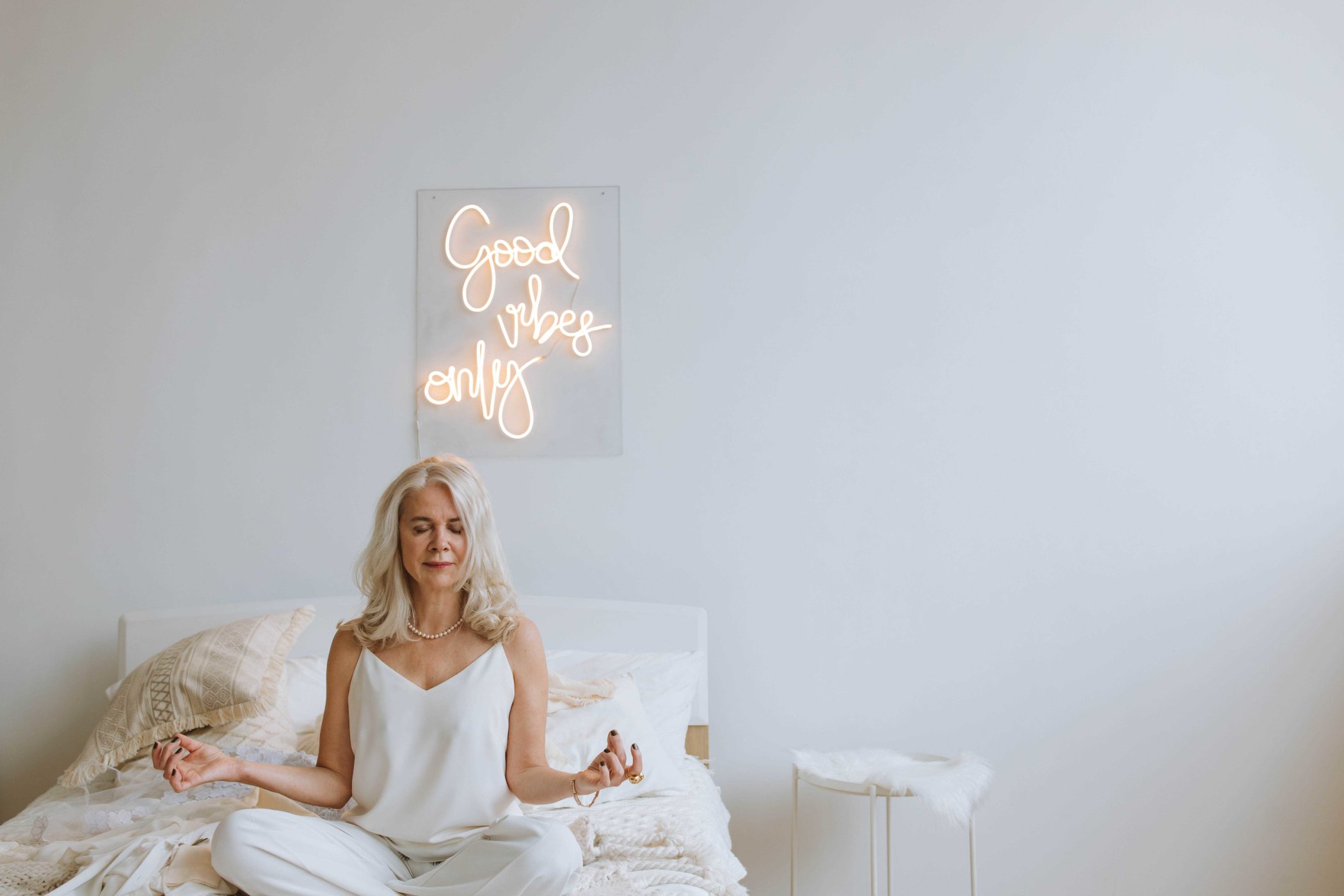
Relaxing activities: When thoughts, fears, and worries from our personal and professional lives keep us from resting, relaxation techniques can stop the mental chatter. So incorporate conscious deep breathing, yoga, progressive muscle relaxation, or regular meditation into your evening routine. These can help reduce anxiety and prepare you for a restful night’s sleep.
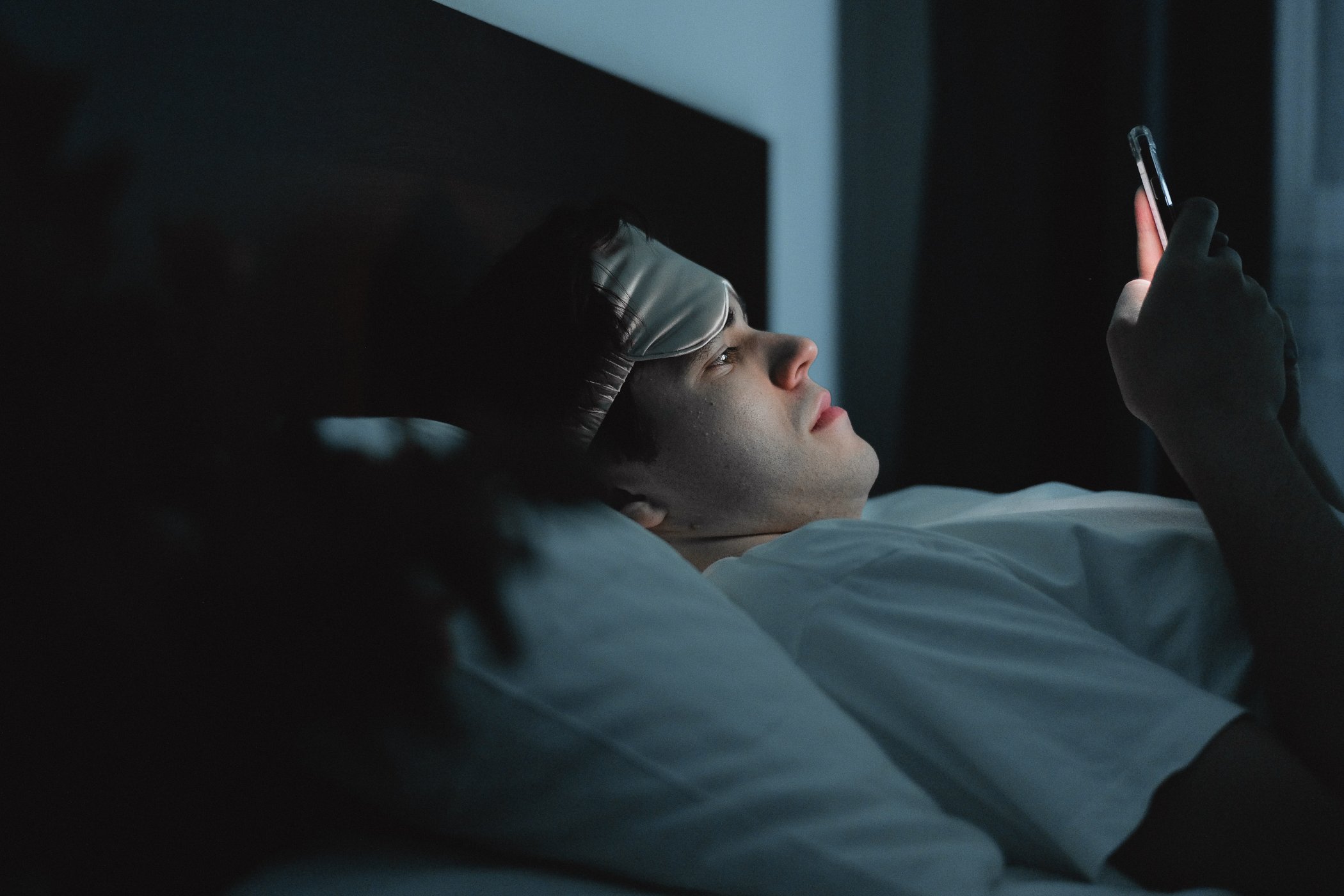
Ban electronic devices from the bedroom: The body can only release melatonin—a hormone so important for sleep—when it’s dark. Too much light in the room—as well as using electronic devices in the bedroom shortly before bedtime—can interfere with the process of falling asleep. This is because tablets, TVs, smartphones, and laptops emit blue light, which suppresses the sleep hormone and prevents us from getting tired. So it’s best not to bring these devices into the bedroom at all.

Avoid coffee and alcohol: Whilea morning cappuccino can help you feel more alert, you should steer clear of coffee and caffeinated sodas 4–6 hours before bedtime, as they raise blood pressure and heart rate and have a stimulating effect. Although alcohol often has a calming effect and makes you drowsy, the effects of drinking late at night become apparent in the middle of the night, when we’re lying wide awake in bed. According to studies, alcohol is said to shorten REM sleep phases. And these, in turn, are essential for rest, recovery, and overall good sleep quality.
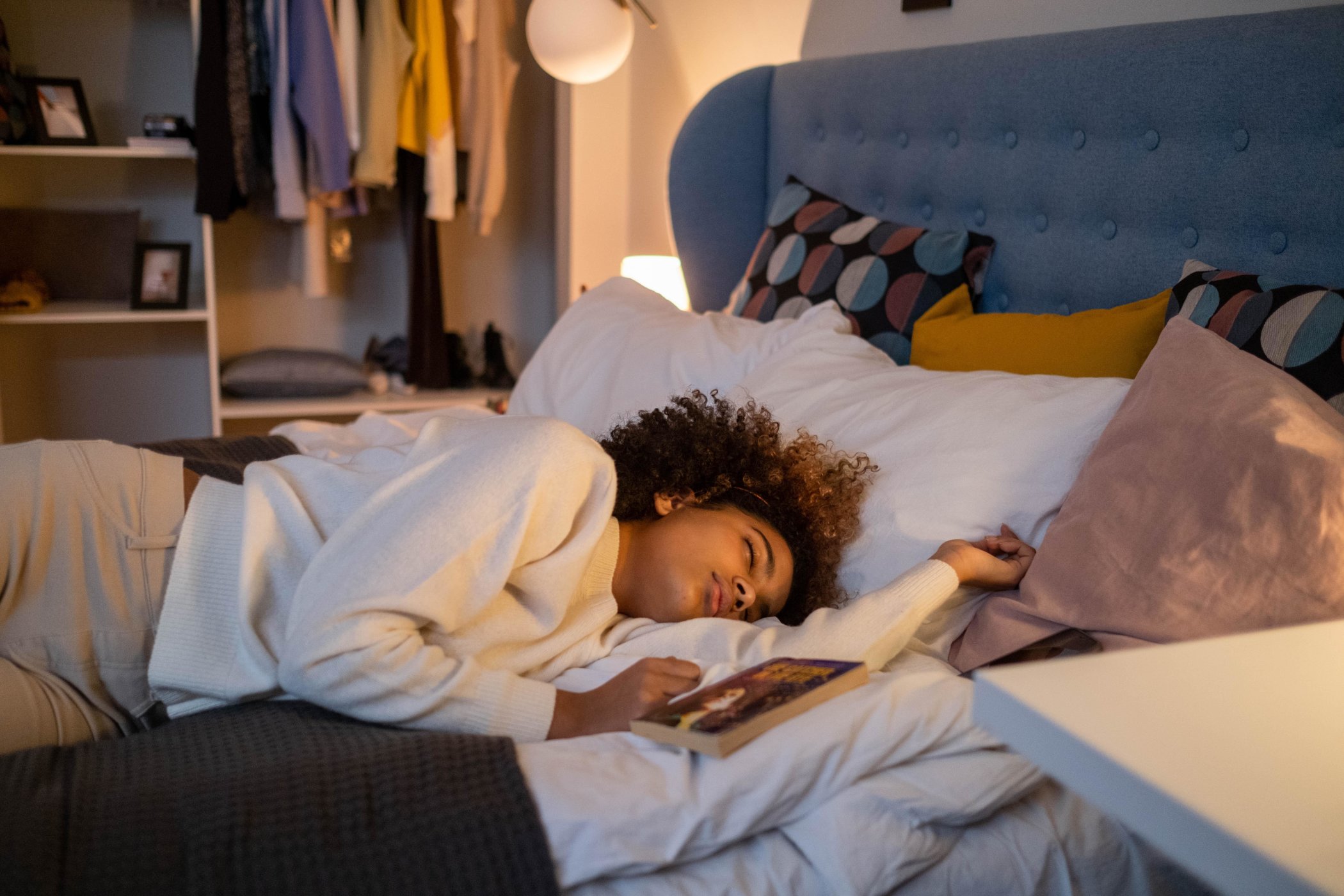
Optimize your sleep environment: A quiet and relaxing sleep environment can work wonders when it comes to falling asleep and staying asleep. Therefore, make sure the room temperature is such that you’re neither shivering nor sweating (16–19 degrees is ideal). Also, make sure your surroundings are free from noise and other sources of disturbance. An optimal sleep environment also includes a mattress and pillow that provide optimal support for your body in every sleeping position. Because if you wake up multiple times during the night due to an uncomfortable sleeping position, your sleep cycle starts over again and again.
Special ergonomic pillows, such as the RECOVERY PILLOW from BLACKROLL, can relieve pressure on the cervical spine in any sleeping position and help prevent tension and stiffness.

Avoid exercising before bedtime: Physical activity and exercise during the day can have a positive effect on sleep during the light sleep phase, as they tire out the body and make you sleepy. However, you should avoid overly stimulating or invigorating workouts or cardio sessions in the evening. This is because they get the body so worked up that your systems rev up instead of winding down. For better sleep, you can instead calm your body and mind with relaxation techniques such as autogenic training, progressive muscle relaxation, meditation, or yoga.

Eat enough in the evening: Stuffing yourself right before bedtime isn’t a good idea. Instead of winding down and preparing for sleep, your body is now busy digesting. But you shouldn’t go to bed hungry either. When we feel hungry, the hormone ghrelin is released, which triggers a kind of alarm response in the brain. Even a small snack before bed can help regulate this hormone and help you fall asleep and stay asleep.
In the evening, it’s best to eat foods that contain tryptophan. This amino acid is converted by the body into melatonin, which in turn makes us sleepy. Tryptophan is found primarily in fish and seafood, soy, milk, cocoa, bananas, and nuts.
Stick to a regular bedtime: To help your body and mind adjust to an optimal sleep-wake cycle, you should go to bed and wake up at the same time every day whenever possible. This supports your natural circadian rhythm, since irregular bedtimes completely throw off your internal clock. And even though it’s tempting to sleep in really late on the weekends, it’s actually better for your health to stick to regular wake-up and bedtime schedules even on your days off.
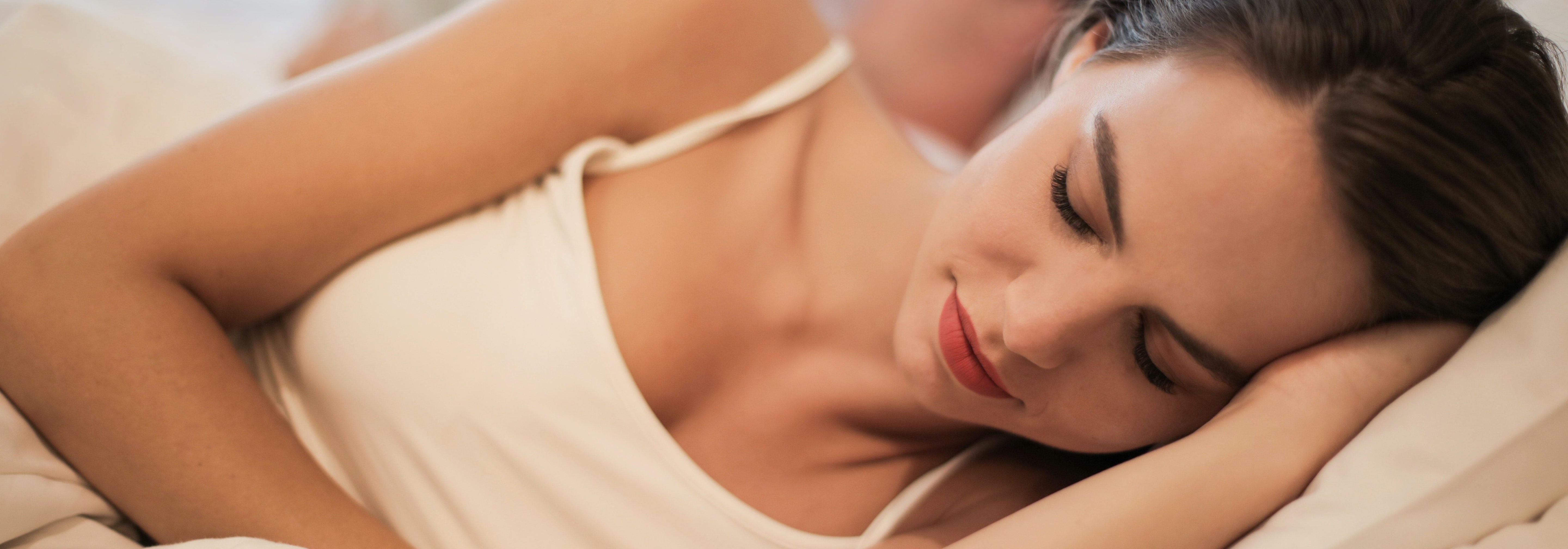
Conclusion: Light Sleep
The light sleep phase paves the way for relaxed and restorative sleep and should therefore not be underestimated in terms of its importance. Try to support your body and mind as best as possible when falling asleep to improve your sleep quality and, in turn, boost your energy levels in your daily life. Optionally, you can also use an ergonomic side-sleeper pillow.
Also interesting






Fall Asleep More Easily
Recovery Blanket Summer
Available in multiple variants