
Fall-Asleep Phase: The Key to a Restful Night

During the night, we go through several sleep cycles with different, alternating sleep stages. The falling-asleep phase at the beginning of the first sleep cycle is already of great importance, as it paves the way from wakefulness to a relaxed, restful night. Thanks to this phase, cell regeneration and the processing of sensory impressions can proceed at full speed during the subsequent sleep phases, allowing our energy reserves to recharge.

Sleep better, live healthier—with our sleep course. Up to 100% refund.
Discover the online sleep course now

What happens when you fall asleep?
The falling-asleep phase refers to the first stage of the sleep cycle at the beginning of the night, followed by the light sleep phase, deep sleep phase, and REM phase (dream sleep). The falling-asleep phase is the lightest stage of sleep in the sleep cycle and typically lasts about 20 minutes. However, it varies from person to person and can begin as early as 5 minutes.
Throughout the day, the body releases adenosine, a substance that makes us feel tired. The concentration of adenosine in the brain rises steadily during the day, causing us to feel increasingly tired the longer we stay awake. At some point in the evening, the concentration of these natural substances in the body becomes so high that the accumulated tiredness (sleep pressure) causes us to fall asleep.
While we are in the state between wakefulness and sleep, the body prepares for the coming night and shuts down all systems. To do this, the pineal gland produces the sleep hormone melatonin, which is released as soon as it gets dark and regulates our internal clock. Melatonin production does not peak until the middle of the night and gradually decreases until we wake up in the morning. During the light sleep stage, breathing becomes calmer and shallower, and brain waves slow down, just like the pulse. The muscles also relax, and eye movements occur rarely or not at all (unlike during REM sleep).
As veins and blood vessels dilate, body temperature drops, which can lead to a slight feeling of chill. We are still aware of sounds or touch as we fall asleep, so even minor disturbances can quickly wake us up again.
"The falling-asleep phase plays an important role in our sleep cycle because it paves the way from wakefulness to a relaxed, restful night. Thanks to this phase, cell regeneration and the processing of sensory impressions can proceed at full speed during the subsequent sleep phases, and our energy reserves can be replenished."
Dr. Fabian Krapf, sleep expert

Jerking awake while falling asleep: Here are the reasons
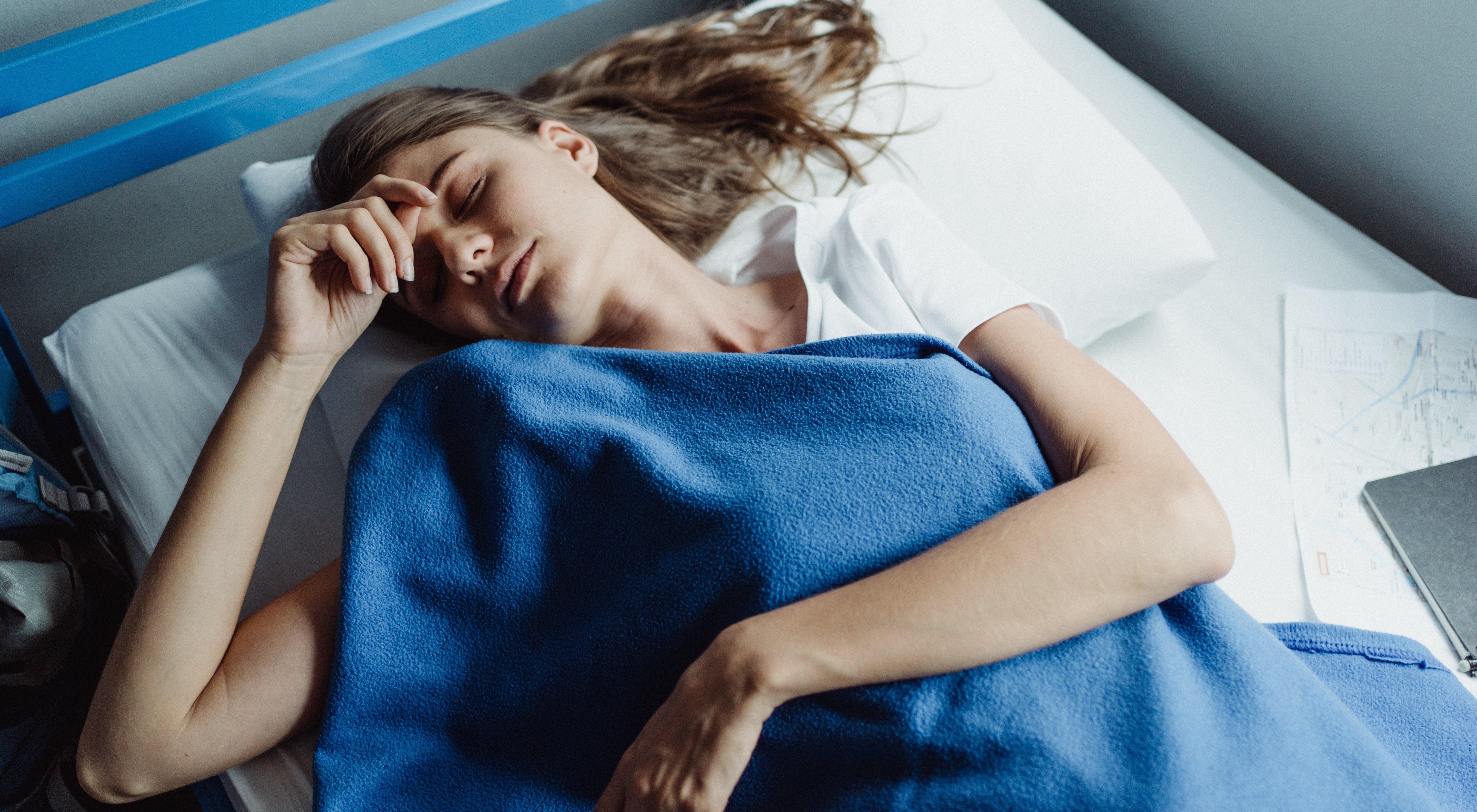
Body twitches (known in medical terms as sleep-onset myoclonus or sleep-onset myoclonias) are quite common at this stage and can vary in intensity. For some people, they cause them to startle as they fall asleep. Or they can create the sensation of falling while asleep—though often you don’t really notice them yourself.
Muscle twitches can generally occur in any form and affect either individual muscles or entire muscle groups. With sleep-onset twitches, however, the movements usually originate primarily in the arms and legs.
These twitches and the sensation of falling while asleep mainly occur because, during this stage of sleep, the body shuts down all bodily functions, including the nervous system. Among other things, this leads to a release of muscle tension.
However, since not all areas of the body switch to sleep mode simultaneously at this stage, it can happen that, on the one hand, the muscles still receive movement impulses via nerve receptors during the falling-asleep phase, while, on the other hand, parts of the brain are already in sleep mode. The brain functions that are still active then cause the muscle twitches due to the transmitted stimuli.
As a rule, these twitches or startles are not harmful to health and can be attributed to the relaxation of the muscles during the falling-asleep phase. For some people, however, falling-asleep myoclonus can be a symptom of an underlying medical condition—especially if twitches also occur during sleep in the middle of the night. This is because such twitches should not occur during other sleep stages or outside the falling-asleep phase.
In such cases, the underlying cause could include Parkinson’s disease, Alzheimer’s, dementia, kidney failure, a metabolic disorder, or liver disease. Most of the time, however, these twitches aren’t the only symptoms of these conditions. So if you or your partner notice an increase in twitching, especially at night, it’s best to get checked out by a doctor just to be safe.

Difficulty Falling Asleep: Causes
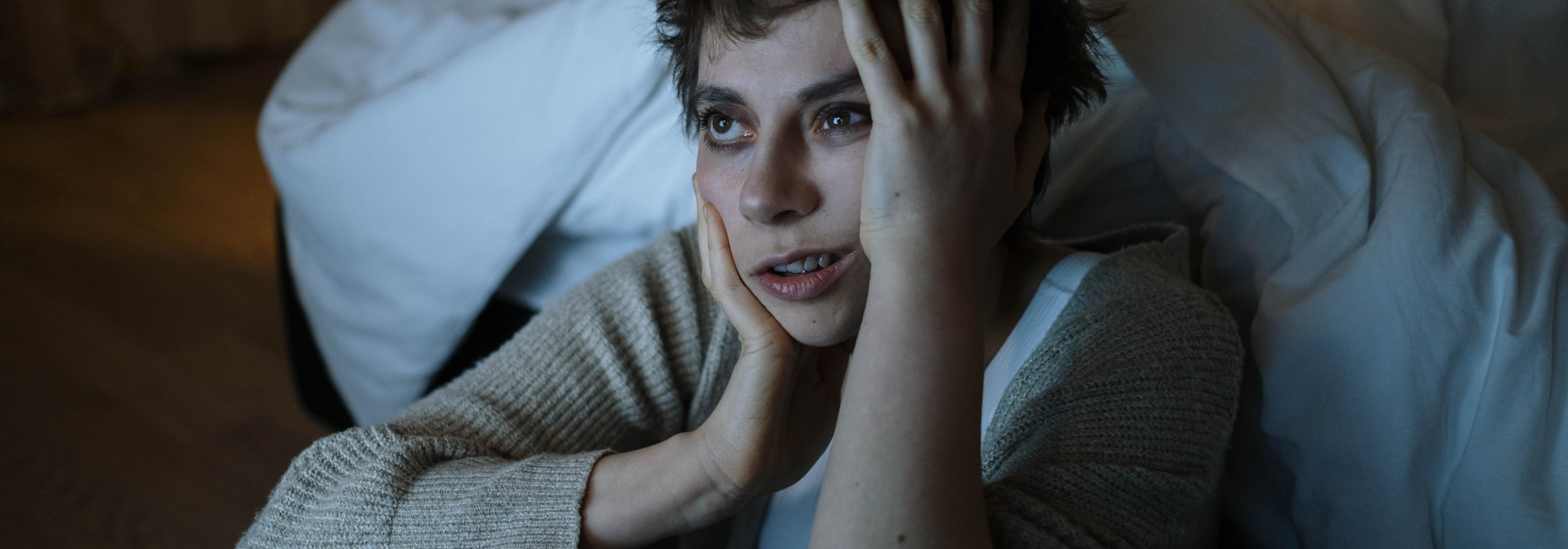
Most people don’t fall asleep immediately every night after lying down. And that’s completely normal and nothing to worry about. However, if you struggle night after night to transition from wakefulness to sleep and this causes you significant distress, you may already be experiencing difficulty falling asleep.
A difficulty falling asleep is defined as having trouble falling asleep for at least four consecutive weeks and, despite feeling tired, taking more than 20 minutes to fall asleep before entering the light sleep phase.
Typically, difficulty falling asleep occurs alongside other forms of sleep disorders. Those affected may also find they can no longer sleep through the night, which in turn has a negative impact on REM sleep and deep sleep.

6 Tips for Falling Asleep More Easily
Stress and racing thoughts:
Often, thoughts, fears, and worries from our personal and professional lives prevent us from finding peace and lead to unsettling rumination that keeps us from relaxing.
That’s why you should incorporate relaxation techniques—such as conscious deep breathing, yoga, progressive muscle relaxation, or meditation—into your evening routine. These can help you calm your body and mind and prepare for sleep, which can also improve the quality of your sleep.- Food and Beverages:
Certain foods and beverages can also affect how easily you fall asleep. These include alcohol and caffeinated drinks such as coffee or soda. Both raise blood pressure and heart rate, thereby having a stimulating effect. To help you wind down, you should avoid drinking alcohol or smoking for 4 to 6 hours before bedtime. You should also avoid spicy foods (such as those containing ginger or chili) before going to sleep. They rev up your metabolism instead of slowing it down.
On the other hand, foods that promote the release of melatonin can help you sleep. These are foods that contain the amino acid tryptophan. If the body has enough of it, it can produce melatonin. Foods rich in tryptophan include bananas, cocoa, nuts, fish and seafood, eggs, soybeans, flaxseeds, lentils, and oatmeal.
- Bright/blue light:
The body can only release the sleep hormone melatonin when it’s dark. Too much light in the room—as well as using electronic devices in the bedroom shortly before bedtime—can interfere with the process of falling asleep. This is because tablets, TVs, smartphones, and laptops emit blue light, which suppresses the sleep hormone and prevents us from getting tired. So it’s best to ban these devices from the bedroom altogether and use roller shades and blackout curtains to create a dark sleeping environment.
- Poor Sleep Environment:
Your surroundings also play a significant role in falling asleep. For example, it’s recommended that the room temperature in the bedroom be around 18 degrees to improve the time it takes to fall asleep. But disruptive noise sources, an uncomfortable mattress, and an unsuitable pillow also contribute to a poor sleep environment. Optionally, you can use a memory foam pillow. If you wake up frequently during the night due to an uncomfortable sleeping position, the sleep cycle has to start over from the beginning with the falling-asleep phase.
To ensure you’re optimally supported in every sleeping position and don’t feel cold or sweat while falling asleep, your choice of pillow, mattress, and blanket also plays a crucial role. A well-fitting mattress adapts to the shape of your body and provides optimal pressure relief, just like your pillow. A suitable blanket ensures a comfortable sleeping environment.
- Stimulating activities before bedtime:
Getting plenty of exercise or working out during the day can positively influence the phase when you fall asleep. However, be cautious about exercising in the evening, as it can leave you feeling alert rather than tired. That’s why you should schedule activities like HIIT or cardio workouts—where you really push yourself—for the morning or afternoon, and instead use the evening for gentle yoga or meditation to promote relaxation and calm your body and mind.
- Going to bed hungry:
While a stomach that’s too full can also keep us from falling asleep, going to bed hungry isn’t a good idea either. That’s because hunger triggers the release of ghrelin, a metabolic hormone that regulates feelings of hunger and fullness. An excess of ghrelin puts the brain into a sort of alert state. A peaceful, relaxed drift off to sleep is out of the question at this point. Even a small snack before bedtime (preferably one containing tryptophan, see above) can keep the hormone in check and help you fall asleep and stay asleep.
The key to overcoming difficulty falling asleep and sleep onset disorders lies primarily in identifying the cause. Once you know what’s causing it, you can improve your sleep in the long term. So pay attention to whether the points mentioned above apply to you, and then try making some changes to your usual routines.
For more information on common mistakes to avoid during the falling-asleep phase and what to do if you’re having trouble falling asleep, check out our article on falling-asleep problems. There, you’ll find plenty of tips to make falling asleep easier and solutions to common challenges during this phase.
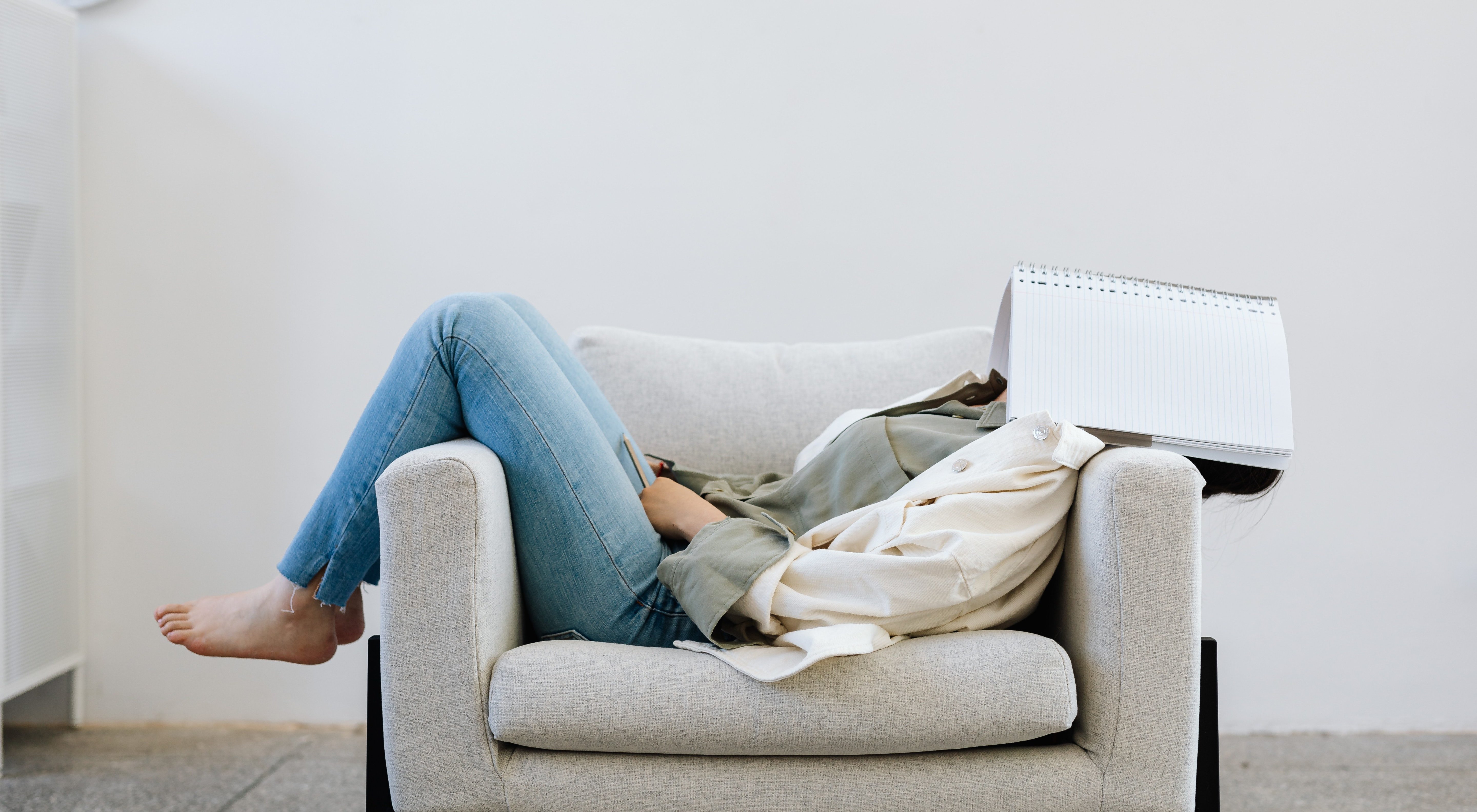

Power Nap as an Efficient Afternoon Nap
A short nap during the day that refreshes both body and mind has long been part of the culture in southern countries. In Spain, it’s called a “siesta”; in Japan, the midday rest is known as “inemuri.” And you don’t even have to lie down in bed for these. Even at your desk, a short nap can have positive effects.
But if you enjoy a daily nap, you should definitely set an alarm. That’s because a nap at midday or in the afternoon can affect how easily you fall asleep at night—at least if it lasts too long.
Ideally, you should therefore only nap for 20 minutes during the day. This prevents you from transitioning from light sleep to deep sleep, which means you won’t reap the benefits of such a power nap—instead, you’ll feel tired and worn out at first and have to get your circulation going again. In addition, sleeping too long during the day can lead to trouble falling asleep at night.
If, on the other hand, you have more time to sleep during the day, you can go through an entire 90-minute sleep cycle instead of taking a short nap to maximize your recovery.
Summary
In addition to deep sleep and REM sleep, which occurs during the REM phase, you should definitely also pay attention to the process of falling asleep. This is because the phase of falling asleep prepares us for the night and ultimately determines how deeply we experience the subsequent stages of sleep.
So if you’ve been struggling with falling asleep for more than a month and changing your sleep habits hasn’t helped, you should consider the possibility that you have a sleep-onset disorder and consult your primary care physician first.
Chronic sleep problems can be effectively treated with the right therapy. Then nothing will stand in the way of a restful night’s sleep.
Also interesting






Fall Asleep More Easily

Recovery Blanket Summer
Available in multiple variants