
Hatha Yoga – Basics, Benefits, and Typical Exercises

As a beginner in yoga, it’s easy to feel overwhelmed by the vast array of styles, techniques, and forms available. If this sounds like you, it’s a good idea to start with Hatha Yoga. Hatha Yoga is one of the oldest yoga styles and serves as the foundation for many modern forms of yoga. What defines this style are conscious postures, targeted breathing exercises, and a focus on relaxation.
Here you’ll learn what the basics of Hatha Yoga are, what scientifically proven benefits you can expect for your body and mind, and which exercises you can start with right away.
In a nutshell
- Hatha Yoga is one of the oldest styles of yoga and the foundation of modern forms such as Vinyasa or Yin Yoga.
- A typical session consists of breathing exercises (pranayama), static postures (asanas), and a final relaxation (shavasana).
- Scientifically proven: Hatha Yoga can reduce cortisol, improve flexibility, and relieve chronic back pain.
- Hatha Yoga is suitable for beginners as well as advanced practitioners—the intensity can be adjusted to suit individual needs.
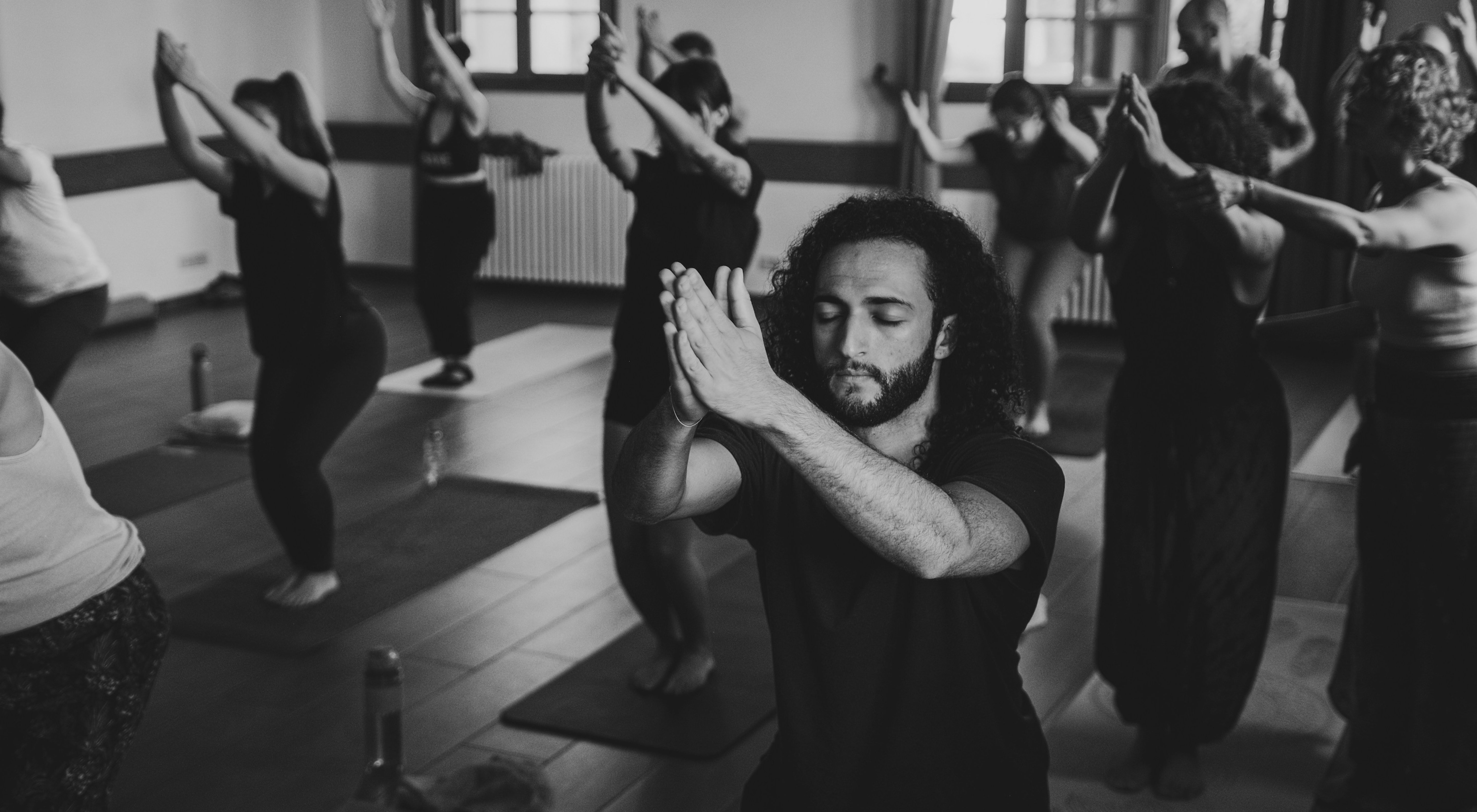
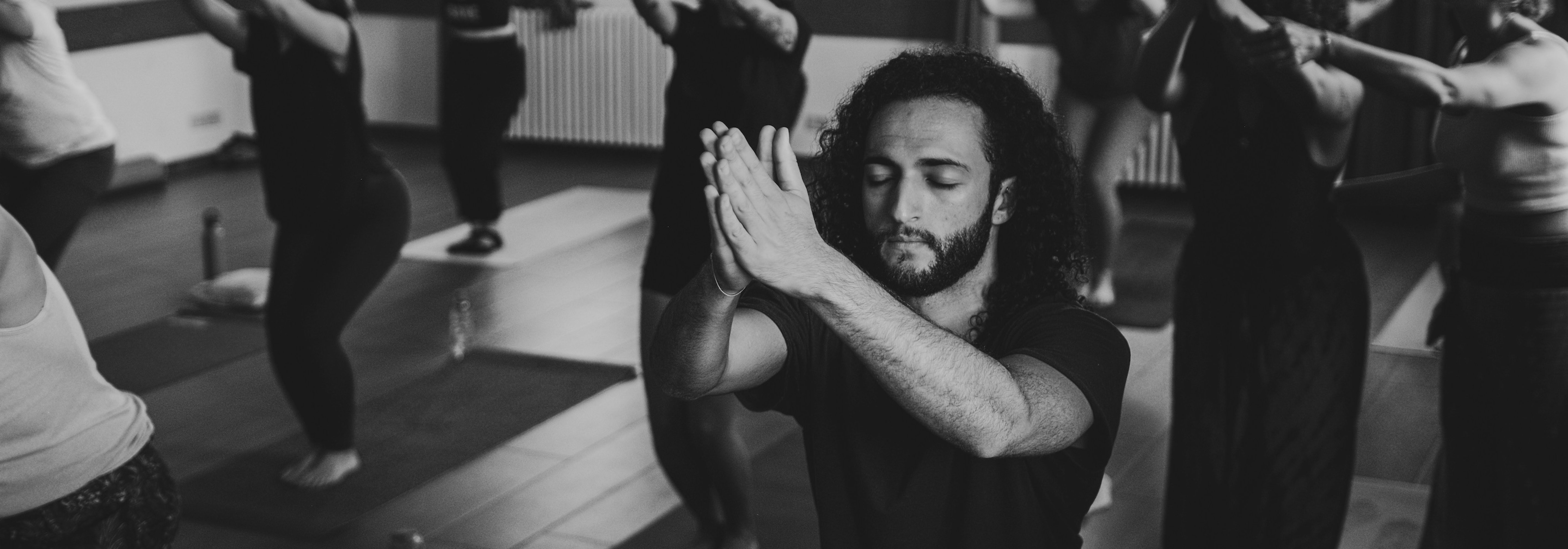
What Is Hatha Yoga? – Meaning and Origins
Hatha Yoga is a popular form of yoga designed to bring the body, mind, and spirit into harmony. It is one of the oldest known forms of yoga. As early as the 15th century, the exercises were described in Sanskrit in the Hathapradīpikā. However, sources suggest that the practice of these techniques in India dates back over 2,000 years.
- Hatha Yoga is known for its calming and mindful sequence. Great emphasis is placed on proper breathing techniques. The asanas, or physical postures, are held for periods ranging from a few seconds to several minutes.
- In the West, Hatha Yoga has established itself as an umbrella term for numerous styles—Vinyasa and Yin Yoga, for example, are based on its fundamental principles.
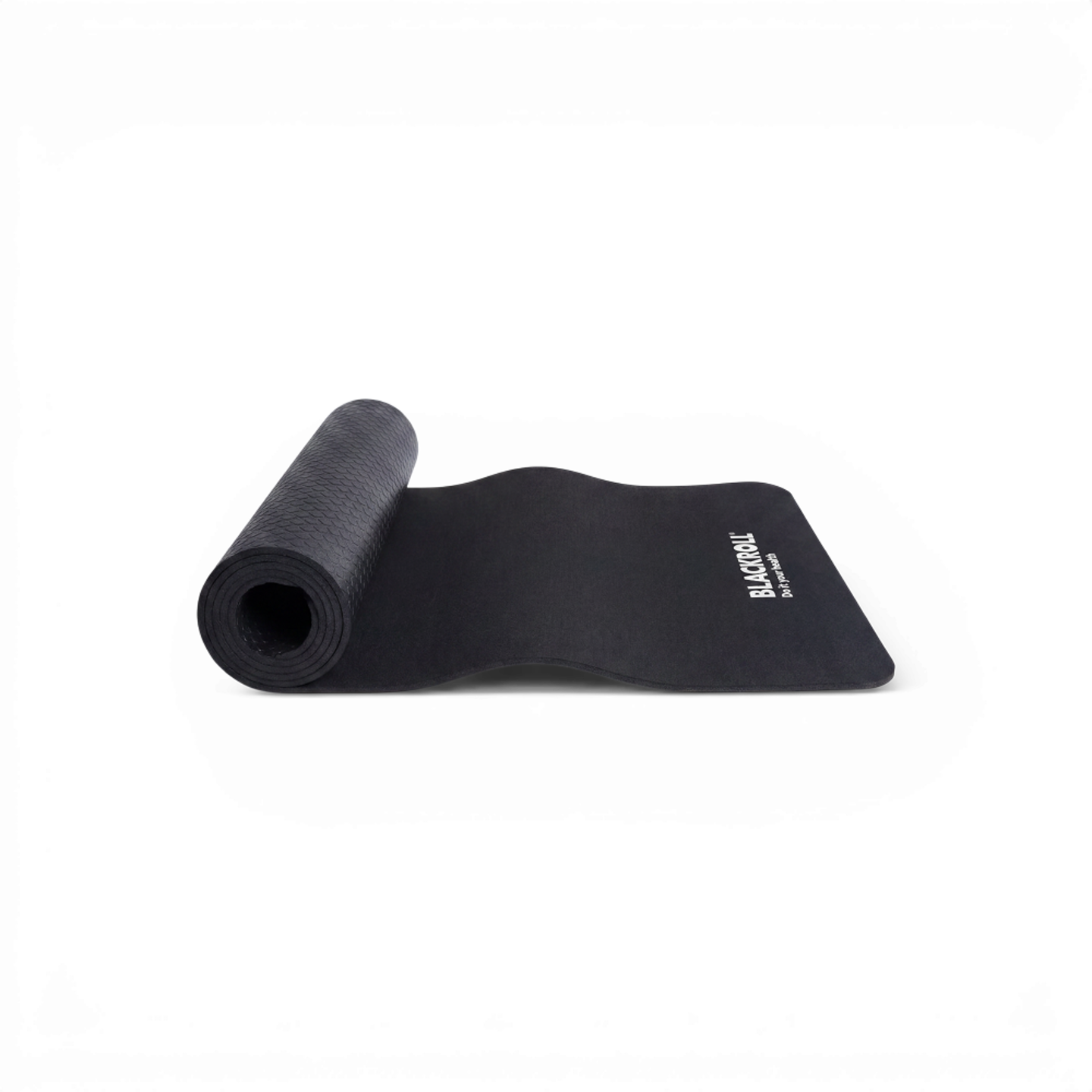
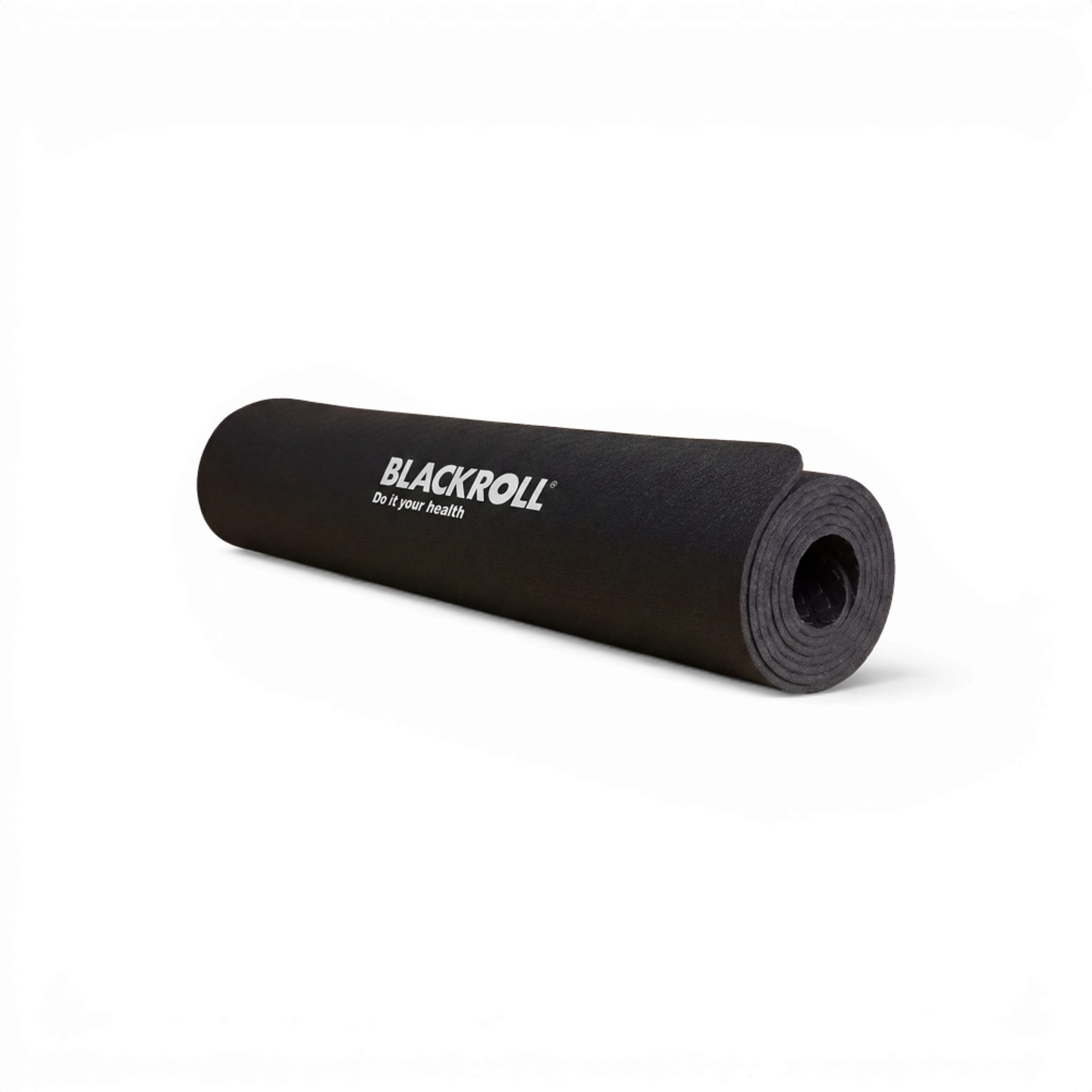



Hatha Yoga Basics – The Classic Structure
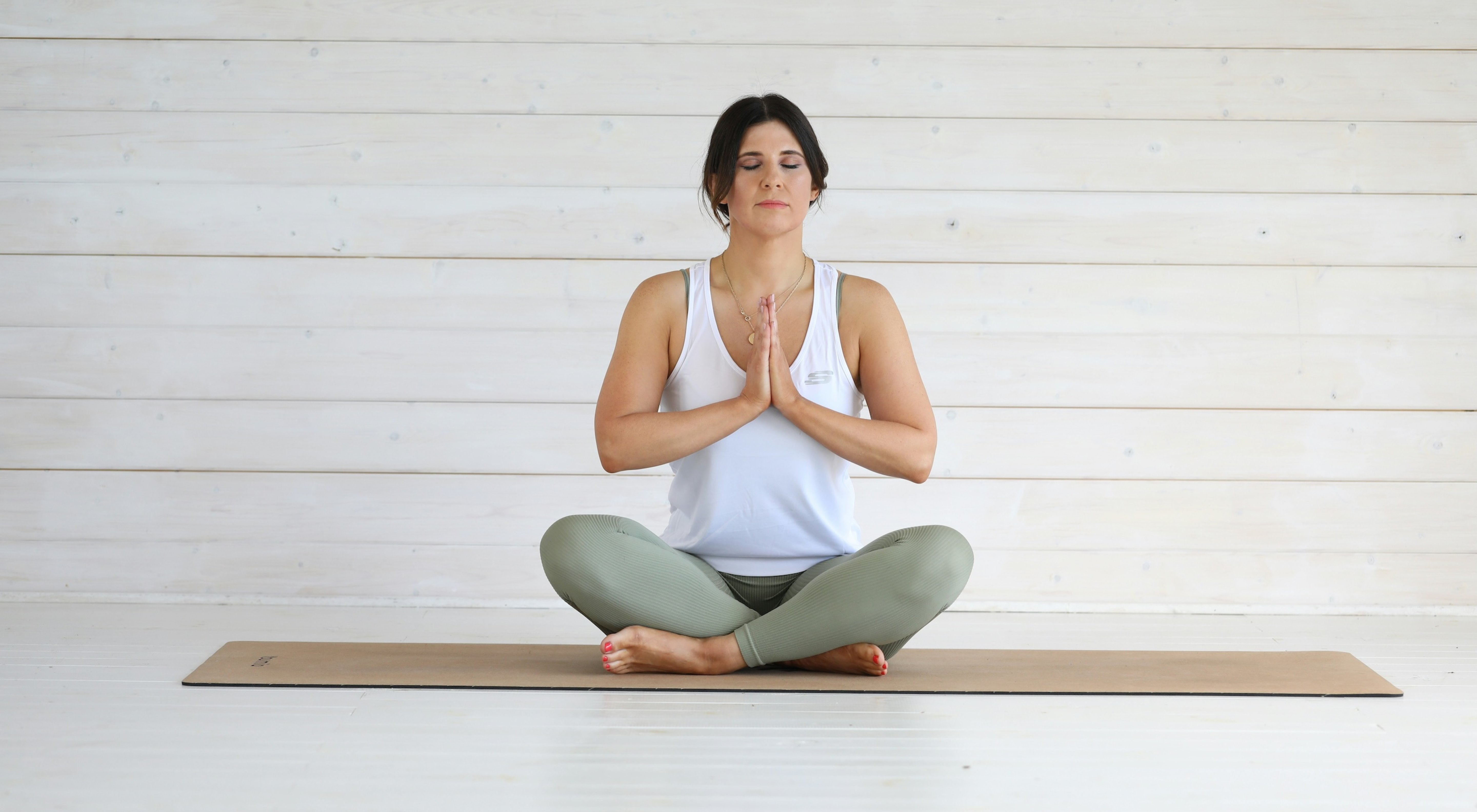
A typical Hatha session consists of three elements: breathing exercises (Pranayama), physical postures (Asanas), and a final relaxation (Shavasana).
Pranayama is an umbrella term for various breathing techniques in yoga. In a classic Hatha Yoga session, Pranayama comes first to prepare the body and mind for the exercises. This includes instructions on proper breathing for each asana.
The main part of a Hatha session consists of the asanas. Here, you move through postures in which certain body parts are often stretched and engaged, while others remain relaxed. These asanas are held for several breaths, often ranging from 30 seconds to several minutes.
The session concludes with Shavasana. During this, you lie on your back and deliberately relax your body and mind.

Benefits of Hatha Yoga: What Does the Practice Offer You?
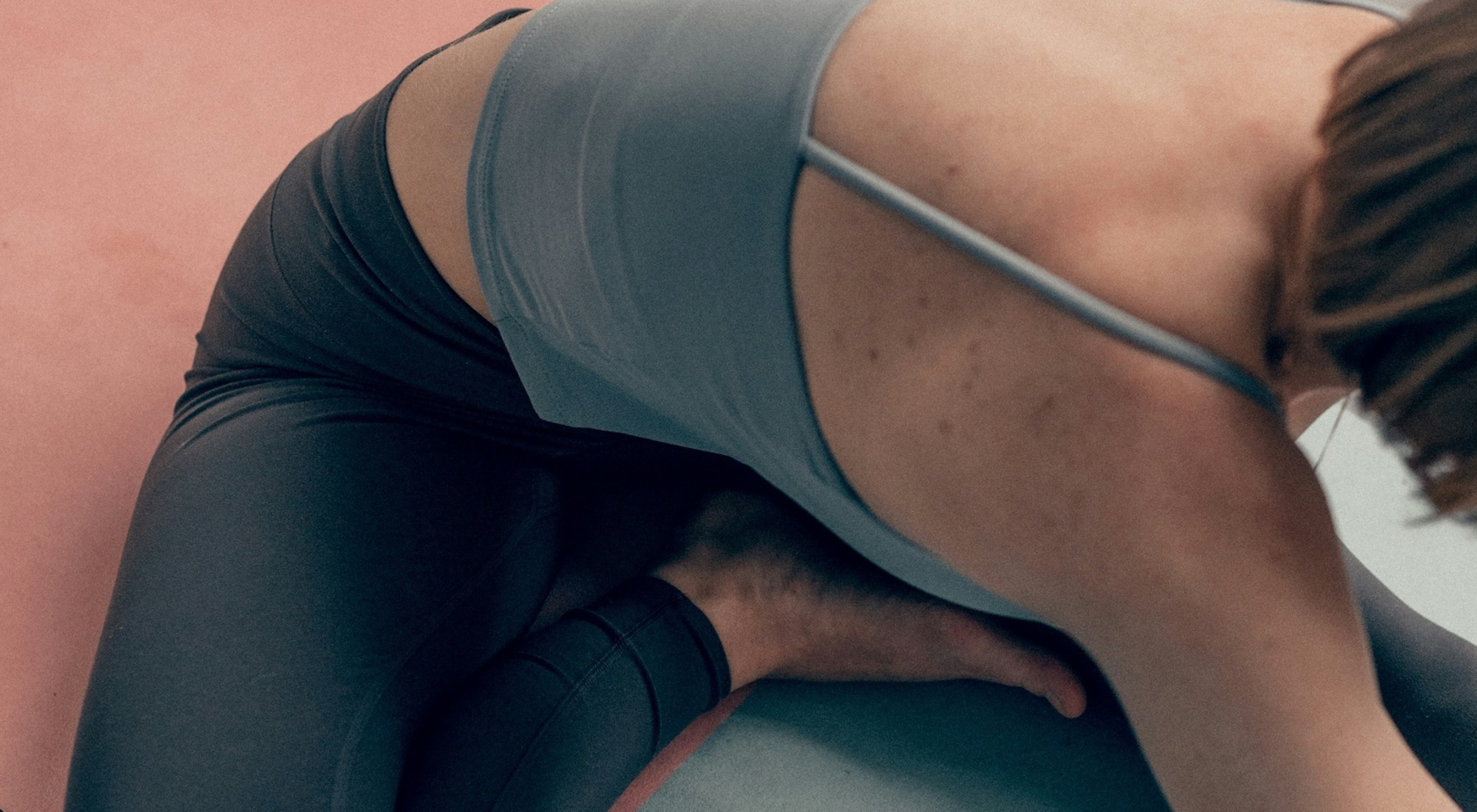
Through its combination of physical exercise, breathing techniques, and relaxation, Hatha Yoga can help relieve stress, improve flexibility, and build strength.
Regular Hatha Yoga practice has numerous scientifically proven benefits for the body and mind:
- Stress reduction: Regular yoga practice has been shown to lower cortisol levels and reduce acute stress.
- Parasympathetic Nervous System: Studies show that your nervous system enters a state of relaxation.
- Flexibility: Research shows that your joints become more flexible.
- Musculoskeletal health: Data shows that Hatha Yoga can significantly alleviate back pain.
Is Hatha Yoga strenuous?
Hatha Yoga is about balancing effort and relaxation. Nevertheless, the sessions can be quite challenging. How strenuous they are depends on the teacher and the session itself.
If you’re doing Cobra Pose for the first time and are asked to hold it for a minute, you’ll certainly feel some strain and maybe even some pain. However, Hatha Yoga always includes periods of relaxation: the greater the effort, the more pleasant the relaxation.
Hatha Yoga is not a competition. All participants proceed at their own pace and at their own intensity. If a pose seems too difficult, there’s usually an easier alternative. So don’t worry if you can’t perform the poses perfectly during your first few sessions. Consistent, regular practice with gradual improvements is the right path.

Hatha Yoga Exercises and Sequences – Typical Asanas
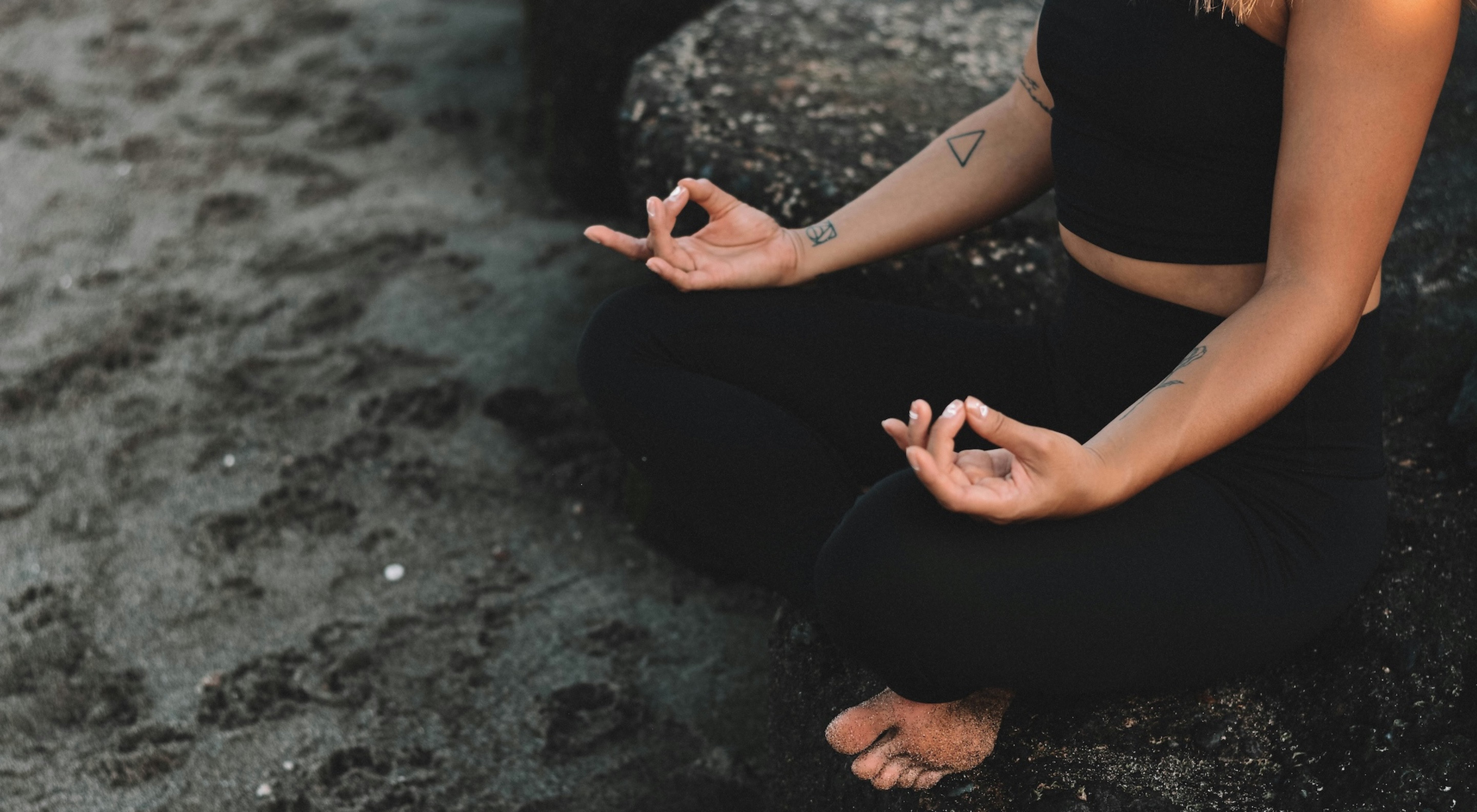
Hatha yoga exercises cover all directions of movement—standing, sitting, twisting, backbends, and inversions. Each pose is held for several breath cycles and combined with mindful pranayama: the breath guides the movement, not the other way around. This combination of posture, mindfulness, and breath control makes Hatha yoga sequences more effective than purely mechanical stretching.
12 Basic Poses in Hatha Yoga – the Classic Rishikesh Series
In Hatha Yoga, there are twelve basic postures that form a complete sequence for the entire body. The Sun Salutation (Surya Namaskar) can serve as a warm-up before the twelve basic postures.
- Headstand (Sirsasana): An inverted pose for concentration and blood circulation
- Shoulder Stand (Sarvangasana): Can strengthen the upper body and venous system
- Plow Pose (Halasana): Can stretch the entire spine and neck muscles
- Fish Pose (Matsyasana): Can open the chest and cervical spine
- Seated Forward Bend (Paschimottanasana): Can stretch the back and the back of the thighs
- Cobra (Bhujangasana): Can strengthen the back extensors and mobilize the lumbar spine
- Locust Pose (Shalabhasana): can strengthen the glutes and lower back muscles
- Bow Pose (Dhanurasana): an intense backbend for the abdomen and spine
- Seated Twist (Ardha Matsyendrasana): can improve spinal rotation
- Crow Pose (Bakasana): an arm balance that builds core strength and focus
- Standing Forward Bend (Uttanasana): can calm the nervous system and stretch the back of the legs
- Triangle Pose (Trikonasana): Side stretch for the hips, core, and thighs
Hatha Yoga: Exercises for Beginners
As a beginner, you should focus above all on performing the asanas as correctly as possible—and always keep your breath in mind. Flexibility will develop naturally over time.Practicing two to three times a week for 20–30 minutes each session is enough to see noticeable results.
- Child’s Pose (Balasana): Hold for60–90 seconds, forehead on the mat, arms extended forward—this can relax the back and calm the nervous system
- Cat-Cow (Marjaryasana-Bitilasana): 8–10 repetitions, breath-led—can mobilize the entire spine and improve body awareness
- Mountain Pose (Tadasana): Stand for 45–60 seconds, engaging the entire body—improves posture and develops a sense of neutral spinal alignment
Hatha Yoga: Exercises for Advanced Practitioners
Advanced practitioners focus less on increasing the number of exercises and more on holding time and precision—two to five minutes per pose is typical. Studies have shown significant improvements in balance, flexibility, and strength with weekly sessions lasting 90 minutes.
- Crow Pose (Bakasana): Hold for30–60 seconds—requires core stability and arm strength, while also training focus and balance
- Headstand (Sirsasana): 1–3 minutes, only with a stable neck and shoulder base—can strengthen the deep core muscles and improve concentration
- Pigeon Pose (Eka Pada Rajakapotasana): 2–3 minutes per side – can deeply open the hips and release fascial tension in the hip flexors and glutes
Hatha or Vinyasa Yoga: Which Is a Better Fit for Me?
Both styles are based on the same fundamental principles of yoga—but they differ in pace and effect. Hatha Yoga involves holding poses for longer periods, a calm rhythm, and a focus on technique. Vinyasa combines movement and breath in a continuous flow—it’s more intense, dynamic, and challenging for the cardiovascular system.
Hatha is a good choice if you want to reduce stress, improve flexibility, and develop body awareness. Vinyasa is a better fit if you want to improve endurance and train with faster movements.
For acute stress relief, Hatha has a measurable advantage: cortisol and anxiety levels can drop significantly immediately after a session—this effect isn’t as pronounced with Power Vinyasa. On the other hand, Hatha Yoga alone has little impact on your cardiovascular fitness. According to research, Vinyasa Yoga is better suited for this purpose.


Hatha Yoga for the Back and Prevention
Hatha Yoga can strengthen the back muscles and help prevent and alleviate chronic back pain.
Poses such as Cobra, Locust, and Bridge can specifically strengthen the erector spinae and multifidus muscles—the deep stabilizing muscles of the spine. At the same time, the practice mobilizes the spine in all directions of movement: flexion, extension, lateral flexion, and rotation. This is particularly effective for prevention when there is a lack of physical activity in daily life. Studies have shown that regular yoga can significantly reduce chronic back pain.
Hatha Yoga During Pregnancy
Hatha yoga during pregnancy can support breathing, relaxation, and body awareness. Studies have shown positive effects on anxiety, stress, labor contractions, and the course of childbirth.
Pregnant women should only practice Hatha Yoga in a modified form. Prone positions, deep twists, and inversions should be avoided. The focus is on breathing exercises to prepare for childbirth and gently reduce stress. Important: Always consult with your doctor or midwife beforehand—specialized prenatal classes are recommended.
Recovery with BLACKROLL® – Myofascial Release After Yoga Practice
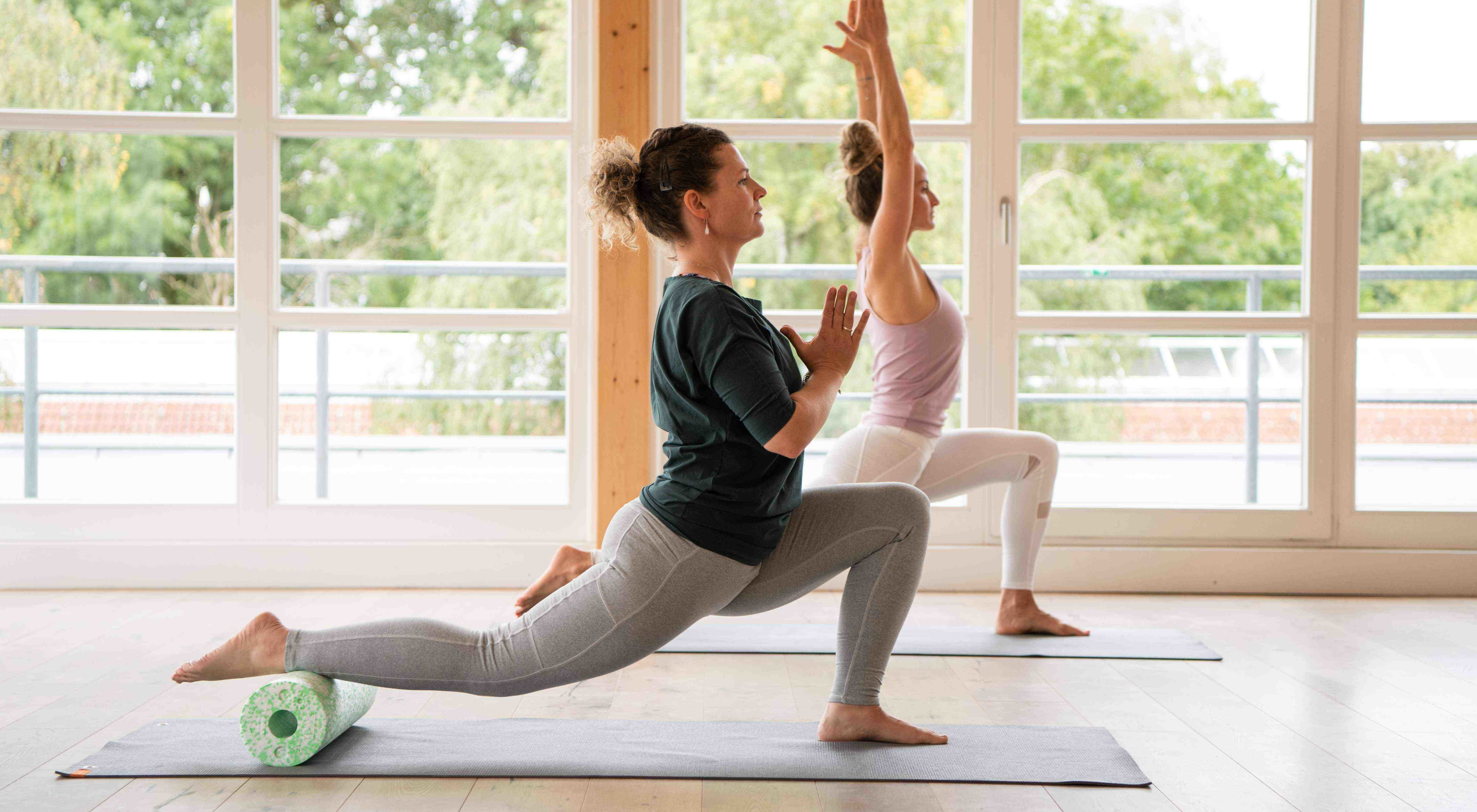
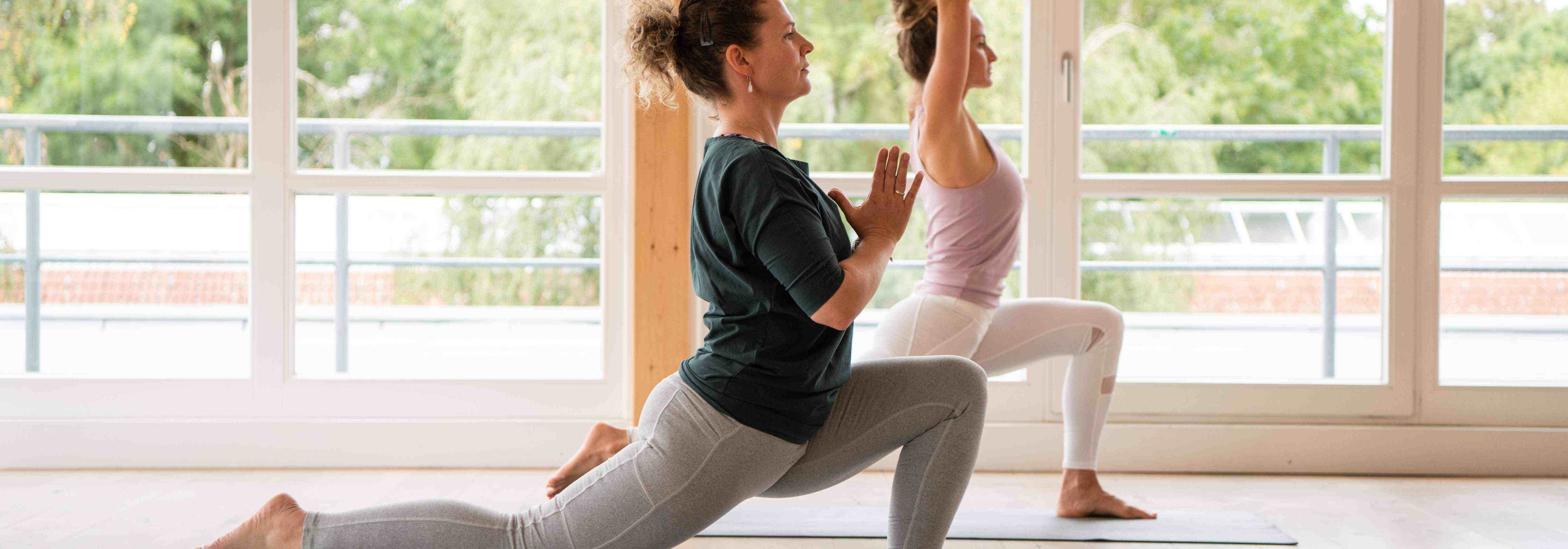
Hatha yoga moves and strengthens the body—fascia training complements this by releasing tension and promoting blood circulation. Together, they can improve mobility in the long term.
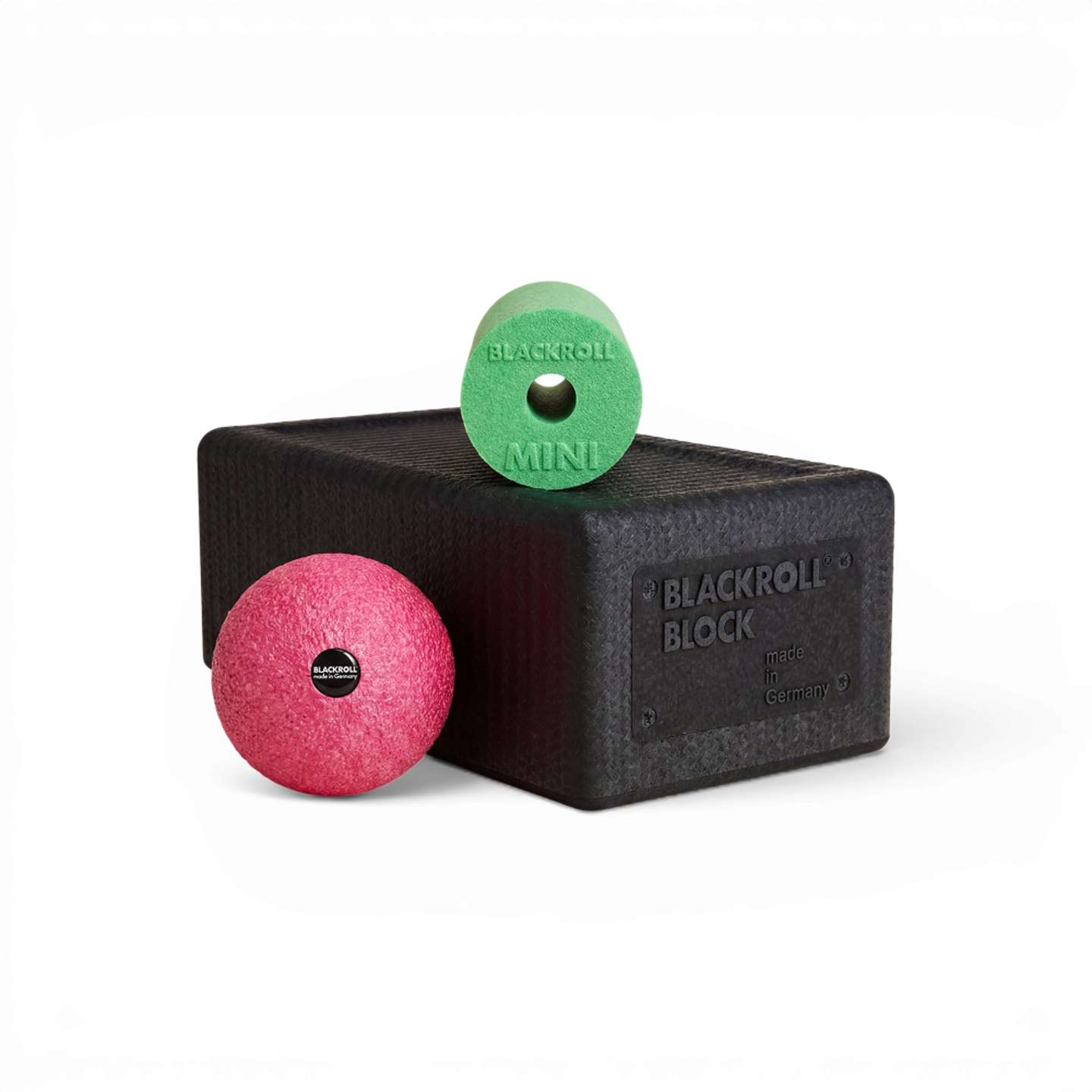
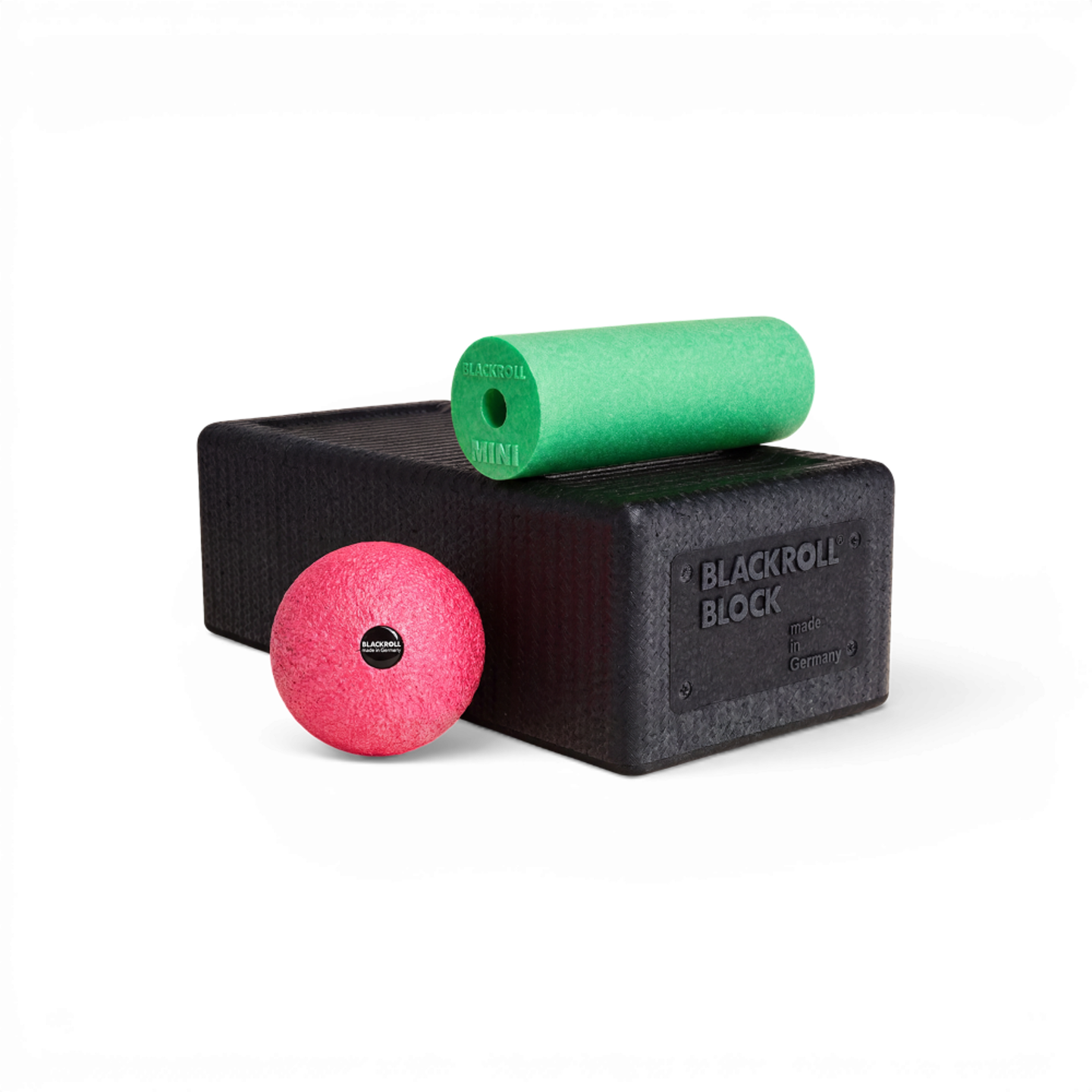
- Back Rollout with BLACKROLL® STANDARD: Lie on your back , place the roller under your thoracic spine, and slowly roll up and down for 60–90 seconds—this can release fascial tension in the upper back
- Outer hip with BLACKROLL® STANDARD: Lie on your side, place the roller under the IT band, roll for 60 seconds per side—can relieve tension after hip-opening poses like the Pigeon Pose
- Soles of the feet with BLACKROLL® MINI: Stand upright , slowly roll your foot back and forth for 60 seconds per foot—this can activate the arch of the foot and support your posture
Perform these exercises three to four times a week for five to ten minutes each, and focus on calm, deep breathing to activate the parasympathetic nervous system.

Conclusion – Hatha Yoga is the ideal foundation for beginners and advanced practitioners
Hatha Yoga is rightly considered a cornerstone of yoga practice. Whether or not you embrace the philosophical and spiritual aspects, the benefits for the body and mind are well-documented by science. The combination of mindful postures, breathing exercises, and relaxation can simultaneously benefit your muscles, fascia, nervous system, and mental health. Consistency is more important than perfection. Complement your Hatha Yoga with targeted fascia work—for greater freedom of movement and lasting recovery.


FAQ: Hatha Yoga
Hatha Yoga is a classical style of yoga that focuses on conscious postures (asanas), breathing exercises (pranayama), and relaxation. It is one of the oldest styles of yoga, originating in India and likely practiced for thousands of years. Hatha Yoga forms the foundation of many modern styles, such as Vinyasa and Yin Yoga.
Yes. The slower pace and focus on proper alignment make Hatha Yoga particularly beginner-friendly. No prior experience is necessary. Holding poses for longer periods can be challenging, but the intensity can be adjusted to suit individual needs at any time—difficult poses almost always have an easier alternative.
Hatha Yoga involves static poses, longer holds, and a calm rhythm—ideal for stress relief, strength, and body awareness. Vinyasa combines movement and breath in a continuous flow and is more demanding on the cardiovascular system. For acute stress relief, Hatha may offer a measurable advantage over Power Vinyasa.
Hatha yoga isn’t automatically gentle. The intensity varies depending on the teacher and style—some classes are meditative and calm, while others are significantly more challenging. Anyone who holds the cobra pose for a minute will clearly feel the isometric muscle tension. Ultimately, you decide for yourself how challenging or relaxing your session will be.
Poses such as Cobra, Locust, and Bridge can strengthen the deep back muscles (erector spinae, multifidus) and improve the mobility of the spine in all directions. Studies show that regular yoga can significantly reduce chronic back pain. Hatha Yoga can be particularly beneficial as a preventive measure for people who spend a lot of time sitting at work.
More Yoga Articles




Sources & Studies
Mallinson, J. (2011). Yoga: Haṭha Yoga. In H. Basu, K. A. Jacobsen, A. Malinar, & V. Narayanan (Eds.), Brill’s Encyclopedia of Hinduism (Vol. 3, pp. 770–781). Brill Publishers. https://doi.org/10.1163/2212-5019_BEH_COM_000354.
Szaszkó, B., Schmid, R., Pomper, U., Maiworm, M., Laiber, S., Tschenett, H., Nater, U., & Ansorge, U. (2023). The influence of hatha yoga on stress, anxiety, and suppression: A randomized controlled trial. *Acta Psychologica*, 241, 104075. https://doi.org/10.1016/j.actpsy.2023.104075.
Jerath, R., Edry, J., Barnes, V., & Jerath, V. (2016). Physiology of long pranayamic breathing: neural respiratory elements may provide a mechanism that explains how slow deep breathing shifts the autonomic nervous system. *Medical Hypotheses*, 67(3), 566–71. https://doi.org/10.1016/j.mehy.2006.02.042.
Petrič, M., Vauhnik, R., & JakovljeviÄ, M. (2014). The Impact of Hatha Yoga Practice on Flexibility: A Pilot Study. Alternative & Integrative Medicine, 3, 1–5. https://doi.org/10.4172/2327-5162.1000160.
Zhu, F., Zhang, M., Wang, D., Hong, Q., Zeng, C., & Chen, W. (2020). Yoga Compared to Non-Exercise or Physical Therapy Exercise on Pain, Disability, and Quality of Life for Patients with Chronic Low Back Pain: A Systematic Review and Meta-Analysis of Randomized Controlled Trials. PLoS ONE, 15. https://doi.org/10.1371/journal.pone.0238544.
Csala, B., Szemerszky, R., Körmendi, J., Köteles, F., & Boros, S. (2021). Is Weekly Frequency of Yoga Practice Sufficient? Physiological Effects of Hatha Yoga Among Healthy Novice Women. Frontiers in Public Health, 9. https://doi.org/10.3389/fpubh.2021.702793.
Cheruka, C., Sherman, S., Davis, K., & Kline, C. (2023). Oxygen Consumption and Heart Rate Responses in Different Vinyasa Yoga Sequences. International Journal of Yoga Therapy, 33, 2023. https://doi.org/10.17761/2023-d-22-00058.
Clay, C., Lloyd, L., Walker, J., Sharp, K., & Pankey, R. (2003). THE METABOLIC COST OF HATHA YOGA. Journal of Strength and Conditioning Research, 19, 604–610. https://pubmed.ncbi.nlm.nih.gov/16095417/.
Corrigan, L., Moran, P., McGrath, N., Eustace-Cook, J., & Daly, D. (2021). The characteristics and effectiveness of pregnancy yoga interventions: a systematic review and meta-analysis. BMC Pregnancy and Childbirth, 22. https://doi.org/10.1186/s12884-022-04474-9.