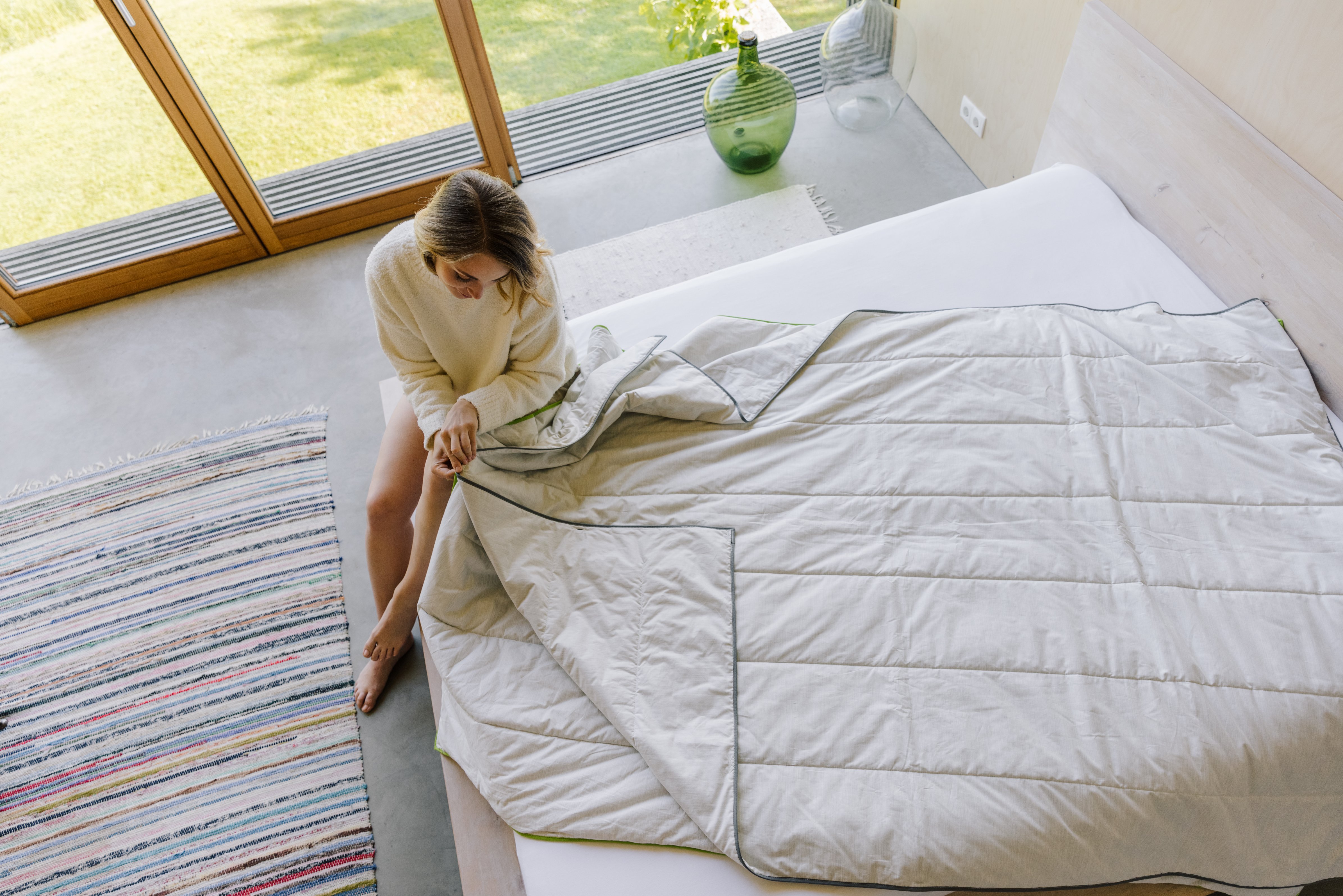
Changing your bedding—how often does it really make sense?
Let’s be honest: When was the last time you changed your bedding? If you had to think about it for a moment—don’t worry, you’re not alone. Many people underestimate how much fresh bedding affects the quality of our sleep and our well-being. Yet true recovery begins right there: in a clean, breathable, and hygienic sleeping environment.


Why changing your bedding regularly is so important
While you sleep, your body regenerates on many levels. Muscles rebuild, the immune system is strengthened, and stress is reduced. At the same time, your body sheds dead skin cells, sweat, sebum, and sometimes even hair during the night.
These residues end up directly in your bedding—and provide the perfect breeding ground for microorganisms such as bacteria and dust mites to thrive. This can affect not only hygiene but also your sleep comfort. Bedding that hasn’t been changed in a long time can contribute to itching, skin blemishes, or allergic reactions. What’s more, if you don’t feel comfortable in the evening, you’ll have a harder time falling asleep and won’t recover as effectively.
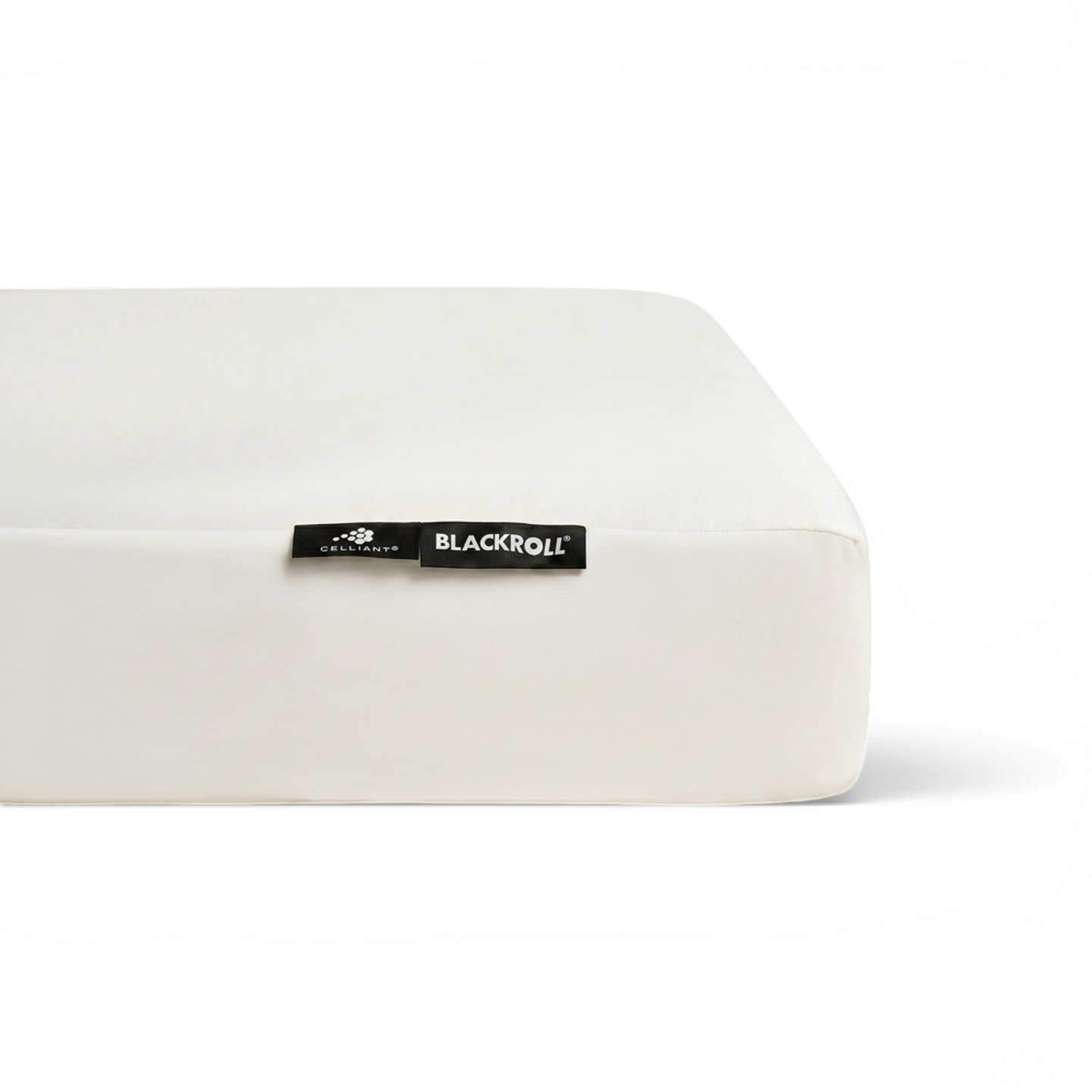
Bed Sheet Premium Comfort
Available in multiple variants
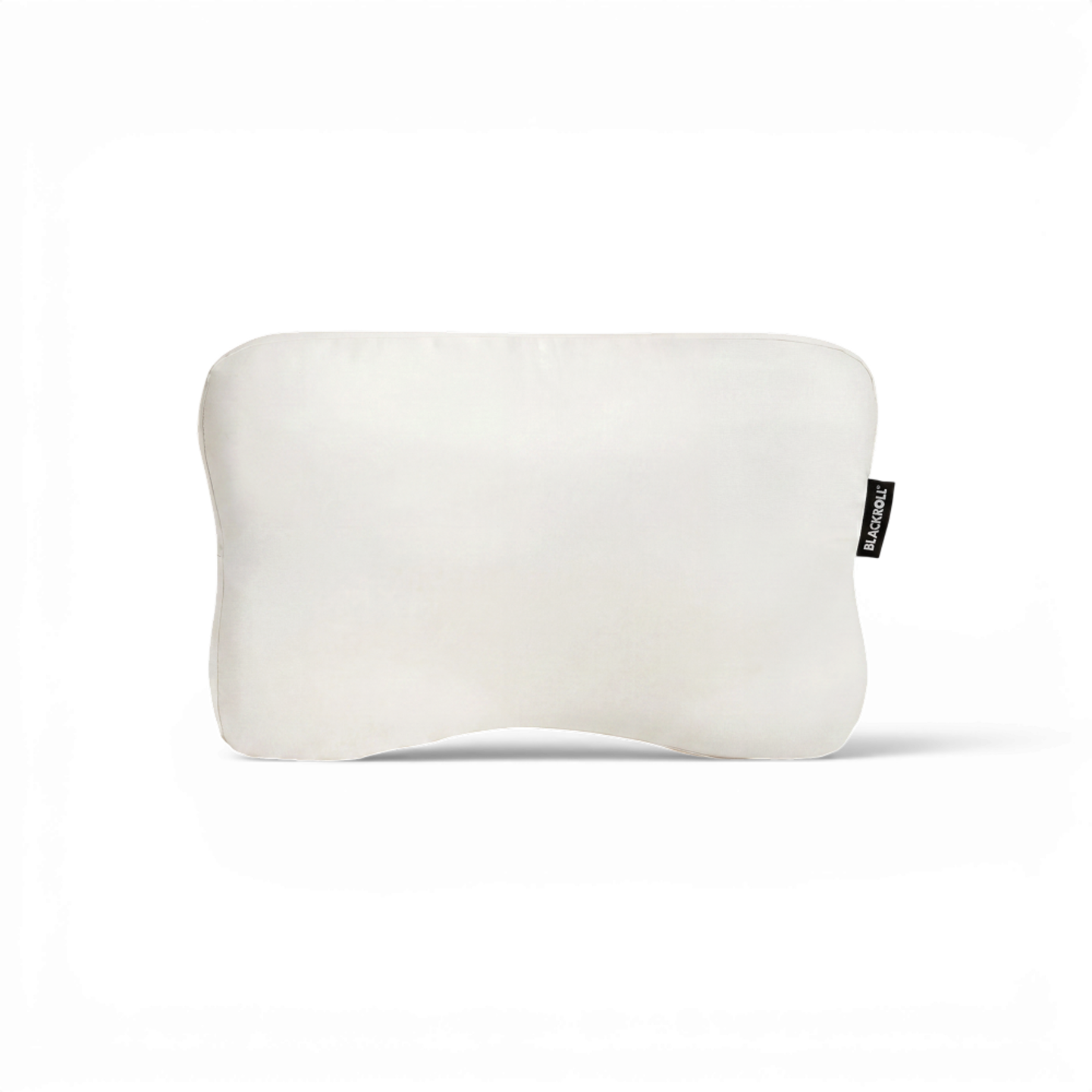
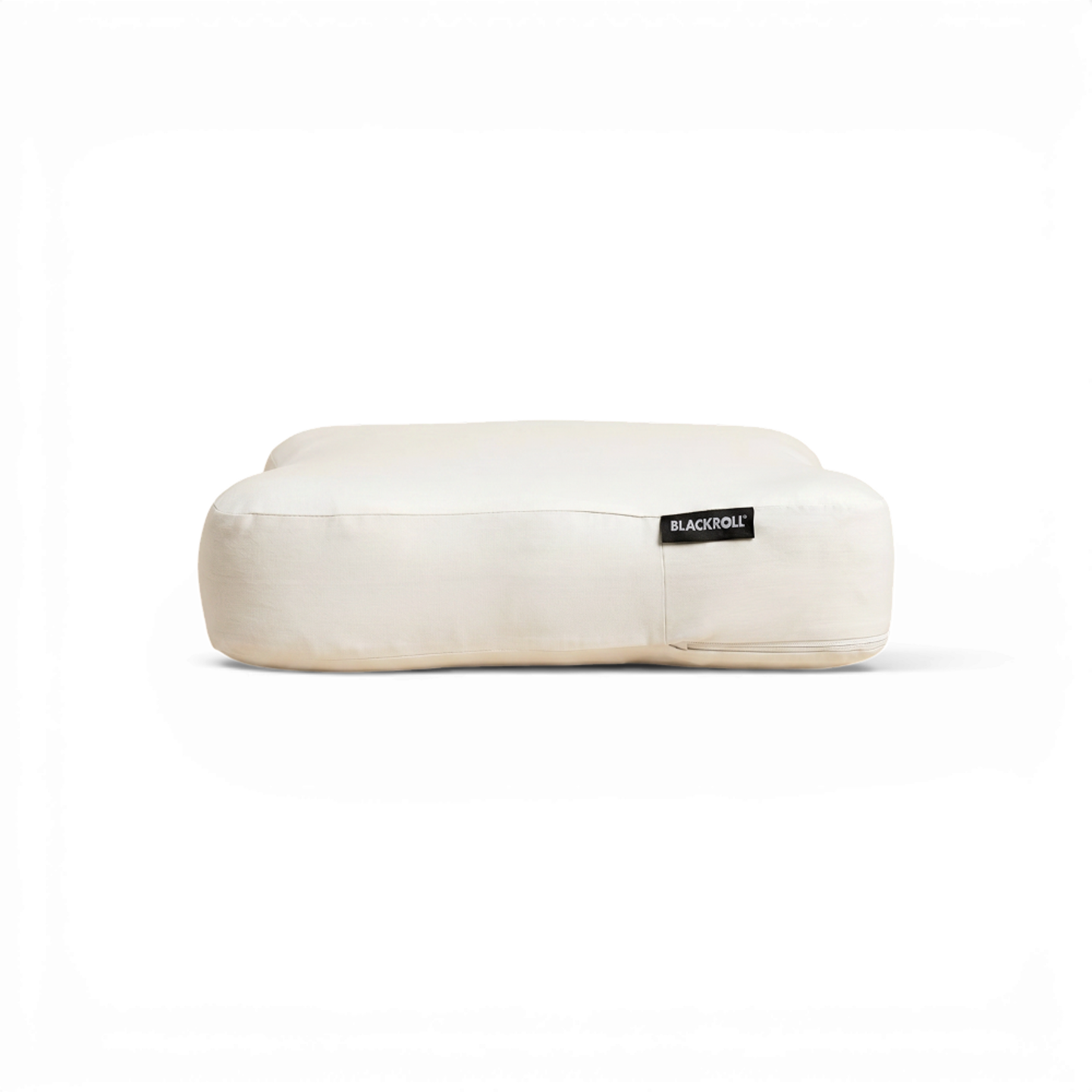
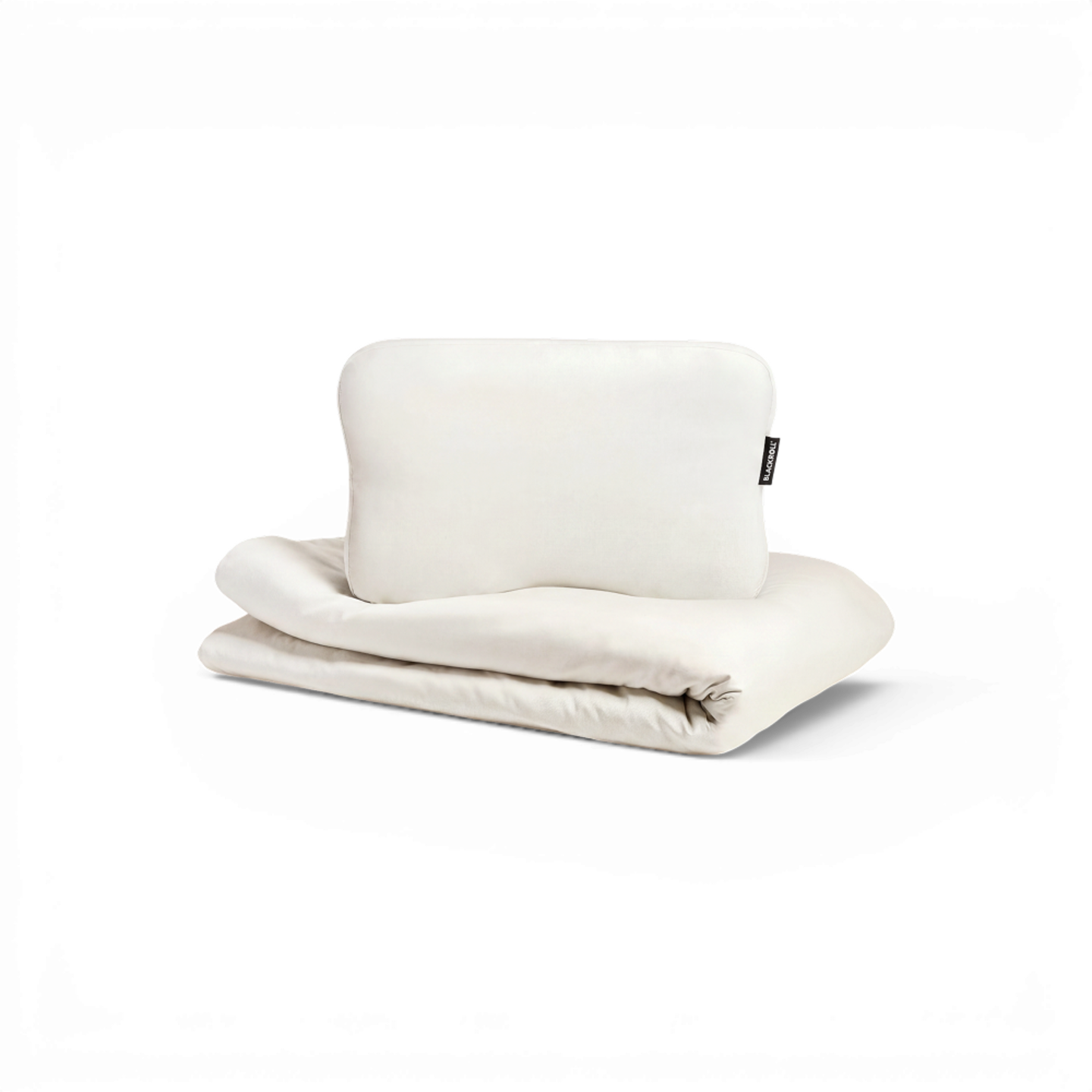
Bedding Set Premium Comfort
Available in multiple variants
How often should you change your bedding?
The ideal frequency for changing your sheets, comforter, and pillowcases depends on various factors—including the season, your personal sleeping habits, and any allergies you may have. These recommendations will give you a good guideline:
Change your bedding every 1–2 weeks
For most people, this is a good schedule. Changing them weekly is especially recommended in the summer, when you sweat more, or if you exercise regularly.
Weekly Bedding Change
If you sleep naked, share your bed with pets, or have sensitive skin, you should change your bedding at least once a week. Changing it more frequently is also a good idea if you tend to sweat at night or sleep in warm environments.
Fresh Bedding After Illness
If you’ve had an infection, such as the flu or a cold, you should wash all your bedding immediately after you’ve recovered. This helps prevent bacteria or viruses from lingering in the fabric.
For allergies or sensitive skin
People with dust mite allergies should change their bedding weekly to keep dust mite levels low. Frequent changes are also recommended for skin problems or eczema to soothe the skin and minimize irritants.
More interesting articles






Washing bedding – at what temperature?
Most bedding sets can be washed at 40 degrees without any problems—that’s perfectly sufficient for normal soiling. People with allergies should play it safe and wash their bedding at 60 degrees to reliably remove dust mites.
Important: The washing temperature always depends on the material. It’s a good idea to check the label—this will help keep your bedding looking good and functioning well for a long time.
The PREMIUM COMFORT LINE from BLACKROLL® is washable at 30 degrees. Thanks to its high-quality blend of materials, it remains hygienically clean—it’s hypoallergenic and inhibits the growth of dust mites and bacteria.


What about the comforter and topper?
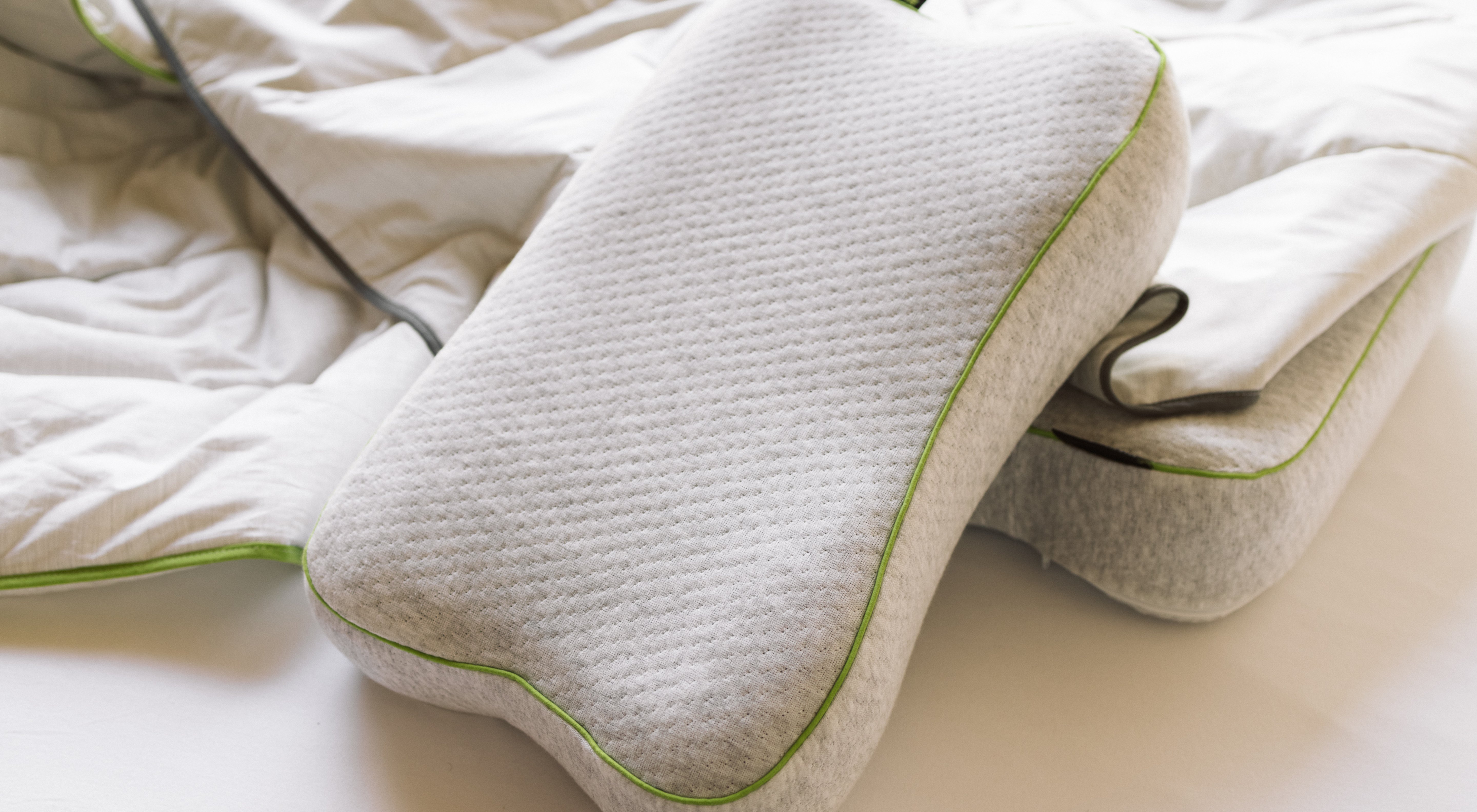
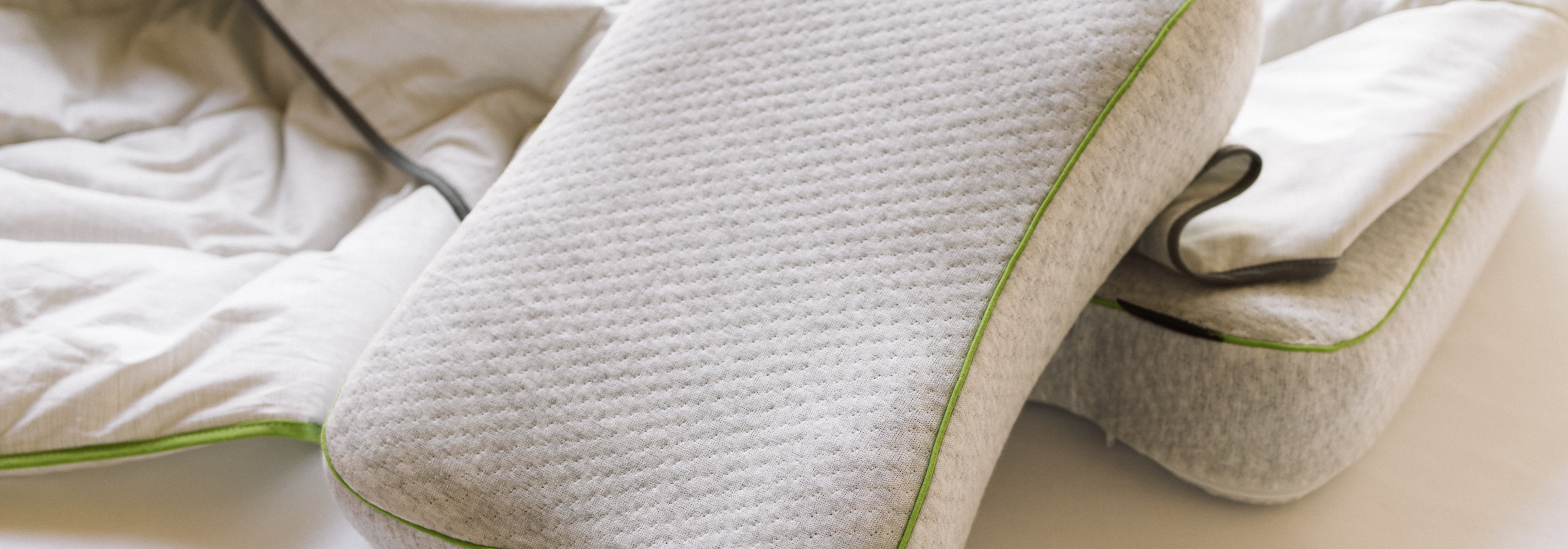
It’s not just the bedding— duvets and pillows should also be refreshed every now and then. While the cover protects the surface, over time sweat, dead skin cells, and residues from skincare or styling products can seep inside. Our tip: Wash them at least once a year with a mild detergent or have them professionally cleaned.
Our RECOVERY BLANKETS are easily washable up to 60 degrees Celsius, as is the cover of the RECOVERY PILLOW. Please note that the pillow itself is not washable.
You should also clean the covers—for example, those of your COMFORT TOPPER or the RECOVERY BASE—regularly. Since a sheet is usually placed over them, it’s generally sufficient to change the cover every three to six months.

What kind of bedding is best for a restful night’s sleep?
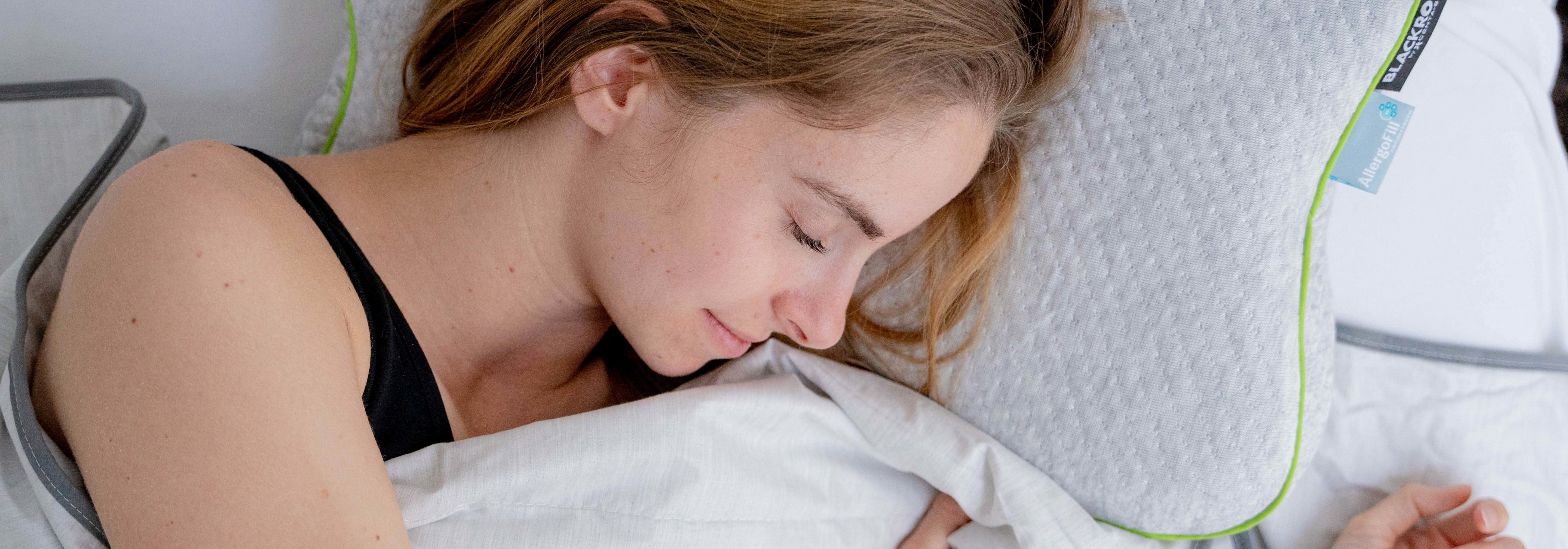
In addition to how often you change your bedding, the choice of bedding also plays an important role in getting a restful night’s sleep. Materials differ not only in how they feel against the skin, but also in their properties regarding thermoregulation, moisture absorption, and skin compatibility.
If you sweat easily or have sensitive skin that reacts to synthetic fabrics, you should opt for breathable, temperature-regulating materials. Natural fibers like TENCEL™ Lyocell are soft, supple, and particularly effective at regulating moisture.
Want to support your nightly recovery?
The BLACKROLL® PREMIUM COMFORT LINE also features CELLIANT® —a technology that converts body heat into infrared energy, thereby temporarily promoting local blood circulation and oxygen supply to the tissues. By prioritizing a comfortable sleeping environment, high-quality materials, and skin-friendly properties, you’ll create the ideal conditions for better sleep.

Learn more about CELLIANT® here
Celliant®

Conclusion: You sleep and recover better in fresh bedding
Changing your bedding regularly isn’t a luxury—it’s part of good sleep hygiene—and therefore part of your overall health. Clean, high-quality bedding can not only improve your skin’s appearance but also positively impact the quality of your sleep and your body’s ability to recover.
If you also opt for innovative materials like CELLIANT®, you’ll turn the night into a true period of rest—completely automatically, while you sleep.
Bed Sheet Premium Comfort
Available in multiple variants
Bedding Set Premium Comfort
Available in multiple variants
FAQ – Frequently Asked Questions About Changing Bedding
How often should you change your bedding?
As a general rule, changing them every 1–2 weeks is recommended. If you sweat heavily, share your bed with pets, or have sensitive skin, you should change them once a week. In the summer or after physical activity, more frequent changes may be necessary. You can change your pillowcase even more often—especially if you have skin issues or long hair.
How often should I change my bedding in the summer?
In the summer, you sweat more while you sleep—which means moisture, bacteria, and skin flakes build up more quickly in your bedding. Changing it weekly is ideal for maintaining a fresh sleeping environment, preventing skin irritation, and ensuring good hygiene—especially in high temperatures or after intense exercise.
How often should I change the fitted sheet?
The fitted sheet comes into direct contact with your body and absorbs a particularly large amount of moisture and dirt particles. Even if it doesn’t look dirty right away, you should change it every one to two weeks. If you have pets in bed, sweat a lot, or suffer from allergies, changing it weekly is a good idea.
What happens if you don’t change your bedding for a long time?
If you don’t change your bedding for an extended period, sweat, skin flakes, bacteria, and dust mites will accumulate. This can lead to unpleasant odors, skin irritation, poorer sleep quality, or allergic reactions. It also increases the risk of skin blemishes or respiratory problems. Changing your bedding regularly is therefore essential for restful and healthy sleep.
Do I need to wash my bedding at a high temperature?
For most materials, washing at 40 degrees Celsius is perfectly sufficient. People with allergies or skin problems can wash their bedding at 60 degrees Celsius to kill dust mites and germs. Our PREMIUM COMFORT LINE is washable at 30 degrees Celsius—this protects the fibers, saves energy, and is still hygienic when changed regularly.
Is one set of bedding enough, or should I have several?
We recommend having at least two to three sets. That way, you can put on fresh sheets every time you change them without having to wait for the next load of laundry. This saves time, makes it more likely that you’ll change your sheets regularly—and ensures a consistently fresh sleeping experience.