Releasing Fascia in the Thigh—Without a Roller
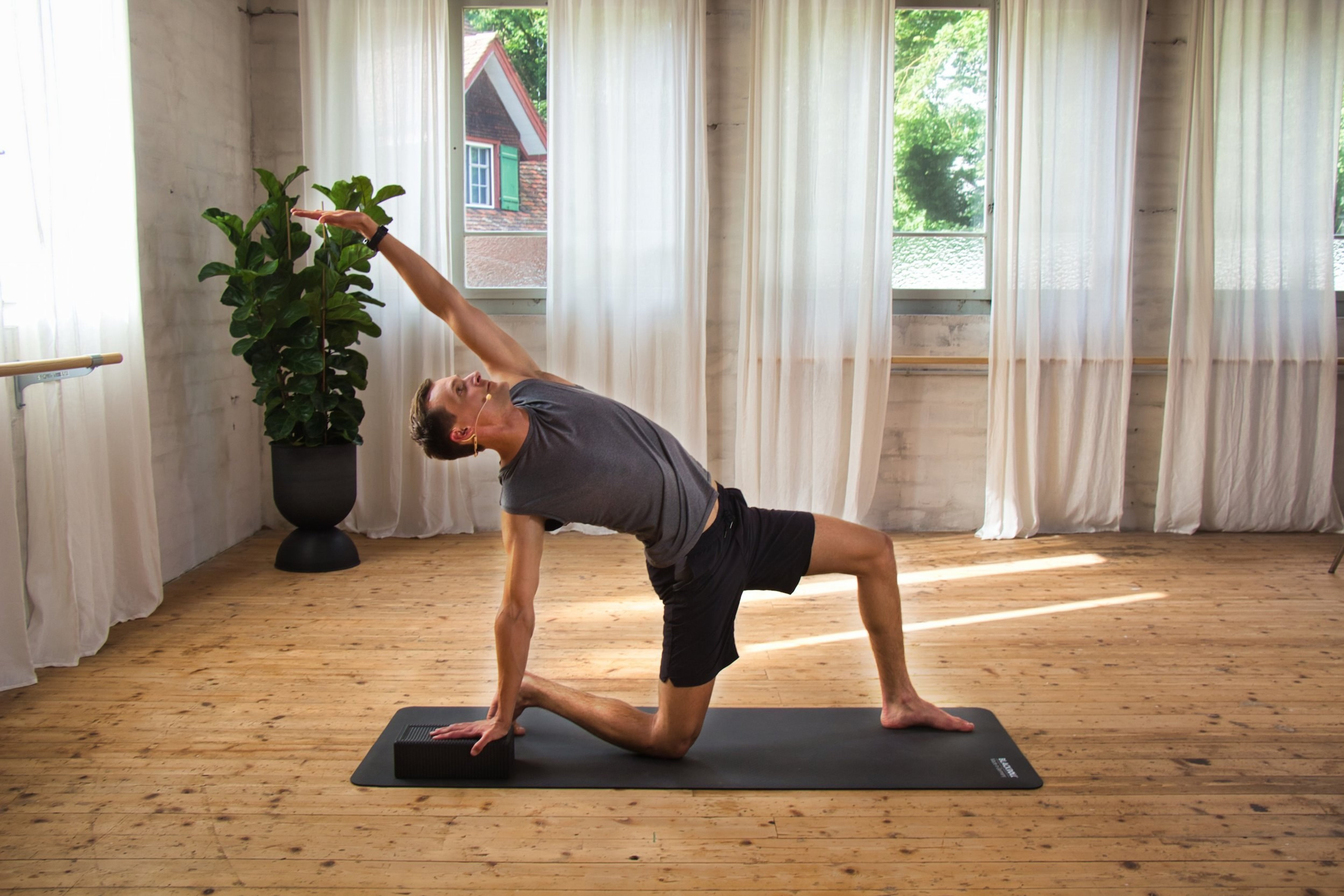
Releasing Thigh Fascia: You Can Do It Without a Roller
Time
- 11 minutes
- 4 exercises
Bodyweight mobilization techniques
Today we’re going to release the fascia in our thighs using only our own body weight. Wondering how that works?
Our Master Trainer and yoga instructor Stefan shows you how in the following video.
Grab your yoga mat and get started right away.
The Importance of Fascia in the Thigh
The fascia in the thighs is important for the mobility and stability of the entire body. Fascia is a dense network of connective tissue that envelops and connects muscles, organs, and bones. It is particularly important in the thighs, as it supports the front, back, and side muscle groups and ensures smooth force transmission. It acts like an elastic band that supports movement while protecting the muscles from injury. However, adhesions or tightness in the fascia can lead to pain, stiffness, and limited mobility—issues that are often particularly noticeable in the thigh, an area subject to heavy strain. Good fascia health in the thigh therefore contributes significantly to improving mobility, preventing injuries, and relieving muscle tension. Regular exercises that loosen and mobilize the fascia are essential for keeping the tissue supple and improving muscle coordination.
Stretching Exercises for the Thigh Muscles
Here are a few stretching exercises for the thighs that you can do without any equipment:
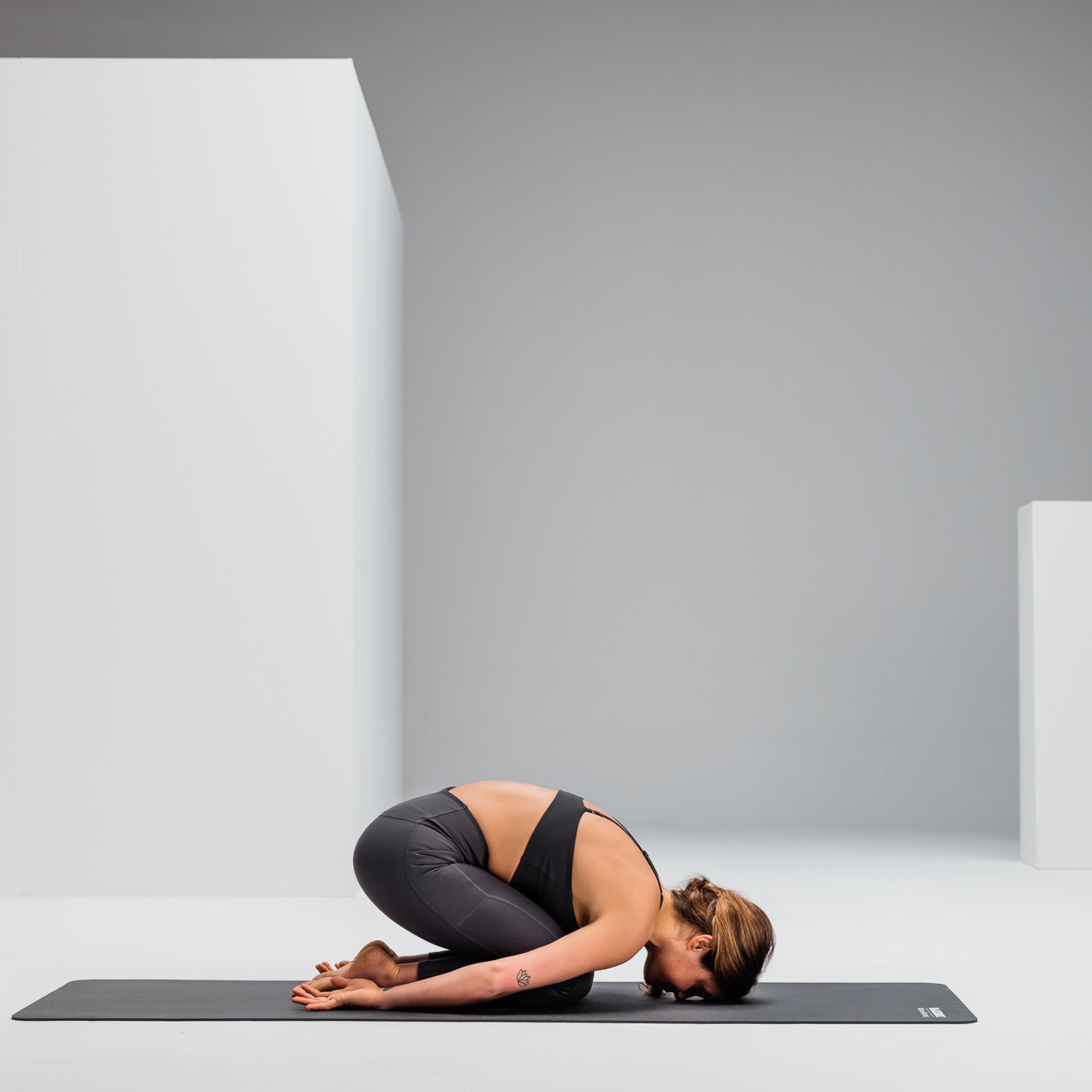
Child’s Pose
Start on all fours. Push your hips back. Rest them on your heels. Your forehead is on the floor. Your arms are beside your legs. Your palms face upward. Breathe deeply. Hold this position.
If your forehead doesn’t reach the floor, you can support your buttocks with a foam roller.
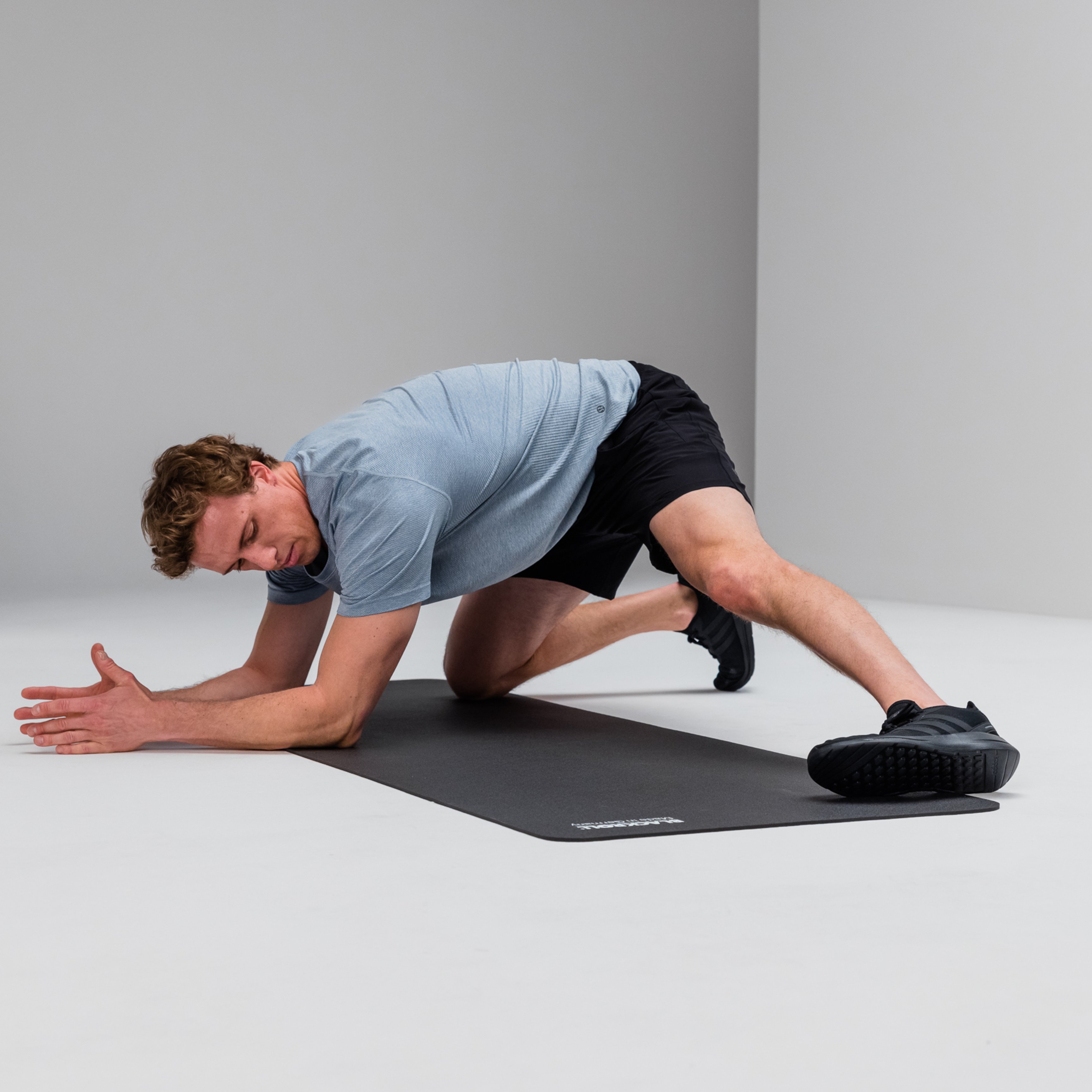
Groin Stretch
Start on all fours. Extend one leg out to the side. Lower your hips toward the floor. Push your buttocks back. Hold this position.
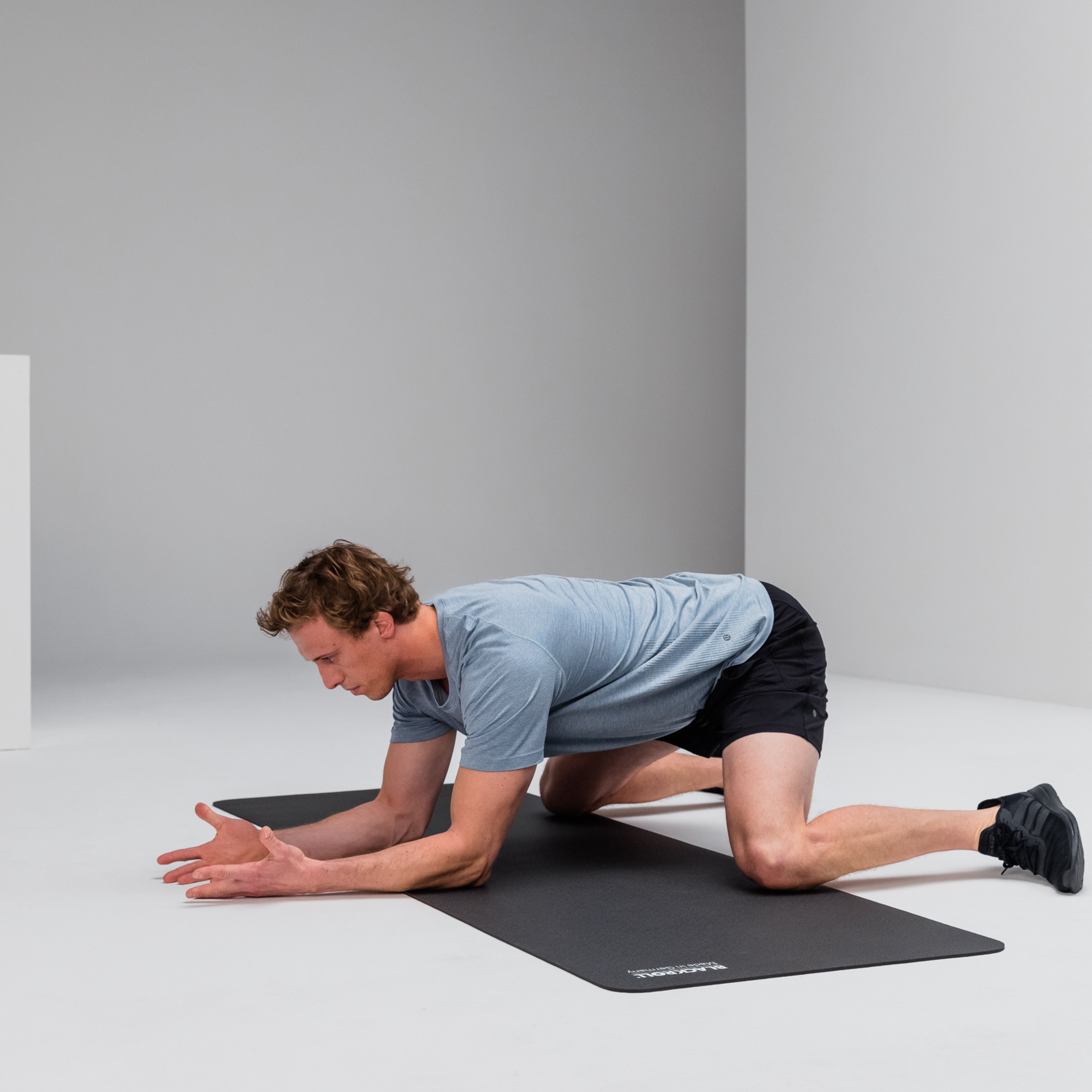
Frog Stretch
Start on all fours. Spread your knees wider apart. Push your hips back. Hold this position.
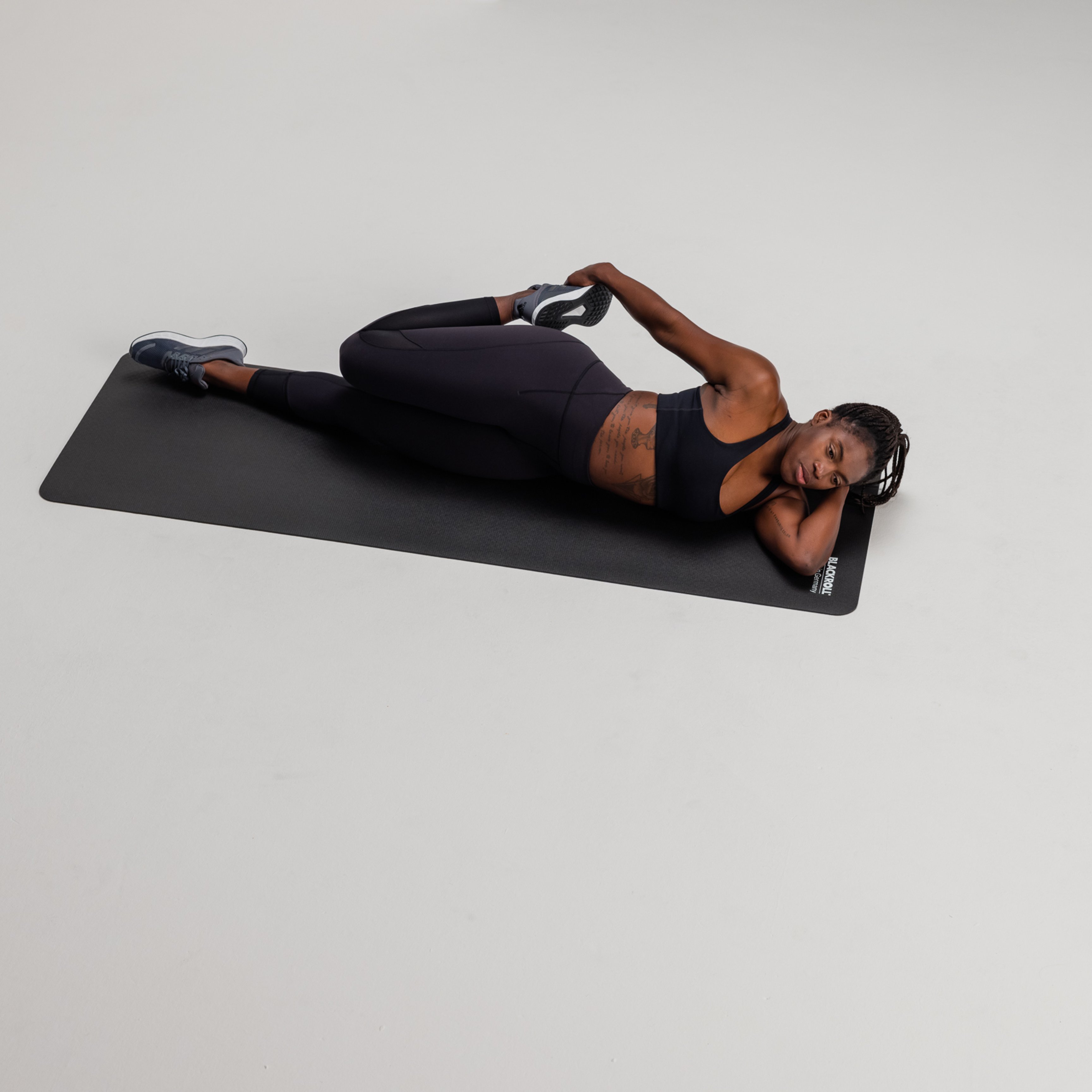
Front Thigh Stretch
Lie on the floor on your side. Use your upper hand to grasp the ankle of the same-side leg. Pull your heel toward your buttocks.
Push your hips slightly forward to deepen the stretch.
Self-Massage Techniques for the Thighs Without a Foam Roller
Self-massage techniques for the thighs without a foam roller are an effective way to relieve tension and improve blood circulation. Using your hands or your body weight, you can target specific pressure points in the tissue.
- One simple technique involves sitting and applying gentle to moderate pressure with your palms or fists to the front, sides, and back of the thigh. Massage using circular or stroking motions from the knees toward the hips.
- Another method is the “grip-and-pull technique”: Gently grasp the skin and the underlying tissue and pull it lightly in different directions to release adhesions in the fascial tissue. Applying targeted pressure with your fingertips to painful or tense spots (trigger points) can also help relieve tension.
These techniques can be easily integrated into your stretching or relaxation routine, and their intensity can be adjusted based on your individual comfort level.
Conclusion: Fascia Training for the Thighs Even Without a Roller
Fascia training for the thighs without a roller is an effective and straightforward method for improving flexibility, mobility, and well-being. You can easily perform these exercises anywhere to keep your thighs supple.
Through targeted stretches, dynamic movements, and self-massage techniques, you can effectively loosen the fascia and keep it supple. This type of training is particularly well-suited for people who don’t have any equipment on hand but still want to release adhesions and prevent muscle tension. Regular fascia training not only supports muscle recovery and prevents injuries, but also promotes overall mobility and enhances body awareness. It’s a practical and accessible addition to any fitness routine that contributes to improved fascia health in the long term.
Why not give these BLACKROLL products a try?
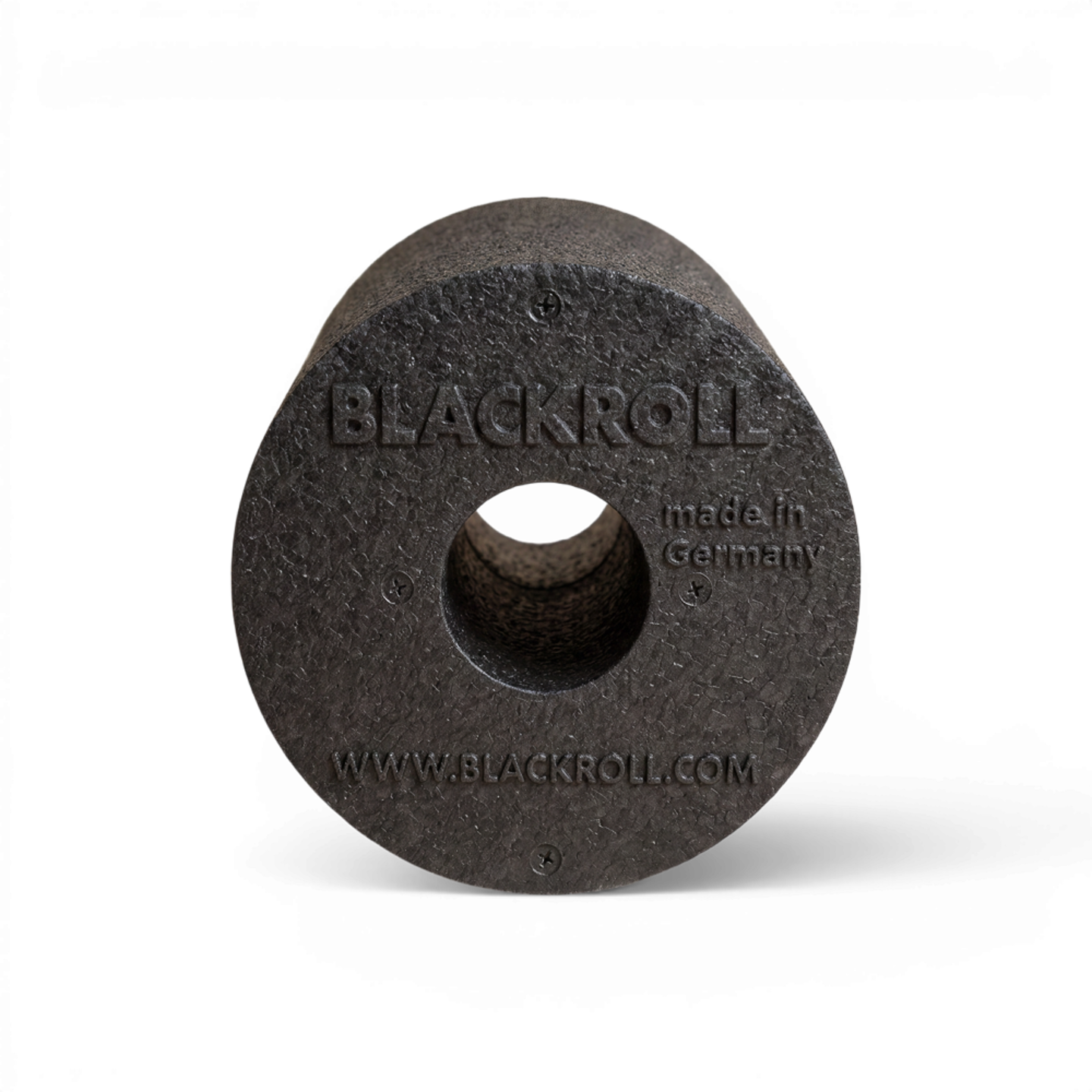
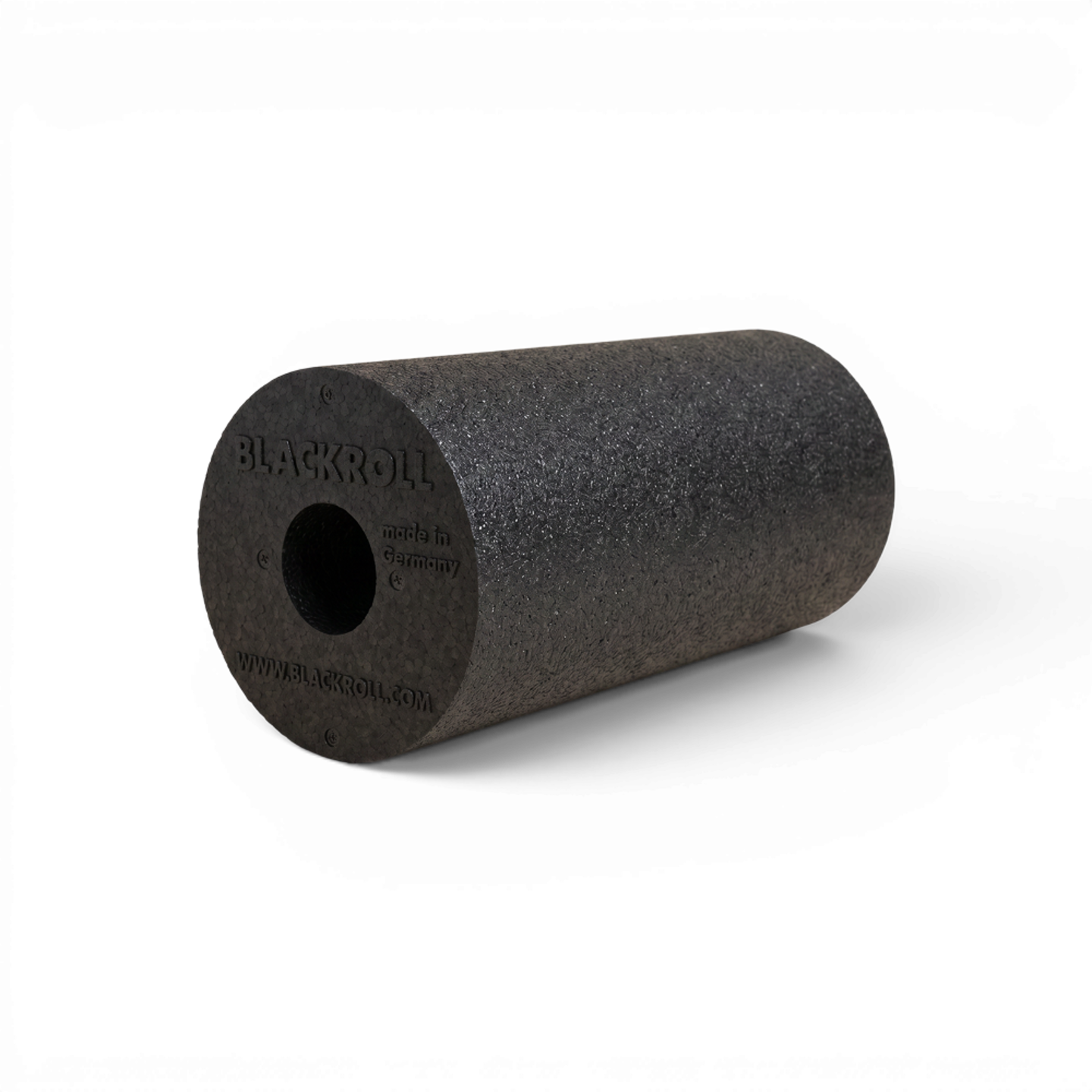
Standard
Available in multiple variants
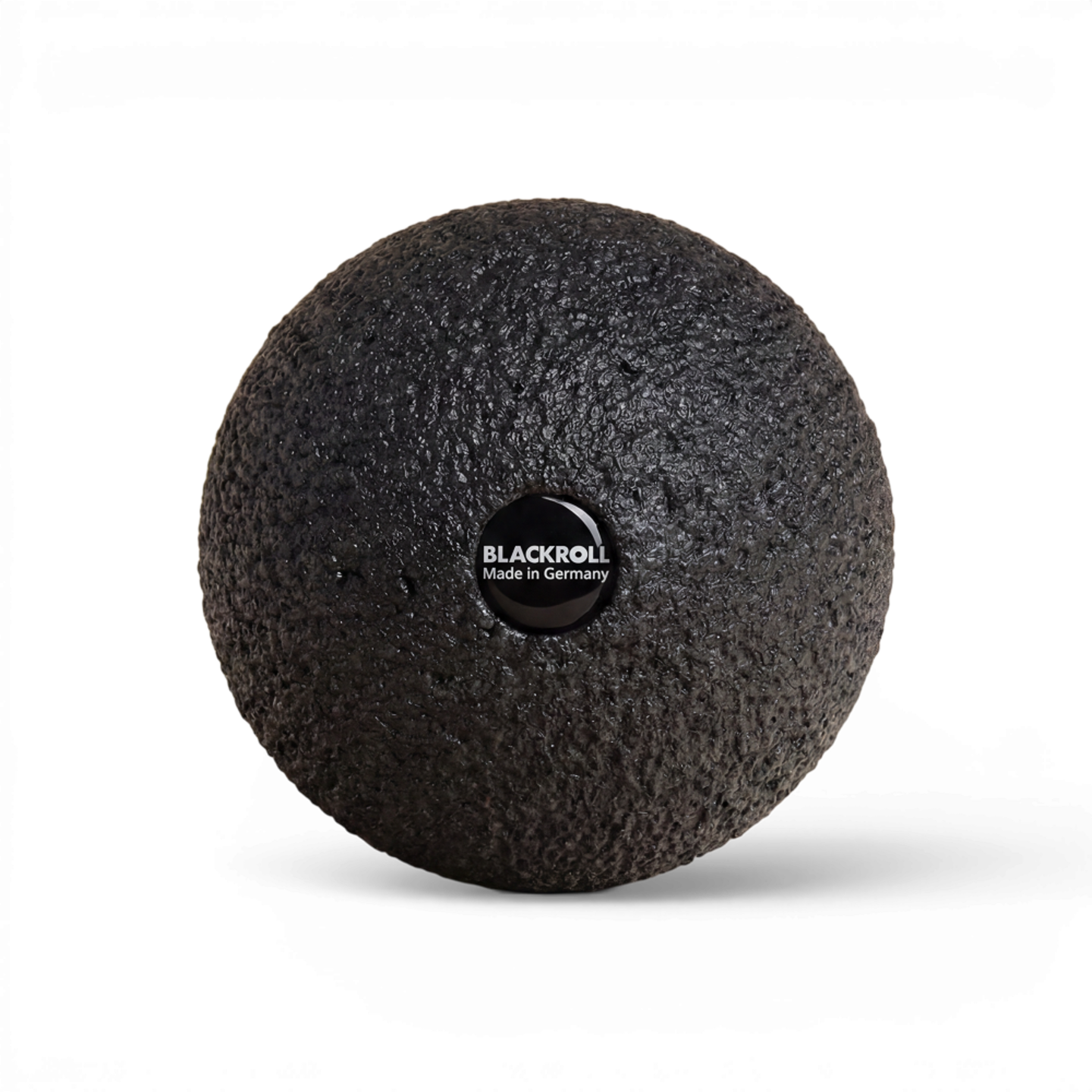
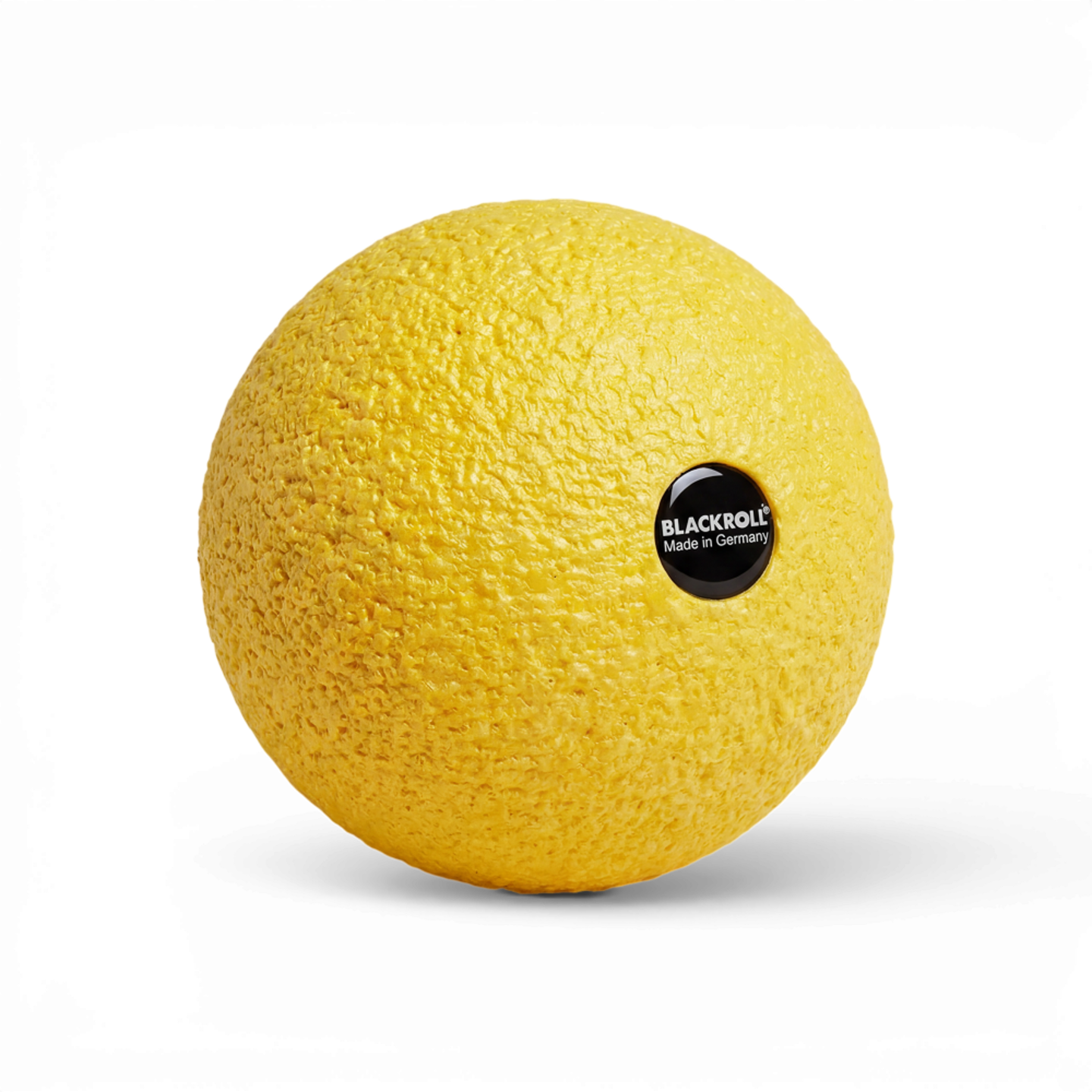
Ball 08
Available in multiple variants
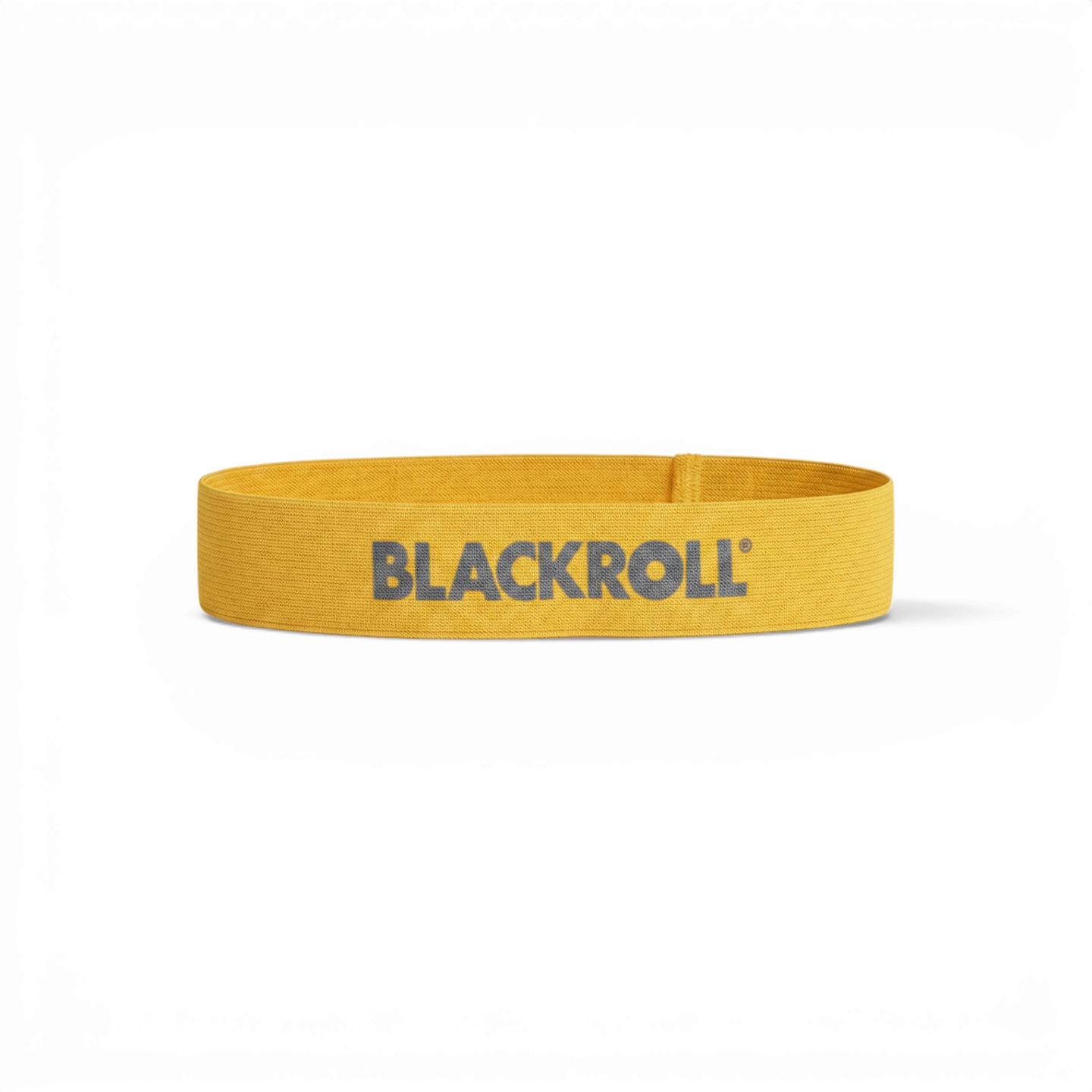
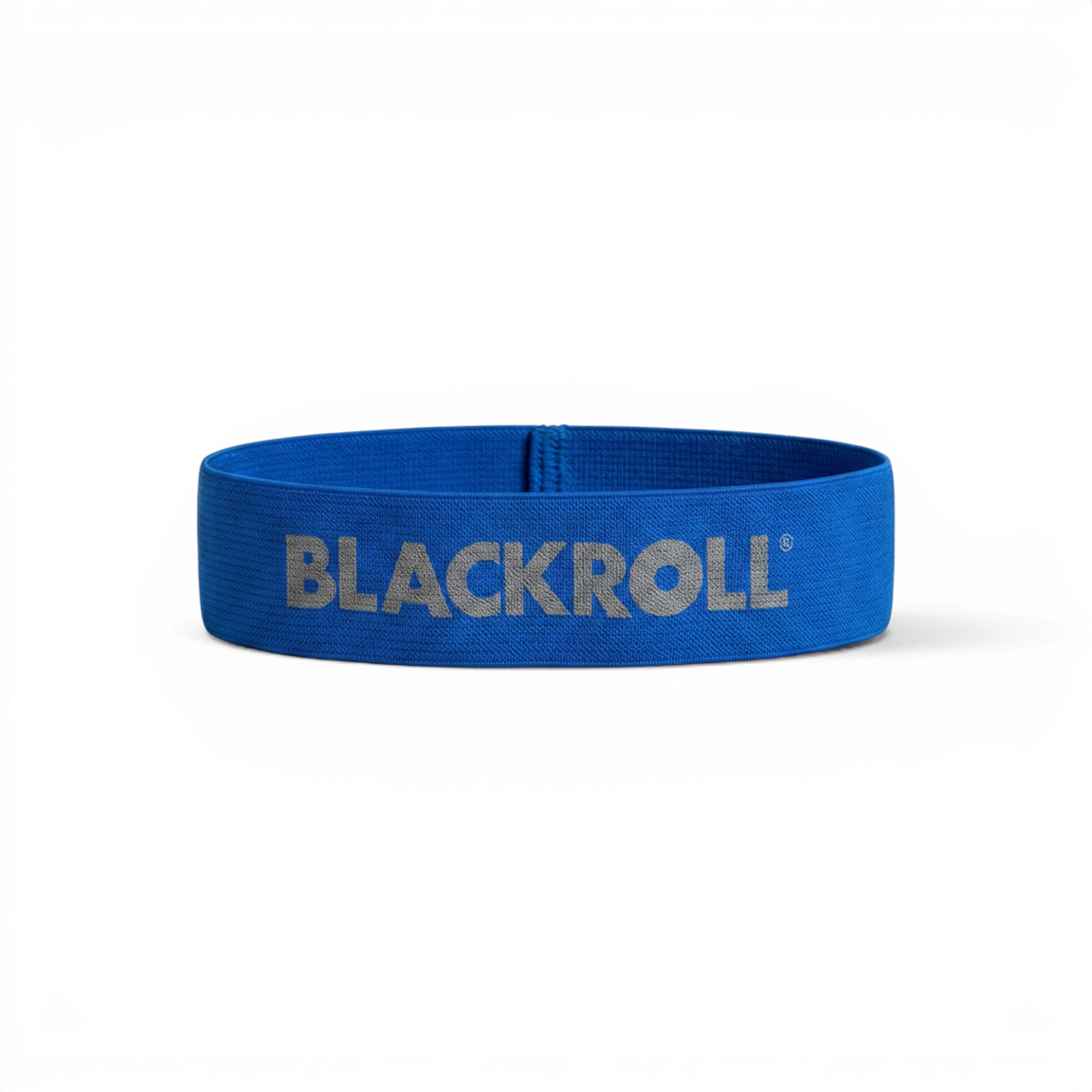
Loop Band
Available in multiple variants
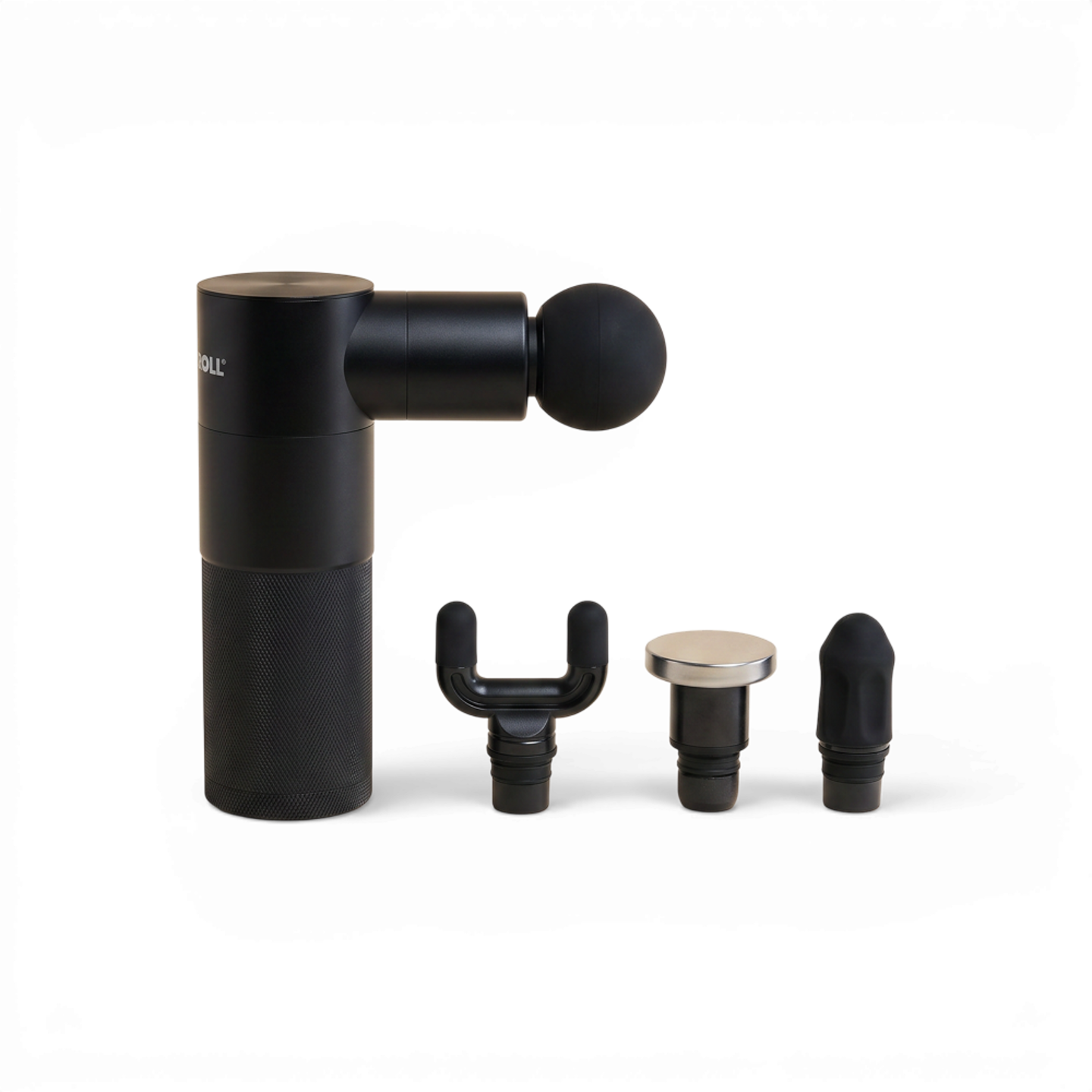
Mini
Available in multiple variants