How to Use a Massage Gun Correctly on the Neck and Head
Exercise Routine with a Massage Gun for a Relaxed Head and Neck Area
Focus areas
- Nacken
- Kopf
- Kiefer
Time
- 14 minutes
- 4 exercises
Massage Gun Exercises for the Head, Jaw, and Neck
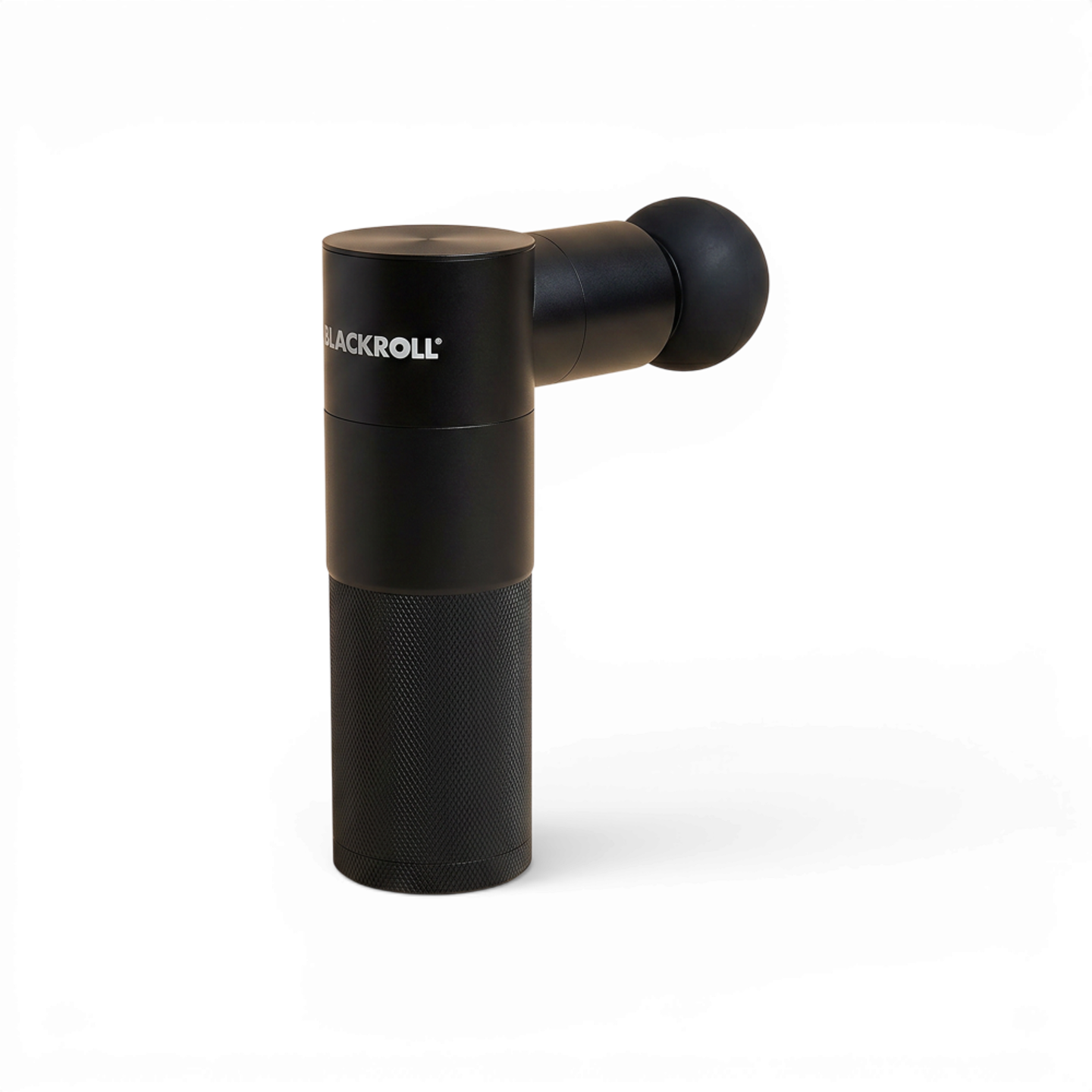
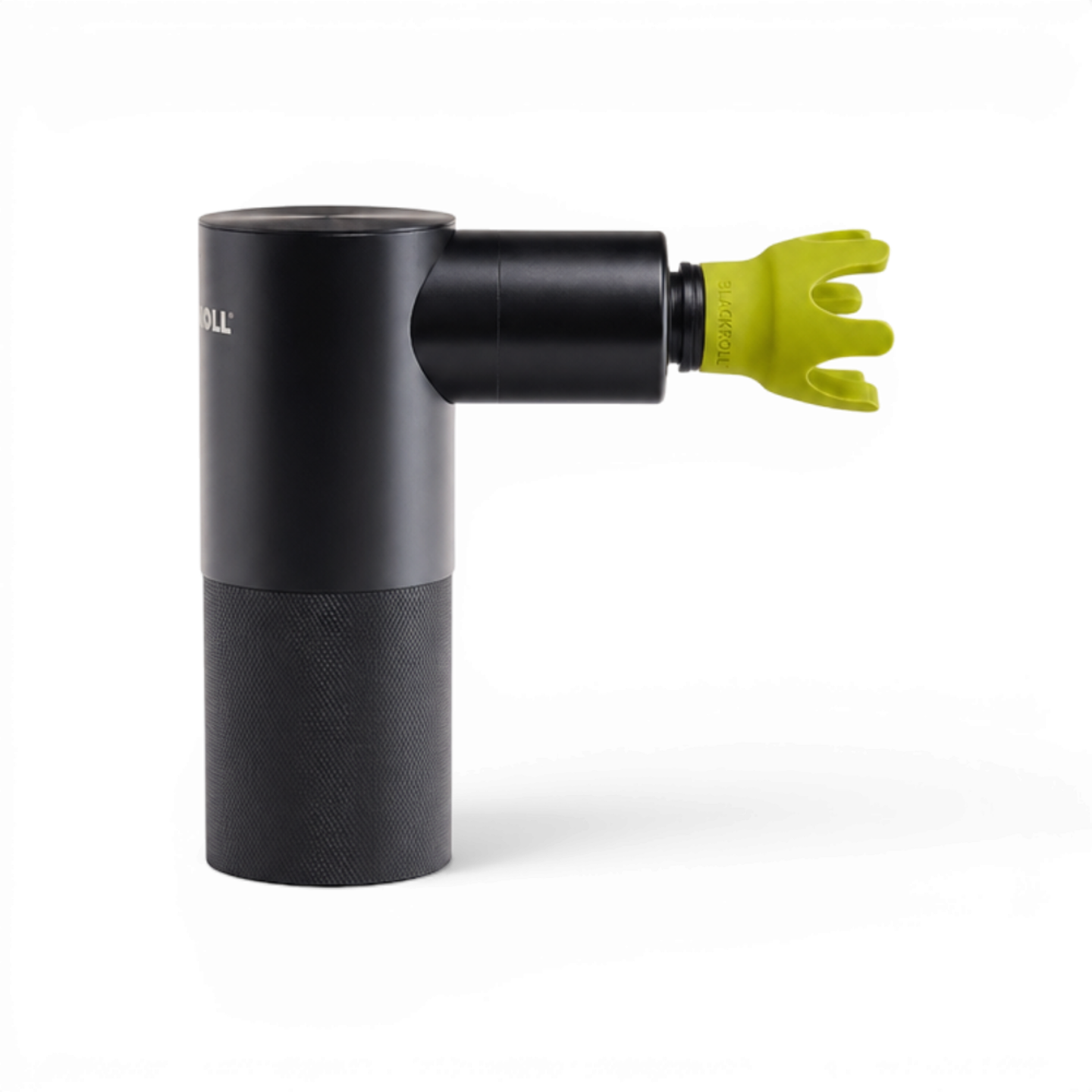
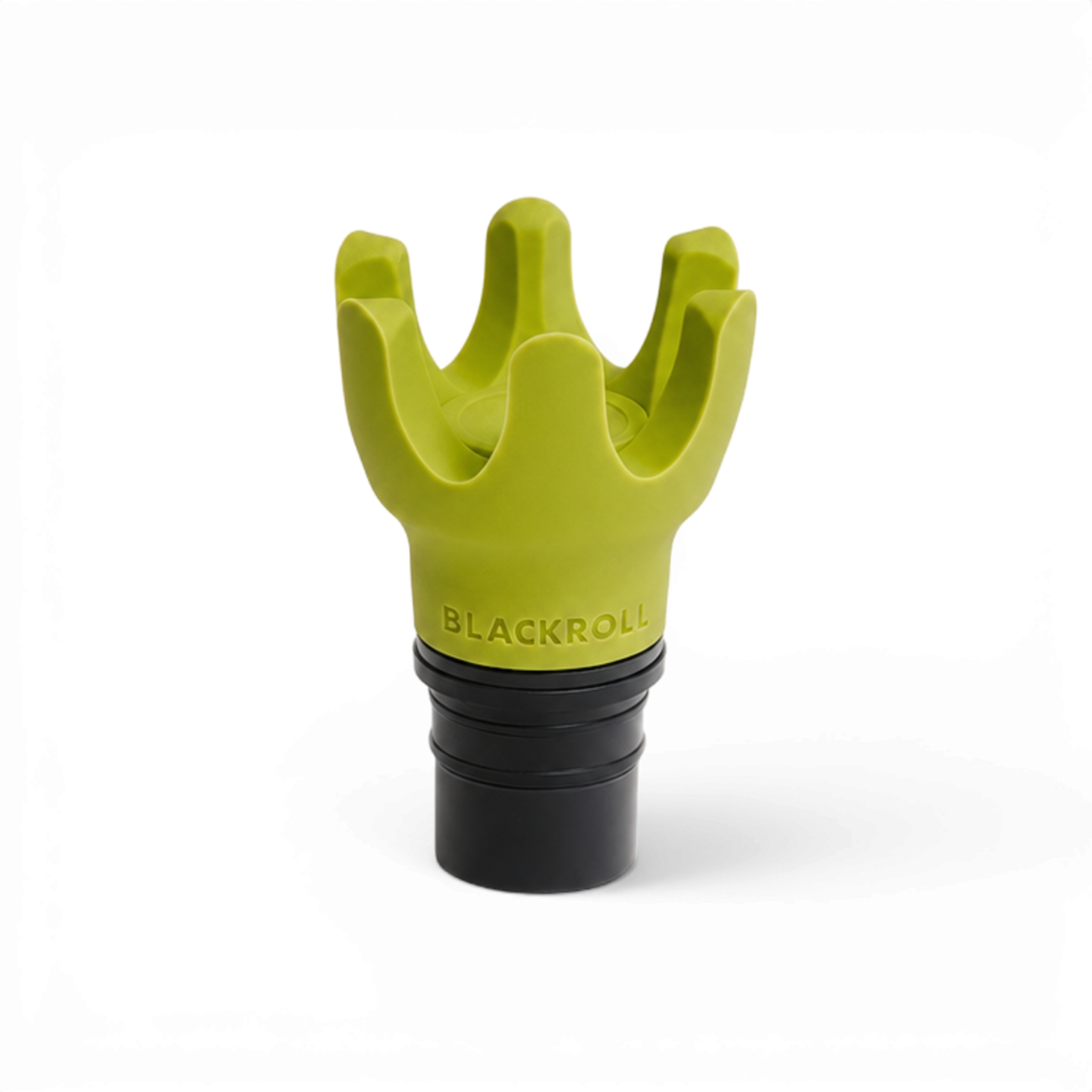
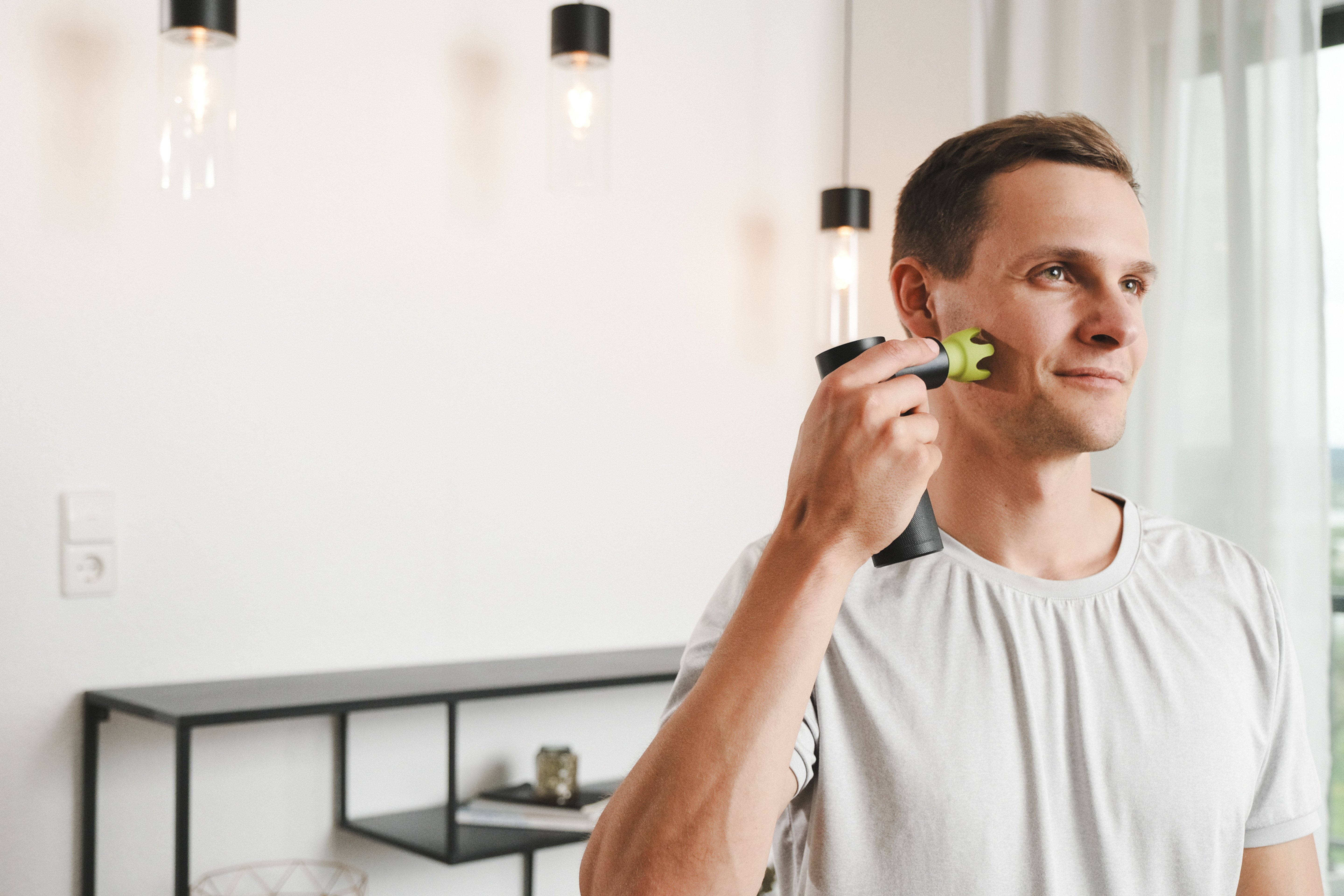
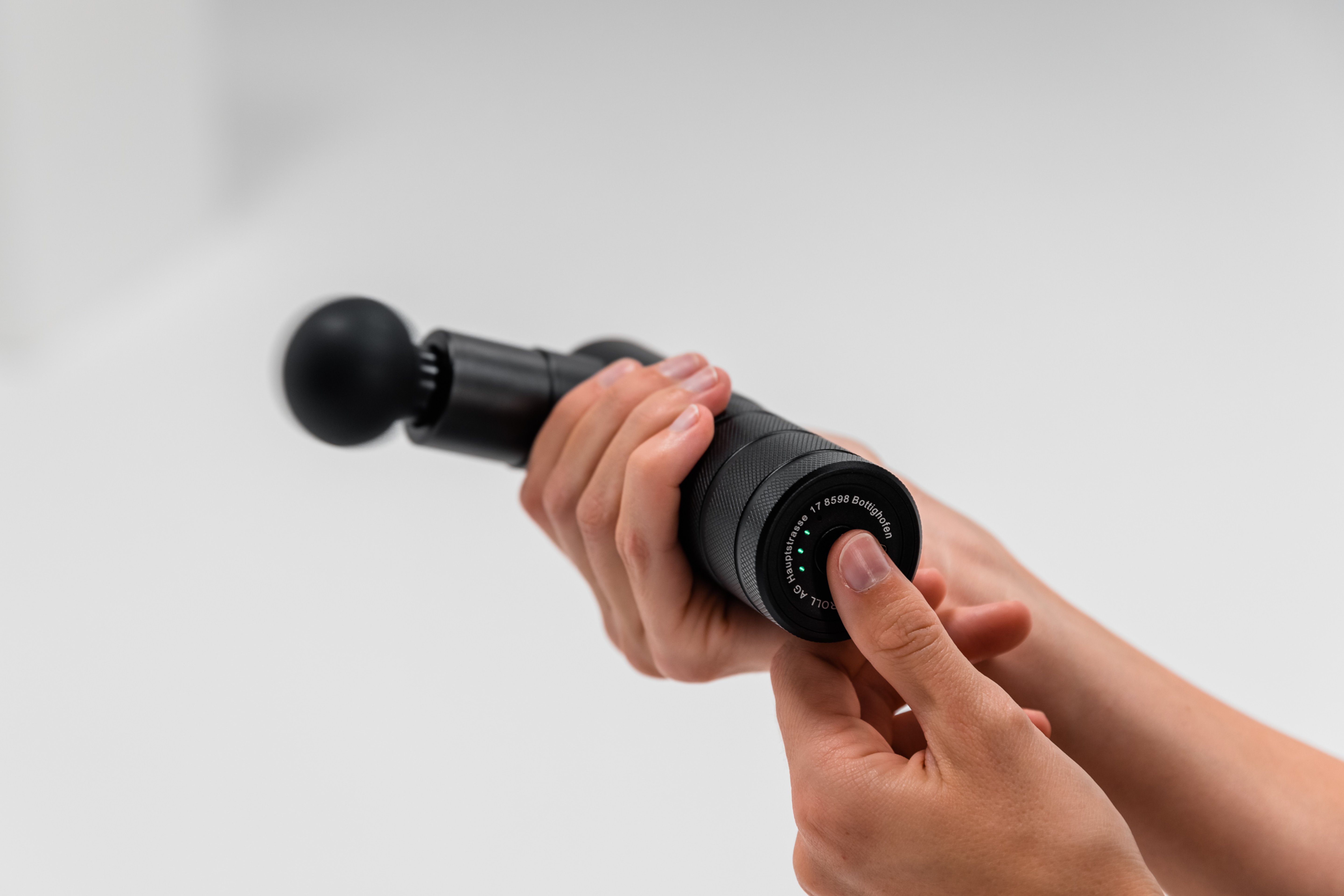
Due to the modern lifestyle we lead today, head and neck pain are unfortunately a daily reality for many people. Do you already have the BLACKROLL® FASCIA GUN with the SOFT PEAKS attachment? With it, you can now also massage your head, jaw, and neck.
Don’t believe you can use a massage gun to massage your head and neck? Master Trainer Stefan proves otherwise in this video. Here are some massage gun exercises for your head, jaw, and neck.
Causes and Issues Related to Head and Neck Pain
Head and neck pain are common problems that can affect many people. There are various causes and issues associated with these complaints:
- Muscle Tension: One of the most common causes of neck and head pain is muscle tension in the neck area. Long hours spent in front of a computer screen, poor posture, and stress can lead to tension.
- Posture-Related Problems: Poor posture—whether at work, while sleeping, or during everyday activities—can lead to chronic neck and headaches.
- Stress and psychological strain: Emotional strain and stress can manifest as tension headaches, which often affect the neck area.
- Potentially serious triggers: In some cases, neck and headaches can indicate serious health problems, such as herniated discs, migraines, cluster headaches, high blood pressure, or neurological disorders. It is important to rule out such problems, especially if the pain is severe or changes suddenly.
- Poor sleep habits: Insufficient sleep or improper sleeping positions can cause or worsen neck and headaches.
- Excessive use of electronic devices: Constantly staring at the screens of smartphones, tablets, and computers can lead to poor posture and eye strain, which in turn can cause neck and headaches.
- Injuries: Accidents or injuries, such as whiplash from a car accident, can lead to acute or chronic neck and headaches.
In many cases, preventive measures such as taking regular breaks at work, making ergonomic improvements, managing stress, and getting massages can help reduce the risk of head and neck pain.
Massage Gun: Proper Use on the Neck
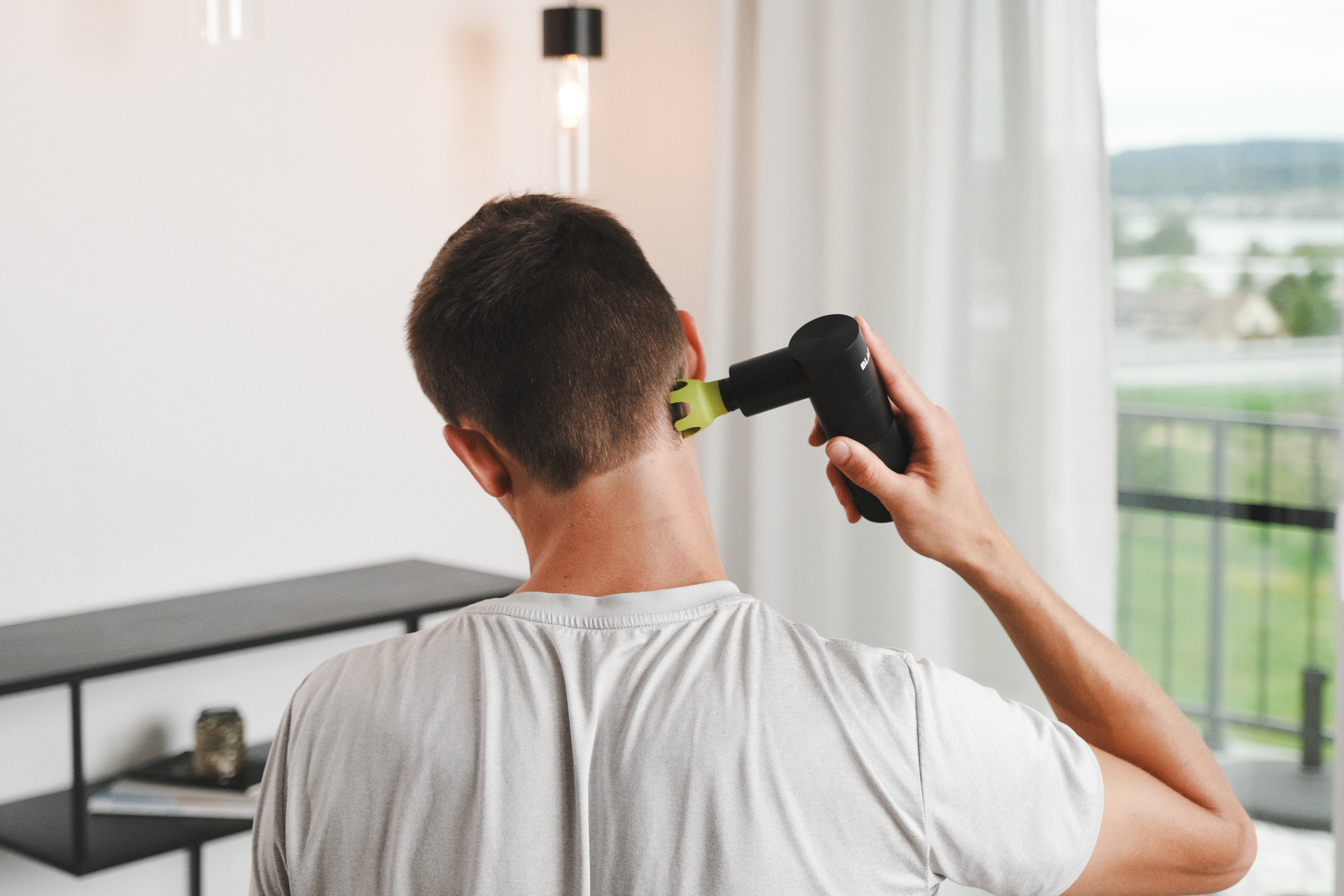
Proper use of the massage gun on the neck requires mindfulness and the right technique. Especially in this sensitive area, you should proceed gently to relieve tension and promote blood circulation without applying pressure to the vertebrae or bones.
In the video below, we’ll show you step by step how to use the BLACKROLL Fascia Gun massage gun safely and effectively on your neck. You’ll learn what intensity level is appropriate, how to position the massage heads correctly, and which movements will help you reduce muscle tension while promoting relaxation.
👉 Watch the video here to see the correct way to use the massage gun on your neck:
Watch the video now
Step-by-Step Instructions (Neck)
- Preparation: Sit upright with your shoulders relaxed. Choose a soft massage head and start on a low setting.
- Find the starting point: Place the gun to the side of your cervical spine on the upper trapezius (diagonally above the shoulder). Hold it at a 90° angle to the tissue, applying no additional pressure—just the device’s own weight.
- Glide along longitudinal lines: Slowlyglide from the base of the shoulder toward the back of the head (along the neck lines) for 20–30 seconds per stroke.
- Glide across areas of tension: Glide in short, gentle strokes across the upper trapezius and levator scapulae (30–45 seconds per side).
- Working on trigger points: Sensitive spots? Hold for 10–15 seconds, lengthen your breath (inhale calmly, exhale longer), and reduce intensity if necessary.
- Switch sides: Repeat the same sequence on the other side.
- Cool-down: Finish with 2–3 deep breaths, gently tilt your head to the side (without straining), and circle your shoulders.
Duration: 1–3 minutes total per side, depending on sensitivity and how you’re feeling that day.
What to Keep in Mind
- Sensitive areas: Never work on the spine/spinous processes, carotid artery, larynx, or directly on bones.
- Intensity: Less is more. Start low (subjectively 2–3/10) and increase only if you tolerate it well.
- Pace: Slow, controlled gliding movements—no “strokes” or rushing.
- Angle & Pressure: 90° to the tissue; do not apply additional pressure.
- Signs to Stop: Dizziness, numbness, sharp pain, headache → stop immediately.
- Timing: Gentler as a cool-down; in daily life, short and regular sessions (e.g., 3–5 times a week).
Common Mistakes (and How to Avoid Them)
- Setting too high: Often leads to defensive tension. → Start at a lower setting and proceed slowly.
- Directly on bones/vertebrae: Irritates instead of relieving. → Always stay on the muscles next to the spine.
- Staying on one spot too long: Can trigger irritation or headaches. → 10–15 seconds is enough; then glide on.
- Working on the front of the neck: Risk to blood vessels and structures. → Work only on the muscles on the sides and back of the neck.
- “Pressing down” instead of letting it glide: Unnecessarily increases pressure. → Let the device glide gently.
- Not breathing: Shallow breathing maintains tension. → Exhale calmly and fully (e.g., inhale for 4 seconds, exhale for 6 seconds).
Note: In cases of acute injuries, inflammatory processes, recent surgery, severe dizziness or migraine symptoms, or coagulation disorders, consult a doctor beforehand.
Benefits of Self-Massage with a Massage Gun
Using a massage gun for self-massage in the head and neck area can be an effective way to relieve tension and promote relaxation. Here are some benefits of self-massage with a massage gun:
- Pain relief: The massage gun can loosen muscle tension that causes head and neck pain. This can lead to noticeable pain relief.
- Muscle relaxation: The gun’s pulsating movements help relax the muscles in the neck and head area, which can be particularly helpful when dealing with stress and tension. You can also use a massage gun to alleviate muscle soreness after exercise.
- Improved blood circulation: The massage gun promotes blood circulation in the treated area. Better blood circulation can help improve the supply of nutrients to the tissues.
- Flexibility: Regular use of the massage gun can improve flexibility by relieving tension in the muscles.
- Stress relief: Using the massage gun can help reduce stress and promote deeper relaxation by calming the nervous system.
Start at a low intensity and work your way up slowly. If in doubt, consult a specialist or a doctor, especially if you have pre-existing health conditions.
Keep in mind that self-massage with a massage gun can provide symptomatic relief but may not address the underlying causes of head and neck pain. If the pain is chronic or severe, it’s advisable to see a doctor for a comprehensive diagnosis and treatment plan.
Choosing the Right Massage Gun for Your Head, Jaw, and Neck
The massage gun market is currently experiencing a real boom, with a wide variety of brands to choose from. Choosing the right massage gun can therefore be a challenge. But what should you look for when selecting a massage gun for the head, jaw, and neck?
Dimensions & Weight: The gun shouldn’t be too heavy to ensure comfortable use and shouldn’t feel unwieldy in your hand. Nevertheless, it should have sufficient weight to achieve effective massage results without requiring excessive muscle strength.
Quality & Workmanship: Many massage devices on the market are made of inexpensive plastic. The old adage often applies here: “Buy cheap, buy twice.” It’s therefore advisable to look for high-quality materials and solid workmanship to ensure you’ll enjoy your massage gun for as long as possible.
Frequency Range & Power: The power output and the various massage functions should also be considered when selecting a massage gun. Higher power does not necessarily mean that the massage gun is better. If the massage gun is intended for use on the head, jaw, and neck area, it is recommended to choose a device that also covers low frequencies below 30 Hz (1,800 revolutions per minute). This is important because low-frequency massages are more effective at promoting muscle relaxation. Frequencies that are too high can cause the muscles to tense up as a protective response.
Amplitude: Amplitude describes how deeply the massage head penetrates the tissue. Here, too—similar to frequency—“more” does not necessarily mean “better.” A high amplitude can be pleasant for large muscle groups, such as the legs, but can quickly become uncomfortable for smaller muscle groups, such as those in the shoulder and neck area. It’s important to consider what the massage gun will primarily be used for and how intense the massage pulses should be. If you plan to treat smaller muscle groups as well, it’s advisable to choose a massage gun with a lower amplitude to avoid excessive tissue penetration.
Battery: The battery is another important feature to consider when making a purchase. Manufacturers typically specify the estimated battery life. After all, you don’t want to have to recharge the massage gun after every use.
Noise Level: Noise level often plays a decisive role in deciding whether or not to use a massage gun. A device that’s too loud probably won’t be used while watching TV. Especially when used on the head, a device that’s too loud can be off-putting. Furthermore, a high noise level isn’t conducive to relaxation. Therefore, it’s advisable to choose a device that’s as quiet as possible.
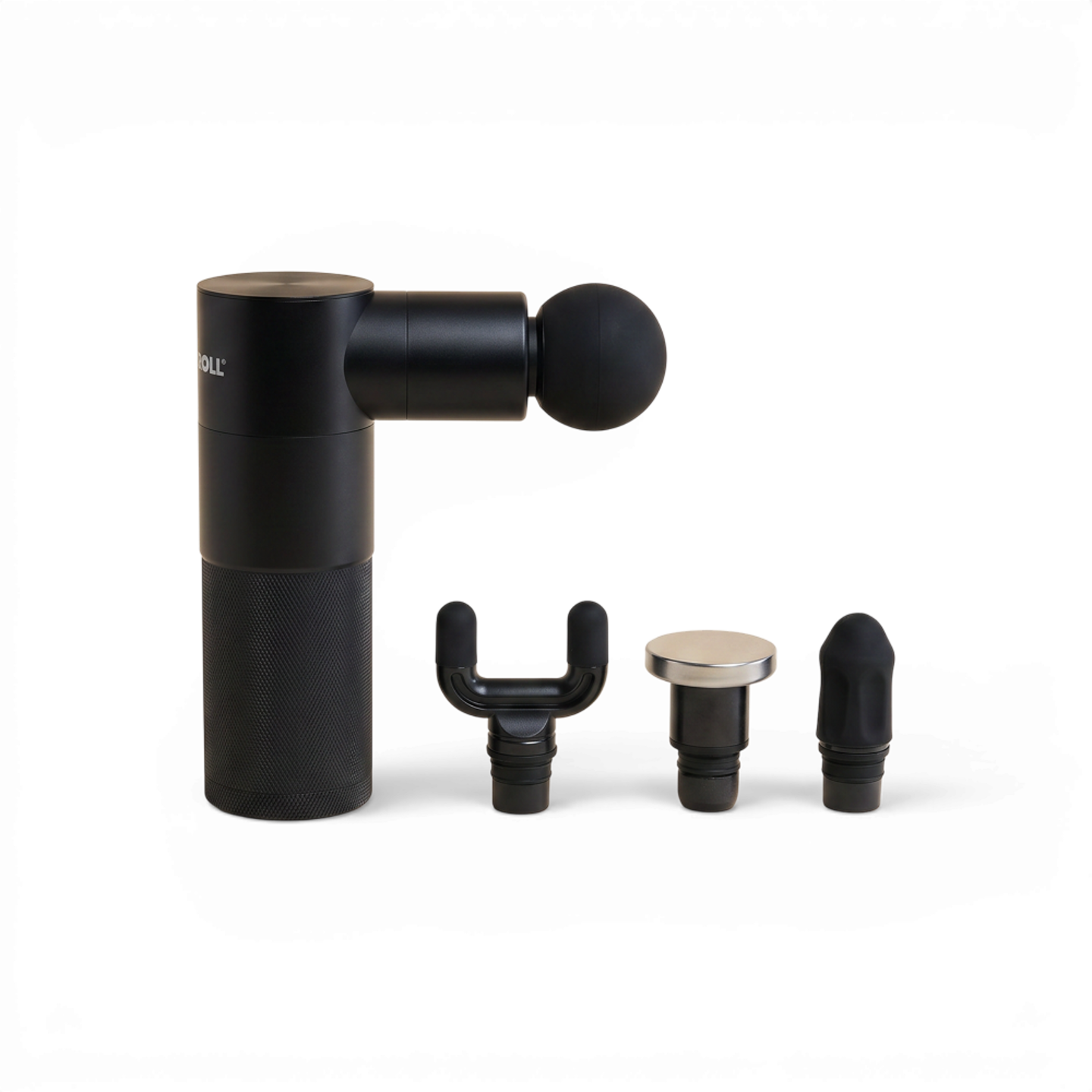
Attachments: Although there are a wide variety of different attachments available, you generally won’t need more than 4 or 5 of them. The BLACKROLL SOFT PEAKS is the first and only attachment for a massage gun that allows you to easily massage your head and neck area. Enjoy!
The Effects of Vibration Massage
How Vibration Massage Can Improve Range of Motion and Relieve Pain