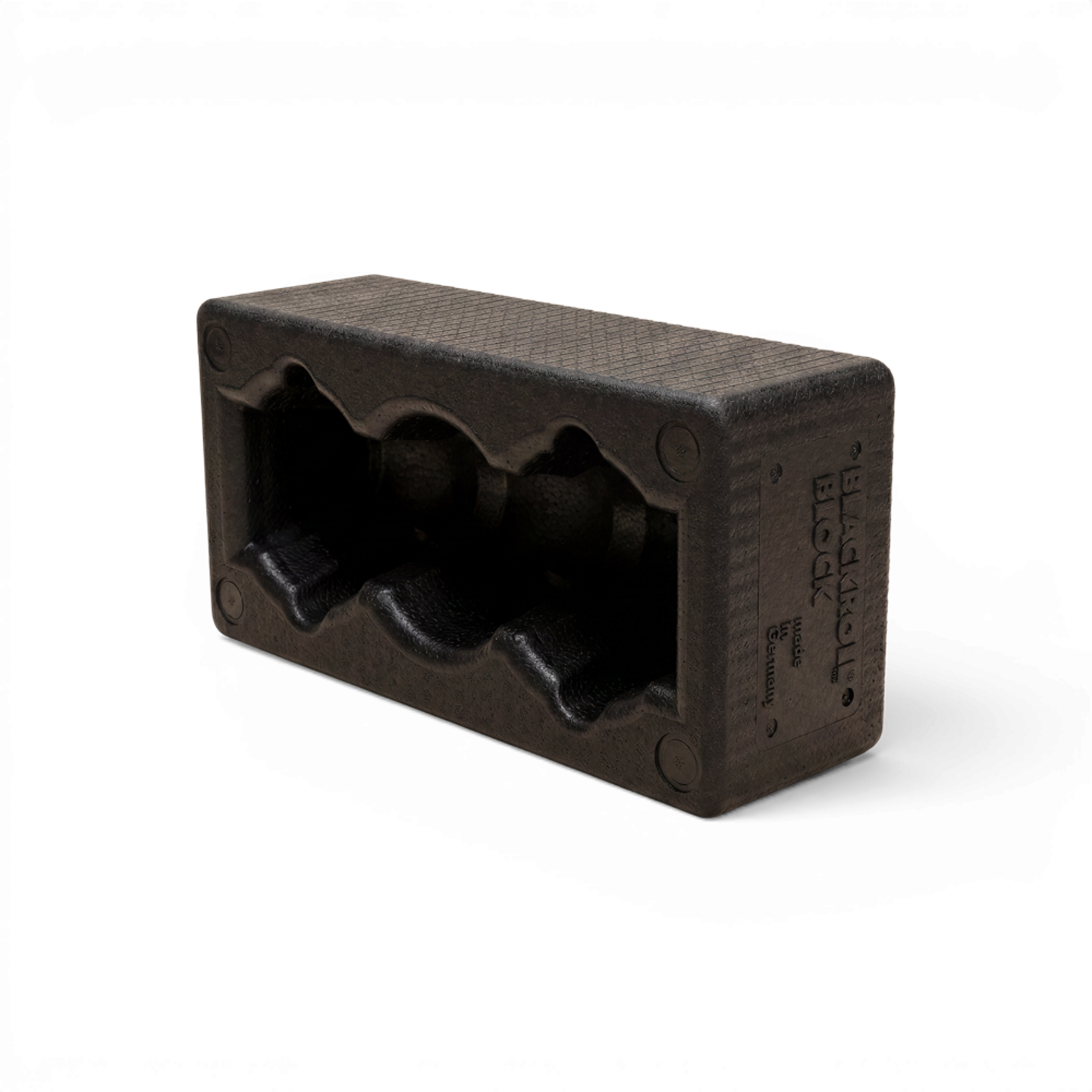
Hip Stretches: The Best Exercises for Stiff Hips
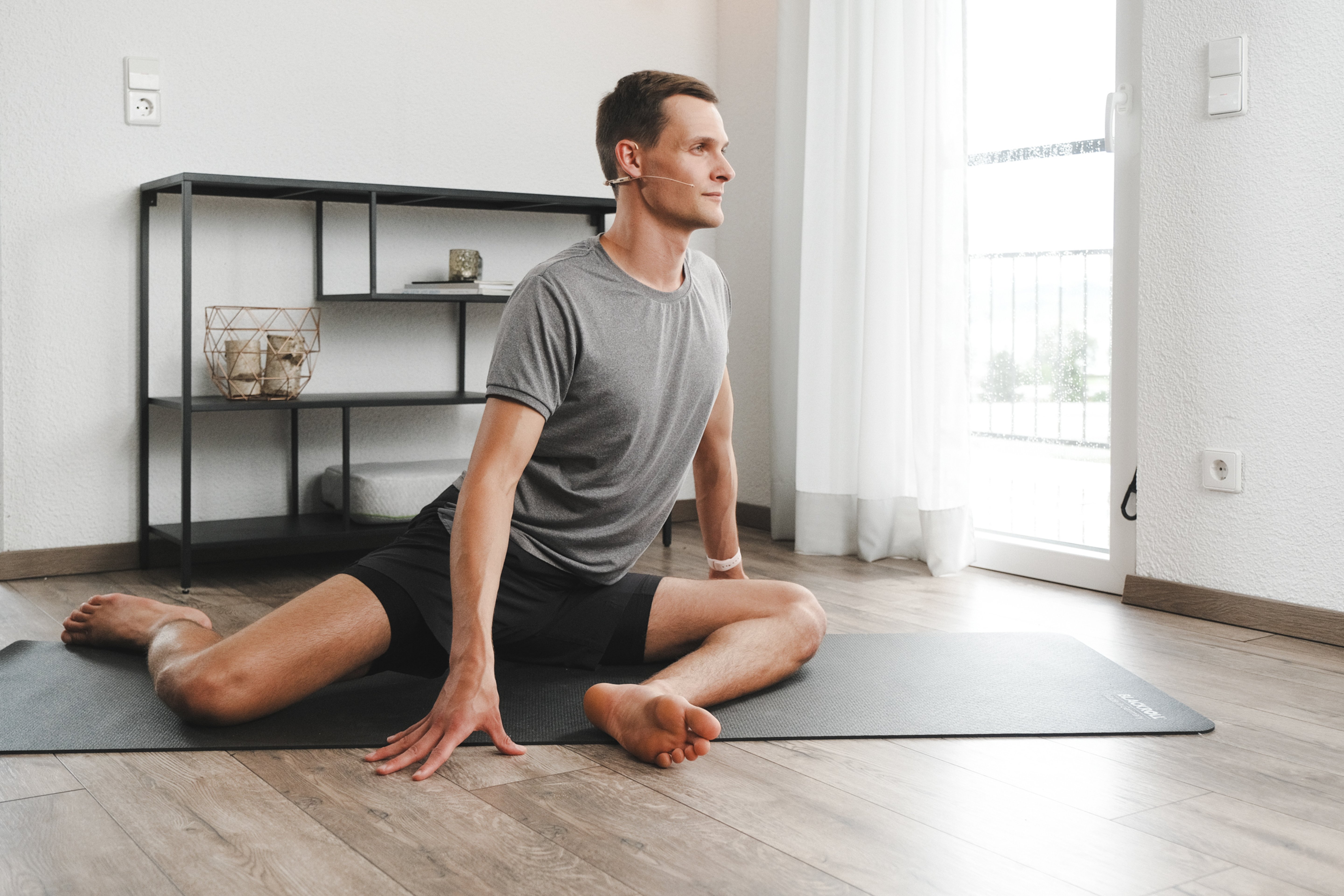
Exercises for Flexible Hips
Focus areas
- Hüfte
Time
- 21 minutes
- 3 exercises
Hip Stretching
In this exercise video, Master Trainer Stefan shows you targeted exercises for stretching your hips and improving flexibility. Through targeted stretching and mobilization techniques, you’ll create more range of motion in all degrees of freedom of the hip joint.
Hip pain is often associated with increased muscular and fascial tension. Prolonged sitting and unbalanced movements cause muscles and fascia to become stiffer. This frequently leads to increased tension in the tissues, which manifests as pain. To counteract this, you should stretch your hips regularly.
Stretching the Hip Flexors
If you spend a lot of time sitting in your daily life, there’s a good chance your hip flexors are holding too much tension and have functionally shortened. In the video below, Master Trainer Stefan shows you which exercises you can use to restore the length of your hip flexors and relieve tension. This routine is ideal if you suffer from back pain caused by sitting too much.
Note: The term “hip flexors” is commonly used in everyday German. However, it actually refers to a group of muscles on the front of the hip that enable you to bend your hip or bring your leg toward your abdomen.
The primary hip flexor muscles include:
- Iliopsoas: This is a combination of two muscles, the psoas major and the iliacus.
- Rectus femoris: This muscle is part of the quadriceps group on the front of the thigh.
- Tensor fasciae latae: A muscle located on the outer hip that assists in hip flexion and stabilizes the pelvis.
These muscles work together to flex the hip and are important for many everyday movements as well as athletic activities. It’s important to stretch the hip flexor muscles holistically to maintain good mobility and function in the hip area. In the video, Stefan shows you how to effectively stretch all parts of your hip flexor muscles.
An interesting point to note is that there is a common misconception: Many people mistakenly refer to the hip flexor as the hip extensor.
Stretching the Hip Muscles – Why Is It Important?
Stretching the hip muscles is important because a flexible hip plays a key role in overall posture, range of motion, and athletic performance. If the hip muscles are tight or stiff, this can lead to poor pelvic alignment, which in turn can affect the spine and your overall posture. By stretching your hip muscles, you can improve your posture and reduce potential problems associated with poor pelvic alignment. A flexible hip—that is, a hip with good mobility and flexibility—offers various benefits for the body and everyday life.
Improved Range of Motion
A flexible hip allows for a wide range of motion. This makes activities such as walking, running, climbing stairs, standing up, and sitting down easier.
Reduced Risk of Injury
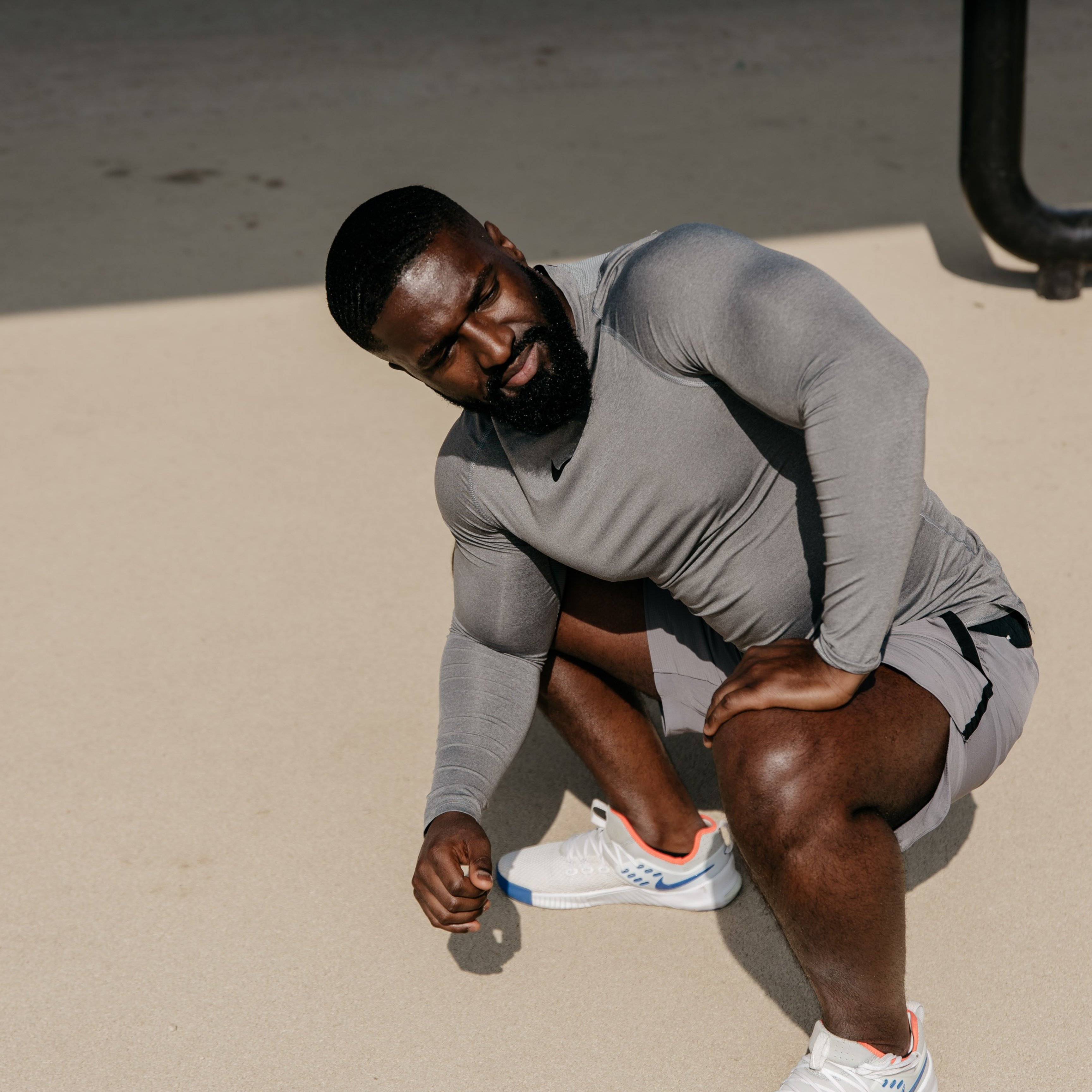
Good hip mobility can reduce the risk of injury because the body is able to adapt to various movement situations. This reduces the likelihood of compensatory movements.
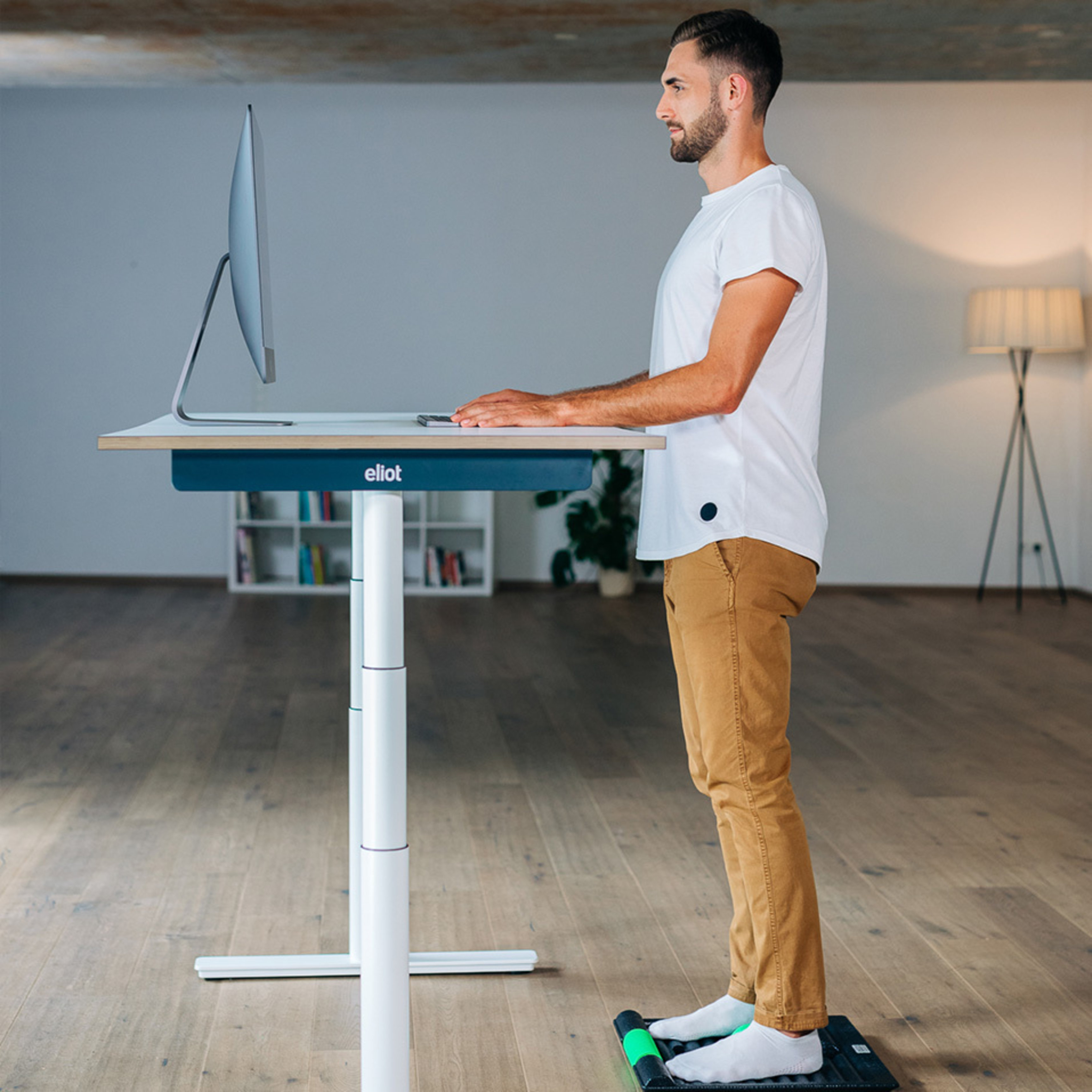
Better Posture
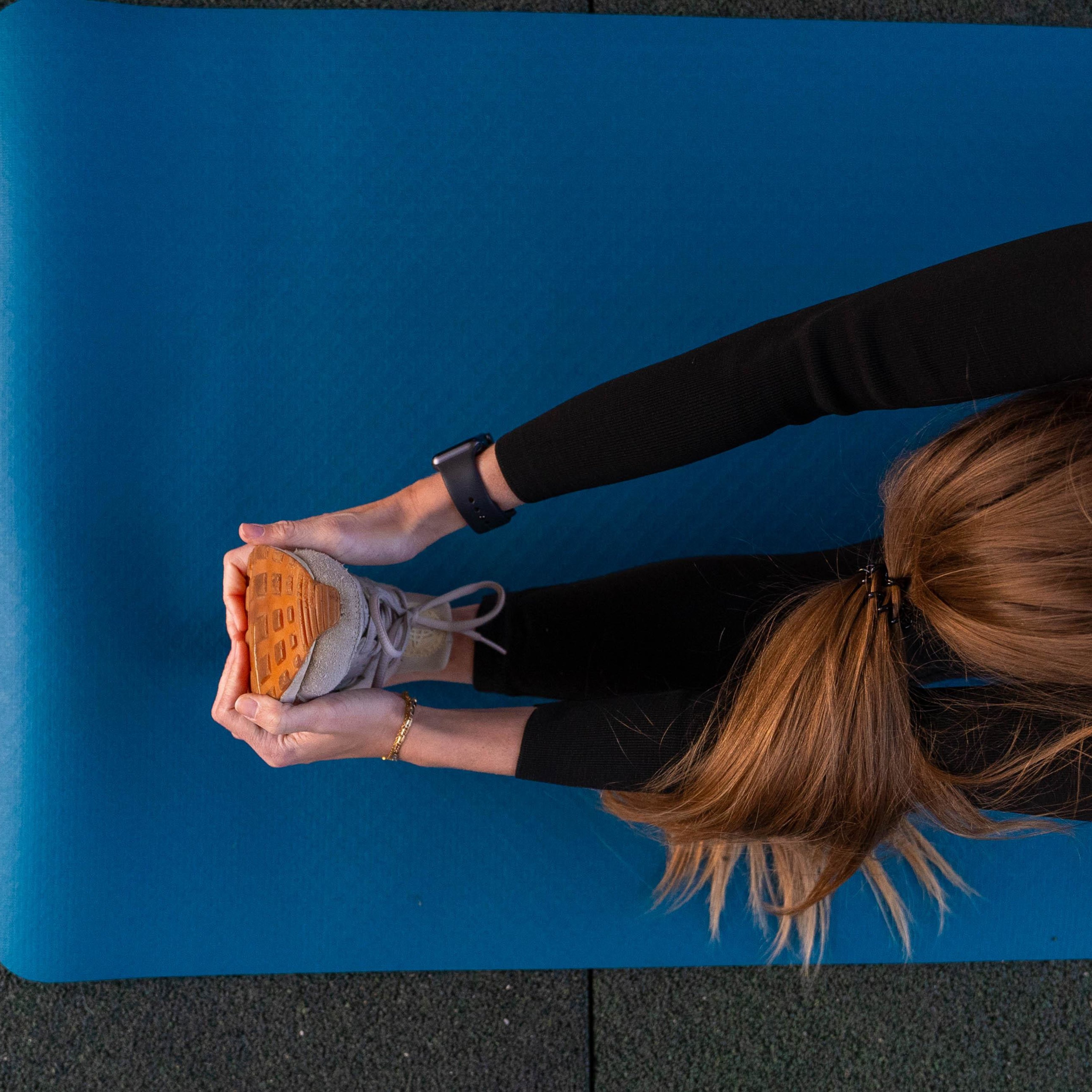
A flexible hip can help promote healthy posture. This can help minimize back problems and postural issues.
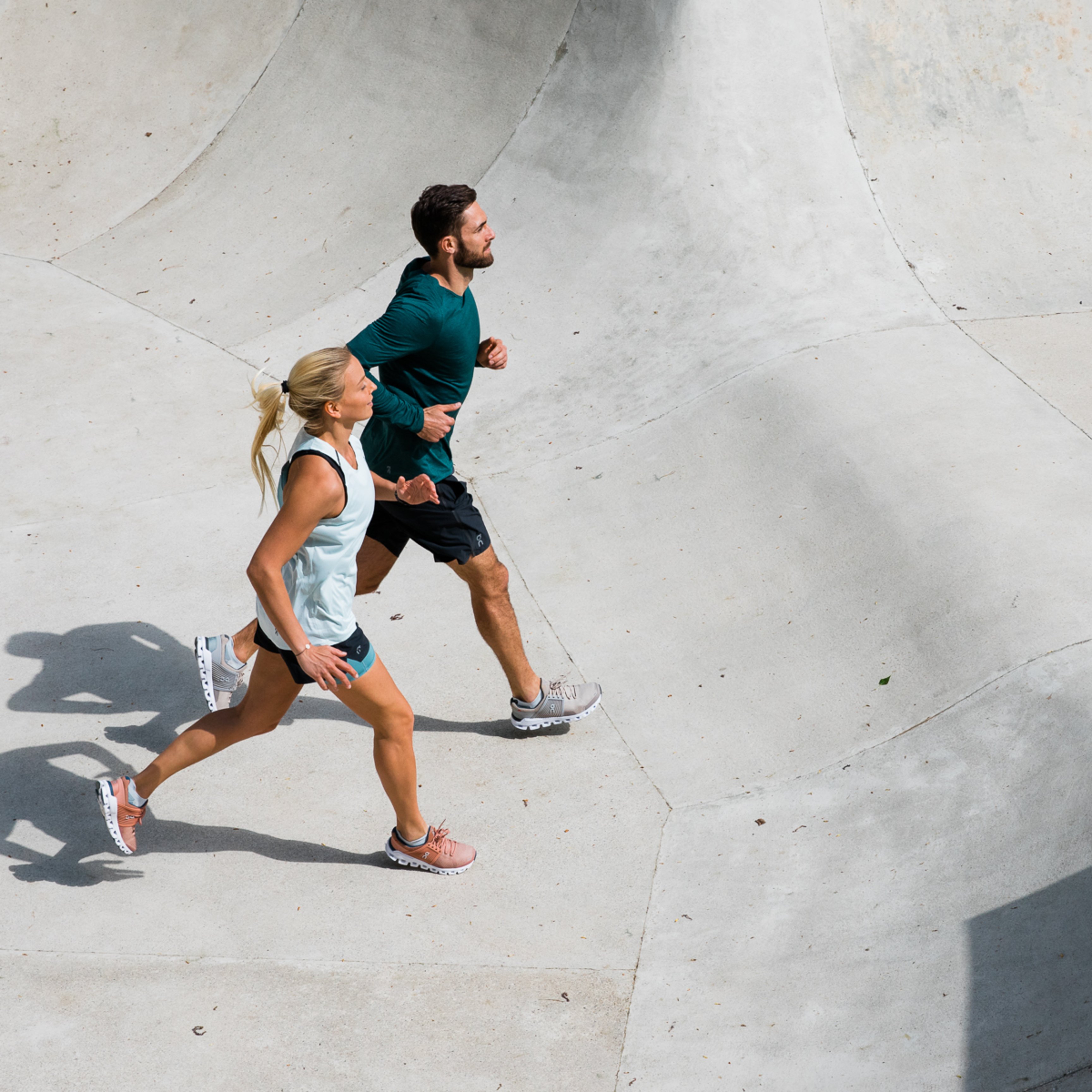
Enhanced Athletic Performance
Athletes and active individuals benefit from a flexible hip, as it allows for greater range of motion and better movement control. This can improve performance in sports such as yoga, dance, gymnastics, track and field, and martial arts.
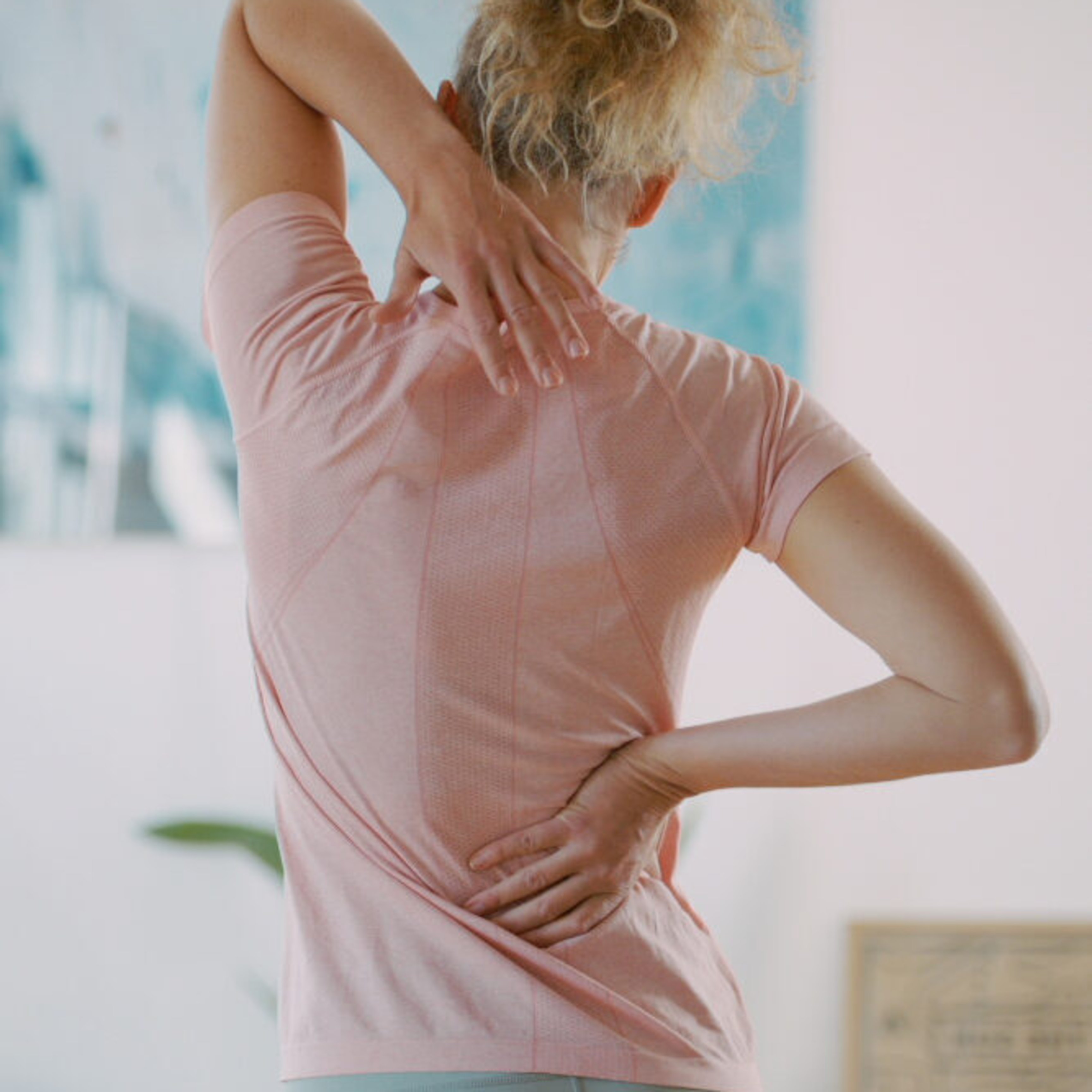
Pain Relief
Limited hip mobility can lead to pain in the lower back, hips, and knees. Maintaining or improving hip mobility can reduce or prevent this pain.
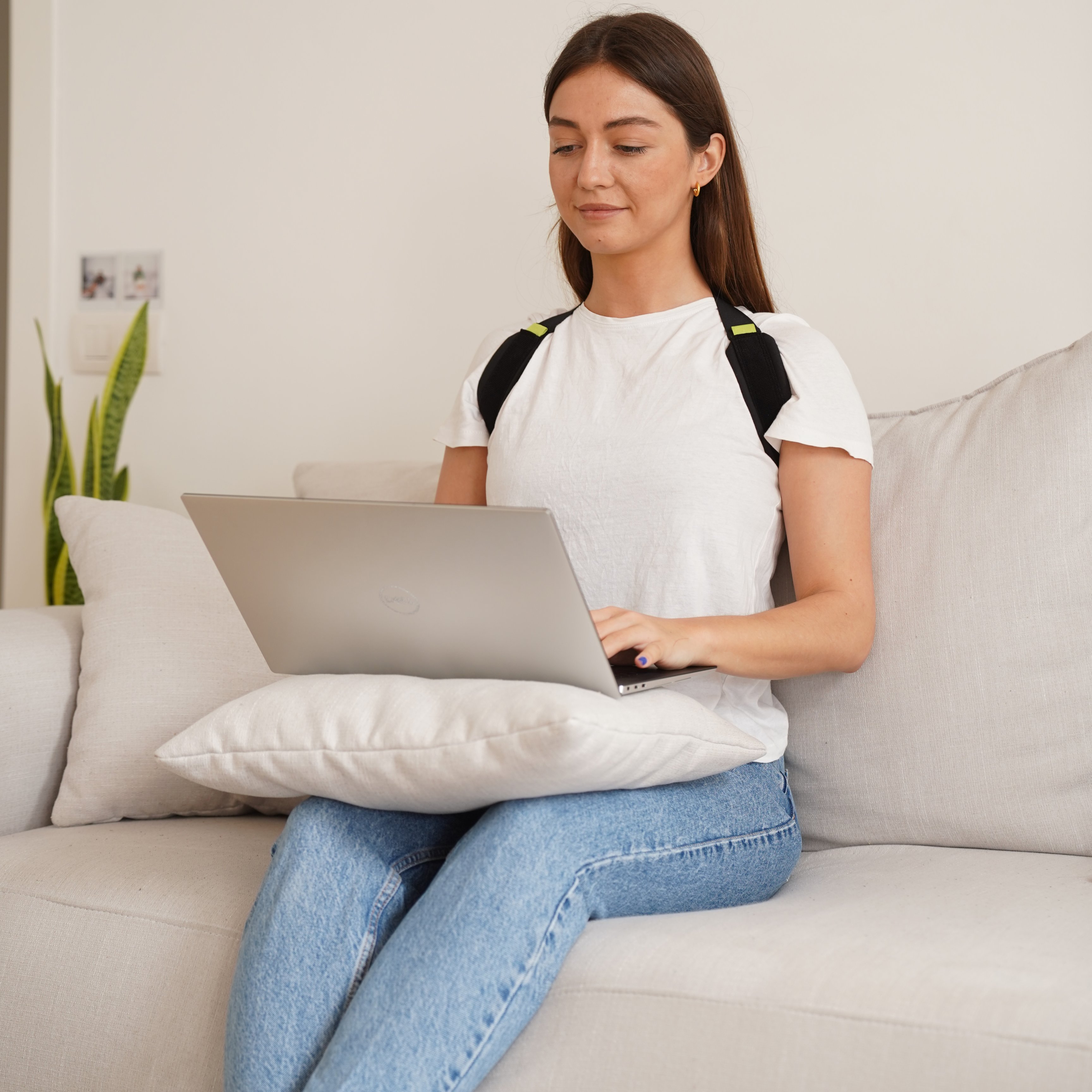
Daily Activities
A flexible hip makes everyday tasks easier, such as lifting objects, bending over, getting dressed and undressed, and sitting in various positions.
Preventing Stiffness in Old Age
Good hip mobility can help reduce stiffness as you age and maintain your ability to move independently.
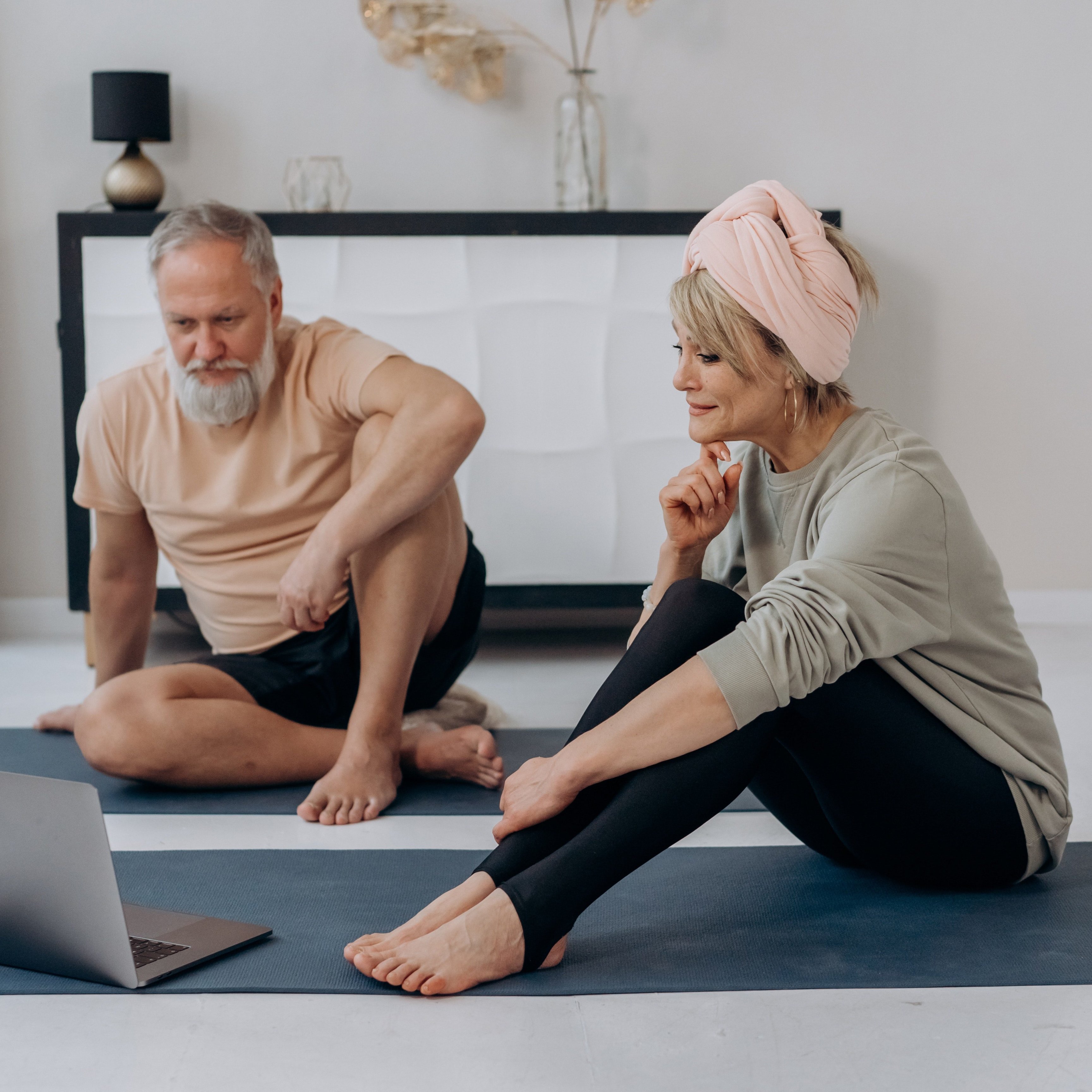
Stretching Your Hips While Sitting
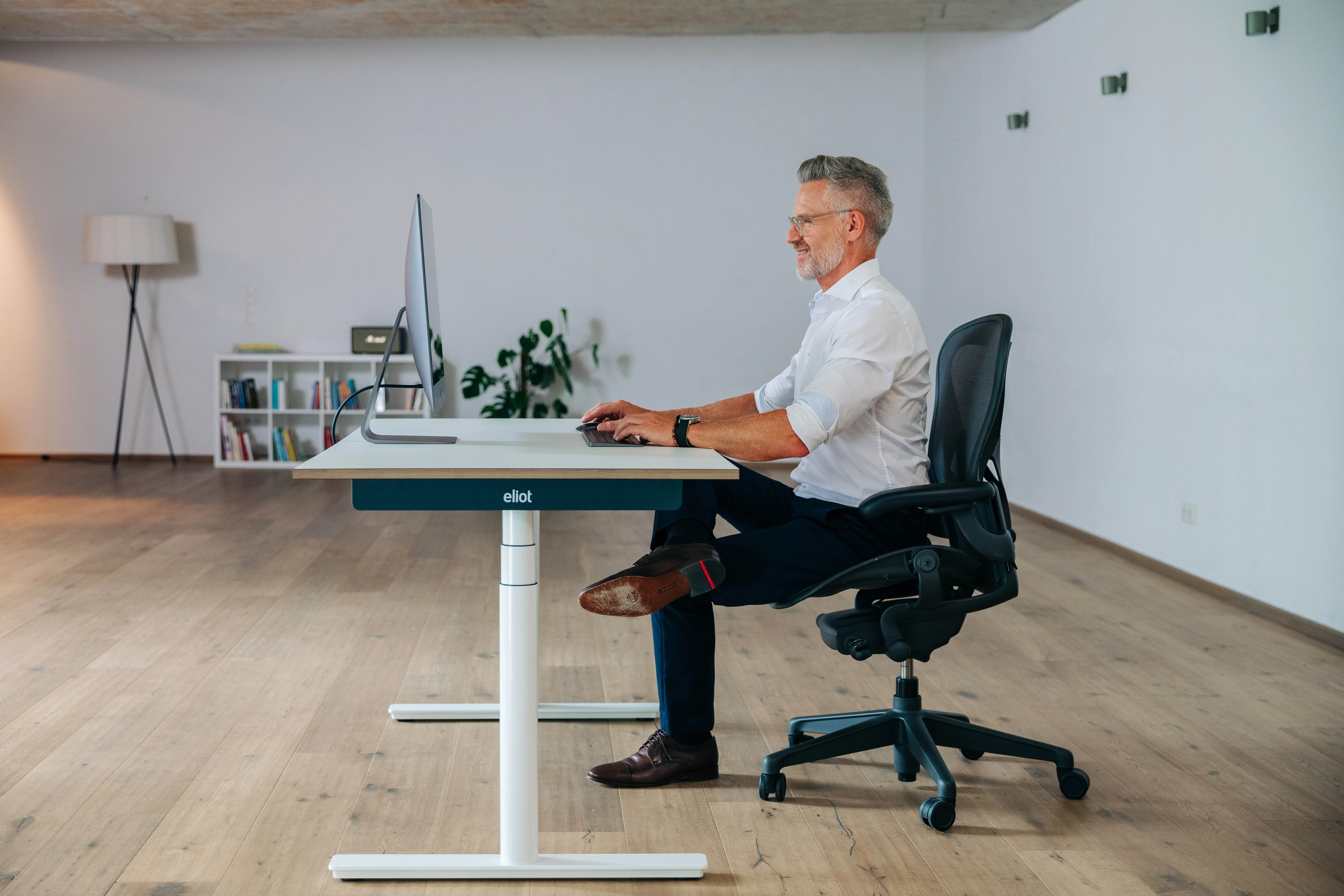
You don’t always have to head straight to your exercise mat when you want to work on your hip flexibility. You can also stretch your hips while sitting by crossing the lower leg of one leg over the thigh of the other leg while you work. This provides a simple and effective way to stretch your hip external rotators without having to leave your chair. It’s important to stretch both sides equally. We often tend to favor the side that’s more flexible.
Stretching Your Hips While Lying Down
Stretching your hips while lying down can be very relaxing and is therefore ideal after a stressful day or when you just want to unwind.
Here are three exercises for stretching your hips while lying down. Feel free to hold these stretches a little longer—2 to 3 minutes per side is a good guideline.
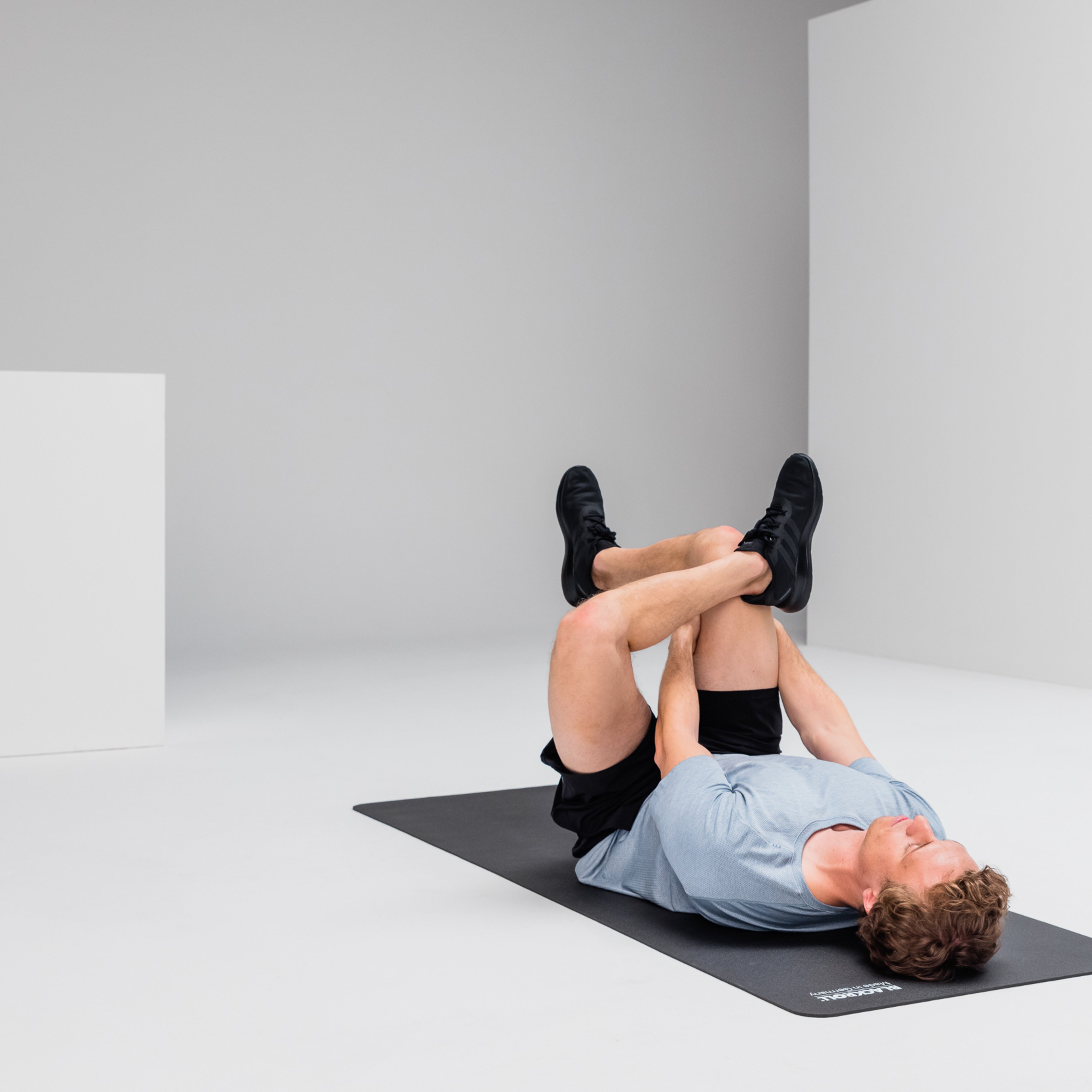
Piriformis Stretch
Start by lying on your back. Bring both legs up. Place one foot on the thigh of the other leg. Grasp the raised leg with both hands. Pull the leg toward you. Hold this position.
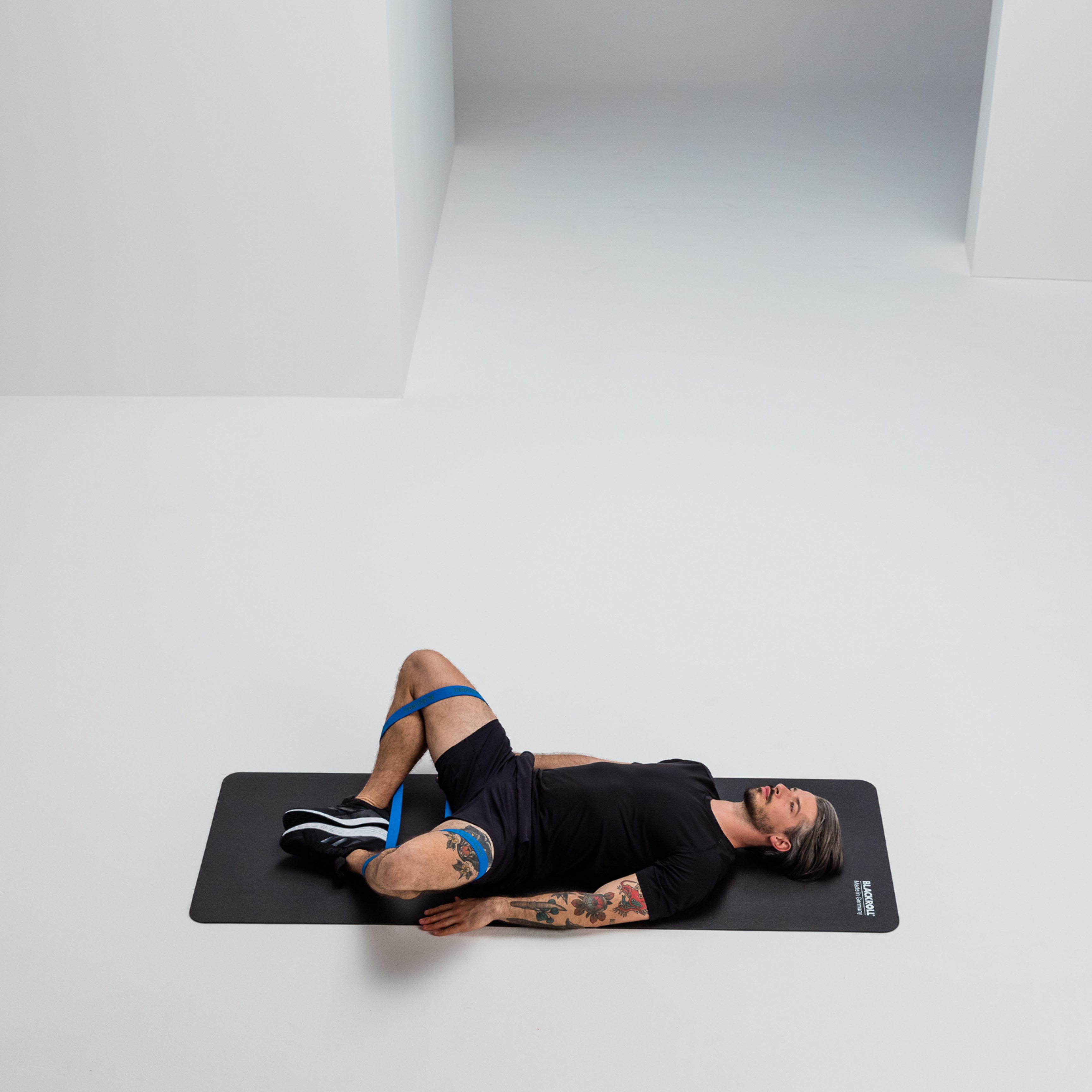
Lying Butterfly Stretch:
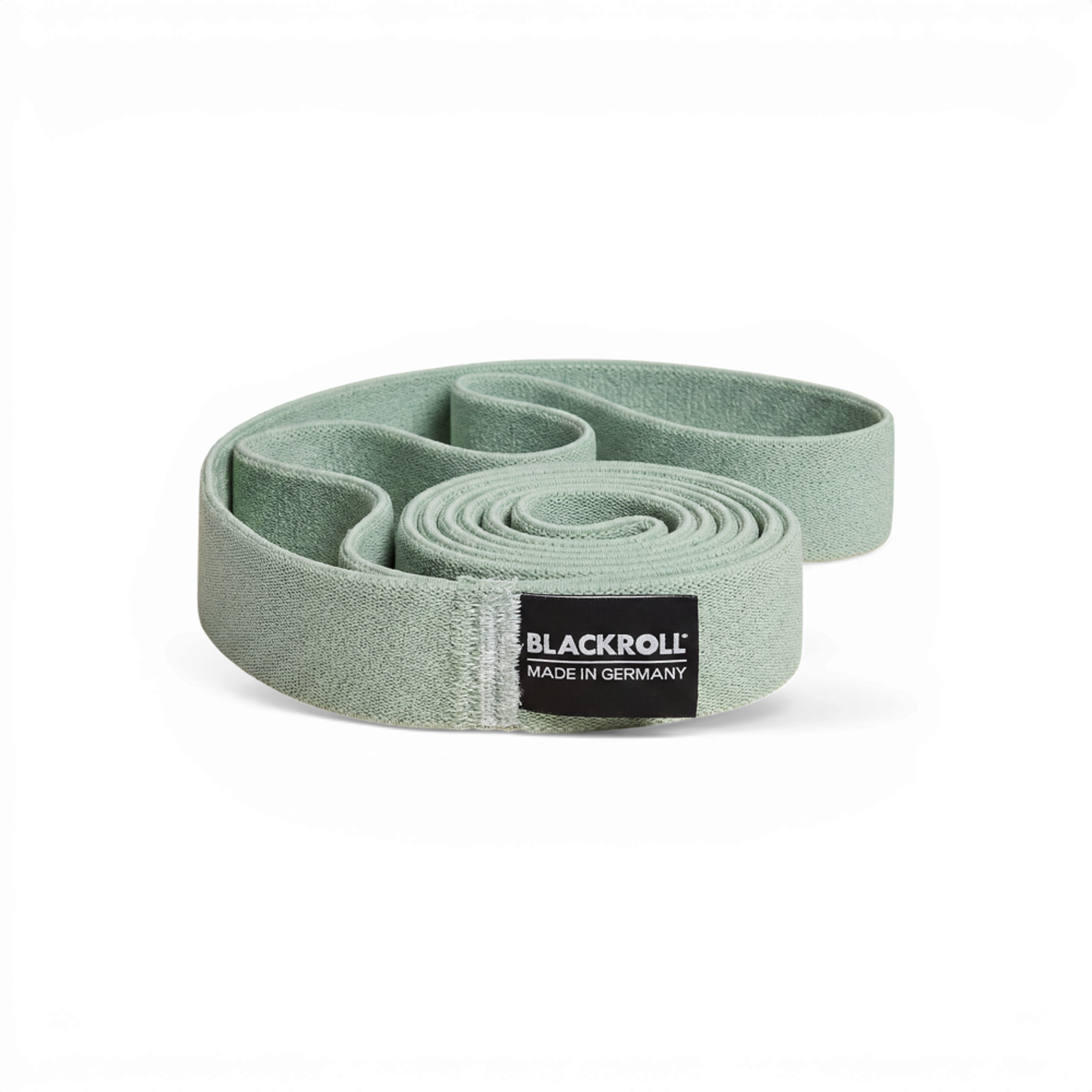
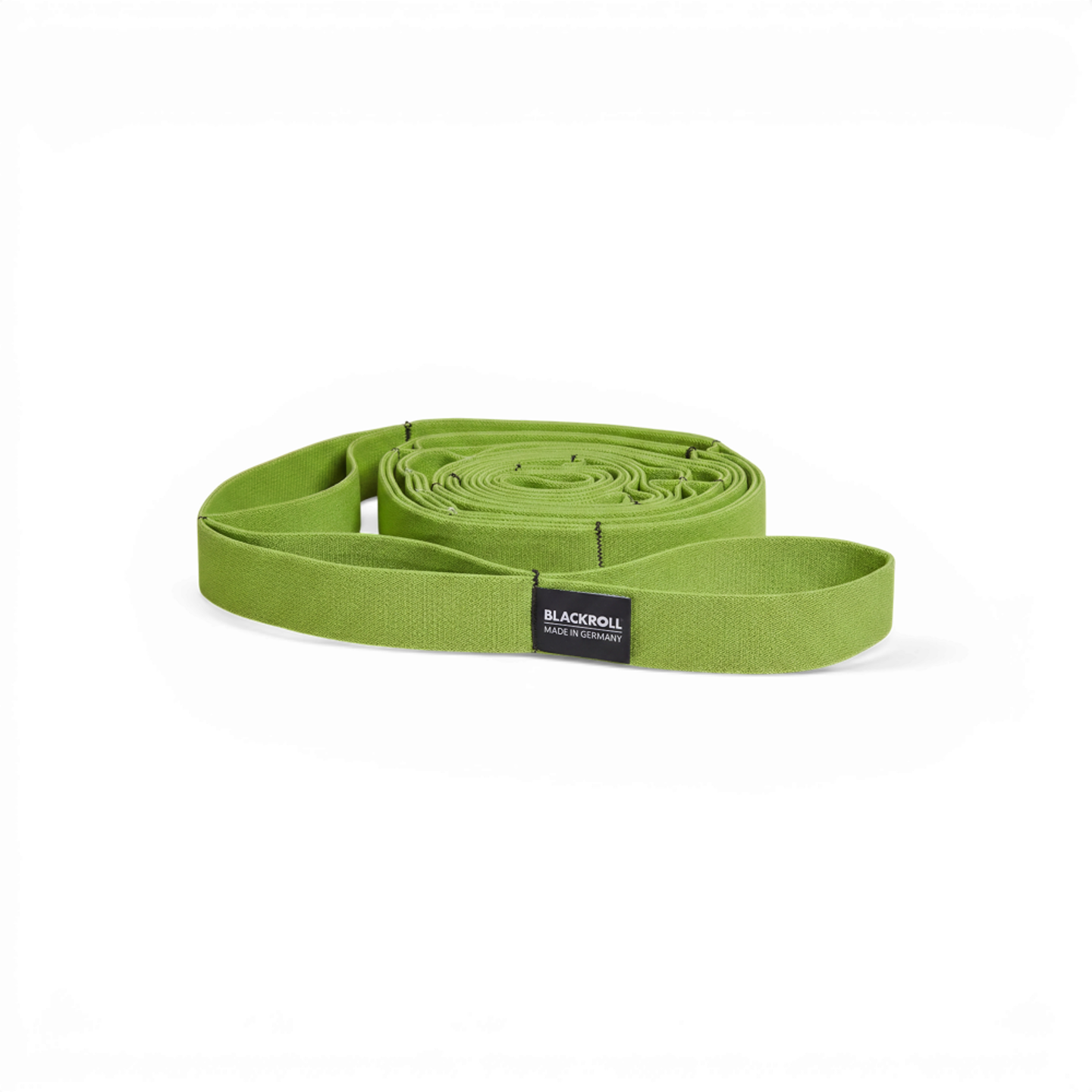
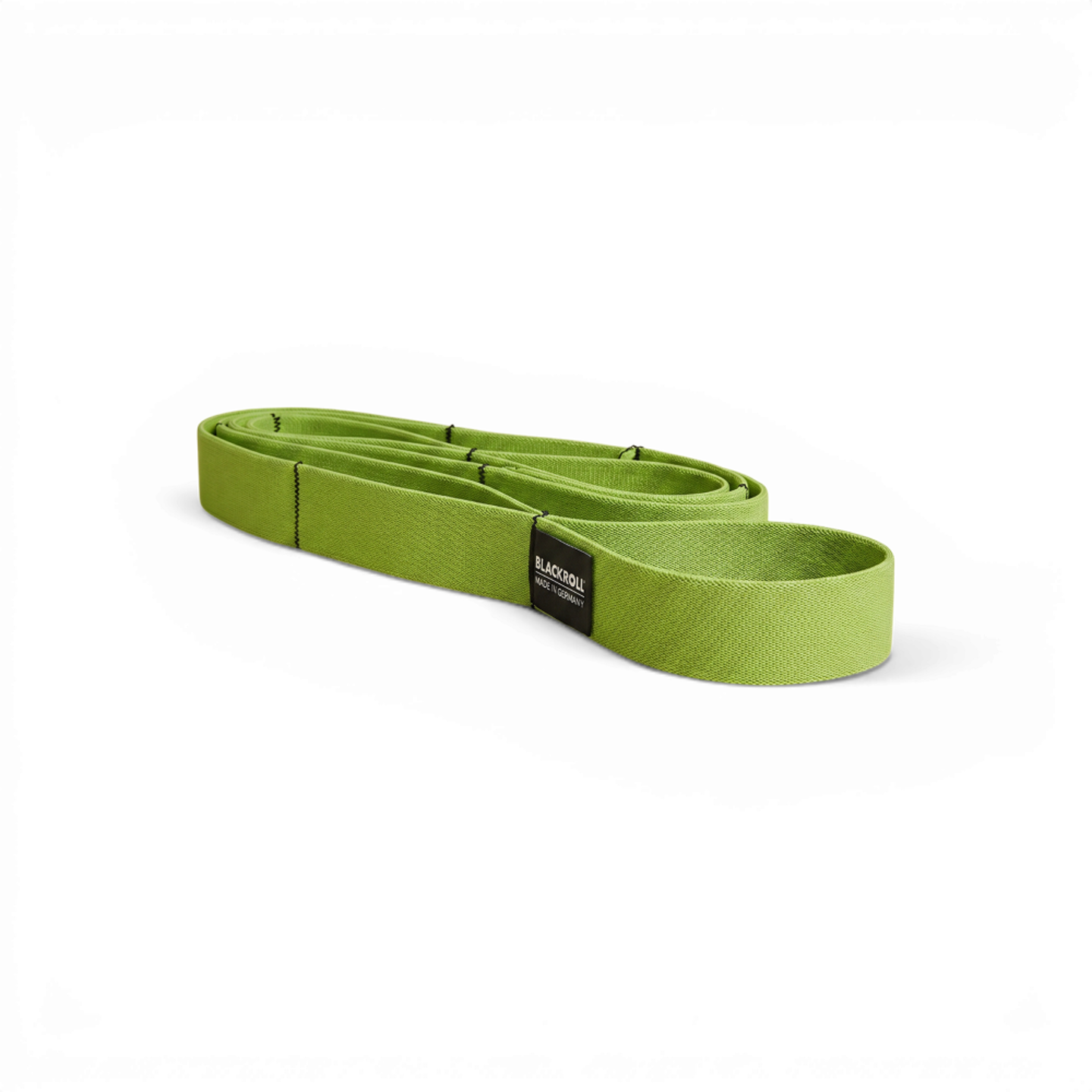
Place the BLACKROLL SUPER BAND over your knees from behind. Lie on your back and let your legs fall outward. Hold the position. Make sure your lower back stays on the floor.
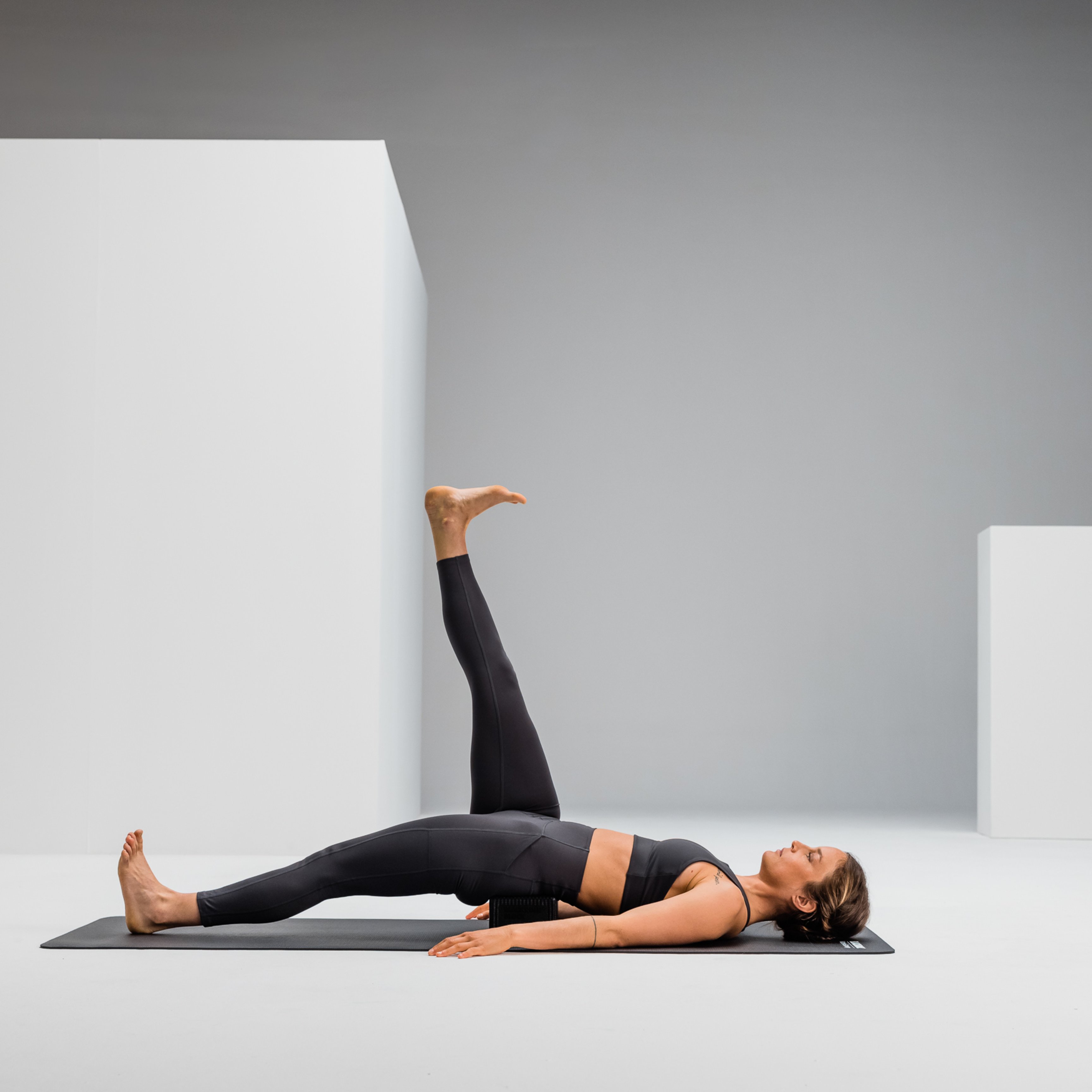
Hip Flexor Stretch
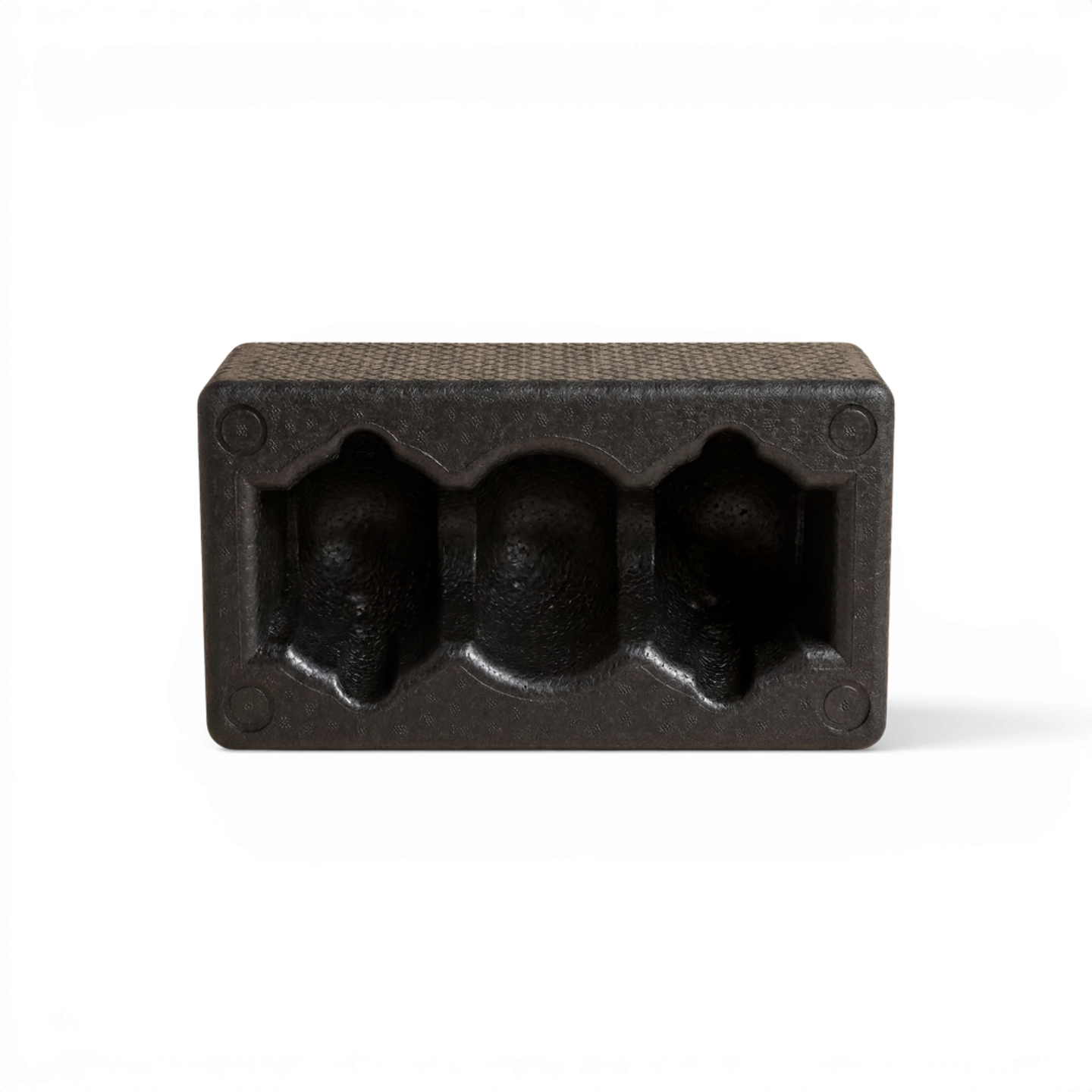
While lying on your back, place a support under your hips—a YOGA BLOCK works perfectly for this. Place your arms at your sides. Lift one leg straight up and bring it as close to your body as possible. Hold this position.
Stretching Your Hips While Standing
You can also stretch various muscles around your hips while standing. Here are two exercises you can do as a quick break throughout the day.
Exercises for Stretching Your Hips While Standing:
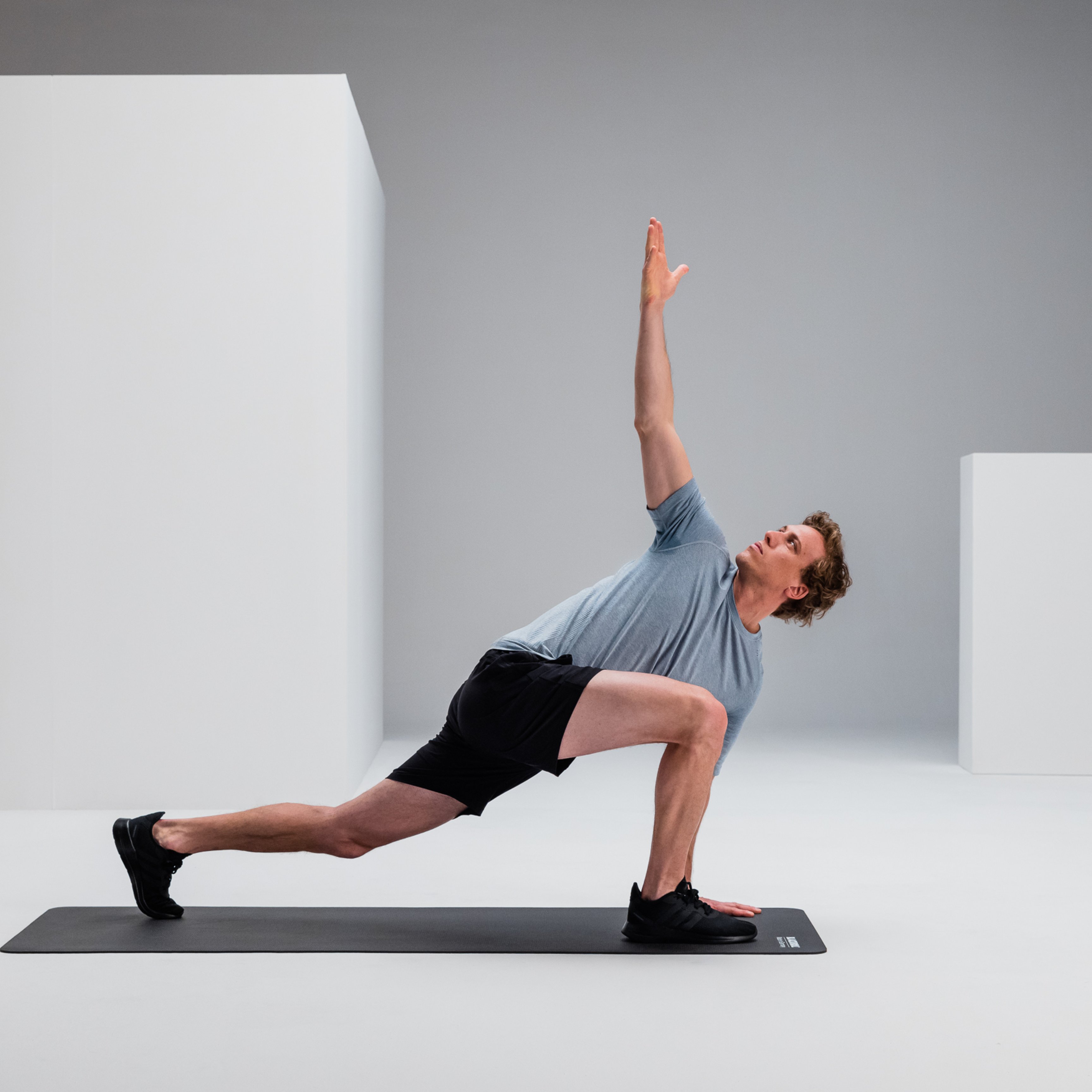
World’s Greatest Stretch
Start in a one-legged kneeling lunge. Wrap the SUPER BAND around the inside of your thigh. The tension should come from the side. Extend your back leg straight behind you. Lift your chest up. You should already be able to feel a stretch in your hip.
To mobilize the entire frontal and spiral lines, lift the arm on the side of the extended leg and rotate it over your thoracic spine toward the ceiling.
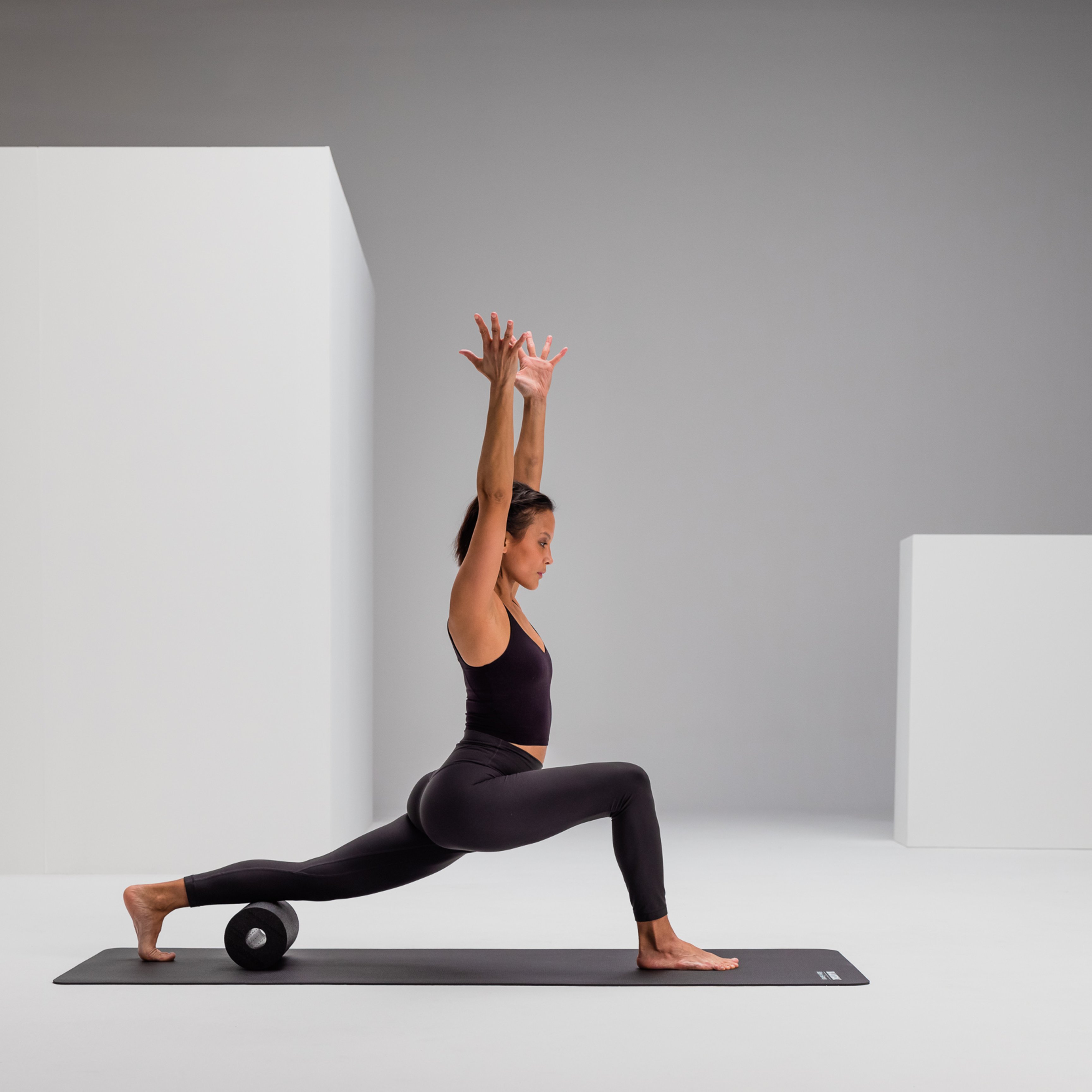
Warrior
Start in a lunge position. Place the BLACKROLL under your back shin. Extend your hips. Raise your straight arms overhead. Hold this position or deepen the stretch by rolling the BLACKROLL backward. Keep your core stable so you don’t arch your lower back. Keep your front knee above your ankle throughout the entire exercise.
Exercises to Loosen the Hips
Sometimes stretching alone isn’t enough to relieve tension in the hips. Myofascial self-massage has proven to be very helpful. Combined with stretching exercises, this provides an effective method for loosening up your hips.
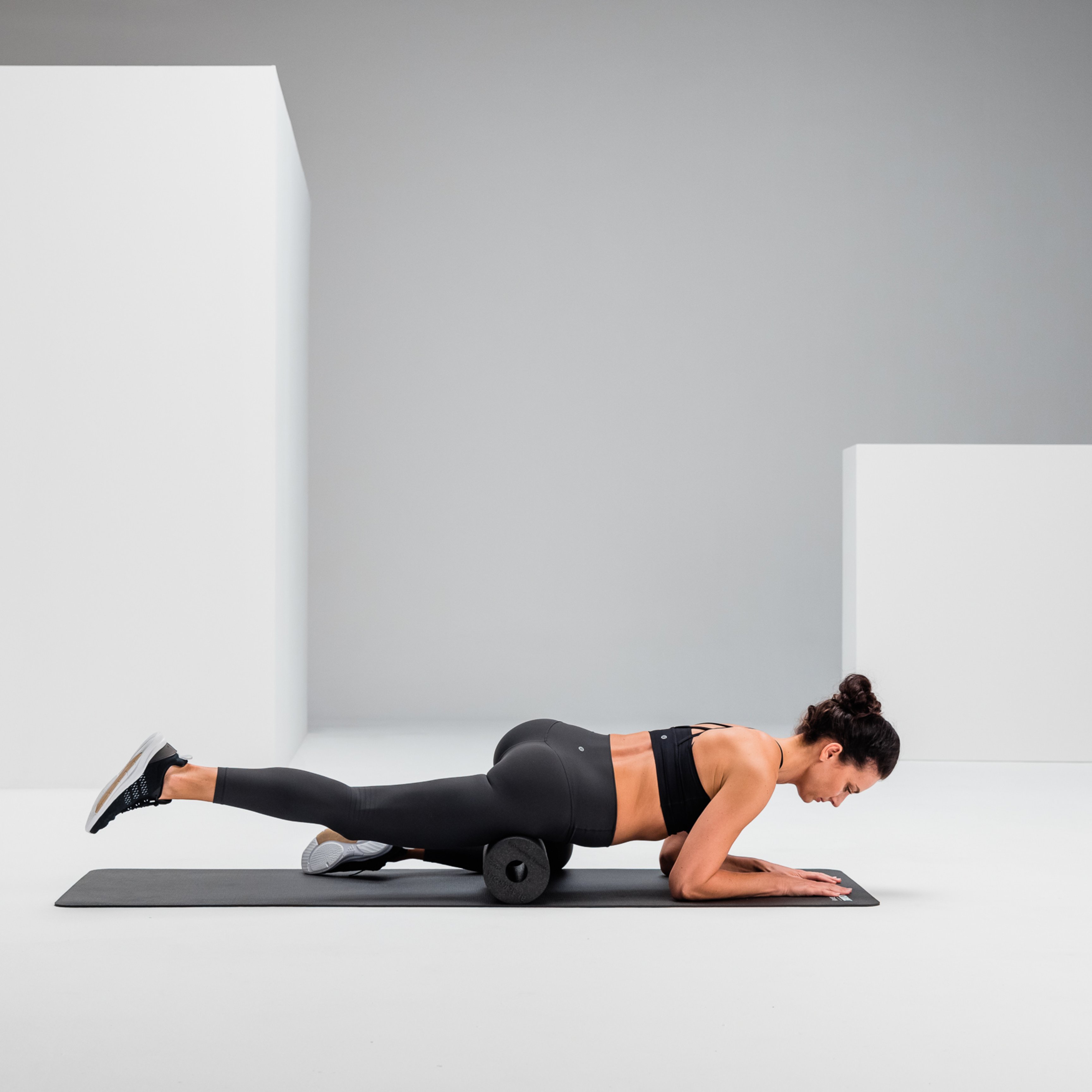
Hip Flexor Massage
Start in a forearm plank position. Place the BLACKROLL below your pelvic bone. Bend the other leg and place it on the ground. Slowly roll up and down a few centimeters.
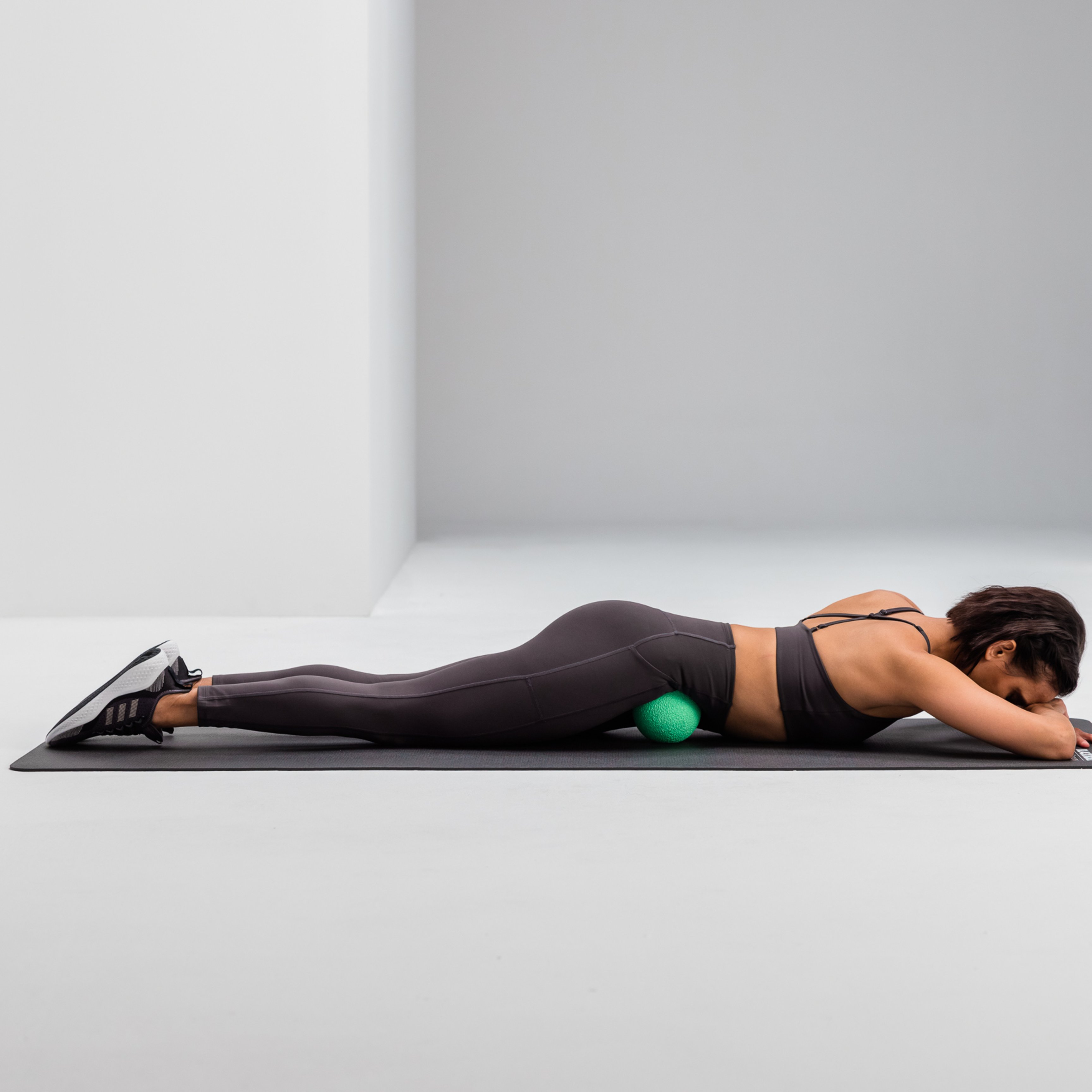
Hip Flexor Massage with the Ball
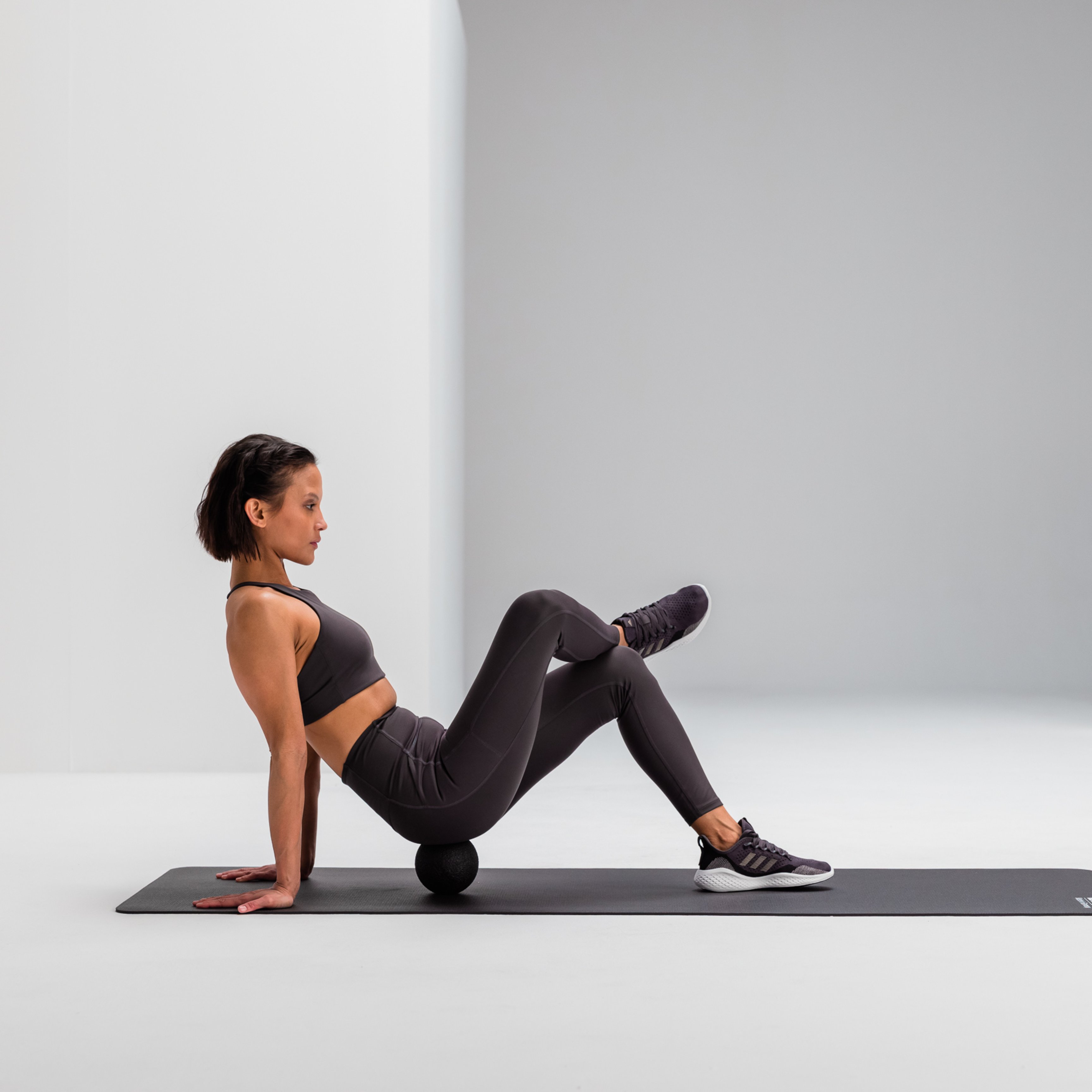
Gluteal massage
Sit with one buttock on the BALL. Lift the opposite leg. Place the foot of the side you’re working on top of the raised knee. Support yourself with your hands behind your back. Now roll slowly back and forth. Turn slightly to the side to work even more areas of your gluteal muscles.
Tips for Relieving a Stiff Hip
If you have a stiff hip, there are several ways you can prevent tension in your daily life.
- Regular exercise: Engage in regular physical activity to maintain hip flexibility and mobility. Stretching, yoga, Pilates, and other exercises that strengthen and stretch the hip muscles can be very helpful.
- Varying Seating Positions: Vary your sitting position to apply and relieve pressure on your hips at different angles. It’s best to sit on the floor from time to time. You can sit cross-legged, in a squatting position, or with your legs stretched out. Changing positions helps improve the mobility of your hip muscles.
- Stretching the hip muscles: Perform regular stretching exercises for the hip muscles, such as the hip flexor stretch, piriformis stretch, butterfly stretch, and adductor stretch mentioned earlier.
- Active movement: Perform gentle, active hip movements to mobilize the joints and activate the muscles. Slowly circle your hips clockwise and counterclockwise, or make gentle pendulum movements with your leg while lying on your back.
- Strengthen the hip muscles: Strong hip muscles can help improve hip stability and mobility. Therefore, perform exercises such as hip extensions, hip flexor exercises, hip abduction, and hip adduction exercises to strengthen the muscles around the hips.
- Apply heat: A warm compress or a warm bath can help relax the muscles around the hips and relieve stiffness. The heat promotes blood circulation and can help loosen the muscles.
Your Stretching Aids