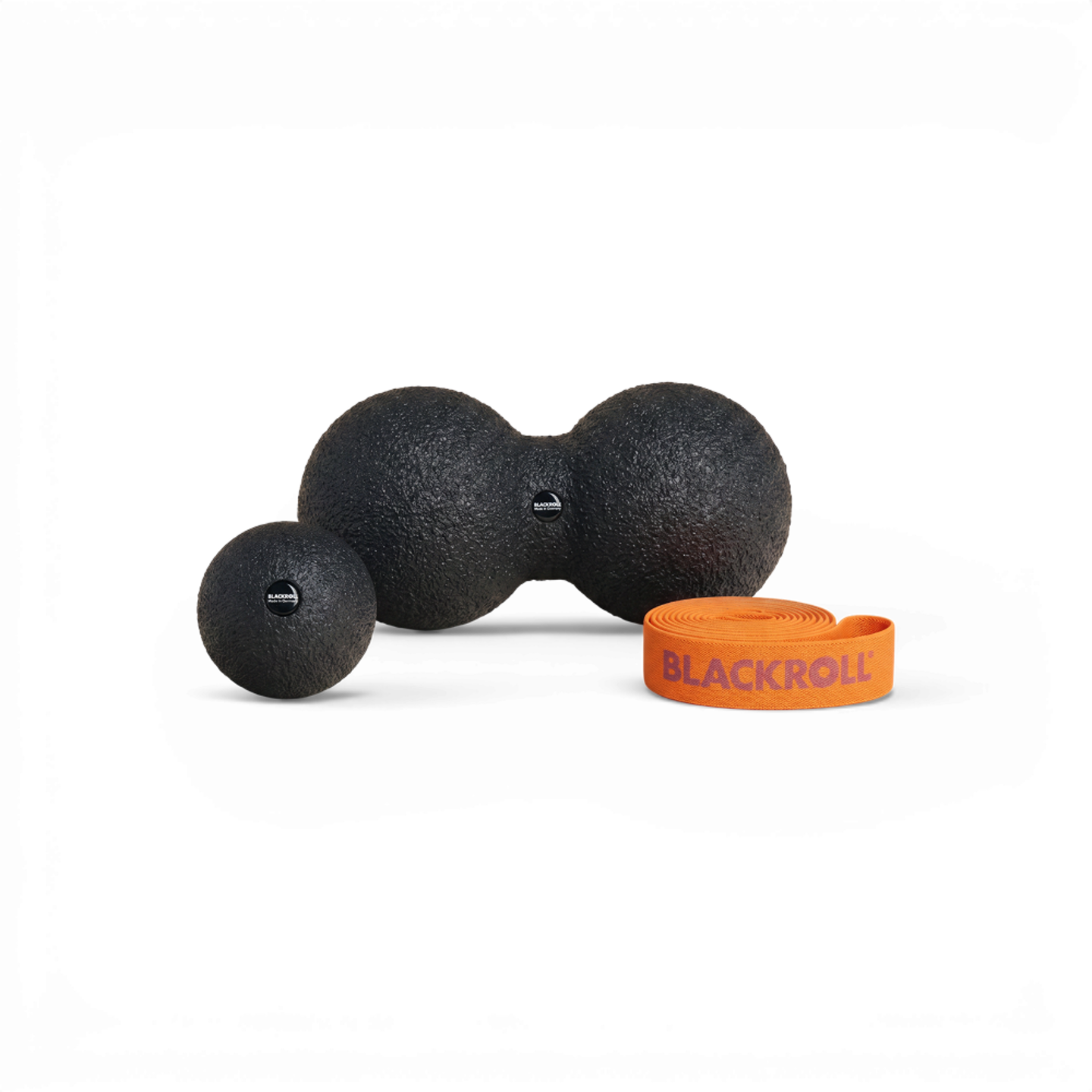
4 Exercises for Trigger Points in the Neck

What can you do when trigger points in your neck limit your mobility? These 4 exercises will help you relax quickly.
Focus areas
- Nacken
- Kopf
Time
- 16 minutes
- 4 exercises
Symptoms of neck tension
Typical symptoms of neck tension are varied and often significantly impair the quality of life for those affected. The most common complaints include neck pain and stabbing or pulling pains that can radiate from the neck up into the head. Many people report headaches associated with neck tension, which manifest as a dull pressure or a pulling sensation around the head or at the back of the head .
The muscles also often feel stiff or tender and are sensitive to movement. Problems with the cervical spine or limited head mobility are other classic symptoms of neck tension. In some cases, the discomfort radiates into the back or even along the nerves into the arms and shoulders. In addition to the physical symptoms, stress or psychological strain often play a significant role as contributing factors, as they cause the muscles in the neck area to remain constantly tense. In particular, prolonged computer work, poor posture, or a lack of compensatory movement in daily life contribute to the development of tension.
Anyone who regularly suffers from neck pain or related symptoms should take a close look at their own habits and stressors and make a conscious effort to relax. The symptoms of neck tension can often be significantly alleviated through targeted exercise, relaxation techniques, and maintaining the correct head position while sleeping and sitting.
Relieving a Tense Neck & Trigger Points at the Back of the Head
In this video, Master Trainer Stefan shows you targeted exercises to help you achieve greater relaxation and mobility in your neck. Hopefully, this will help you get rid of muscle stiffness in your neck and trigger points at the back of your head soon.
Trigger Points in the Shoulders and Chest
Trigger points in the shoulder and chest area can also lead to neck or shoulder pain. That’s why it’s generally a good idea to release tension from other trigger points in addition to those in the neck area.
Releasing Trigger Points in the Shoulder Area
If any of the following symptoms apply to you, you might benefit from trigger point exercises for the shoulder.
- Pain in the shoulder area that feels dull, sharp, or pulling.
- Limited shoulder mobility, especially during certain movements such as raising your arm or rotating your upper body.
- Pain radiating into the arms or neck.
Hold the following exercises for about 90 seconds or until you feel the tension noticeably release.
Shoulder Trigger Point Massage
Stand with your shoulder positioned to the side on the TRIGGER. Locate the area where you feel pain. Stay on that spot. Relax your arm. Focus on your breathing. Move your arm up and down once the initial pain has subsided.
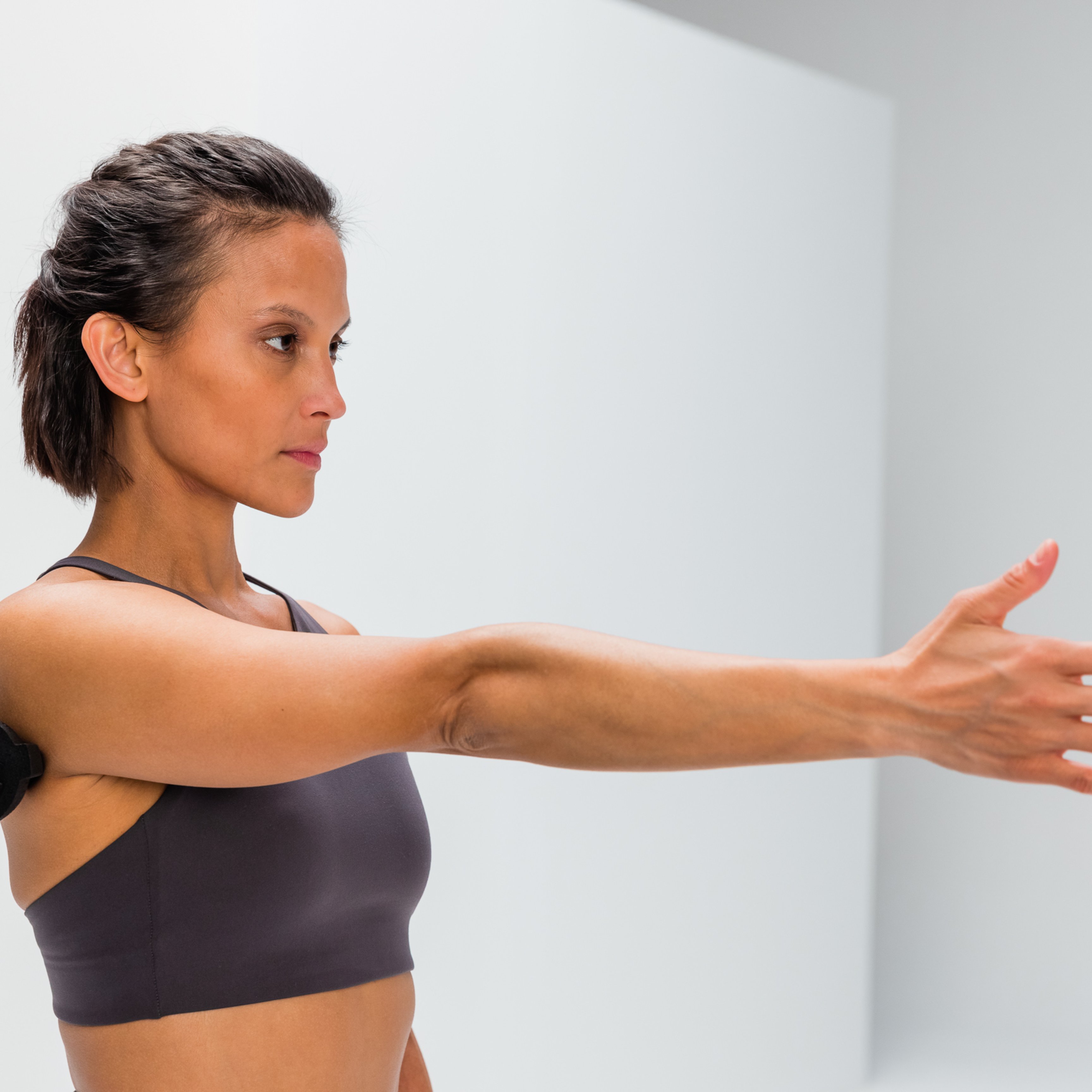
Posterior Deltoid Muscle Massage
Lie on your side on the floor. Extend your lower arm. Position the BALL 08 under your shoulder. Tilt your body very slightly backward. Locate a tender spot. Stay on that spot. The ball must not rest in your armpit. As soon as the initial pain has subsided somewhat, raise your forearm. Move your forearm forward and back.
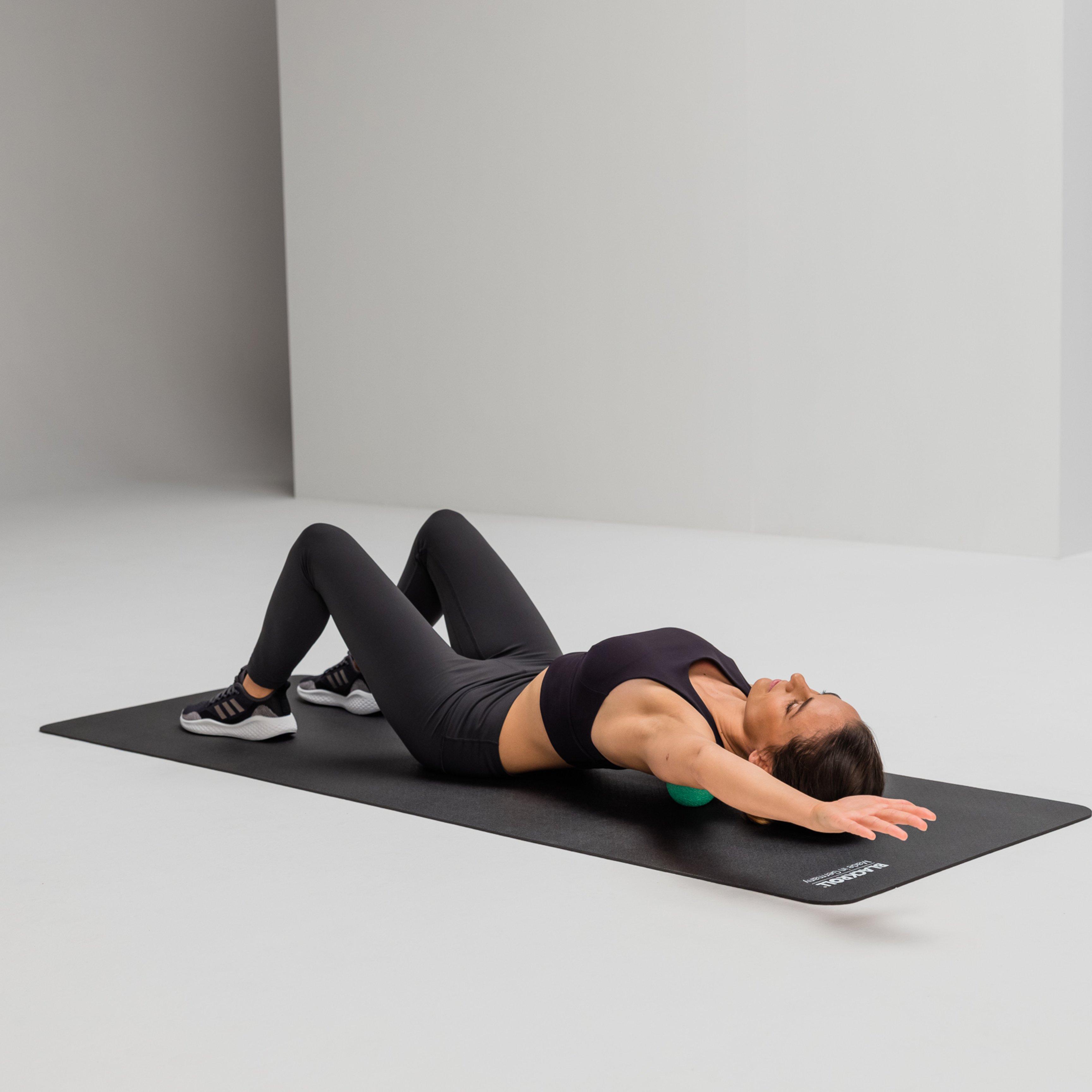
Subscapularis Massage
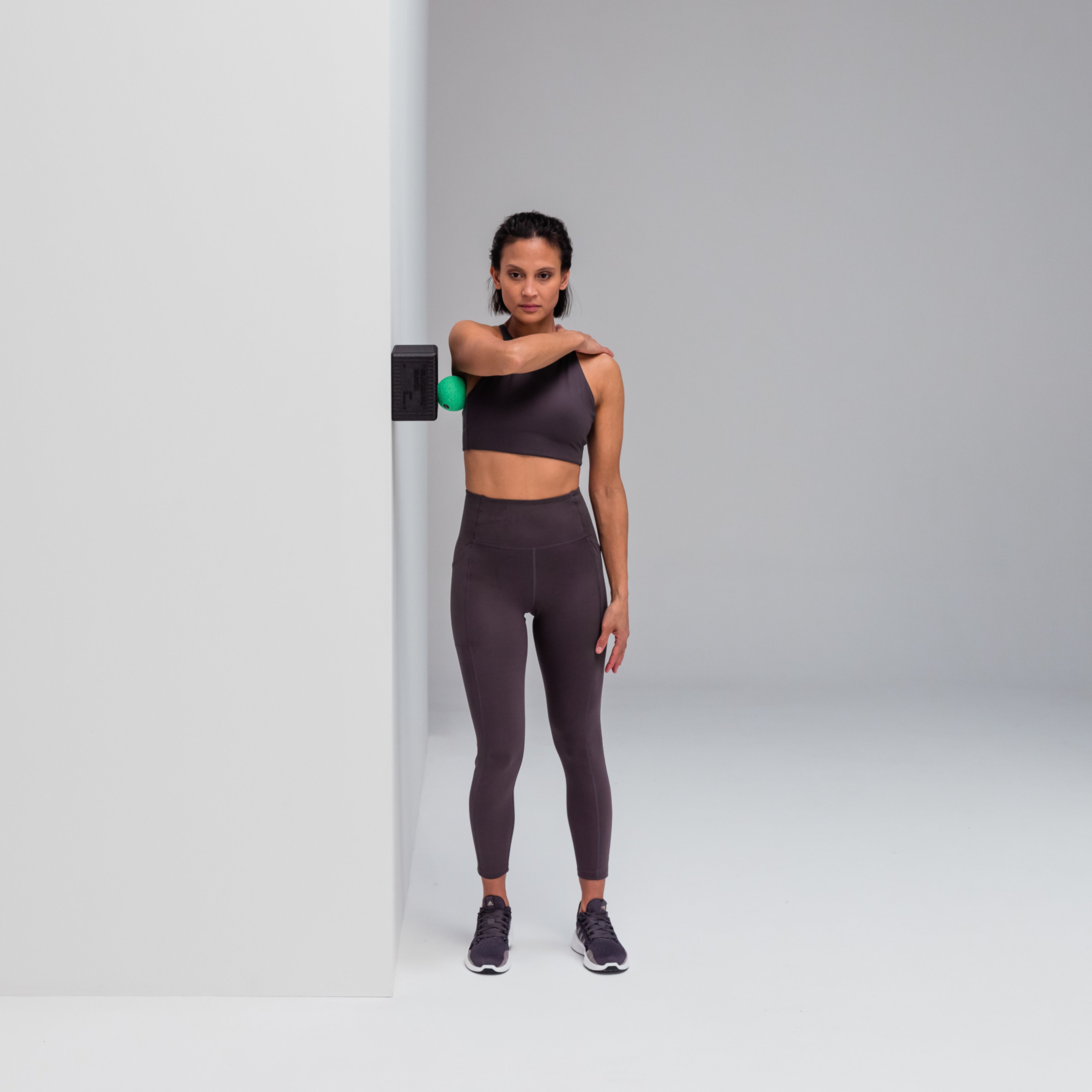
Releasing Trigger Points in the Chest Area
If any of the following symptoms apply to you, you may benefit from trigger point exercises for the chest.
- Pain or a feeling of tightness in the chest area.
- Pain when breathing or during certain arm movements.
- Pain radiating to the shoulders, arms, or back.
Hold the following exercises for about 90 seconds or until you feel the tension noticeably release.
Triggering the Chest Muscles
Start in a prone position. Place the BALL under your chest. Look for a tender spot. Hold this position. Focus on your breathing while doing so. As soon as the pain subsides, raise and lower your arm.
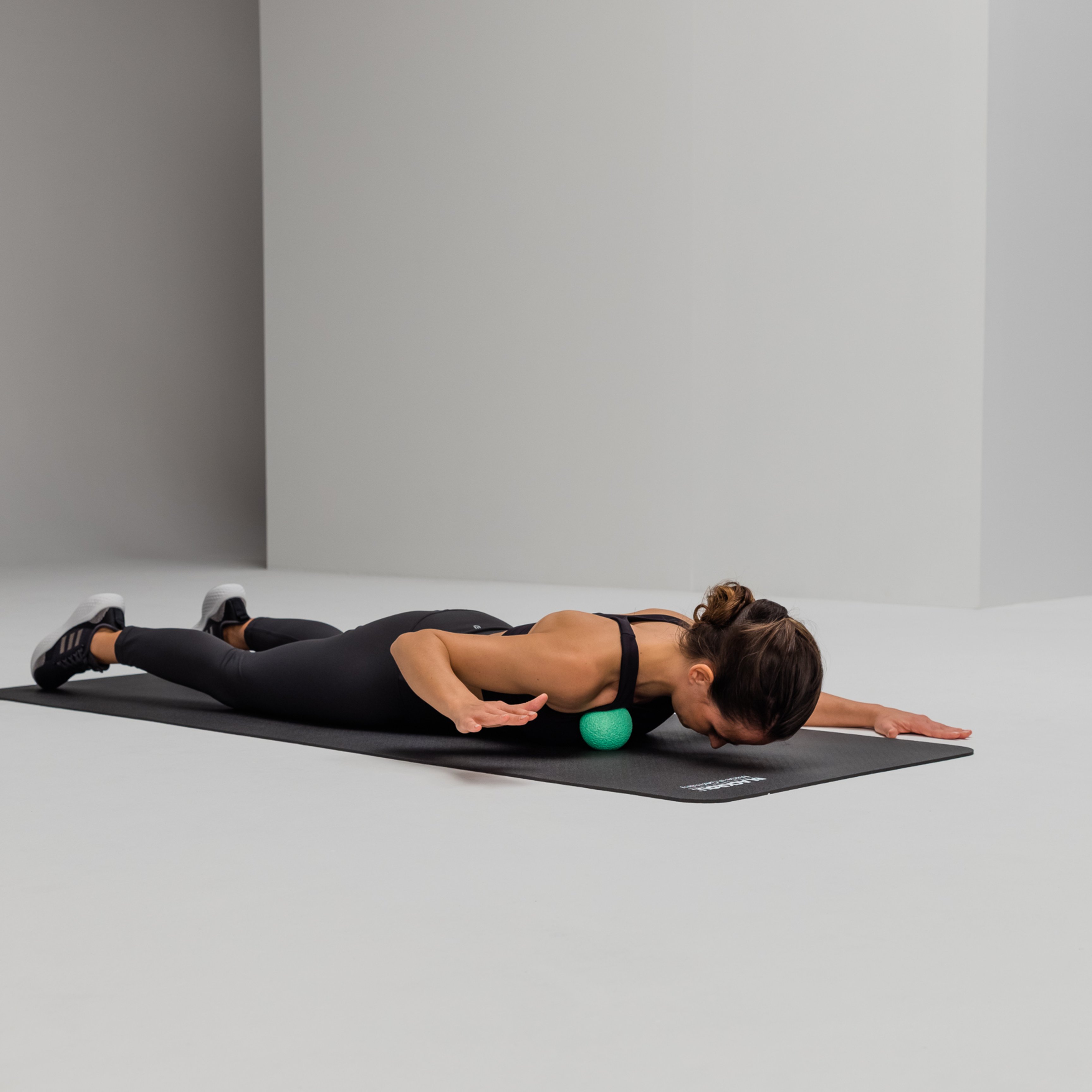
Chest Trigger Point Massage
While standing, place your chest muscles on the TRIGGER just below your collarbone. Find a tender spot. Stay on that spot. Focus on your breathing. Move your arm as soon as the initial pain subsides.
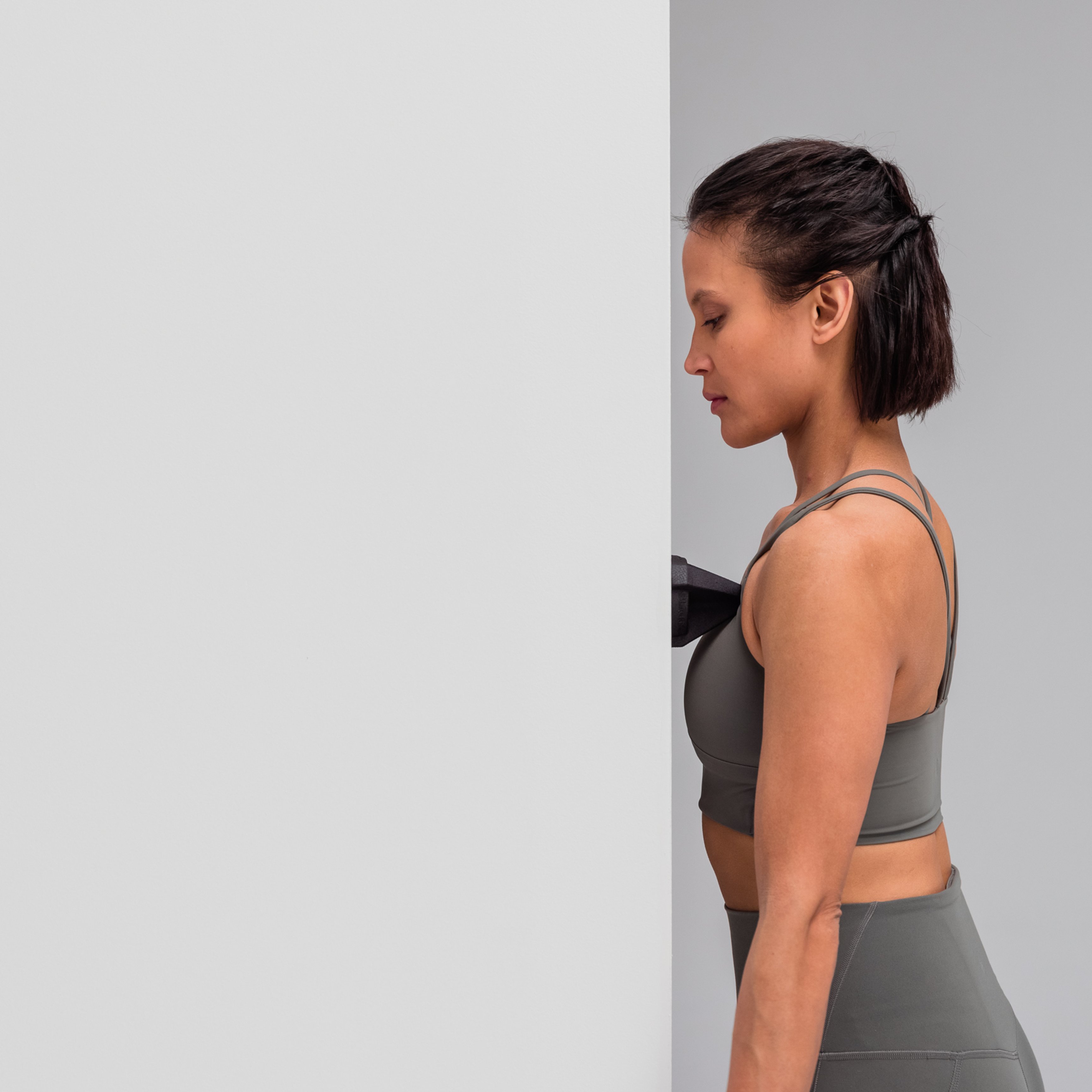
Headaches & Migraines: Releasing Trigger Points in the Neck
Tension headaches and migraines can be exacerbated by trigger points in the neck. In this video, we’ll show you which exercises can help with tension headaches and migraines. This routine is right for you if you want to release your migraine trigger points in the neck.
Releasing Trigger Points on the Sides of the Neck
Trigger points on the sides of the neck can cause pain and discomfort that often radiates to specific areas of the neck and head. The neck muscle that frequently holds tension is the so-called head-turning muscle. The technical term for this muscle is the sternocleidomastoid muscle. The good news is that you can release tense spots in this area relatively easily with your fingers.
Locating the sternocleidomastoid
Turn your head and locate the sternocleidomastoid muscle. Grasp the muscle with your thumb and index finger just below your ear. Massage the muscle from top to bottom. Target trigger points specifically with your fingertips. Stay on painful spots until you feel the tension release.

Relieving Neck Tension—Trigger Points: Self-Massage for the Neck
Relieving neck tension and treating trigger points through self-massage can be an effective way to experience temporary relief. In this short video, we’ll show you how to massage your own neck in just a few minutes.
Tips for Pain in the Shoulder and Neck Area
In addition to the many exercises you’ve learned in this post, it’s also helpful to keep a few tips in mind in your daily life to prevent pain in the shoulder and neck area.
Keep an eye on your posture: Keep your back straight, relax your shoulders, and keep your neck in a neutral position, especially when sitting or standing for long periods of time.
Workstation Ergonomics: Make sure your workspace is ergonomically designed. Ensure that your monitor is at eye level.
Takeregular breaks: Avoid staying in one position for too long. Get up regularly, stretch, and move around while you work. Your legs will thank you for it, too.
Optimal Sleep Surface: Choose a mattress and pillow that provide your spine with the support it needs.
Exercise and stretching: Increase your flexibility by regularly performing stretching exercises for your neck and shoulders to keep your muscles supple.
Stress management: Reduce neck tension by incorporating relaxation techniques—such as meditation, breathing exercises, or yoga —into your daily routine to relieve stress.
Massages and heat therapy: Relieve muscle tension and promote blood circulation by getting occasional massages or using heat sources such as hot water bottles or warmed towels.
Consider physical therapy: If you’re already experiencing neck tension, professional physical therapy can provide targeted treatment to relieve your symptoms.
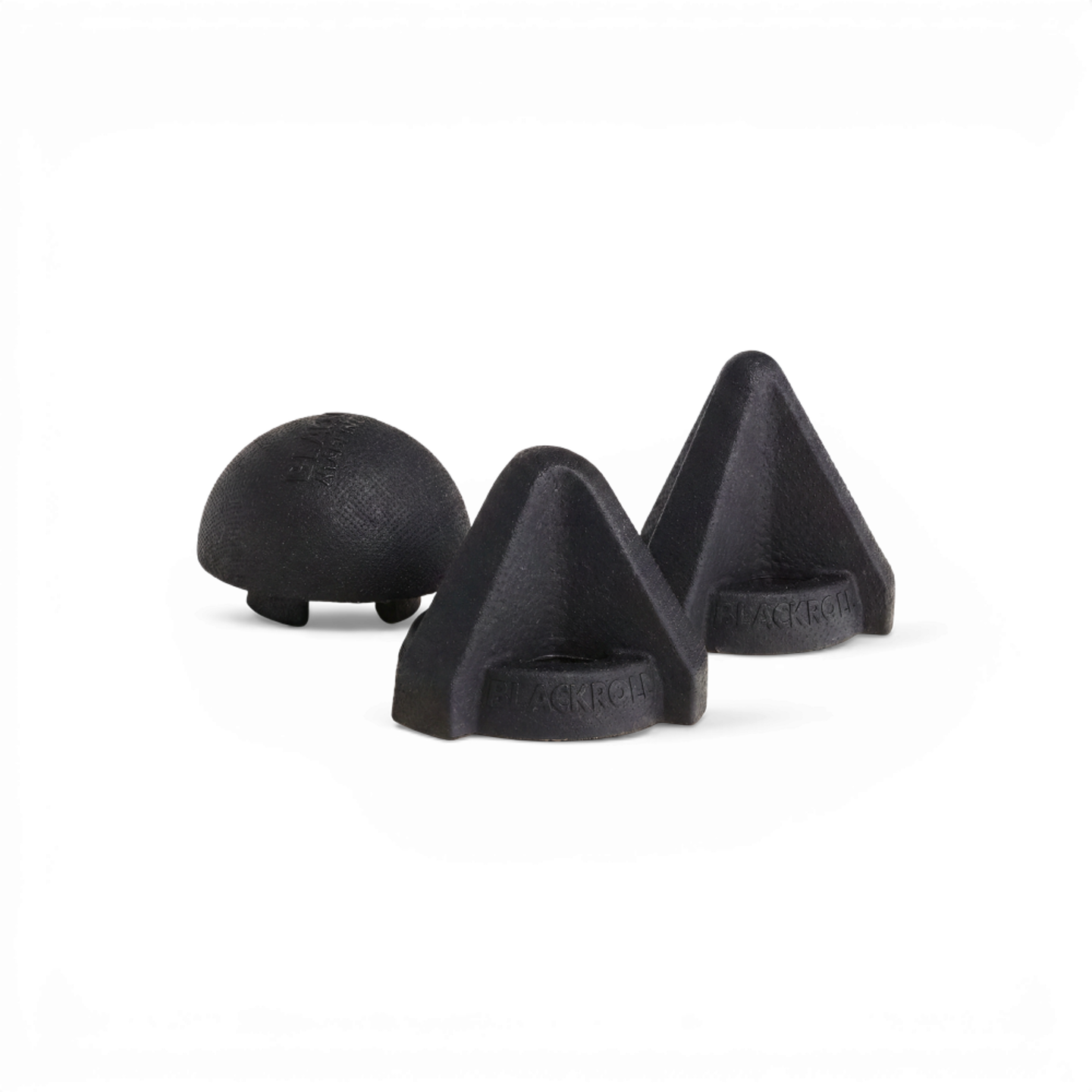
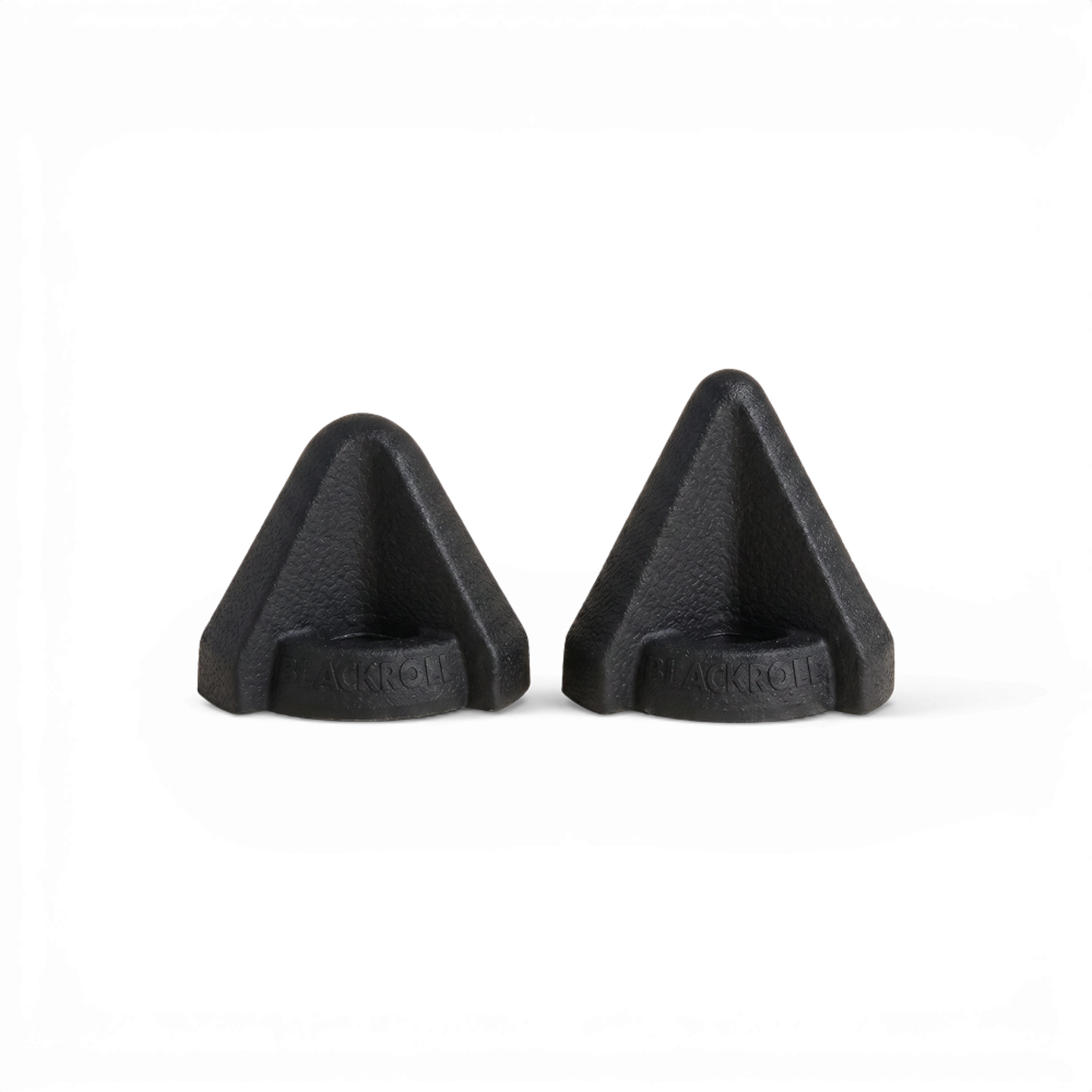
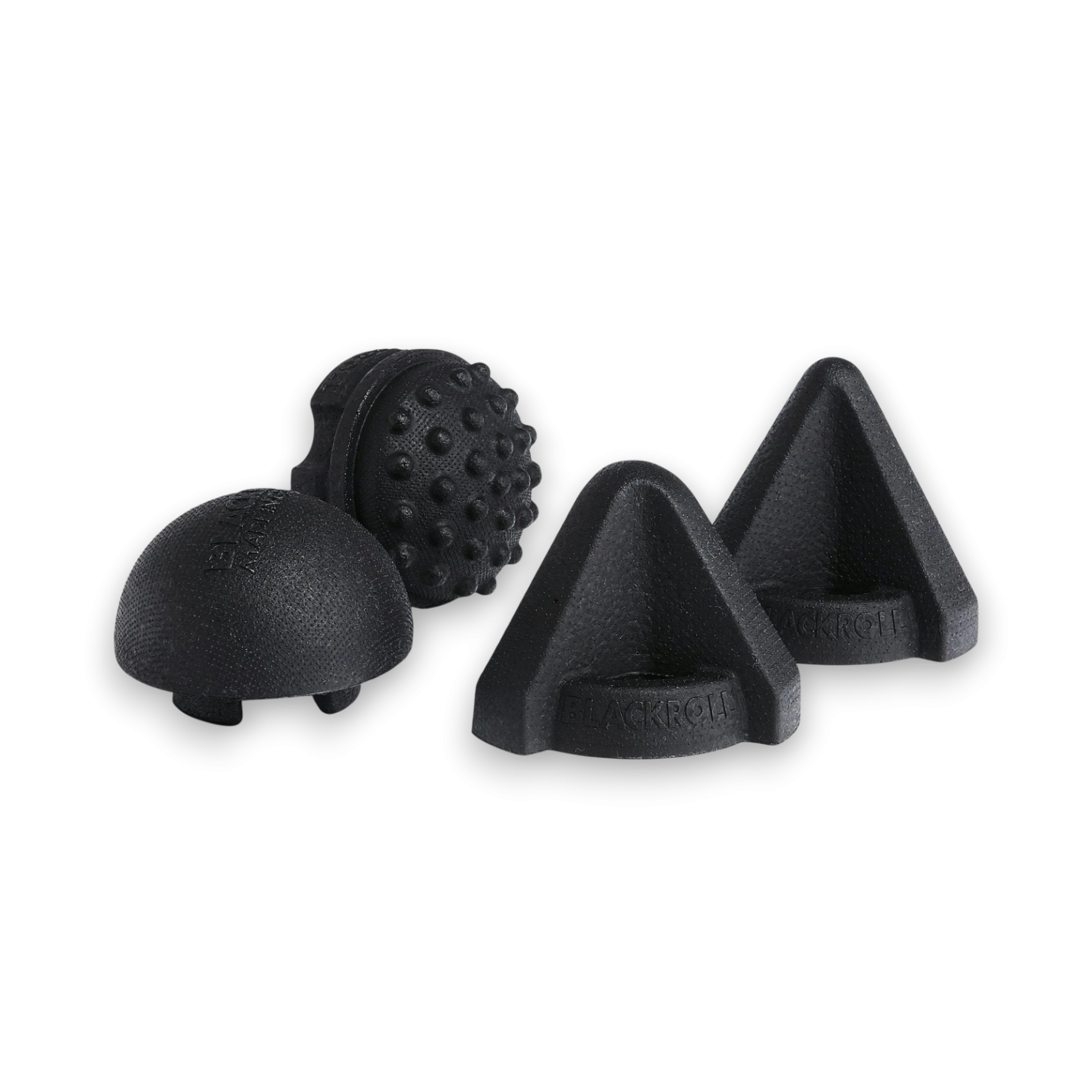


Ball 08
Available in multiple variants