
Stretching After Running

Did you know that targeted stretching not only improves your flexibility but can also boost your running performance? In our video, Ingalena Schömburg-Heuck (Leni Runner), a professional runner and running coach, shares her best tips for runners to improve flexibility and help their muscles recover optimally.
It’s especially important to incorporate regular stretching exercises into your routine after slow runs. Ingalena demonstrates five essential stretches that target the back of the thighs (hamstrings), the front of the thighs (quadriceps), the calf muscles (gastrocnemius and soleus), and the piriformis—a muscle responsible for hip stability while running.
We all need to figure out for ourselves which exercises work best for us, but one thing is certain: Regular stretching helps us stay strong and perform at our best.
Why Is Stretching After Running Important?
Stretching after running is more than just a way to relax—it’s an essential part of recovery and improving performance. Regular stretching helps loosen your muscles, relieve tension, and increase flexibility.
It also helps your body recover more quickly from the physical demands of running and prevents injuries. In our video, running expert Leni Runner shares valuable tips on how you can improve your flexibility through targeted stretching exercises and boost your running performance in the long term.
The Importance of Stretching After Running
Stretching after running not only helps relax the muscles but also plays an important role in preventing injuries. Stretching exercises promote blood circulation, which helps flush out waste products such as lactic acid.
This reduces muscle soreness and speeds up recovery. Studies show that regular stretching can increase flexibility by up to 25%. Although the effects of stretching vary from person to person, most runners benefit from a targeted stretching routine performed after every run.
Facts:
- 72% of runners stretch regularly after training.
- Stretching can significantly reduce the risk of injury while running.
- The optimal duration for static stretching is at least 30 seconds per muscle group.
General Stretching Exercises for Runners
Runners place particularly high demands on their muscles, which is why it’s important to stretch specifically. Some of the most important stretching exercises include stretching the calves, the hamstrings, the hip flexors, and the lower back muscles. These areas contribute significantly to running performance and should therefore be incorporated into every post-run stretching routine.
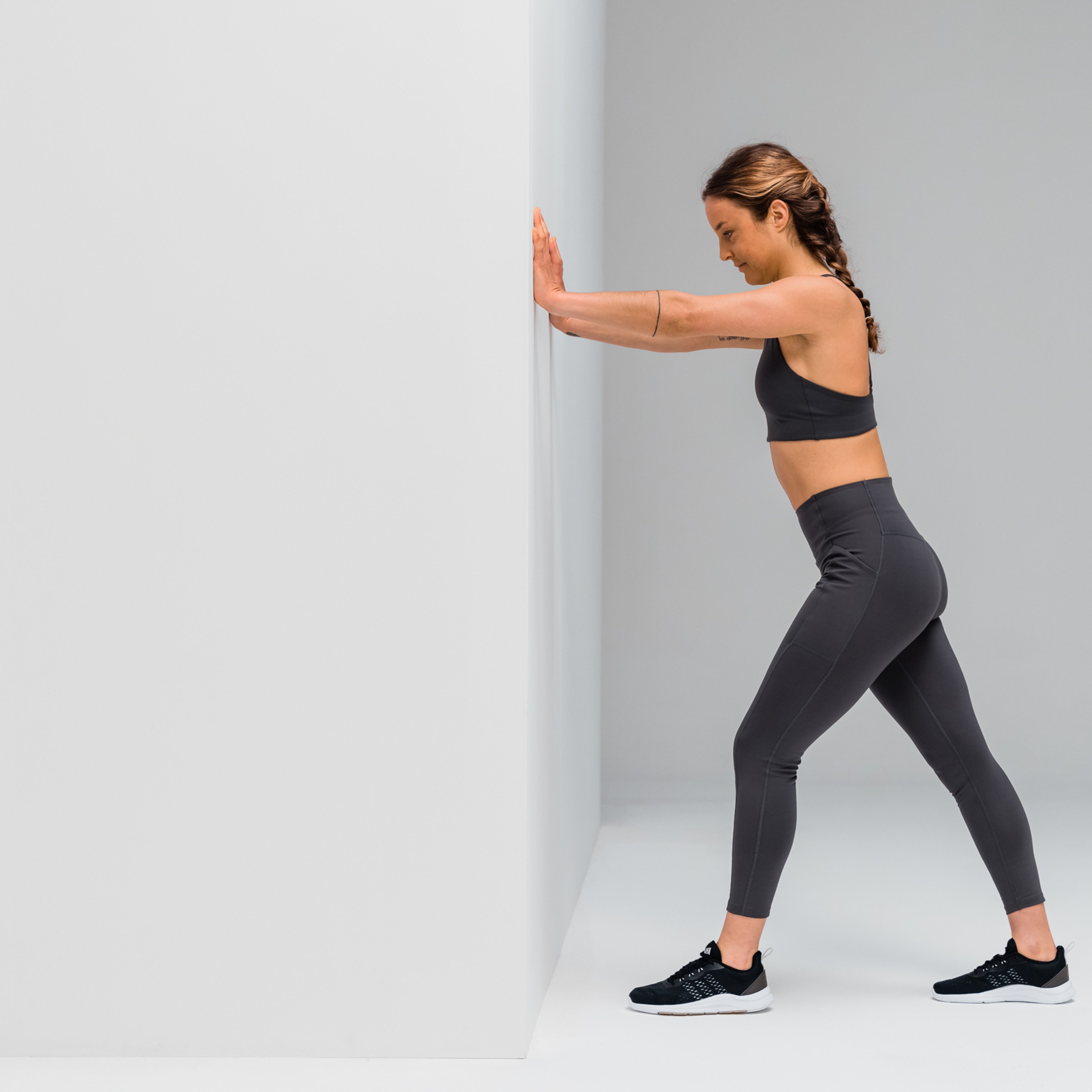
1. Stretching the Calf Muscles
The calf muscles, particularly the gastrocnemius and soleus, are heavily strained during running. To stretch your calves, stand facing a wall, place one foot forward and the other back, while pressing the heel of your back foot toward the floor. Hold this position for 30 seconds to feel a deep stretch.
2. Stretching the Thigh Muscles
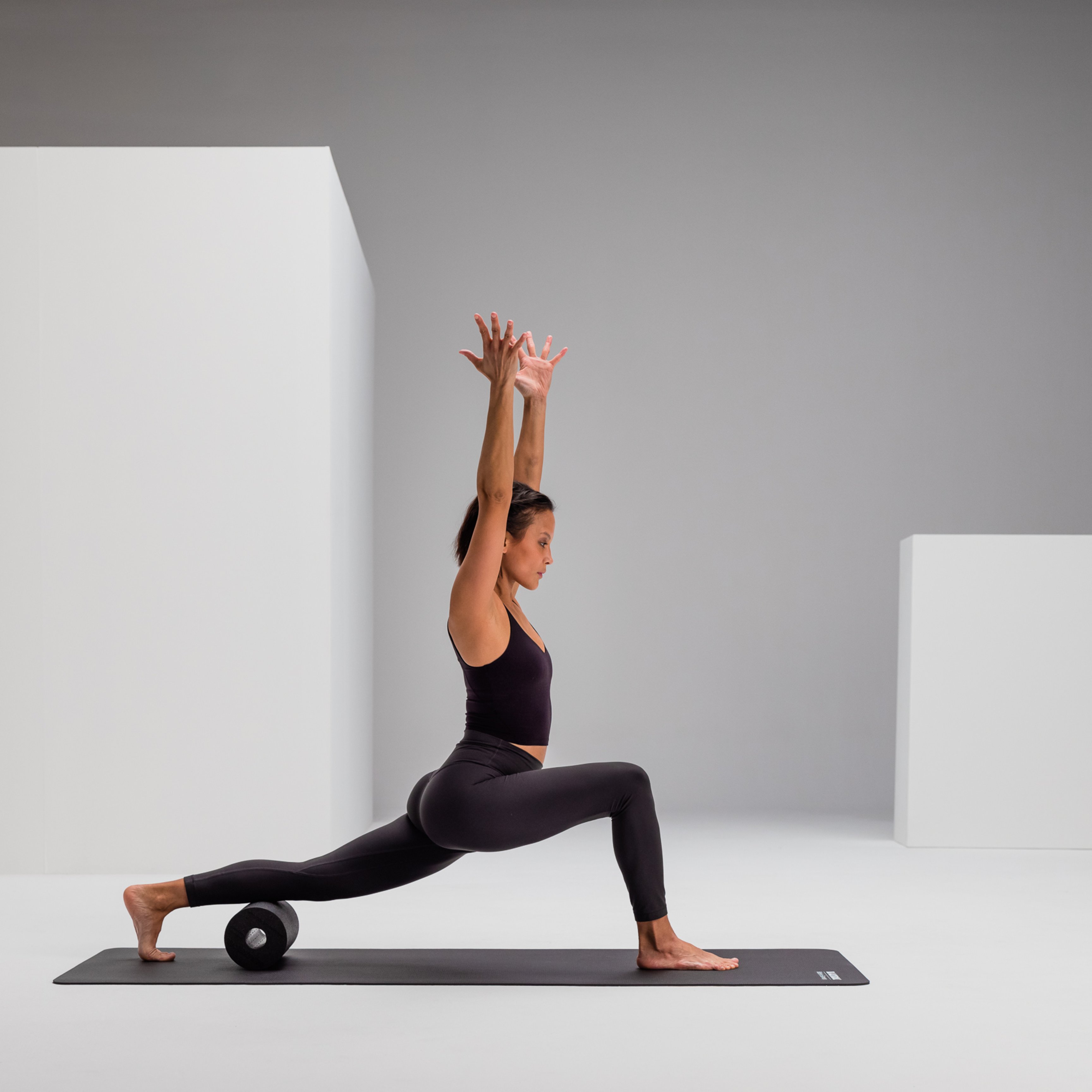
The thigh muscles, especially the quadriceps, are put under a lot of strain. To stretch them, stand upright and pull one foot behind your body toward your buttocks while holding the foot with your hand. Hold this stretch for 30 seconds as well.
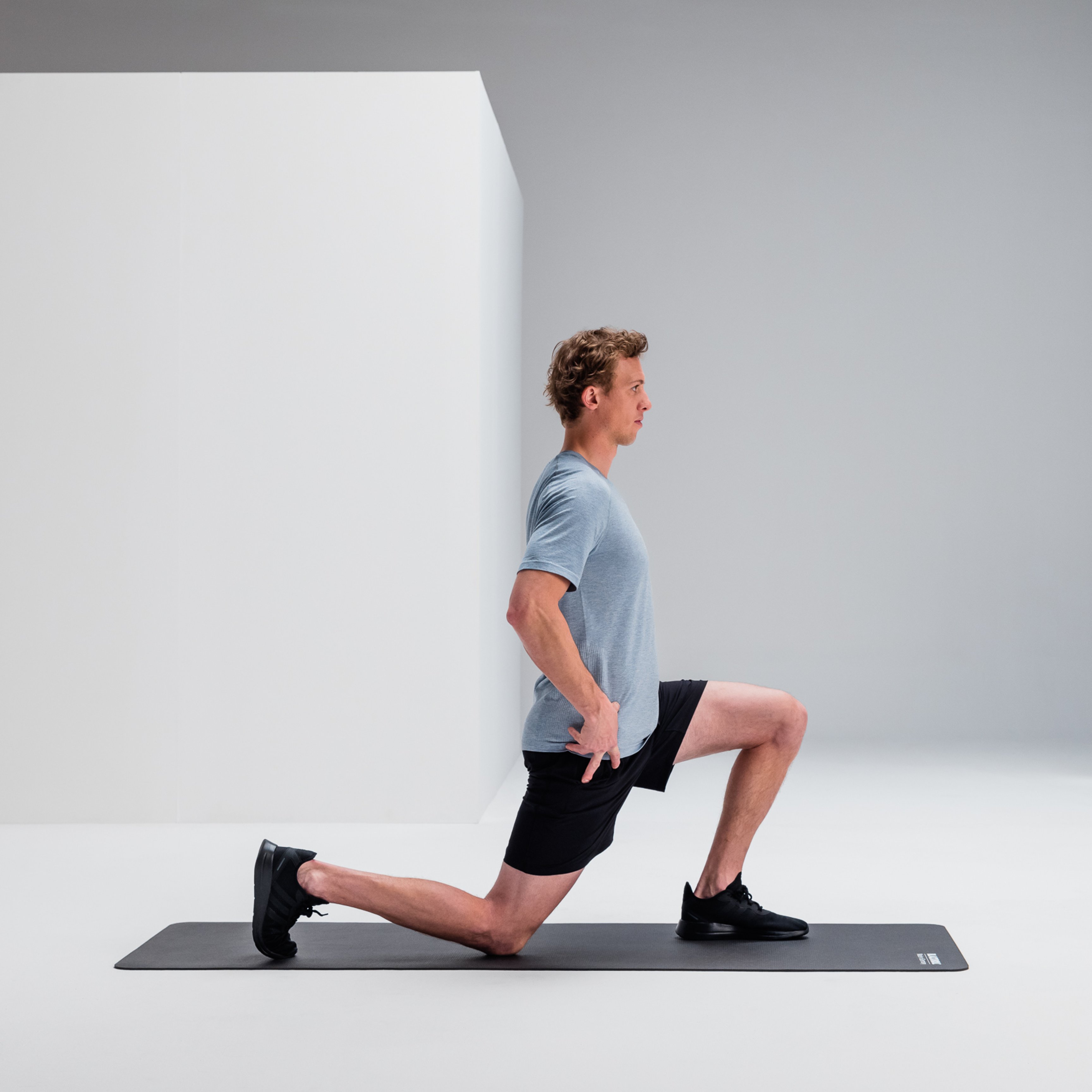
3. Stretching the hip flexors
The hip flexors play a key role in the running motion. Step into a lunge and push your hips forward to feel a stretch in the front of your hips. This exercise helps improve hip mobility and prevent injuries.
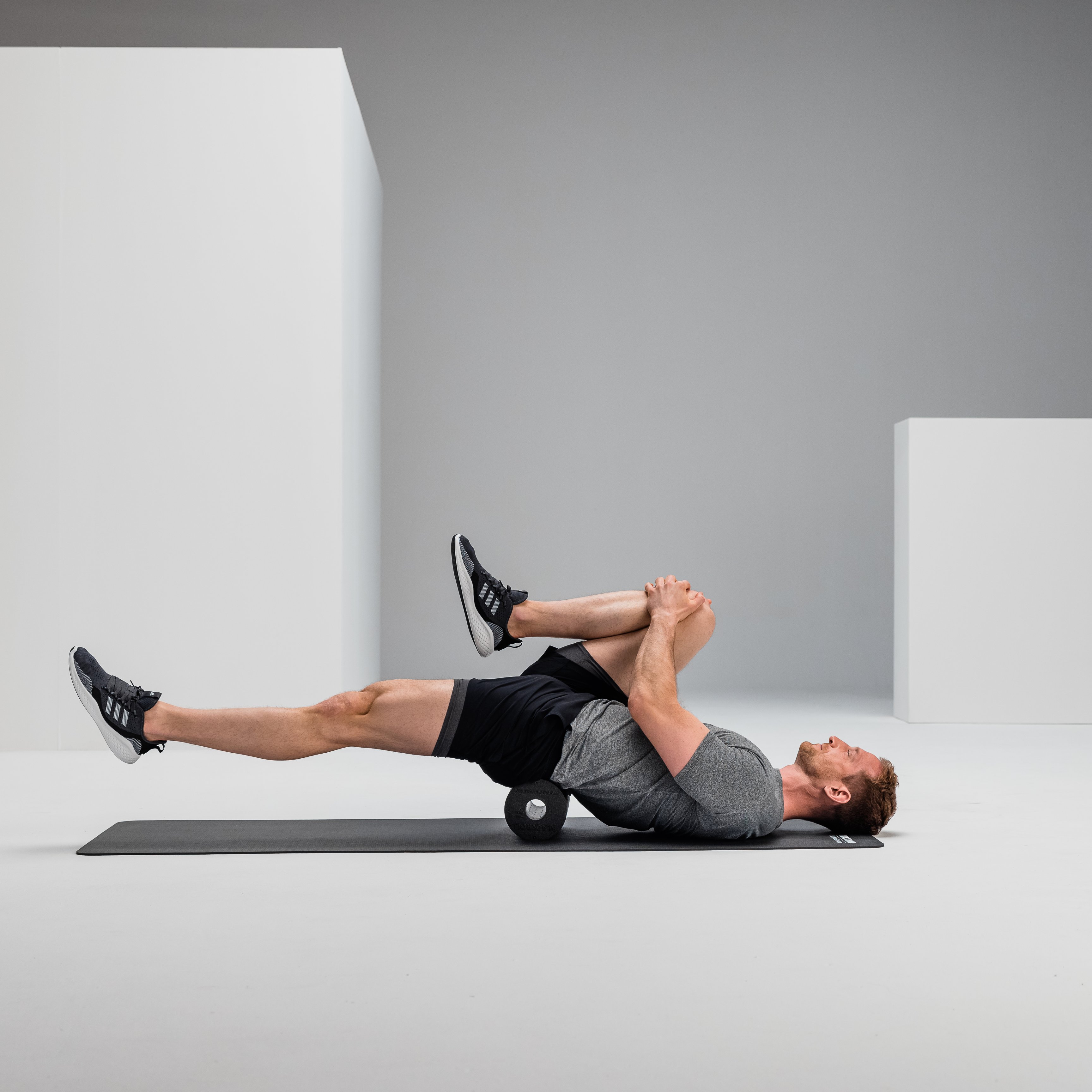
4. Lower Back Stretch
Lie flat on your back and pull one knee toward your chest while keeping the other leg straight. This exercise stretches the lower back muscles and helps relieve tension in this often-neglected area.
Static vs. Dynamic Stretching
When it comes to stretching, a distinction is made between static and dynamic stretching. While static stretching involves holding a position for an extended period of time (ideally at least 30 seconds per muscle group), dynamic stretching refers to movements that gently stretch and warm up the muscles.
Dynamic stretching is often more beneficial before running, as it prepares the body for the upcoming physical exertion, while static stretching is ideal after a run to relax the muscles.
Avoiding Common Stretching Mistakes
Mistakes can happen even when stretching. Often, stretch positions aren’t held long enough, or the stretch is too intense, which increases the risk of injury. Be sure to perform each stretch slowly and in a controlled manner, and never push past the point of pain. Avoid jerky movements and hold each position for at least 30 seconds to achieve the full benefit.
Optimal Duration and Frequency of Stretching
To achieve the best results, experts recommend holding each stretch for at least 30 seconds. This gives the muscles enough time to relax and stretch. It’s important to include a short stretching routine after every run to relieve tension and maintain flexibility. A regular stretching routine not only promotes recovery but also improves running performance in the long term.
Incorporating Yoga into Your Running Routine
Yoga is an excellent complement to stretching. It not only promotes flexibility but also improves balance and body awareness. Yoga poses such as Downward-Facing Dog or Warrior help stretch the muscles while building strength and stability. By incorporating yoga into your running routine, you can not only improve your flexibility but also relax your mind and mentally prepare for future runs.
Conclusion: Stretching as an Integral Part of Your Running Routine
Stretching after a run should be an integral part of every running routine. It not only helps relax the muscles but also prevents injuries and supports recovery. Whether static or dynamic stretching—each method has its place and contributes to long-term health and performance. Incorporate yoga into your routine as well to achieve the best results.
More tips from Leni









Our Best Tools to Help You Get Started with Jogging
Standard
Available in multiple variants


Recovery Slopes
Available in multiple variants