Sleep Efficiency—What It Means and How to Improve It

In a nutshell
- Sleep efficiency measures the ratio of actual sleep time to the time you spend in bed.
- Reference values: Over 90% is considered very good, over 85% is considered good—and anything below that is already defined as non-restorative sleep.
- Calculation: (Sleep duration in hours / Time in bed in hours) × 100
- High sleep efficiency enables optimal recovery, hormone production, and better performance, and it influences focus, the immune system, and mood.
- With tips from sleep research and a 10-minute evening routine, you can noticeably improve your sleep efficiency.
What Is Sleep Efficiency? Definition and Significance
Sleep efficiency describes the ratio of your actual sleep duration to the time you spend in bed. In sleep medicine, it is expressed as a percentage; for example, a sleep efficiency of 85% is considered good, while a sleep efficiency of 70% is considered poor. Sleep efficiency therefore indicates how long you actually sleep.
If you’re in bed from midnight until 9 a.m. but don’t fall asleep until 2 a.m. and start lying awake with your mind racing again at 7 a.m., your sleep efficiency is lower than if you go to bed at 1 a.m., fall asleep within 15 minutes, and wake up at 8 a.m.
However, sleep efficiency alone is not sufficient to assess overall sleep quality. People who spend only four hours in bed and sleep for 3.7 of those hours would have a high efficiency of over 90%—but would still suffer from sleep deprivation. Sleep efficiency should always be evaluated in combination with an adequate amount of time spent in bed. [1]
If you have enough time in bed but still experience symptoms of fatigue, determining and optimizing your sleep efficiency can be a useful approach.
Calculating Sleep Efficiency: Formula and Example
The formula for calculating sleep efficiency is: (Effective sleep duration / Time in bed) × 100
Suppose you go to bed at 10:30 p.m. and set your alarm for 6:30 a.m. That’s 8 hours in bed. However, it takes you about 20 minutes to fall asleep, and you wake up twice during the night for a total of 30 minutes. Your actual sleep duration is therefore only 7 hours and 10 minutes (8 hours minus 50 minutes of wake time). [2]
The example calculation in minutes is therefore: (430 / 480) × 100 = 89.58% sleep efficiency.
Your sleep efficiency is influenced by various factors:
- Sleep latency: The time it takes you to fall asleep
- Nighttime awakenings: How often and for how long you’re awake during the night
- Early awakening: When you can’t fall back asleep before your alarm goes off
The longer these waking periods last, the lower your sleep efficiency will be—even if you spend many hours in bed.
Many fitness trackers and smartwatches can measure your sleep efficiency using motion and heart rate sensors. Keep in mind, however, that the tracking of sleep stages is often not entirely accurate.
If you don’t have a sleep tracker, you can also keep a sleep diary to measure your sleep efficiency. Every morning, write down when you went to bed, how long it took you to fall asleep, how often you woke up, and when you finally got out of bed. After a week, you’ll start to see patterns and can work on specific improvements. But don’t worry if you can’t measure everything down to the minute.
Online Sleep Course
Go to the Online Sleep Course

What Is a Normal Sleep Efficiency? Normal Values by Age
According to sleep medicine, a sleep efficiency of over 90% is considered very good and is achieved by most healthy young people (up to age 40). Values of 85% or higher are considered average. Values below 75% typically indicate signs of sleep disorders and sleep deprivation, such as feelings of fatigue, irritability, and difficulty concentrating. [3]
Sleep efficiency is influenced by many factors, such as age, gender, and lifestyle, and can fluctuate significantly over the course of a lifetime. Sleep studies have shown that sleep efficiency decreases significantly with age. While it is still around 85% for most people aged 39 to 49, those aged 60 to 69 reach only 81%, and those over 80 only 76%. [4]


Why high sleep efficiency is important for recovery
High sleep efficiency ensures that your body can undergo all the processes essential for recovery. Your body uses sleep for numerous functions that are responsible for a healthy quality of life and improved performance—from muscle recovery and hormone production to strengthening your immune system.
Chronically low sleep efficiency is associated with physical and mental health issues, such as cardiovascular disease and depression. [5] [6]
Your Products for Restful Sleep
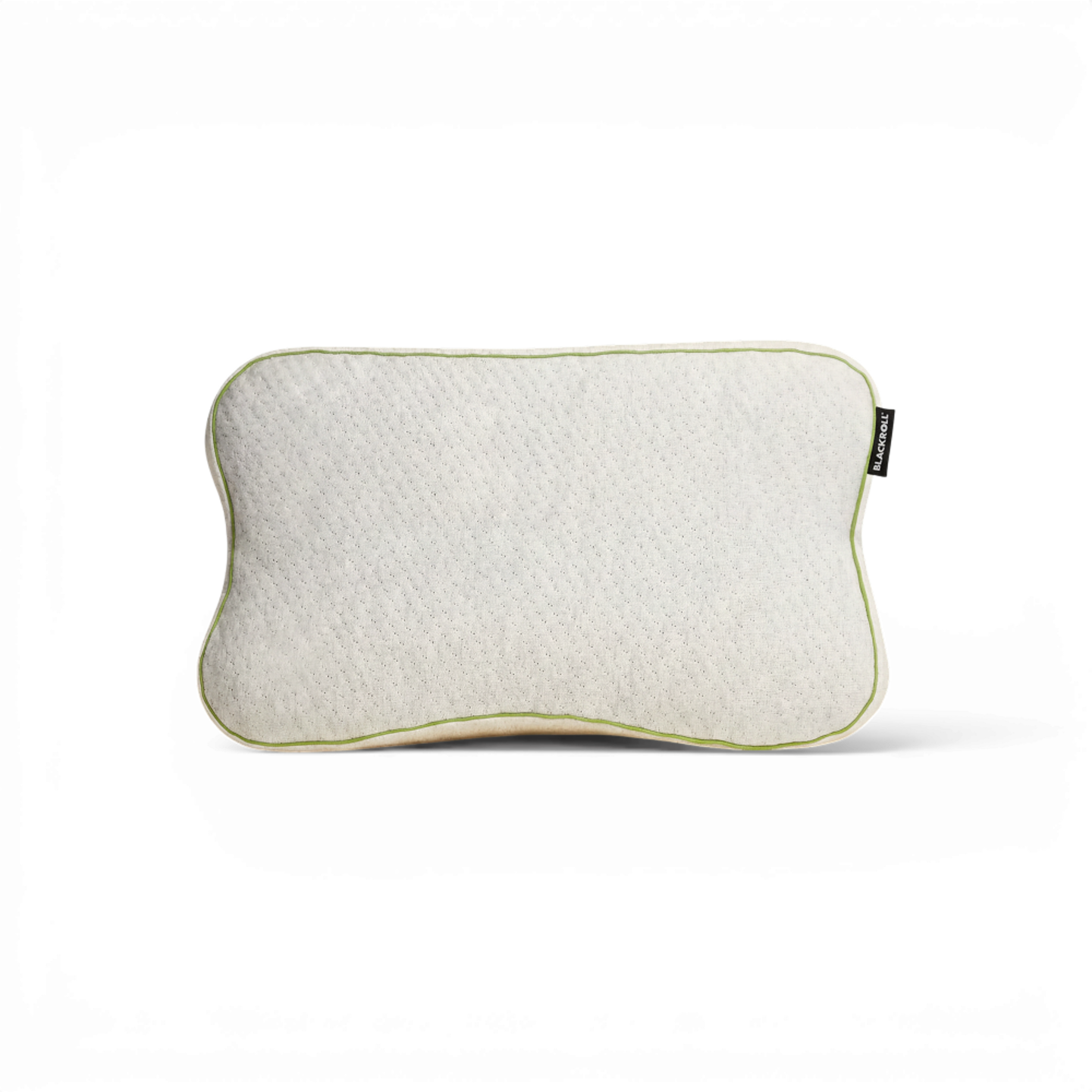
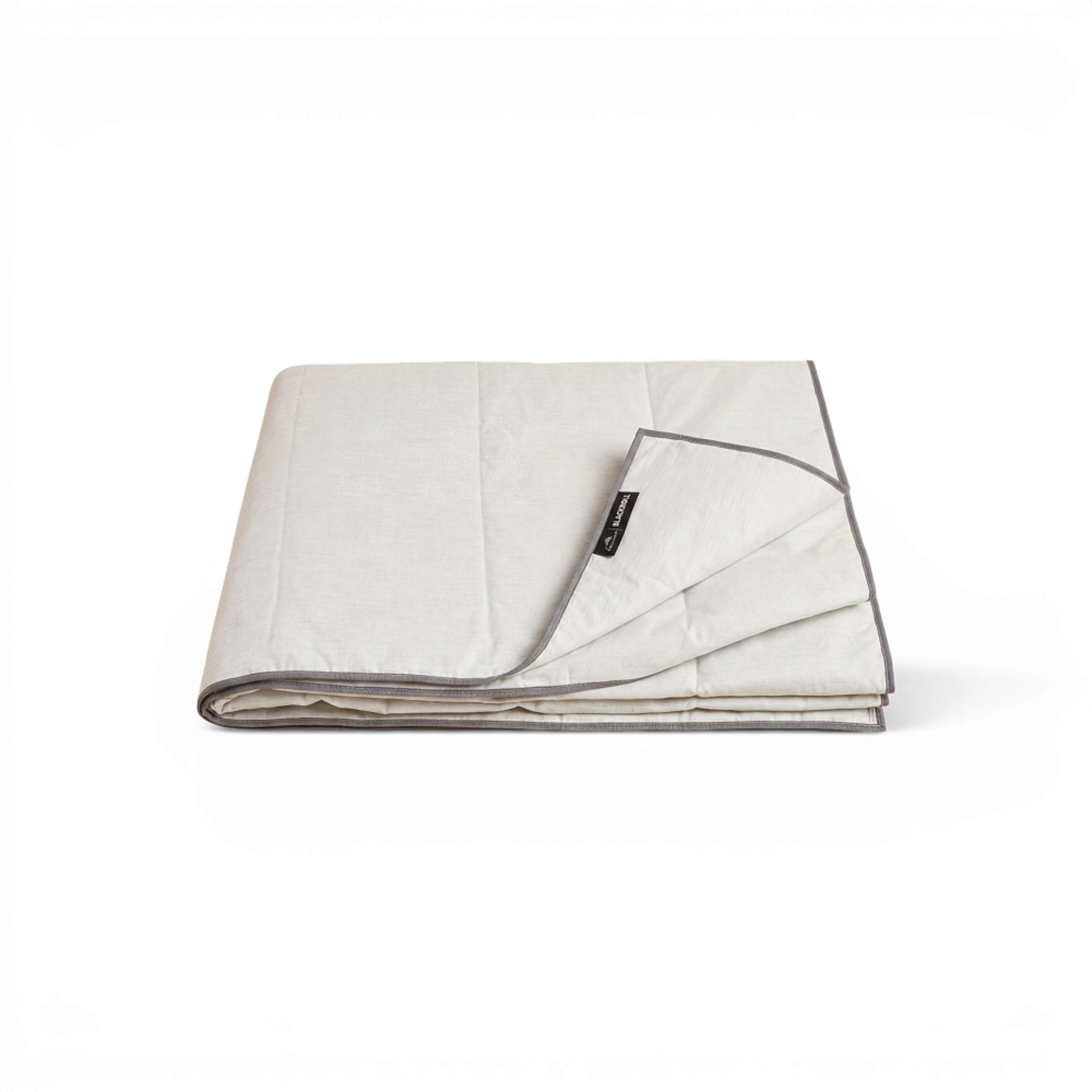
Recovery Blanket Summer
Available in multiple variants
Recovery Blanket Winter
Available in multiple variants
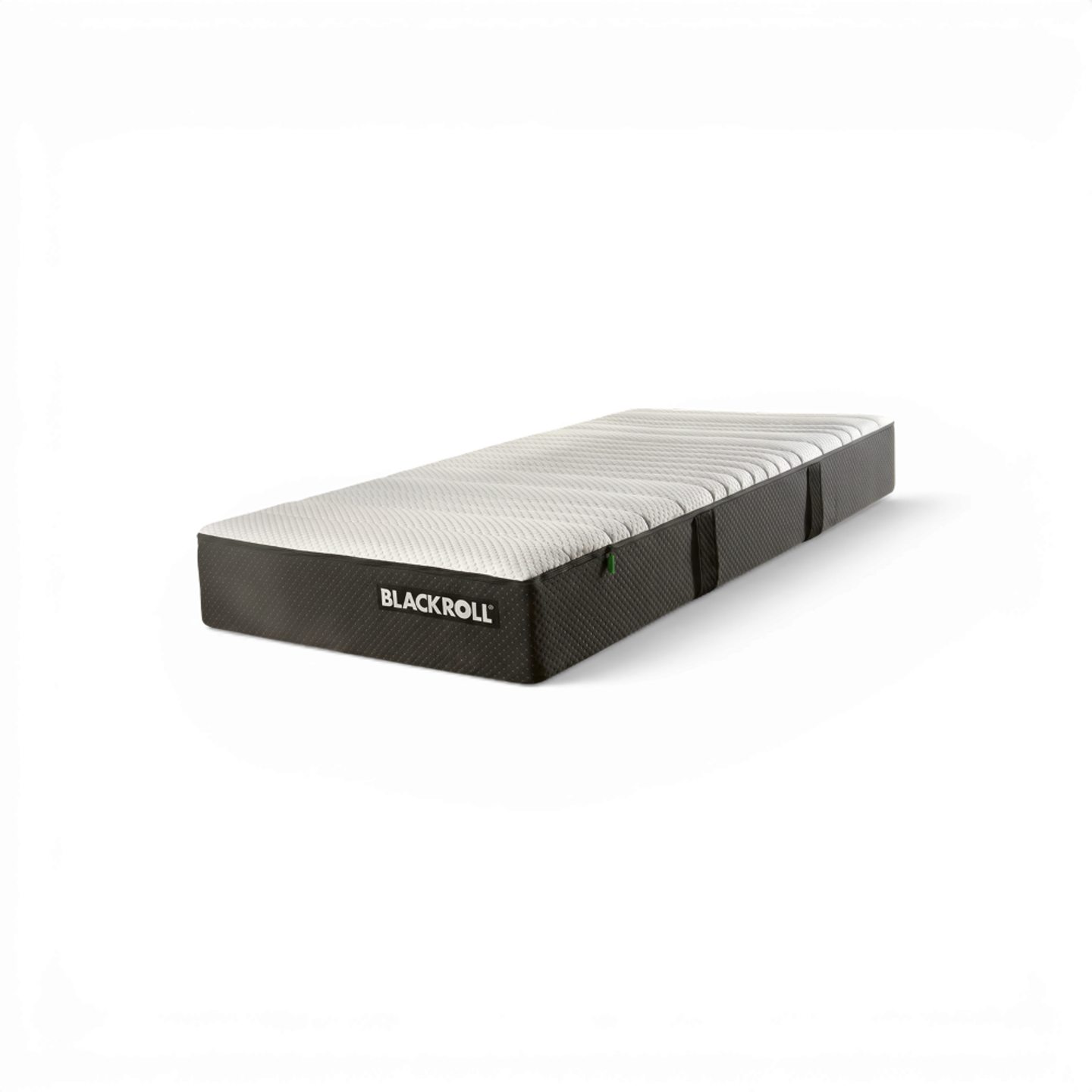
Recovery Base 2.0
Available in multiple variants
No performance without sleep efficiency
Research has clearly demonstrated the importance of sufficient sleep for optimal performance. Athletes with poor sleep quality may experience a decline in muscle strength, speed, and other physical metrics. At the same time, the risk of accidents and injuries increases when you don’t get enough sleep.
Unfortunately, athletes are particularly prone to sleep problems. That’s why it’s especially important to prioritize healthy sleep when you’re under high pressure to perform. [7]
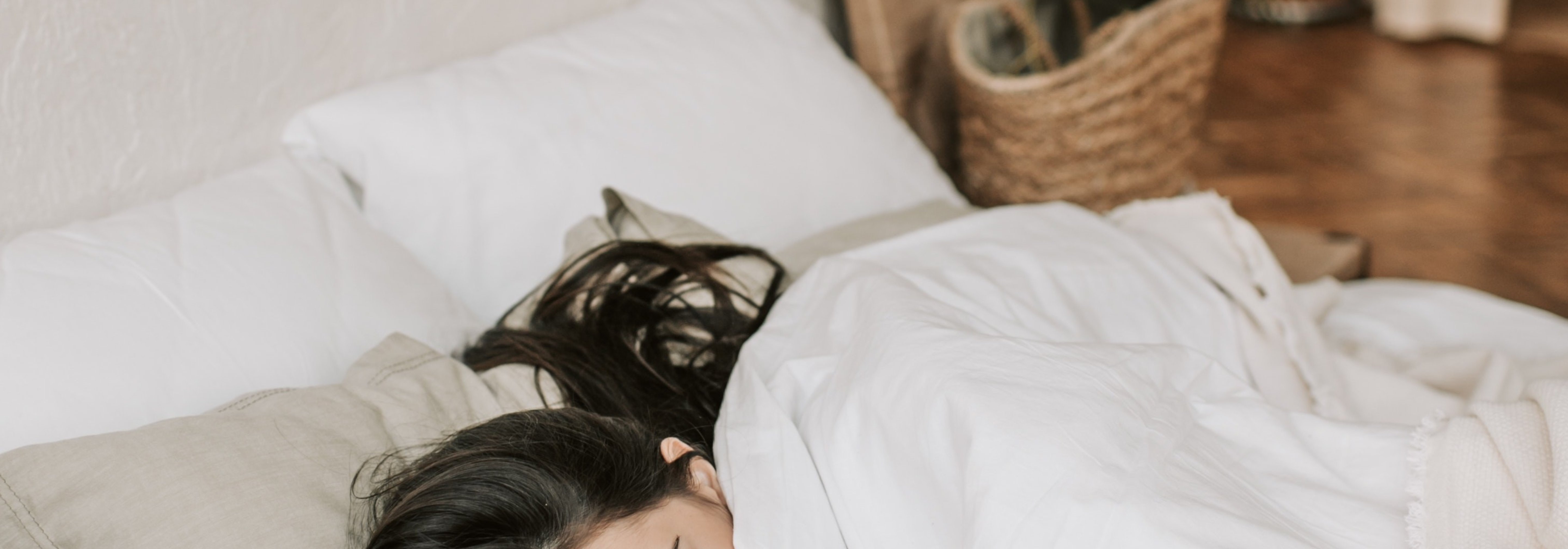
Hormone Production During Sleep
About 70% of growth hormones are released during deep sleep phases. Among other things, they regulate tissue repair, fat loss, and muscle growth. At the same time, levels of the stress hormone cortisol decrease during these phases. So if your deep sleep phases are frequently interrupted, your body’s ability to recover is significantly reduced.
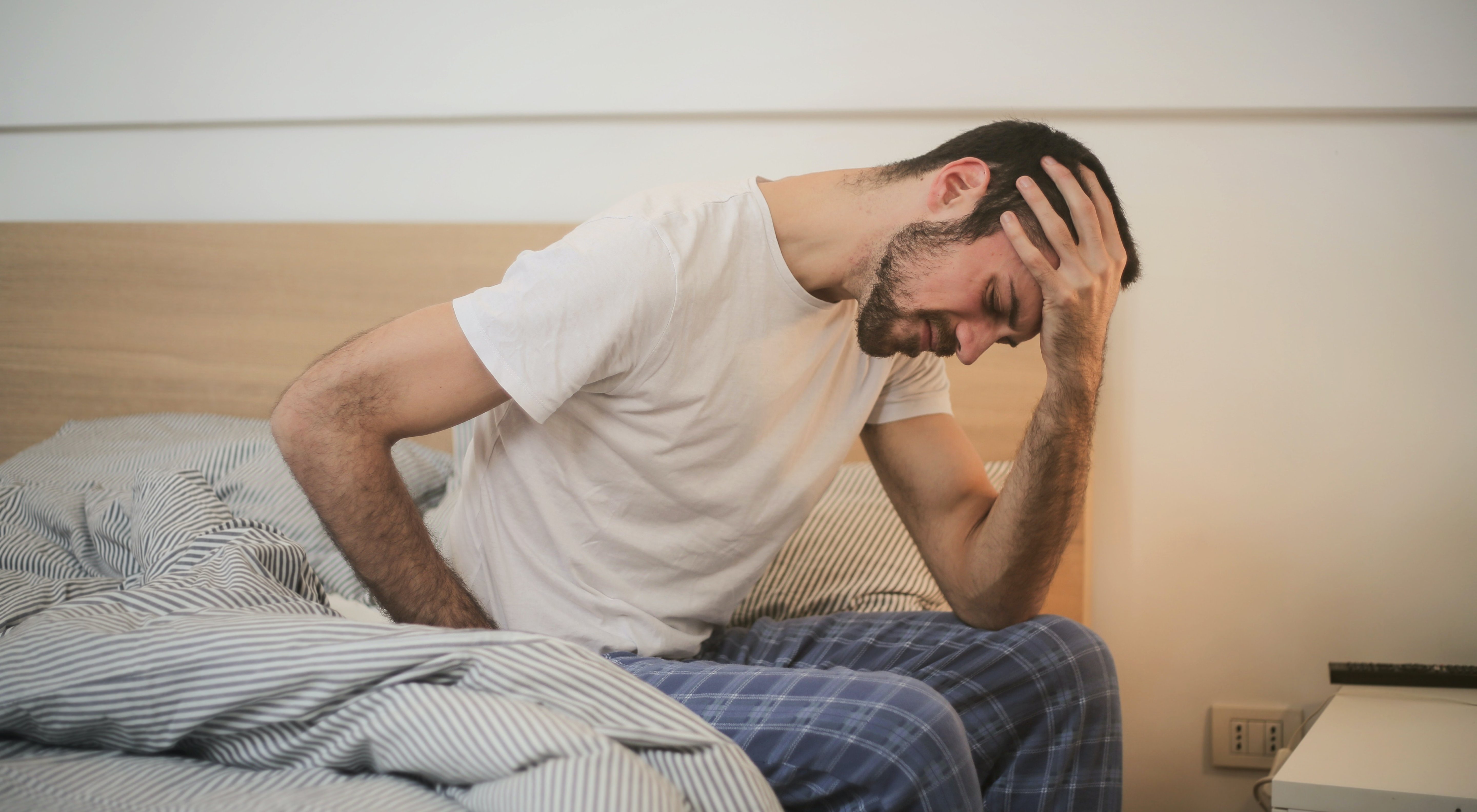
How focus, the immune system, and mood are affected
The efficiency and quality of your sleep have a major impact on your quality of life—how energetic you feel during the day, how susceptible you are to illness, how well you can focus on your tasks, and your overall mood as you go about your daily life.
Focus: Even just one night of poor sleep efficiency can drastically reduce your attention span and negatively impact cognitive performance, alertness, and concentration. This can lead to you performing everyday tasks less effectively and being more prone to mistakes. [8]
Immune System: A properly functioning immune system relies on sufficient sleep. Your immune system and sleep influence each other. If you neglect your sleep, your immune system cannot function properly, and you’ll get sick more easily. [9]
Mood: Fragmented sleep can weaken the areas of the brain responsible for emotional regulation. The consequences include a bad mood, increased irritability, and a reduced ability to control emotions. [10]
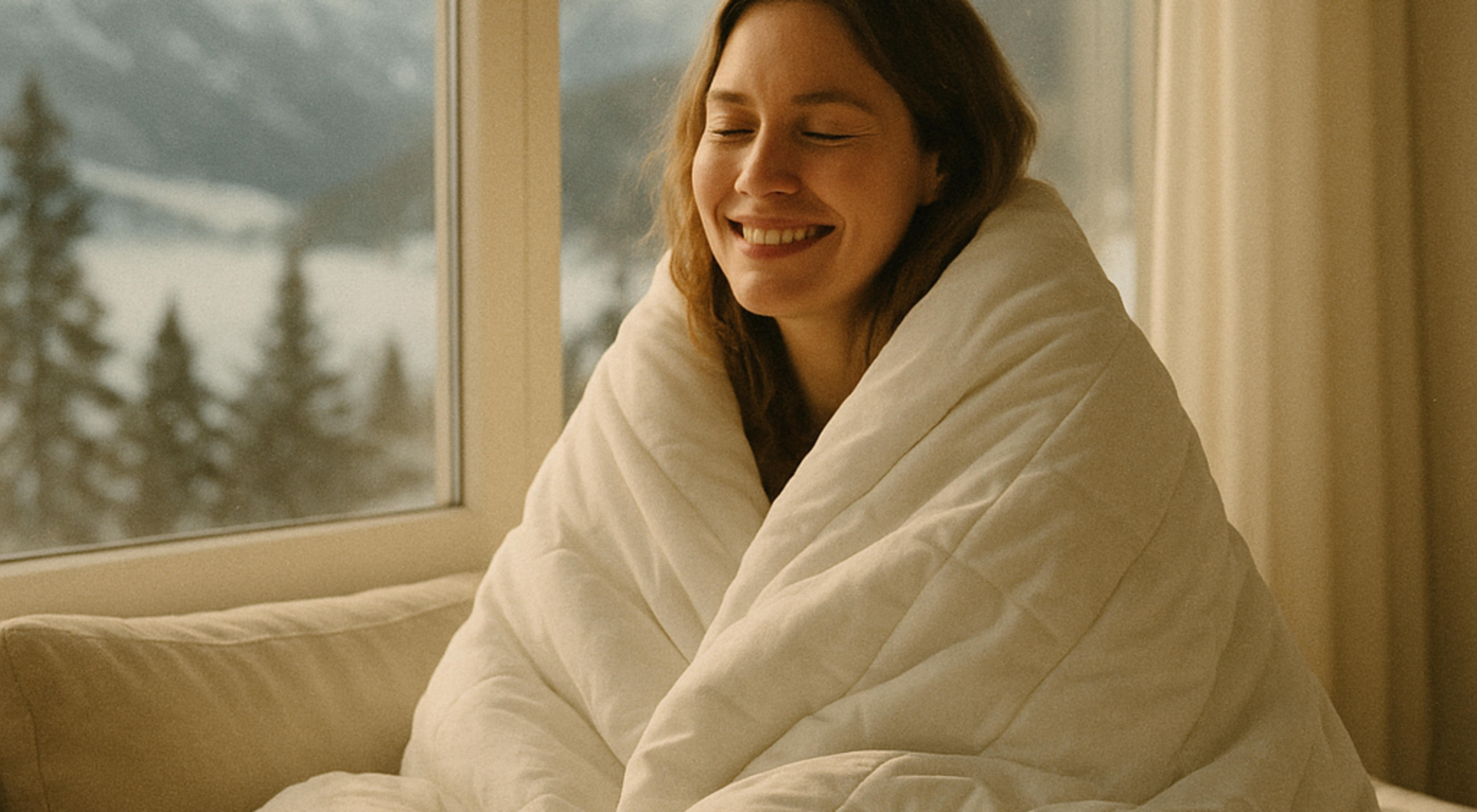

Boosting Sleep Efficiency – 7 Effective Tips
Want to do something to sleep better? Here are the best, science-based tips for improving sleep efficiency.
1. Establish a Consistent Bedtime Routine
Go to bed at the same time every night and wake up at the same time every morning. Try to stay within a 30-minute window, even on weekends. This will help stabilize your circadian rhythm and improve your sleep efficiency.
2. Light and Screen Management
Avoid screens 60 to 90 minutes before bedtime. The blue light from digital displays inhibits melatonin production. Instead, soak up 10 to 15 minutes of daylight within the first hour after waking up to start your day feeling alert.
3. Create an Optimal Sleep Environment
Keep your bedroom as cool as possible (ideally 16 to 19°C), dark, and quiet. You can use earplugs and a sleep mask to help.
4. Exercise during the day—but not too late
Regular physical activity significantly improves sleep efficiency. However, avoid intense exercise at least 3 hours before bedtime, as this can delay falling asleep and affect sleep quality.
5. Observe caffeine and alcohol cutoff times
Consume caffeine no later than 8–10 hours before bedtime and avoid alcohol three to four hours before bedtime—ideally, avoid it entirely. While alcohol may help some people fall asleep faster, it is generally responsible for many sleep problems because it disrupts sleep architecture.
6. Mental relaxation before bed
Use techniques such as the 4-7-8 breathing exercise, progressive muscle relaxation, or a thought journal shortly before bedtime to reduce rumination, shorten the time it takes to fall asleep, and prepare your body for sleep.
7. Use recovery tools strategically
A gentle self-massage of the fascia, five to ten minutes before bed, releases tension, activates the parasympathetic nervous system, and prepares your body for rest. The BLACKROLL MINI FLOW for the shoulders and neck, for example, is ideal for this.

5 Exercises for Your Evening Routine
See the 5 exercises for your evening routine
Your Evening Routine for Better Sleep
A short routine that you follow every night just before bedtime can help you improve your sleep efficiency and sleep quality in the long run. Here are some guidelines—you can, of course, adapt and customize your own routine.
Try the following 10-minute evening routine about 30 minutes before bedtime:
1. Dim the lights: More darkness signals to your brain that it’s time to wind down for the day.
2. Gentle self-myofascial release: Roll slowly and without pressure over your calves, lower back, and neck. The gentle movements with the BLACKROLL® release muscle tension and signal to your body that it’s time to relax.
3. 4-7-8 breathing exercise: Get into a comfortable position and repeat the following breathing technique six to eight times: inhale for 4 seconds, hold your breath for 7 seconds, exhale for 8 seconds.
4. Body Scan: When you’re lying in bed and ready to sleep, focus your attention one by one on your feet, legs, back, arms, shoulders, and head. Consciously relax each body part as you go, and you’ll notice that you can drift off to sleep much more easily.
Conclusion: Your time in bed is valuable—use it wisely
Sleep efficiency is a scientific parameter used in sleep research. But this metric is also a useful tool for optimizing your personal sleep. Improving sleep efficiency means making better use of the time you spend in bed. Feel free to try this test and measure what percentage of your time in bed you actually spend in the important sleep stages.
Digital distractions are the enemy here, just like excessive alcohol consumption, eating too late, and not getting enough sleep. If you focus instead on regular routines, a comfortable sleep environment, and relaxation techniques, you’ll quickly notice the changes in your daily life: at work, during workouts, and in your free time.
FAQ – Sleep Efficiency Explained in a Nutshell
Sleep efficiency describes the ratio of your actual sleep duration to the time you spend in bed. It is calculated using the formula: (sleep duration / time in bed) × 100. It shows how effectively your body uses the time spent in bed for recovery—regardless of the sheer number of hours.
A sleep efficiency above 90% is considered very good (typical for healthy adults up to age 40), 80% or higher is considered average, and below 75% indicates symptoms of sleep deprivation.
Divide your actual sleep duration by the time spent in bed and multiply by 100. Example: 6.5 hours of sleep during 8 hours in bed = (6.5 / 8) × 100 = 81.25%.
Establish a consistent bedtime routine, avoid screens before bed, keep the room cool, and finish intense exercise three hours before bedtime. Mental relaxation techniques such as breathing exercises or gentle self-myofascial massage can also help.
The main factors are: caffeine late in the day (after 2 p.m.), alcohol before bed, screen time with blue light, irregular bedtimes, a room temperature that’s too warm, and intense exercise shortly before bedtime. Stress and rumination also prolong the time it takes to fall asleep and reduce sleep efficiency.
Also interesting








Sources
[1] Ohayon, M., Wickwire, E. M., Hirshkowitz, M., Albert, S. M., Avidan, A., Daly, F. J., Dauvilliers, Y., Ferri, R., Fung, C., Gozal, D., Hazen, N., Krystal, A., Lichstein, K., Mallampalli, M., Plazzi, G., Rawding, R., Scheer, F. A., Somers, V., & Vitiello, M. V. (2017). National Sleep Foundation’s sleep quality recommendations: first report. Sleep Health: Journal of the National Sleep Foundation, 3(1), 6–19. https://doi.org/10.1016/j.sleh.2016.11.006
[2] Reed, D. L., & Sacco, W. P. (2016). Measuring sleep efficiency: What should the denominator be? Journal of Clinical Sleep Medicine, 12(2), 263–266. https://doi.org/10.5664/jcsm.5498
[3] Sleep WA. (2026). Interpreting a sleep study. https://sleepwa.com.au/medical-professionals/interpreting-a-sleep-study/
[4] Desjardins, S., Lapierre, S., Hudon, C., & Desgagné, A. (2019). Factors involved in sleep efficiency: A population-based study of community-dwelling elderly persons. Sleep, 42(5), zsz038. https://doi.org/10.1093/sleep/zsz038
[5] Yan, B., Yang, J., Zhao, B., Fan, Y., Wang, W., & Ma, X. (2021). Objective sleep efficiency predicts cardiovascular disease in a community population: The Sleep Heart Health Study. Journal of the American Heart Association, 10(7), e016201. https://doi.org/10.1161/JAHA.120.016201
[6] Yan, B., Zhao, B., Jin, X., Xi, W., Yang, J., Yang, L., & Ma, X. (2022). Sleep efficiency may predict depression in a large population-based study. Frontiers in Psychiatry, 13, Article 838907. https://doi.org/10.3389/fpsyt.2022.838907
[7] Charest, J., & Grandner, M. A. (2020). Sleep and athletic performance: Impacts on physical performance, mental performance, injury risk and recovery, and mental health. Sleep Medicine Clinics, 15(1), 41–57. https://doi.org/10.1016/j.jsmc.2019.11.005
[8] Hyndych, A., El-Abassi, R., & Mader, E. C., Jr. (2025). The role of sleep and the effects of sleep loss on cognitive, affective, and behavioral processes. Cureus, 17(5), e84232. https://doi.org/10.7759/cureus.84232
[9] Besedovsky, L., Lange, T., & Haack, M. (2019). The sleep-immune crosstalk in health and disease. Physiological Reviews, 99(3), 1325–1380. https://doi.org/10.1152/physrev.00010.2018
[10] Tomaso, C. C., Johnson, A. B., & Nelson, T. D. (2021). The effect of sleep deprivation and restriction on mood, emotion, and emotion regulation: Three meta-analyses in one. Sleep, 44(6), zsaa289. https://doi.org/10.1093/sleep/zsaa289