
Muscle Building & Longevity: Why Strength Training Is Your Best Life Insurance

Key Takeaways:
- Healthspan, Not Just Lifespan: The goal isn’t just a long life, but maximizing the number of years spent in full health and mobility.
- Muscles as an Endocrine Organ: Active muscles release signaling molecules (myokines) that have systemic effects and can influence inflammatory and metabolic processes.
- Preventing Sarcopenia: Without exercise, muscle strength and mass decline over the course of adulthood. Strength training is the most powerful tool for maintaining function.
- A Strong Brain: The “brain-muscle axis” demonstrates that muscle strength promotes cognitive fitness, and exercise can support neurobiological protective mechanisms.
- Efficiency matters: Just 30–60 minutes of targeted strength training per week can yield significant longevity benefits. Quality, progression, and consistency are key.
Have you ever wondered what the most important factor is for a long—and above all, healthy—life? The answer isn’t a magic pill, but your muscles. In modern sports medicine, the holistic concept of longevity has become firmly established. The goal is to maximize the period during which we remain healthy, mobile, and mentally fit. To achieve this so-called “healthspan,” incorporating longevity practices into daily life is crucial.
[Building muscle offers benefits for longevity](https://www.blackroll.com/de/blog/longevity-im-alltag-so-verlaengerst-du-deine-healthspan) that go far beyond just appearance. Strength training is one of the most thoroughly researched methods for positively influencing key factors in the aging process: metabolism, inflammation, stability, bone health, and daily functioning.
In this guide, you’ll learn why your muscles are your most important metabolic organ and how a targeted routine can help you maintain your quality of life well into old age.
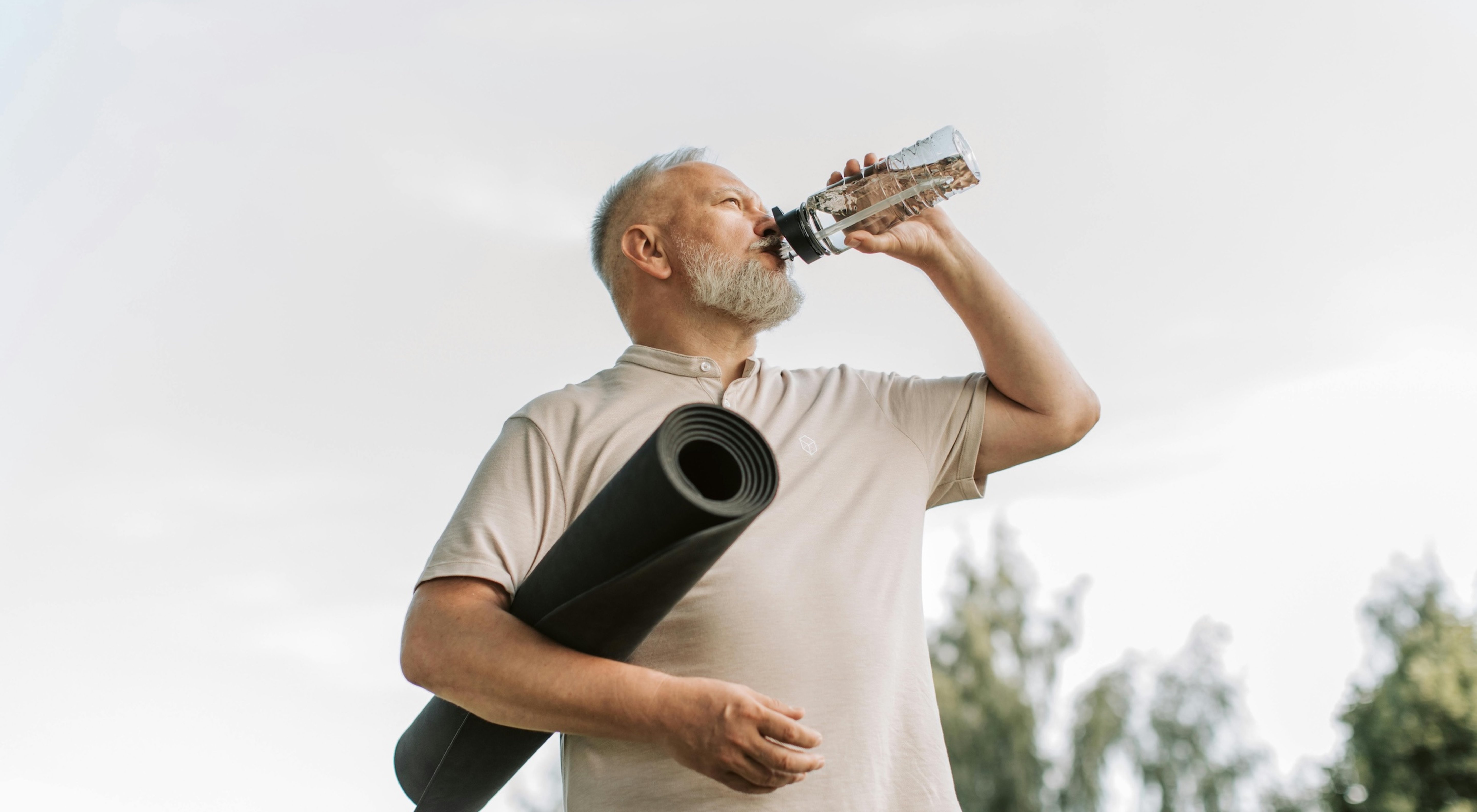

Healthspan vs. Lifespan: It’s About Living Well as You Age
Modern medicine is excellent at keeping us alive longer. But do we want to spend our final decades in a state of physical decline? The goal of longevity research is “compression of morbidity”—that is, keeping the period of illness at the end of life as short as possible.
The evidence is clear: A meta-analysis published in the British Journal of Sports Medicine (BJSM) (Momma et al., 2022) shows that just 30 to 60 minutes of strength training per week can reduce the risk of all-cause mortality and serious diseases such as cardiovascular disease and cancer by 10 to 17%. Muscle strength and muscle mass are now considered among the strongest predictors of a long life and are therefore crucial biomarkers of longevity. Muscles are your biological savings account for the future.

Longevity in Everyday Life
How to Extend Your Healthspan

Muscles as the Body’s Own Pharmacy: The Power of Myokines
For a long time, muscles were viewed primarily as a “motor.” Today, it is clear that skeletal muscle is also an important secretory organ. When muscles work, signaling molecules—known as myokines—are released and can affect other organ systems via the bloodstream.
As research published in *Nature Reviews Endocrinology* (Pedersen, 2019) describes, these myokines act like the body’s own pharmacy:
- Inflammation regulation: Regular muscle activity can have a beneficial effect on chronic, low-grade inflammatory processes—known as “inflammaging.”
- Metabolic boost: Exercise generally improves insulin sensitivity and glucose uptake in the muscles.
- Cardiovascular protection: They make a significant contribution to cardiovascular health by positively influencing blood pressure and vascular health.
A healthy level of muscle mass ensures that your body is constantly supplied with these protective signaling molecules. So the primary reason you should be strong is biochemical.


Stopping Sarcopenia: Retirement Planning You Can’t Buy
Starting at age 30, we lose about 3% to 5% of our muscle mass per decade unless we take action. Doctors call this gradual muscle loss sarcopenia. The problem: Sarcopenia is the beginning of a downward spiral of fall risk, bone fractures, and loss of independence.
According to Harvard Health Publishing (2023), however, this process is not an inevitable fate. Strength training is the only known way to maintain the functional muscle mass that supports you in everyday life. A strong body protects your joints and increases your bone density (preventing osteoporosis). It’s a form of physical freedom that you earn through regular exercise.
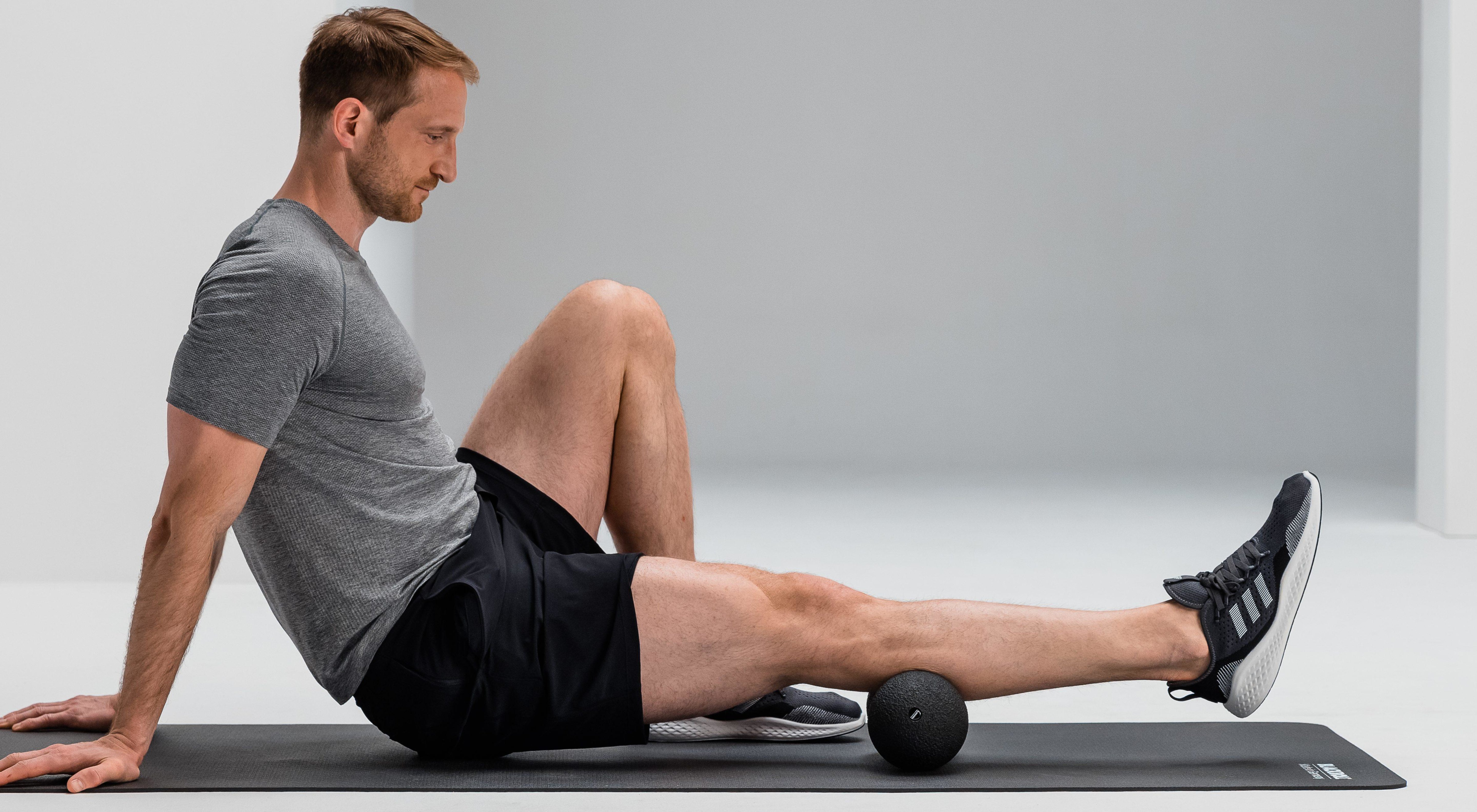

The Brain-Muscle Axis: Why Strong Legs Protect a Sharp Brain
An important aspect of longevity is often overlooked: the brain and physical activity are interconnected. Exercise influences neurobiological processes that are relevant to learning ability, mood, sleep, and cognitive reserve.
One of the most fascinating aspects of longevity research is the connection between muscle strength and cognitive health. Studies (de la Rosa et al., 2019) show that physical exercise significantly boosts the release of the neurotransmitter BDNF (Brain-Derived Neurotrophic Factor).
This “brain fertilizer” supports neuroplasticity and protects against cognitive decline. So when you train your muscles, you’re indirectly training your brain as well. The “brain-muscle axis” proves that a strong body is the foundation for an alert mind and a lower risk of developing dementia or Alzheimer’s disease.
When you do strength training, you’re not just training your muscles. You’re training your motor skills, stability, coordination, and resilience—all factors that, in the long term, also “take the strain off” the brain.


Longevity Training in Practice: Intensity and Continuity
What does a workout designed for longevity look like? Scientists agree: It must be a combination of strength and endurance, though the importance of strength is often underestimated.
Heavy Resistance: The Stimulus for the Cells
To target Type II muscle fibers (the fast-twitch fibers), which are the first to be lost as we age, we need real stimuli. That means heavy resistance training. You have to train against resistance that challenges you—whether with dumbbells, machines, or advanced bodyweight exercises. The key is “progressive overload,” meaning a steady increase in the load. That’s why real stimuli are needed. “Heavy” doesn’t mean dangerous. Heavy means: challenging, technically sound, progressive.
The Minimum Effective Dose Principle
The good news: You don’t have to spend hours at the gym every day. The BJSM study mentioned earlier suggests that just 30 to 60 minutes per week can yield enormous health benefits. The important thing is to target all major muscle groups and develop a routine you can stick with long-term.
In practice, this means:
- It’s better to do 2 short, well-executed full-body workouts per week
- than 1 “hero workout” every two weeks

Recovery Blanket Summer
Available in multiple variants

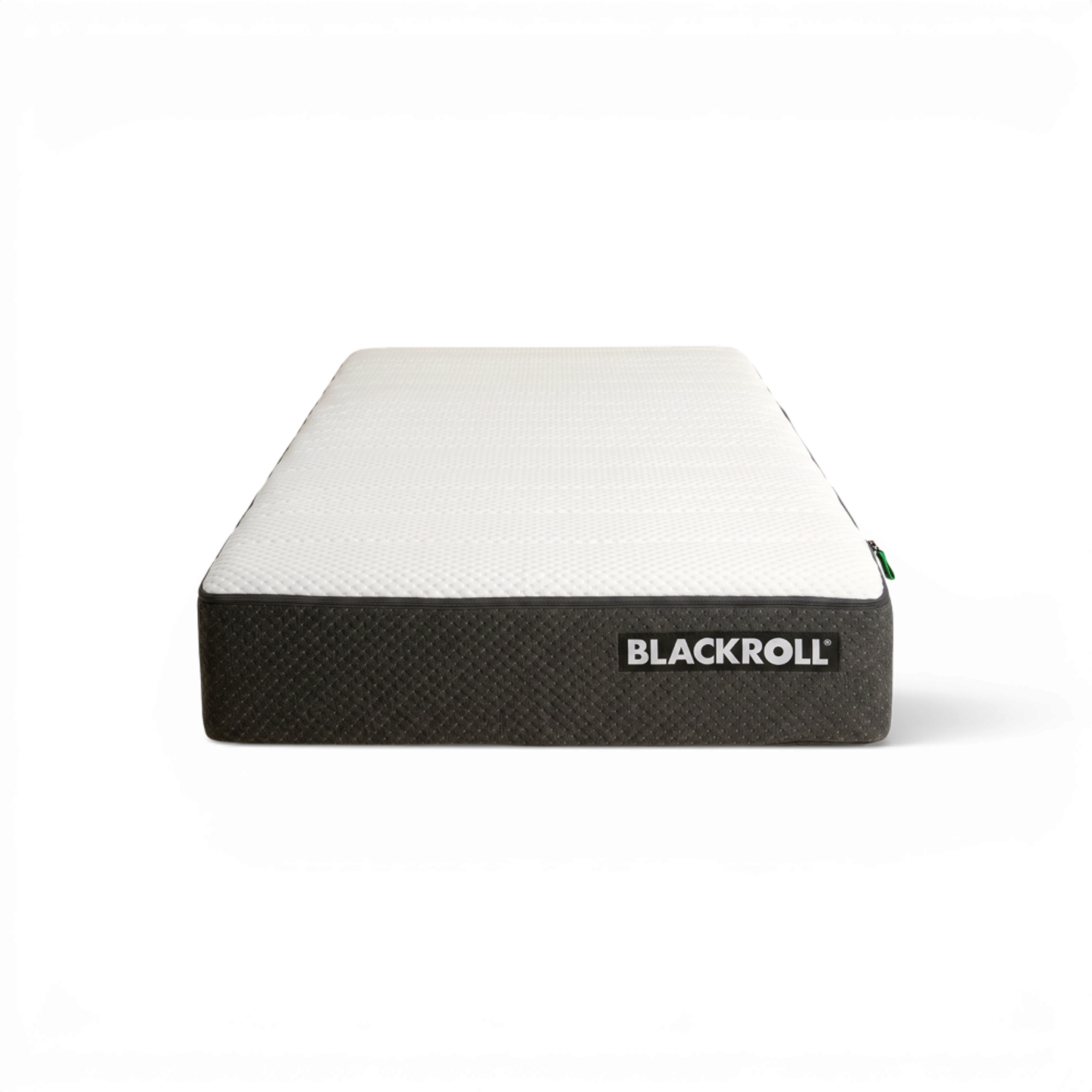
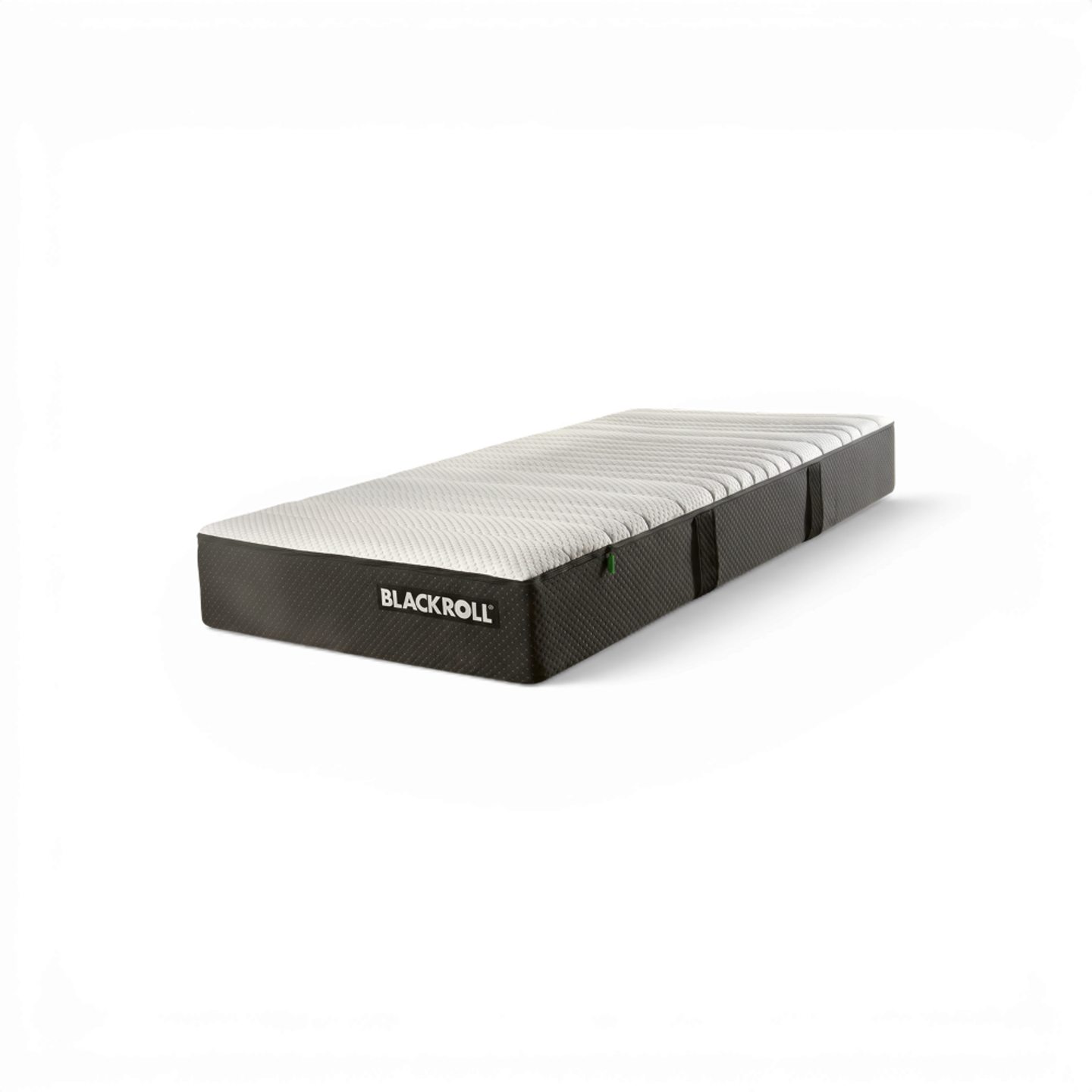
Recovery Base 2.0
Available in multiple variants


Recovery as an Enabler: No Progress Without Recovery
Here lies one of the most common mistakes: Training is taken seriously, but recovery is not.
Muscles don’t adapt during training, but afterward. And yes: chronic stress can slow down muscle growth and recovery. Cortisol is part of the story here—not as an “enemy,” but as a stress marker that can have adverse effects under chronically high stress.
A longevity-oriented recovery strategy includes:
- Sleep quality: This is where hormonal repair takes place.
- Stress management: Lowering cortisol levels through relaxation techniques.
- Protein intake: Amino acids are the building blocks of your “life insurance.”
- Mobility & Fascia: Stiff fascia restricts range of motion. Targeted fascia training helps maintain tissue suppleness and prevent injuries.


Conclusion: Your roadmap to a long, strong life
Building muscle is about much more than just vanity. It’s the most effective form of preventive healthcare available to us. Through strength training, you activate your myokines, protect your brain, stabilize your metabolism, and maintain your independence.
The path to a longer healthspan begins today. Start with basic functional exercises, pay attention to your form, and give your body the time it needs to recover. Your muscles are your greatest asset—nurture them, challenge them, and reap the benefits for a lifetime.


FAQ: The Most Important Questions About Muscle Building and Longevity
FAQ: The Most Important Questions About Muscle Building and Longevity
Yes! Science shows that hypertrophy (muscle growth) is possible well into old age, provided the training stimulus is intense enough and protein intake is sufficient.
Two to three full-body strength training sessions per week are considered ideal for maintaining and building muscle mass.
Both are important. While endurance (VO2max) is a strong predictor of longevity, strength training protects against frailty and metabolic diseases.
Messenger substances released during muscle activity. They have anti-inflammatory effects and, according to *Nature Reviews Endocrinology*, protect organs such as the heart and brain.
Only during the rest phase can the body convert training stimuli into healthy tissue. Persistently high cortisol levels due to a lack of rest can inhibit muscle growth.
More interesting articles









Bibliography
de la Rosa, A., Solana, E., Corpas, R., Bartrés-Faz, D., Pallàs, M., Vina, J., & Gomez-Cabrera, M. C. (2019). Physical exercise-induced BDNF as a mediator of brain-derived neurotrophic factor: A review of its role in neuroplasticity and cognitive function. Frontiers in Physiology, 10, 1096. https://doi.org/10.3389/fphys.2019.01096
Harvard Health Publishing. (January 10, 2023). *Preserve your muscle mass*. Harvard Medical School. https://www.health.harvard.edu/staying-healthy/preserve-your-muscle-mass
Momma, H., Kawakami, R., Micklewright, D., & Sawada, S. S. (2022). Muscle-strengthening activities and risk of cardiovascular disease, cancer, diabetes, and all-cause mortality: a systematic review and meta-analysis of prospective cohort studies. *British Journal of Sports Medicine*, *56*(13), 755-763. https://doi.org/10.1136/bjsports-2021-105061
Pedersen, B. K. (2019). Muscles, exercise, and obesity: skeletal muscle as a secretory organ. *Nature Reviews Endocrinology*, *15*(11), 383–392. https://doi.org/10.1038/s41574-018-0164-2