Resting Heart Rate: What It Reveals About Your Health—and How You Can Improve It!
Your resting heart rate is an important indicator of your overall health and fitness. It tells you how efficiently your heart is working and how well your body is able to recover. In this article, you’ll learn what a normal resting heart rate is, what factors influence it, and how you can improve it with simple tips and targeted measures. Discover how your heartbeat contributes to your well-being!


What does a “normal pulse” mean?
A “normal pulse” varies from person to person and is influenced by various factors such as age, gender, fitness level, and overall health. In general, the normal resting heart rate for adults is between 60 and 80 beats per minute (BPM). For well-trained endurance athletes, the resting heart rate can even be significantly lower—sometimes below 50 BPM—which indicates high cardiovascular fitness.
For children and adolescents, the normal resting heart rate is usually higher, as their hearts are smaller and must beat faster to adequately supply the body with blood. With increasing age, the resting heart rate may rise slightly, which is often associated with a decline in cardiac output or changes in health.
However, it is important to note that the normal resting heart rate is not the same for everyone. Factors such as stress, caffeine consumption, medications, or illnesses can temporarily affect the resting heart rate. A heart rate outside the normal range is not automatically a cause for concern, but persistent deviations should be evaluated by a doctor.


Recovery Blanket All Year
Available in multiple variants


Why the resting heart rate is important
Your resting heart rate is more than just a number—it’s a key indicator of your health and well-being. It gives you insight into how your heart is functioning and shows how well your body can handle stress and recovery periods. Here are the most important reasons why your resting heart rate matters:
- Indicator of heart health: A healthy resting heart rate indicates that your heart is working efficiently. It doesn’t have to beat as often to supply your body with enough blood and oxygen. A consistently elevated resting heart rate, on the other hand, can be a sign of cardiovascular problems such as high blood pressure, arrhythmias, or increased strain on the heart muscle.
- A measure of physical fitness: The better your fitness level, the lower your resting heart rate generally is. Regular endurance training—such as jogging, swimming, or cycling—strengthens the heart, allowing it to pump more blood with each beat. A low resting heart rate is therefore often a sign of good physical condition.
- Indicator of Stress and Overload: An elevated resting heart rate can indicate stress, fatigue, or overtraining. Emotional stress or overly intense workouts can strain the heart and drive up your resting heart rate. Regular measurements help you identify potential overload early on and take countermeasures such as targeted relaxation or recovery.
- Early warning system for health problems: A changing resting heart rate can be a warning sign and one of the first symptoms of health problems. For example, if your heart rate is consistently higher than usual or fluctuates unusually widely, you should have it checked by a doctor. Possible causes include infections, thyroid problems, or heart disease. If your heart rate is more than 10 beats higher than usual, it’s often a sign that you’re getting sick.
- Support for Training Management: Athletes often use their resting heart rate to optimize their training intensity. An unusually high resting heart rate in the morning may indicate that the body has not yet fully recovered, and that a lighter workout or a rest day is advisable.
- Long-term health monitoring: Regularly tracking your resting heart rate gives you a better understanding of your body and how it responds. Over time, you can identify trends and changes that may indicate improvements from healthy habits or potential problems.
Your resting heart rate is therefore not just a number, but a valuable tool for actively supporting your health and well-being.
Relaxation Exercises




Factors That Affect the Resting Heart Rate
Your resting heart rate isn’t constant; it’s influenced by various internal and external factors. These can cause short-term fluctuations or change your average resting heart rate over the long term. Here are the most important factors that can influence your resting heart rate:
- Fitness Level and Exercise/Sports: People with good cardiovascular fitness often have a lower resting heart rate because their heart can pump more blood with each beat. Regular endurance training such as running, swimming, or cycling strengthens the heart and lowers the resting heart rate over the long term.
- Age: As we age, the resting heart rate often increases slightly. This is due to the decreasing elasticity of blood vessels and a potentially lower cardiac output.
- Stress and Emotions: Stress , anxiety, excitement, and strong emotions activate the sympathetic nervous system, which can increase the resting heart rate. Chronic stress can lead to a permanently elevated resting heart rate over the long term.
- Sleep and Rest: Restful sleep lowers the resting heart rate, as the body regenerates particularly well during the deep sleep phase. In contrast, lack of sleep, irregular sleep patterns, or sleep disorders can increase the heart rate.
- Diet and Stimulants: Caffeine, alcohol, and nicotine can have a stimulating or stressful effect on the cardiovascular system and may increase the resting heart rate. A healthy, balanced diet, on the other hand, supports heart health and can contribute to a lower resting heart rate.
- Medications and Medical Conditions: Some medications, such as beta-blockers, can lower the resting heart rate, while others, such as thyroid hormones or certain stimulants, can raise it. Medical conditions such as infections, heart problems, or thyroid disorders can also affect the resting heart rate.
- Temperature and Environment: High temperatures or high humidity force the heart to beat faster to cool the body and promote blood circulation. Altitude above sea level can also affect the resting heart rate, as the body must transport more oxygen at high altitudes.
- Genetic predisposition: Some people naturally have a higher or lower resting heart rate due to their genetic makeup. This is generally not a cause for concern as long as the heart rate remains within a stable range.
The resting heart rate is a sensitive parameter that depends on many factors. By maintaining a healthy lifestyle, exercising regularly, and getting enough rest, you can positively influence it and strengthen your cardiovascular system in the long term.


Resting Heart Rate in Women and Men
The resting heart rate differs between women and men, which is due to various physiological and hormonal factors. While these differences aren’t dramatic, they provide insights into how the cardiovascular system functions in both sexes.
Women
- Average resting heart rate: 70–80 beats per minute (BPM)
- Smaller heart size: Women’s hearts are smaller on average, which means they must beat faster to pump the same volume of blood as a larger heart.
- Hormonal influences: The cycle of hormones such as estrogen and progesterone affects heart rate. During the menstrual cycle or pregnancy, the resting heart rate may increase because the body requires an increased oxygen supply. During menopause, hormonal fluctuations can also lead to changes.
Men
- Average resting heart rate: 60–70 beats per minute (BPM)
- Larger heart size: Men’s hearts are generally larger and pump a greater volume of blood with each beat, meaning fewer heartbeats are required.
- Stress response: Men often react differently to stressful situations, which can reduce the impact on their resting heart rate.
Although there are clear differences in resting heart rate between women and men, these should always be considered on an individual basis. Age, fitness level, health status, and lifestyle have just as much of an impact as gender.


How to Measure Your Resting Heart Rate
You don’t need any sophisticated equipment to accurately measure your resting heart rate. A simple yet effective approach is the manual measurement method. To do this, place two fingers lightly on the inside of your wrist, right next to the tendon that runs along your thumb. Alternatively, you can place your fingers on your carotid artery. With a little pressure, you should be able to clearly feel your heartbeat.
Count the beats for 15 seconds and then multiply that number by four to get the number of beats per minute. This technique allows for a quick and direct assessment of your cardiovascular system’s resting state. It’s best to measure your resting heart rate in the morning after waking up, before you get out of bed. This minimizes external factors that could skew the result, such as stress or physical activity.
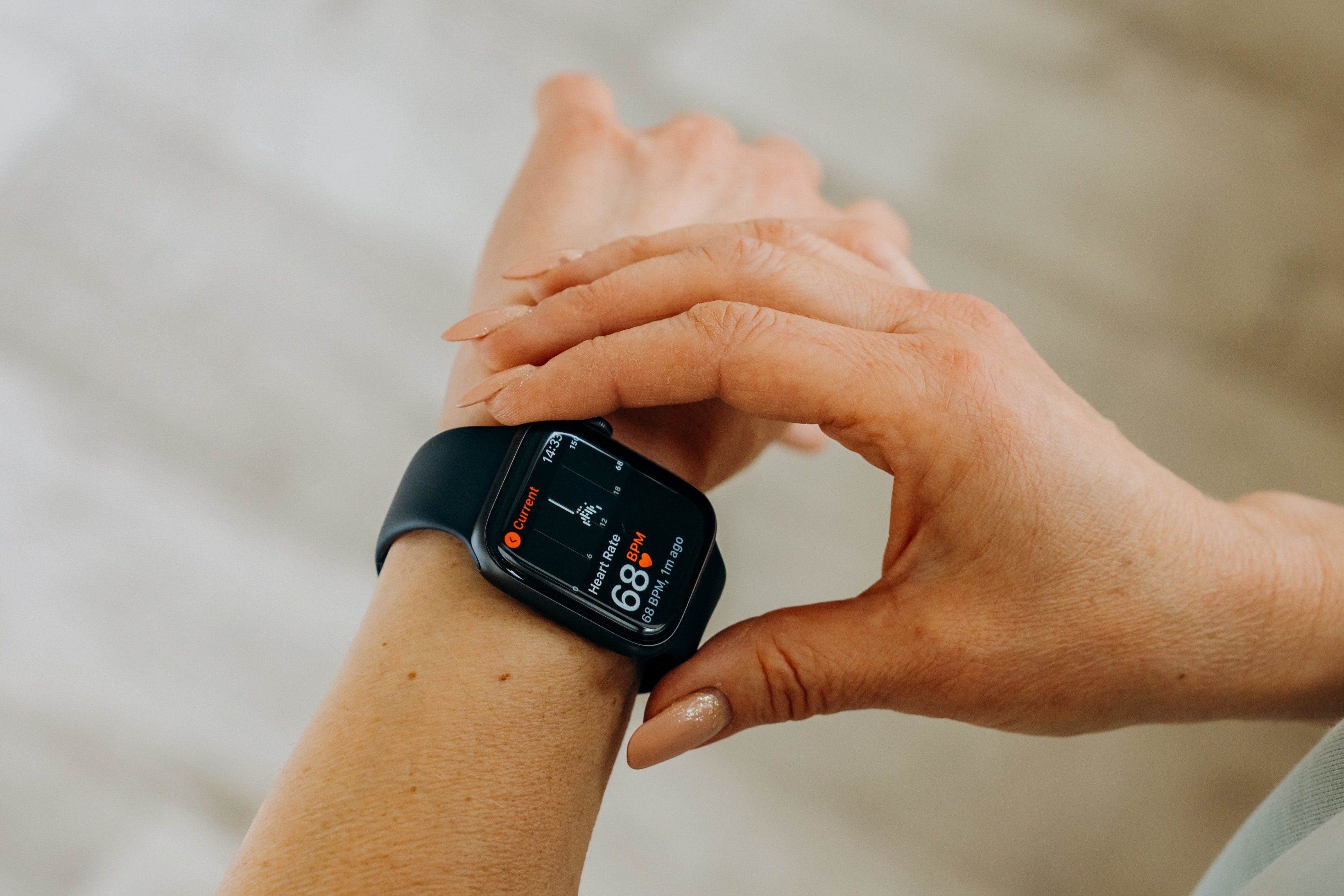
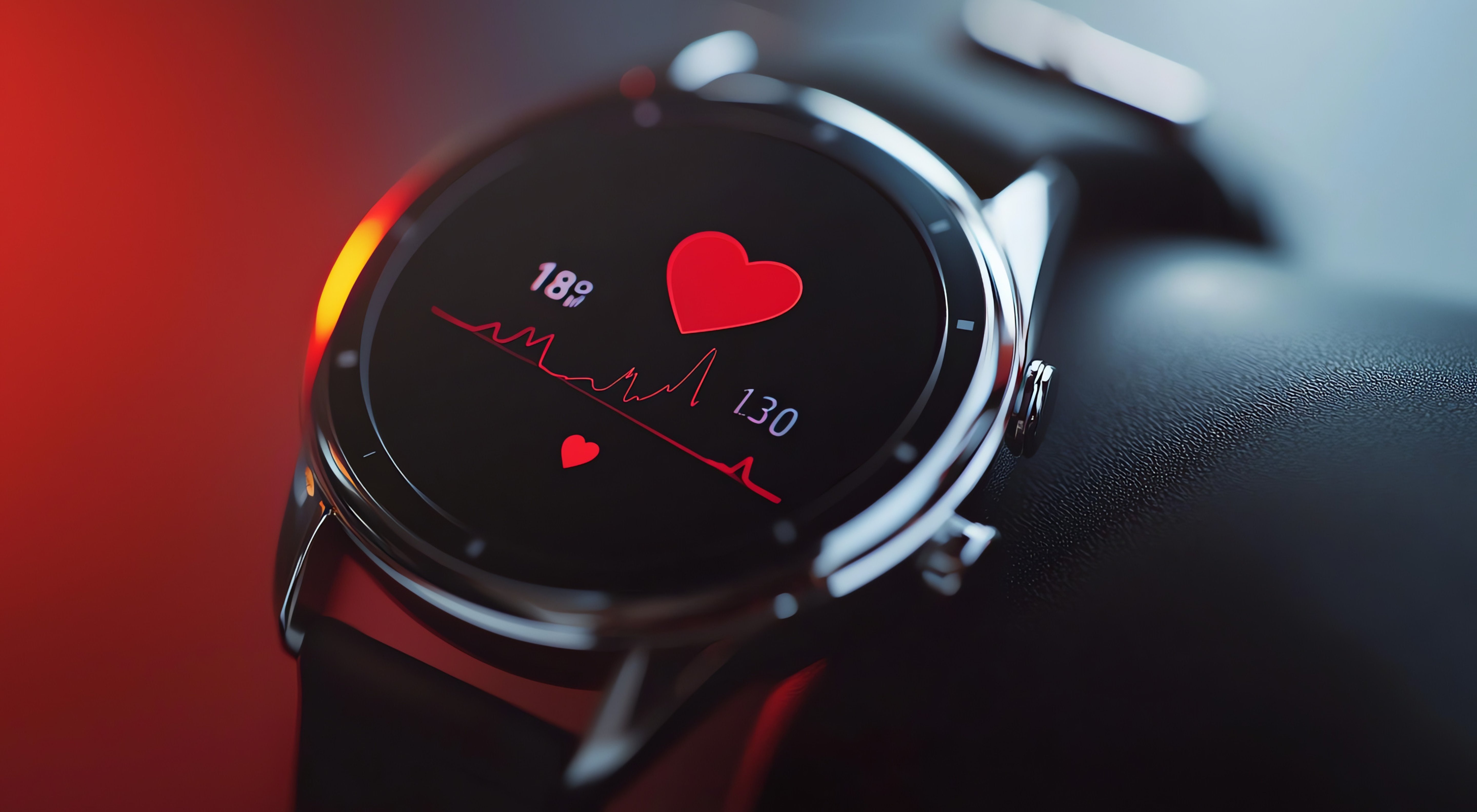
Alternatively, modern fitness trackers or smartwatches are a good option. These devices take measurements automatically and provide continuous data. These devices are particularly useful for active individuals to analyze and compare their heart rate trends throughout the day. Regular monitoring can provide early indications of changes in your health and help you tailor your training accordingly. Integrating your heart rate data with other health metrics in a dedicated app can also provide valuable insights into your overall physical condition.
Difference Between Pulse and Heart Rate
The terms “pulse” and “heart rate” are often used interchangeably, but they describe different aspects of the cardiovascular system:
- Heart rate: This refers to the number of heartbeats per minute (BPM). It indicates how often the heart pumps blood through the body, regardless of whether these beats are actually felt as a pulse. Heart rate is typically measured using an electrocardiogram (ECG) or a heart rate monitor.
- Pulse: The pulse is the palpable wave of blood flow that occurs when the heart pumps blood into the arteries. This pressure wave can be felt at specific points on the body, such as the wrist or neck. In most cases, the pulse is identical to the heart rate, but there are exceptions, such as in cases of cardiac arrhythmias.
Relationship and Differences
The pulse reflects the heart rate but depends on whether blood flow is unimpeded. In cases of arrhythmias or low cardiac output, the heart rate may be higher than the palpable pulse (known as a pulse deficit). To obtain precise data, the heart rate is often measured, while the pulse is used more for simple, manual checks.
Both values are important indicators of heart health and should be checked regularly to detect potential abnormalities early on.


Conclusion: The Importance of the Resting Pulse
A healthy resting heart rate reflects a strong, well-functioning heart, while deviations can indicate stress, overexertion, or health issues such as cardiovascular disease.
By taking regular measurements, you can not only determine your individual normal range but also detect early changes that may indicate overtraining, lack of sleep, or other sources of stress. At the same time, your resting heart rate shows you how well your body is recovering and adapting to healthy habits such as exercise, stress reduction, and a balanced diet.
Being mindful of your resting heart rate can help you live a healthier life in the long term, prevent illness, and improve your well-being. Whether you’re exercising, looking to reduce stress, or simply curious about your heart health—your resting heart rate is a reliable guide to better understanding and supporting your body.