
RED-S Syndrome: A Guide to Relative Energy Deficit in Sports


What Is RED-S Syndrome and Why Is It Important?
Hours of training, high energy expenditure, and insufficient calorie intake—what for some athletes is only a temporary issue can lead to the notorious RED-S syndrome in others. RED-S syndrome stands for Relative Energy Deficiency in Sport and is characterized by a combination of overtraining and insufficient energy intake—meaning that far more energy is expended than is consumed. This energy deficiency can be particularly detrimental in endurance sports such as running, swimming, cycling, or triathlon, and can lead to long-term physical and mental health problems for athletes.
Low Energy Availability
This chronic energy deficiency is often referred to as “Low Energy Availability” (LEA) and affects many athletes, both in competitive sports and in club or recreational sports. Sports in which weight, endurance, or aesthetic aspects play a significant role—such as artistic gymnastics, ballet, long-distance running, or martial arts—are particularly prone to the development of RED-S syndrome. Often, this issue stems from significant pressure to perform and the desire to optimize athletic performance, which can be closely linked to unhealthy behaviors related to sports and nutrition. RED-S syndrome puts athletes at risk of a decline in performance, which can lead to potentially serious and long-term health problems, including hormonal imbalances, reduced bone density, and an increased susceptibility to injury.


Understanding RED-S / Difference from the Female Athlete Triad.
RED-S syndrome is a clinical condition that can affect both male and female athletes. Relative energy deficiency describes the effects on overall athletic performance and well-being in both men and women, with energy availability being of particular importance. The often better-known “Female Athlete Triad,” on the other hand, refers exclusively to the risk that female athletes face of developing insufficient energy availability, menstrual disorders, and reduced bone density due to a decline in estrogen.
Relevance of Energy Availability
Energy availability describes the amount of energy in the body that is still available to you after exercise for all other important functions. Energy availability is calculated per kilogram of fat-free mass (FFM). This means you subtract the calories you burn through physical activity from the calories you’ve consumed through food. Low energy availability occurs when either too few calories are consumed, too much energy is expended through exercise, or both occur simultaneously. Adequate energy availability is defined as at least 45 kcal per kilogram of fat-free mass per day; if this value falls below 30 kcal/kg, the body can no longer optimally support all vital functions.
Symptoms and Warning Signs of Energy Deficiency in Sports
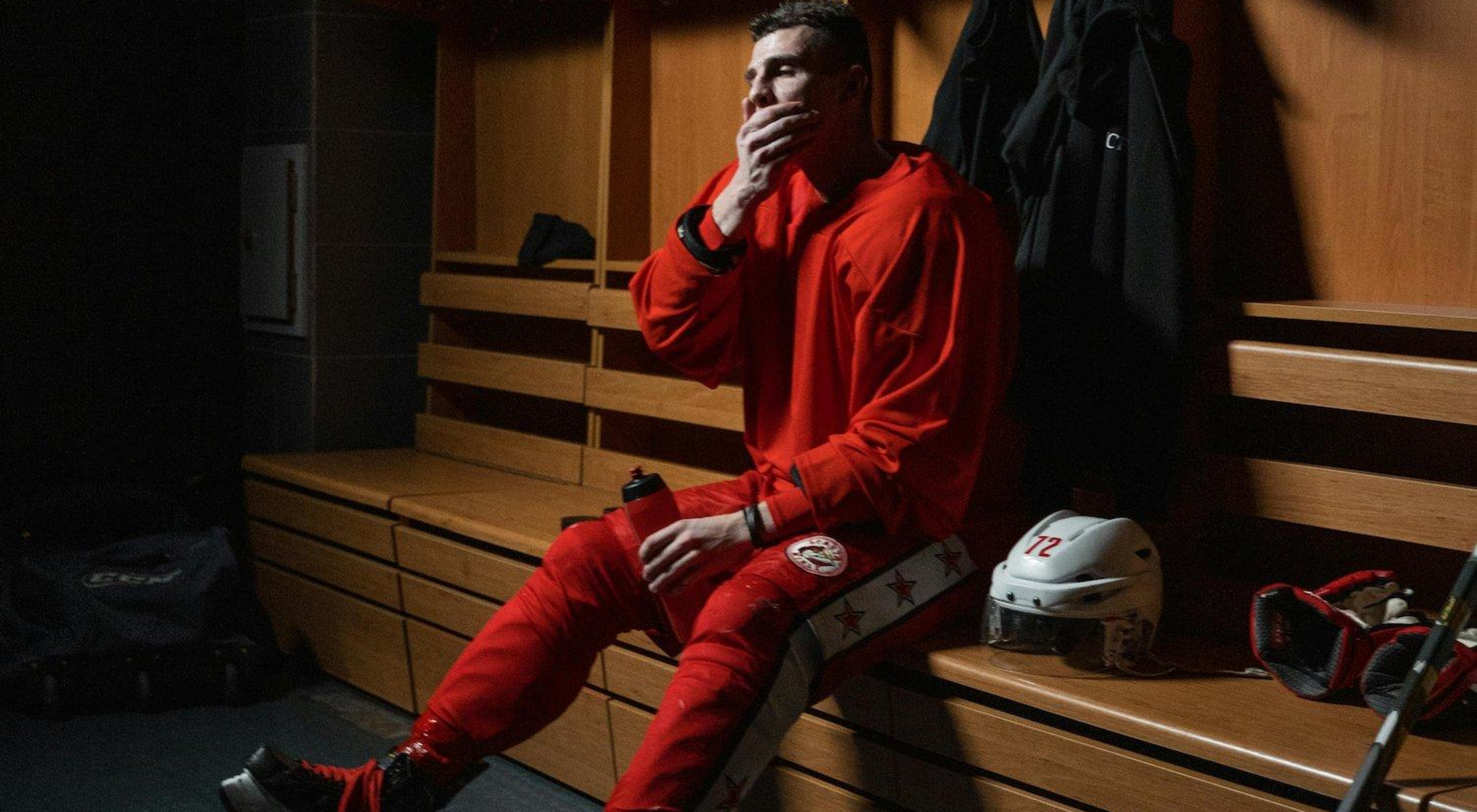
Often, a relative energy deficit in sports goes undetected for too long, and physical and psychological impairments have already developed. The most common signs include a significant reduction in athletic performance, weight loss, or problems with concentration and motivation. In female athletes, the syndrome often also has long-term effects on the menstrual cycle and hormonal well-being. In men, chronic energy deficiency can also lead to hormonal changes.
Physical and Psychological Signs of RED-S Syndrome
Weight loss occurs relatively quickly as a result of RED-S syndrome . Depending on the intensity and duration of training, as well as the size of the energy deficit, significant weight loss can be observed after just a few days to weeks. The greater the deficit, the faster the weight loss. If the body is continuously exposed to insufficient food intake while maintaining the same training regimen, it no longer has enough energy, and athletic performance declines. Endurance and strength decrease, and training can no longer be continued at the usual level.
Muscle mass is also inevitably broken down as a result of an energy deficit. First, the body depletes its glycogen stores and loses water. After 3–4 weeks without sufficient energy and protein intake, the body begins to increasingly use muscle tissue for energy. After 4–6 weeks, muscle loss becomes clearly noticeable, and performance and recovery are impaired. In a severe and sustained calorie deficit of over 1,000 kcal/day, depending on various factors such as initial body mass and training volume, 0.5–1 kg of muscle mass can be lost per month. For every 1 kg of body weight lost, an average of about 250 to 300 g of muscle mass is lost.
The restricted energy intake significantly affects the body’s ability to recover , leading to faster fatigue and longer recovery periods. For proper recovery, the body needs sufficient energy to, among other things, repair muscle fibers, replenish glycogen stores, and restore fluid and electrolyte balance. A prolonged and significant energy deficit means there isn’t enough energy to carry out these processes efficiently. You’ll notice the slowed recovery primarily through the rapid onset and prolonged duration of muscle soreness, poorer sleep, and a feeling of fatigue and sluggishness that can carry over into your next workout.
Increased Risk of Injury
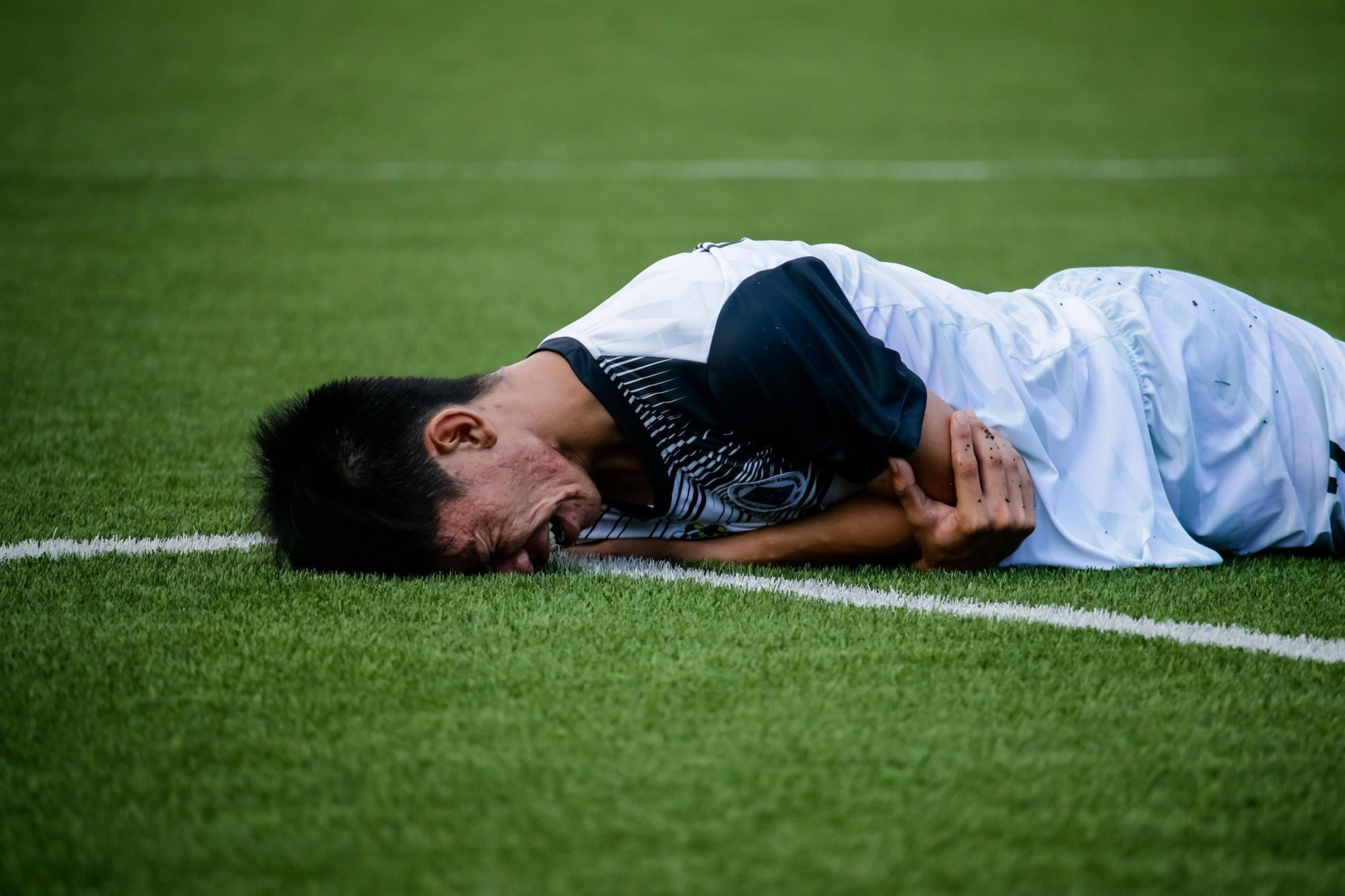
A body that is constantly in an energy deficit can no longer adequately protect its immune system and musculoskeletal system. As a result, RED-S syndrome can lead to increased susceptibility to infections as well as a higher risk of injury. Frequent colds, infections, and longer recovery times from illnesses can be early signs of an energy deficit. According to a study by Statuta et al. (2017), affected athletes can lose up to 22 training days per year due to increased infections. Hormonal and metabolic processes are also impaired, which contributes to an overall increased risk of injury.
Bone density can drop significantly due to reduced production of hormones such as estrogen in women or testosterone in men—key hormones for bone health. Bone mass is lost more rapidly, and the risk of osteoporosis and stress fractures increases. A deficiency in key nutrients such as calcium, magnesium, vitamin D, or protein—which are essential for maintaining bone health—leads to a loss of bone density.
Mental Health Risks
RED-S syndrome can also have a significant impact on your daily training routine from a mental health perspective, as the lack of energy affects not only physical but also mental functions. The body is under chronic stress because it lacks sufficient resources to maintain all physiological and cognitive processes. This, in turn, can have a significant impact on your mental health and substantially reduce your motivation and performance during training. Typical signs include a feeling of inner restlessness and nervousness, difficulty concentrating, depressive moods and mood swings, loss of libido, and a generally reduced tolerance for stress. Even during training, your workout may suddenly feel much more intense and overwhelming, even though the intensity has remained the same or even decreased.
A study by Tenforde et al. (2016) shows that many athletes, as well as their coaches, fail to recognize the warning signs of RED-S in the first place, which can lead to a further escalation of the problems. A diagnosis of RED-S syndrome is supported by medical examinations (e.g., bone density measurements) and specific blood tests and is based on a comprehensive assessment of the described symptoms, such as low energy, hormonal imbalances, reduced bone density, psychological changes, or impaired performance.
Effects of RED-S Syndrome on Hormonal Status in Female and Male Athletes
In female athletes, menstrual irregularities or the complete absence of menstruation can be clear warning signs of RED-S syndrome. For a long time, female athletes were led to believe that the absence of menstruation was beneficial to their athletic performance.
However, a regular menstrual cycle is a vital sign of the body and should therefore be treated as such. The female menstrual cycle is regulated by a complex interplay of hormones such as gonadotropin-releasing hormone (GnRH), follicle-stimulating hormone (FSH), luteinizing hormone (LH), and estrogen. An energy deficit disrupts this system and can lead to long-term health damage.
The most common effects of RED-S syndrome are the absence of a period (amenorrhea), a prolonged and irregular cycle (oligomenorrhea), or anovulatory cycles (in which ovulation does not occur). In the long term, this not only impairs fertility but also increases the risk of osteoporosis and cardiovascular disease, which are exacerbated by a deficiency of important hormones such as estrogen.
The lack of energy and hormonal imbalance can also lead to a general decline in strength and endurance, delayed recovery times, and poorer training adaptations.
Mood swings, irritability, and depression
While women may experience disruptions to their menstrual cycle, men’s hormonal balance can also be affected by a lack of energy. Male athletes with RED-S often have low testosterone levels, which can lead to reduced muscle mass, fatigue, and an increased susceptibility to injury. Reduced physical performance can thus also lead more quickly to overuse injuries.
Low testosterone levels can also have psychological consequences, such as mood swings, irritability, and depression. The effects of low testosterone levels resulting from RED-S syndrome are therefore multifaceted even in athletes and affect both physical and mental health.


Causes and Risk Factors for RED-S in Sports
On a physical level, it is relatively easy to determine what causes an energy deficit in sports: a combination of insufficient calorie intake and a high training volume. In this context, the energy intake may be too low either unconsciously due to poor eating habits or intentionally as a means of weight reduction or weight control.
The body can no longer meet its total energy needs. At the same time, the state of malnutrition is exacerbated as high-intensity training consumes even more energy. This promotes a potentially dangerous energy deficit in which, ultimately, not only are the important macronutrients—carbohydrates, fats, and proteins—lacking, but essential micronutrients are also missing.
The Start of a Dead End
A vicious cycle ensues: carbohydrates, which serve as the primary energy source during training, are lacking. Insufficient protein can no longer support muscle building and maintenance and prevents successful recovery. Insufficient fat impairs hormone production.
Often, athletes do not receive the proper education and support regarding these important nutritional issues in the first place, which can lead to unhealthy eating habits. Yet a targeted nutritional strategy in sports is crucial—not only for performance but also to minimize the risk of developing RED-S syndrome.
Psychological Factors
The development of RED-S syndrome often depends not only on poor eating habits but is also influenced by a number of psychological factors. Chief among these is the social and athletic pressure to meet certain body measurements or achieve specific athletic performance goals. This can lead athletes to intentionally reduce their energy intake in an attempt to reach these goals more quickly.
A history of eating disorders such as anorexia or bulimia is a major risk factor for the development of relative energy deficiency in sports.
Nor should societal pressure, with its beauty ideals in sports, be underestimated: Women in particular—but men as well—are often unconsciously pressured to emulate certain aesthetic and physical ideals in sports. This intensifies the psychological pressure to control or reduce body weight—at the expense of health.


Training Adjustments, Therapy, and Mental Health in RED-S
Adapted Training Methods for Prevention
Athletes suffering from RED-S should seek professional support from doctors, specialists, physical therapists, and nutritionists and adjust their training accordingly.
First, it is necessary to reduce the volume, intensity, and frequency of training to initiate important recovery processes. The focus should temporarily shift to technique training and gentle forms of exercise such as yoga or stretching. Moderate sessions at a basic intensity level should be performed without pressure or specific goals in order to promote health. The body now needs time to rebuild its energy reserves and recover from chronic exhaustion.
Cycle-based training is an effective approach for female athletes to minimize health risks such as RED-S syndrome and optimize athletic performance.
By adapting training to the different phases of the menstrual cycle—particularly the follicular and luteal phases—hormonal fluctuations can be specifically leveraged. During the follicular phase, hormonal conditions are favorable, and female athletes benefit from elevated estrogen levels, which provide them with more energy and performance capacity and allow for more intense training sessions. Around the time of ovulation, hormonal changes provide additional opportunities for intense workouts or competitions.
Ovulation marks the transition to the luteal phase, during which the hormone progesterone rises until the middle of the phase. During this time, the focus should be on recovery-oriented and moderate training sessions before the onset of menstruation signals the start of the next cycle.
Overall, cycle-based training can help you make the most of each phase of your cycle and get the best results from your workouts. Adjusting your diet based on your cycle phase can also support your health.
Mental Health Support for Athletes Affected by RED-S
Those affected should first and foremost seek psychological support from professionals and feel encouraged to work together to overcome their anxiety and depression. Incorporating mental techniques to promote health can be extremely helpful in this regard and should be integrated into daily training routines. A central focus should be on the importance of rest and recovery for both body and mind to support healing.
Among the most important techniques are:
- Visualization techniques and positive self-talk to promote mental strength and self-confidence
- Mindfulness and breathing exercises to reduce stress and improve self-awareness
- Settingrealistic goals for future endeavors to visualize success
- Cognitive behavioral techniques that help identify and manage negative thought patterns
Integrating these mental techniques when RED-S syndrome is present leads to improved mental and emotional health in the long term, as well as enhanced athletic performance.
Relaxation exercises




Conclusion: Recognizing and Coping with Red-S Syndrome
Relative energy deficiency in sports poses a serious threat to the physical and mental health of athletes. A deeper understanding of the condition, its symptoms, causes, and strategies for managing it enables athletes to act more quickly and reduce the incidence of RED-S. A holistic strategy that takes nutrition, training, and mental health into account is crucial for ensuring long-term health and athletic performance.