Too Much Exercise? Recognizing and Treating Overtraining

Working out nonstop? Better not! Because the body needs recovery periods. Without them, overtraining sets in.
Higher, faster, further: In sports, it’s often all about improving performance. The goal is to get better and better. And there’s nothing wrong with that—as long as athletes pay close attention to themselves and their body’s signals during training. After all, more training isn’t always better. If you overdo it, you won’t achieve the desired training effects—or you might even notice a drop in performance. Here, you’ll learn what overtraining is, what its symptoms are, how it happens, and how long you should take a break from exercise if you’re overtraining.
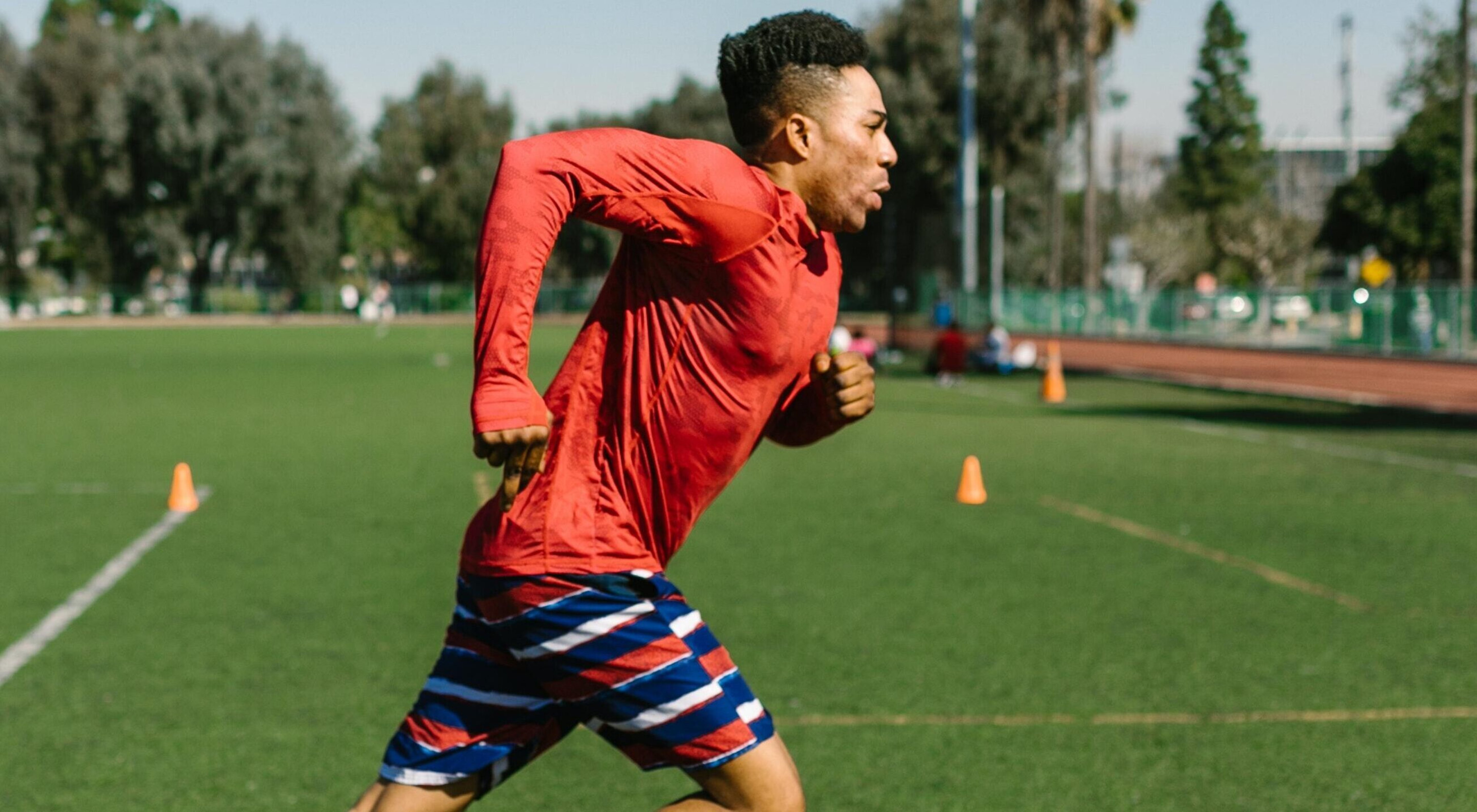
What is overtraining?
The technical term for chronic athletic overexertion is overtraining. It occurs when, over an extended period—usually several weeks—you maintain an imbalance between excessive training intensity and insufficient recovery. In this state, your body becomes so fatigued that the exhaustion can no longer be counteracted by a few days off from training and some rest.
“When athletes push beyond their limits, it’s not just the body that suffers—the mind does too.”
Sports medicine specialist Dr. Lutz Graumann
Overtraining can affect both recreational and competitive athletes, as well as endurance and strength athletes. The clearest sign that your training has become too much is when your performance level stagnates or declines even though you’re training regularly. In this case, alarm bells should go off. Because the sooner you realize you’re overtraining, the sooner you can take corrective action and restore balance through recovery measures.


What are the symptoms of overtraining?
In addition to a decline in performance despite training, there are other typical signs that can help you recognize overtraining. As an athlete, you should pay attention to these psychological symptoms, mood changes , and possible consequences of overtraining:
- Weakness
- Fatigue
- Nervousness
- Difficulty concentrating
- Lack of motivation or restlessness
- Depressive moods
- Loss of (anticipatory) excitement about sports
- Diminished anticipation of competition
- Sports become a source of stress
But your body also sends signals when you’re overdoing it with your training. As an athlete, you should watch out for these physical symptoms and signs of overtraining:
- Muscle cramps or stiff muscles
- Frequent infections, such as colds
- Frequent pain, such as in the shoulders or knees, or tendon issues
- High resting heart rate
- Night sweats
- Loss of appetite, weight loss


How long should you take a break if you’re overtraining?
If you realize that you’ve overdone it with exercise and are overtrained, the first and most important step is to accept it. This is often not easy, especially when preparing for a competition. But it will take time before you’re fully back in shape. As a rule of thumb, recovery from overtraining takes as long as the period of overexertion that preceded it. However,a three-week break for recovery is considered the minimum when dealing with overtraining, and you should definitely stick to it.
“Athletes need to realize that their risk of accidents and injuries is particularly high when they’re overtraining. That’s why taking a break as a preventive measure isn’t just a ‘nice-to-have’—it’s a ‘must-have’!”
Dr. Lutz Graumann

What to do if you’re overtraining?
You can actively work to restore the balance between physical exertion and rest. If you’re experiencing severe symptoms, you should seek medical and/or psychological support from professionals.
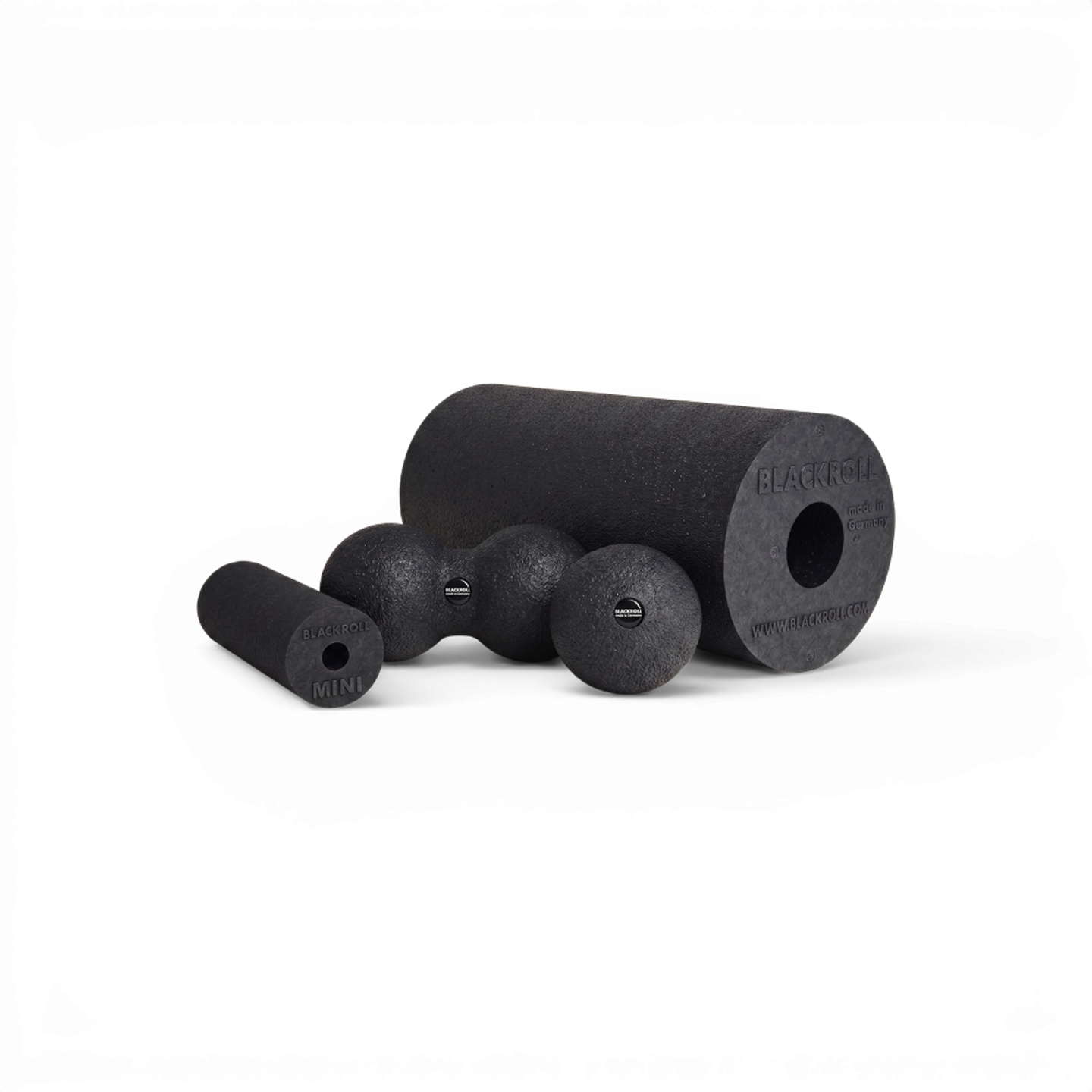
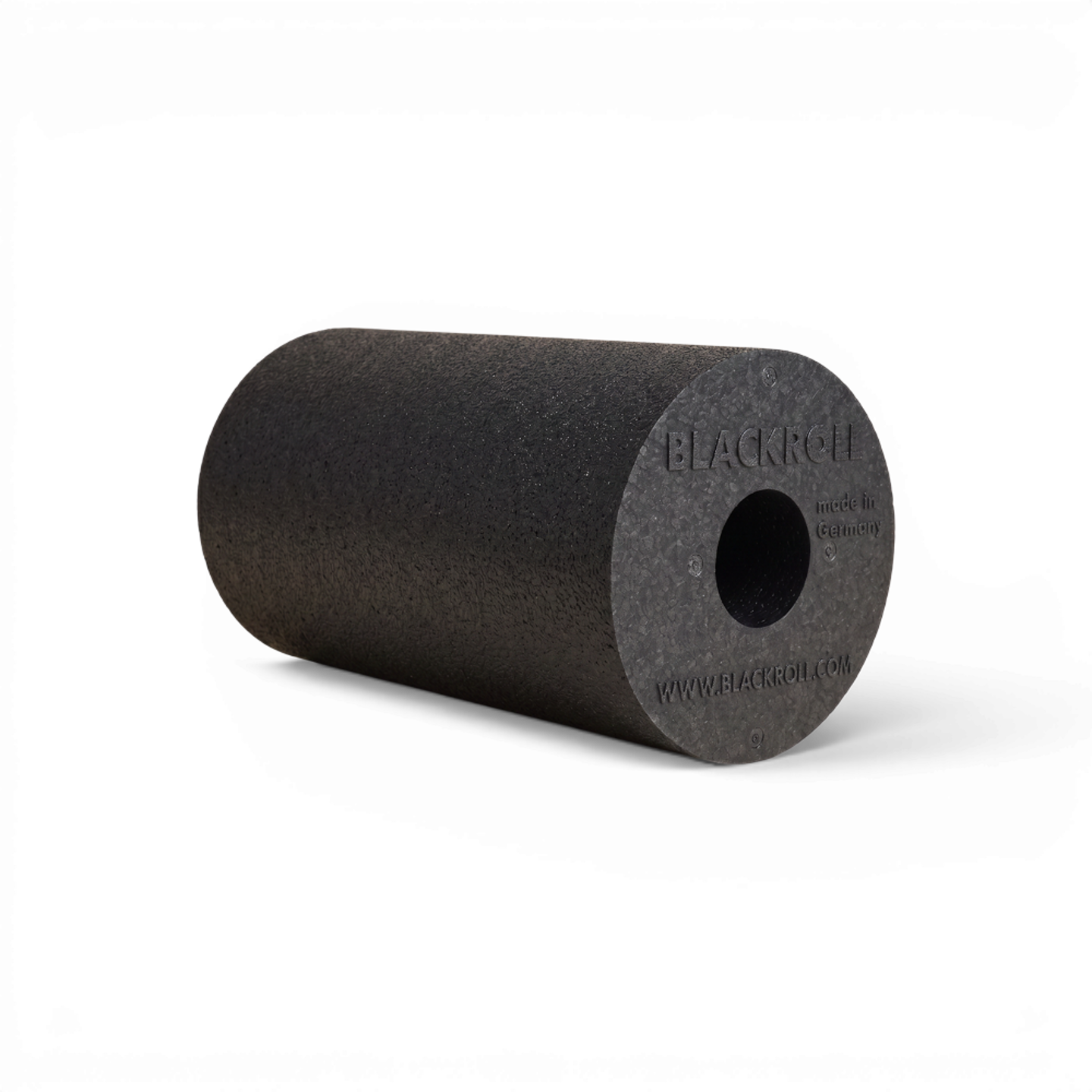
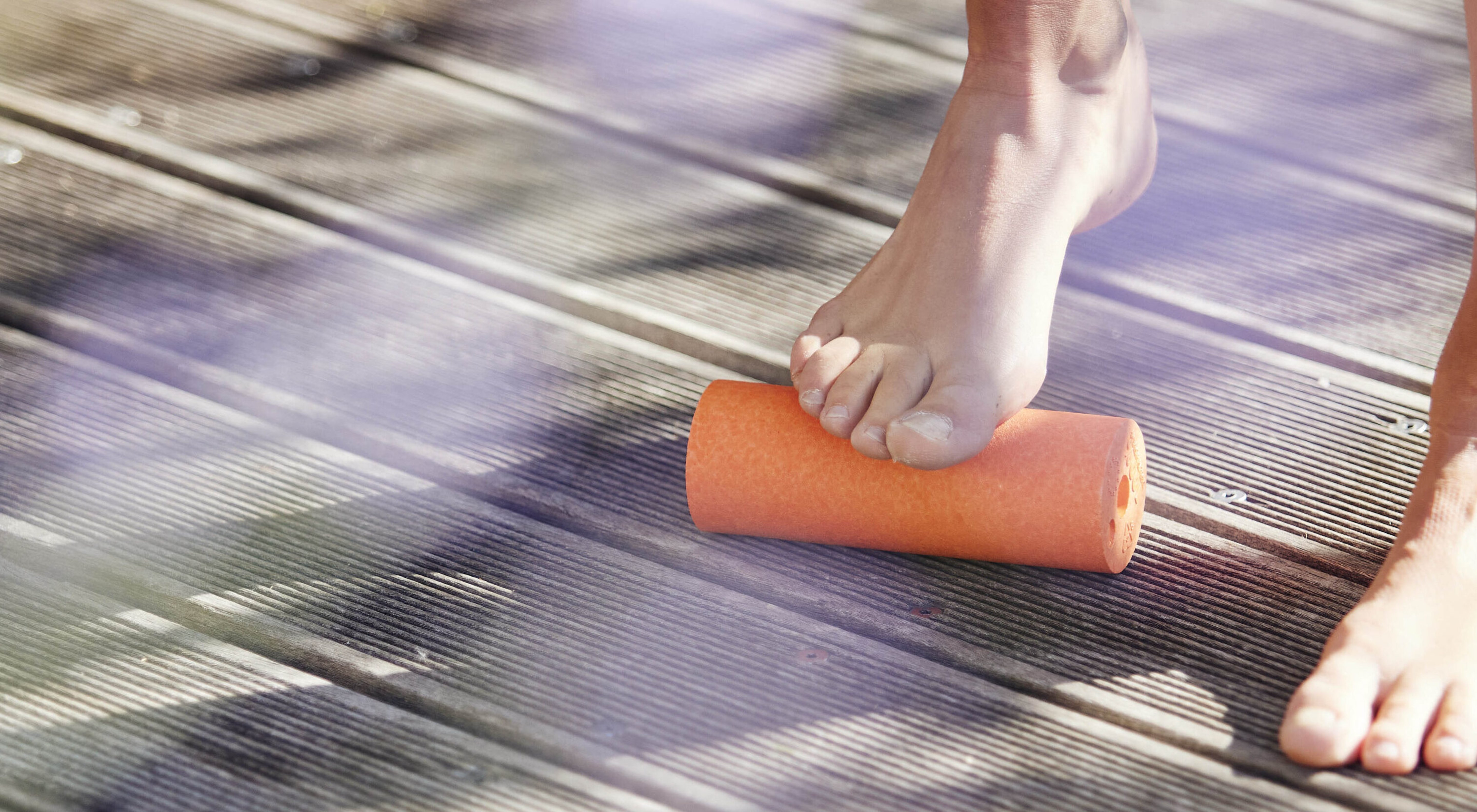
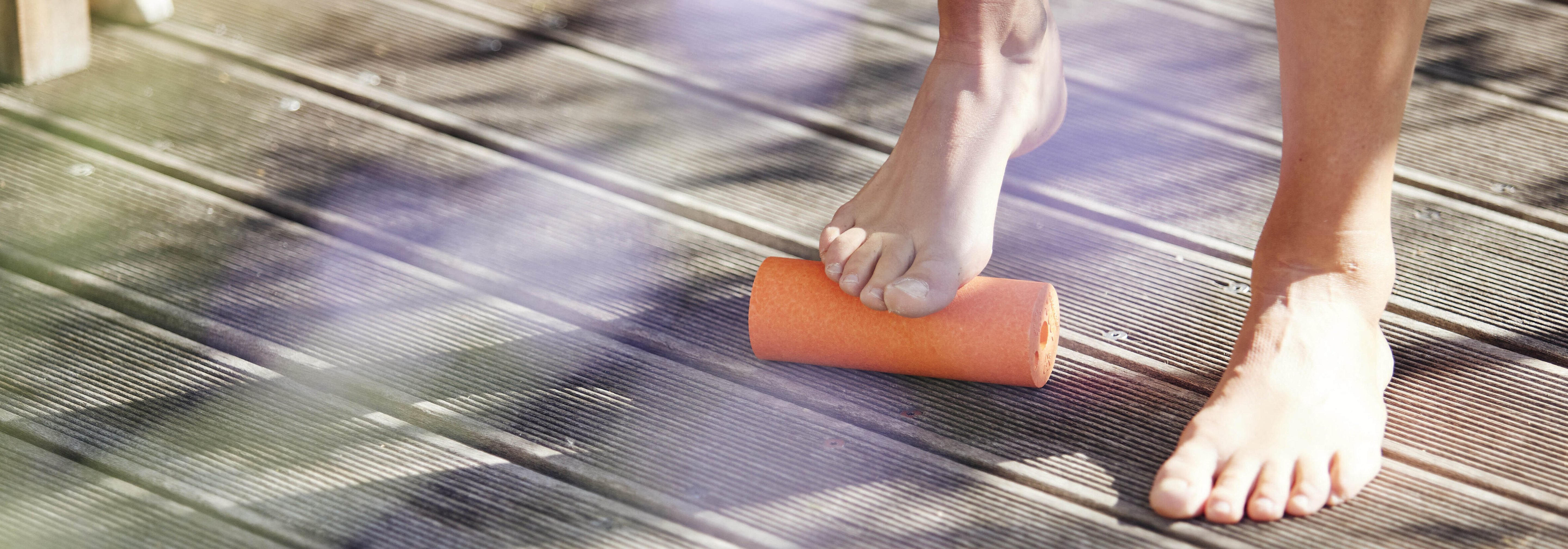
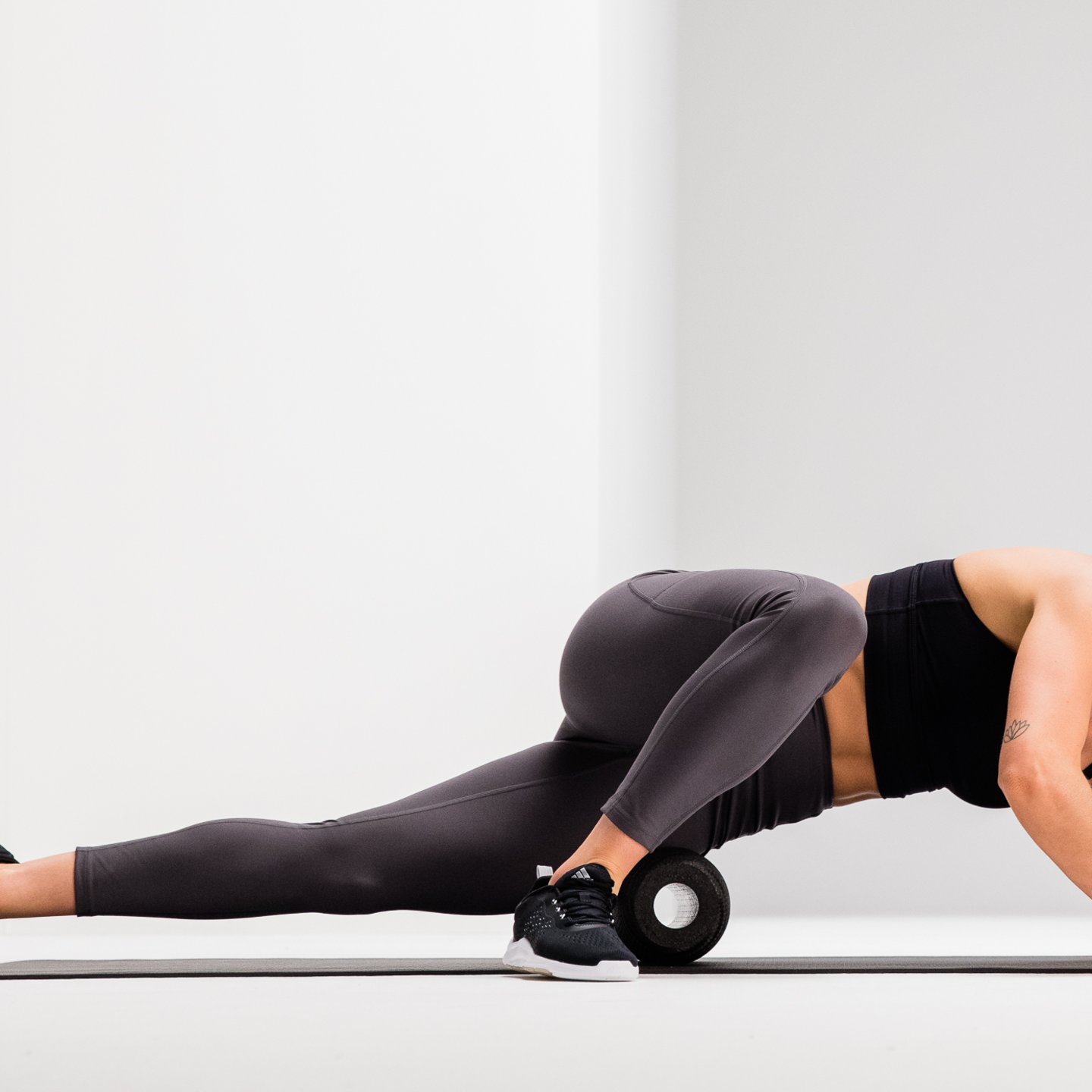
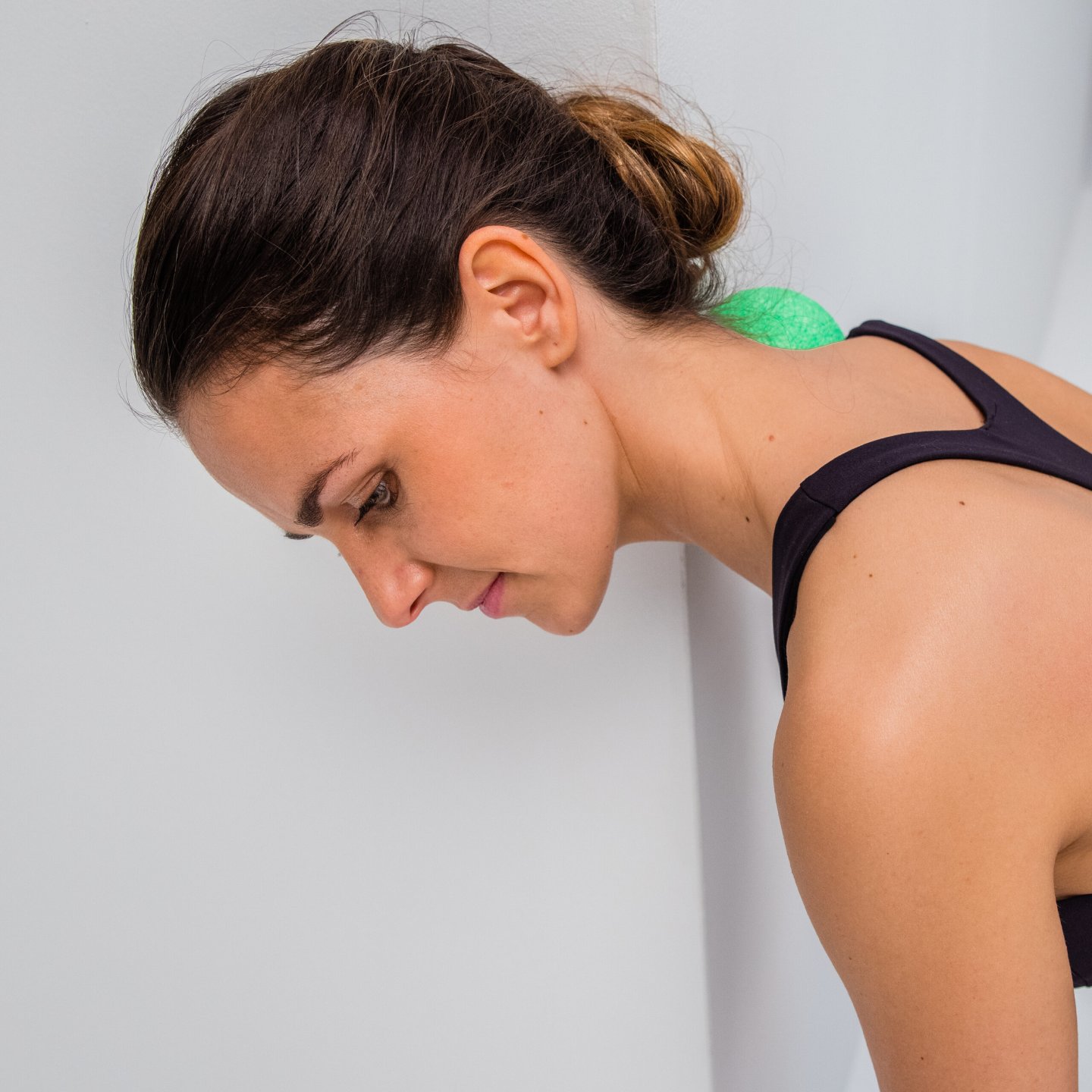
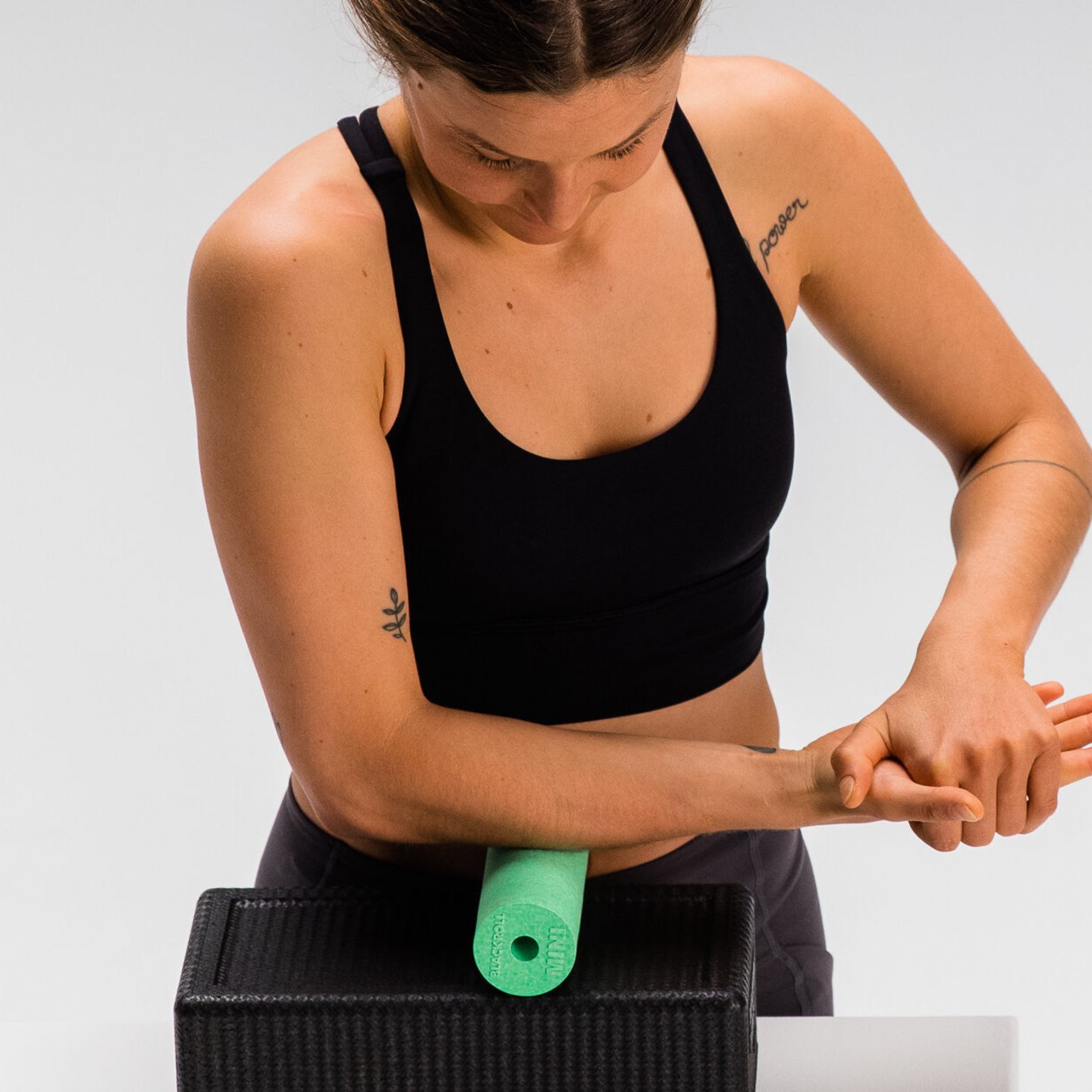
Your body and immune system are particularly weakened at the beginning of the recovery phase, making you more susceptible to illness. Therefore, try to strengthen your immune system. You can do this by eating a balanced diet, getting enough sleep, and wearing warm clothing. It’s also important to avoid stress, wash your hands regularly, and, if possible, avoid places and situations with large crowds, as these pose an increased risk of infection. Gentle recovery techniques are also beneficial during this phase: light massages with a foam roller, mild sauna sessions, and gentle stretching.
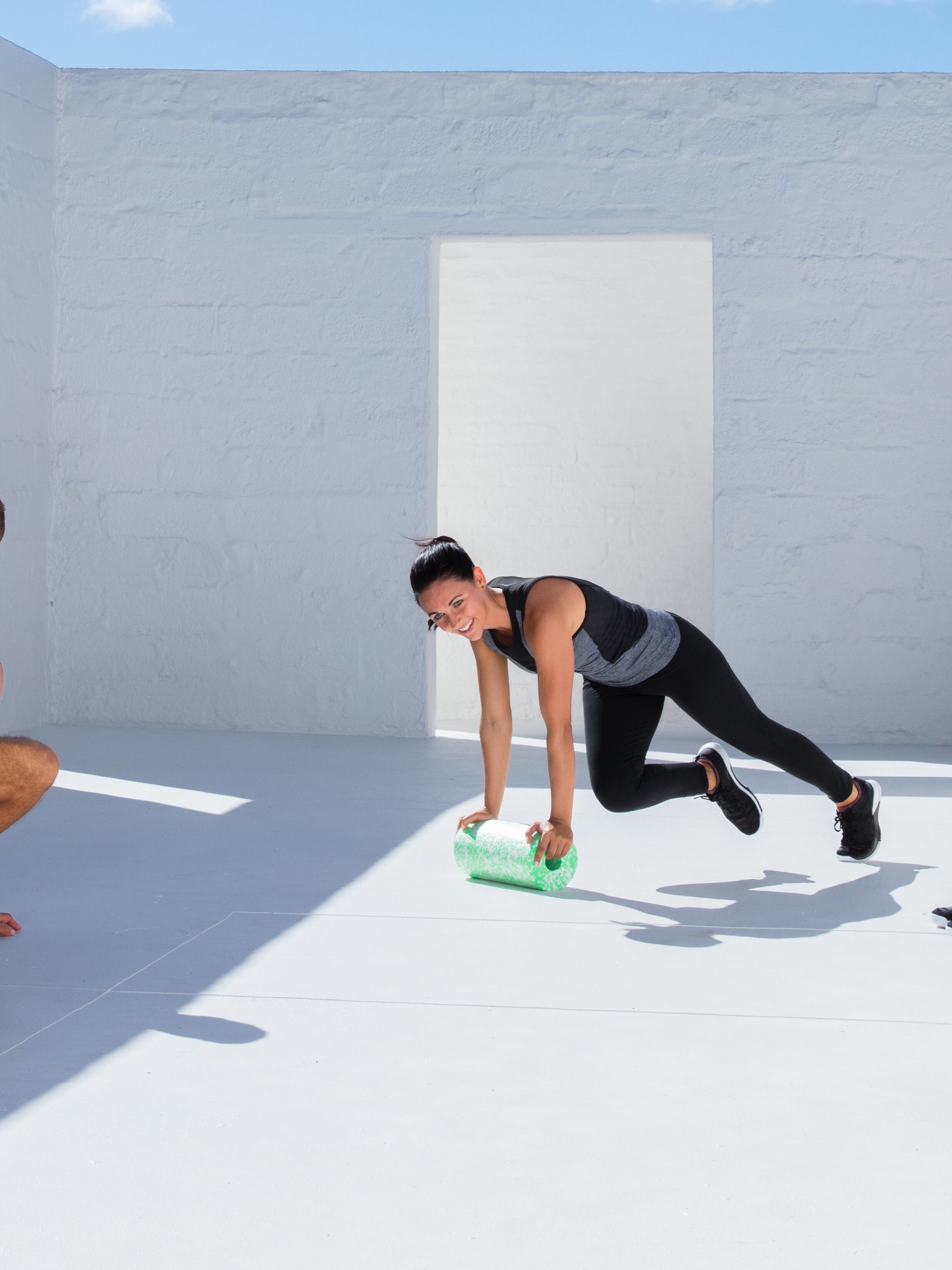
Exercise inspiration with the foam roller & more:

How can you avoid overtraining?
To avoid falling back into an imbalance between exertion and rest after your initial recovery, you should revise your old training plan. Schedule time for breaks and stick to them. And don’t forget: It’s not just your muscles and joints that need recovery time—your mind also needs rest and relaxation every now and then.
Also, say goodbye to very rigid training plans and listen more closely to your body. It usually gives you a very good indication of how you’re feeling that day. If you feel strong and energetic, go for it. If not, treat yourself to a gentle workout or some relaxation. Variety is also beneficial: To avoid one-sided strain, you should practice different sports.

Conclusion: Recovery as a Performance Booster
Higher, faster, further: In sports, it’s often all about improving performance. But never forget: Without rest and recovery, there can be no improvement in performance. If you push your body and mind to the limit, you must always give them a break; otherwise, overtraining can be one of the consequences. After all, everything in life is a cycle—and at BLACKROLL®, we know that better than anyone.