Recovery After Exercise: Here’s How to Do It Right

Why you should pay more attention to recovery after exercise.
How much time do you spend training each week? And how much time do you spend on recovery? Be careful—this doesn’t mean time when you’re not training. While you can usually answer the first question pretty clearly, the answer regarding targeted recovery tends to be a bit vague—right? Of course, you’ll say: Every minute I’m not running, biking, lifting weights, or working out is recovery from exercise. But that’s not entirely true. Of course, you don’t challenge your muscles and cardiovascular system in everyday life the way you do during exercise. But you can’t really rest while you’re at work or driving either. That’s because these activities demand other bodily functions and senses, requiring you to stay alert and perform at your best.


What does recovery mean in sports?
Recovery in sports is the sum of all the processes that take place in the body following physical exertion. These include both active and passive processes. While passive recovery depends primarily on sleep, active recovery offers a variety of ways to help us recover quickly. The goal of active recovery: Your muscle tone decreases, blood circulation improves, and the breakdown and replacement of damaged tissue and metabolic waste products are accelerated. Our body is constantly working to quickly restore the pH balance that has been altered by exercise.
The common goal of both active and passive recovery is therefore the restoration of physiological balance—known as homeostasis. In addition, of course, there is an increase in performance, which scientists call “supercompensation.”
These processes in the body include:
- Replenishment of energy stores with glycogen
- Replenishment of lost minerals and body water
- Regulation of the pH level
- Regulation of muscle tone
- Regulation of body temperature
- Regulation of inflammation
- Release of sex hormones and growth hormones, not only to return to the initial performance level but also to become better or more resilient over time
- Psychological or mental recovery
- Motor and cognitive improvements
Mitochondrial Regeneration
The powerhouses of our cells play a central role in our energy balance and physical performance not only during the day but also at night. As soon as we drift off to sleep, the mitochondria in our brain’s nerve cells continue to work at full capacity to flush metabolic intermediates and end products out of the brain via the lymphatic system during deep sleep.
Every day, exercise or physical exertion destroys mitochondria in muscle cells. Only when you recover sufficiently—both in terms of quality and quantity—will your cells form new mitochondria.


No performance improvement without recovery from exercise
What’s often forgotten amid all the enthusiasm for sports: Every physical exertion requires the necessary amount of recovery. Only then does the body have the chance to improve and reach a higher level of performance. If the body doesn’t have enough time to recover and repair itself after exercise, you may easily find that you’re not making progress. In the worst case, you’ll enter a downward spiral of declining performance, leading to chronic fatigue, burnout, and injuries.
The body then no longer has a chance to adequately process the demands placed on it. That’s why strategically timed recovery phases are just as important as the training itself and the stimulus it provides. During recovery phases, the body must adequately prepare itself for subsequent physical demands.
If the breaks are too short or if the intensity is too high too often, you’ll start the next training session already exhausted and will gradually wear yourself down more and more with each session.
Your goal should be to strike a balance between efficient, performance-enhancing training and sufficient recovery. If there is no balance between recovery and exercise, you will either not improve at all—because the training stimulus was too weak or the rest period was too long—or you will overexert yourself.


How long should you rest after a workout?
The duration of recovery after exercise depends heavily on your fitness level and overall health, and of course on the physical and mental stresses of the day. Elite athletes are able to complete several training sessions a day. Yet they still start the next morning feeling well-rested. In contrast, people who aren’t quite as fit may need up to 72 hours to recover from a 1- or 2-hour fitness workout. So the less you’re used to exercising, the longer recovery takes after a workout.
The more intensely we’ve worked or trained, the more important—and time-consuming—it is to actively recover. And that starts with a light post-workout stretch immediately after finishing your workout. The combination of post-workout stretching and myofascial self-massage takes about 12–13 minutes.
Your heart rate recovery (HRR) helps you determine how quickly you recover from a workout. Heart rate recovery is a 2-minute heart rate measurement taken immediately after a strenuous, intense activity. Your heart rate during the exercise must have reached an age-specific threshold.
You can use your heart rate recovery as an indicator of your fitness level and your ability to handle physical stress:
How to recover after exercise?
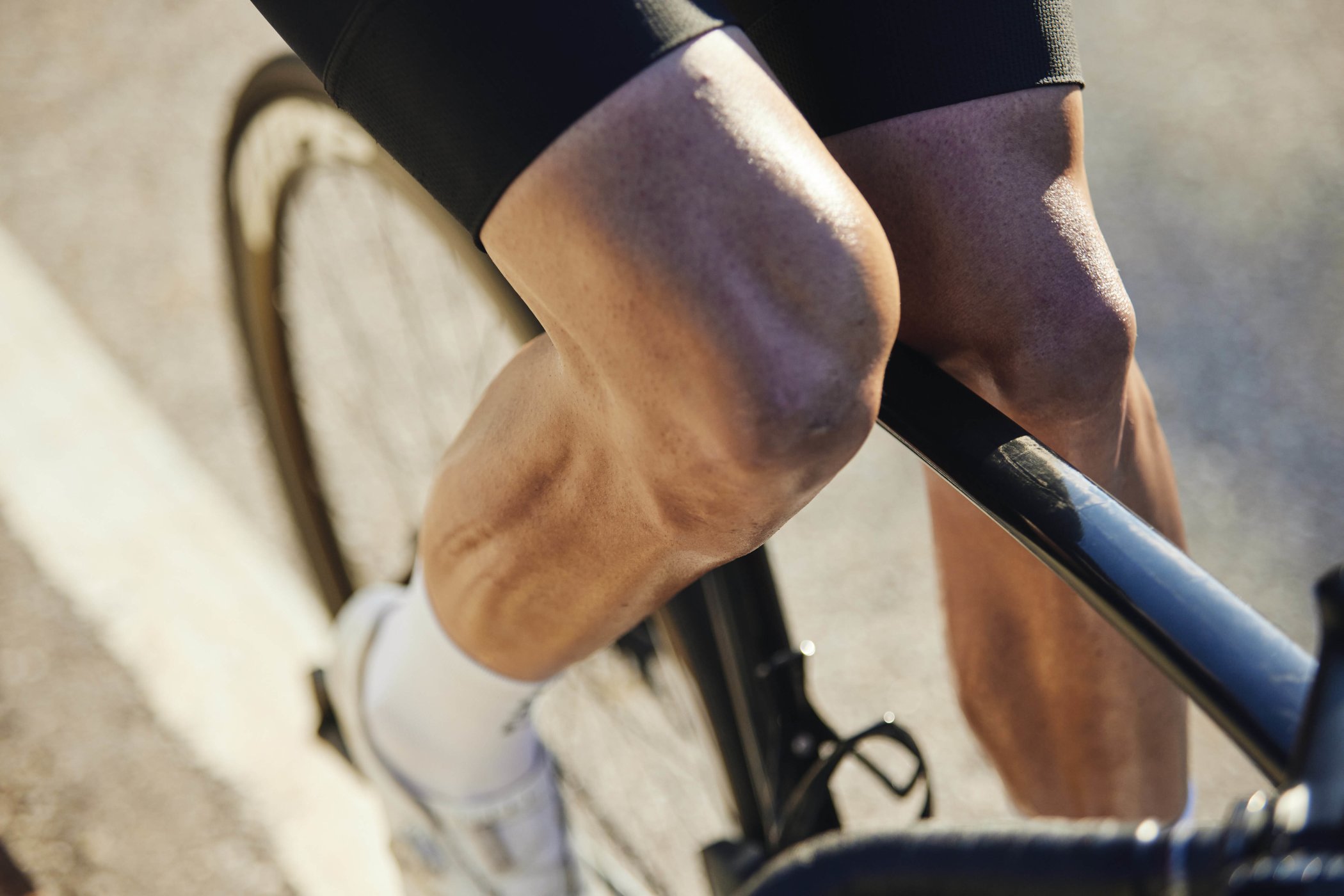
At the end of a very intense training session or competition, it has become standard practice in elite sports for athletes to cool down for a few minutes immediately after the exertion, either by jogging or by performing a 5- to 10-minute warm-down on a stationary bike with varying resistance. This further increases blood flow to the muscles that have been worked. The benefits are immediately noticeable. This light exertion helps redistribute the accumulated lactate and acids without causing further cellular damage.
Below, we’ll introduce you to options for active recovery after exercise. These methods not only ensure better recovery after exercise but also help you recover quickly from it.
Warm-down Instead of Cool-down
Flush Ride (to break down accumulated lactate faster) on the spinning bike:
Duration: 9 min
- 3 min “hard” at high wattage (300–400 W with a low cadence of 30–50 rpm)
- 2 min “easy spin” (approx. 120–150 W at a high cadence of 90+ rpm)
2 min at high wattage (300–400 W with a low cadence of 30–50 rpm) - 2 min “easy spin” (approx. 120–150 W at a high cadence of 90+ rpm)
Benefits of an active cool-down
- Faster onset of the recovery process
- Elimination of metabolic waste products
- Faster recovery from training stress
- Reduction of muscle tone
- Preparation of the central nervous system for recovery
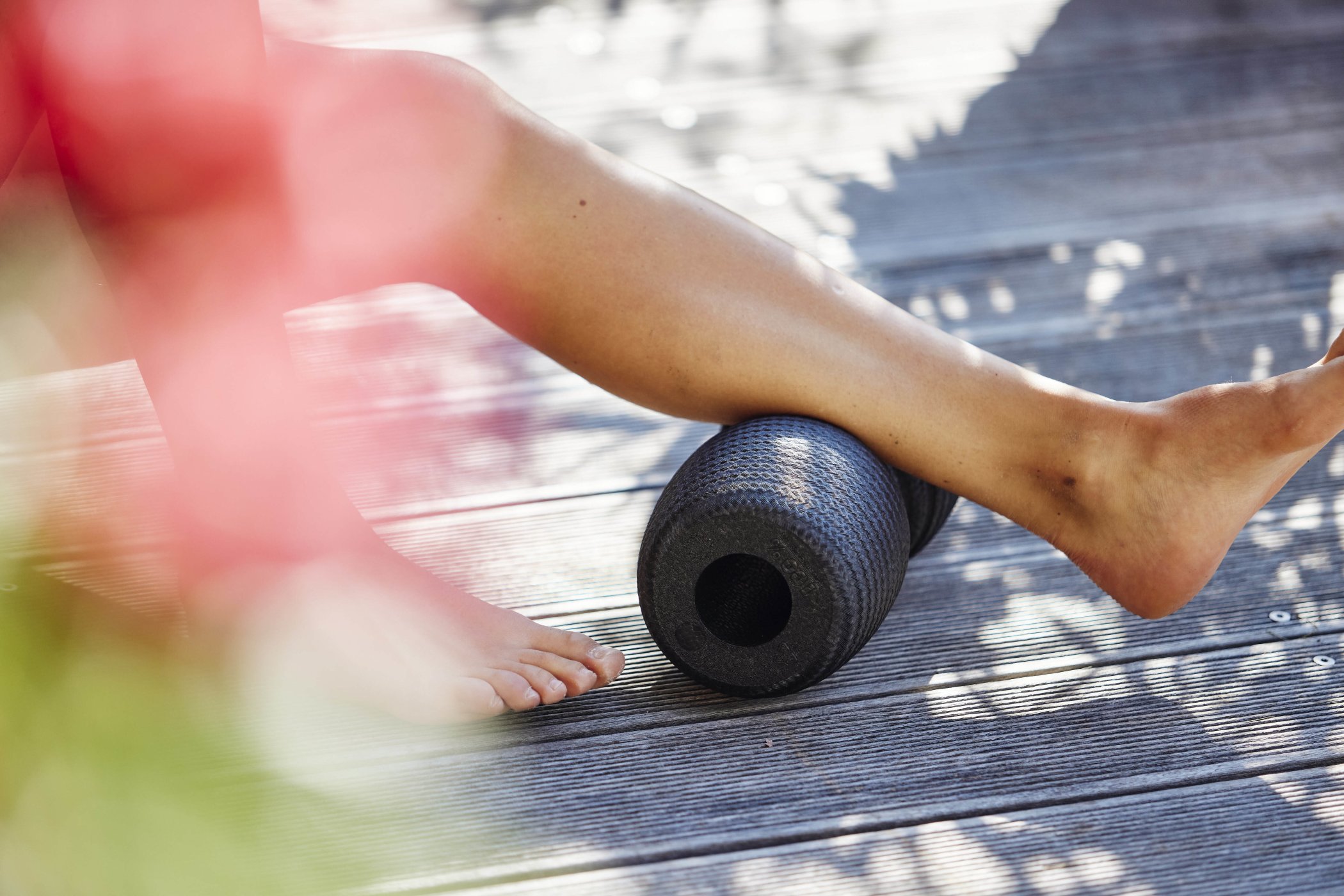
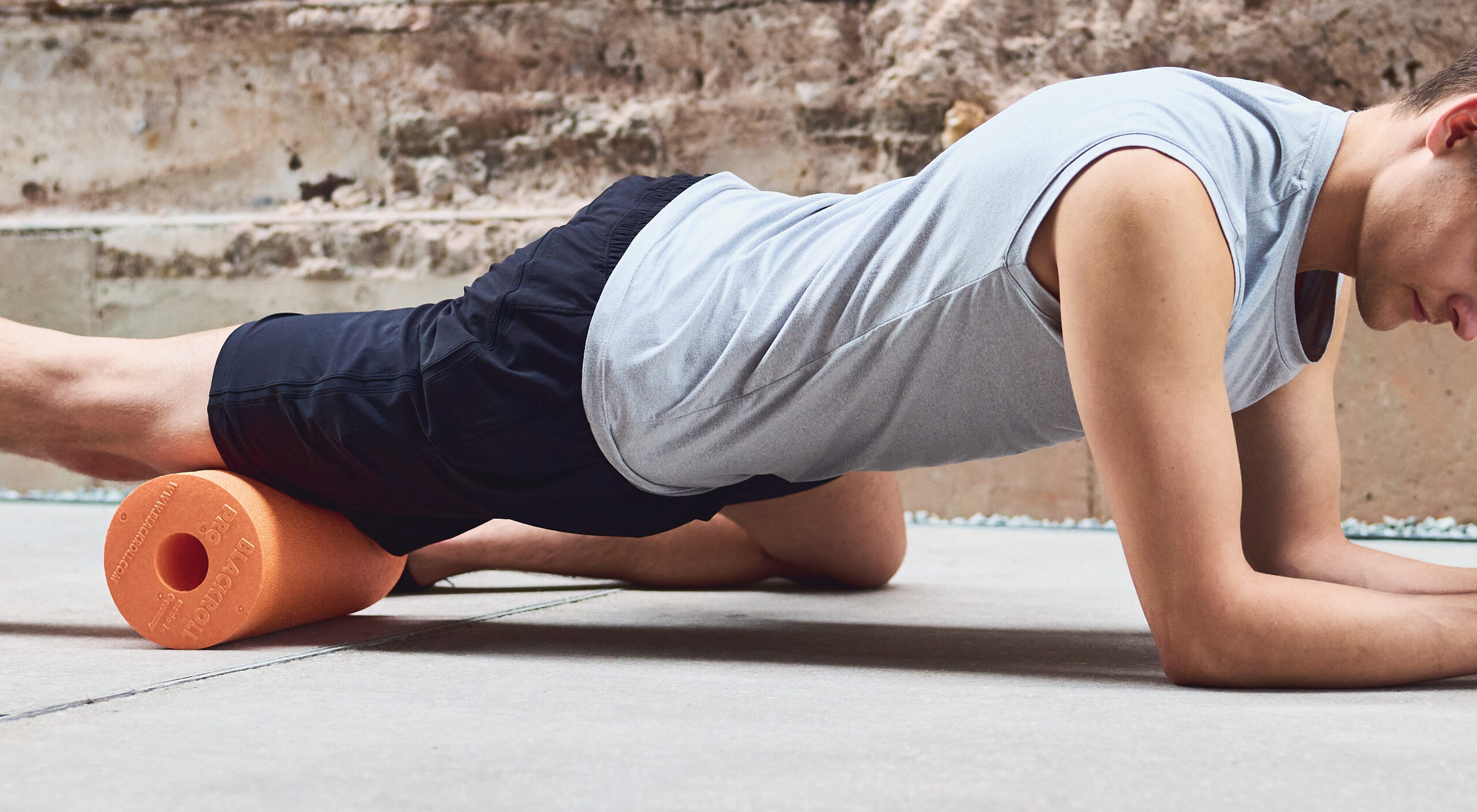
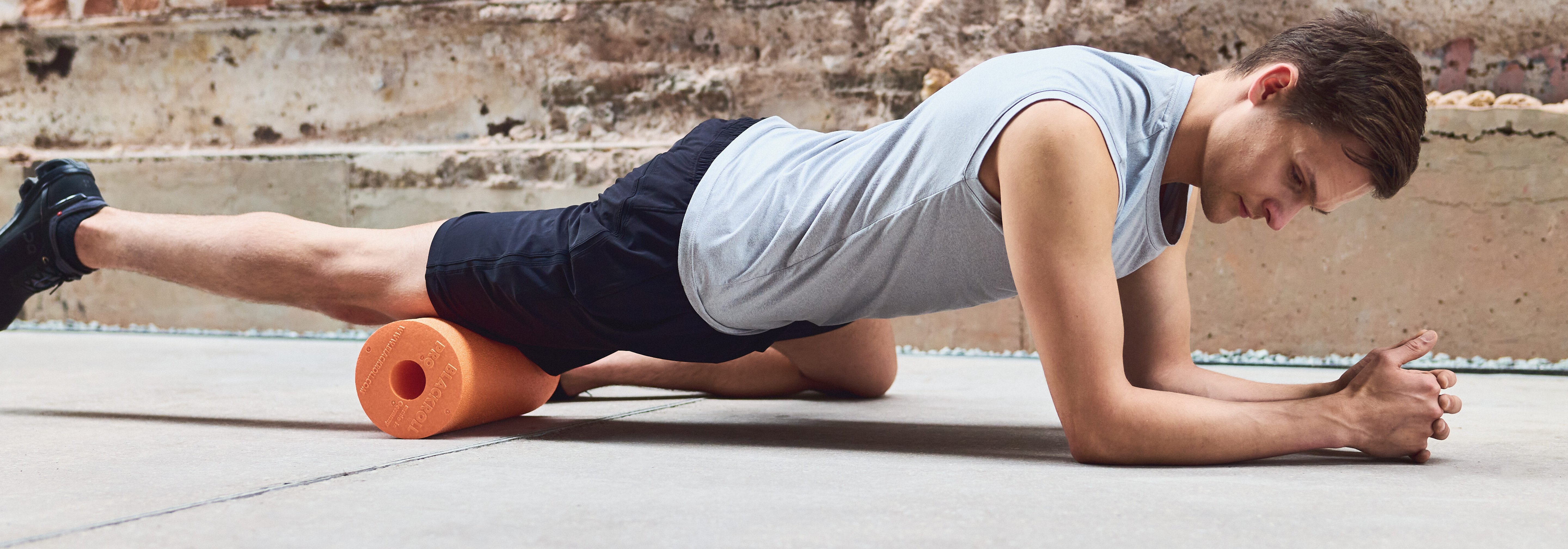
Active recovery with the foam roller
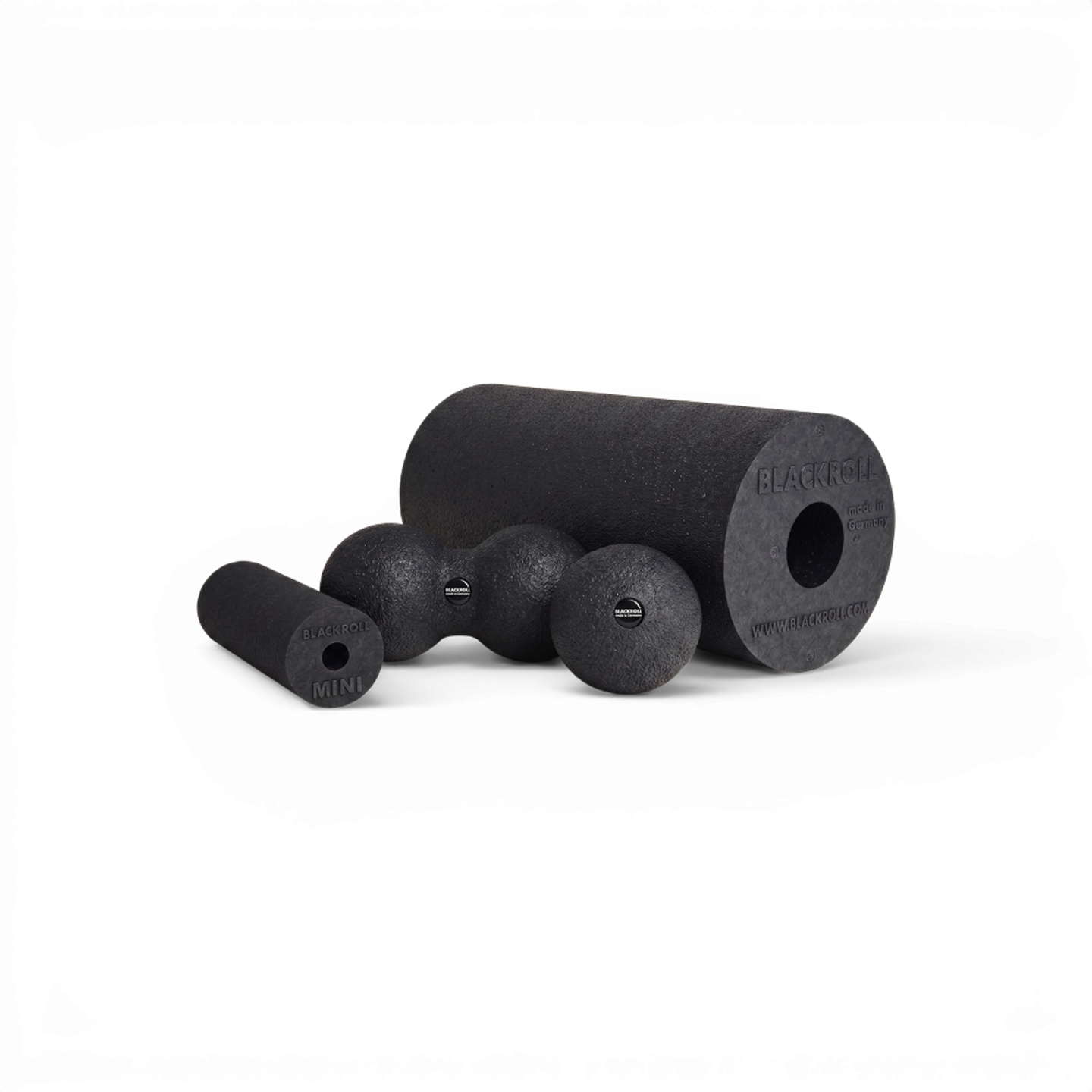
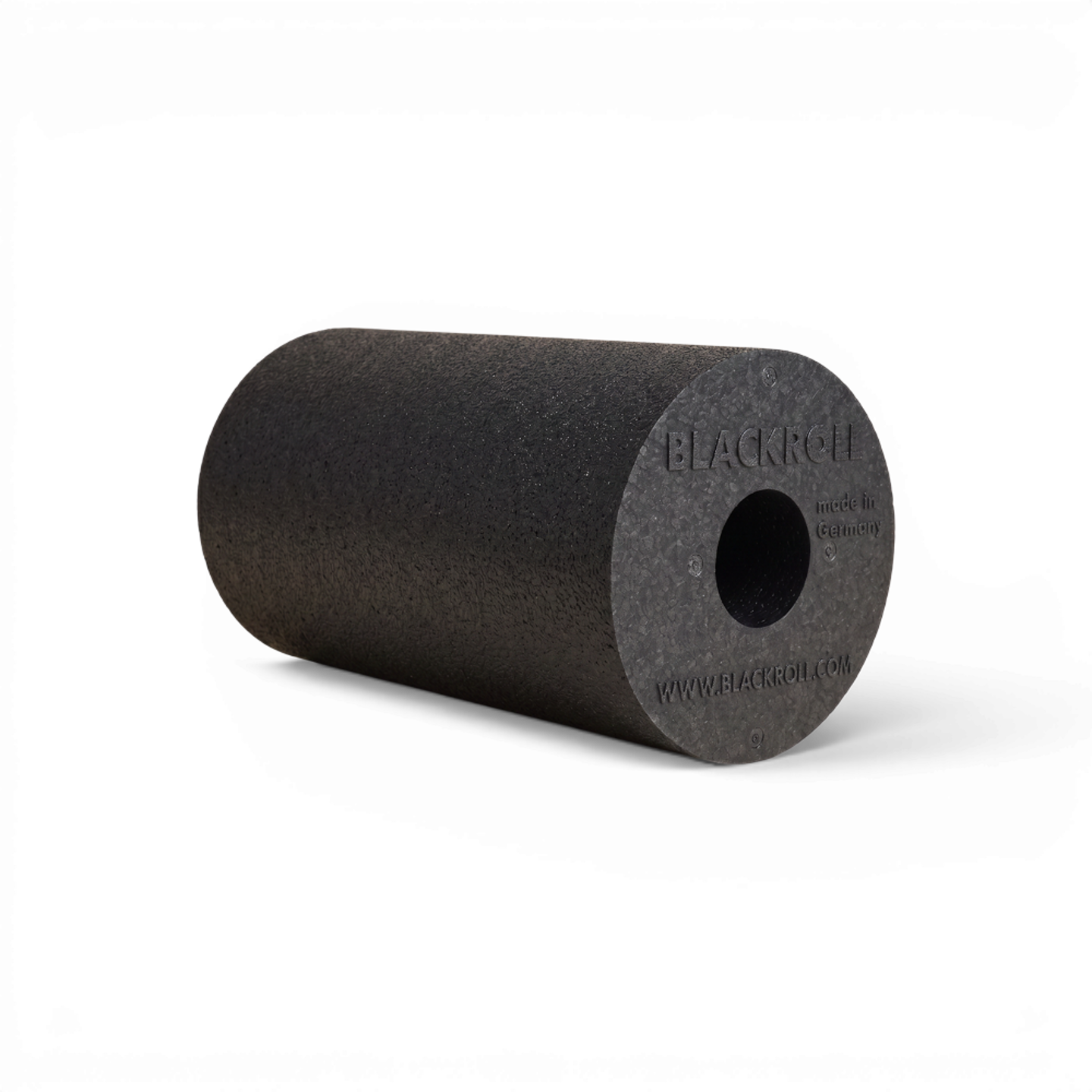
Immediately following the cool-down, we recommend myofascial self-massage to reduce muscle tone in the muscles that were worked the hardest. Foam rolling helps shorten recovery time after a workout or competition and can even improve your flexibility. This specific rolling technique works through a combination of pressure and movement. Rolling also shifts muscles and fascia, making them more supple. That’s why this type of self-massage is called myofascial—from “myo” (muscle) and “fascial” (fascia). This helps loosen adhesions and tightness in muscles, tendons, and fascia. It also promotes blood circulation. By rolling slowly and precisely—for example, with the BLACKROLL® BALL 08 —you can penetrate deeper into the tissue and release tension points.
Self-massage techniques like foam rolling not only shorten your recovery time after a workout but also improve your flexibility. This rolling technique works through a combination of pressure and movement. Rolling reduces muscle tone; muscles and fascia are shifted against one another, making them more supple. That’s why this type of massage is also called myofascial massage—from “myo” (muscle) and “fascial” (fascia). This helps loosen adhesions and tightness in muscles, tendons, and fascia. It also promotes blood circulation. By slowly rolling over these areas—known as trigger points—during fascia training with the BLACKROLL® fascia roller, you penetrate deeper into the tissue and can release the adhesions.
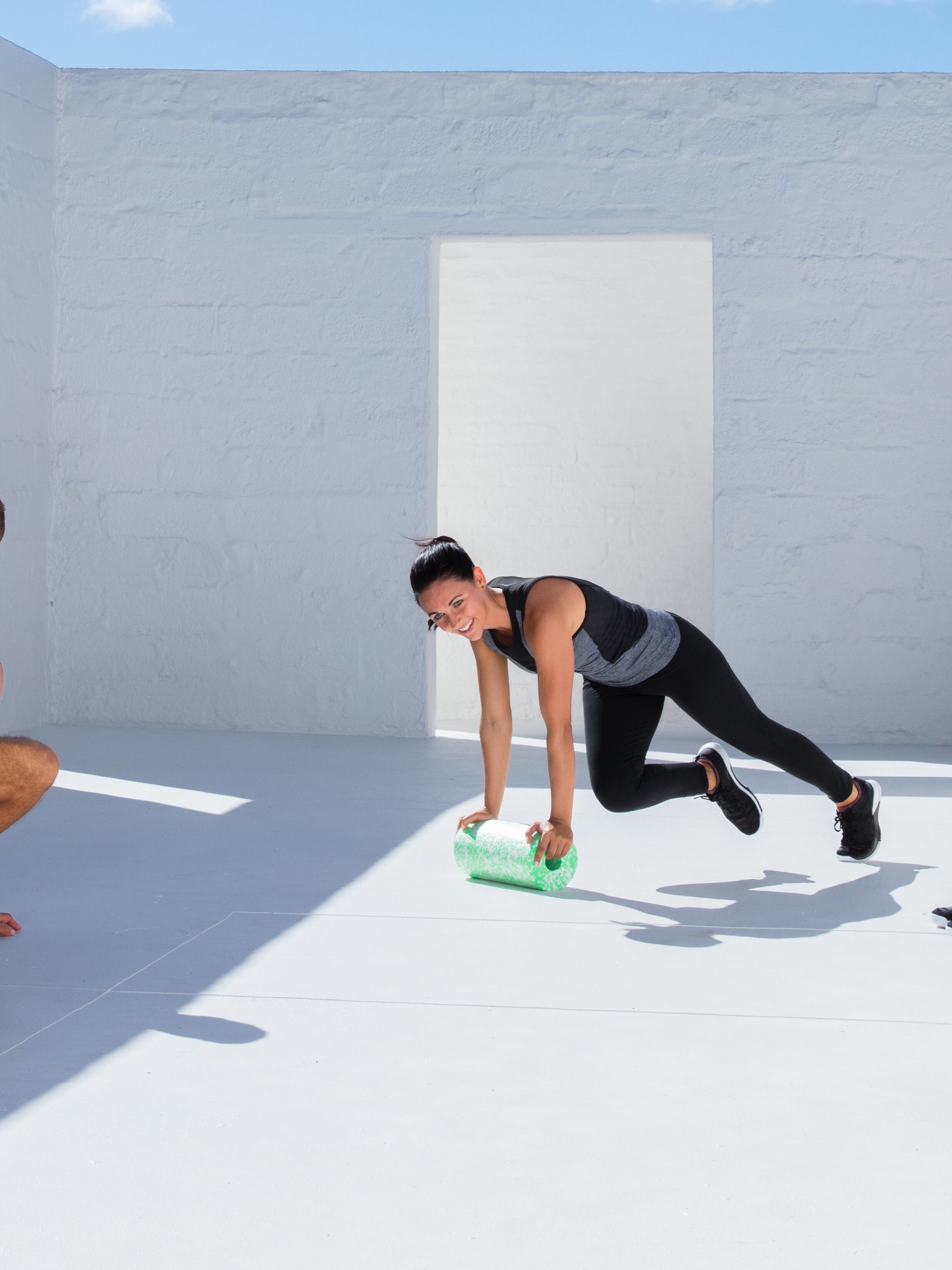
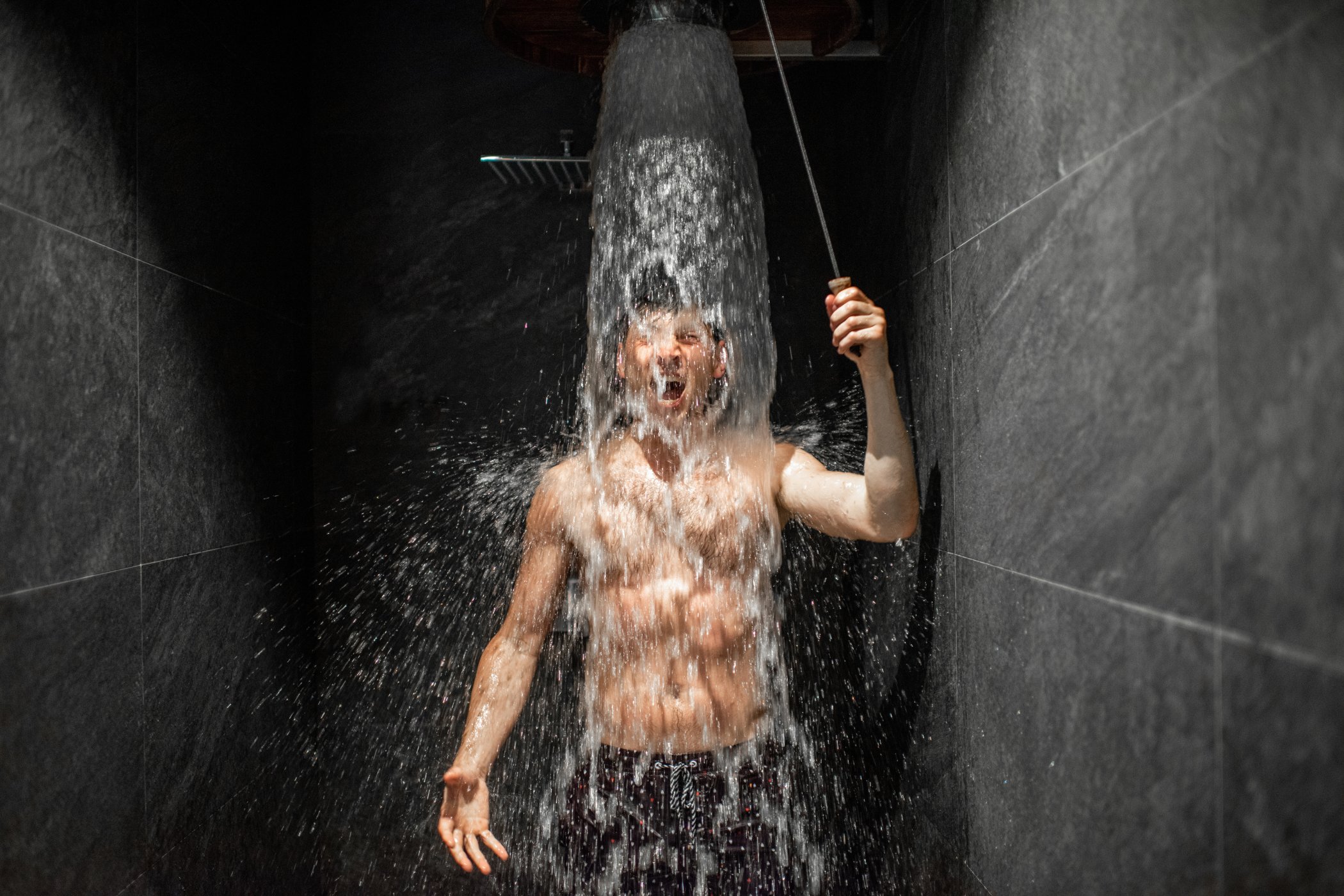
Contrast showers
Since an ice bath or cryotherapy isn’t practical for most people, we’ll stick to alternating hot and cold showers. The carefully balanced mix of heat and cold promotes rapid recovery by helping to flush out metabolic waste products from the muscles. The cold draws blood away from the muscles that have just been working, which increases the removal of lactic acid. When heat is applied, the capillaries open up, allowing oxygen-rich blood to flow back into the muscles.
Recommended Use
- Temperature of the hot bath: 35 to 40° C
- Cold bath temperature: 10 to 15° C
- In the shower or bathtub: one to two minutes under hot water, thirty to sixty seconds under cold water (repeat three to four times)

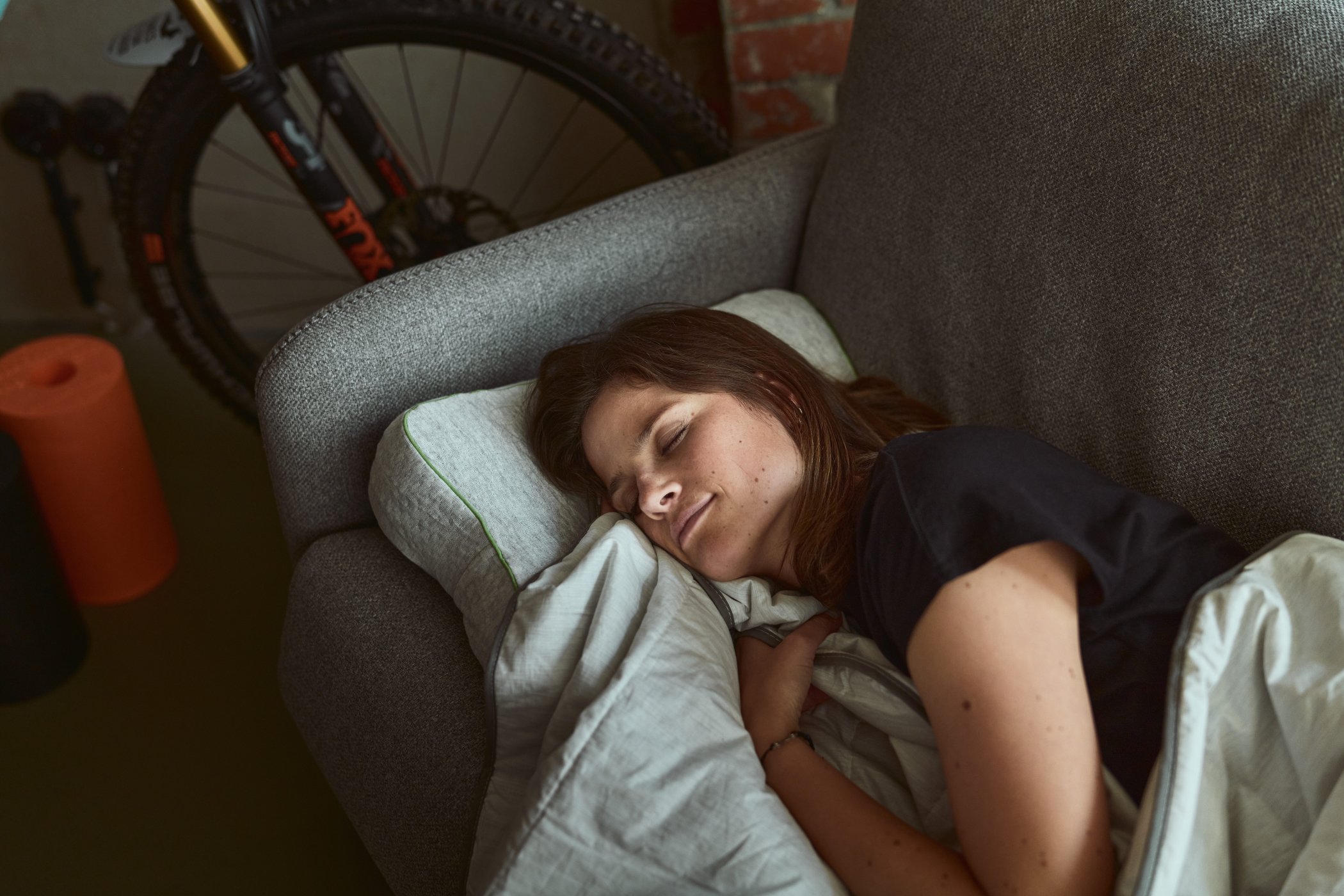
Power Naps
It is now scientifically established that short naps—in addition to the main nighttime sleep phase—can positively influence human performance. But the key question, of course, is: How long should a nap last to maximize performance? The information on this topic in the media, as well as in the scientific literature, is highly contradictory. Two options are now recommended:
Option 1: A short nap of no more than 15 minutes—counting from the moment you fall asleep.
Option 2: You sleep for about two to two and a half hours. By then, it’s very likely that you’ve gone through a complete sleep cycle consisting of light sleep, deep sleep, and REM sleep. In this case, performance improvements lasting up to six hours are likely.
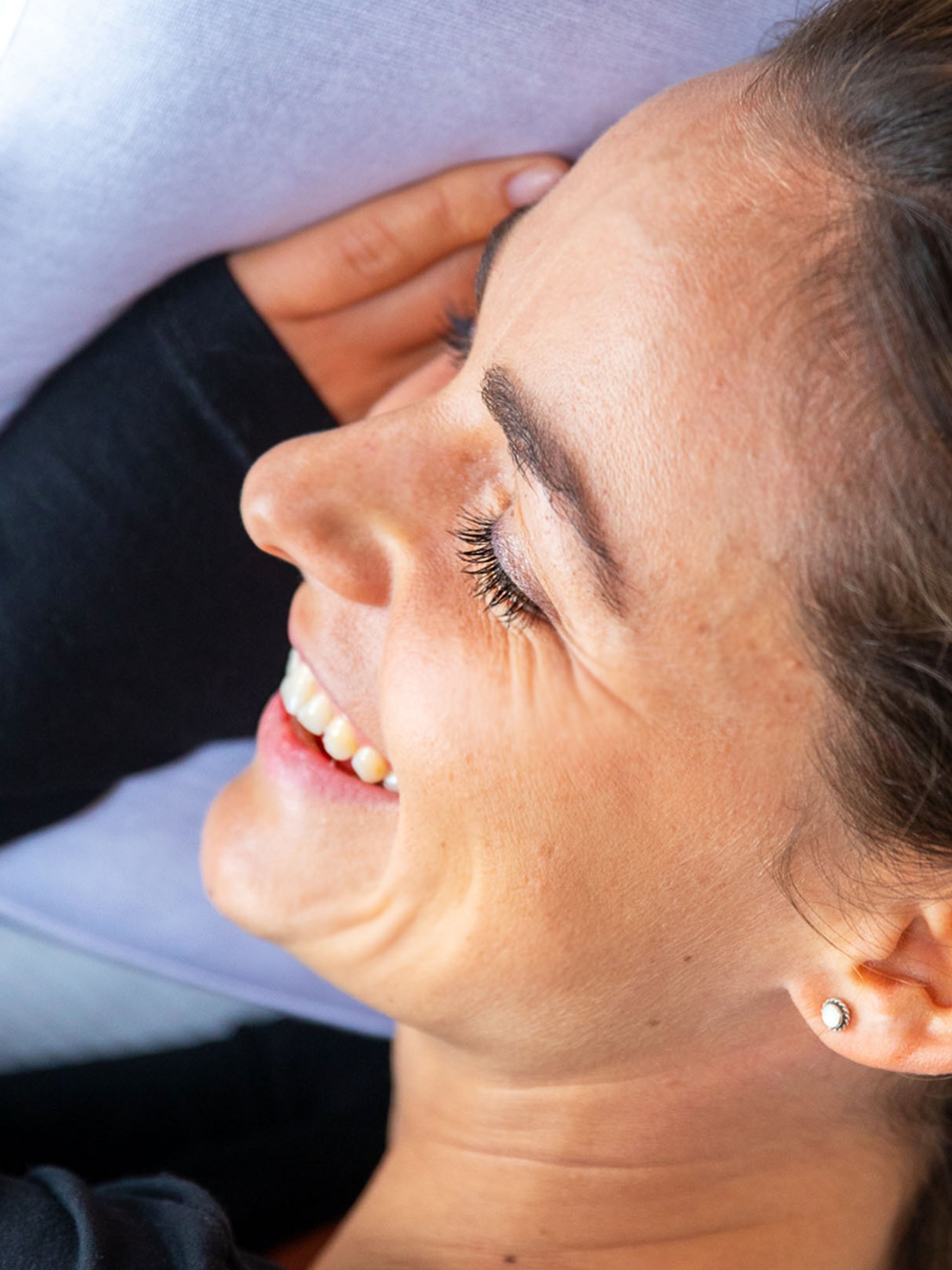

Regenerative Breathing Technique
- Touch the tip of your tongue to the roof of your mouth, right behind your upper front teeth. Keep your tongue in this position throughout the entire breathing exercise.
- Close your mouth and breathe in gently through your nose, counting to four as you do so.
- Now hold your breath and count to seven.
- Exhale through your mouth as if you were blowing out a candle, counting to eight as you do so. Repeat this breathing exercise about eight times.


Why is it worth integrating recovery into sports and daily life?
So it’s worth prioritizing recovery, whether you’re a professional athlete or a recreational athlete. Not only will you generally feel more refreshed, but you’ll also be rewarded with improved fitness. Your body can process the training stimulus much more effectively, adapts more quickly, and is able to handle new stimuli much sooner. All of this, in turn, means you can improve your performance much faster.
Unlike a professional athlete, a recreational athlete has a job that demands a lot from them and causes stress. These factors should also be reflected in the training load—both duration and intensity. This can go so far that, after particularly exhausting days at the office, you either skip training altogether or train at a low intensity. In this case, exercise serves more as a way to balance and recover than to boost performance.
For these reasons, it’s so important that you also think about your recovery management—that is, what tools and strategies you use and when to use them to recover fully and be fit again for the next (training) day.
Exercise Routines for Recovery After Exercise
Discover exercise routines specifically designed for your sport to actively recover after a workout. Foam rolling is ideal for relaxing your body after exercise. Try it now. >


Products for post-workout recovery:
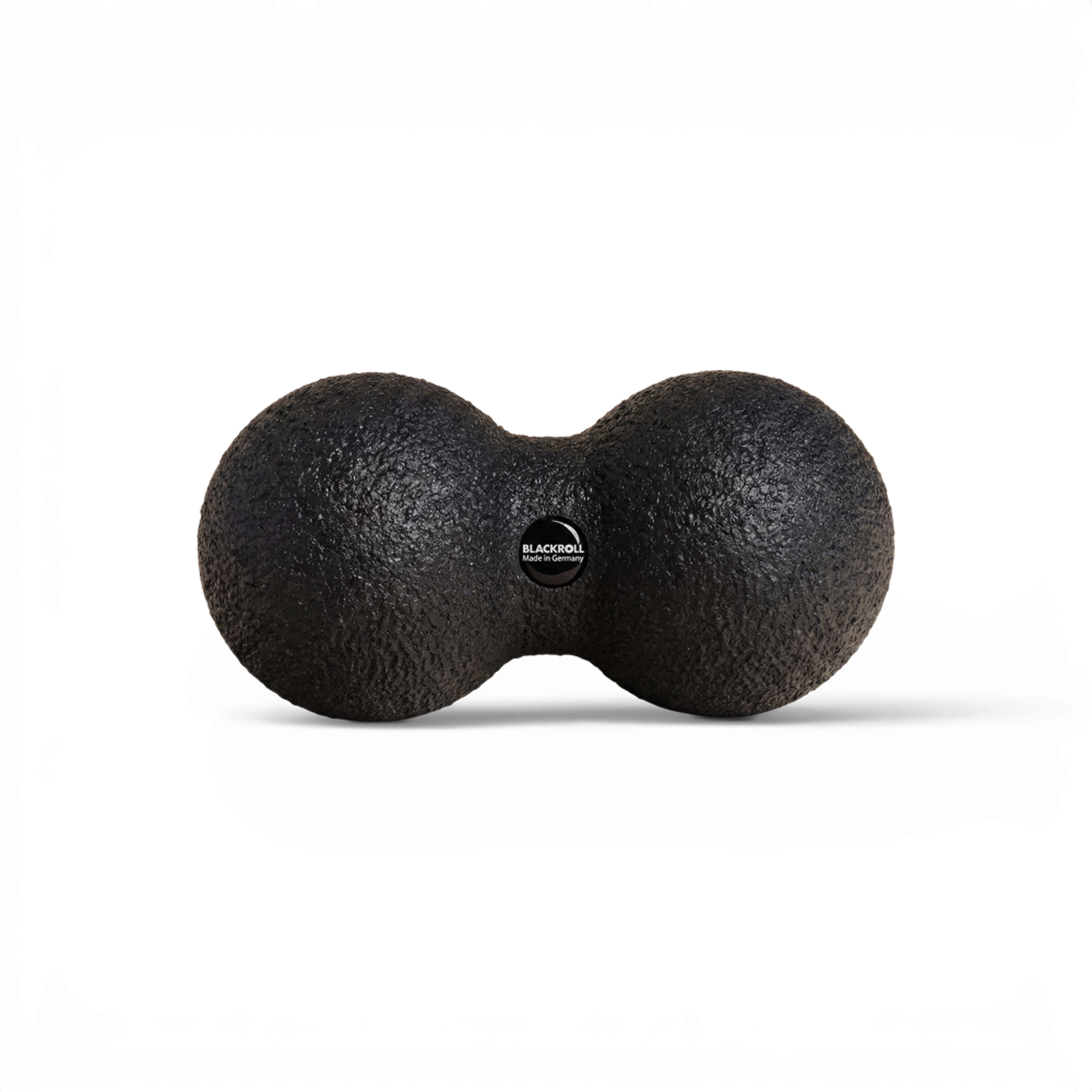
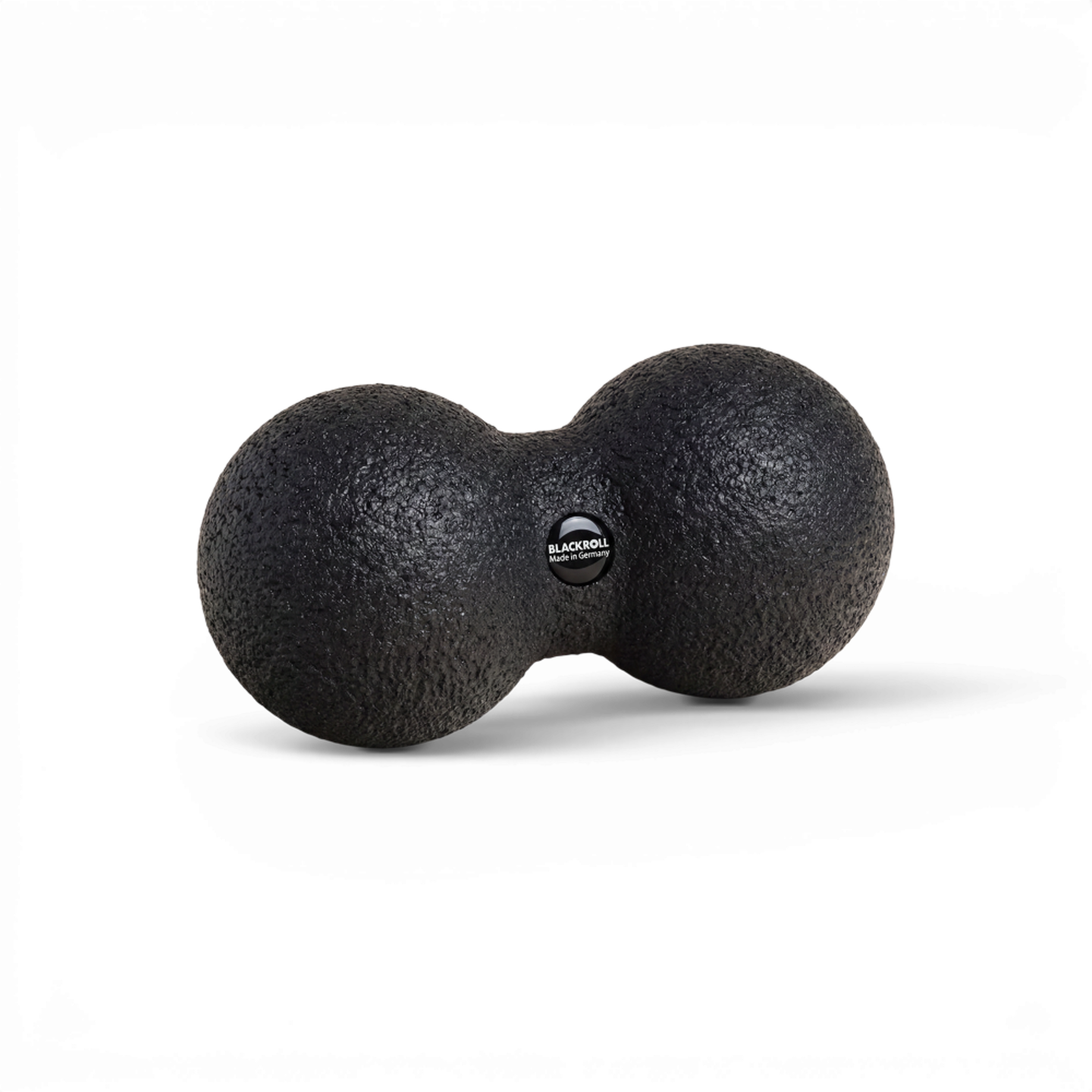
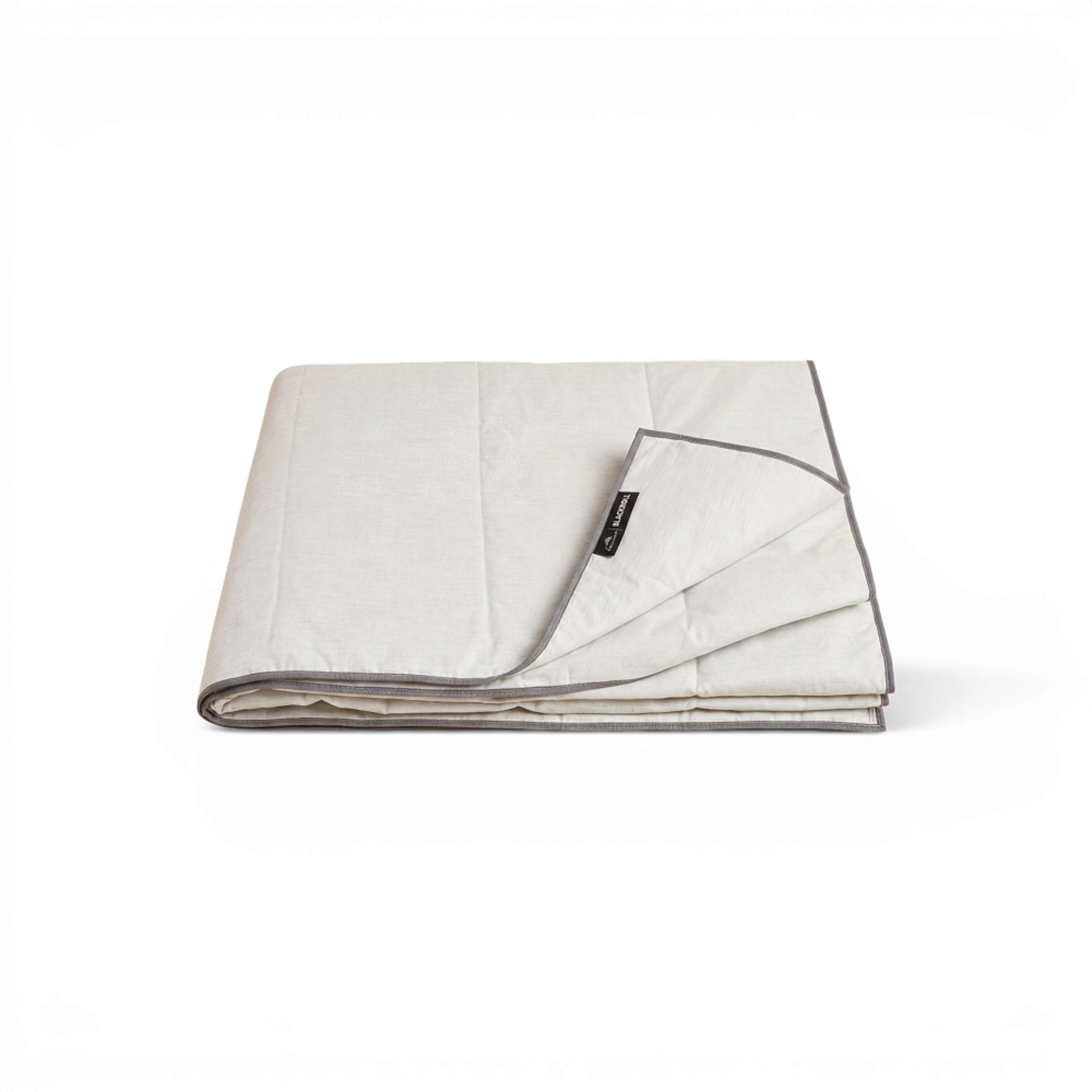
Recovery Blanket Summer
Available in multiple variants