
Back pain is a common side effect of our modern lifestyle. Almost everyone experiences it at least once—whether in the upper, middle, or lower back. In most cases, the causes are harmless, and there are numerous ways to actively address the issue yourself—from heat therapy to targeted exercises.
Many runners therefore ask themselves: Is jogging harmful when you have back pain, or can it actually help? The good news: In some cases, moderate running is not only possible but can actually help relieve pain—provided you keep a few important factors in mind. In this article, you’ll learn when jogging is a good idea, what tips can help you avoid discomfort, and what alternatives are available if running does end up causing strain.

You’ll build a strong back. Your health insurance covers it.
Go to the online prevention courseExercises for Back Pain




Is jogging good for your back?
Maybe you’ve experienced it yourself: back pain. But how do you get rid of it? What kind of exercise can you do when you have back pain?
Jogging with back pain?
Absolutely not—that’s what most people with back pain think. People suffering from back pain usually go into “rest mode.” Unfortunately, though, that’s usually not the right way to tackle the pain. Instead, the rule of thumb is: Exercise generally relieves pain in the long run and can also help prevent future discomfort.
So, should you put on your running shoes and go for a jog even with lower back pain?
No—that’s not the right approach either. You shouldn’t just start jogging and push through it. Alternating between walking and jogging is the key here. A small study also points to this . This study was conducted with 20 women and men between the ages of 18 and 45. All participants suffered from persistent back problems with no clear cause. None of the participants had been running regularly beforehand. People with sudden-onset back pain were also excluded.
The participants exercised three times a week, alternating between walking and jogging. In each session, they ran six to ten laps, with each lap lasting 2 to 4 minutes. Over the course of the three-month exercise phase, they gradually increased the length of their running segments.
Pain subsided
One group started jogging—the runners initially scored 39.7 out of 100 on a pain scale, meaning they were suffering from severe discomfort. After three months, their pain score dropped to just 20.4. Only one runner reported more back pain than before.
The athletes were able to cope better in their daily lives—their range of motion increased. The score for limitations dropped from 20 to 15.
Other participants, who exercised but did not jog, experienced hardly any improvement in their symptoms or mobility.
Possible reason for this
It is believed that the impact forces generated by running have a positive effect on the intervertebral discs. The stimulation this creates could lead to a healthier spine and reduced pain.
Pain patterns are always highly individual—and so is the solution
Since pain should always be considered on a case-by-case basis, the same applies to back pain. Jogging can help alleviate pain— but it might not!
If you’re suffering from acute back pain, you should definitely have a specialist examine you before engaging in intense workouts. In the case of acute back pain, the specialist would likely advise against running.


Causes of Back Pain While Jogging
Back pain while jogging can have various causes. Often, several factors interact to cause discomfort. The lower back is one of the most common problem areas for runners. Pain in the lumbar spine is often caused by improper loading, muscular imbalances, or a lack of core stability. Since the lumbar spine connects the upper and lower body, it is particularly susceptible to strain—especially while jogging.
Here are the most common causes of pain among runners
1. Incorrect running form
- Landing too hard on the heel can increase the impact on the spine.
- Poor posture, such as a rounded back or an overly arched back, puts unnecessary strain on the back muscles.
- An unbalanced running style can result from muscular imbalances and exacerbate pain.
2. Weak core muscles
- The core muscles stabilize the spine. If they are too weak, it can lead to improper strain.
- The deep abdominal and back muscles, in particular, are crucial for a healthy running posture.
3. Unsuitable Footwear or Inappropriate Running Surfaces
- Running shoes without sufficient cushioning or stability can contribute to back pain.
- Very hard or uneven surfaces (e.g., asphalt or cobblestones) increase the impact load.
4. Lack of flexibility and muscle tension
- Tight or shortened muscles, especially in the hips, hamstrings, or calves, can impair running mechanics.
- Limited flexibility often leads to compensatory movements that strain the lower back.
5. Overuse or improper training management
- Building up training too quickly or training at too high an intensity can overtax the back.
- Insufficient recovery and inadequate warm-ups before running increase the risk of injury.
If you regularly experience back pain while jogging, it’s worth reviewing these factors. Often, the discomfort can be reduced through targeted adjustments to your running form, specific strength and mobility training, and choosing the right equipment.
Also make sure to incorporate a variety of physical activities into your daily routine, as a common problem is that running is the only physical activity you do besides sitting for long periods.


Exercise for Back Pain – Alternatives to Jogging
If jogging makes your back pain worse or isn’t the right exercise for you, there are many alternatives that will help you stay fit while being easier on your back. Low-impact exercises help strengthen your muscles, improve flexibility, and relieve pressure on your back.
Suitable Alternatives to Jogging:
- Swimming – Backstroke and freestyle, in particular, relieve pressure on the spine because the water supports your body weight.
- Nordic walking – The gentle movement with poles activates the muscles and reduces strain on the spine.
- Yoga & Pilates – Promotes flexibility, strengthens the deep muscles, and improves posture. Exercises that are particularly gentle on the back are recommended.
- Aqua aerobics – Ideal for acute symptoms, as the water relieves pressure on the joints and muscles and allows for gentle movements.
Which sports are bad for your back?
There is no specific sport that is inherently bad for the back. Rather, it is often poor technique, lack of core stability, or an overly one-sided strain that can lead to back problems. For example, sports with many one-sided movement patterns, such as tennis or golf, can lead to muscular imbalances if training isn’t specifically designed to counteract them.
Similarly, poor form during strength training or insufficient core strength while running can place unnecessary strain on the spine. Proper technique, balanced exertion, and targeted supplementary training are therefore crucial for strengthening the back and minimizing the risk of injury.
So if you want to stay active despite back pain, listen to your body and make sure you’re performing your activities correctly. In many cases, the right exercise can even help relieve back pain in the long term!


Tips for Preventing and Relieving Back Pain
If you want to avoid back pain while jogging or relieve existing discomfort, there are a few key steps you should follow. With the right preparation, technique, and targeted training, you can reduce pain and run pain-free in the long run.
1. Choose the Right Running Shoes
- Wear running shoes that support your foot shape and running form. A running analysis can help you find the right model. To get one, visit a specialty store.
- Make sure they have adequate cushioning, especially if you often run on hard surfaces.
- Replace your shoes regularly, as the cushioning material wears out over time.
2. Warm up properly
- A dynamic warm-up routine activates your muscles and prepares your body for the workout.
- Light exercises like high knees or side lunges help prevent improper strain on your body.
- A short mobility session before your run can also help prevent back pain
3. Pay attention to your running form
- Run with an upright posture and engage your core muscles to stabilize your spine.
- Avoid taking steps that are too long and landing hard on your heels—a light forefoot or midfoot landing is easier on your joints.
- Keep your arms relaxed and swing them naturally to support a smooth running motion.
4. Strengthen your core
- Strong core muscles relieve pressure on the spine and prevent poor posture.
- Incorporate exercises such as planks, Russian twists, or dead bugs into your routine on a regular basis to strengthen your core muscles.
- Stability training improves posture and reduces the risk of back pain.
5. Focus on Mobility Training
- Regular mobility exercises for the hips, lower back, and legs improve your running economy.
- Stretching exercises for the hamstrings, calves, and hip flexors help prevent muscular imbalances.
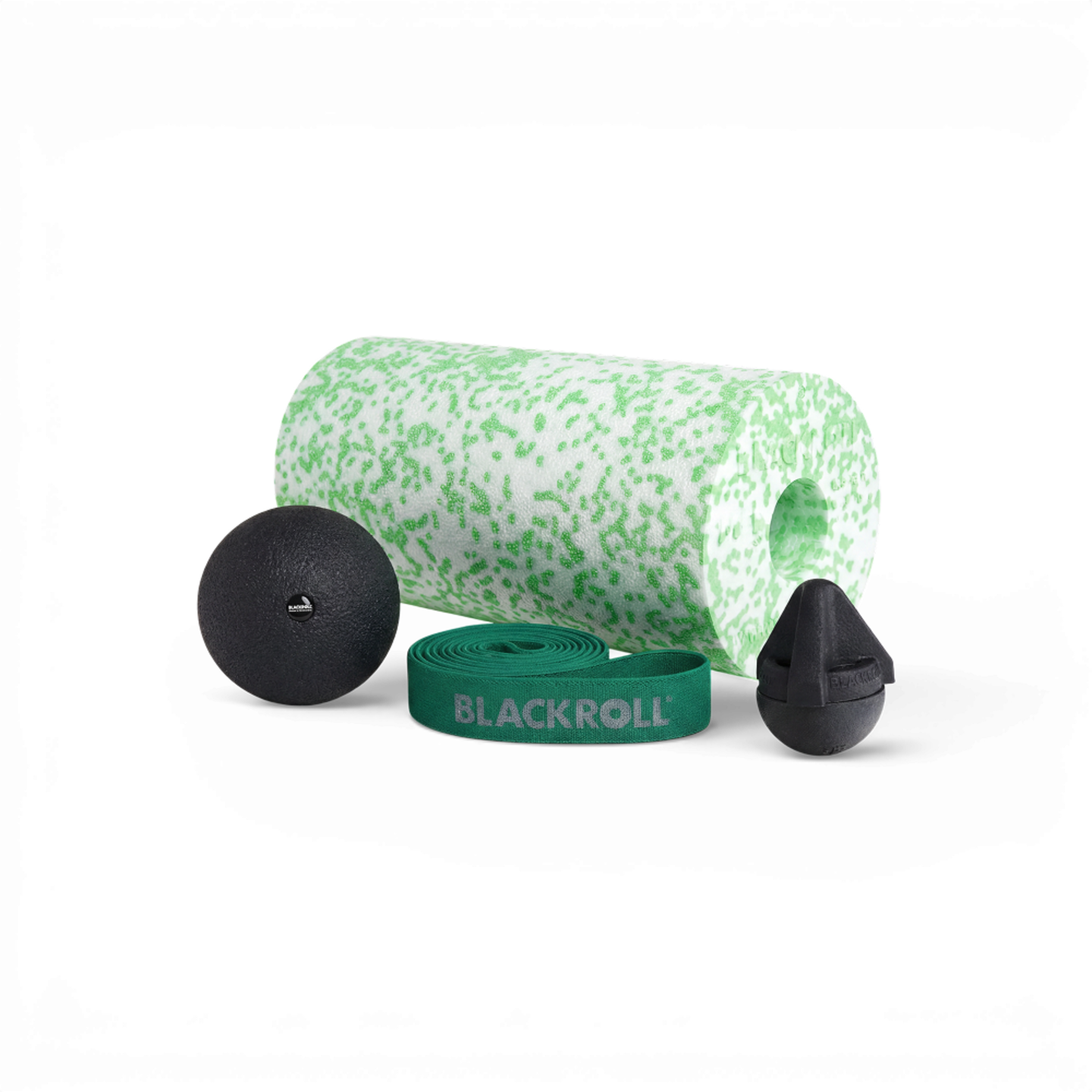
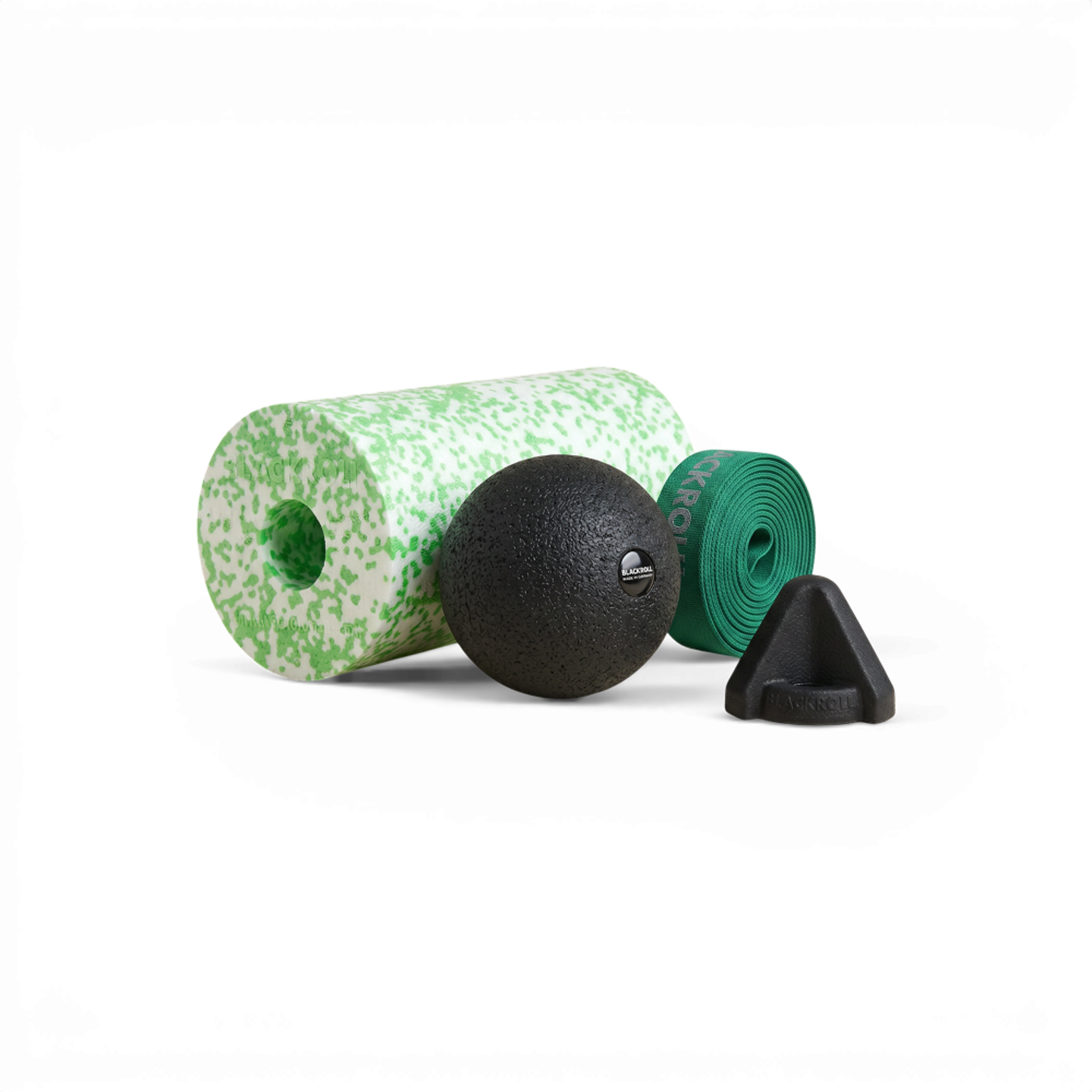
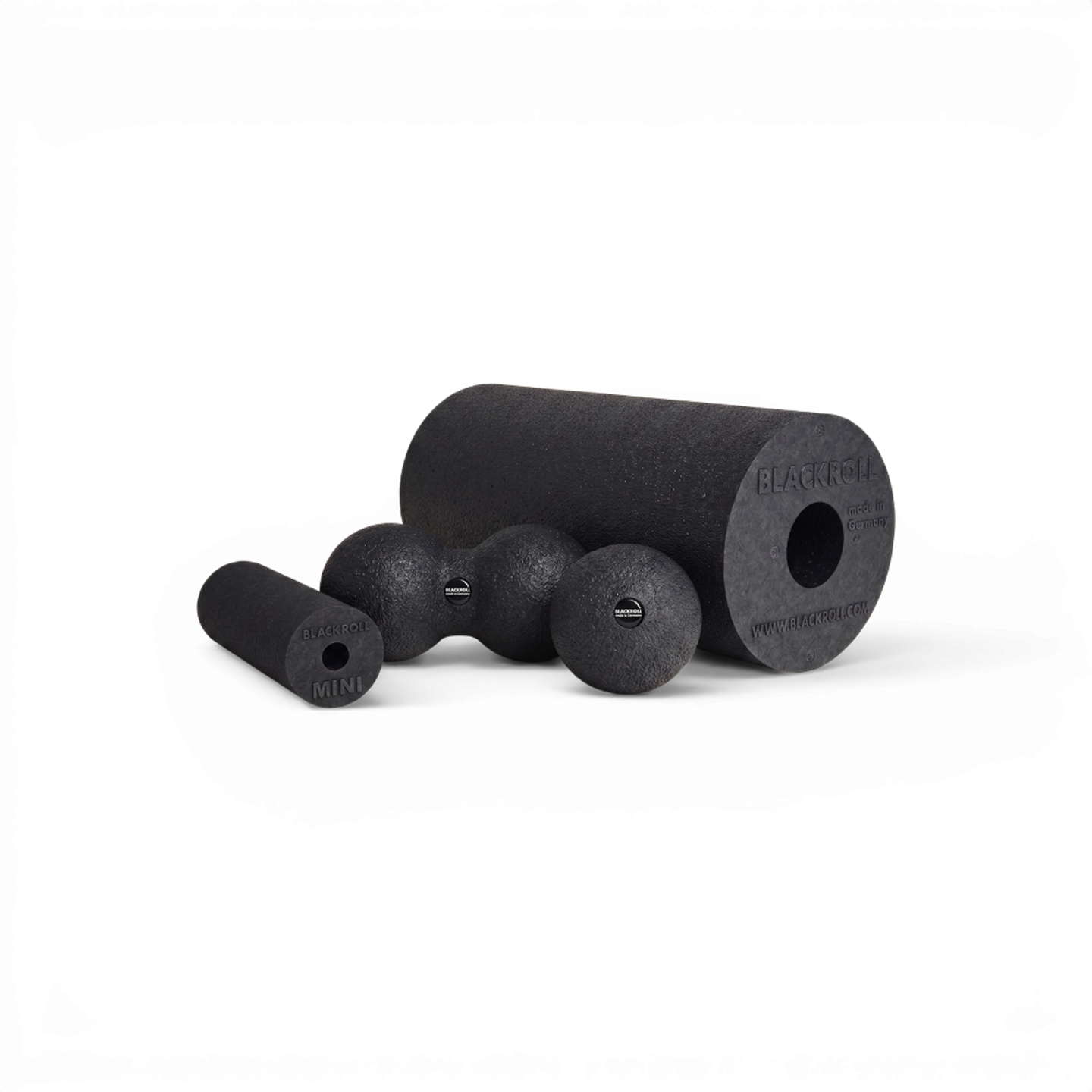
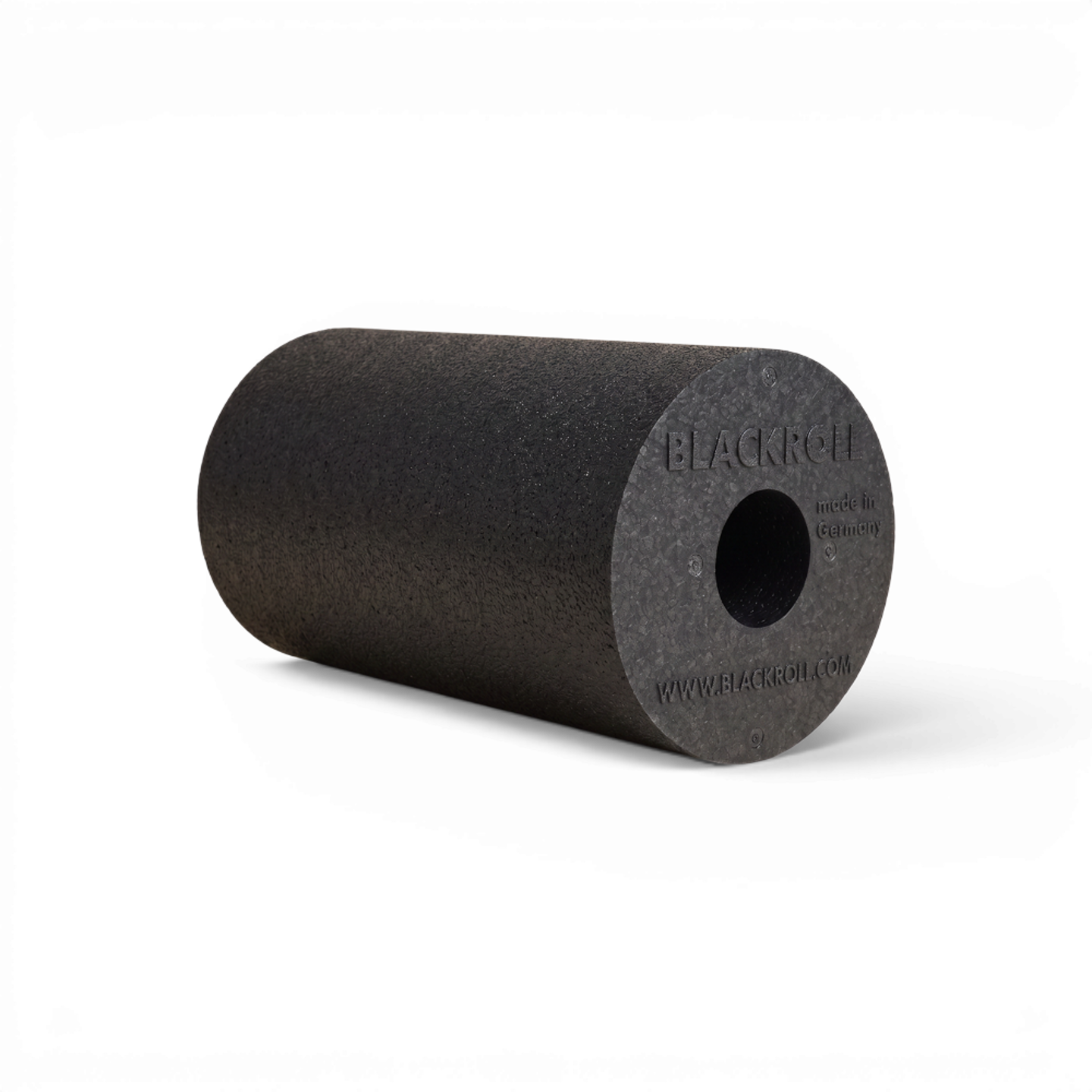
- Use tools like a foam roller to release tension and support recovery.
With these tips, you can specifically prevent back pain while jogging and run pain-free in the long term!


Conclusion: Jogging Despite Back Pain
Jogging and back pain aren’t necessarily mutually exclusive. In many cases, moderate running can even help strengthen the back muscles, improve blood circulation, and reduce pain over the long term. However, it’s crucial to focus on proper technique, appropriate footwear, and good body stability.
If you suffer from back pain, listen to your body and adjust your workout accordingly. A targeted warm-up routine, regular mobility and strength training, and good running form can help prevent discomfort. If jogging still causes pain, there are numerous back-friendly alternatives that will keep you active.
Ultimately, every back is different. If you’re unsure whether jogging is right for you, a professional running analysis or consultation with an expert may be helpful. With the right adjustments, however, you can often run pain-free and improve your back health in the long run!