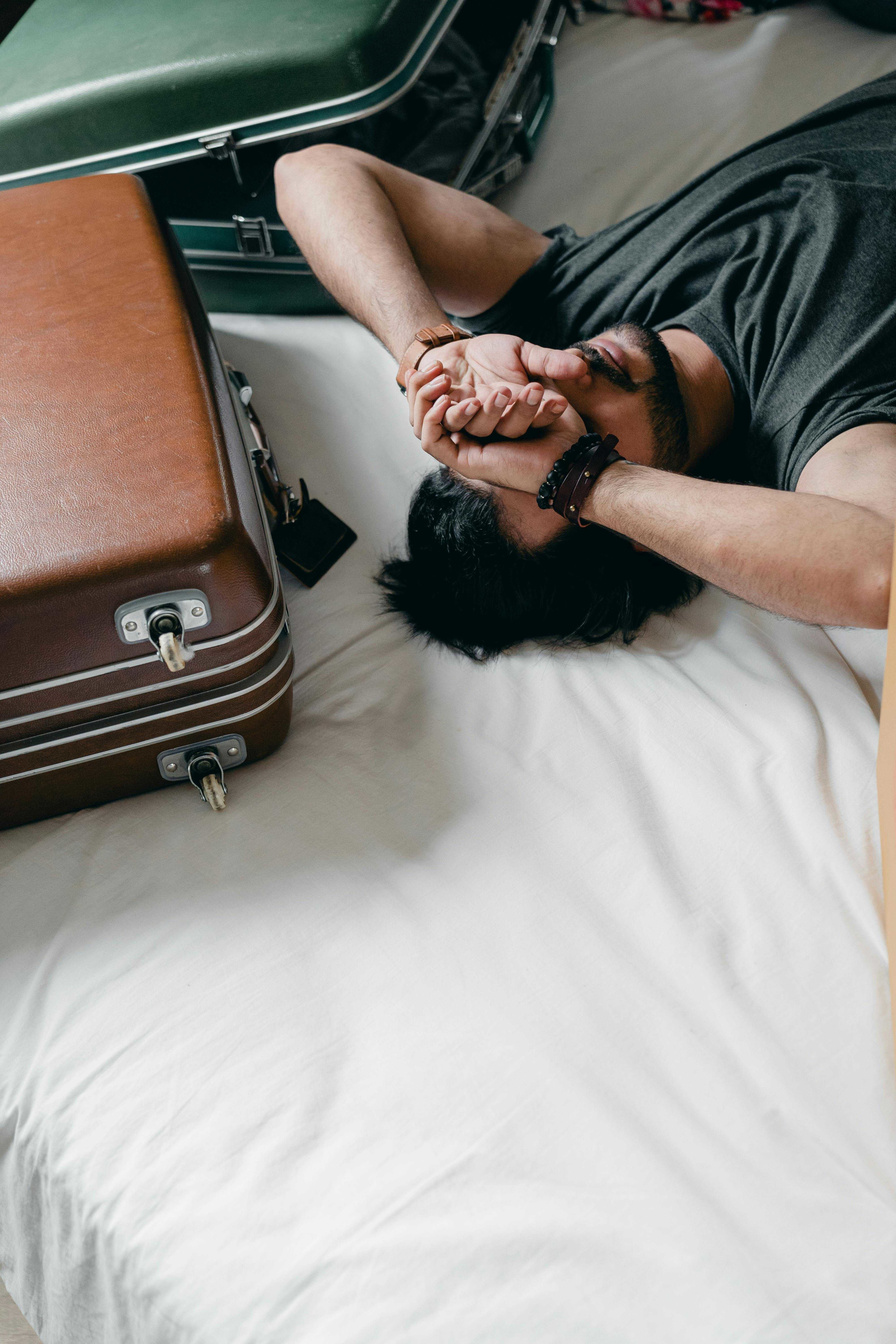
What is jet lag?

Jet lag is your circadian rhythm’s reaction to a rapid change in time zone. Symptoms: fatigue, sleep disturbances, digestive problems, mood swings. Duration: 1 day per hour of time difference. If you ignore it, you’ll lose concentration, productivity, and sleep quality during the first few days.
The most important points at a glance:
- Jet lag occurs when your internal clock is no longer synchronized with the new time zone. Sleep, concentration, and energy levels are particularly affected.
- Flights to the east are usually more taxing than flights to the west because the body has a harder time adjusting to a shorter day.
- Daylight is one of the most effective ways to combat jet lag. However, exposure to light at the wrong time can also prolong the adjustment period.
- A rough rule of thumb is that the body needs about one day per hour of time difference to fully adjust.
- The best ways to combat jet lag are consistent sleep schedules, plenty of water, strategic light management, and minimizing sleep deprivation before the trip.
Jet lag is an all-too-familiar phenomenon for many travelers on long-haul flights: a new time zone means sleepless nights. This annoying disruption of the natural sleep-wake cycle is caused by rapid changes in time zones, which throw the body off balance.
Our biological clock, also known as the circadian rhythm, regulates sleep, wakefulness, hunger, performance, and other vital functions. When we travel across different time zones, this clock gets thrown off sync because it was accustomed to the old time zone and isn’t immediately synchronized with the new environment.
This time difference between the time in the country of origin and the destination is perceived by our bodies as a disruption—one that can make getting started considerably more difficult.
“The more we talk about jet lag and anticipate it, the more we feel it.”
— Anna West, Sleep Performance Coach
Below, we’ll explain the causes of jet lag and its various symptoms, and provide practical tips to help alleviate its exhausting effects. We’ll also show you how to support your body’s natural rhythm during acclimatization so you can enjoy your travels without the unpleasant side effects of jet lag.
Symptoms & Duration: What’s Normal—and How Long Does It Last?
Jet lag symptoms can vary widely and often involve more than just a simple disruption of your circadian rhythm. The symptoms can be distressing, and it’s important to understand them so we can develop effective strategies for relief.

Fatigue
One of the most common symptoms is fatigue. Your body struggles to adjust to the new time zone. This, combined with the stress of travel, puts a strain on your body, resulting in fatigue.
Even if the clock at your destination shows noon, your body may still be in “night mode.” This adjustment can not only significantly impact your vacation or trip but also negatively affect your productivity and overall well-being at your destination.

Insomnia
Insomnia or lack of sleep often occurs in conjunction with jet lag. Your body is out of sync with the local day and night cycle, making it difficult to fall asleep.
The result of a sleepless night is daytime fatigue. If you give in to this fatigue—for example, by taking a nap—the next sleepless night is inevitable.
This sleep deprivation can impair your ability to concentrate, slow your reaction times, and affect your body in much the same way as heavy alcohol consumption. Changes in your blood pressure or body temperature may also be among the symptoms.

Digestive Problems
Digestive problems are also not uncommon as a result of jet lag.
Our bodies are programmed to receive food at specific times. Sudden changes in eating habits can therefore lead to irregularities in the gastrointestinal tract. Loss of appetite, stomach cramps, or constipation are symptoms that can make the first few days of your stay at your destination unpleasant.

Emotional Fluctuations
Emotional fluctuations are also often side effects of jet lag. The abrupt changes in sleep patterns and daily routines can negatively affect your mood.
Some people experience irritability or mood swings, while others have trouble feeling happy due to fatigue. Not a great start to a vacation.
How long does jet lag last?
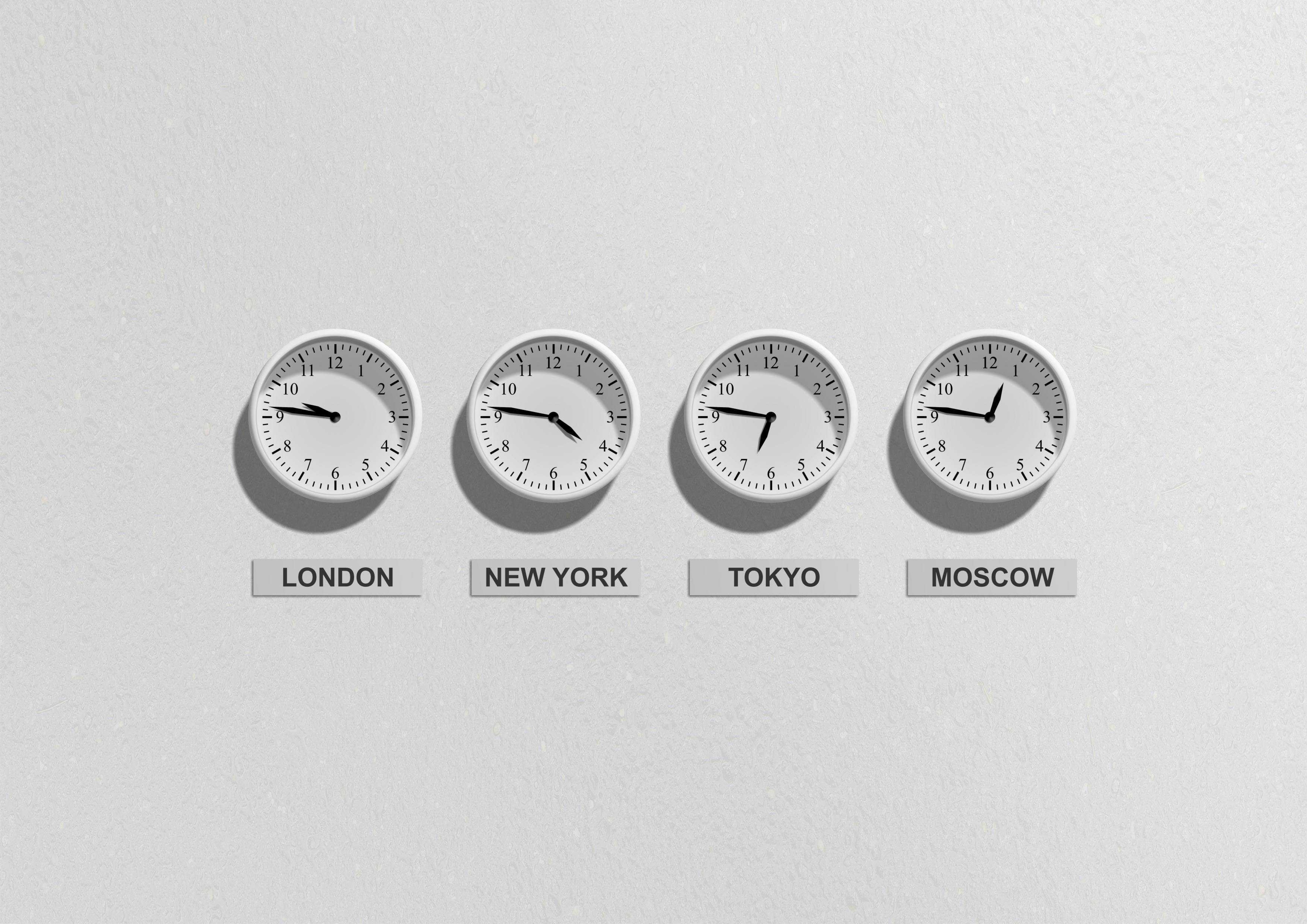
The duration of jet lag varies depending on the body’s individual ability to adapt and the direction of travel. Generally, the human body is able to acclimate at a rate of one day per time zone.
This means that if, for example, you travel across five time zones, it takes about five days for your body to fully adjust. In other words, your body needs one day to adjust for every hour of time difference. However, how well you cope with the time change also depends on individual factors.
It’s important to note that the duration of jet lag varies from person to person and can depend on age, gender, health status, and personal sleep patterns. Older adults, women, and people with existing sleep problems may take longer to adjust. Younger people, on the other hand, tend to adapt more easily to new time zones and therefore tend to experience fewer jet lag effects.
To shorten the duration of your jet lag, you can use various strategies before departure that are applicable regardless of age. Examples include gradually adjusting your sleep schedule to the new time zone or consciously eating meals according to the destination’s schedule.
Following these tips can help you adjust your body to the new environment more quickly and minimize the effects of jet lag.
Jet Lag Sleep Disorders
You’ve arrived at your faraway vacation destination and are excited for your first day of vacation. But sleep just won’t come. It’s the classic “first night” effect.
Crossing time zones throws the body’s natural sleep rhythm out of balance. That’s because your body is programmed to be active or at rest at specific times. When these patterns are disrupted due to a different time zone, your sleep can be significantly affected.
In this case, the next day doesn’t start as you’d hoped, but with persistent fatigue, since your body hasn’t gotten the rest it needs.
The severity of sleep disturbances varies from person to person and also depends on the direction of travel.
Westward flights—that is, travel in a westerly direction, such as from Hamburg or Berlin to the U.S. or other North American countries—effectively extend the day. This can make it easier to fall asleep. Traveling eastward, on the other hand, can lead to difficulty falling asleep, as the day is shortened.
However, the time of the flight and behavior on the plane are also important factors in how the body reacts to the stress of travel.

To minimize sleep disturbances caused by jet lag, it’s helpful to adjust your sleep schedule before the trip and make a conscious effort to get enough rest during the flight.
Gradually adjusting to the new schedule at your destination can also help gently prepare your body for the changed sleep habits and thus mitigate the negative effects of the trip.
Once you arrive at your destination, it’s important to adjust to the local time as quickly as possible and expose yourself to daylight.
This means: Don’t sleep in until noon; instead, set your alarm, go outside, and signal to your body that it’s time to be awake.
In the evening, however, you should avoid light and, just as you would at home, establish a bedtime routine to reset your sleep-wake cycle. This can help prevent long-term sleep disturbances caused by jet lag.
Avoiding Jet Lag, Overcoming Jet Lag
Jet lag is an almost inevitable challenge for travelers. Especially on long-haul flights across multiple time zones, there is a very high risk of experiencing jet lag symptoms after landing. Overcoming jet lag sometimes requires patience and a strategic approach. There are a variety of proven methods to help your body quickly adjust to the new time zone. With our tips and tricks, you can help yourself minimize jet lag and effectively alleviate its effects.
Tips for Dealing with Jet Lag
You’ll find an overview of proven strategies and information for avoiding—or at least minimizing—jet lag here.
Preparation Before Your Trip
Start adjusting to the daily routine of your vacation destination a few days before your departure. Gradually adjust your bedtime and wake-up times to match the local time at your destination so your body can slowly prepare in advance.
Hydration
Drink plenty of water during your flight. The low humidity levels in airplanes can cause dehydration, which can put additional strain on your body. Staying well-hydrated supports your circulation, helps you adapt more easily, and makes you less prone to fatigue.

Natural Light
Natural light helps you synchronize your internal clock and adjust your body to the local day and night cycles. It’s therefore recommended that you expose yourself to plenty of daylight or sunlight upon arrival at your destination so that your internal clock can adjust to the local time zone as quickly as possible.
Avoiding Alcohol and Caffeine
Drinks containing alcohol or caffeine can negatively affect your sleep. The result is poorer, less restful sleep. This, in turn, exacerbates your jet lag symptoms. Instead, soothing herbal teas, exercise, yoga, or other activities can help promote sleep.

Adjusting to the Local Schedule
As soon as you arrive in your destination country, adjust your daily rhythm to local conditions. You should eat, sleep, and follow the local daily routine according to local times. This helps your body adjust to the new time zone, ensures that the effects of jet lag are alleviated more quickly, and allows your system to adapt more effectively to the new conditions.

Power naps
Give your body short periods of rest in the form of quick power naps to overcome your fatigue.
However, such a short nap should not exceed 30 minutes. Avoid sleeping longer than that, as this will have a negative impact on your sleep-wake cycle and will delay and prolong your jet lag.
If you take a longer afternoon nap, you won’t be tired in the evening, won’t be able to fall asleep, and will stay awake much longer. The result: You’ll be tired again the next day and may even need another afternoon nap. This way, you won’t adjust to the local schedule.
Relaxation Techniques and Meditation
Relaxation techniques such as breathing exercises or yoga, meditation, and exercise can help you reduce stress, tire out your body, and improve the quality of your sleep.
In addition, exercise can help get your body back into gear if you have to wait a little longer before you can go to sleep.
A walk outdoors in the fresh air, for example, can also help you wake up and temporarily overcome daytime drowsiness.

These tips can help you overcome jet lag more quickly and reduce the duration of its effects. This will make your flight more enjoyable—guaranteed. However, it’s important to give your body time to adjust to the new time zone. Forcing yourself to sleep usually doesn’t help. Use the measures mentioned here mindfully, and they’ll have a positive impact on your trip.
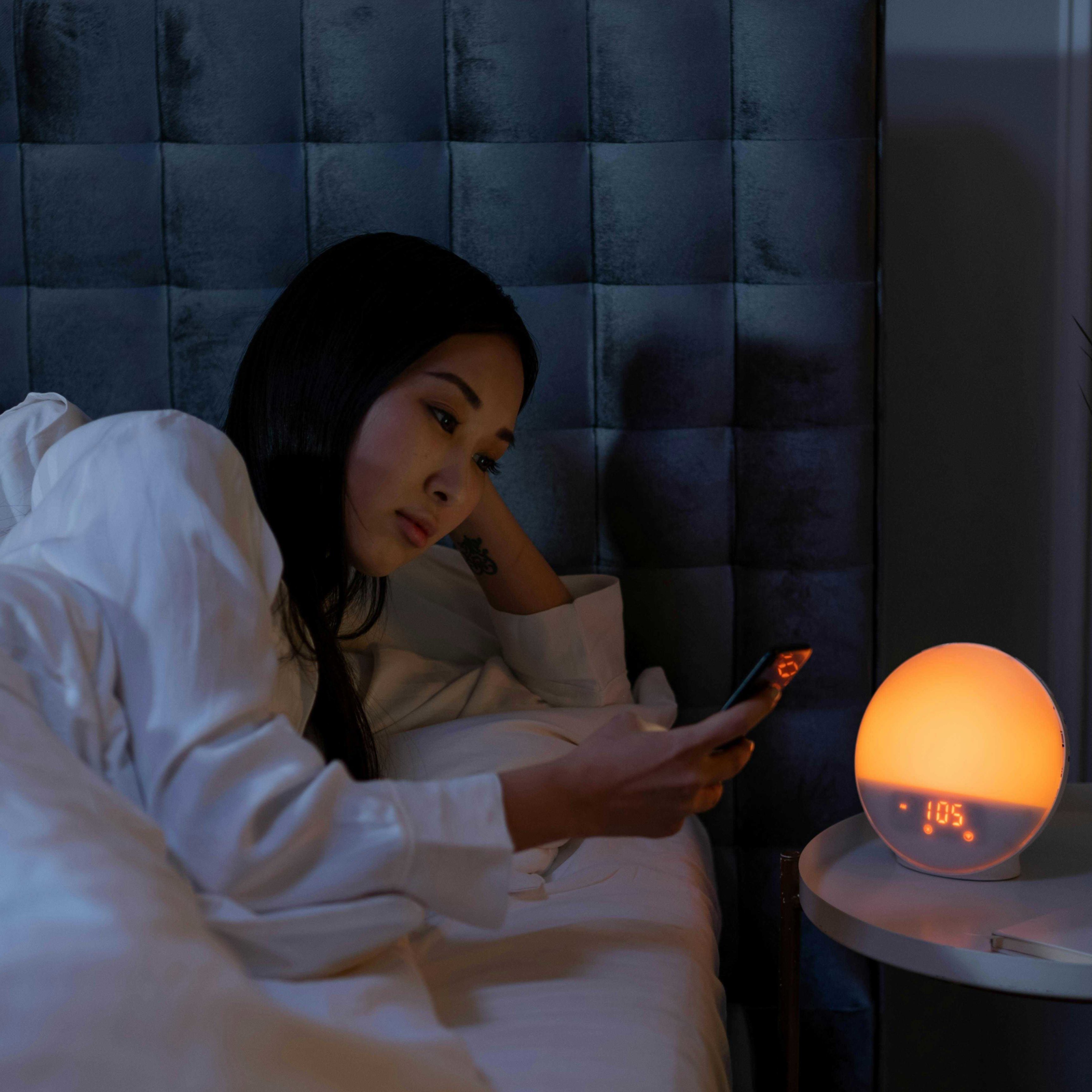
It should be noted, however, that early-morning flight times and the resulting need to wake up early can disrupt your circadian rhythm even before you arrive at your destination. With this additional challenge, it can sometimes be even harder to adjust to the new time zone. This makes it all the more important to consistently try to adjust to the new time zone. If you do happen to wake up in the middle of the night, stay calm and avoid exposure to artificial light, such as from your cell phone.
You can find strategies for falling asleep more easily here:

Strategies for Falling Asleep More Easily
Learn moreJet Lag at Major Events — A Professional Perspective on the 2026 World Cup
The 2026 World Cup (June 11–July 19) is a record-breaking travel tournament with three host countries, up to a 9-hour time difference, and matches at high altitudes like Mexico City. Sleep Performance Coach Anna West identifies three non-negotiable factors: heat, altitude, and time zone differences—and explains how pros and fans cope with them.
“In an ideal world, you wouldn’t have differences in humidity, temperature, or altitude—but you will. These are non-negotiables. The goal isn’t to crash into a wall—it’s to go around it.”
— Anna West, Sleep Performance Coach
Time Zone Differences Table:
City | Time Difference from CET |
|---|---|
New York | -6 h |
Toronto | -6 h |
Mexico City | -7 h |
Houston/Dallas | -7 h |
Los Angeles | -9 h |
Cut-offs & No-Gos (to Prevent Jet Lag from Getting Worse)
Many jet lag problems aren’t caused by the flight itself, but by poor timing after landing. Light, sleep, and caffeine, in particular, can either stabilize your internal clock or completely throw it off. These rules will help you avoid common mistakes.
Strict Rules to Combat Severe Jet Lag
- No caffeine 8 to 10 hours before your planned bedtime
Coffee at the wrong time often delays adjustment more than you might think. Especially after flights to the east, drinking caffeine late in the day is one of the most common mistakes. - Keep naps short
Power naps should last no more than 20 to 30 minutes. Longer periods of sleep during the day often disrupt your rhythm again and make it harder to fall asleep at night. - Don’t switch to your home time zone immediately after landing
If you immediately start eating, sleeping, and working according to your old schedule, you often unnecessarily prolong the adjustment period. - Use light strategically
Bright daylight in the morning usually helps after flights to the east. After flights to the west, light in the evening is often more effective. Light at the wrong time, however, can worsen jet lag. - Limit alcohol on the plane
Alcohol simultaneously impairs sleep quality, recovery, and hydration. This often makes the first few days significantly harder, especially on night flights. - Don’t stay up all night
Extreme strategies like staying awake for 24 hours rarely work well. Most of the time, they just postpone exhaustion.
If-then rules for typical situations
- If you arrive very early:
Try to stay awake until at least early evening. Short bursts of exercise and exposure to daylight help more than long naps. - If you land late at night:
Switch to your destination sleep schedule as soon as possible and don’t stay awake for several more hours. - If you have an important appointment the next morning:
Prioritize sleep, avoid alcohol, and use caffeine only strategically in the morning. - If you’re traveling east:
Reduce light exposure in the evening and get as much daylight as possible first thing in the morning. - If you’re traveling west:
Don’t go to bed too early. The body usually adapts more easily to a longer day.
Using Melatonin to Combat Jet Lag
Many people who have trouble falling asleep or suffer from insomnia turn to aids. Melatonin, in particular, is often touted as a sleep regulator. Melatonin is a natural hormone produced in the pineal gland of the brain that plays an important role in regulating the sleep-wake cycle. Since melatonin can also be taken as a dietary supplement and is freely available in many products, it is often used for self-treatment of sleep problems.
Melatonin can also be a strategy for better coping with the negative effects of jet lag caused by a change in time zones. This is because the so-called “sleep hormone” prepares the body for sleep. However, when taken in commercially available doses, melatonin is only of limited effectiveness as a sleep aid. While studies suggest that taking melatonin specifically before bedtime can help speed up the adjustment of the sleep-wake rhythm to the new time zone, the effects are sometimes minimal. And, as always, it depends on the dose.
Melatonin is generally not dangerous, but it should be used with caution. Above all, the dosage should be discussed with a doctor and adjusted on an individual basis. Consulting a doctor is especially advisable if you are already taking medication for other conditions or have health concerns.
Under no circumstances is melatonin a miracle cure. Every body reacts differently to supplemental melatonin. So you shouldn’t rely solely on pills or sprays, but rather use them in combination with the jet lag management methods mentioned above.

Conclusion
Jet lag is a common side effect of traveling across different time zones that can disrupt the sleep-wake cycle. To alleviate symptoms, strategies such as gradually adjusting your sleep schedule, staying well-hydrated, and getting exposure to sunlight at your destination can be helpful. Melatonin may provide additional support, but should be used in consultation with a doctor.
However, a vacation under the palm trees doesn’t have to be marred by fatigue, as there are numerous proven strategies to minimize jet lag and make it easier to adjust to the new day-night cycle.
Gradually adjusting your own sleep-wake rhythm before your trip is one of the most effective ways to combat jet lag. By aligning your bedtime and wake-up times at home with those of your destination, you give your body the opportunity to slowly adjust to the new time zone. Consciously exposing yourself to natural light at your destination also plays a crucial role in synchronizing your body clock.
You shouldn’t underestimate the importance of staying hydrated during the flight. The dry air in airplanes can lead to dehydration and exacerbate the effects of jet lag. Therefore, it’s advisable to always drink enough water to keep your body hydrated. Alcohol and caffeine, on the other hand, are harmful.
Taking melatonin as needed can be another option to help regulate your sleep-wake cycle a bit more quickly. In most cases, however, you should be able to manage without any aids by following a schedule, exercising, and adjusting your diet.
One thing is clear: there’s no one-size-fits-all solution for jet lag. And normally, anyone who flies across multiple time zones is affected by it. However, you can develop the strategy that works best for you. Combining several approaches—such as gradual adjustment, staying well-hydrated, and possibly taking melatonin as needed—should definitely help you minimize the effects of jet lag. We wish you a wonderful vacation.

Recovery Blanket Summer
Available in multiple variants

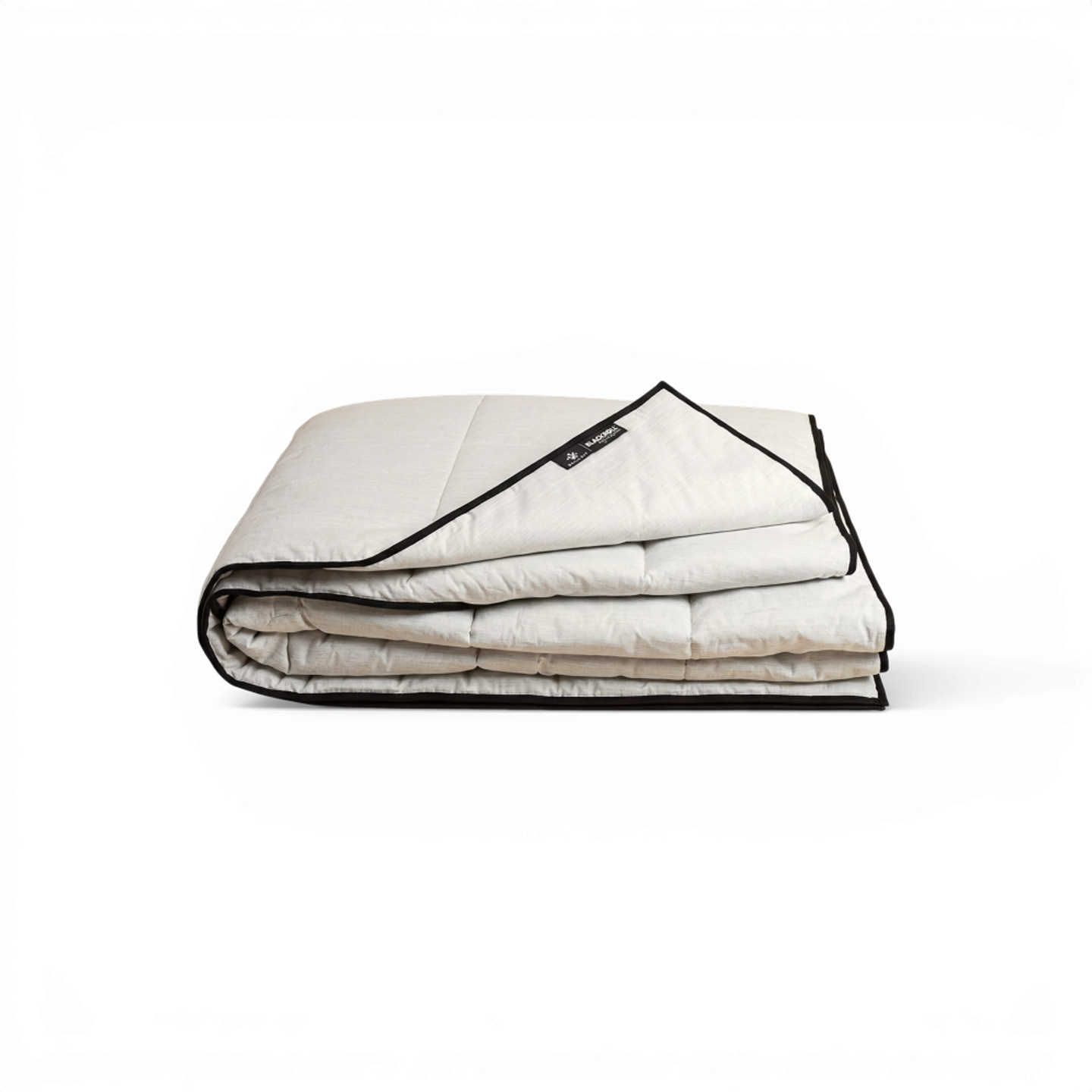
Recovery Blanket Winter
Available in multiple variants
Frequently Asked Questions About Jet Lag
As a rough rule of thumb, the body needs about one day per hour of time difference. So with a six-hour difference, it can take almost a week for sleep, energy, and concentration to stabilize again. The first two to three days are usually the worst. Sleep quality, light, and flight direction significantly influence how long it lasts.
Daylight and a consistent sleep schedule at your destination are the most effective remedies. Natural light helps your internal clock adjust more quickly. Also important: drink enough fluids, limit alcohol, and use caffeine strategically. Short bursts of exercise after landing often help more than getting extra sleep during the day.
On flights to the east, the day is artificially shortened. This is exactly what your body clock finds more difficult to adjust to than a longer day when traveling west. That’s why problems falling asleep, waking up early, and daytime fatigue are often more severe. Many travelers are significantly more sensitive to this, especially when the time difference is five hours or more.
Melatonin can help your sleep rhythm adjust more quickly to the new time zone. However, the timing is crucial. If taken at the wrong time, it has little effect or may even shift your rhythm in an undesirable way. It is not a miracle cure, but rather a complementary tool to be used alongside light management and sleep planning.
Yes, traveling well-rested significantly reduces the strain of long flights. However, you can’t really “stockpile” sleep in advance. It’s more important not to let sleep deprivation build up in the days leading up to the flight. Especially before night flights, even an extra hour of sleep makes a difference.
Mild symptoms like fatigue, trouble concentrating, or waking up at night are normal during the first few days. With a time difference of three to six hours, things often improve after two to four days. Larger time differences, such as when traveling to the U.S. or Asia, can take noticeably longer to adjust to. Sleep, light, and flight direction are key factors.
After long flights, your reaction time, concentration, and decision-making abilities can be significantly impaired, even if you feel awake. Caution is especially important after night flights or when crossing multiple time zones. For important meetings, car trips, or presentations, it’s worth planning conservatively with a buffer and as little sleep debt as possible.
Melatonin can be helpful when you need to deliberately shift your sleep schedule, especially after flights heading east. It’s important to have a clearly defined time window on the evening of your arrival. Taking it randomly in the middle of the night or during the day isn’t advisable. Without proper light control, the effect is often limited.
References
- Boulos, Z., Macchi, M. M., Sturchler, M. P., Stewart, K. T., Brainard, G. C., Suhner, A. G., & Wallace, R. J. (1999). Light visor treatment for jet lag after westward travel across six time zones. Aviation, Space, and Environmental Medicine, 70(10), 953–963.
- Fowler, P. M., et al. (2017). Effects of long-haul transmeridian travel on subjective jet lag. International Journal of Sports Physiology and Performance, 12(10).
- Herxheimer, A., & Petrie, K. J. (2002). Melatonin for the prevention and treatment of jet lag. Cochrane Database of Systematic Reviews, (2), CD001520. https://doi.org/10.1002/14651858.CD001520
- Lowden, A., Åkerstedt, T., & Wibom, R. (2002). Suppression of sleepiness and melatonin by bright light exposure during breaks in night work. Journal of Sleep Research, 11(1), 37–43.
- Petrie, K., Dawson, A. G., Thompson, L., & Brook, R. (1993). A double-blind trial of melatonin as a treatment for jet lag in international cabin crew. Biological Psychiatry, 33(7), 526–530.
- Zeitzer, J. M., Najjar, R. P., & Khalsa, S. B. S. (2016). Light exposure during sleep and circadian phase shifting: Implications for jet lag treatment. Stanford Medicine News Center.
- The Conversation. (2024). Jet lag: Your metabolism recovers faster than your brain, new study.
- Cochrane. (2024). Melatonin for the prevention and treatment of jet lag.