
Exercise Is Good for the Brain: Active People Live Longer

Exercise and health are closely linked. Did you know that regular physical activity not only strengthens your muscles but can also rejuvenate your brain and extend your life? Exercise helps create new connections between nerve cells and strengthen existing ones, which not only improves your thinking but also reduces the risk of brain diseases.
One particularly fascinating aspect is neuroplasticity—which means your brain can adapt and renew itself. Regular exercise supports this process and thus promotes your mental health. In addition, physical fitness also has many psychological benefits. Exercise reduces stress, improves your mood, and promotes your overall well-being. These positive effects also help you stay mentally fit and lead a longer, more fulfilling life.
In this article, we’ll explore the various mechanisms through which exercise affects your health. Our goal is to give you a comprehensive understanding of how important physical activity is for a healthy, long life.


How Exercise Strengthens and Keeps Your Brain Healthy
Our brain has the amazing ability to adapt and reorganize itself—a capability known as brain plasticity. This allows the brain to form new connections between nerve cells and strengthen existing ones. This is especially important for learning, memory, and coping with new challenges.
Imagine your brain is like a muscle: with regular exercise, it can grow and become stronger. Exercise promotes brain health.
It used to be thought that adults could no longer form new nerve cells. However, new studies show that physical activity can significantly increase the formation of new nerve cells in the hippocampus. (1)
For example, a key study by the National Academy of Sciences shows that aerobic exercise can increase the size of the hippocampus in older adults. Participants in this study, who took part in a 12-month aerobic exercise program, showed a significant increase in hippocampal size and improvements in memory performance. (2)
Aerobic exercise makes the brain adaptable
Aerobic exercise such as running, swimming, or cycling is particularly effective at promoting brain plasticity. Such physical activities lead to the release of hormones and neurotransmitters such as serotonin and norepinephrine, as well as growth factors that support the health of nerve cells.
One of these so-called neurotrophic factors—special proteins that support the survival, growth, and development of nerve cells—is Brain-Derived Neurotrophic Factor (BDNF). Think of BDNF as a super-fertilizer for your brain: This factor helps existing nerve cells stay healthy and promotes the growth and development of new nerve cells and connections. This keeps your brain functioning at its best and staying healthy.
Studies show that higher BDNF levels are associated with better cognitive function and a lower risk of diseases such as Alzheimer’s and Parkinson’s. (3)
In short: Exercise acts as a natural booster for your brain health and offers long-term protection.
Why exercise is good for your blood vessels
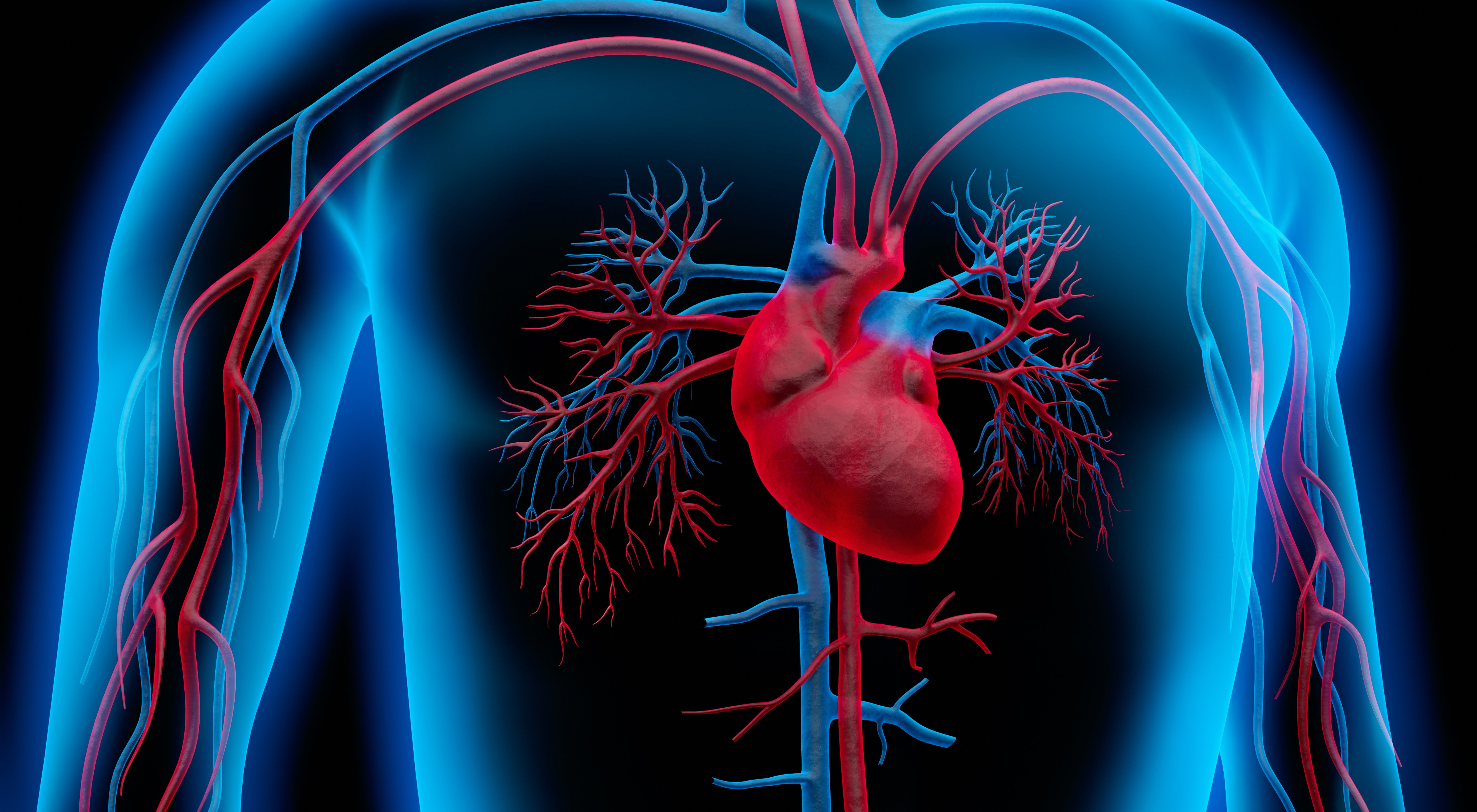
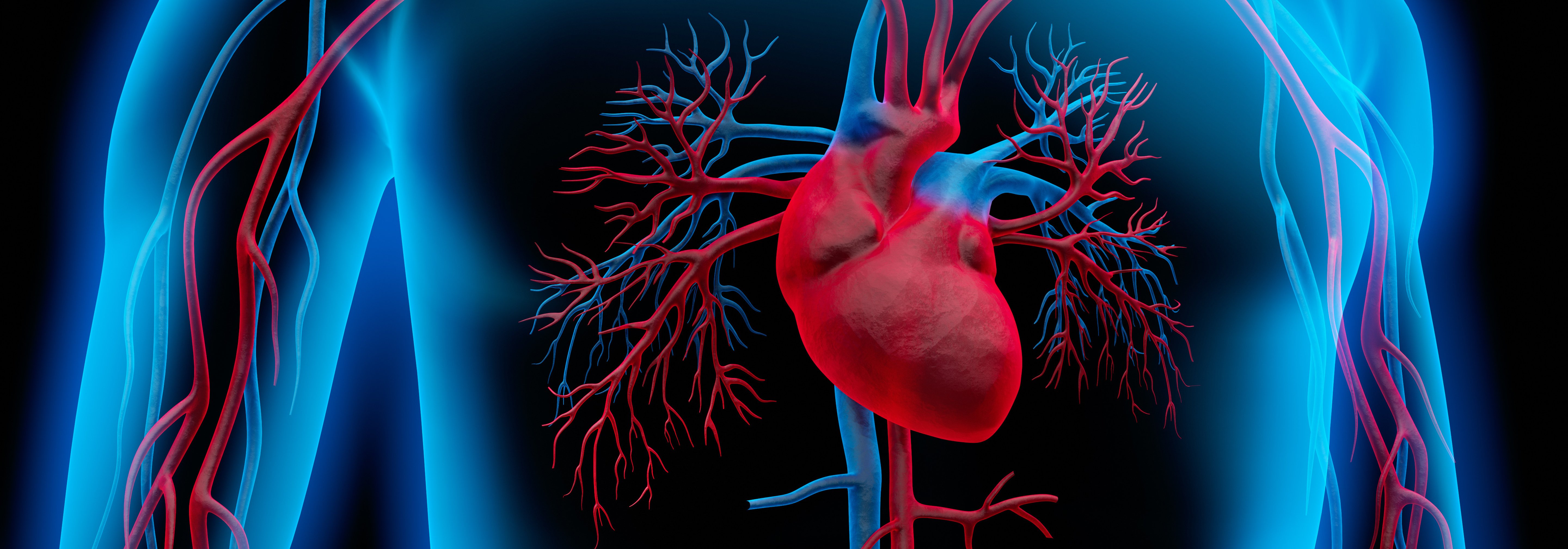
For your brain to function optimally, it needs a constant supply of oxygen and nutrients. This is made possible by healthy blood vessels. Physical activity has a major impact on the health of your blood vessels and can therefore also positively influence your brain health and life expectancy.
By improving blood flow and supporting your cardiovascular system, exercise plays a key role in maintaining your cognitive abilities and reducing the risk of vascular diseases. By staying active on a regular basis, you optimize your vascular health and lay the foundation for a healthy, long life.
How Exercise Strengthens Your Cardiovascular System
Regular exercise strengthens your cardiovascular system. This leads to better heart function, lower blood pressure, and improved blood circulation. Activities like running, swimming, or cycling dilate your blood vessels and improve blood flow. Imagine your blood vessels are like highways. Exercise ensures that traffic flows smoothly and that all the important nutrients reach your brain.
Lower Risk of Strokes and Dementia
A 2017 study shows that regular physical activity improves blood vessel function. This leads to better vascular health and a lower risk of strokes and other vascular diseases. (4) Strokes and vascular dementia are common causes of cognitive impairment in older adults. Regular exercise keeps blood vessels flexible and healthy, which can minimize these risks.
New Blood Vessels Through Exercise
Regular physical activity promotes the formation of new blood vessels and improves the function of existing ones. When the heart pumps more blood through the body and blood pressure drops, blood flow becomes more efficient. Imagine your blood vessels as flexible, high-performance tubes that optimally regulate blood flow. Exercise keeps these tubes in top condition, which is essential for your brain’s health.


How Exercise Reduces Belly Fat
By exercising regularly, you reduce harmful visceral fat and improve your physical and mental health. Visceral fat is the fat that surrounds your internal organs. It’s more active than the fat under your skin and can promote inflammation. Too much visceral fat increases the risk of heart disease, metabolic disorders, and negative effects on your brain.
The Benefits of Less Belly Fat
Less visceral fat, in turn, means a lower risk of heart disease and metabolic problems. A healthy body fat percentage also supports your brain health, laying the foundation for a longer, healthier life. Exercise plays a crucial role in this.
Regular physical activity burns energy and boosts fat metabolism. This helps reduce visceral fat. Studies show that both moderate and intense forms of exercise are effective at reducing this harmful fat. (5) Exercise also improves insulin sensitivity and helps combat inflammatory processes, which is good for your brain and your overall health. (6)


Sleep Better Through Exercise
Regular exercise is a simple and effective way to improve your sleep quality. Incorporating physical activity into your daily routine helps you fall asleep faster, sleep longer, and reach the deeper stages of sleep that are essential for the recovery of your body and brain.
Why Good Sleep Is Important
Sleep is crucial for your health and well-being, especially for your brain. Good-quality sleep supports memory, helps with emotional processing, and clears waste products from your brain. Poor sleep, on the other hand, can lead to memory problems, difficulty concentrating, and a higher risk of brain disorders.
How exercise improves your sleep quality
Regular physical activity is one of the best ways to improve your sleep quality. Exercise regulates your natural sleep-wake cycle. It raises your body temperature, which then drops again, making it easier to fall asleep. Exercise also reduces stress and anxiety, which often impair sleep quality.
A comprehensive scientific analysis shows that both moderate and vigorous physical activity can improve sleep quality. Older adults and people with sleep problems, in particular, benefit greatly from regular exercise. (7) Activities such as walking, running, or swimming are considered especially helpful. Perhaps you’ve already experienced how a relaxing evening walk has helped you fall asleep more easily and sleep more soundly.
Exercising in the Evening Can Promote Sleep
The assumption that exercising in the evening is bad for sleep is widespread. However, the results of a study contradict this. It shows that evening exercise does not impair sleep quality. On the contrary, physical activity can even help improve sleep continuity. (8)


Exercise for Your Mental Health
Physical activity has many benefits for your mental well-being. It helps reduce anxiety and depression, improves your mood, and boosts your overall sense of well-being. Exercise increases the production of endorphins, serotonin, and dopamine—substances in your brain that promote good mood and positive emotions. Regular exercise acts as a natural antidepressant and makes your brain more receptive to these mood-boosting chemicals. (9)
Mental Performance Through Exercise
People who exercise regularly often have better mental performance and a lower risk of diseases such as Alzheimer’s. An active lifestyle therefore supports not only your body but also your brain, thereby increasing your life satisfaction and mental health.

Sports and Community
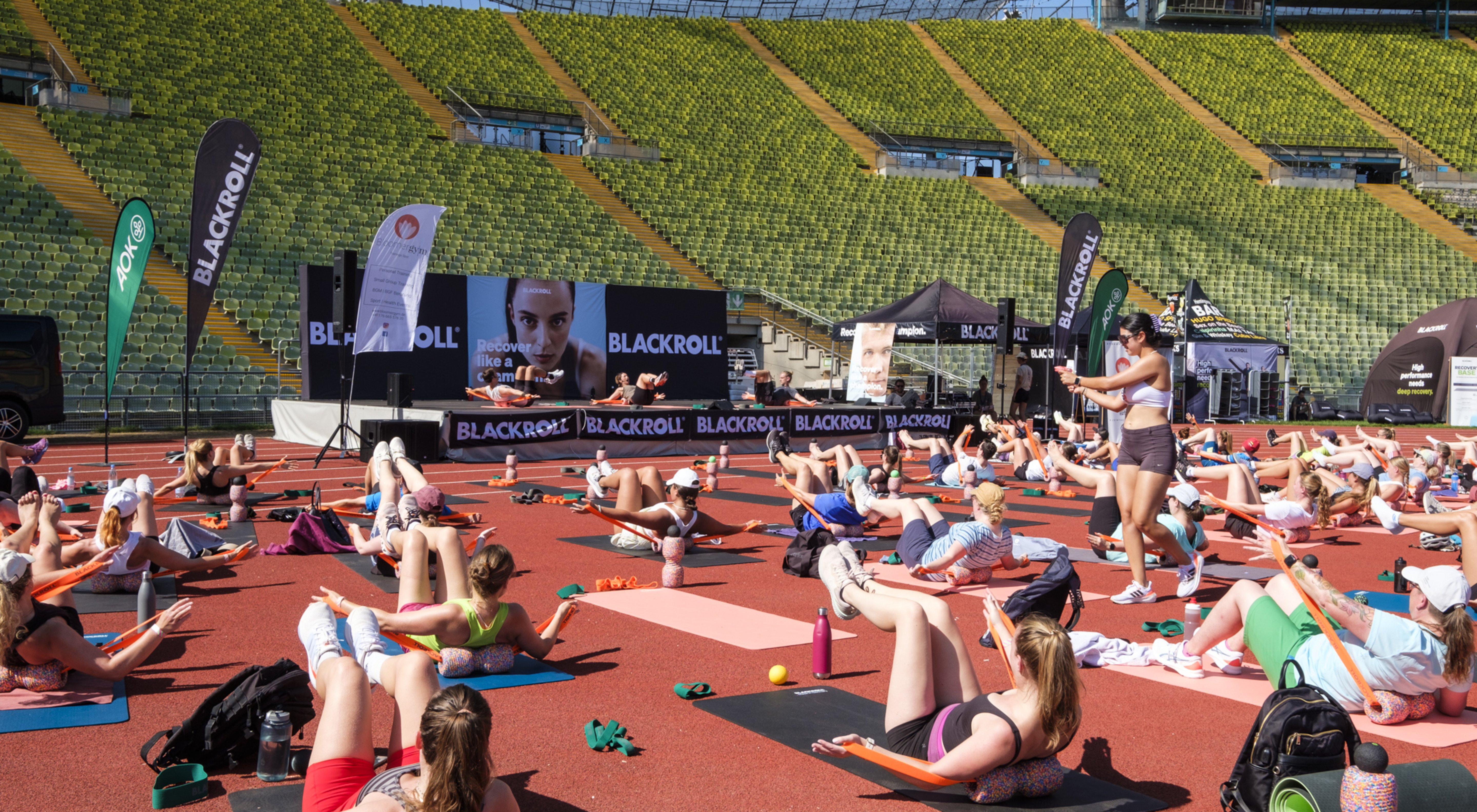
Social interactions are very important for your mental and physical well-being, especially when combined with physical activity, such as in group fitness classes or team sports. These activities foster a sense of community and provide emotional support that helps you reduce stress and feel better overall.
Exercising with Others Boosts Your Brain
Regular social activities protect your brain because they stimulate mental processes and promote your brain’s adaptability. An active social life can reduce the risk of dementia and Alzheimer’s disease. Studies show that social interactions promote the release of oxytocin and lower levels of stress hormones like cortisol, leading to better mental and physical health. (10)
Social connections and exercise are therefore a perfect combination for leading a healthy and happy life.


Conclusion: Exercise for a Longer Life
Regular physical activity is an essential part of a healthy lifestyle and plays a crucial role in promoting longevity by strengthening both body and mind, thereby laying the foundation for a long and fulfilling life.
Exercise improves your brain’s ability to adapt and form new nerve cells, enhances the health of your blood vessels, reduces harmful belly fat, optimizes your sleep, and boosts your mental well-being. Through regular exercise, we strengthen our memory and cognitive abilities and reduce the risk of strokes and brain diseases.
An active lifestyle can also help you reduce stress, lift your mood, and increase your overall life satisfaction. Social interactions—especially when participating in sports together—offer additional emotional and mental benefits and contribute significantly to your quality of life.
Exercise is an essential part of a healthy lifestyle and forms the foundation for a long and fulfilling life. Start today with small steps—your brain and body will thank you. Harness the power of exercise to successfully overcome the challenges of aging.
Sources:
(1) van Praag, H., Shubert, T., Zhao, C., & Gage, F. H. (2005). “Exercise enhances learning and hippocampal neurogenesis in aged mice.” Journal of Neuroscience, 25(38), 8680–8685. DOI: 10.1523/JNEUROSCI.1731-05.2005
(2) Erickson, K. I., et al. (2011). "Exercise training increases the size of the hippocampus and improves memory." Proceedings of the National Academy of Sciences, 108(7), 3017-3022. DOI: 10.1073/pnas.1015950108
(3) Gómez-Pinilla, F., & Hillman, C. (2008). "The influence of exercise on cognitive abilities and brain health." Nature Reviews Neuroscience, 9(1), 58-65. DOI: 10.1038/nrn2298
(4) Morris, J. K., Vidoni, E. D., Johnson, D. K., Van Sciver, A., Mahnken, J. D., & Burns, J. M. (2017). "Aerobic exercise for Alzheimer’s disease: A randomized controlled pilot trial." Journal of Alzheimer's Disease, 53(3), 796–805. DOI: 10.3233/JAD-160930
(5) Kaur, S., et al. (2021). "Visceral adipose tissue and brain health." Frontiers in Neuroscience, 15, 761674. DOI: 10.3389/fnins.2021.761674
(6) Ismail, I., Keating, S. E., Baker, M. K., & Johnson, N. A. (2012). "A systematic review and meta-analysis of the effect of aerobic vs. resistance exercise training on visceral fat." Obesity Reviews, 13(1), 68–91. DOI: 10.1111/j.1467-789X.2011.00931.x
(7) Lang, C., Kalak, N., Brand, S., Holsboer-Trachsler, E., & Pühse, U. (2016). "The effect of physical activity on sleep quality in children and adolescents: a systematic review and meta-analysis." Sleep Medicine Reviews, 30, 3–11. DOI: 10.1016/j.smrv.2015.08.006
(8) Flausino, N. H., Da Silva Prado, J. M., de Queiroz, S. S., Tufik, S., & de Mello, M. T. (2012). "Physical exercise performed before bedtime improves the sleep pattern of healthy young good sleepers." Sleep Medicine, 13(5), 546–552. DOI: 10.1016/j.sleep.2011.10.026
(9) Dishman, R. K., Berthoud, H. R., Booth, F. W., Cotman, C. W., Edgerton, V. R., Fleshner, M. R., ... & Zigmond, M. J. (2006). "Neurobiology of exercise." *Neurobiology of Disease*, 13(2), 127–137. DOI: 10.1016/j.nbd.2006.08.011
(10) Fratiglioni, L., Paillard-Borg, S., & Winblad, B. (2004). "An active and socially integrated lifestyle in late life might protect against dementia." *The Lancet Neurology*, 3(6), 343–353. DOI: 10.1016/S1474-4422(04)00767-7