Exercise in Old Age: How to Stay Fit and Healthy for a Long Time

Your working life is over, and retirement beckons with idleness and comfort—but what many people tend to forget is how important exercise is in old age. Especially when daily life no longer presents any major physical challenges, the temptation to curl up on the couch is just too great. However, this can be a fatal mistake that leads to physical decline and illness. Find out here why staying active in old age is important and how you can incorporate more exercise into your daily routine.
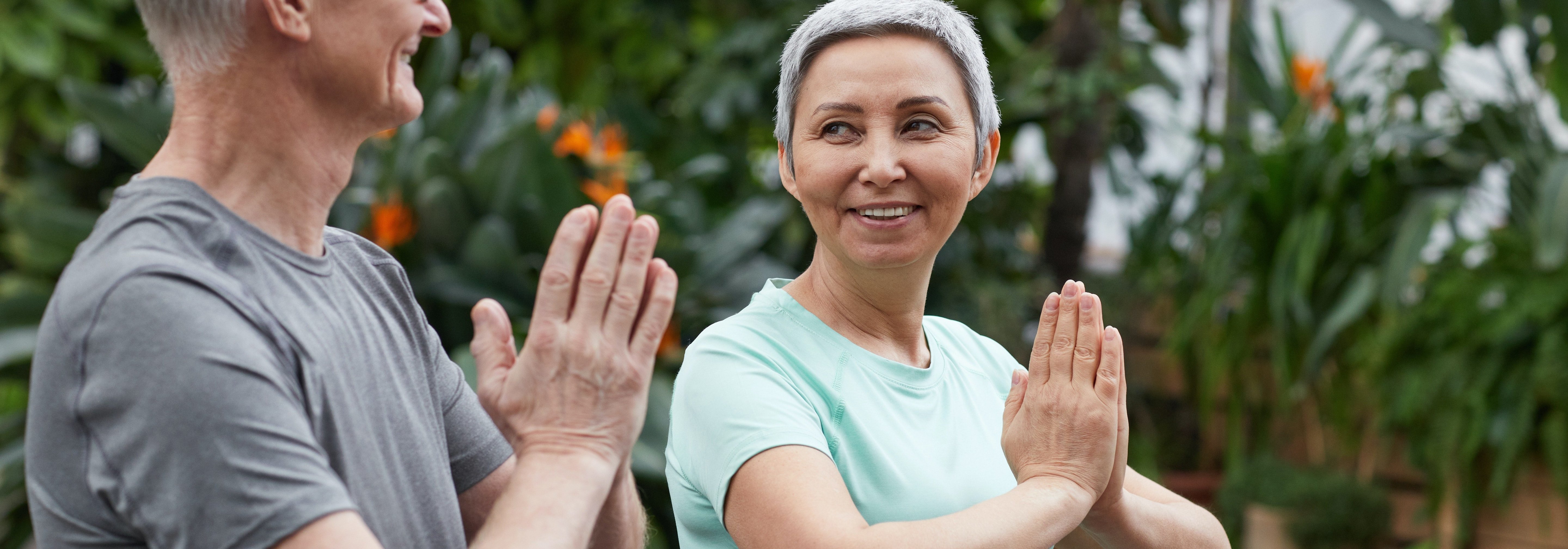
How much exercise do you need as you age?
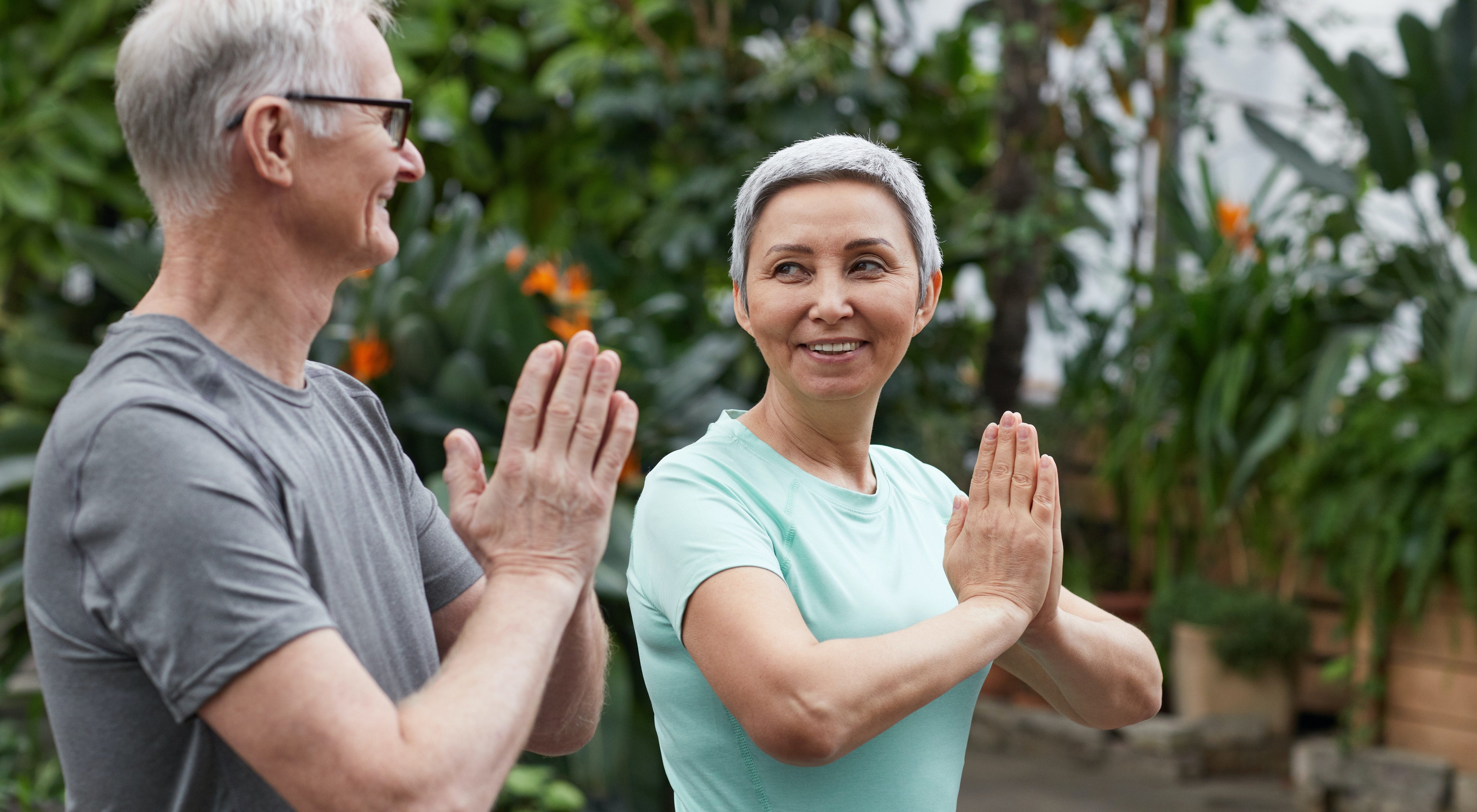
Just as in younger years, daily exercise is necessary in old age to stay fit and healthy. However, physical performance declines, so pushing yourself to the limit is no longer advisable. Nevertheless, you should lead an active lifestyle, with regular training to build endurance and strength. Your level of physical fitness determines how much you can handle. If you just can’t bring yourself to join a group for sports or exercise classes, you still shouldn’t sit around at home being lazy. Walking, running, swimming, and cycling are activities that seniors can also do at an appropriate intensity. Here are some guidelines on how much exercise you need starting at age 65:
- At least 150 to 300 minutes per week of moderate-intensity endurance training is recommended. For older adults, walking, moderate jogging, power walking, cycling, swimming, or dancing are recommended. Those who exercise at a higher intensity can get by with just 75 to 150 minutes per week. The German Heart Foundation recommends exercising for at least half an hour on four to five days a week.
- Strength training should be done on two or more days a week to strengthen the muscles. It’s important to work all the major muscle groups.
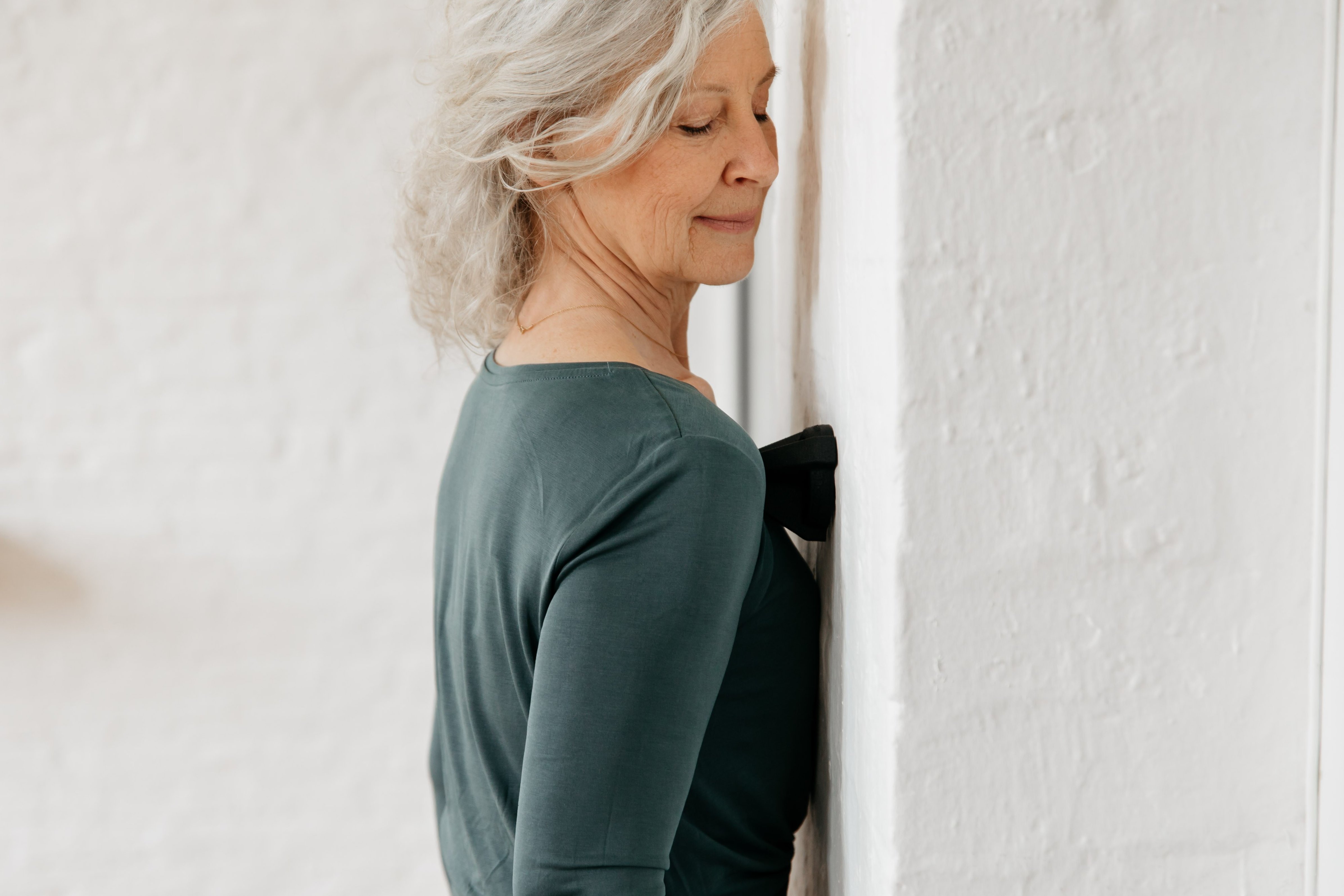
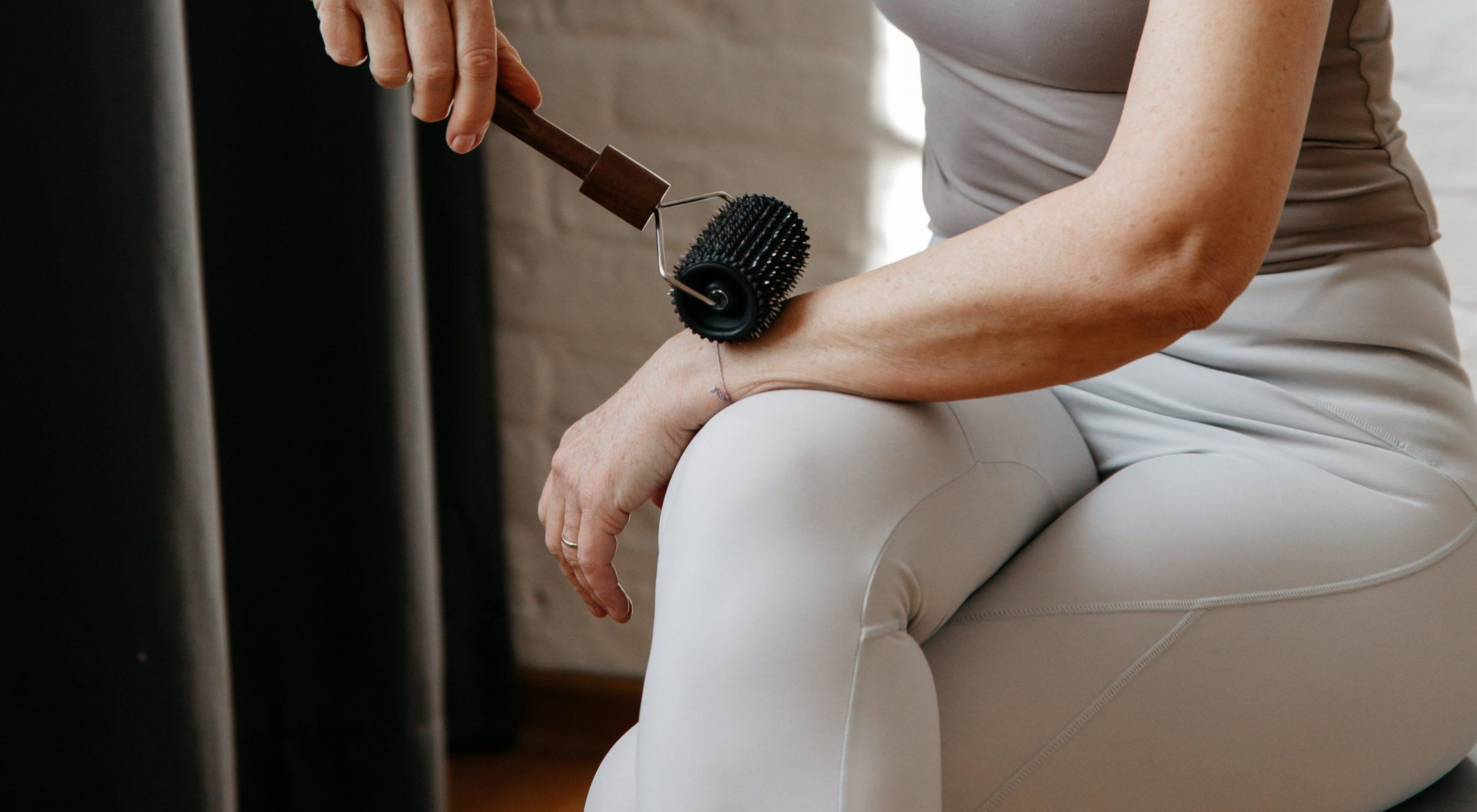
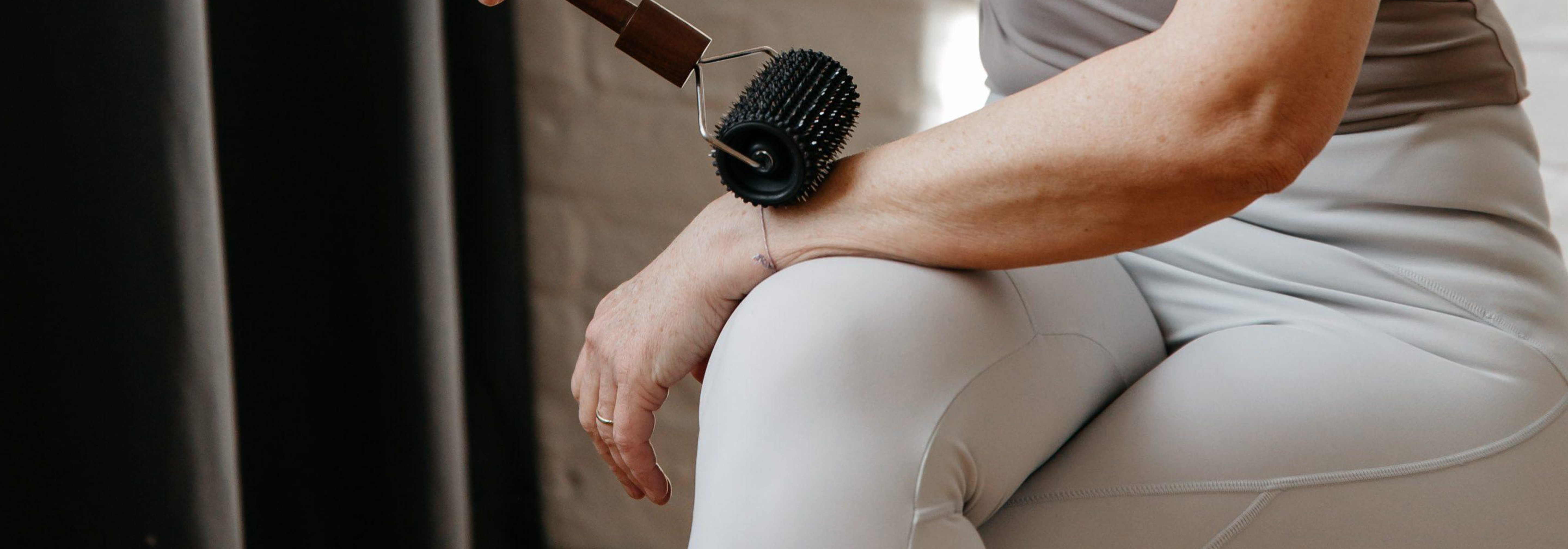
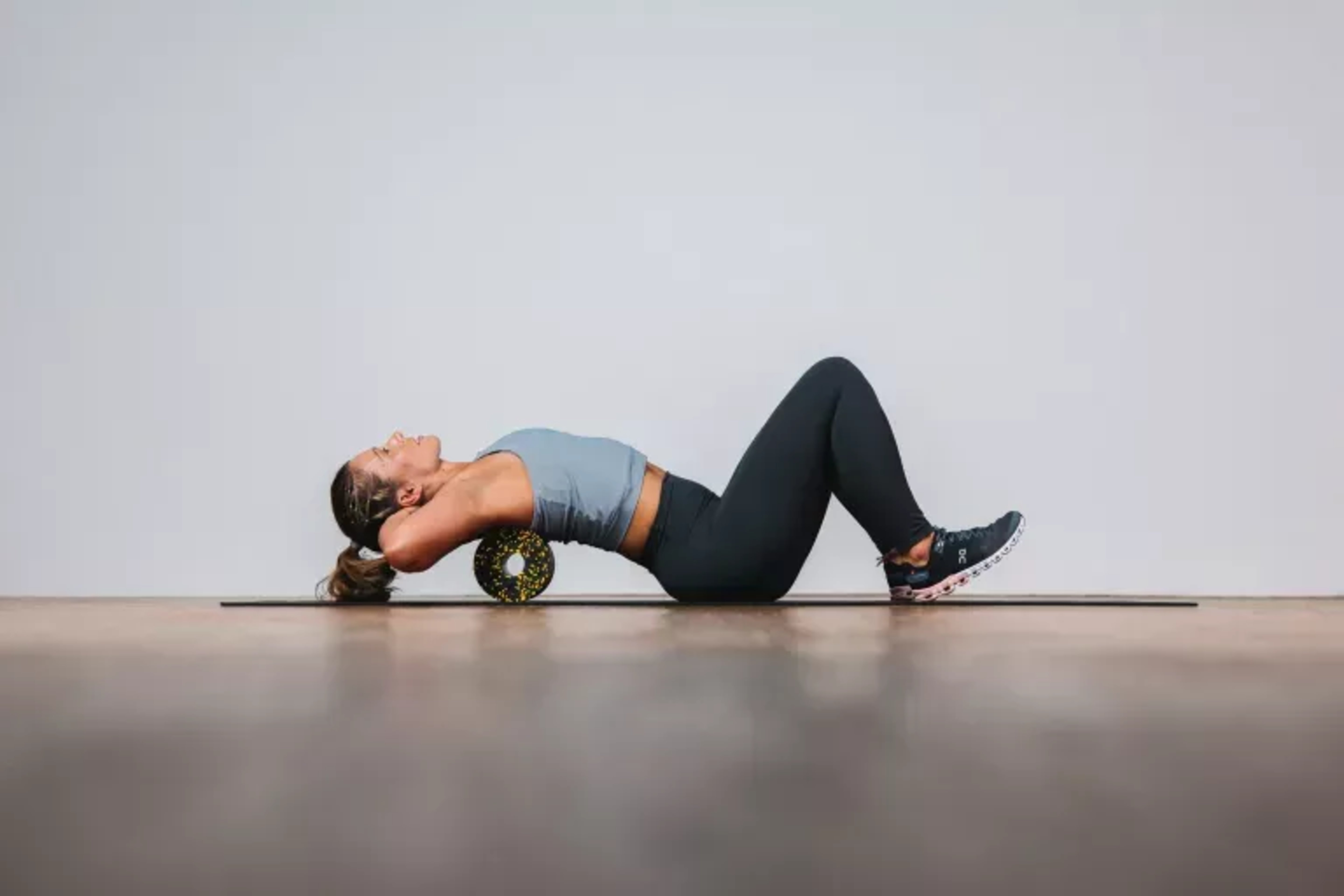
- It’s also worth maintaining your body’s flexibility. Yoga and Pilates are great for this. Regular stretching sessions and fascia training also keep your muscles supple.
A mix of different sports is ideal for providing a well-rounded physical challenge. Of course, these recommendations are intended for everyone without major health limitations. If you’re not sure how much exercise is right for you, consult a doctor beforehand. Everyone has their own individual exercise limits, which shouldn’t be exceeded after a certain age.
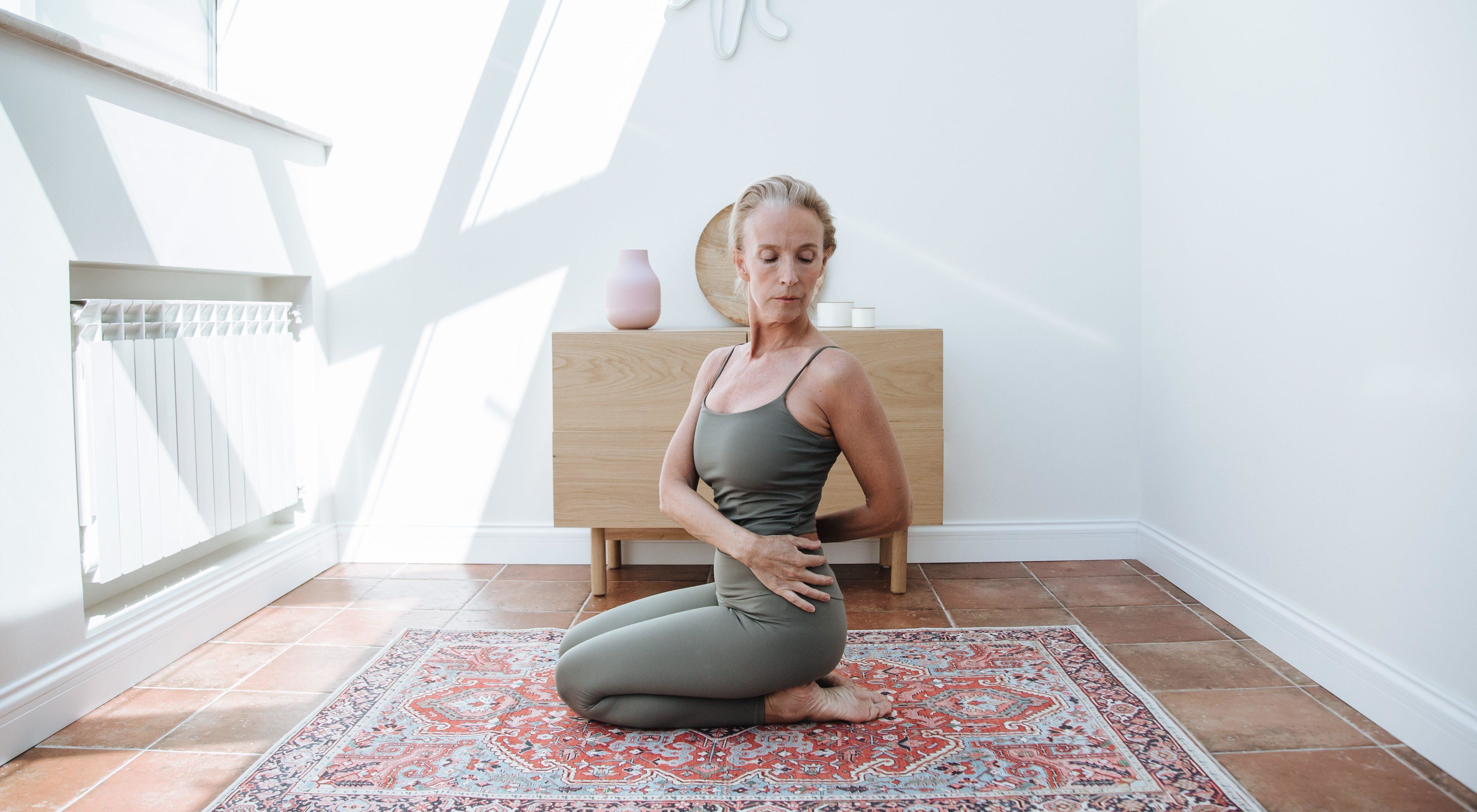
Why Exercise Is So Important for Older Adults
Many older people equate exercise with sports and believe that as they get older, they no longer need to be so active. It may be true that demanding sports eventually become impossible due to declining physical fitness. Nevertheless, the body needs every form of movement to remain active and functional. What many people overlook is that all metabolic processes depend on regular exercise. Those who spend their days sitting or lying down and avoid any physical exertion will decline more quickly. Among other things, the following depend on exercise:
- Muscles
- Bone structure
- Fat loss
- Cardiovascular system
- Immune system
- Digestion
- Brain function
A healthy lifestyle can significantly reduce the risk of cardiovascular disease. Regular exercise plays a crucial role in this. It can lower high blood pressure, and moderate exercise can also normalize low blood pressure.
Exercise is also important for mental health, mood, and well-being. It improves quality of life and makes it easier to live independently. On top of that, it helps prevent various diseases, such as:
- type 2 diabetes
- High blood pressure
- Atherosclerosis
- Dementia
- Depression
- Various types of cancer
For anyone who has avoided exercise up until now and thinks it doesn’t matter anymore: It’s never too late to start. Even at an advanced age, you can still build muscle. According to studies, older adults who start strength training can actually increase their muscle strength by as much as 200 percent. That should be motivation enough to start training right away.
Health in Old Age
Health is our most precious asset, and it needs to be nurtured and cared for well into old age. While a healthy lifestyle is recommended for all age groups, for seniors it becomes an essential daily practice. In addition to regular exercise, other factors also play a role:
- a balanced diet rich in essential nutrients
- drinking enough fluids
- fresh air
- sunlight
- social interaction
- Low stress
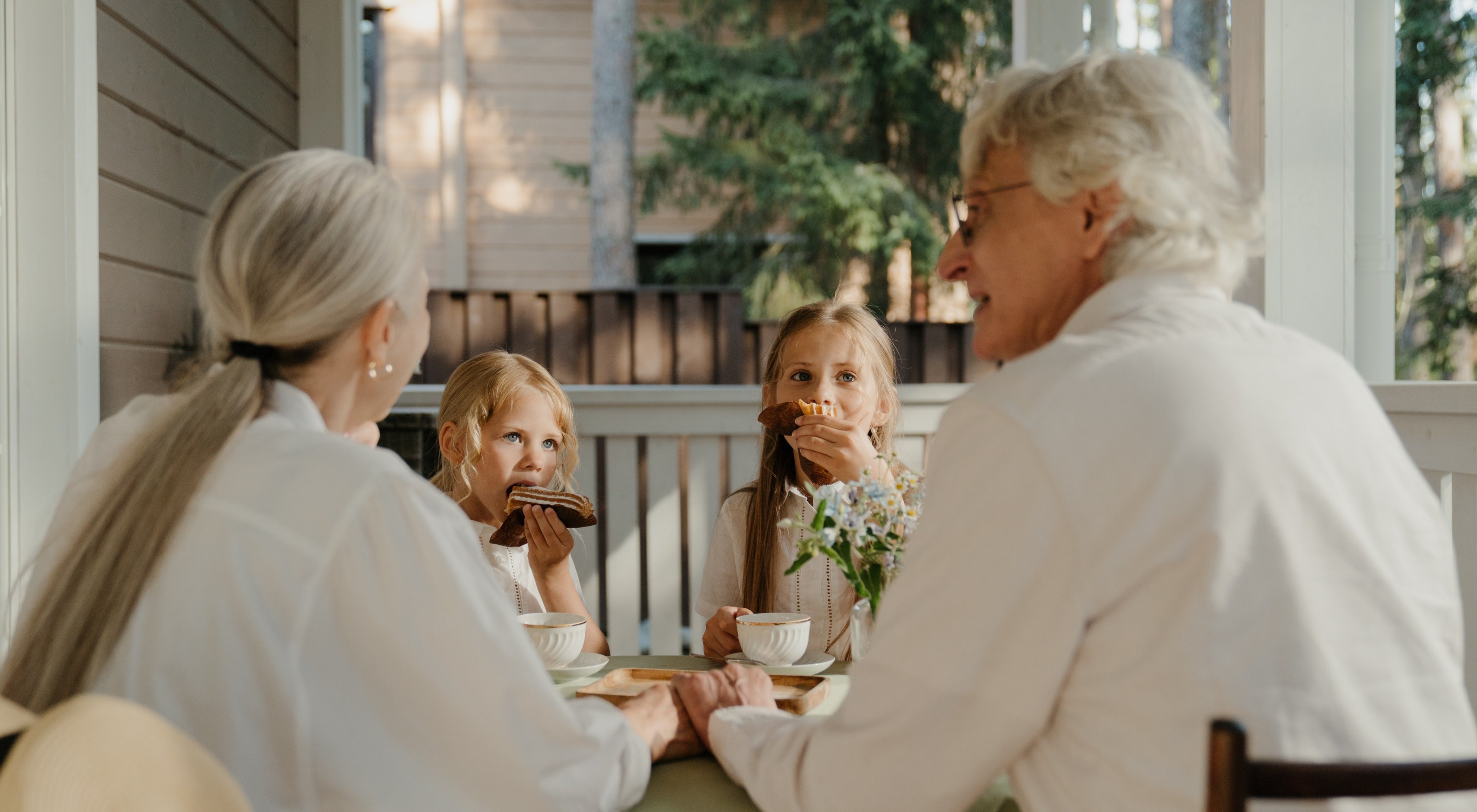
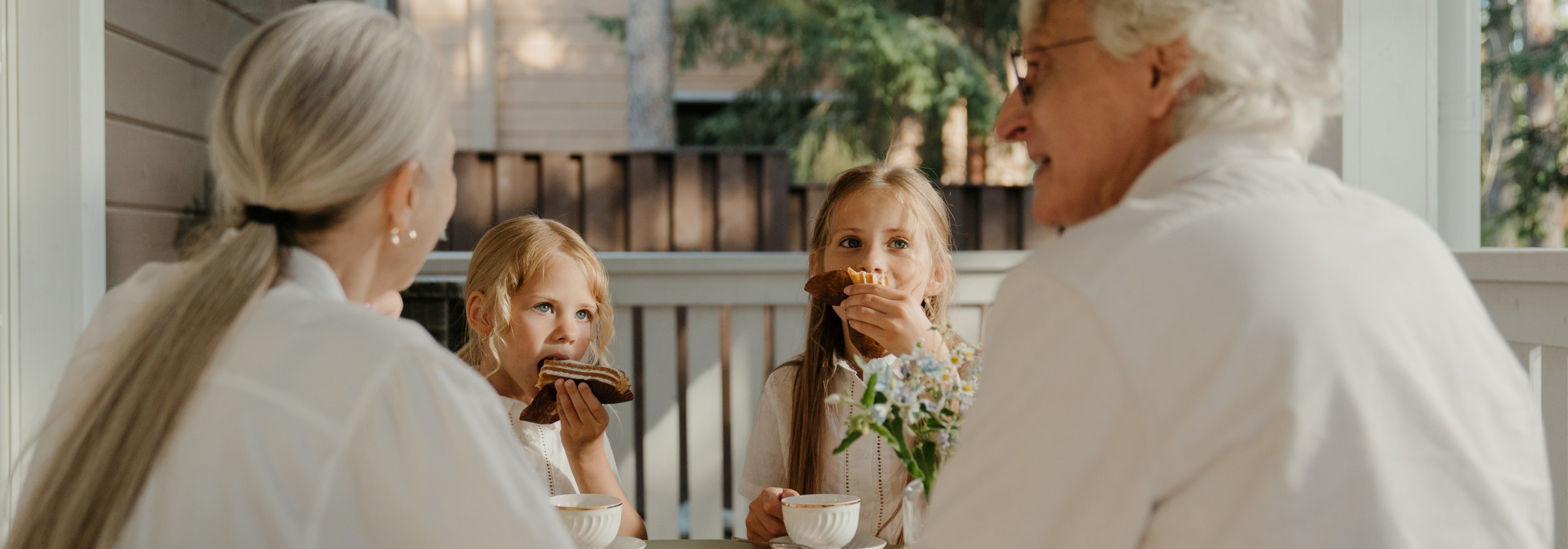
It’s not just the body that should stay healthy and active for as long as possible—the mind should too. Maintaining social connections is especially important as we age. Talking, laughing, and doing things together lift your spirits and keep your brain active. Many people lose touch with friends and acquaintances as they get older, but pleasant company is good for your health.
To maintain mental sharpness, crossword puzzles or quiz afternoons are also great ways to pass the time. The more you challenge both your body and mind, the better it is for your overall health.
Staying Active in Old Age: Tips for Better Fitness in Everyday Life
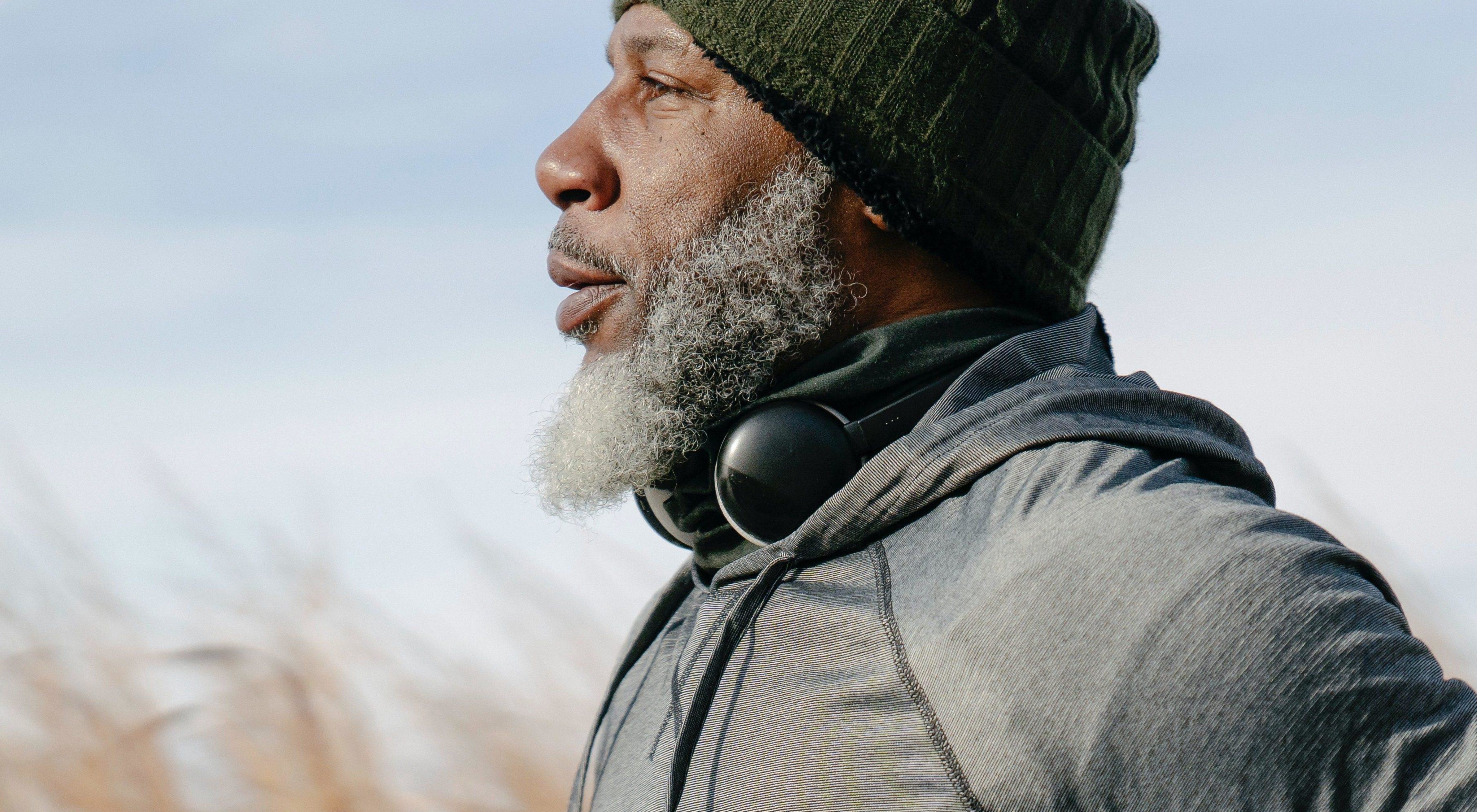
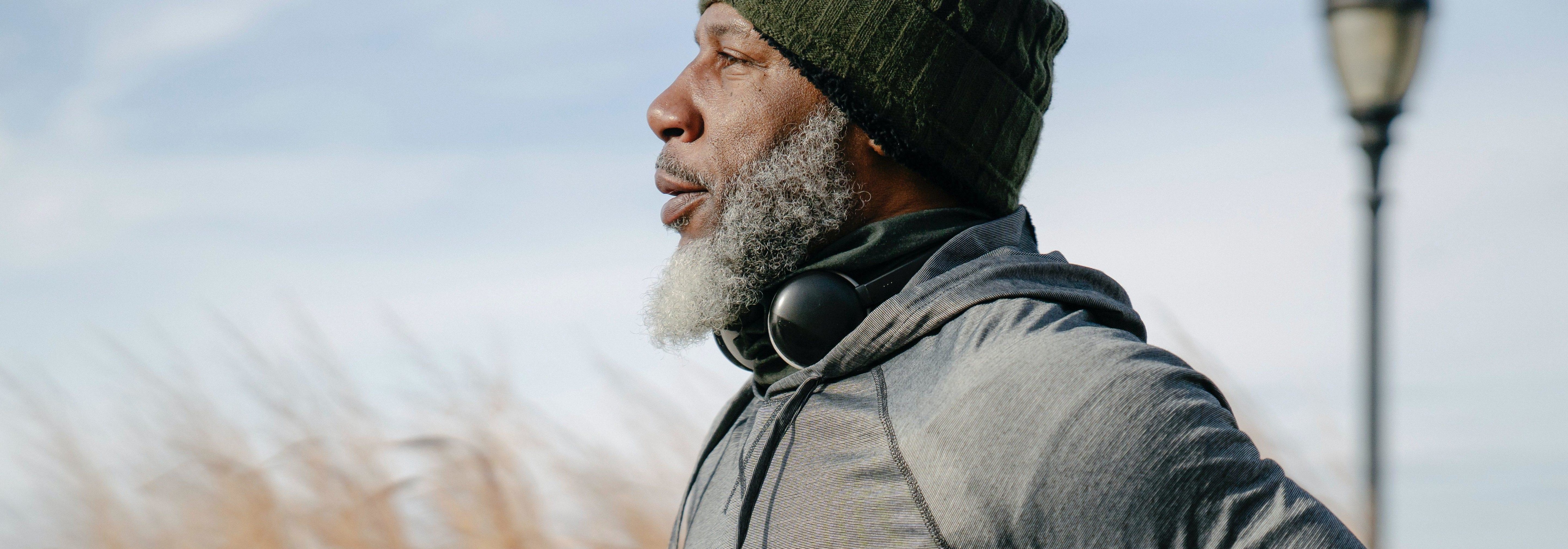
If you’ve given up on sports, incorporate fitness activities into your daily routine. The following exercises should be done preventively from a young age to keep the body active:
- Housework offers plenty of opportunities for exercise.
- Run small errands on foot or by bike.
- Take the stairs whenever your joints allow it.
- A walk with friends can replace a coffee party.
- Gardening offers the ideal balance between exercise and relaxation. If you have your own garden, you can really let loose there.
- Long periods of sitting should be broken up regularly with short breaks for movement. You can walk around your apartment, go up and down the stairs, take a short stroll through the garden, or stretch briefly, roll your shoulders, lift your knees, or do other small fitness exercises.
- Work on your balance while brushing your teeth by trying to stand on one leg.
Get creative and take a look at your daily routine. How often do you move? Where could you incorporate a little more movement? When do you sit for long stretches? What could you change without pushing yourself too hard physically?
Exercise for Seniors: Simple Exercises
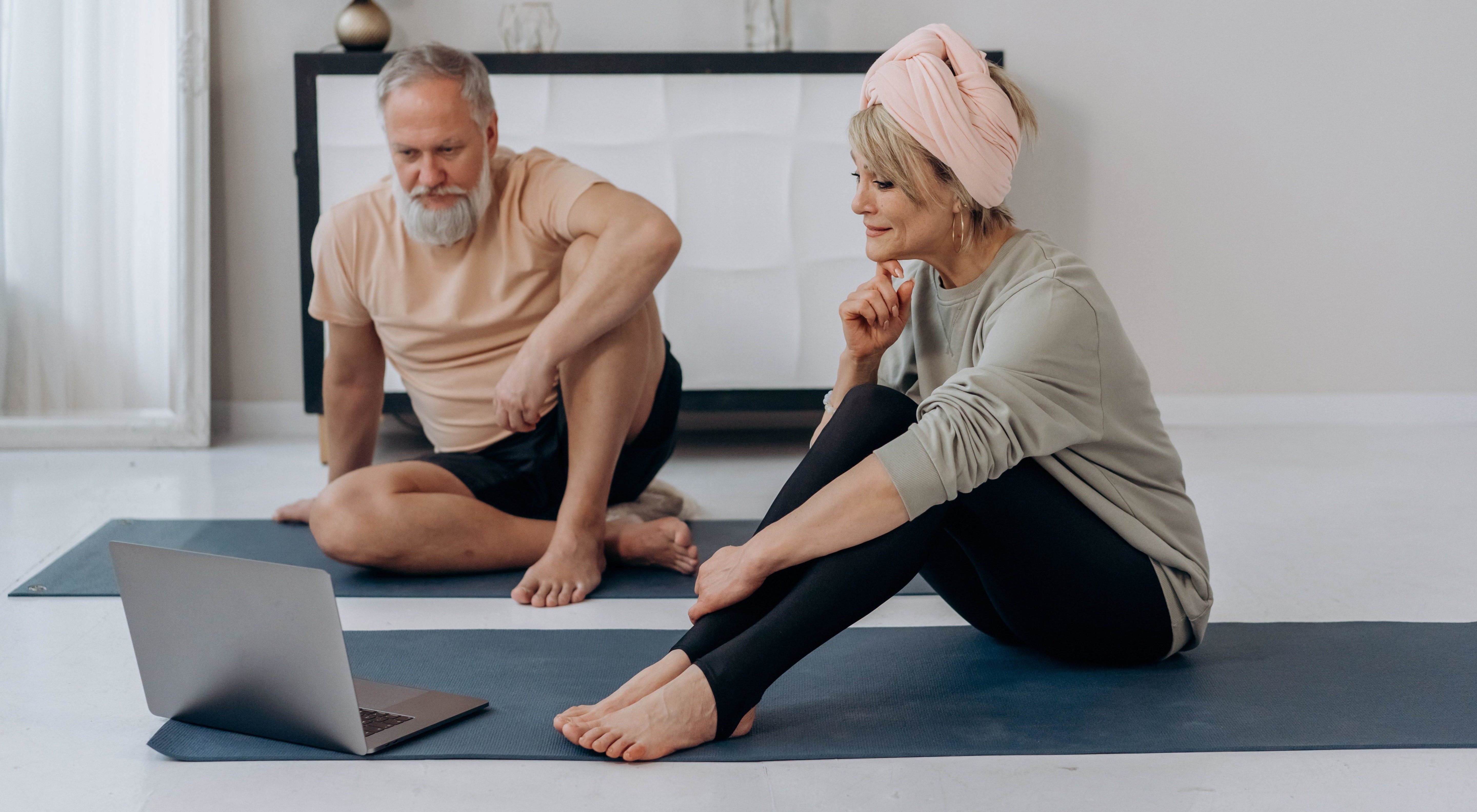
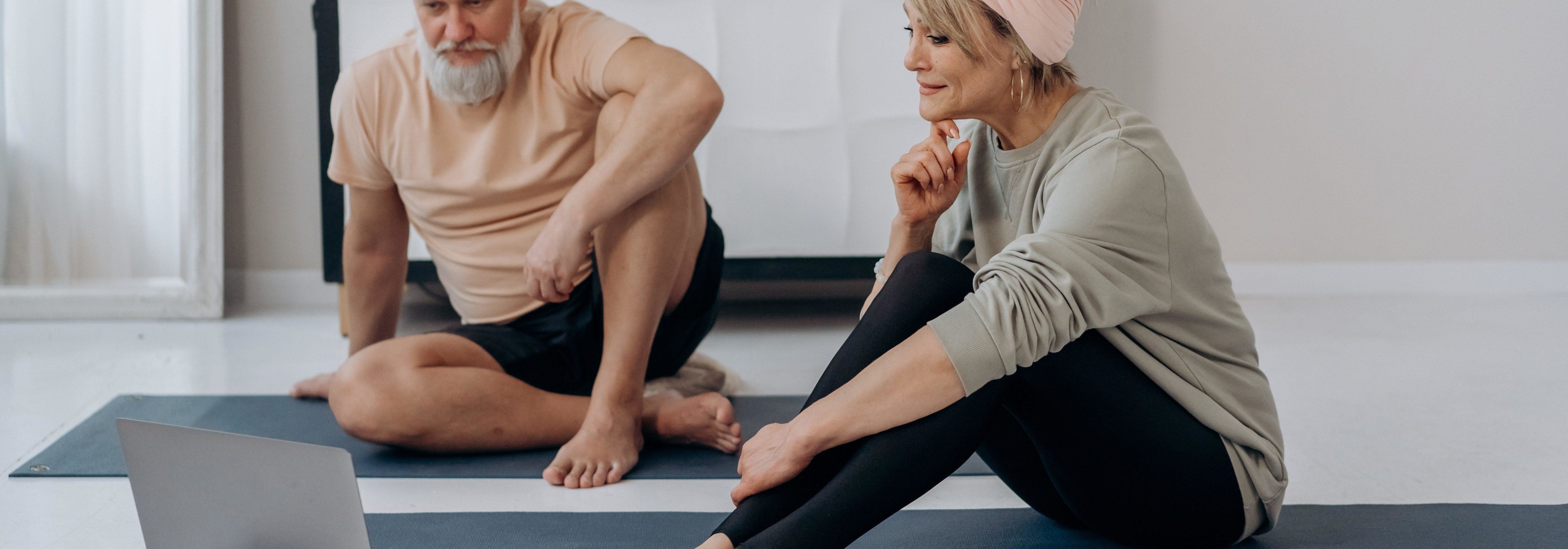
Every town now offers senior fitness classes where participants do simple workouts together in a group. The advantage of group training is that it immediately fosters social interaction with like-minded people. Still, exercise sounds too challenging to many older adults. In that case, it’s a good idea to meet your exercise needs with simple exercises at home. Here are a few workouts that older adults can easily incorporate into their daily lives:
- Cycling in bed: Start your day right away with a short exercise session after waking up. To do this, push the comforter aside and pedal in the air. This gets your circulation going and loosens up your knee joints.
- Stretching: After getting out of bed, stretch in all directions. Stand up straight and reach your hands up toward the ceiling, then slowly roll your upper body downward and let it hang relaxed. With your knees bent, roll back up vertebra by vertebra. Next, stretch your right and left sides by leaning to each side. Finally, rotate your upper body to the right and left. You can do this sequence for spinal mobility at any time throughout the day if your back is sore or tense.
- Push-ups on the sofa: For many people, rolling out a mat just to exercise on the hard floor is too much trouble. However, you can do your strength training on the sofa anytime: Support yourself with your hands on the backrest or armrest and bend and straighten your arms about ten times. This strengthens your arm, abdominal, and back muscles at the same time.
As you can see, exercise is always possible and requires little effort. Even the simplest exercises have a big impact on your health and well-being.
Flexibility Training in Old Age
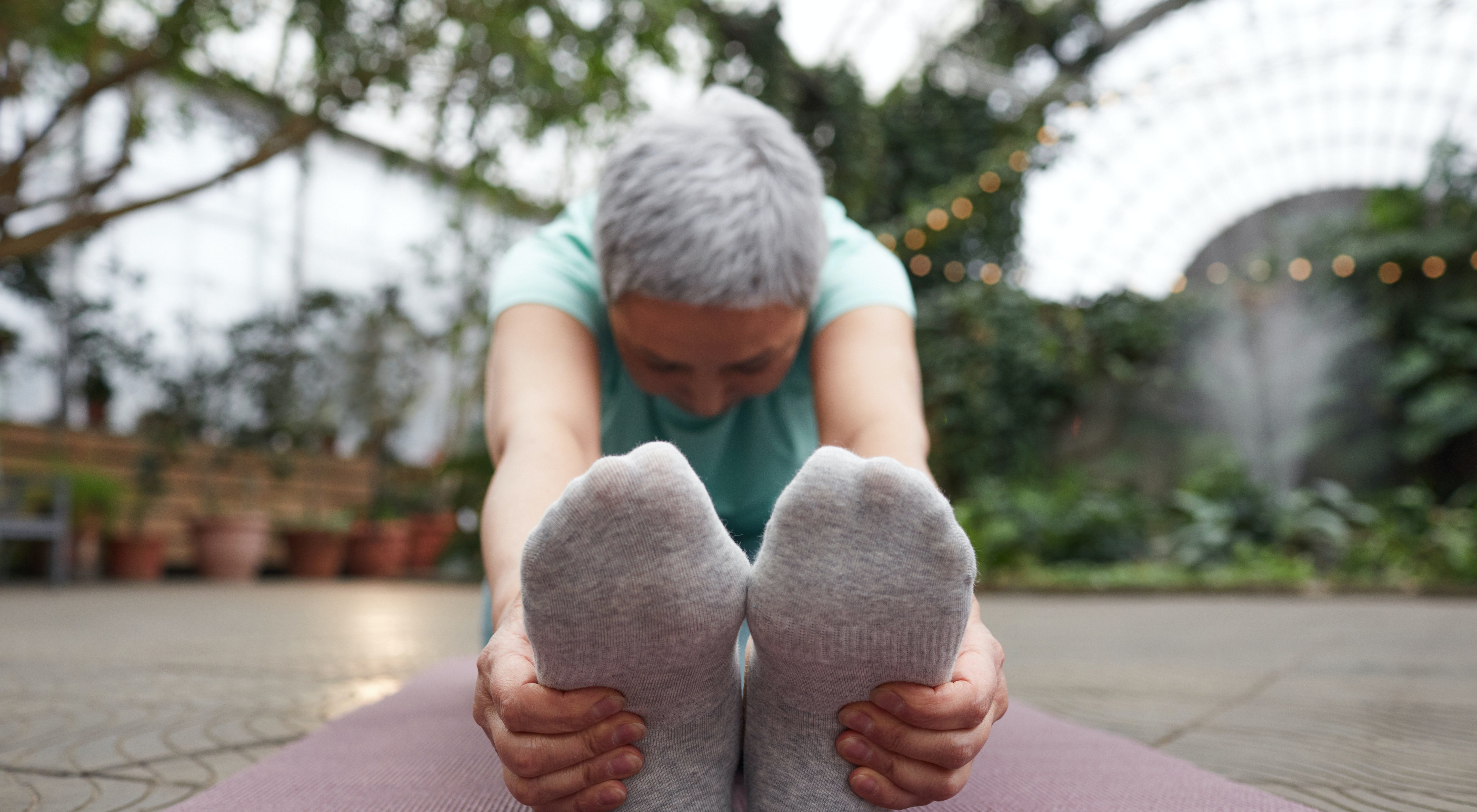
Agility training can help prevent many injuries caused by falls or unsteadiness while walking. Older adults, in particular, are prone to tripping over a curb, a step, or a rug at home because their leg coordination is no longer as smooth as it used to be. Agility training builds strength, reaction time, balance, and coordination, and when practiced regularly, it reduces the risk of falls. It also improves gross and fine motor skills, strengthens the entire musculoskeletal system, and boosts cardiovascular health. After all, a lack of exercise can cause blood circulation to drop significantly, which can lead to dizziness and unsteadiness while walking.
What does mobility training look like? First and foremost, targeted exercises loosen the joints, stretch and strengthen the muscles, and improve coordination between the arms and legs. Throwing balls also trains reaction time, which is crucial in the event of a fall. You can find more information in specialized classes that offer mobility training as a fall prevention program for seniors.
Exercise for Seniors While Seated
Stay flexible. Your health insurance covers it.
With our certified online prevention course, “Fascia Training for Greater Mobility,” you’ll work out your entire body. You’ll learn all about fascia and discover exercises and tips for everyday life to prevent pain in the long term. For a more flexible, body-conscious life.
As people age, mobility often declines. While some remain spry and fit enough for sports and exercise, others struggle even with the smallest movements. When knee pain, hip pain, or a general feeling of unsteadiness while standing are added to the mix, many shy away from exercising and prefer to stay at home on the safety of their sofa. To maintain a certain level of basic mobility, seniors can do short exercise sessions while seated to build muscle strength. Seated exercises loosen up the shoulders and neck, straighten the spine, strengthen the muscles, and improve joint mobility.
Here are a few exercises you can easily do while seated. Sit upright on a stool or chair without armrests, and let’s get started:
- Shoulder Circles: Straighten your spine and let your arms hang relaxed at your sides. Begin by circling your shoulders—first both at the same time forward, then backward, then one after the other forward and backward.
- Hand Circles: Extend your arms forward and circle your wrists, first in one direction, then in the other.
- Gripping: Extend your arms forward and begin gripping with your hands. Alternate between spreading your hands and clenching them into fists. To make the exercise more challenging, move your extended arms to the side and back to the front while gripping, then up and back to the front.
- Picking Apples: Extend your arms upward and reach alternately to the right and left for an imaginary apple hanging from a tree.
- Upper Body Bend: Clasp your hands behind your head, letting your elbows point outward. Bring your elbows together in front of your face and roll your upper body forward vertebra by vertebra; then straighten up again and open your elbows to the sides. After a few repetitions, remain seated upright and tilt your upper body to the right and left, as if your elbow were pulling toward your hip.
- Upper Body Twist: Sit upright and twist your upper body to the right. Use your left hand to press against your right thigh for resistance, opening your right shoulder even further backward. Then repeat on the other side.
- Forward Bend: Place your feet hip-width apart, bend your upper body forward, and let it hang loosely downward between your knees. Then slowly straighten your spine vertebra by vertebra; keep your head hanging until the very end, and lift it up last.
- Knee Lifts: To strengthen your abdominal muscles, lift both knees and raise your feet off the floor. Depending on your strength and flexibility, you can extend your legs forward in the air and pull them back in. You can also do the exercise with just one leg, alternating between right and left.
- Seated dance: In seated dance, you perform flowing arm movements to music. Arm circles, swings, and leg movements while seated improve flexibility and coordination—and are also a lot of fun. Music even has additional benefits for people with dementia: it can trigger memories and is therefore used as therapy in many nursing homes. Music also helps people with dementia communicate more effectively.
To intensify the training effect, dumbbells, balls, scarves, or TheraBands can be used during seated exercises. Even small 0.5-liter water bottles can serve as weights to train upper arm strength.
Consequences of a Lack of Physical Activity in Old Age
“A rolling stone gathers no moss,” as the saying goes—and there’s some truth to that. After all, those who neglect their physical activity will more quickly experience the unpleasant aspects of aging, such as stiff and painful joints, back problems, and dwindling strength, as muscle mass rapidly declines. Overall well-being also suffers from a lack of exercise. Those who don’t get enough exercise increase their risk of:
- Cardiovascular diseases
- Type 2 diabetes
- Joint stiffness
- Muscle wasting
- Back pain
- Poor posture
- Obesity
- Cancer
- Anxiety disorders
- Sleep disorders
- Depression
- Dementia
Ultimately, a chronic lack of physical activity can even shorten life expectancy. All of this can be prevented quite easily by being more active.
Products to Promote Physical Activity in Older Adults
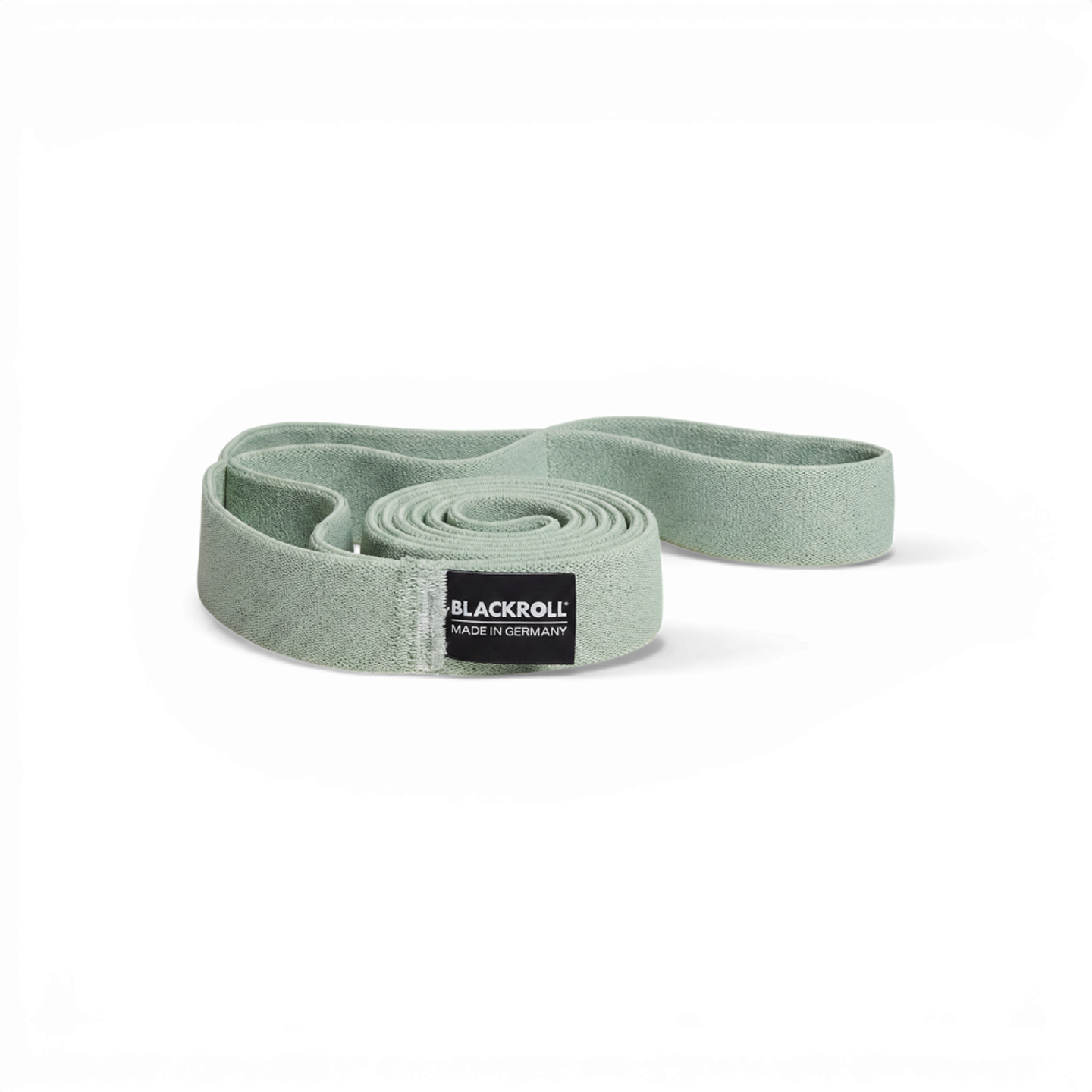
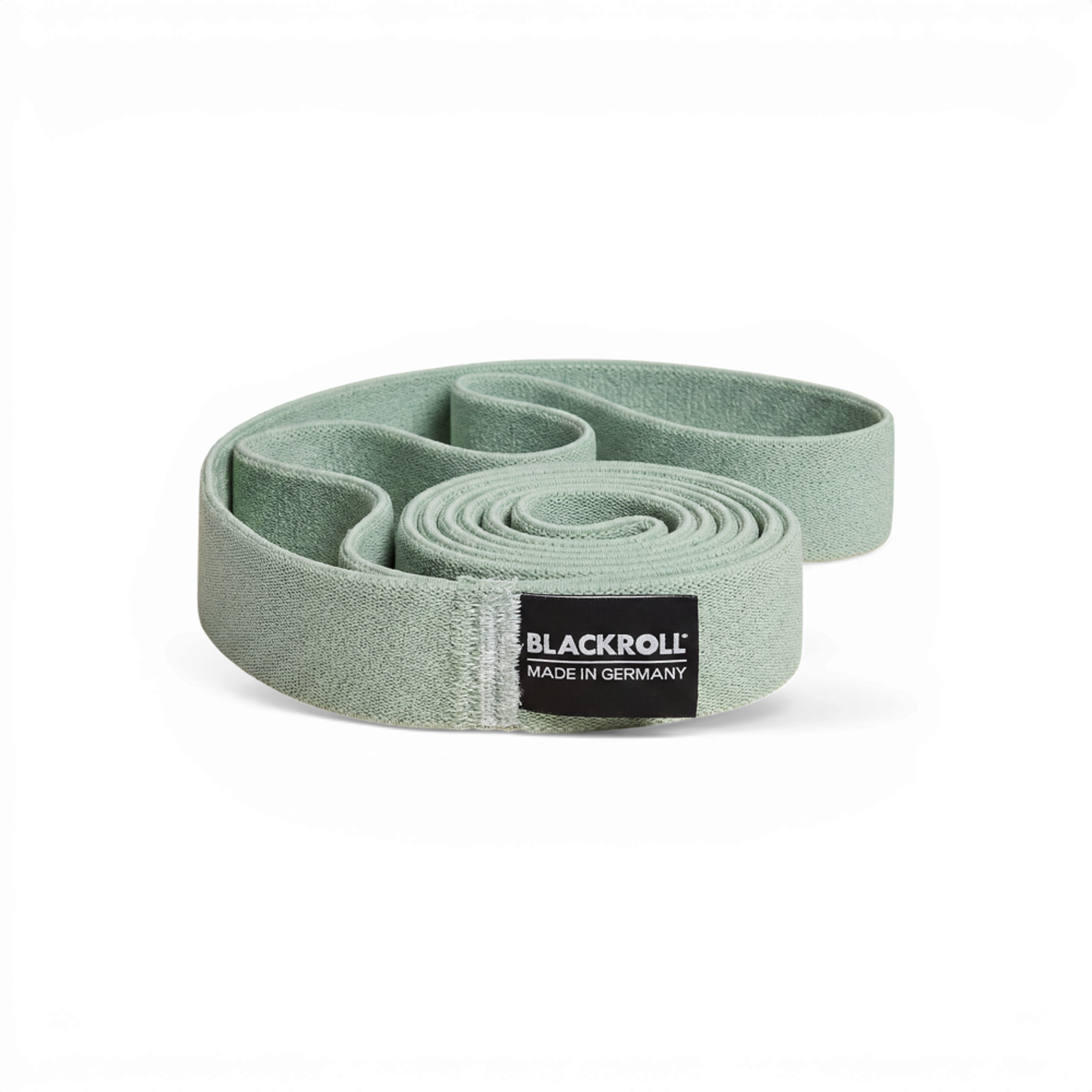
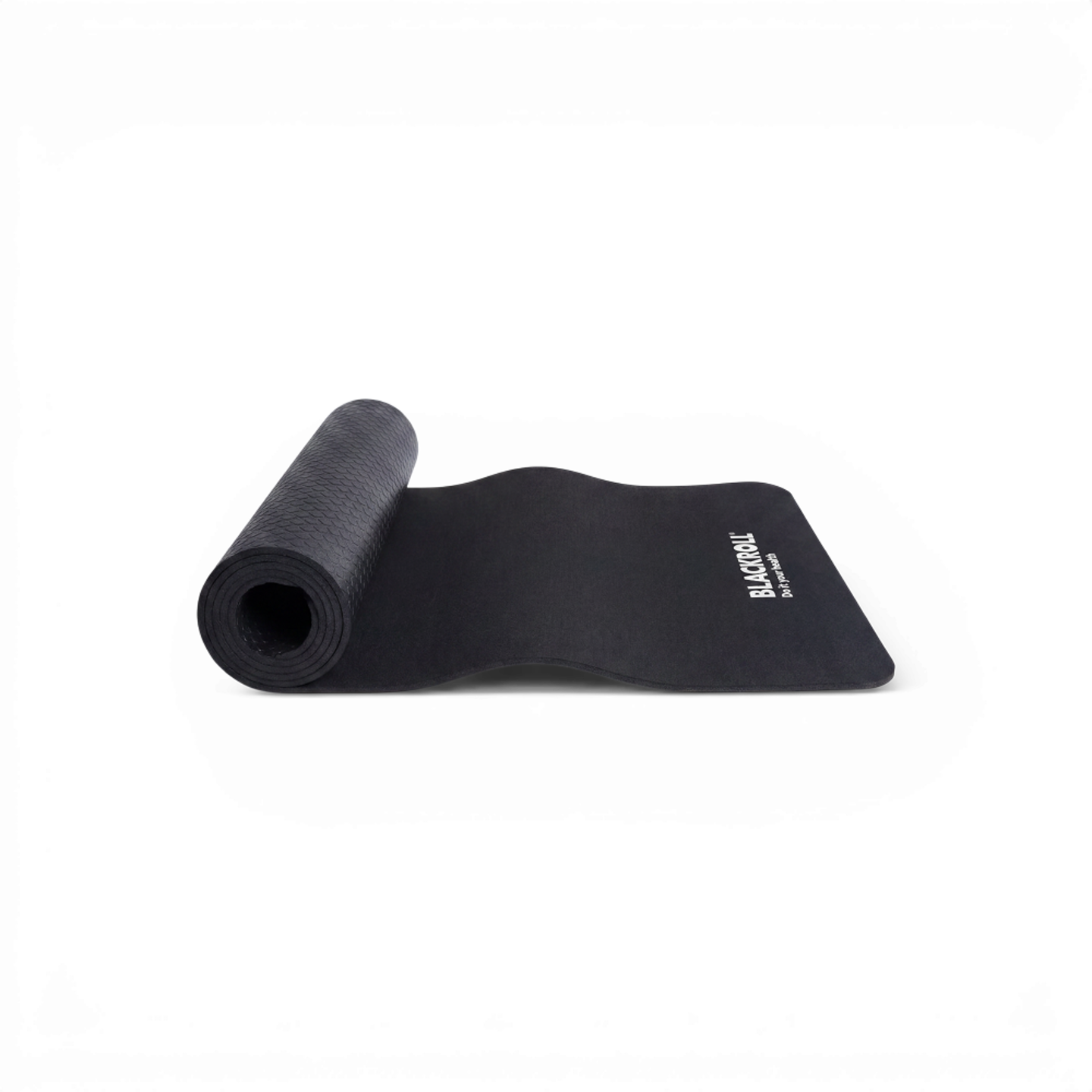
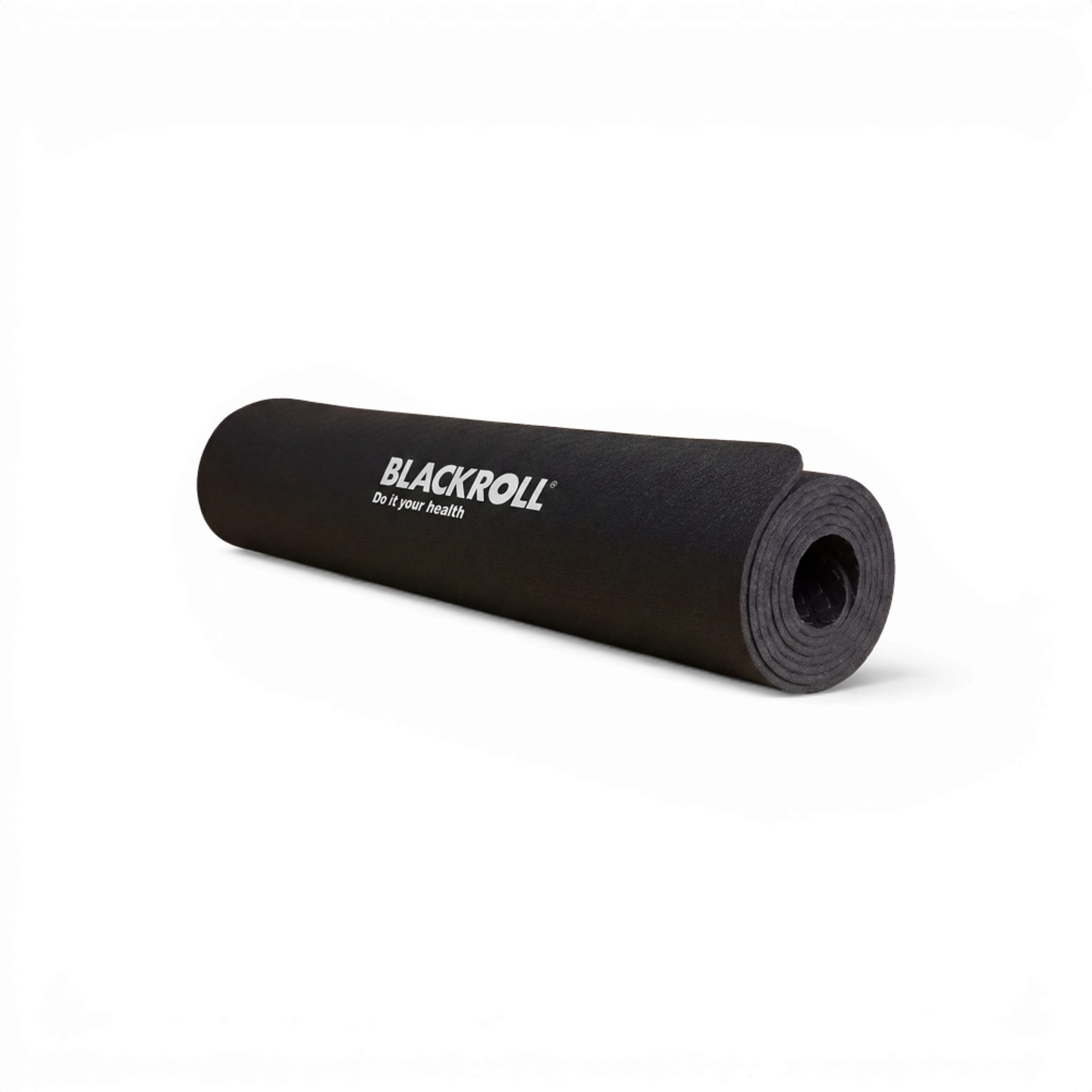
Mat
Available in multiple variants