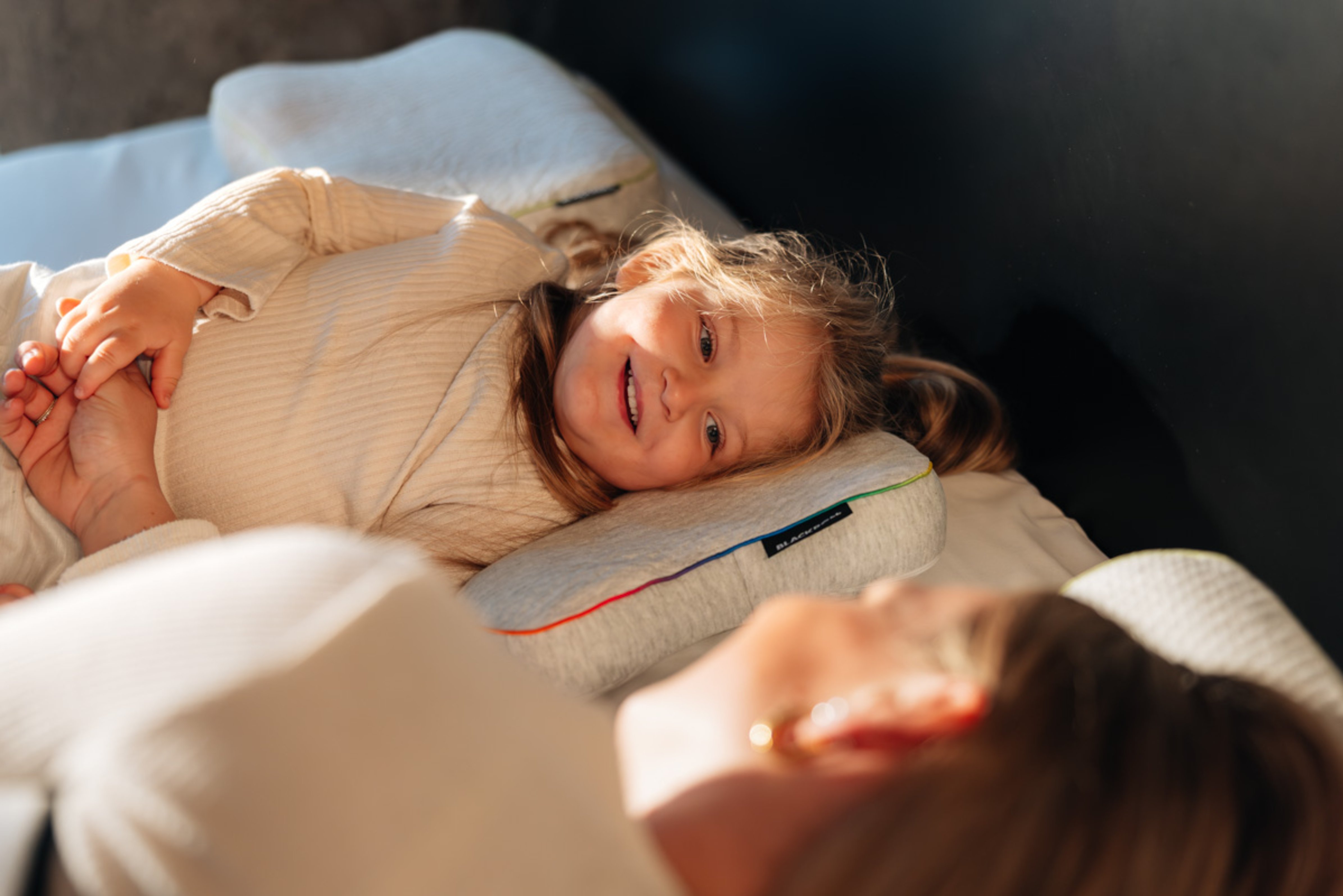
Children’s Sleep – Everything You Need to Know About Healthy Sleep for Children

Good sleep is essential for children’s physical, mental, and emotional development. Yet many parents have questions: How much sleep does my child need? Why does my child have trouble falling asleep? And how can I encourage a healthy sleep routine?
Here, we cover everything related to children’s sleep—from the scientific basics to practical tips for restful nights.
Why Sleep Is So Important for Children
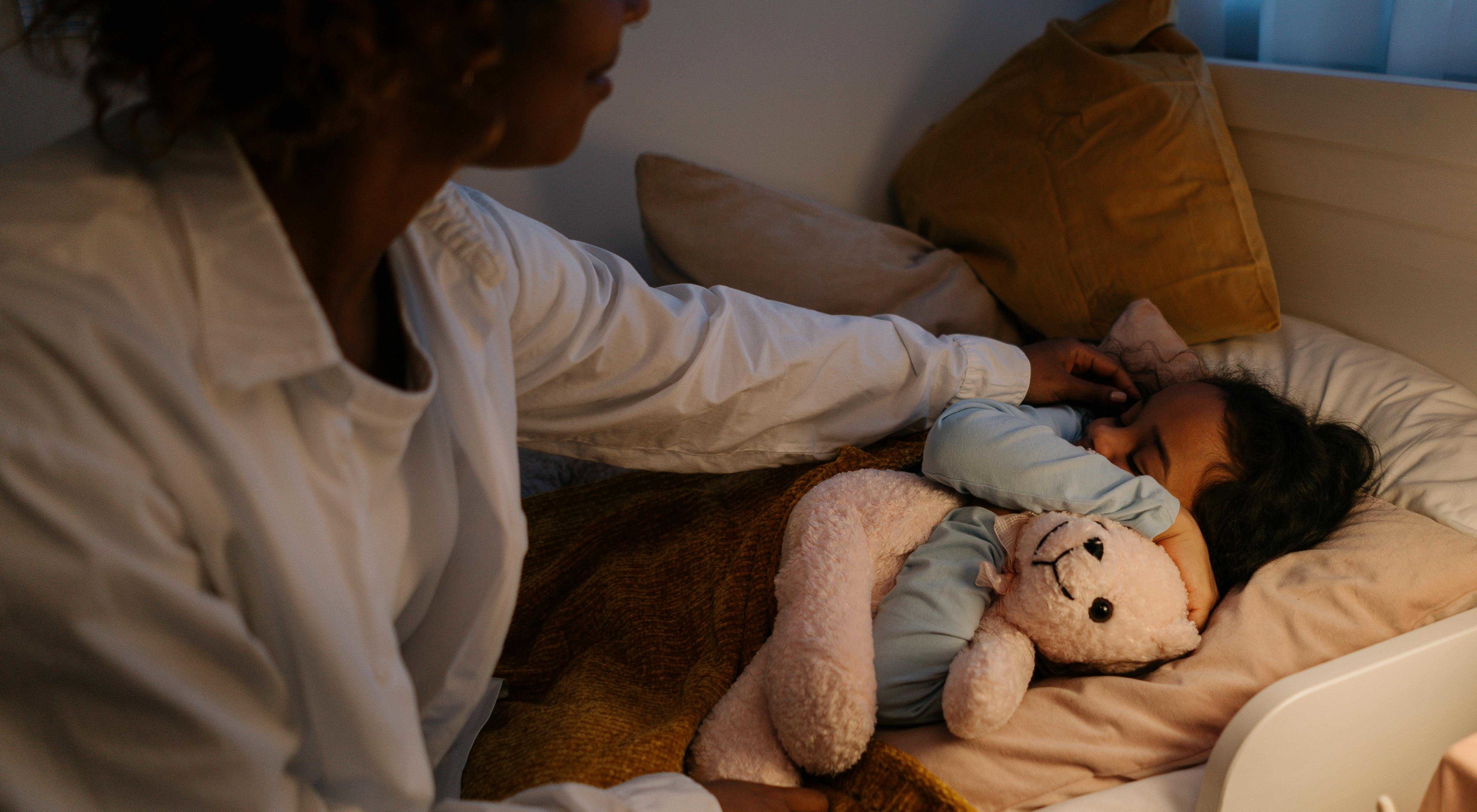
For children, sleep is much more than just rest—it’s the foundation for growth, learning, and emotional stability. During the night, the body regenerates and the brain processes experiences. A healthy sleep rhythm supports concentration, the immune system, and overall well-being. Want to know why getting enough sleep is so crucial for children and how much sleep your baby or child needs each day? Then we have the right information for you right here:
Age | Recommended Daily Sleep Duration |
Newborns (0 to 3 months) | 14–17 hours |
Infants (4 to 11 months) | 12–15 hours |
Toddlers (12 months to 2 years) | 11–14 hours |
Preschoolers (3 to 5 years) | 10–13 hours |
School-age children (6 to 13 years) | 9–11 hours |
Teenagers (ages 14–17) | 8–10 hours |
Young adults (ages 18–25) | 7–9 hours |
Adults (26–64 years) | 7–9 hours |
Seniors – (65 and older) | 7–8 hours |

Your health insurance covers this so you can enjoy restful nights. Up to 100% reimbursement.
Start the children’s sleep course now
Routines, rituals, and relaxation
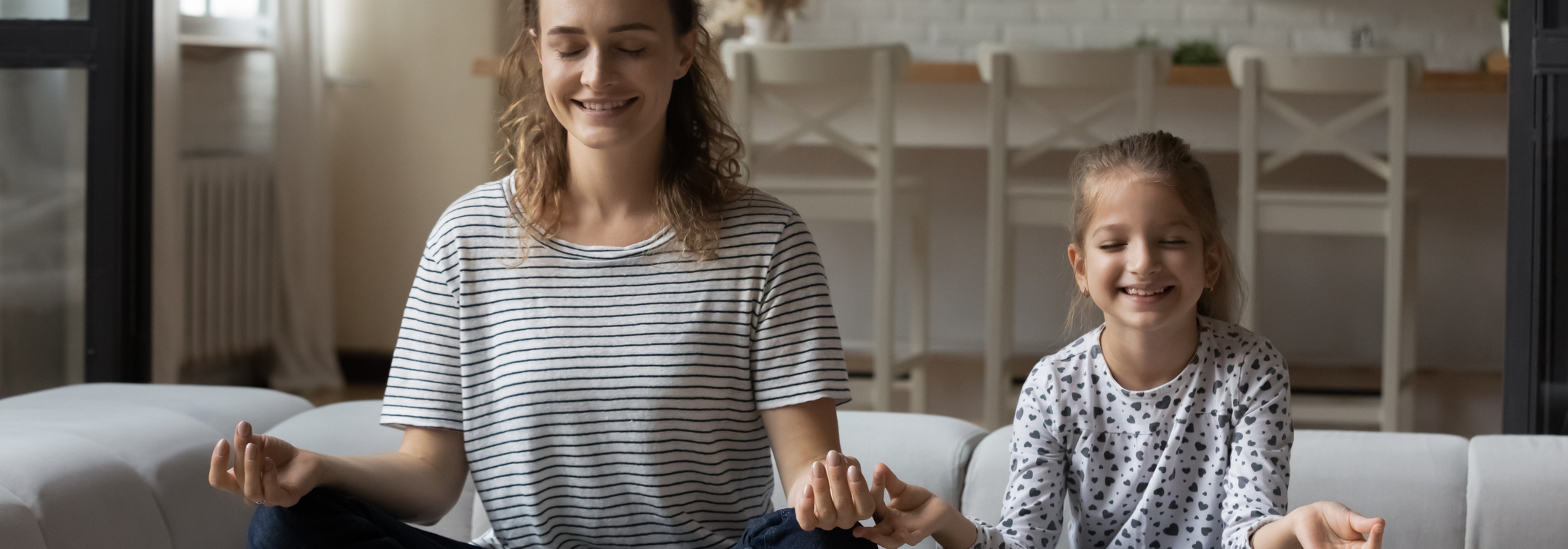
Fixed evening rituals provide structure and a sense of security—they signal to the body: It’s time to wind down. Whether it’s reading aloud, soft music, or gentle stretching—regular routines help bring the day to a peaceful close. Discover how to develop routines that suit your family and make falling asleep easier.
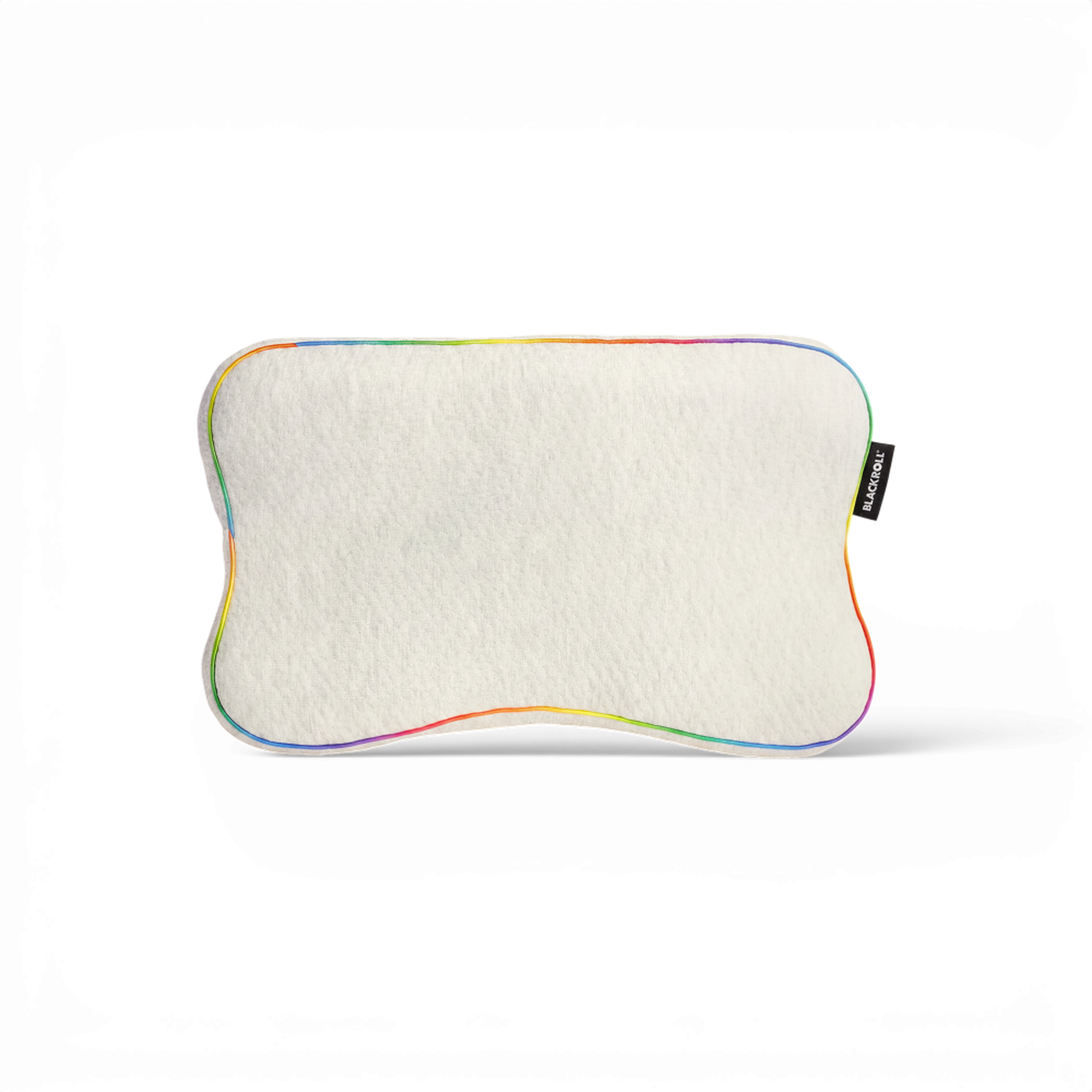
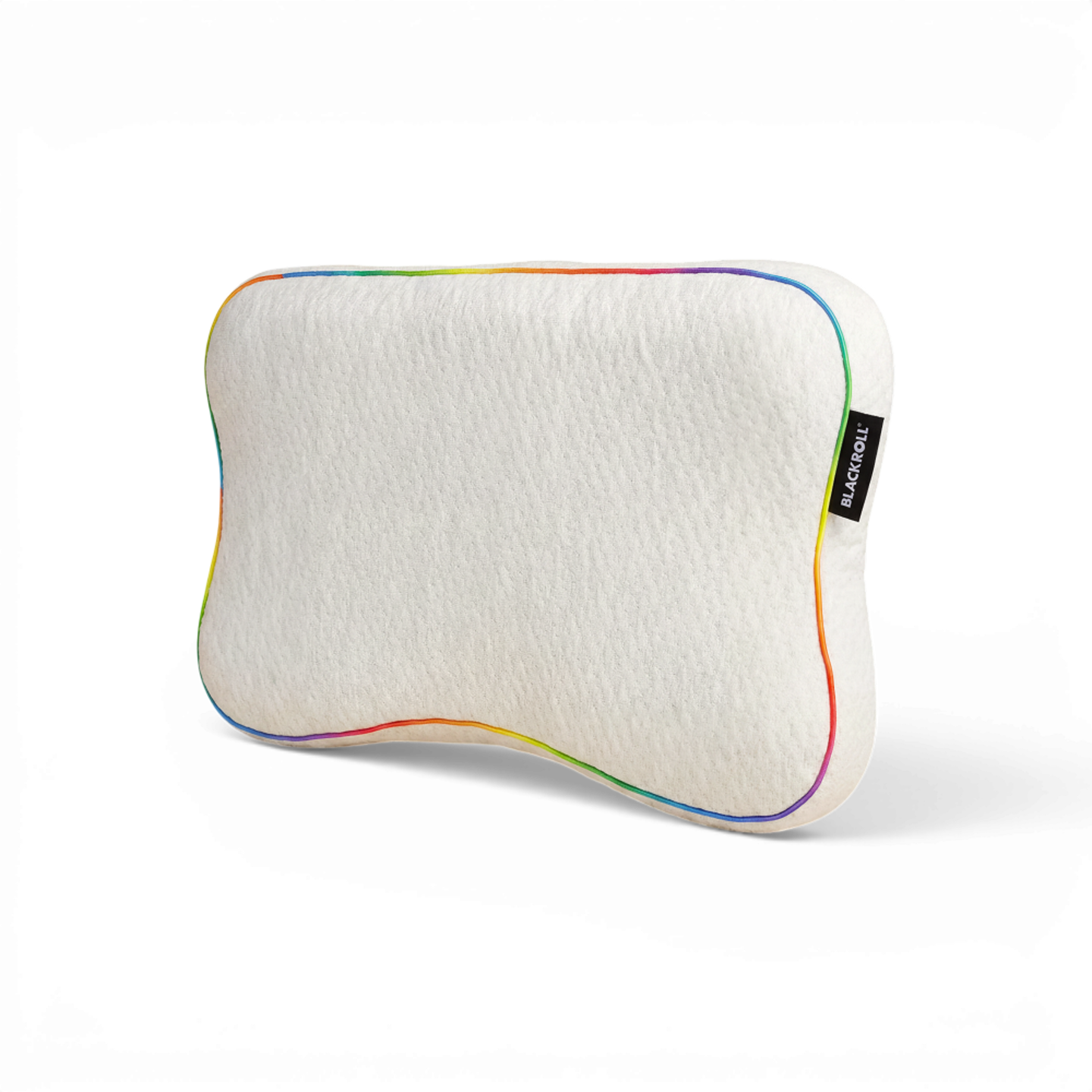
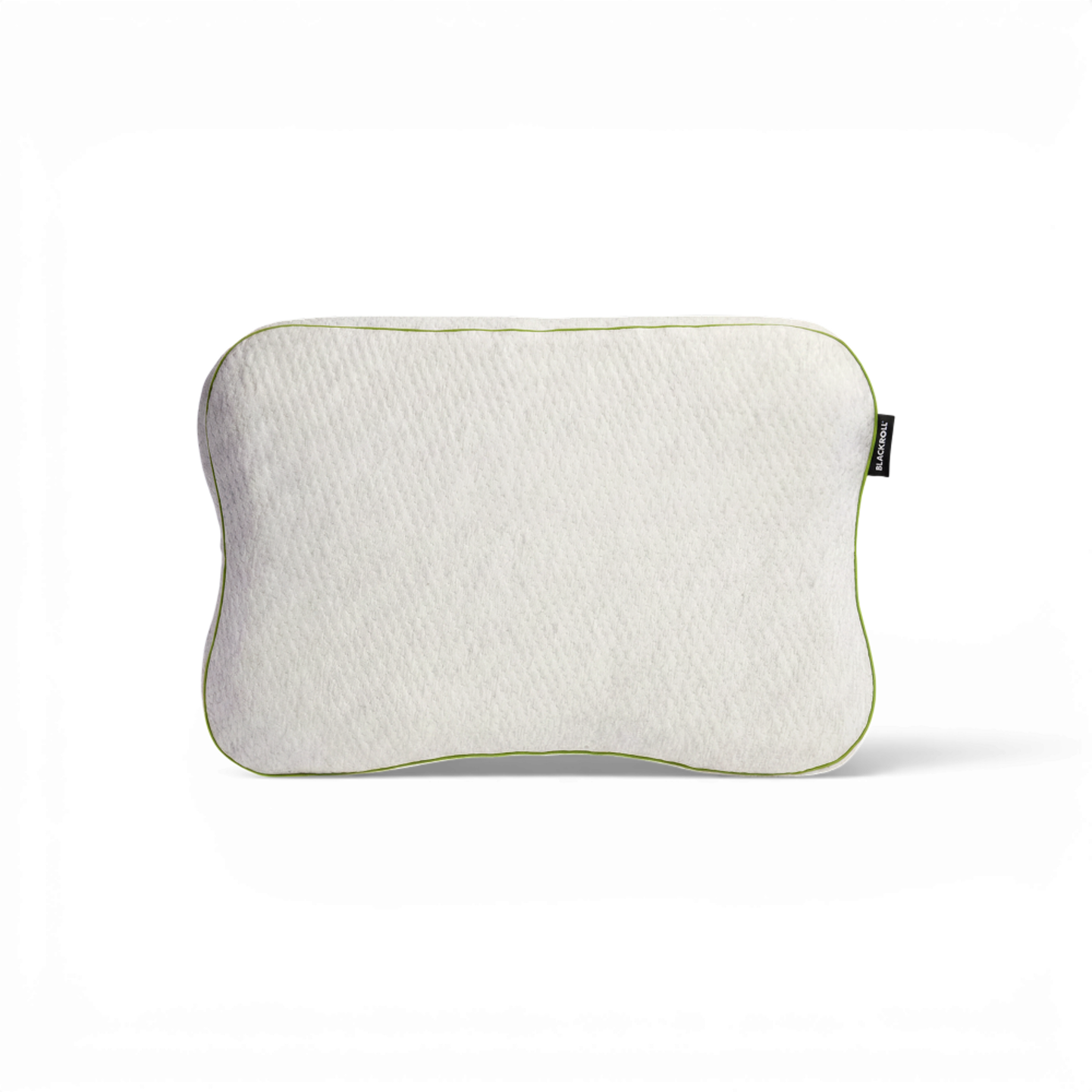
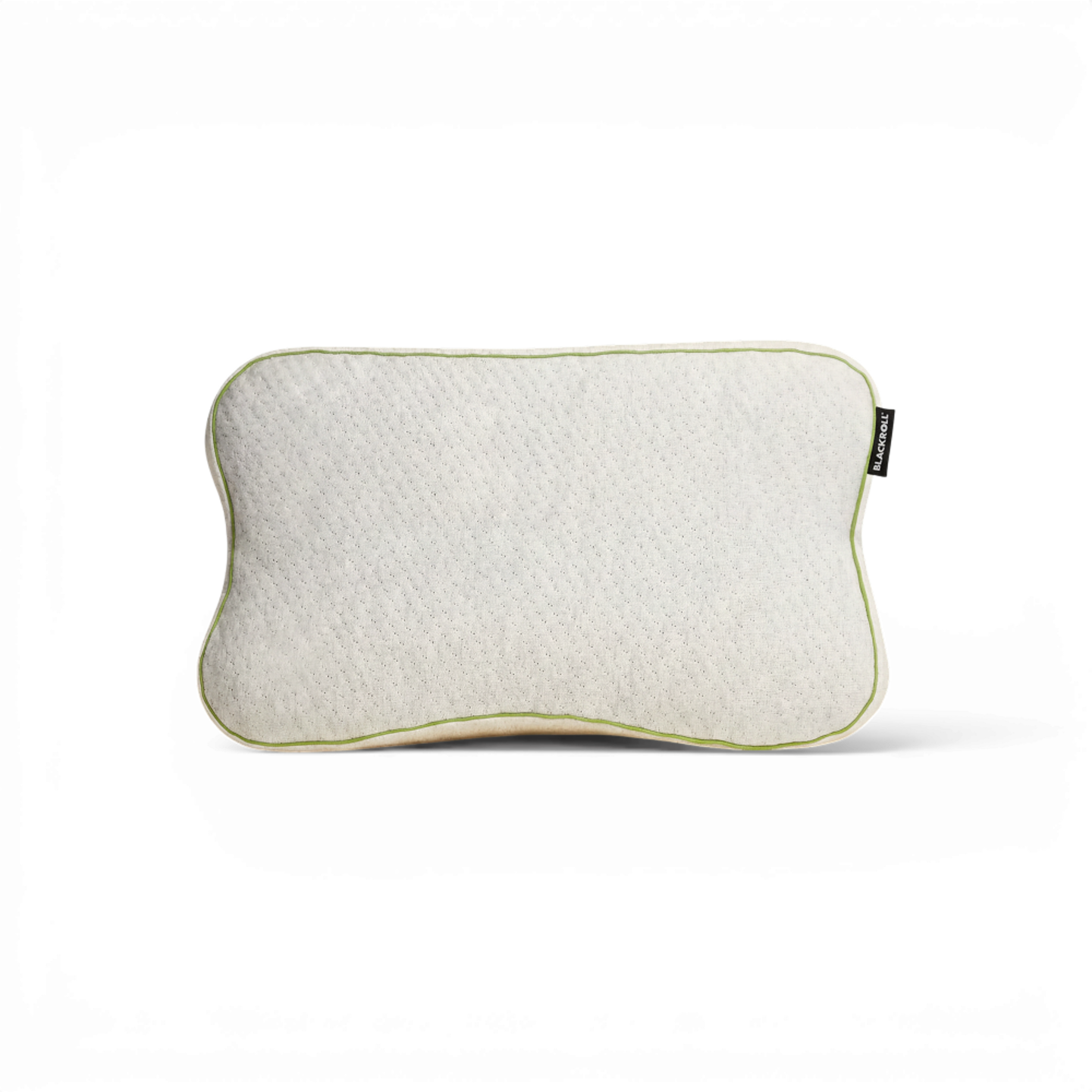
Temperature, light, and ergonomic support all influence how well a child sleeps. A quiet, safe environment has a calming effect—as does a pillow that properly supports the head and neck. The BLACKROLL® RECOVERY PILLOW Kids was developed specifically for the needs of young sleepers. Find out here what else you should keep in mind regarding the sleep environment.
More children’s sleep products


The ideal sleeping environment for children
Learn more now


“A healthy sleep environment is especially important for children, as they are in an intensive phase of growth and development. An ergonomically designed pillow helps ensure that the head, neck, and spine align in a natural position—which is crucial for restful, child-friendly sleep.”
Dr. Alfred Wiater – Expert in pediatric sleep medicine, pediatrician, and sleep researcher

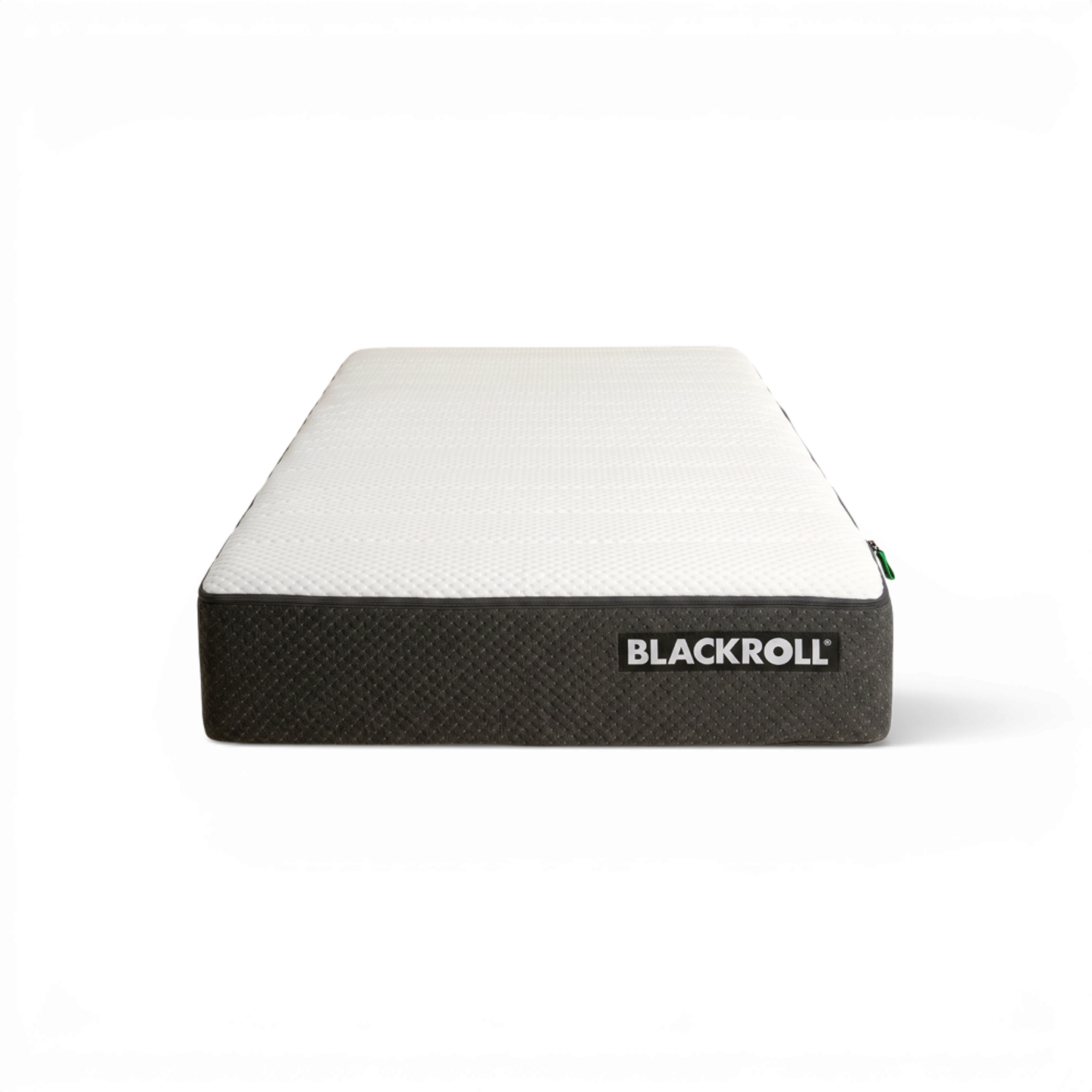
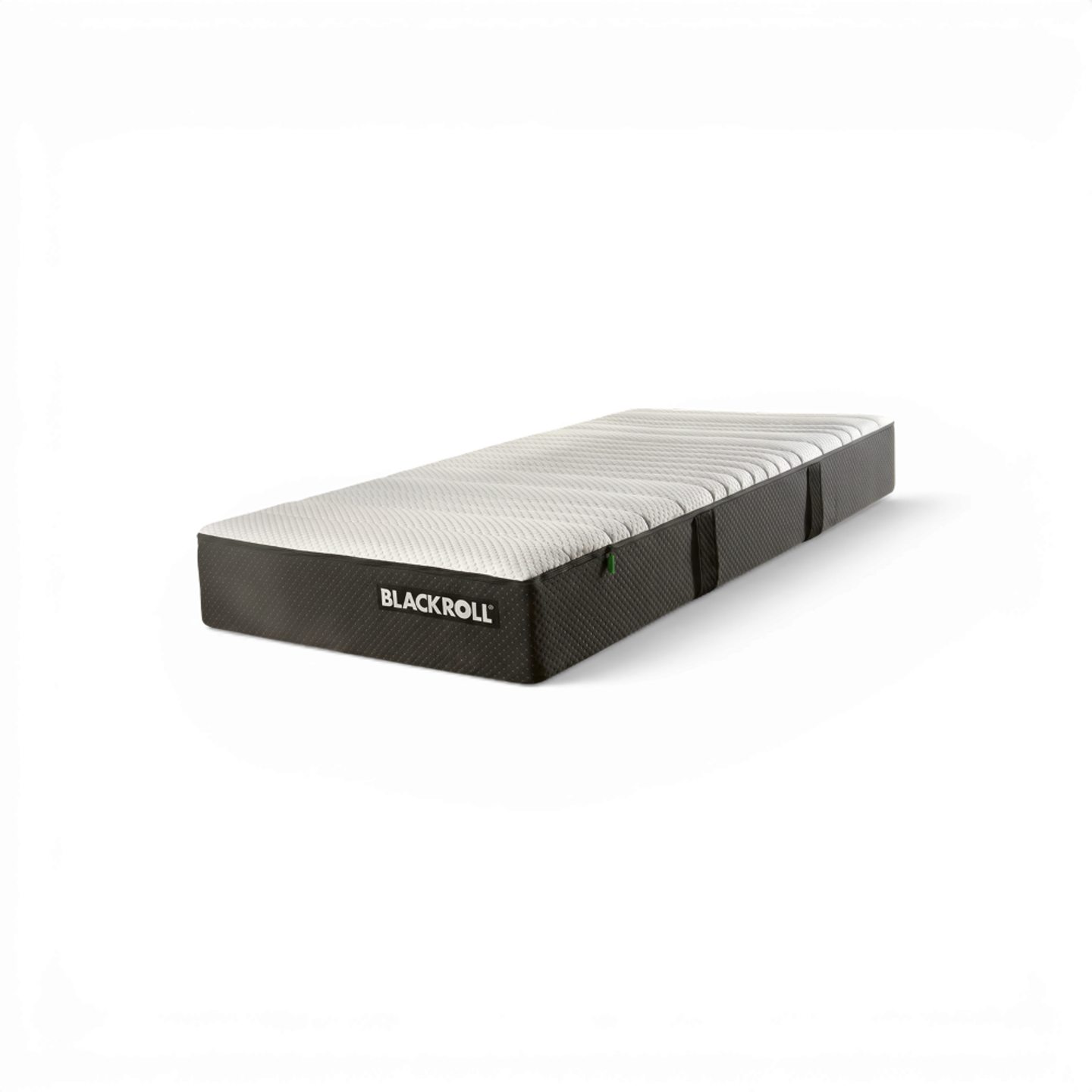
Recovery Base 2.0
Available in multiple variants
Challenges in Everyday Family Life
Almost every family goes through phases when it’s difficult for children to fall asleep or stay asleep. Even sleeping in their own bed can often be a major challenge. Whether due to developmental stages, fears, disrupted routines, or waking up too early— sleep problems in children are not uncommon and often affect the entire family’s life. It’s important to understand your child’s cues and respond mindfully without adding extra pressure.
Parents who are exhausted themselves also need strategies to cope with these challenges and rebalance the family’s rhythm. Find out here what causes sleep disturbances, why social factors—such as a later start to the school day—can play a role, and how you can find more peace together:
Learn more

Restful sleep for children comes from trust, routine, and a safe environment. Every child is different—but with patience and some targeted knowledge, you can establish a solid foundation for sleep.
At BLACKROLL®, we want to support families with tools, knowledge, and inspiration for restful nights—starting from an early age.

2025 Parent Sleep Survey: 53% are sleeping worse
Tired, but hopeful.FAQ—Frequently Asked Questions About Children’s Sleep
Sleep needs vary by age: Babies sleep 14–17 hours, toddlers about 11–13 hours, and school-age children around 9–11 hours. It’s important that your child is well-rested and alert during the day.
A pillow is only recommended once children can roll over on their own. A flat, ergonomic children’s pillow—such as the BLACKROLL® RECOVERY PILLOW Kids —promotes healthy posture.
Consistent routines, calming rituals, and limited screen time can help. Relaxation exercises or gentle stretching before bed can also make it easier to fall asleep.
If your child wakes up frequently, has trouble falling asleep, or is very tired during the day, they may have a sleep disorder. Observe their behavior over several weeks.
If your child has persistent sleep problems, loud snoring, pauses in breathing, or noticeable daytime sleepiness, you should see a pediatrician.