
The Christmas Walk: The Simplest Ritual for More Peace, Health, and Connection
Christmas—a magical time for many: warm lights, a festive atmosphere, shared meals, and gatherings. But especially during this time of year, the hustle and bustle, feeling overwhelmed, or digestive sluggishness can make the holidays stressful. A simple walk outside may be exactly what your body and mind need right now. A place of peace, renewal, and mindful connection—with ourselves, with family, and with nature.
Why Christmas in particular?
Christmas often brings lavish meals, long hours at the table, and little physical activity—classic conditions for bloating, heaviness, and inner restlessness. Add to that emotional intensity, social interactions, and sometimes stress or overstimulation. A walk on winter days can offer exactly what’s missing right now: fresh air, gentle movement, mindfulness, and some distance. This way, exercise becomes not an artificial addition—but an organic part of the holiday experience.
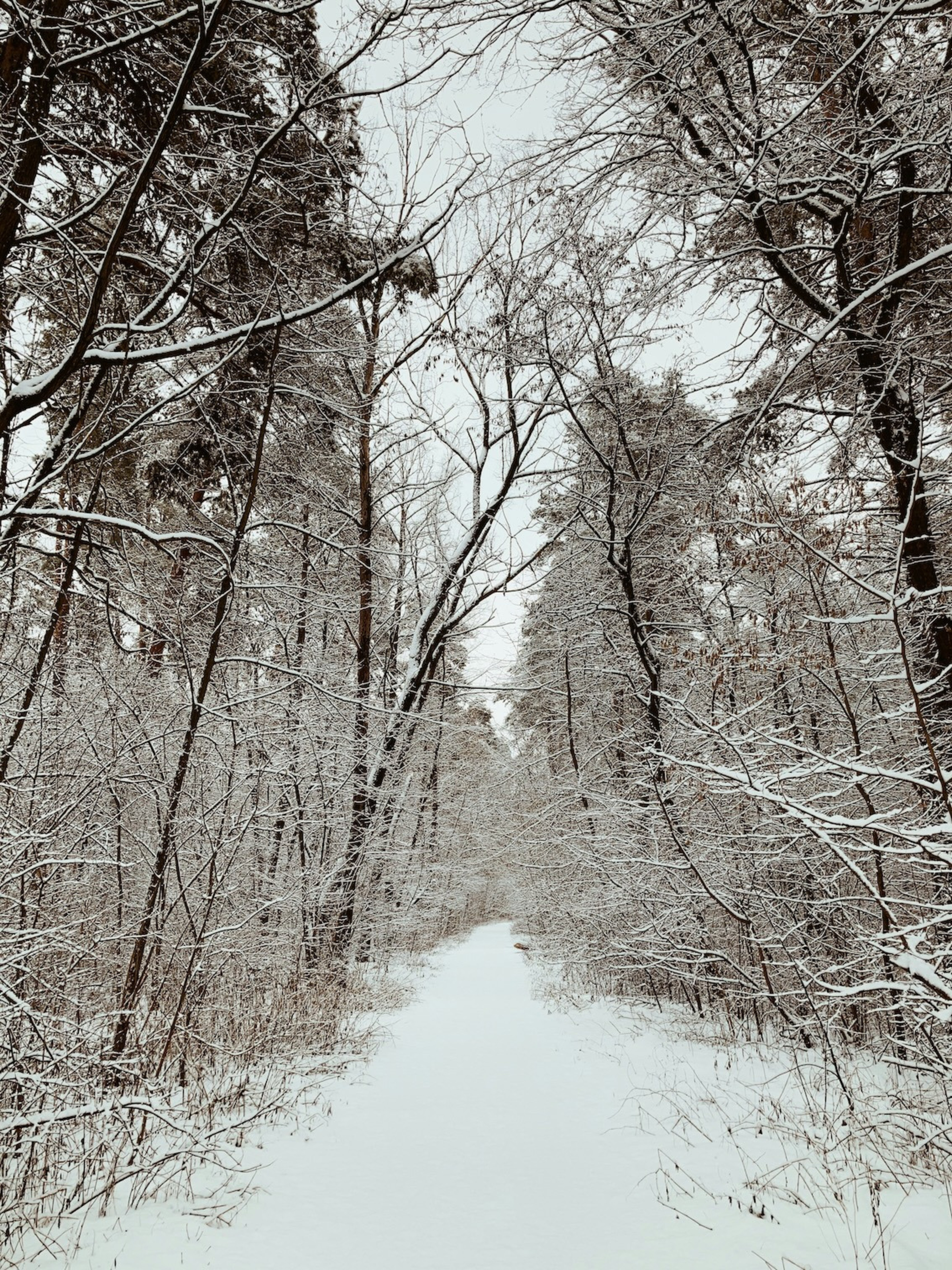
What Does Science Say? The Many Benefits of a Walk
Mental Health & Stress Reduction
Walking, especially in green or natural environments, can reduce symptoms of anxiety and depression. A comprehensive meta-analysis involving over 8,600 participants showed that regular walking significantly reduces symptoms of depression as well as anxiety.
Another review showed that even brief periods of time—such as 10 minutes a day—spent in nature are enough to lower the risk of mental illness and promote mental well-being.
Spending time outdoors can calm the nervous system, interrupt ruminative thoughts, and bring mental clarity. This makes a walk a small “reset” that can help you find peace and balance, especially during the holiday season.
Digestion, Metabolism, & Blood Sugar
Especially after lavish holiday feasts—typical of Christmas—the body is put to the test. Studies show that a walk immediately after a meal (“postprandial walking”) can significantly moderate the blood sugar response. In a recent study, a 10-minute walk after a meal reduced the blood sugar spike more effectively than a longer walk taken later.
A 30-minute brisk walk after a meal also significantly lowered postprandial glucose levels in young adults—regardless of whether the meal was high in carbohydrates or contained a mix of foods.
Thus, a walk can help lower the risk of sharp blood sugar fluctuations, support digestion and bowel motility, and alleviate the “food coma” feeling after large meals.
Circulation, Heart, & Overall Health
Regular walking—even at a moderate pace—supports circulation and heart health, improves blood flow, can stabilize blood pressure, and is an essential building block for long-term health.
Given that holidays are often associated with inactivity, a walk is a particularly accessible, safe, and sustainable way to incorporate exercise into your day—without much effort and without special equipment.

Everything You Need to Know About Sleep
How can you get more restful sleep?A Christmas Walk as a Ritual—for Connection, Mindfulness, and Well-Being
A walk during the Christmas season can be so much more than just “exercise.” It can become a mindful ritual that fosters closeness, connection, and a slower pace:
- Going for a walk with family or a partner—having real conversations, without distractions from cell phones or TV.
- Alone—as a moment of peace, reflection, gratitude, and inner calm.
- With mindfulness: Paying attention to your breath, your steps, and your surroundings—taking in nature, the weather, and the sounds around you.
- As a gentle transition: from the festive meal to tranquility, from the hustle and bustle to a moment of pause.
Mini-Routine & Combining It with Recovery: Here’s How to Make Your Walk Perfect
A walk on your own is already beneficial—but with a few small additions, you can enhance the effect:
- Right after a meal: A leisurely 10–30-minute walk—ideal for aiding digestion and regulating blood sugar. (postprandial walk)
- After the walk: Light mobility or release exercises (e.g., soles of the feet, hips, spine)—well-suited for use with tools like those from BLACKROLL®.
- Breathing/mindfulness ritual: A few deep breaths, mindful awareness—promotes relaxation, mental clarity, and connection with the body.
- Consistency over intensity: Short walks every day or several times a week are better than infrequent, intense sessions—sustainability is what counts.

Discover exercise tutorials to end your day on a relaxed note.
To the evening routinesConclusion: Perhaps the most important moment of Christmas isn’t under the tree—but outside
Christmas invites us to reflect, connect, and enjoy. But this very combination can take a toll on the body—large meals, long periods of sitting, and emotional intensity. A walk is the simple, effective remedy: good for digestion and metabolism, soothing for the mind and soul, and a way to connect with family and nature. It’s a gift to both body and mind—and a ritual that can have an impact far beyond the holidays.
Make walking a part of your Christmas season. The fresh air, the steps, the moment—and you’ll be giving yourself peace, health, and connection.
Studies & Sources
Xu, Z., Zheng, X., Ding, H., et al. (2024). The Effect of Walking on Depressive and Anxiety Symptoms: Systematic Review and Meta-Analysis. RMJ Public Health & Surveillance. publichealth.jmir.org
Pramanik, P., Cheriyedath, S. (2025). Short walks after meals deliver big benefits for blood glucose. Scientific Reports. News-Medical
Studies on postprandial walking show that 30 minutes of brisk walking after meals significantly improves the glycemic response. MDPI+2Cleveland Clinic+2
Overview of the benefits of walking—digestion, sleep, heart health, mood, blood pressure, etc. Verywell Health+2Cleveland Clinic+2