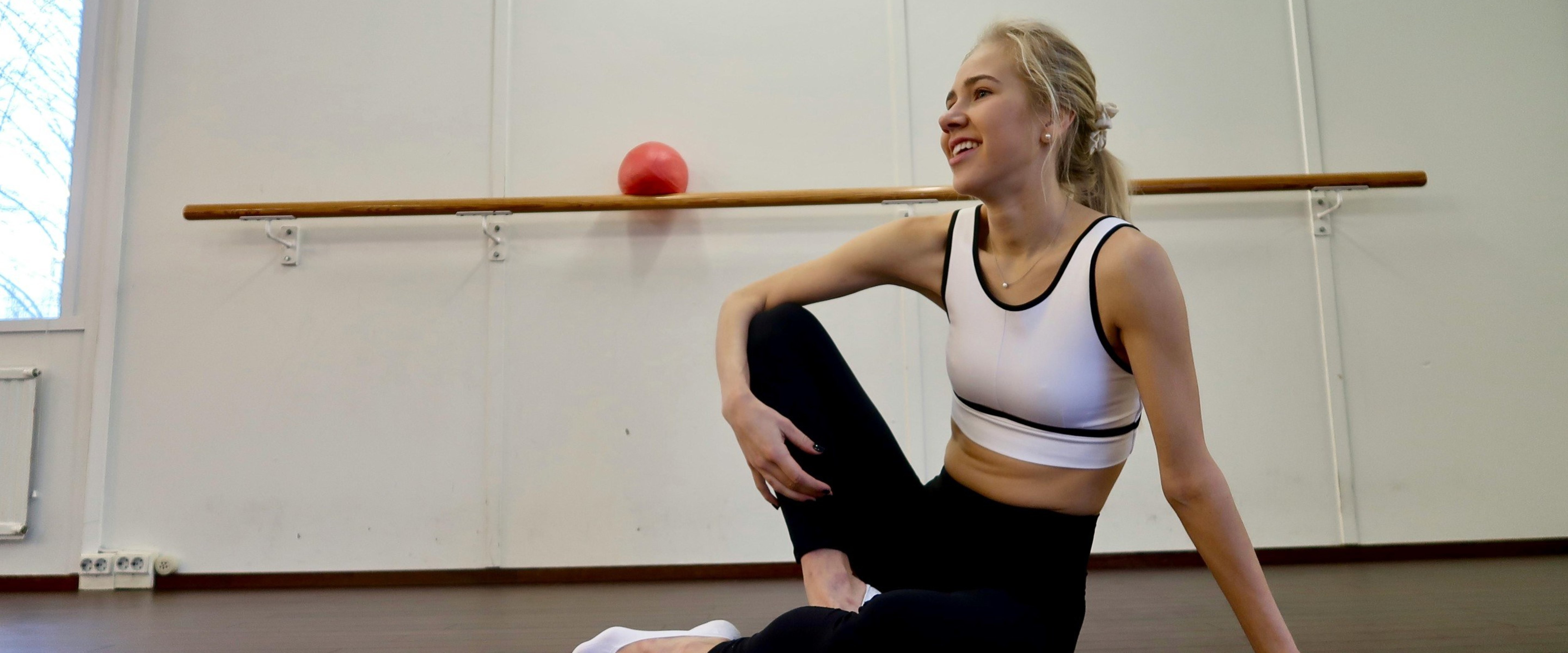
Sleep Better, Recover More Effectively—With Barre Training?
During the day, your mind is racing, your body is tense, and at night, your thoughts keep spinning. Sound familiar? You’re not alone. According to a recent Statista survey, nearly one in three people in Germany suffers from sleep disorders. Stress, lack of exercise, and physical restlessness are among the most common causes.
But what if there were a form of exercise that gently calms both body and mind—while also improving posture, building strength, and promoting true recovery? It’s not just wishful thinking! It exists—and it’s called Barre.
What exactly is Barre?
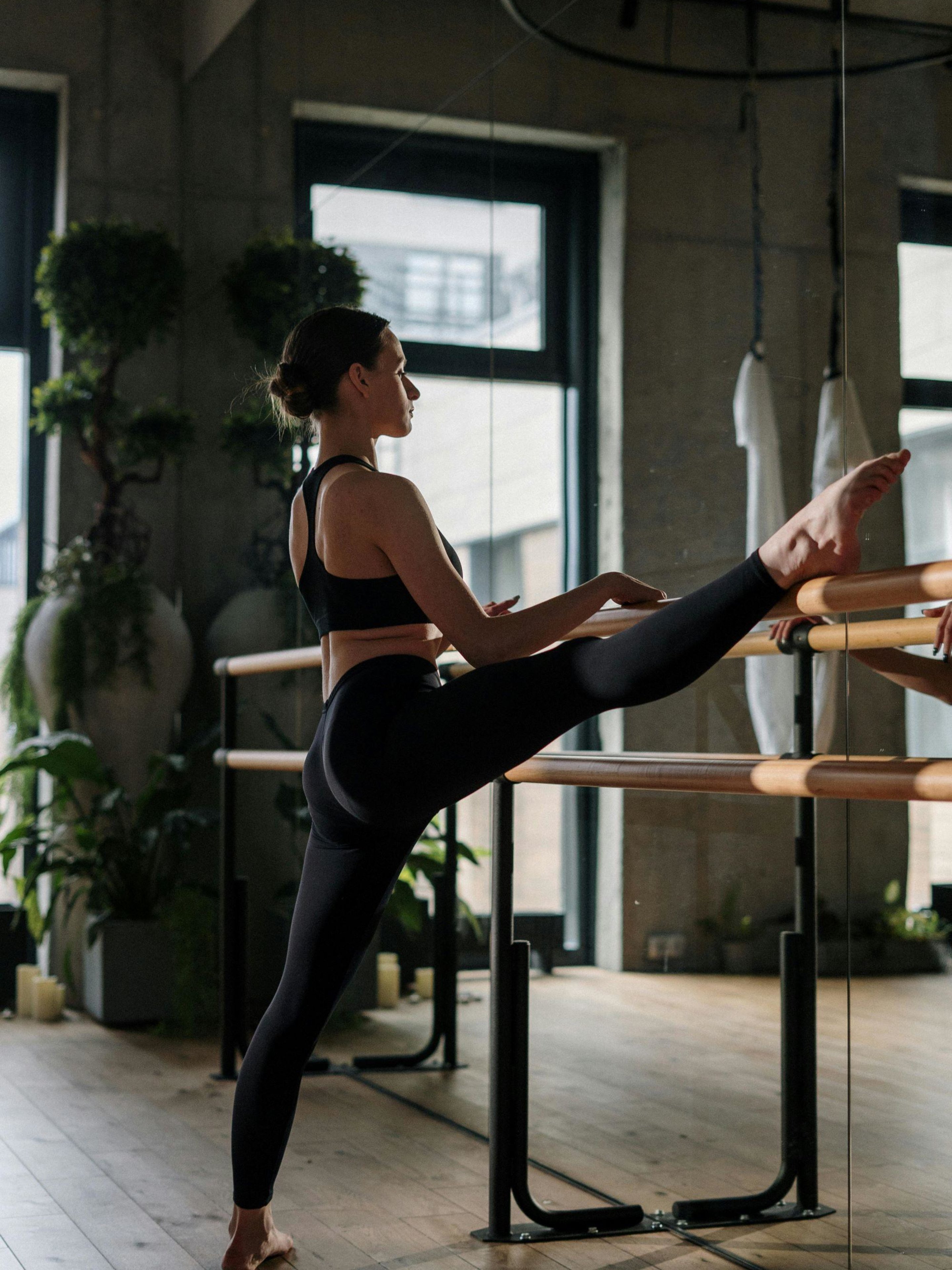
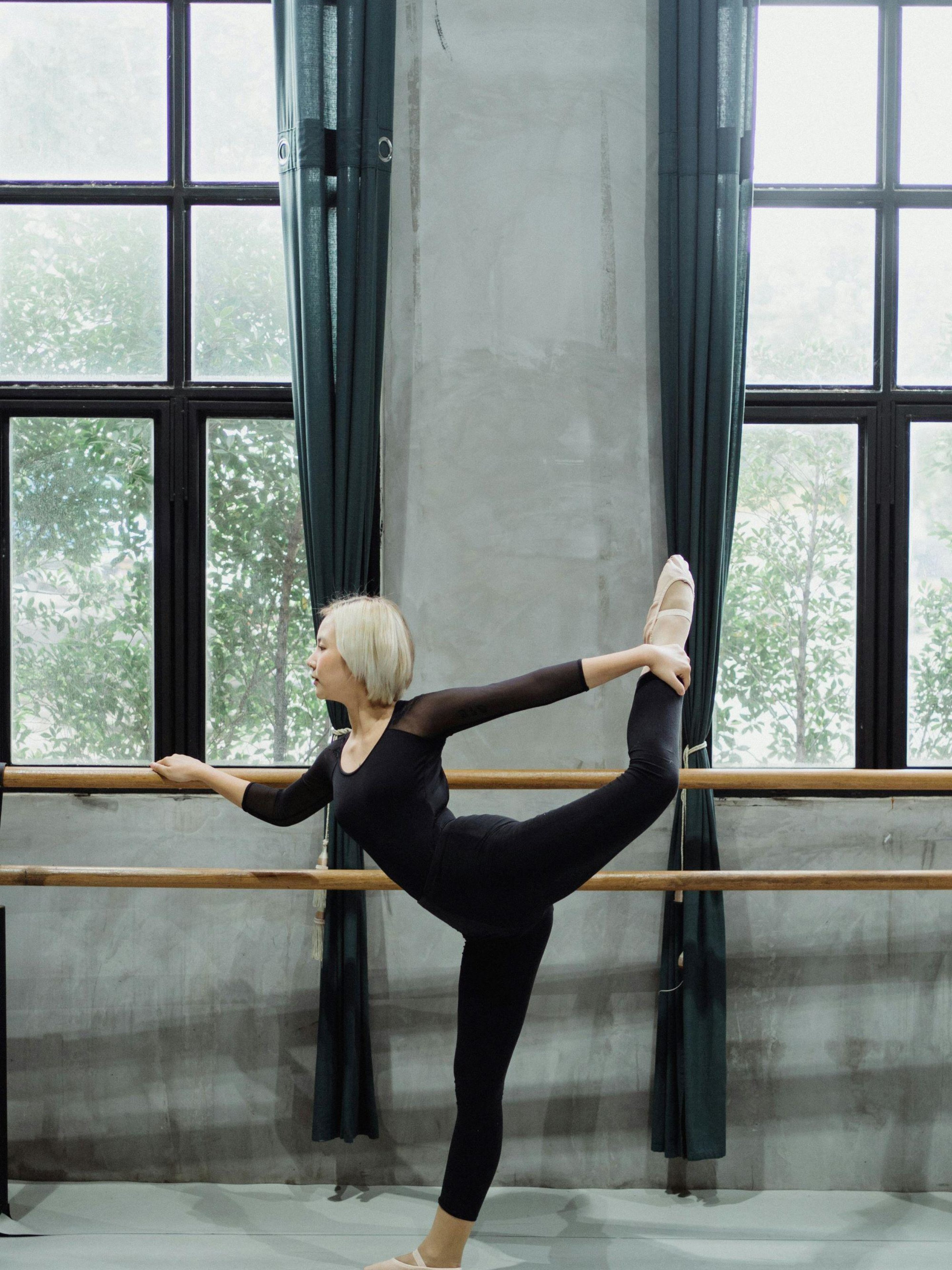
Barre training is a blend of ballet, Pilates, yoga, and functional training. And don’t worry: you don’t need pointe shoes or a background in ballet. Instead, it’s all about precise, controlled movements that challenge your entire body—especially your deep muscles.
The workout is intense but gentle on the joints. You don’t need weights or equipment—your own body weight is all you need. Small, rhythmic movements make your muscles burn, while you consciously work on your breathing and posture.
Why does Barre help with sleep?
Barre works on multiple levels simultaneously—and that’s exactly what makes it so valuable for recovery. Through the combination of controlled activation and mindful body awareness, your nervous system shifts into a state of relaxation—an ideal condition for restful sleep and physical recovery.
- Muscle Activation & Relaxation
Barre activates the entire body without overstimulating it. This creates a pleasant sensation in your muscles after the workout—similar to how you feel after a good yoga class. And it’s precisely this“feel-good burn” that can help you fall asleep. - Stress Relief Through Breathing and Focus
Barre exercises require concentration. You’re in the here and now, paying attention to your posture, your breathing, and small movements. This acts as a gentle break from the stresses of everyday life—ideal for winding down mentally. - Improved Body Awareness
Barre not only strengthens your core but also enhances your body awareness. And research shows that when you feel comfortable in your own body, you sleep better—because tension is released and your nervous system calms down.
Exercise as Part of Your Sleep Routine
You might be wondering: Do I have to work out every night before bed now? No. Barre is ideal both as a way to unwind in the evening and as a gentle way to start the day. You can fit your workouts into your schedule flexibly— 2–3 sessions per week are enough to see noticeable results. Even short 20-minute sessions can help lower your stress levels and relieve tension.
Other rituals can also help you unwind and actively promote recovery. A classic example is progressive muscle relaxation, in which you release physical tension by consciously tensing and relaxing your muscles—ideal if you have trouble unwinding after a long day. If you’re looking to find mental calm, autogenic training is a powerful method: using simple phrases, you gently guide your body and mind into a state of rest. Yoga in bed can also help—with gentle stretches and focused breathing, you prepare yourself physically and mentally for sleep.
No matter which ritual suits you best—the important thing is that you consciously take time to wind down. After all, recovery doesn’t just happen on its own; it requires space, mindfulness, and sometimes a little routine. If you also optimize your sleep environment—for example, with the RECOVERY PILLOW, the RECOVERY BASE, the PREMIUM COMFORT LINE bedding, or a RECOVERY BLANKET —you’ll create the perfect foundation for genuine, restful deep sleep.

Conclusion: Barre is more than just a fitness trend
Barre training isn’t just elegant and effective—it’s also an invitation to be more mindful of yourself. It strengthens you in everyday life, helps you unwind, and supports your nervous system on the path to more restful, deeper sleep.
It’s not about performance, but about connection: with your body, your breath, and your sense of balance. Those who train regularly—and also allow themselves moments of rest—will notice how closely the two are linked. After all, recovery doesn’t begin in bed, but with how you consciously treat yourself.