Effective Hamstring Stretches
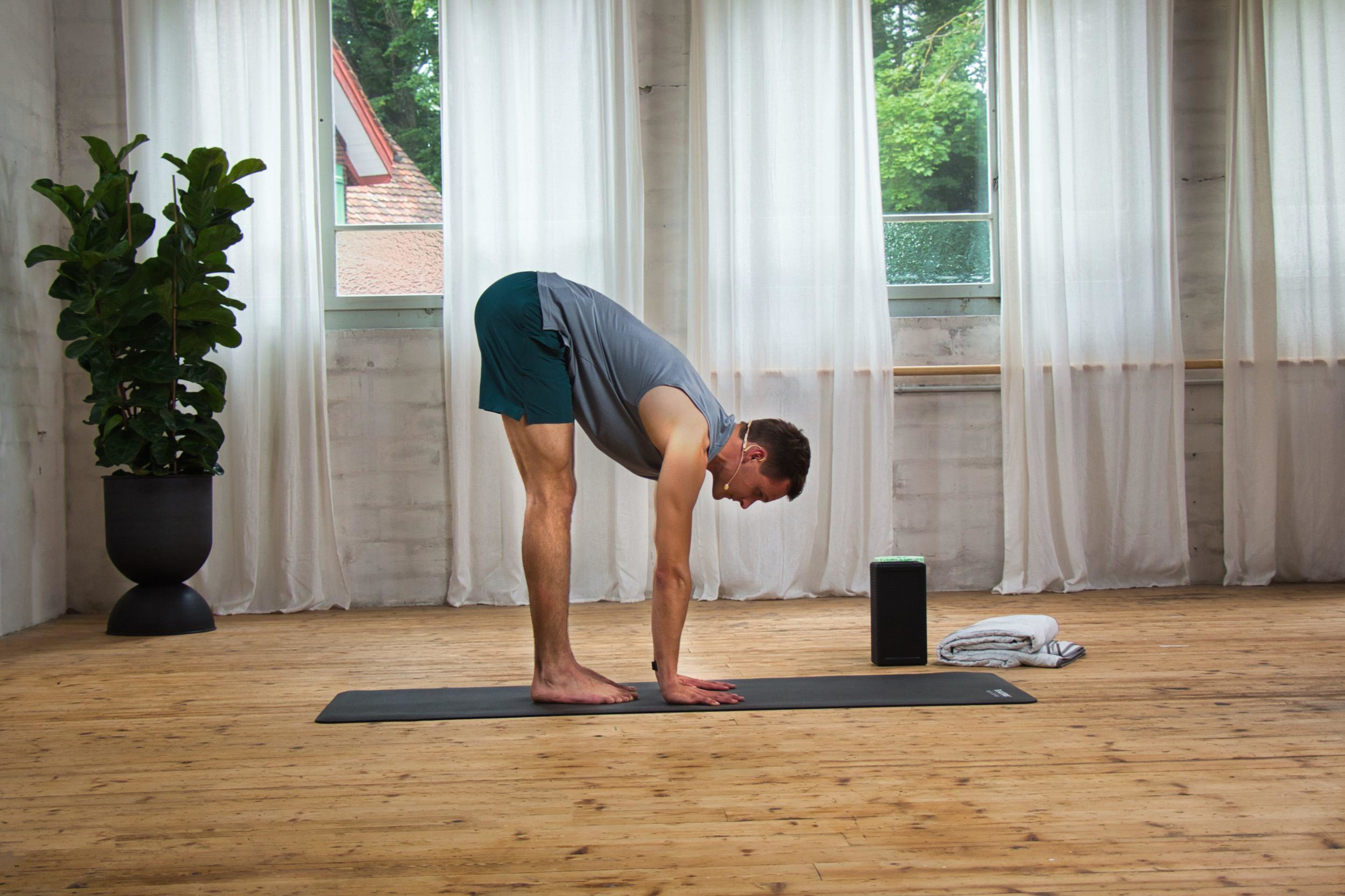
The Best Exercises for Flexible Hamstrings to Improve Flexibility and Well-Being
Time
- 18 minutes
- 7 exercises
Why Should You Stretch Your Hamstrings?
Stretching your hamstrings is especially important for maintaining your body’s flexibility and mobility. Functionally shortened hamstrings can lead to a chain of problems, ranging from poor posture to lower back pain. These muscles also affect the entire back of your body, including the fascia that runs from your feet to your head. When the hamstrings are tight, the risk of tension in the back and neck—as well as serious problems like herniated discs—increases.
Regularly stretching your hamstrings relieves pressure on your back, prevents pain, and improves your flexibility. In addition, it helps prevent injuries that can result from tight muscles and supports a healthy, upright posture. Whether you’re physically active or spend a lot of time sitting, stretching your hamstrings is an important part of your daily routine for staying fit and pain-free in the long term.
Stretching the Back of Your Thighs
Are you ready to improve your flexibility and relieve tension in your lower back? In our exercise video, our Master Trainer Stefan shows you effective stretches for the back of your thighs that you can easily incorporate into your daily life. Whether after a workout or as part of your daily routine—these exercises will help you release tension and increase your flexibility. Check it out and join in!
Stretching Exercises for the Hamstrings
If you’re looking for more stretching exercises for your hamstrings, we’ve got some additional effective exercises for you here. These stretches are the perfect addition to your routine. With simple movements, you can stretch your hamstrings to the fullest!
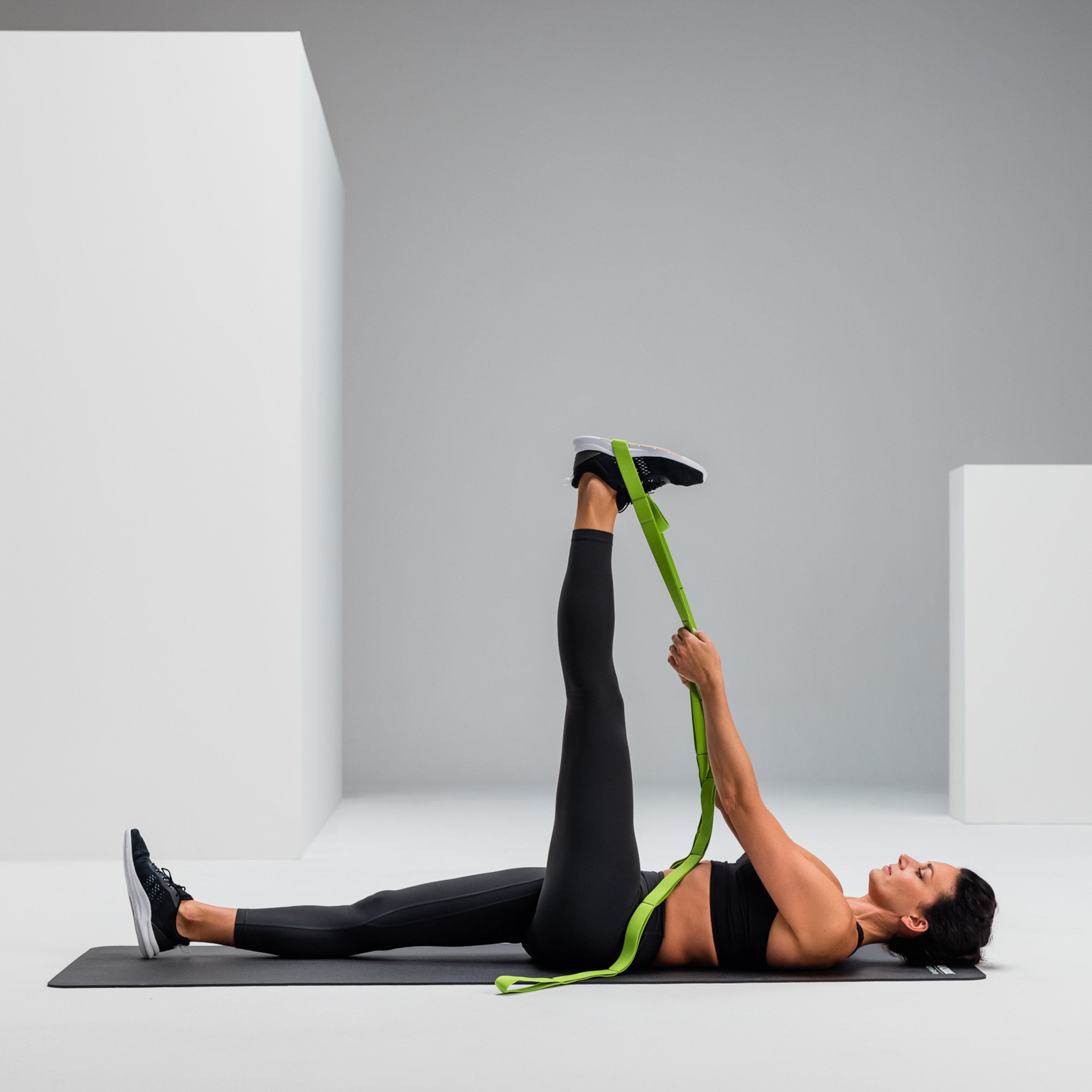
Hamstring Stretch
Lie on your back. Wrap the MULTI BAND around one foot. Grab both ends of the band with your hands. Straighten your leg. Lift the straightened leg upward. Your leg should now be perpendicular to the floor. Hold this position.
During the exercise, actively pull the toes of your straight leg toward your body.
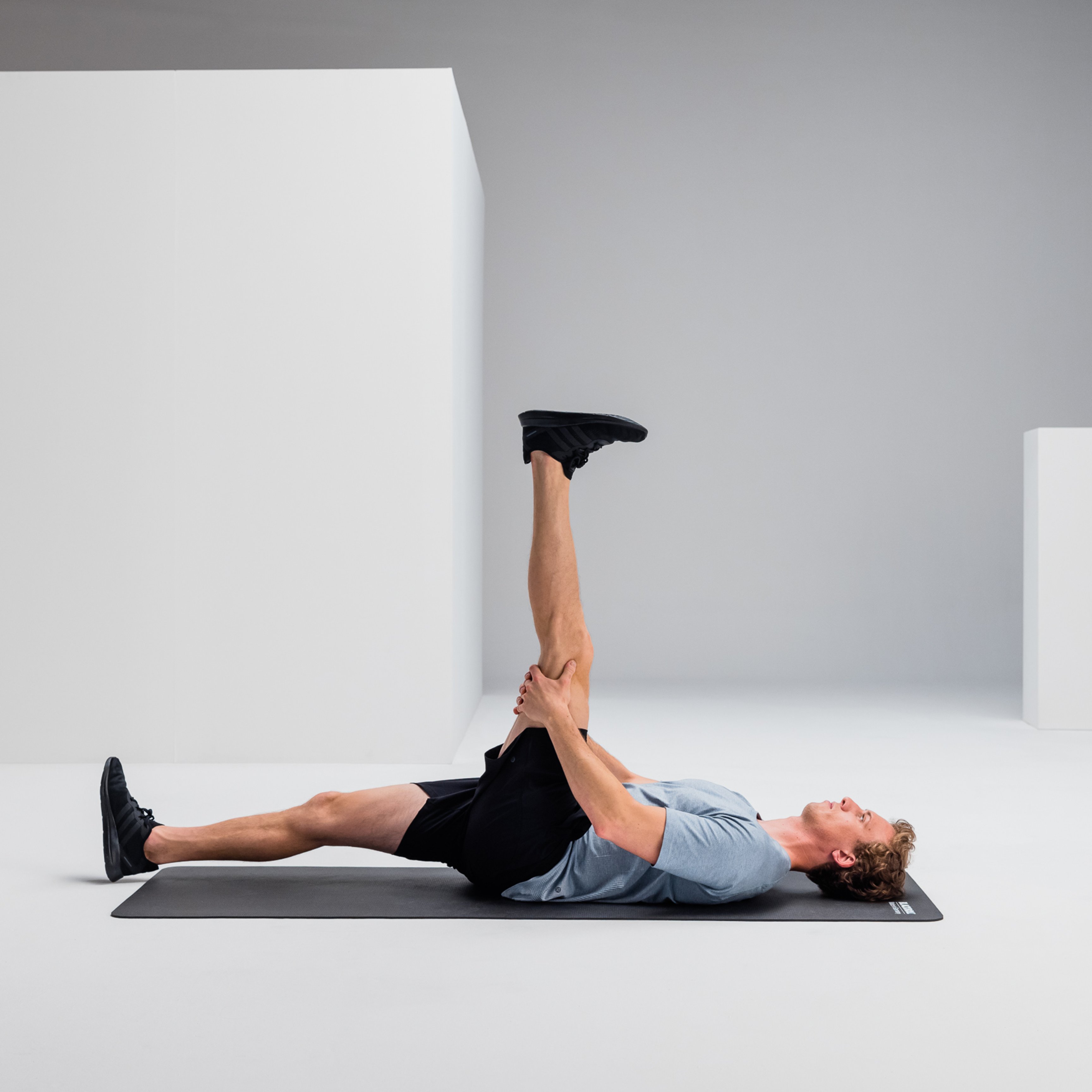
Stretching the Back of the Thigh
Start by lying on your back. Grasp one leg with both arms around the back of the thigh. Pull the leg toward you, keeping it as straight as possible.
Try to keep your other leg on the floor.
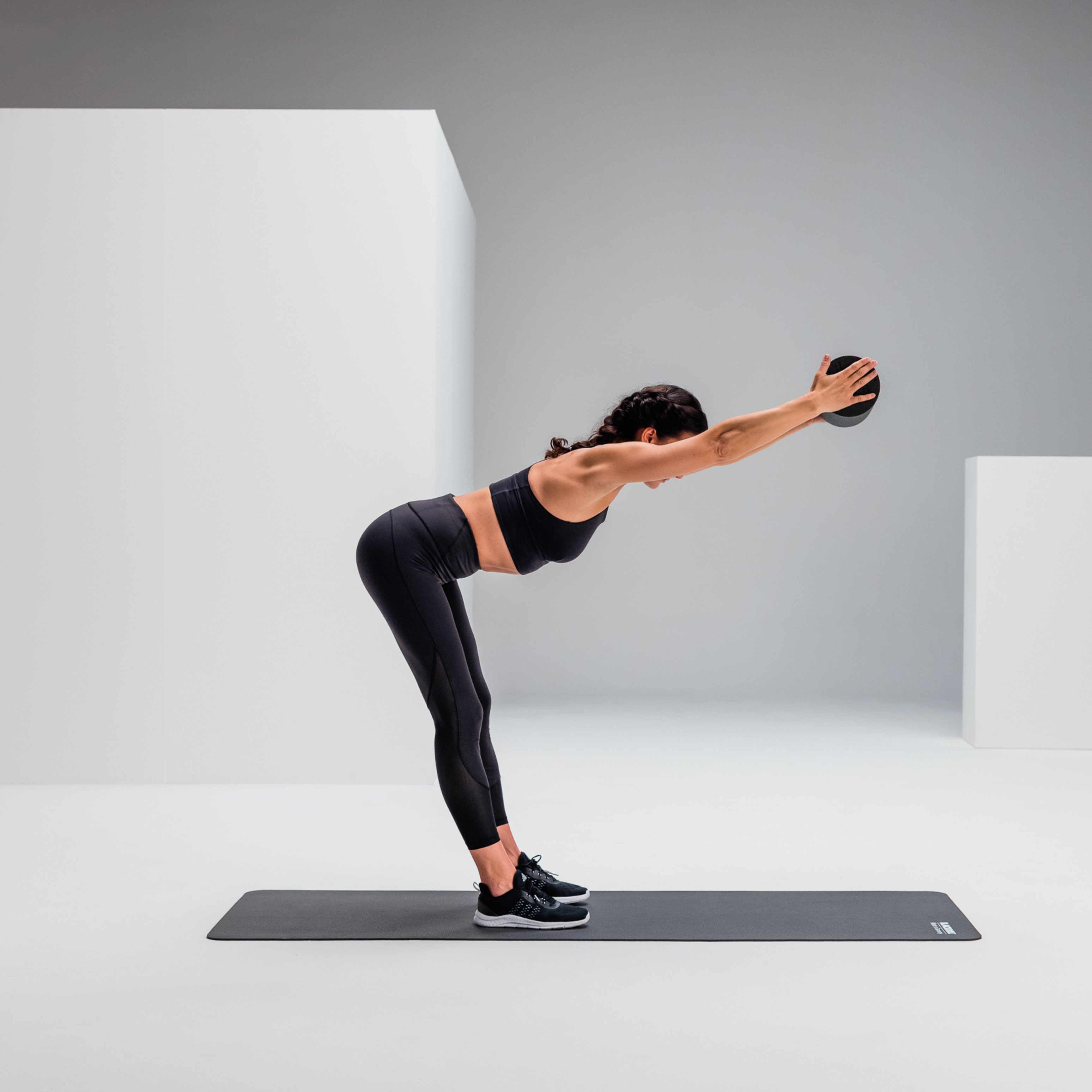
Good Mornings
Start with your feet shoulder-width apart. Keep your knees slightly bent. Hold the BLACKROLL between your hands, which are stretched overhead. Push your pelvis back. Lean forward with a straight back. Return to the starting position.
Bend your upper body forward until you feel a stretch in the back of your thighs.
Sumo Deadlift
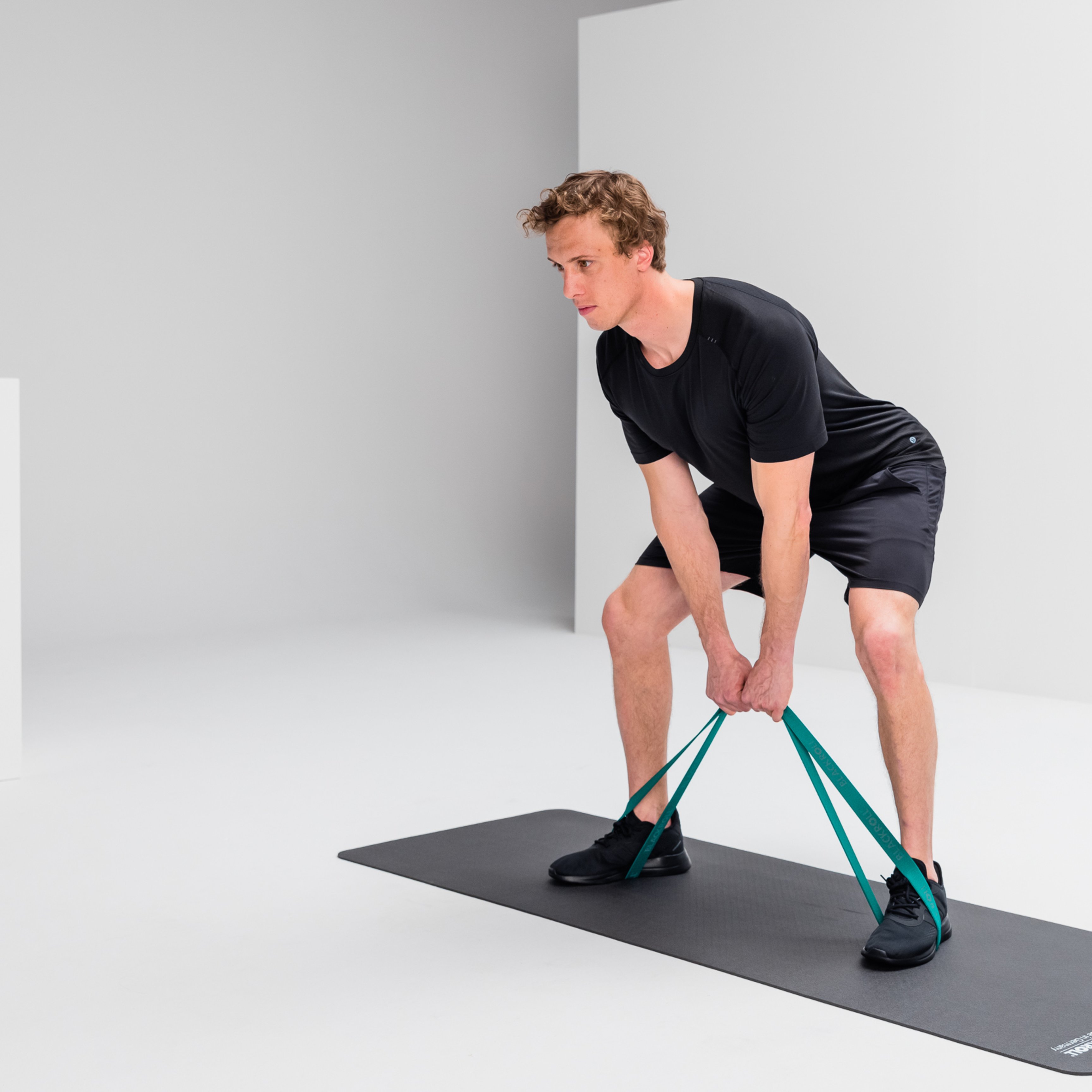
Start in an upright, wide stance. Place your feet on the SUPER BAND. Bend your upper body straight forward and grasp the band. Actively pull the band backward while rotating your upper arms outward. Straighten your upper body by extending your hips and squeeze your glutes at the top of the movement.
Keep your head in line with your spine throughout the entire exercise.
Triggering the Hamstrings
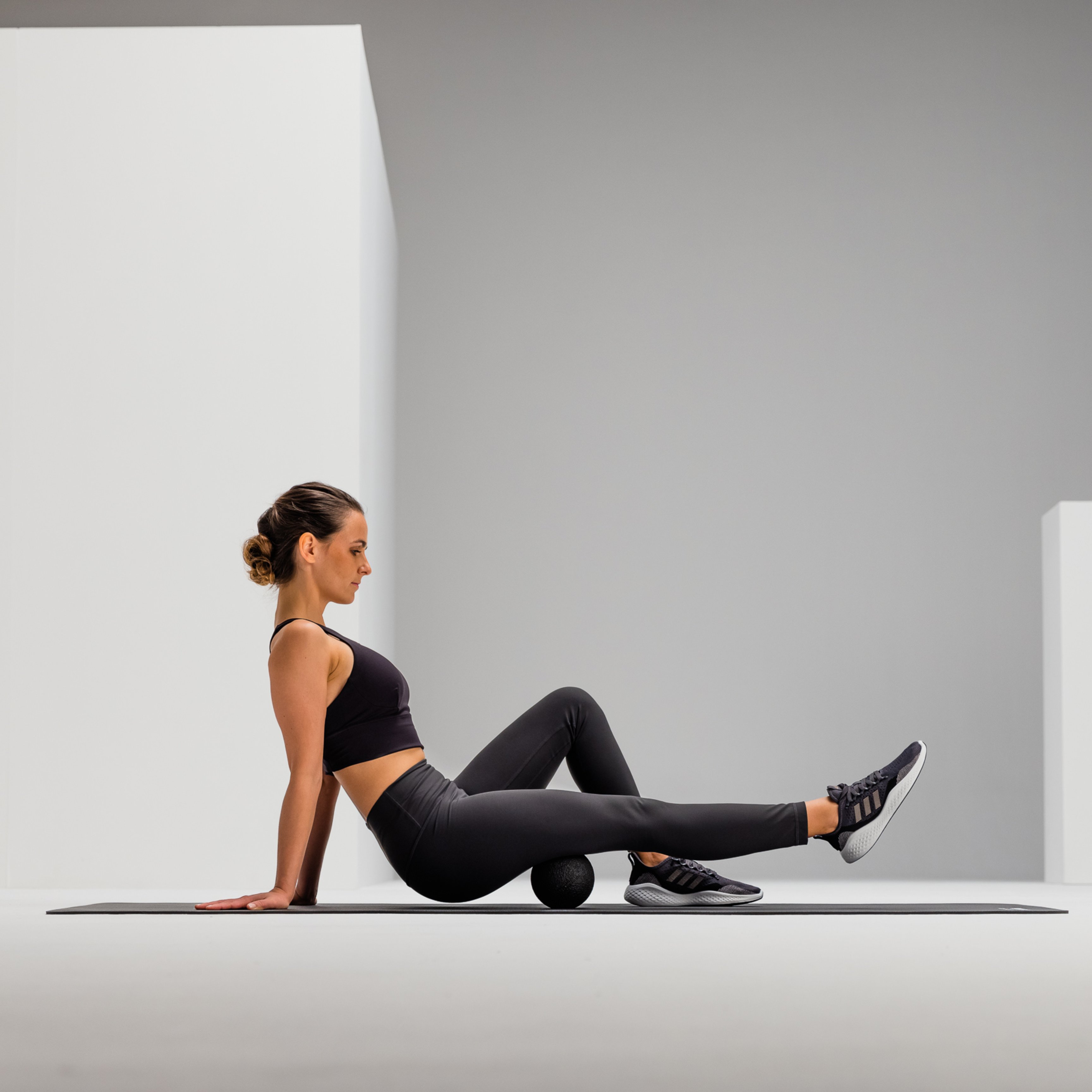
While seated, place your thigh on the BALL 08. Look for a tender spot. Hold this position. Focus on your breathing while doing so.
As soon as the pain subsides, bend and straighten your knee.
With these stretching exercises, you’re taking an important step toward improving your flexibility and doing something good for your body. Stick with it and incorporate these exercises into your daily routine. Your body will thank you!
Anatomy of the Hamstrings
The hamstrings, also known as the ischiocrural muscles, consist of a group of three muscles located on the back of the thigh. These muscles extend from the ischium (os ischii) to just below the knee and play a crucial role in leg movement.
The three main muscles of the hamstrings:
1. Biceps femoris:
- This muscle has two heads: the long head (Caput longum) and the short head (Caput breve).
- The long head originates at the ischium, while the short head originates from the lower part of the thigh bone (femur).
- Both heads insert into the fibula and are primarily responsible for flexing the knee and extending the hip. In addition, the biceps femoris assists in the external rotation of the lower leg and the hip.
2. Semitendinosus muscle :
- This muscle is located in the middle of the back of the thigh and originates at the ischium.
- It runs along the thigh and inserts on the inner side of the shinbone (tibia).
- The semitendinosus muscle assists in knee flexion and hip extension. It also contributes to the internal rotation of the lower leg and assists in the internal rotation of the hip.
3. Semimembranosus muscle:
- This muscle lies directly beneath the semitendinosus muscle and also originates at the ischium.
- It inserts on the back of the shinbone (tibia).
- The semimembranosus muscle also assists in knee flexion and hip extension. It also aids in the internal rotation of the lower leg and the hip.
Importance in Movement:
Due to their position and function, the hamstrings are prone to injury, especially during sudden, forceful movements. Good flexibility and strength in these muscles are therefore crucial for preventing injuries and optimizing mobility. Regular stretching and strengthening of the hamstrings are important for keeping these muscles supple and functional.
How often should you stretch your hamstrings?
That depends on your lifestyle. If you sit a lot—for example, while working at a desk—it’s advisable to stretch your hamstrings daily or at least 2–3 times a week. You can easily incorporate this into your daily routine, such as by doing a quick forward bend during a break or a 5-minute exercise routine before bed.
As a general rule, stretch your hamstrings after every workout that puts strain on them, such as after jogging or playing soccer.
With the right hamstring stretches, this is quick and easy!
What to Keep in Mind When Stretching the Back of Your Thighs!
Every body is different: When you straighten your legs, you stretch your hamstrings more intensely. But if you already feel a stretch with your legs bent, that’s perfectly sufficient. In this case, perform the exercises with your legs bent, but be sure to tilt your pelvis forward!
Respect your limits: The hamstrings are prone to injury. Therefore, be sure to respect your limits and avoid forcing yourself into a position. The stretching pain should remain comfortable. If you overwork your muscles, they’ll tense up as a self-protective mechanism, which has the opposite effect of what you’re aiming for.
Use a strap: If you can’t reach your feet with your hands in a relaxed manner, use a strap or band to extend your arms. This will allow you to hold the position longer and more comfortably.
Once is not enough: If you really want to make your hamstrings supple, stretching them once a week for a few minutes isn’t enough. It’s much more effective to establish a daily mobility routine that incorporates the following exercises. If it feels good, you can also hold the stretches longer than indicated and give your hamstrings the attention they need.
BLACKROLL products for the exercises
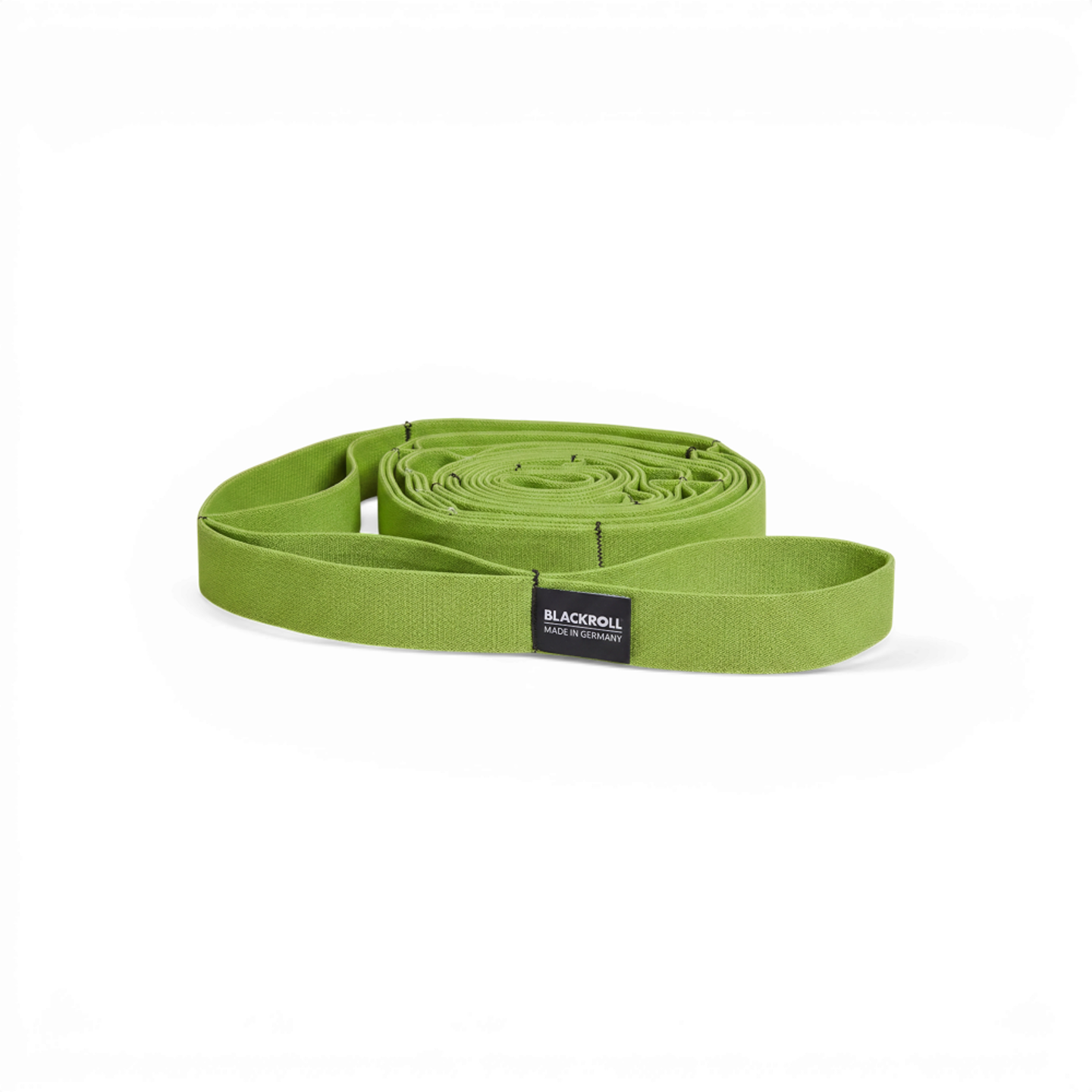
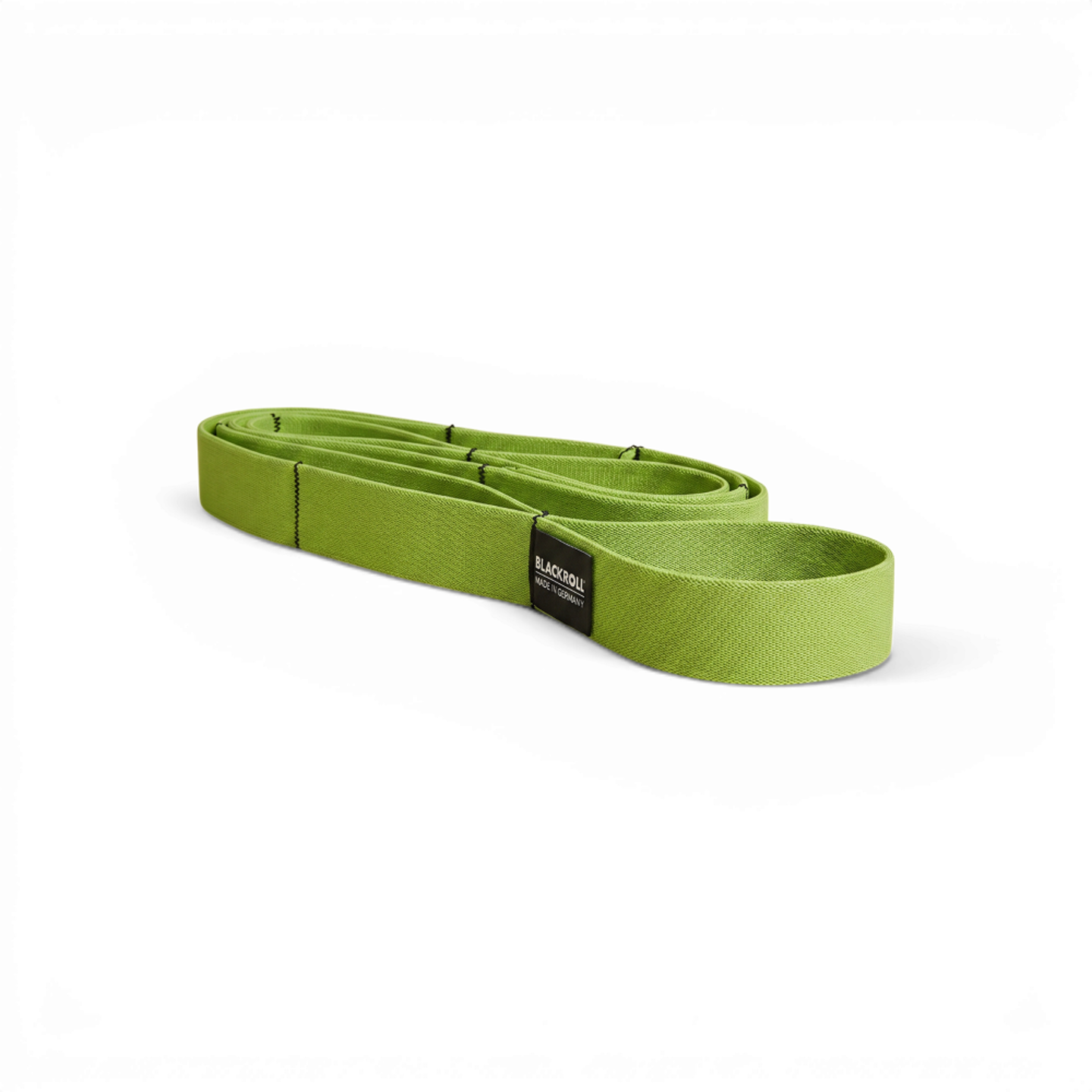


Super Band
Available in multiple variants
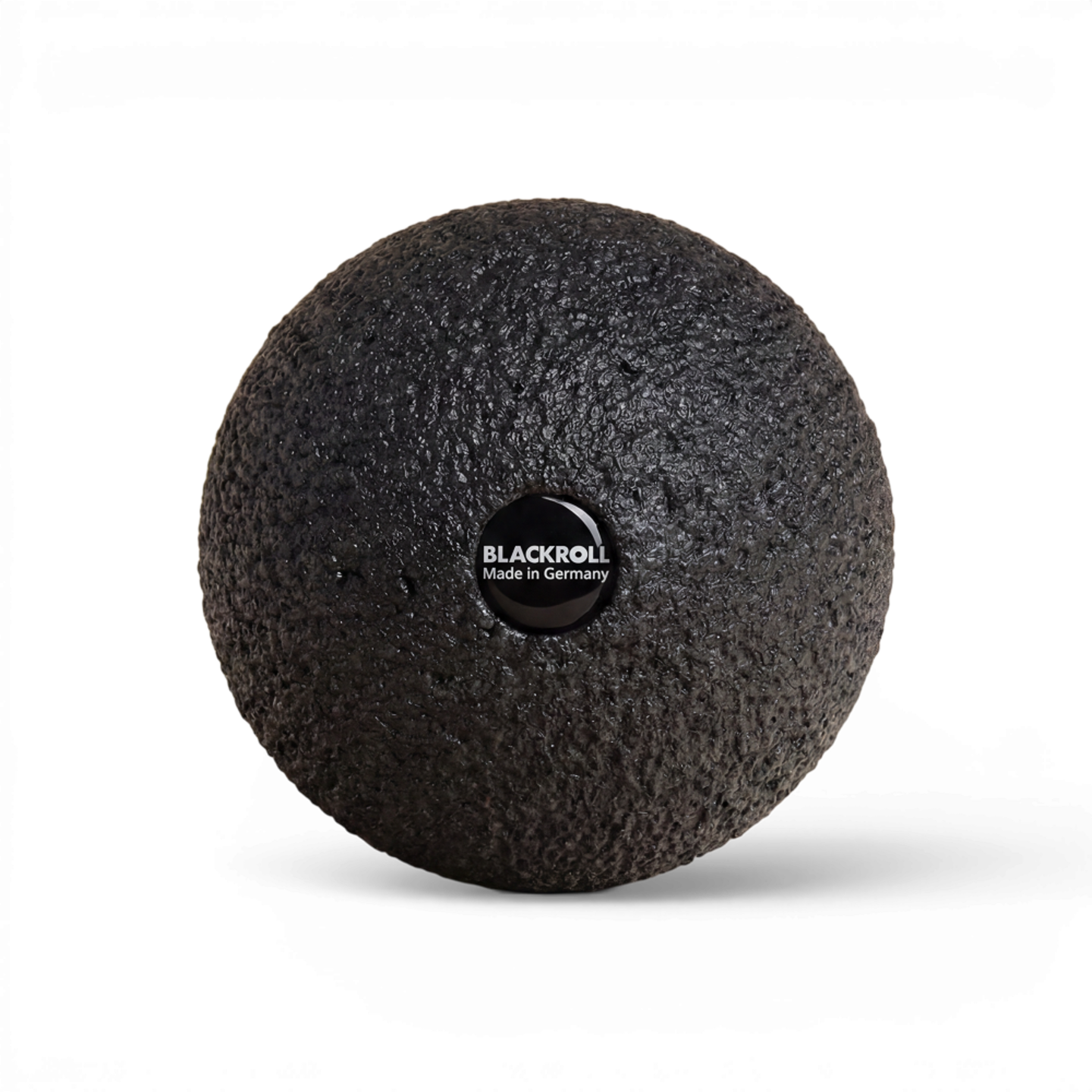

Ball 08
Available in multiple variants
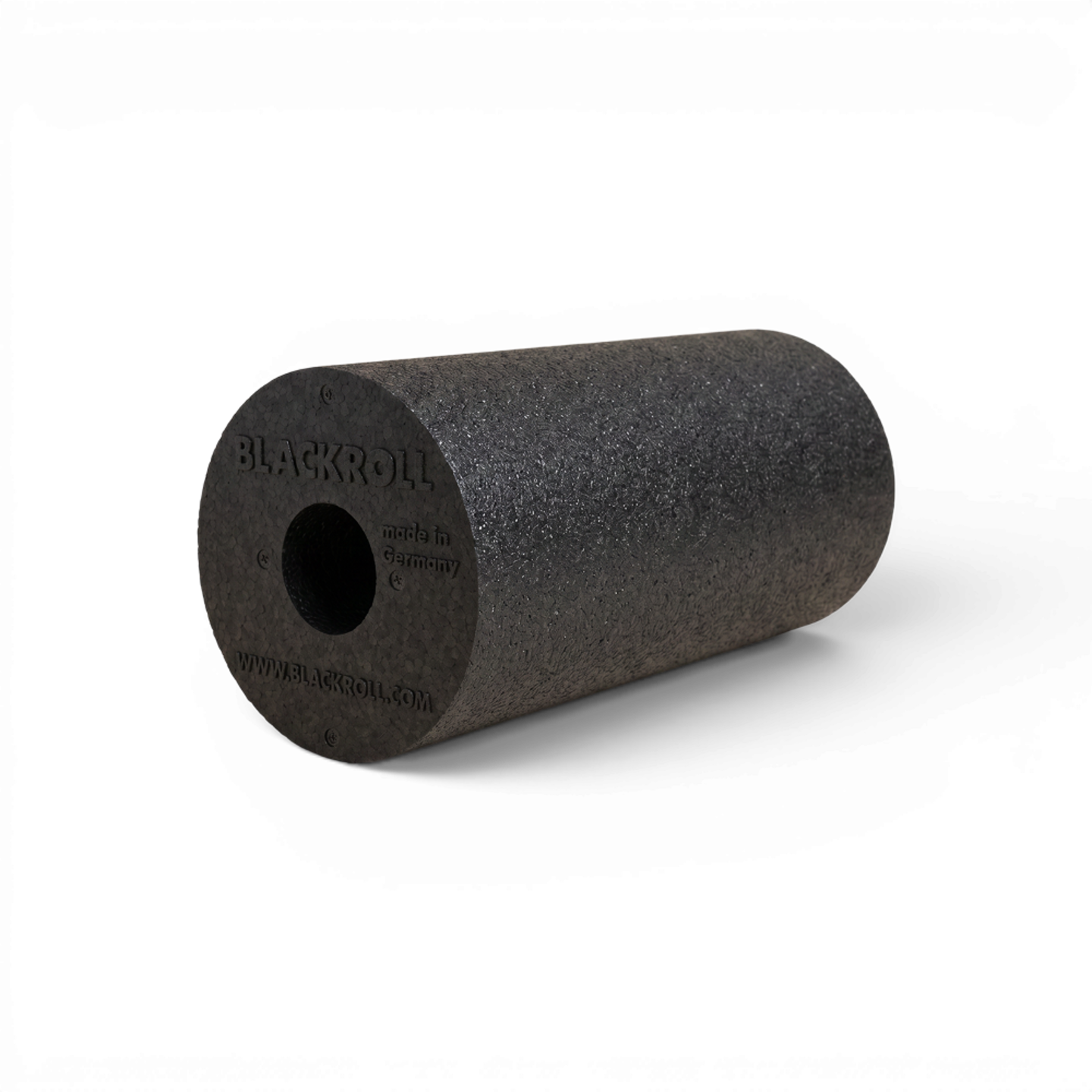
Standard
Available in multiple variants